
China Sinter Plate Filter: FAQs, Uses, and Benefits | Lvyuan
- China Sinter Plate Filter: Your Ultimate Guide to Uses, Benefits, and FAQs
- What is a Sinter Plate Filter?
- Key Features:
- Why Choose China Sinter Plate Filters?
- Advantages of China Sinter Plate Filters:
- Common Applications of Sinter Plate Filters
- How to Maintain a Sinter Plate Filter?
- FAQs About China Sinter Plate Filters
- 1. What is the lifespan of a sinter plate filter?
- 2. Can sinter plate filters be reused?
- 3. Are China sinter plate filters suitable for high-temperature applications?
- 4. How do I choose the right sinter plate filter for my application?
- 5. Why is Lvyuan a trusted brand for sinter plate filters?
- Conclusion
China Sinter Plate Filter: Your Ultimate Guide to Uses, Benefits, and FAQs
Sinter plate filters are essential components in various industrial applications, offering superior filtration efficiency and durability. As a leading manufacturer, China has become a global hub for high-quality sinter plate filters, with brands like Lvyuan setting industry standards. In this blog, we’ll answer the most common questions about China sinter plate filters, their uses, and why they are a preferred choice for industries worldwide.
What is a Sinter Plate Filter?
A sinter plate filter is a type of filtration device made by sintering metal powders, typically stainless steel, to create a porous structure. This process results in a robust and durable filter capable of withstanding high temperatures, pressures, and corrosive environments.
Key Features:
- High mechanical strength
- Excellent chemical resistance
- Uniform pore size for precise filtration
- Long service life
Why Choose China Sinter Plate Filters?
China has emerged as a global leader in sinter plate filter production due to its advanced manufacturing capabilities and cost-effectiveness. Brands like Lvyuan are known for their commitment to quality, innovation, and competitive pricing.
Advantages of China Sinter Plate Filters:
1. Cost-Effective: Chinese manufacturers offer high-quality filters at competitive prices.
2. Customization: Filters can be tailored to meet specific industrial requirements.
3. Reliability: Rigorous quality control ensures consistent performance.
Common Applications of Sinter Plate Filters
Sinter plate filters are widely used in industries requiring precise filtration. Some common applications include:
- Chemical Processing: For filtering corrosive liquids and gases.
- Pharmaceuticals: Ensuring sterile and particle-free solutions.
- Food and Beverage: Maintaining hygiene and quality standards.
- Water Treatment: Removing impurities from water.
How to Maintain a Sinter Plate Filter?
Proper maintenance is crucial to ensure the longevity and efficiency of sinter plate filters. Here are some tips:
1. Regular Cleaning: Use appropriate cleaning agents to remove accumulated particles.
2. Inspection: Check for signs of wear or damage periodically.
3. Storage: Store filters in a clean, dry environment to prevent contamination.
FAQs About China Sinter Plate Filters
1. What is the lifespan of a sinter plate filter?
The lifespan depends on the operating conditions and maintenance. With proper care, sinter plate filters can last several years.
2. Can sinter plate filters be reused?
Yes, sinter plate filters are reusable. Regular cleaning and maintenance can restore their filtration efficiency.
3. Are China sinter plate filters suitable for high-temperature applications?
Absolutely. Sinter plate filters, especially those made from stainless steel, can withstand high temperatures, making them ideal for demanding environments.
4. How do I choose the right sinter plate filter for my application?
Consider factors like pore size, material compatibility, and operating conditions. Consulting with experts like Lvyuan can help you make an informed decision.
5. Why is Lvyuan a trusted brand for sinter plate filters?
Lvyuan combines advanced manufacturing techniques with stringent quality control to deliver reliable and durable sinter plate filters. Their commitment to customer satisfaction and innovation sets them apart.
Conclusion
China sinter plate filters are a reliable and cost-effective solution for various industrial filtration needs. By understanding their features, applications, and maintenance requirements, you can maximize their performance and lifespan. Brands like Lvyuan continue to lead the way in providing high-quality sinter plate filters that meet global standards.
Whether you’re in chemical processing, pharmaceuticals, or water treatment, investing in China sinter plate filters is a smart choice for achieving efficient and precise filtration.
What is titanium sintered filter
How to Test the Filtration Accuracy of Sintered Metal Filters | Lvyuan
What is sintered metal filter manufacturers
Custom stainless steel filter screen Manufacturers and suppliers
Sintered Metal Filters
What applications are sintered metal filters suitable for?
Sintered metal filters find applications in petrochemicals, water treatment, food and beverage, pharmaceuticals, automotive, and various industrial processes requiring precise filtration.
Porous Plastic Filter
What is Porosity in Filtration?
Porosity, in the context of filtration, measures the pores on the filter surface, determining its efficiency and capabilities. Higher porosity indicates more open structures (pores), allowing maximum flow with minimal pressure drops.
However, it's crucial to note that a higher porosity rate doesn't necessarily guarantee greater efficiency. When selecting the right material for your porous metal filter, consider aspects such as pore size, pressure drop, temperature resistance, and strength.
• Size of Pores: Micron rating is crucial. A material rated at 5 microns will likely stop particles of 5 microns or larger.
• Pressure Drop: Choose a material with a minimum pressure drop for uniform flow.
• Temperature Resistance: Analyze the material's capability to perform efficiently under specific temperatures.
• Strength: Opt for a filter with the strength to withstand changing environmental conditions.
Metal mesh filters
Can sintered wire mesh filter be used in high-pressure applications?
Yes, sintered wire mesh is suitable for high-pressure applications due to its high strength and durable structure. However, specific pressure ratings may vary based on the material and design, so it's essential to consider these factors.
What are the key advantages of sintered wire mesh filter?
• High Strength: The sintered wire mesh filter exhibits excellent mechanical strength.
• Uniform Porosity: The sintering process creates a uniform pore structure for efficient filtration.
• Temperature Resistance: Suitable for applications with high temperatures.
• Easy to Clean: Can be cleaned and reused multiple times.
• Chemical Resistance: Resistant to corrosion and chemical exposure.
For products
Do you provide customization for sintered metal filters?
Yes, we offer customization services to tailor sintered metal filters to your unique specifications. This includes variations in size, shape, material, and micron rating to ensure the filter meets the specific demands of your application.
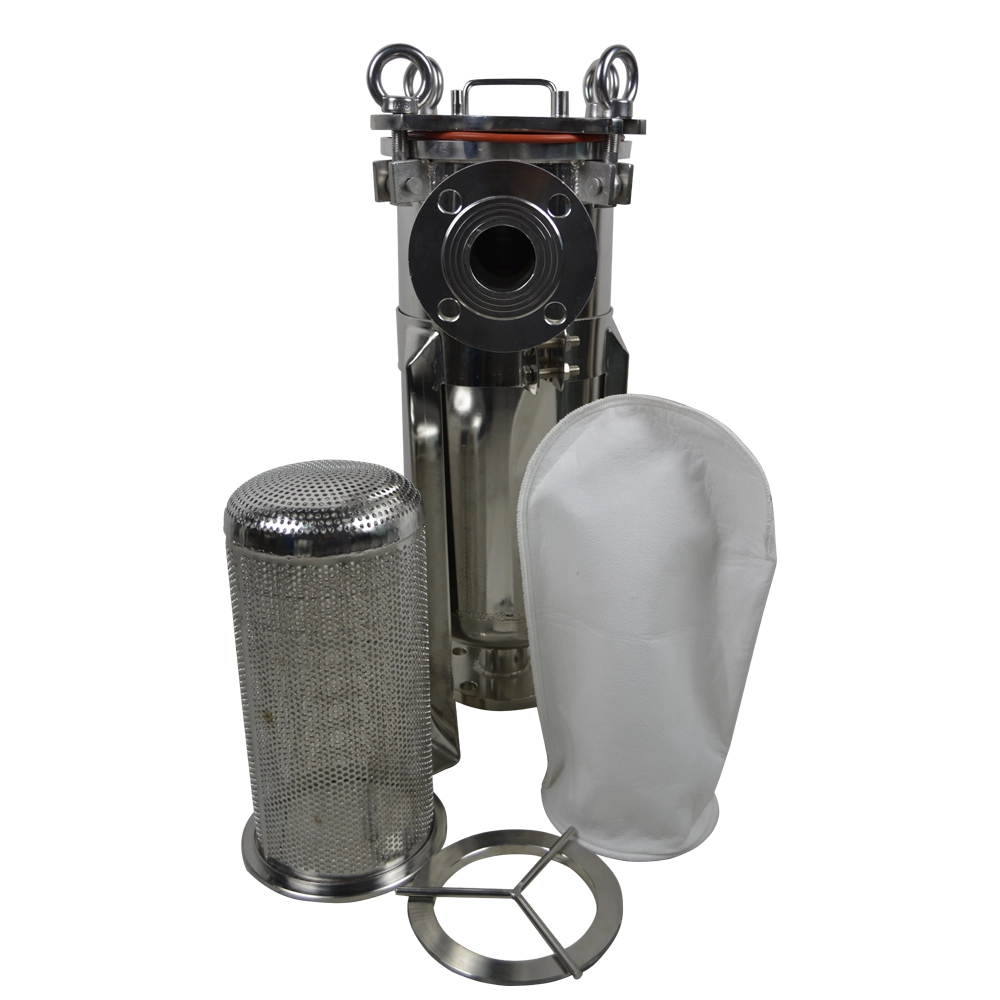
Bag filter housing
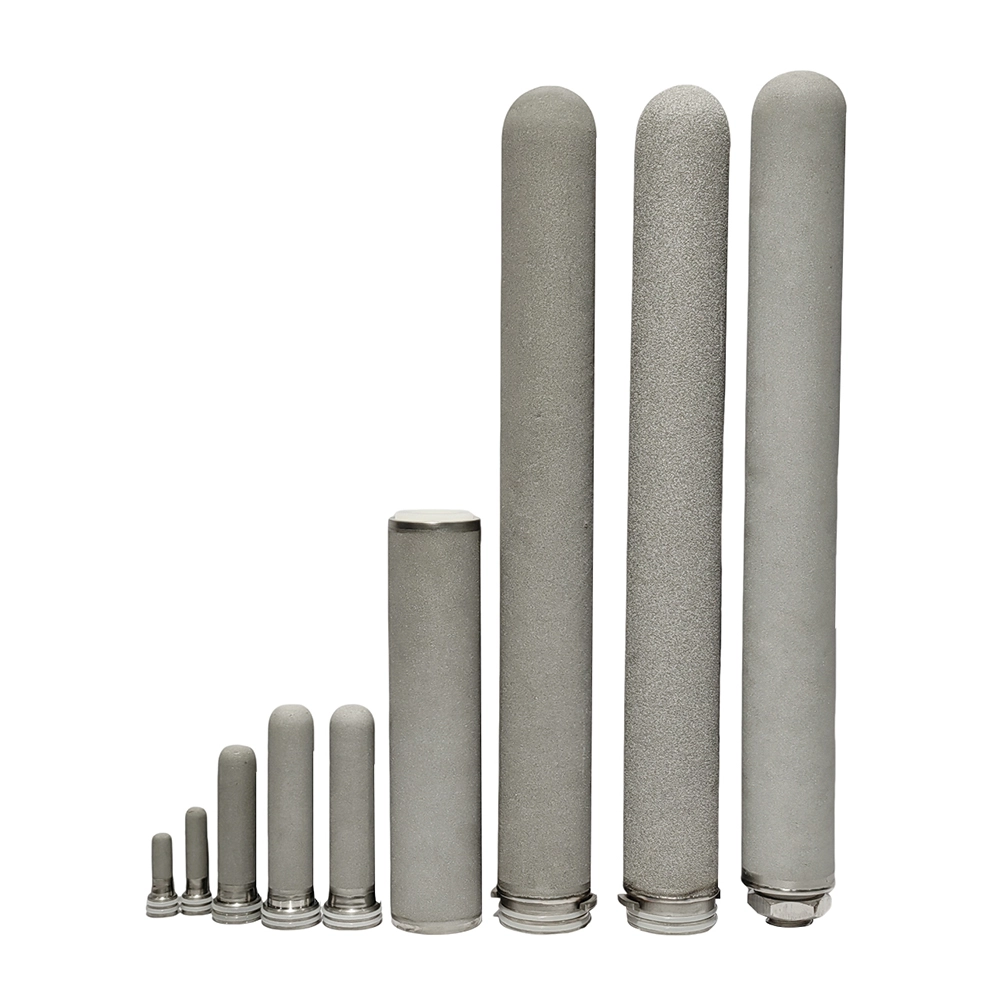
Sintered powder metal filters
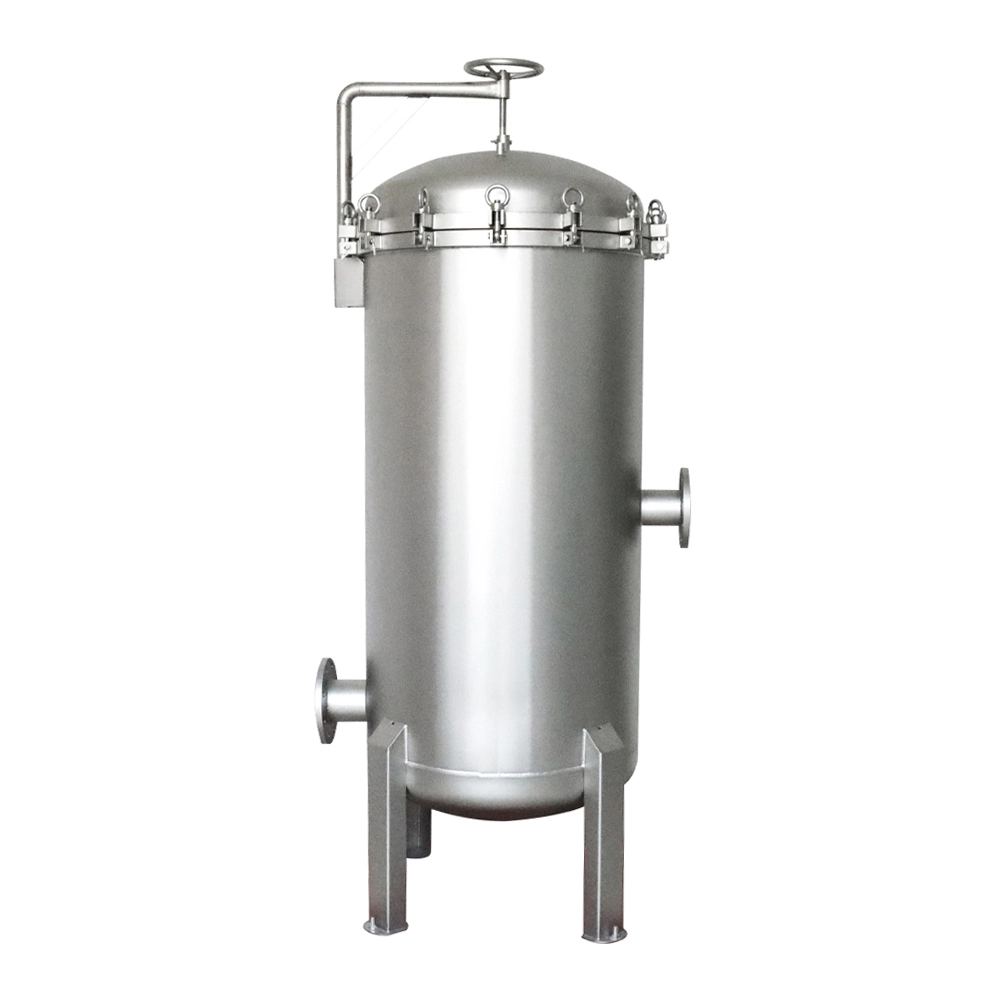
Stainless steel multi cartridge filter housing
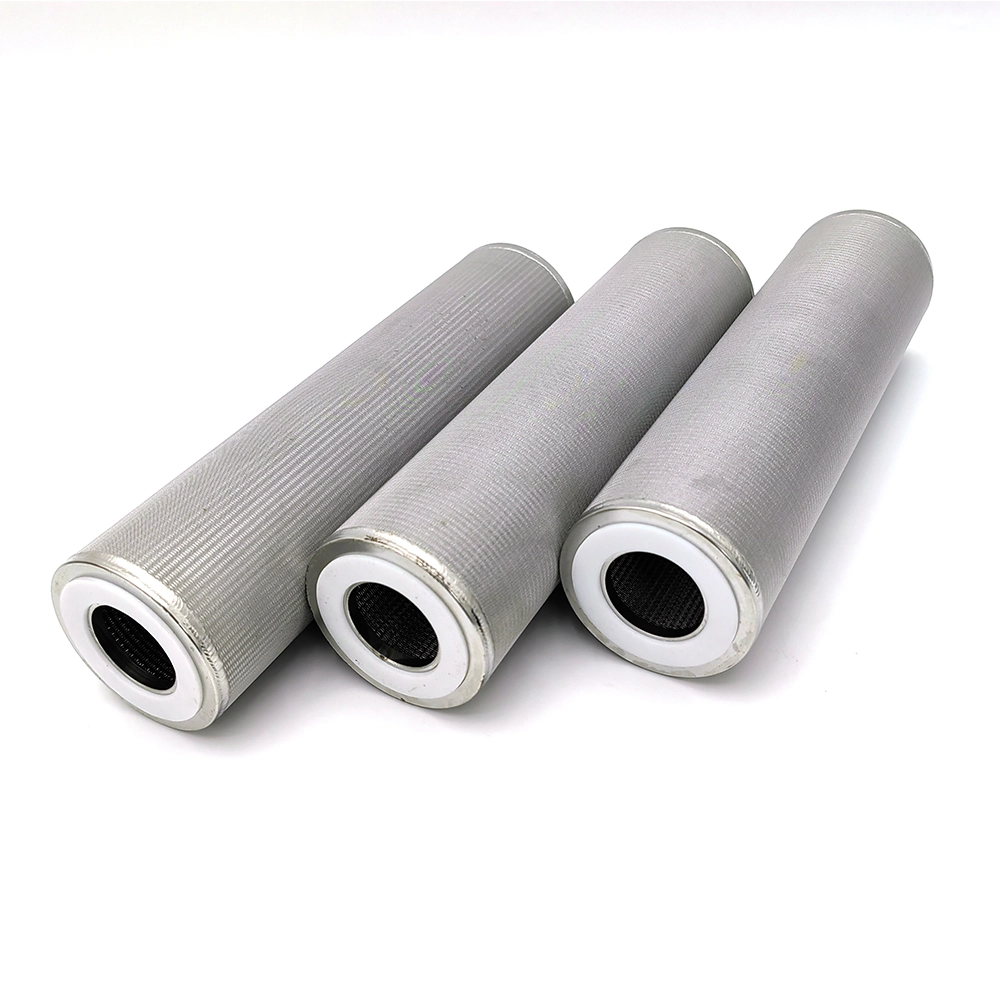
Sintered wire mesh filter
Benefit from outstanding high-pressure resistance and consistent filtration efficiency with our sintered metal mesh. Our sintered wire mesh finds versatile applications in diffuser screens, centrifuges, breather vents, fluidized beds, chromatography, polymer processing, petrochemical industries, hydraulic filters, and more.
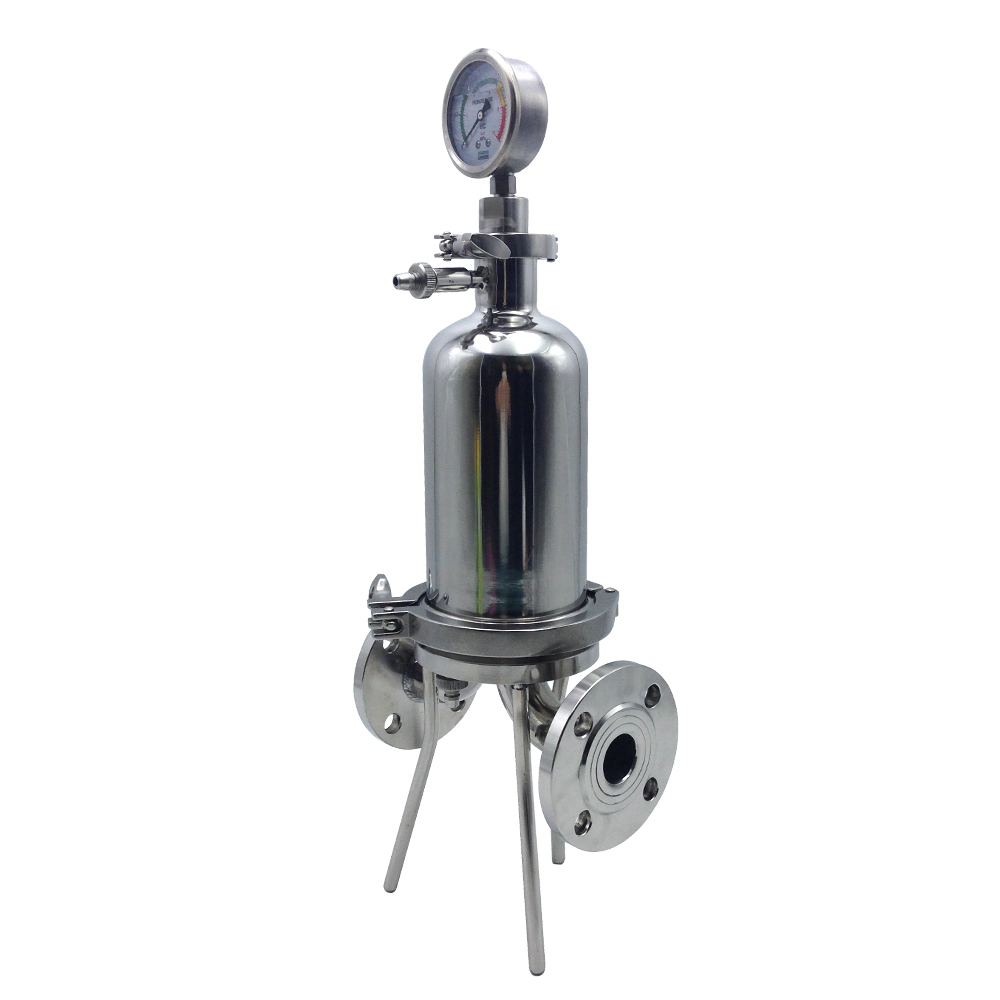
Sanitary filter housing
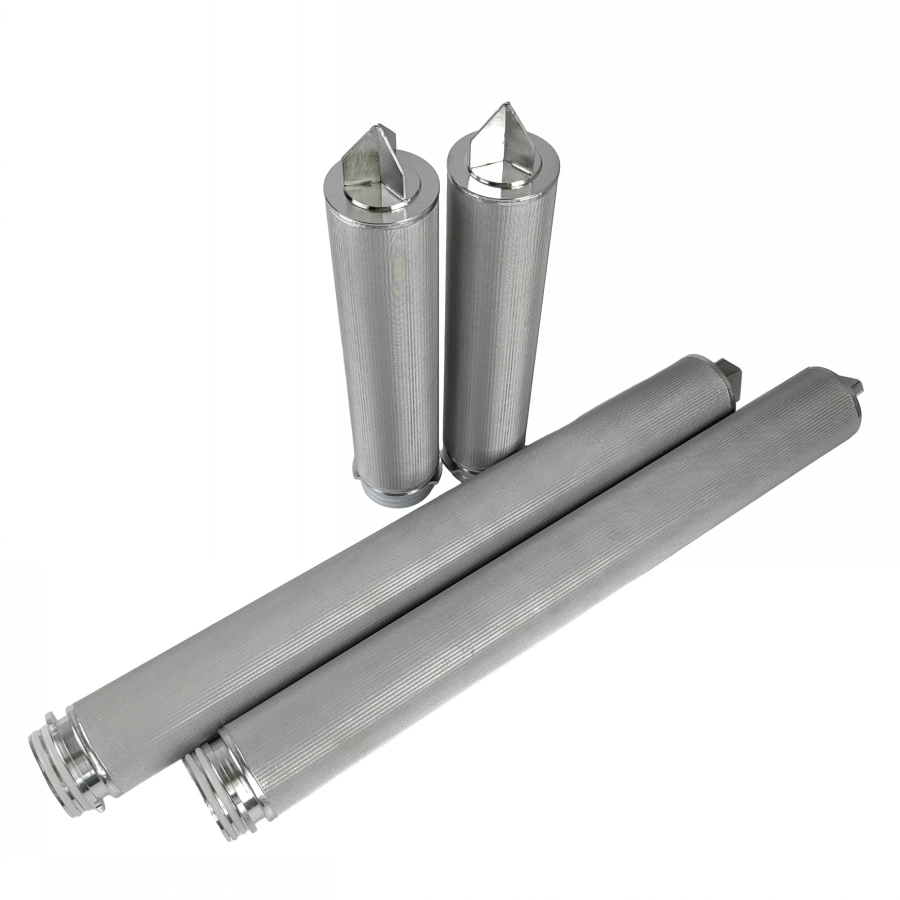
stainless steel filter water
Our sintered stainless steel filter stands as a pivotal filtration element crafted through a meticulous sintering process, with stainless steel serving as the core material.
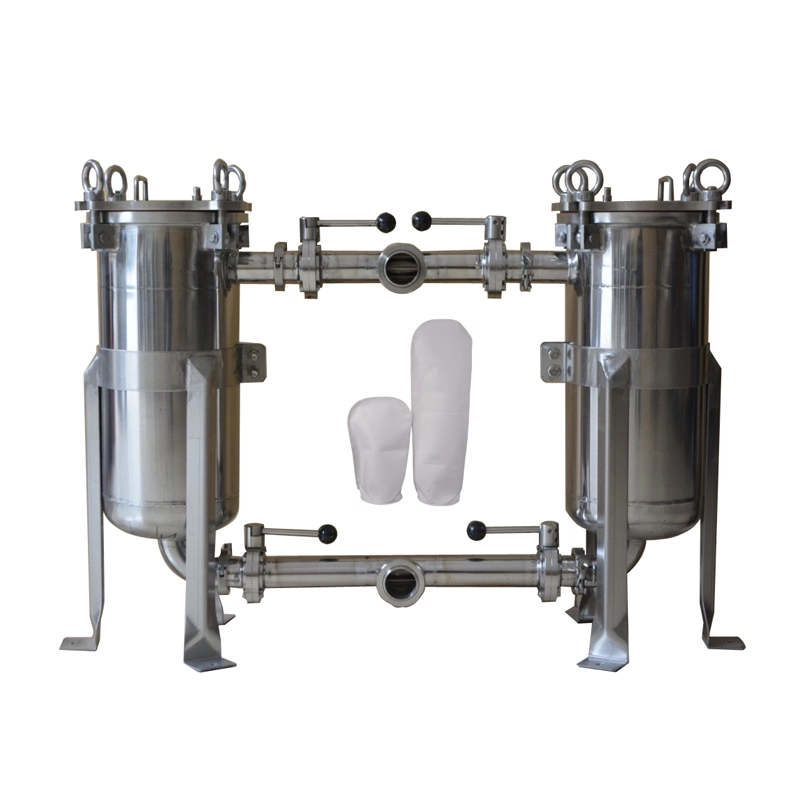
Stainless Steel Duplex filter housing
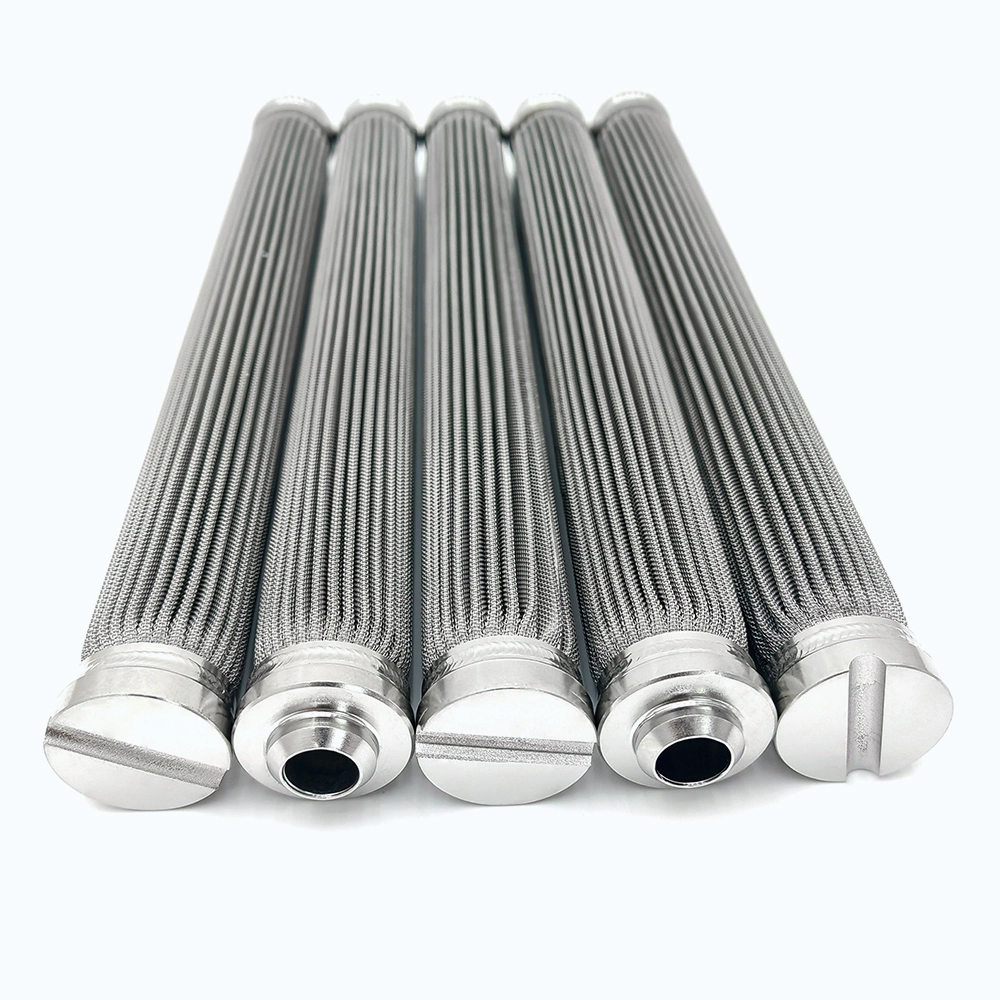
Stainless steel pleated filter cartridge
Our Stainless Steel Pleat Filter Cartridge constructed from high-quality SS 304 or SS 316L material, this filter exhibits exceptional resistance to high temperatures and rust.
© 2024 All Rights Reserved. | Privacy policy • Terms and conditions


