
Custom sintere metal filter Manufacturer
Lvyuan Specializes in manufacturing And Customization Of Sintered Filters
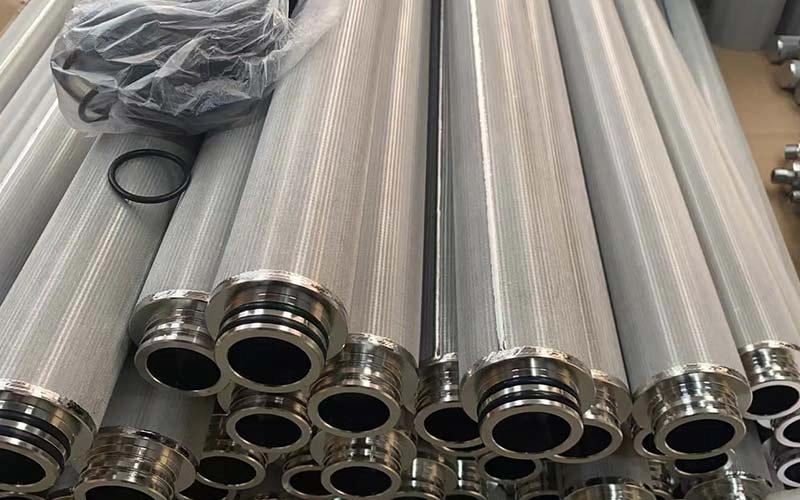
We specialize in custom sintered metal filters, offering tailored designs, material selection, precise filtration ratings, and various shapes/sizes. With rapid prototyping, volume production, quality assurance, and expert consultation, we ensure optimal performance for your unique filtration needs while prioritizing sustainability.
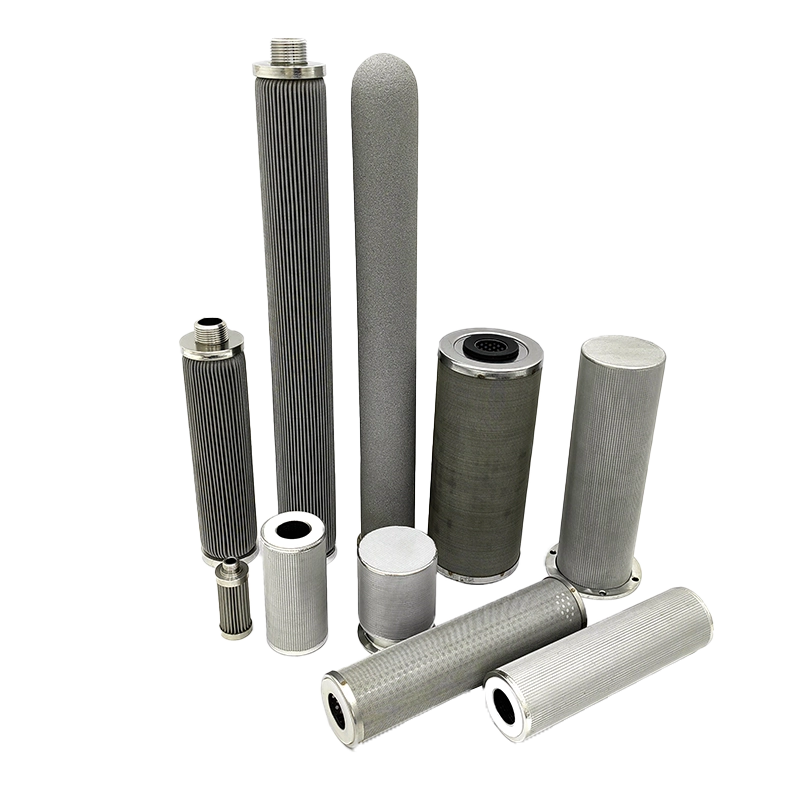
what we offer
Lvyuan offer custom sintered metal filters, consider focusing on the following aspects that cater to the customer's specific needs and enhance the attractiveness of your proposal. Here’s a structured
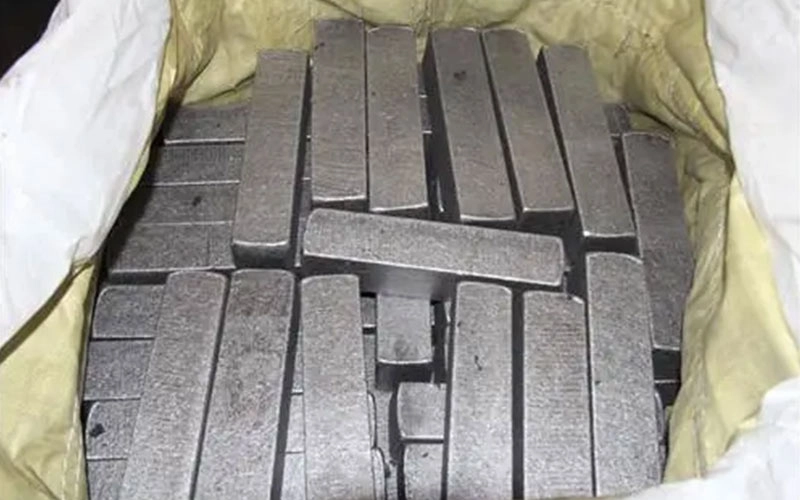
Material Options
Provide a variety of metal materials suitable for different applications. Common choices include:
Stainless Steel: Excellent corrosion resistance and strength, ideal for most industrial applications.
Bronze: Good for chemical resistance and high-temperature applications.
Nickel Alloys: Suitable for extreme conditions including high temperatures and corrosive environments.
Titanium: Lightweight and highly resistant to corrosion, great for aerospace and specialized applications.
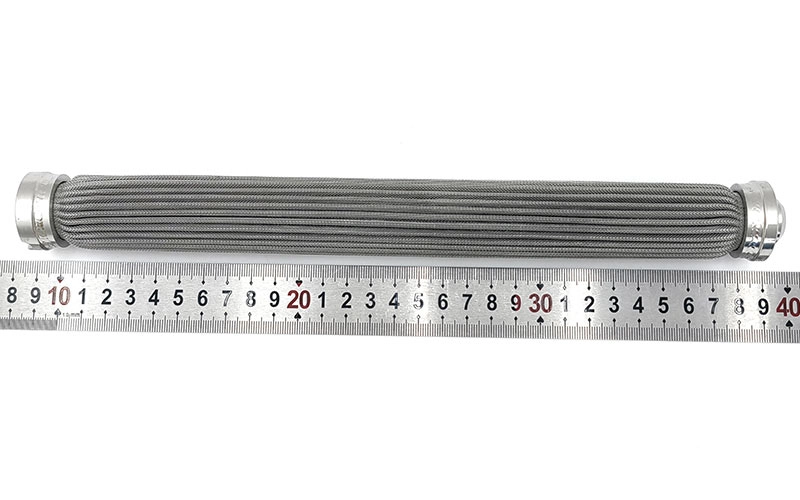
Dimensions
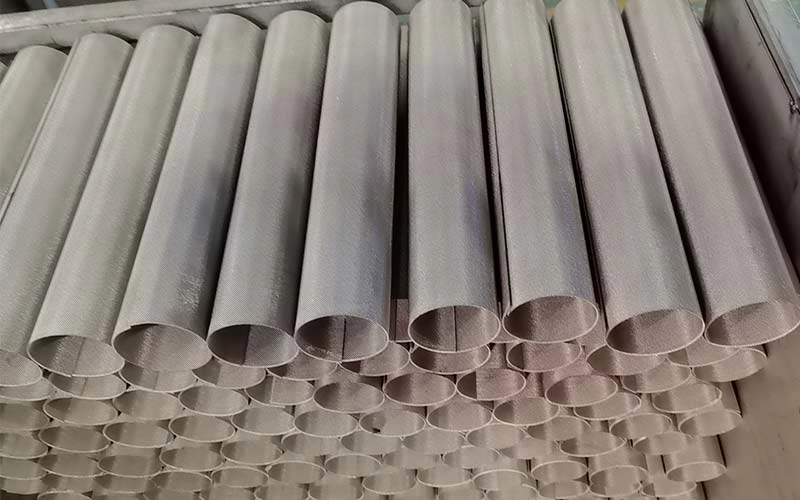
Offer flexibility in sizes and shapes, such as discs, cylinders, or custom geometries.

Porosity and Pore Size
Provide tailored options for pore size and distribution to meet specific filtration requirements.
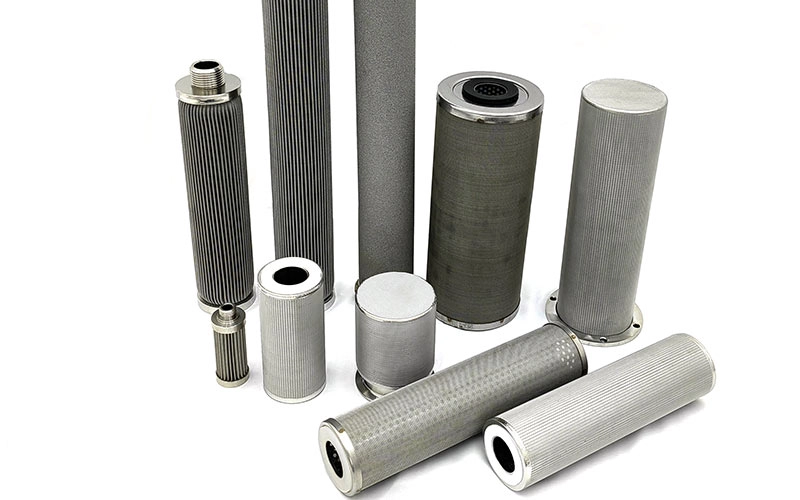
Design Features
Ability to create filters with unique features, such as integrated supports, threaded connections, or special surface treatments.
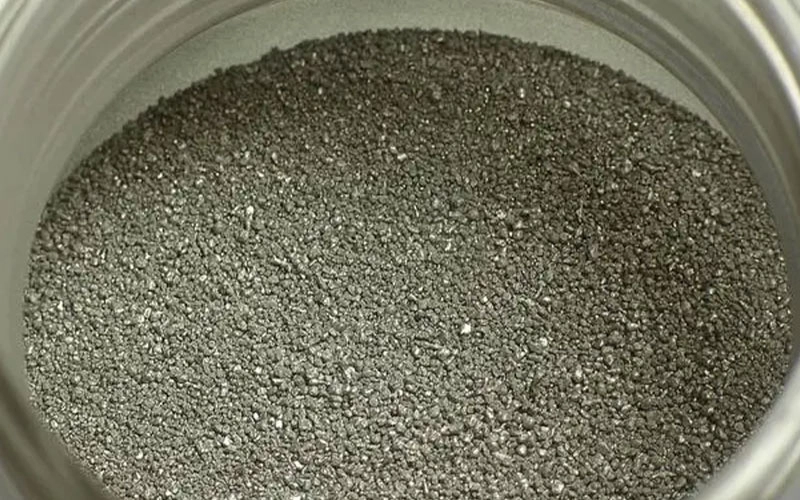
Powder Metallurgy
Describe how you utilize high-quality powder metallurgy techniques for consistent and reliable filter performance.
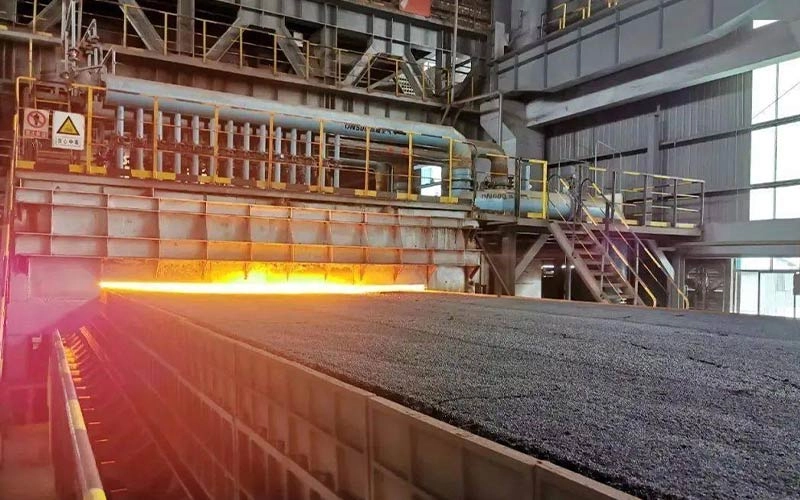
Sintering
Discuss the sintering process, detailing how it enhances the mechanical properties and durability of the filters through heat treatment.
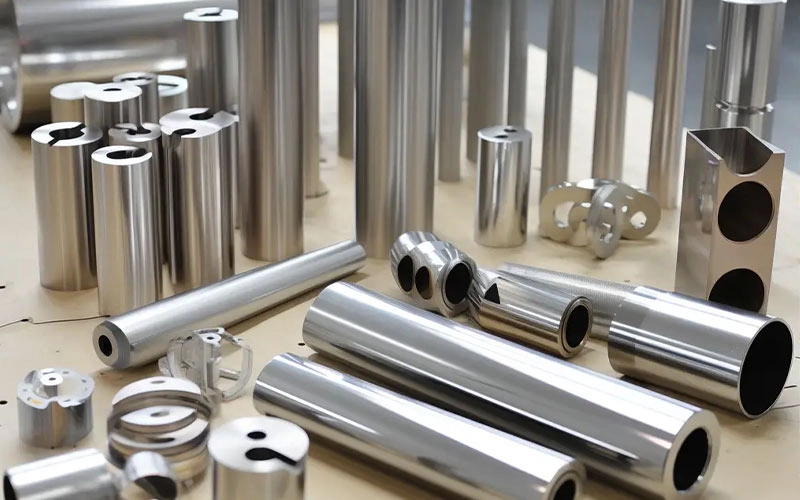
Finishes
Options for polished, matte, or specialized textures.
Customization sintered Meltal Filter We Manufacturing
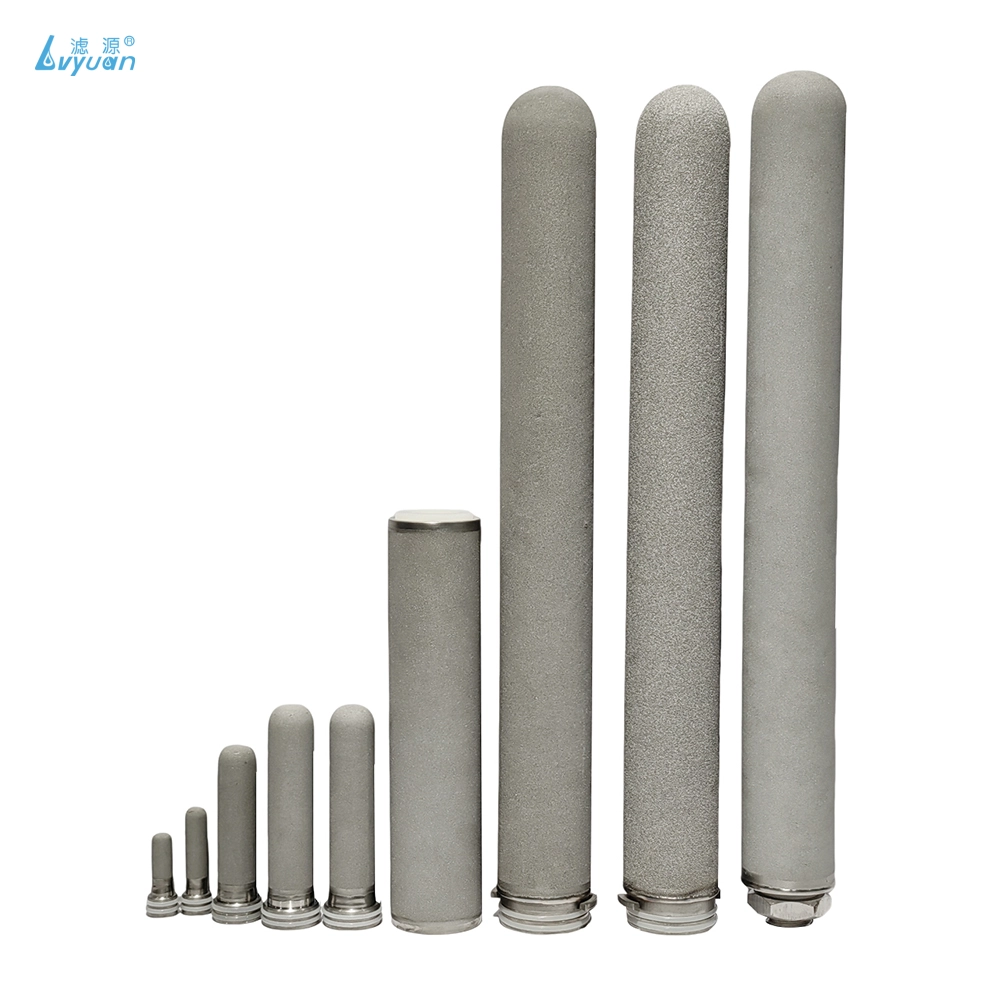
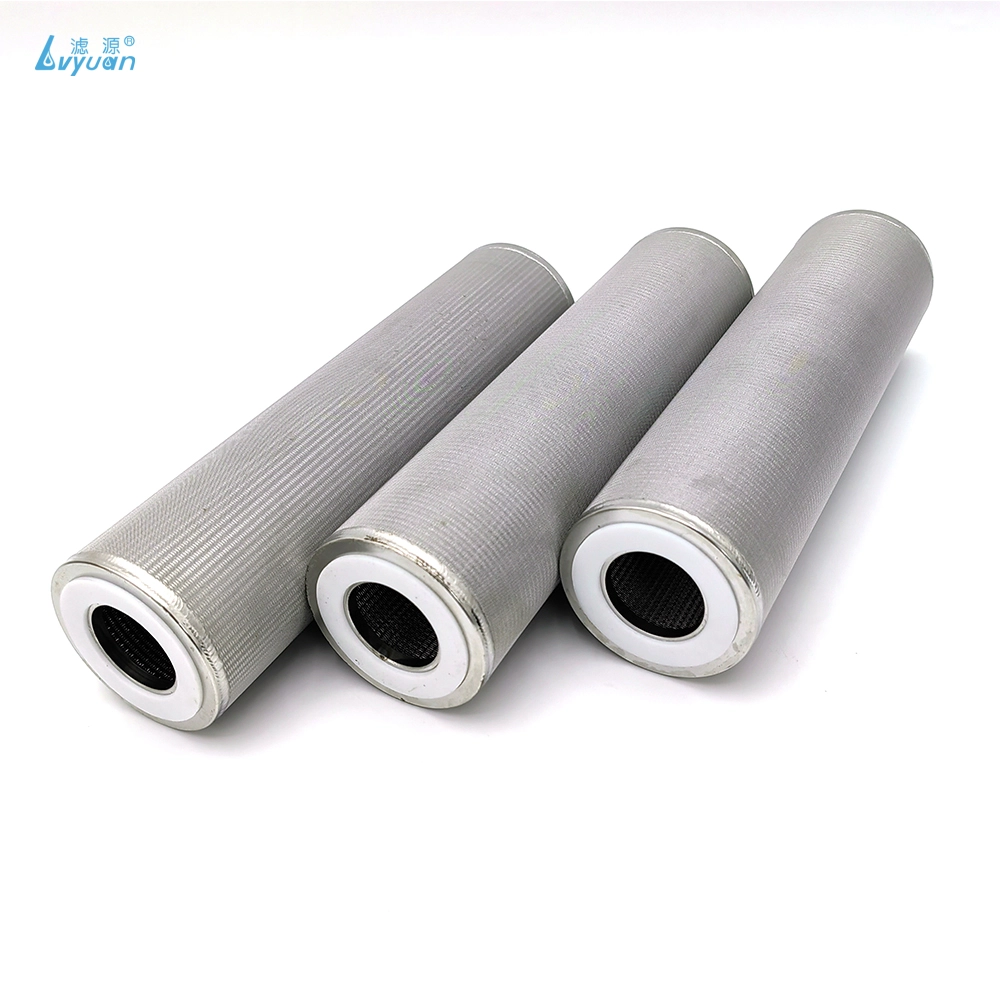
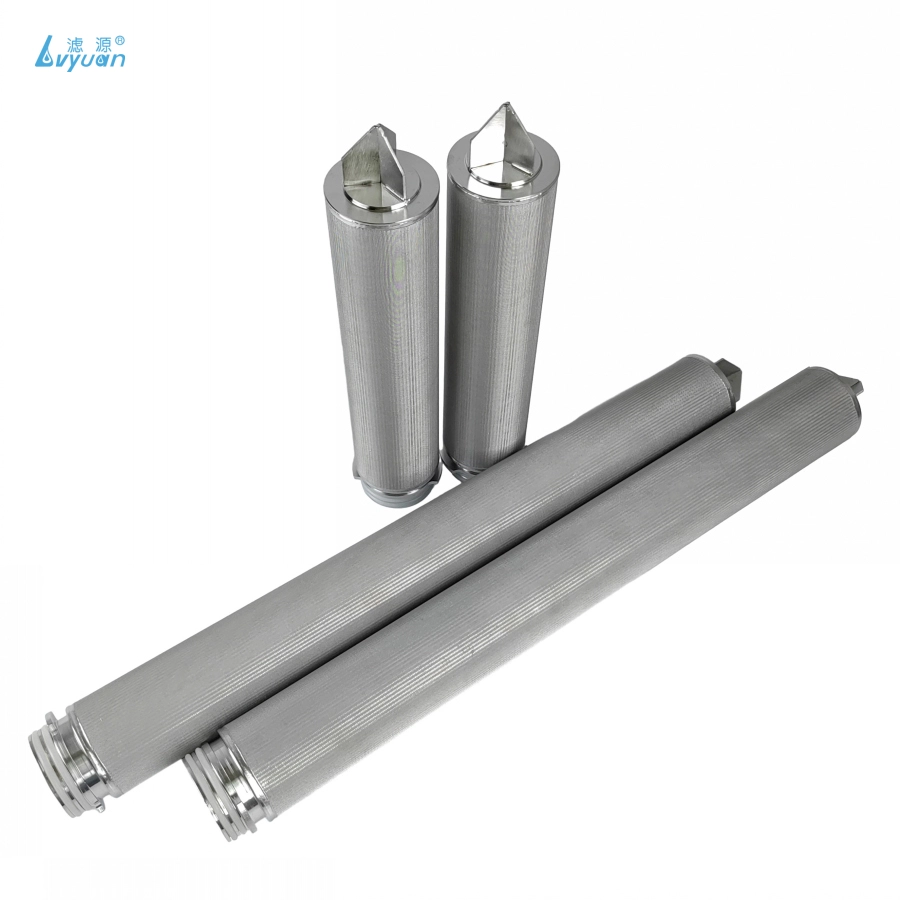
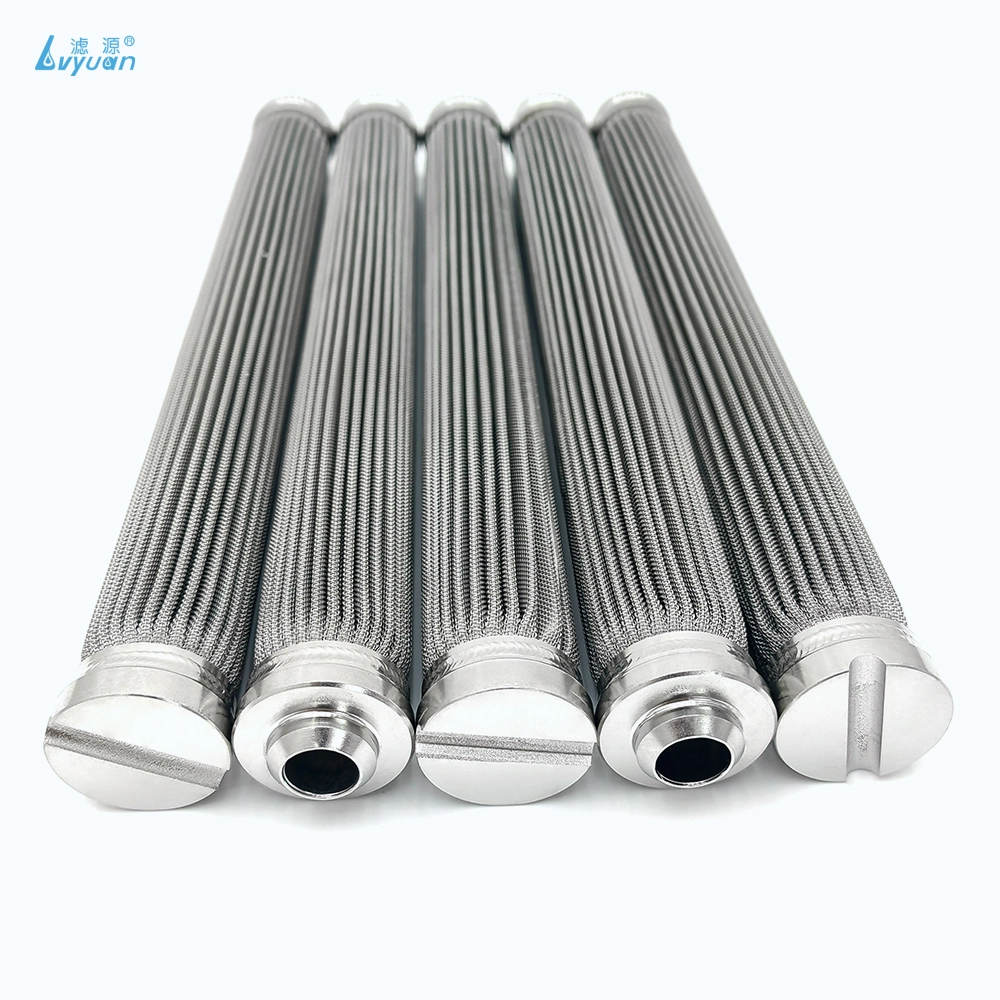
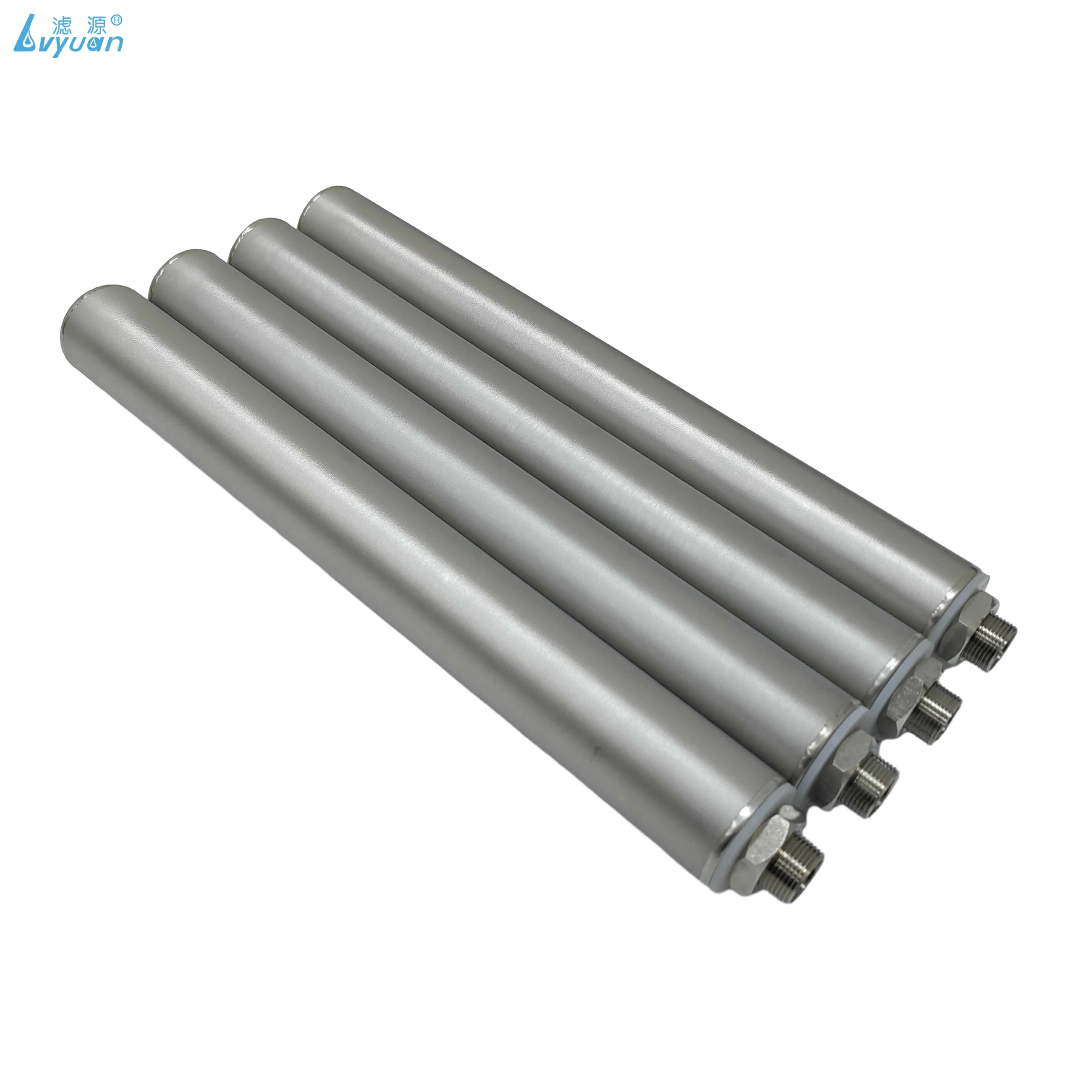
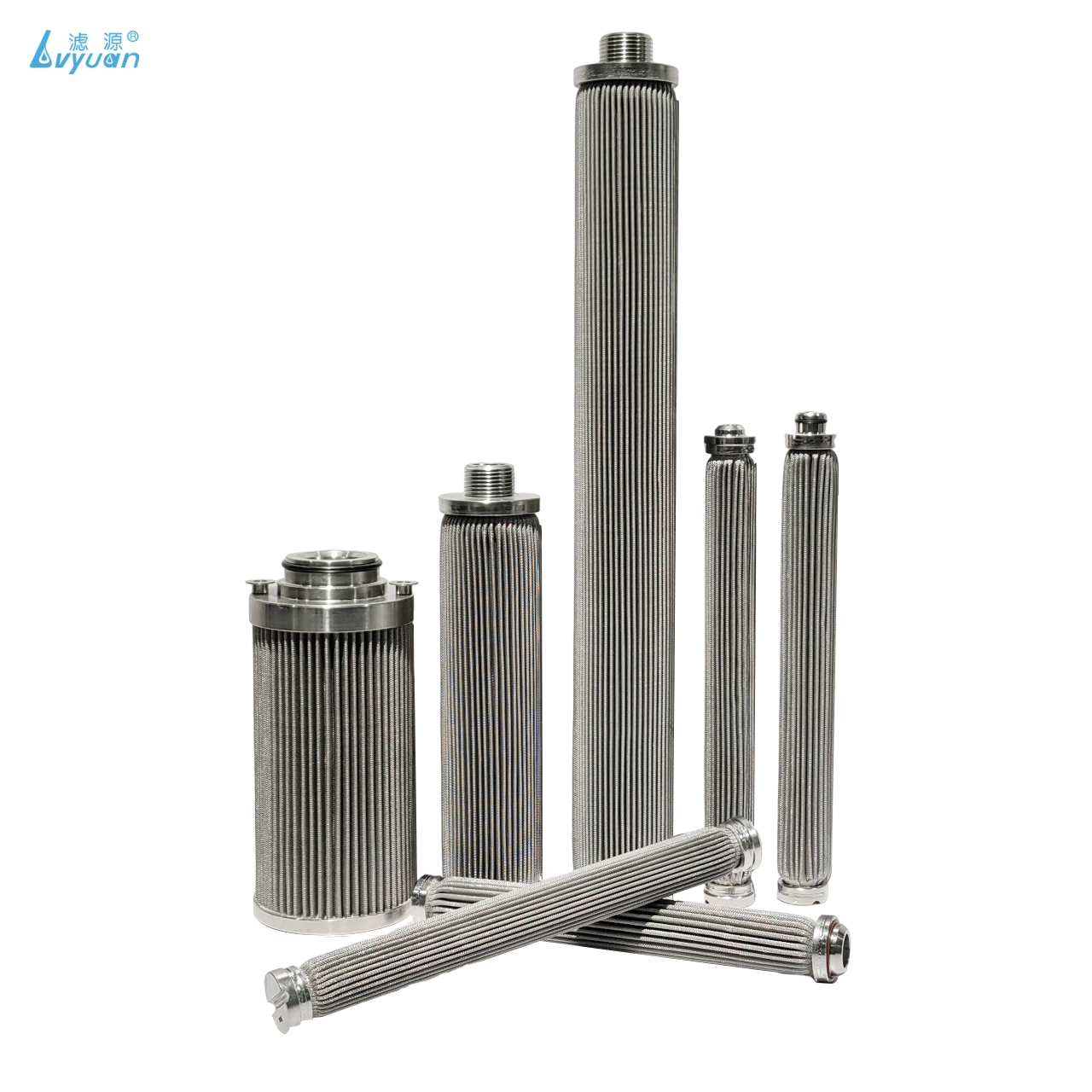
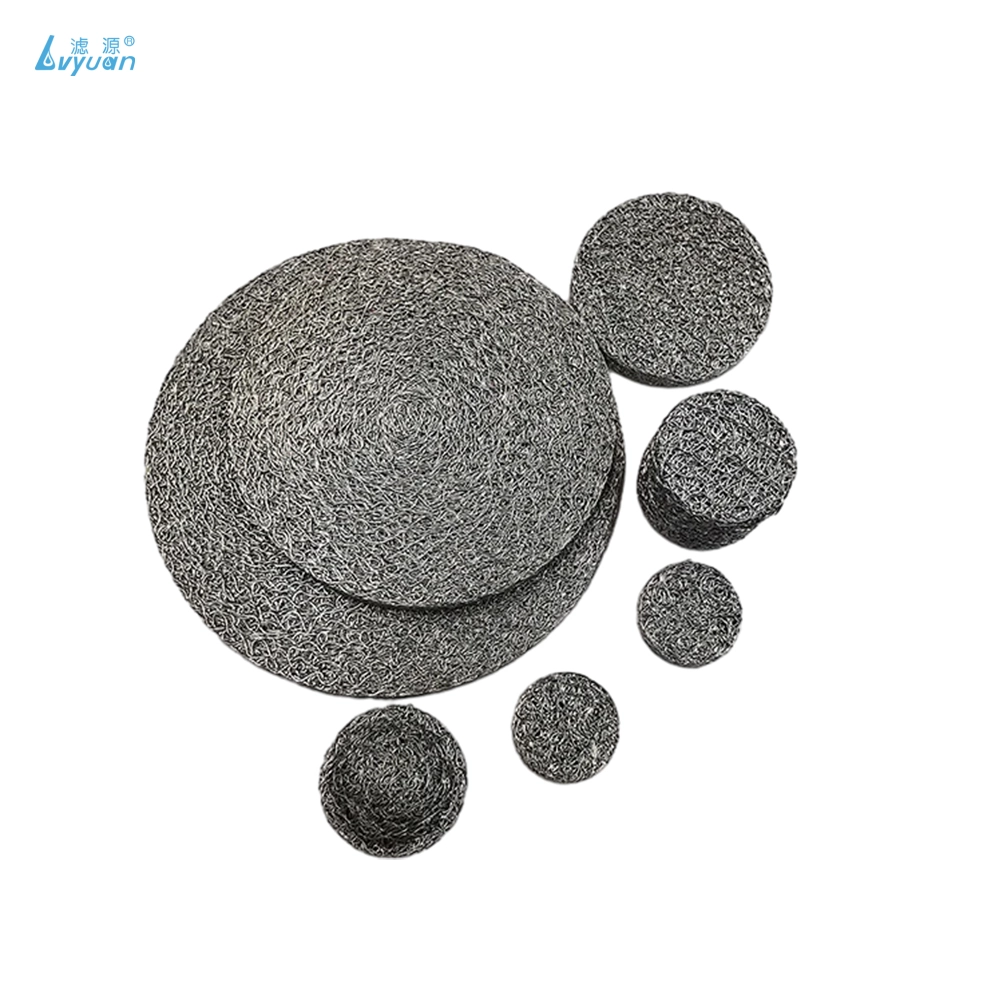
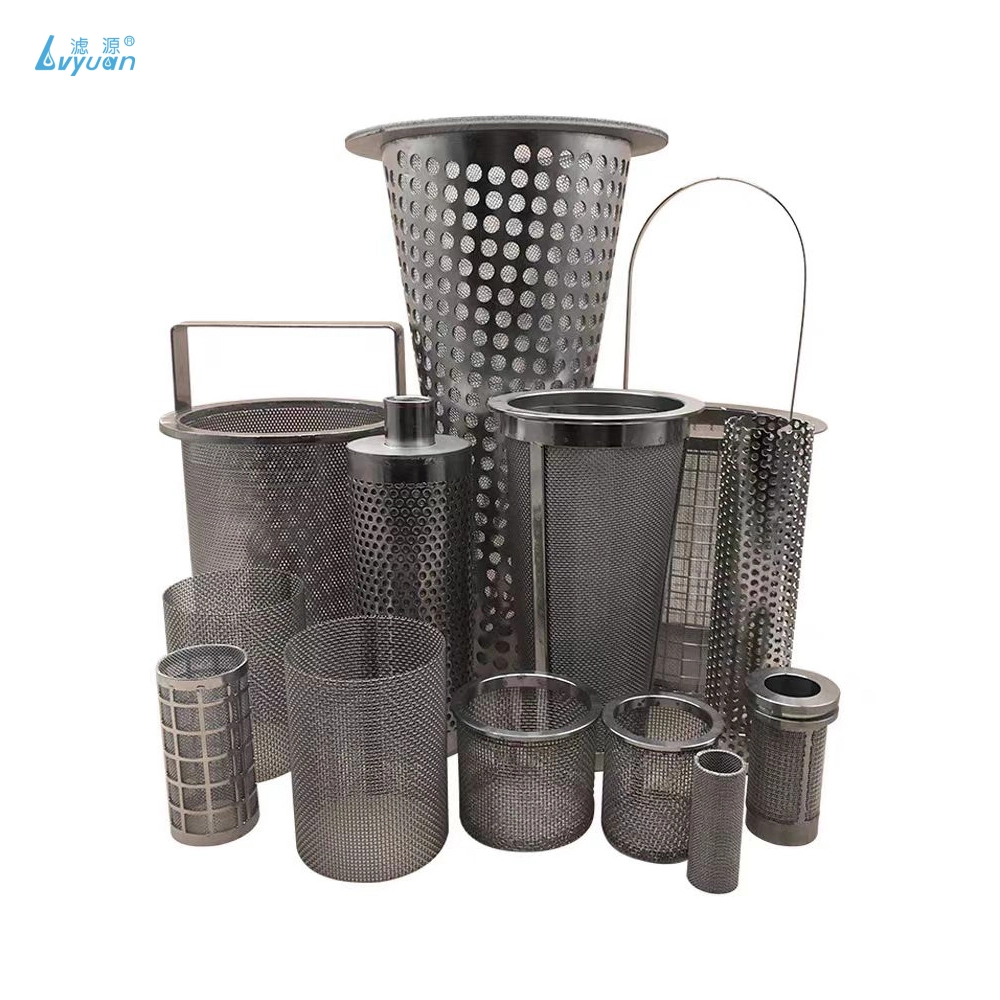


Your Trusted Sintered Meltal Filter manufacturer
Lvyuan Sintered Metal Filter Manufacturer specializes in high-quality sintered metal filters for various industries, including oil and gas, water treatment, pharmaceuticals, and aerospace. We offer a range of customizable products made from durable materials like stainless steel, bronze, and titanium, utilizing advanced manufacturing techniques such as powder metallurgy and precise sintering processes to meet specific customer requirements.
With a strong emphasis on quality control, Lvyuan conducts rigorous testing and certification to ensure compliance with international standards. Their customer support includes technical assistance during product selection and after-sales service, along with a commitment to sustainable manufacturing practices. By focusing on customization, quality, and reliability, Lvyuan aims to be a trusted partner for effective filtration solutions.
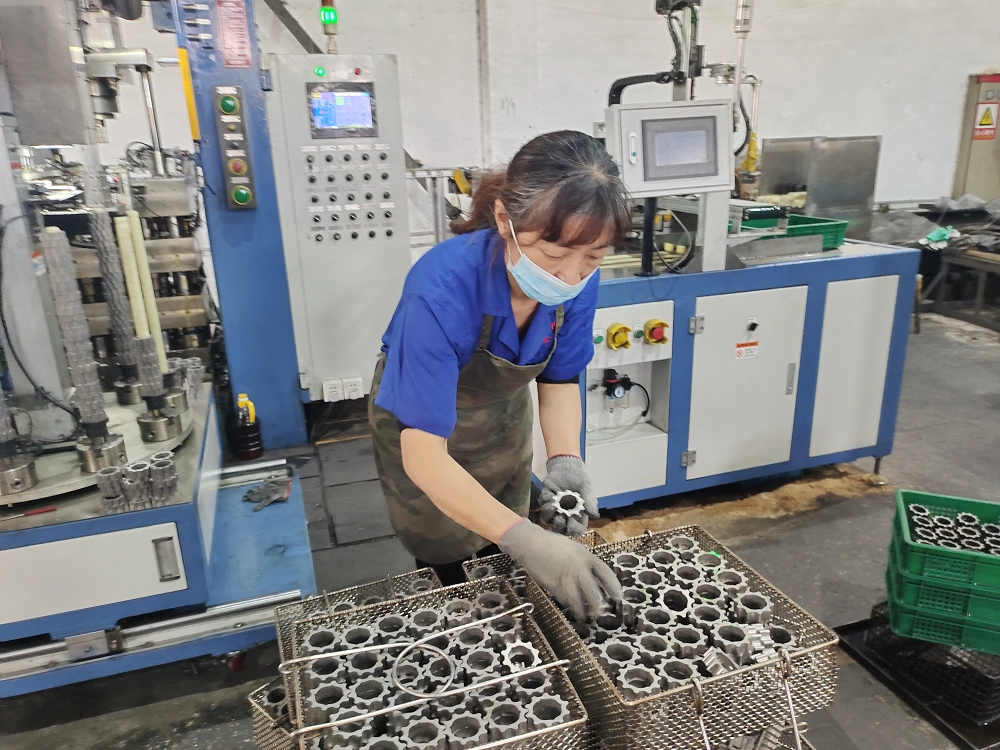
How we make high quality sintered metal filters?
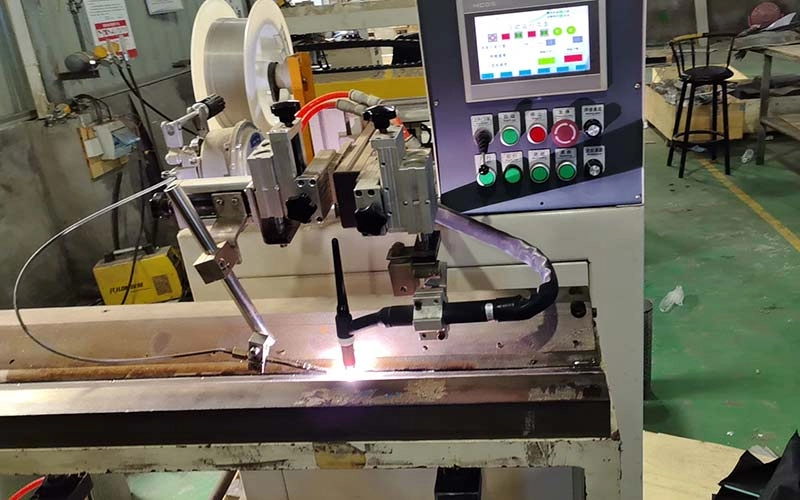
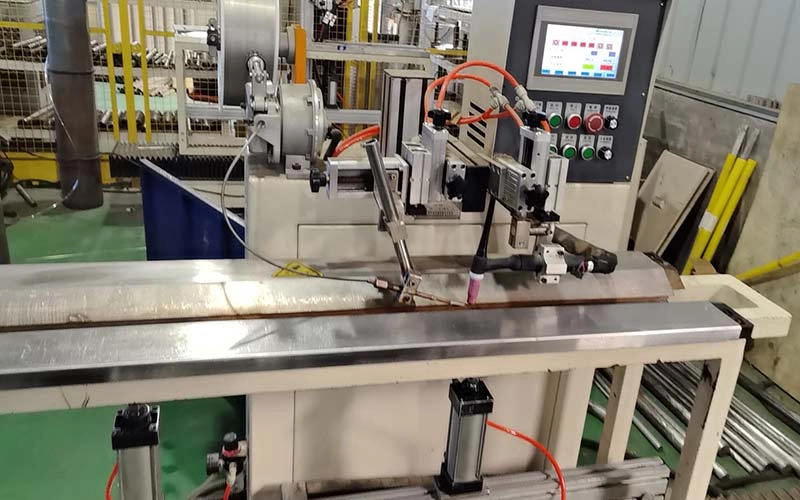
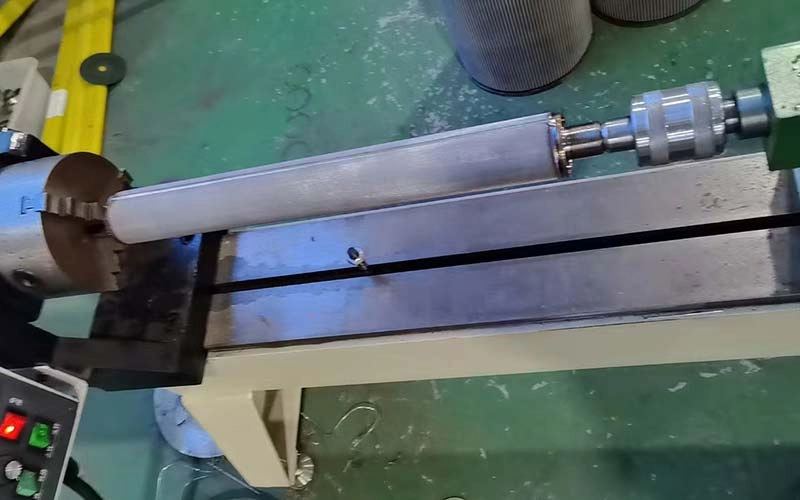
Lvyuan pride ourselves on our rigorous and precise manufacturing process for sintered filter cores, ensuring high-quality products that meet industry demands. Here’s an overview of our production steps:
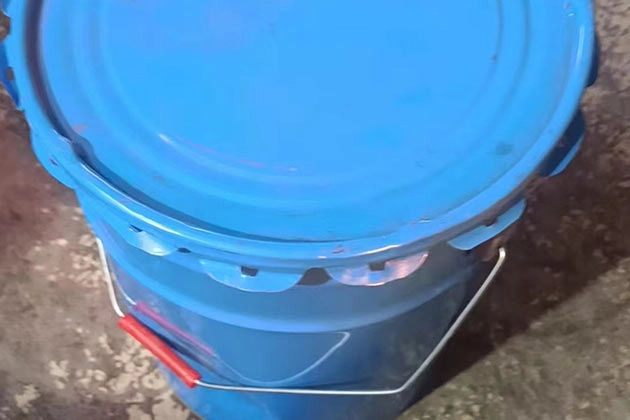
1. Raw Material Preparation
The primary raw material for sintered filter cores is metal powder, typically sourced from stainless steel, aluminum alloys, or copper. These metals undergo a powder preparation process to achieve the required particle size. The properties of the powder, including its size and shape, significantly impact the performance of the filter cores, making this step crucial in the production process.
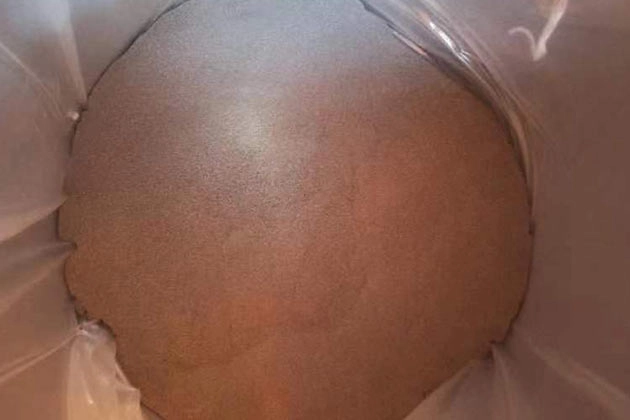
2. Formulation
Once the metal powder is prepared, it is mixed with other components such as binders and sintering aids in precise ratios to create a homogeneous mixture. The binders are essential for agglomerating the powder particles, forming a stable structure. Sintering aids increase the sintering temperature and promote crystal growth, enhancing the final product's quality.
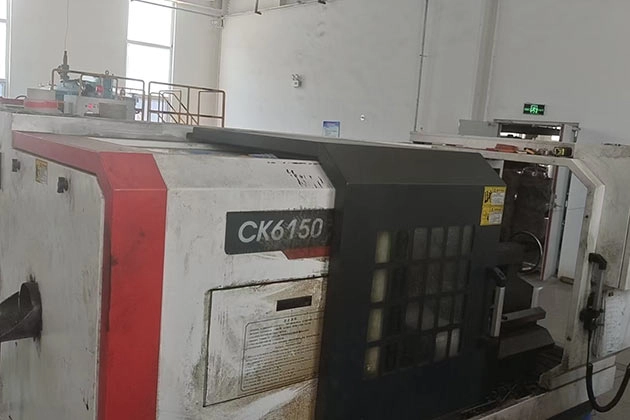
3. Molding
The formulated mixture is then placed into molds, where it is shaped into the desired filter core configuration through the application of pressure or vacuum suction. The shape and dimensions of the filter core significantly affect its filtration efficiency, necessitating strict control over the molding process.
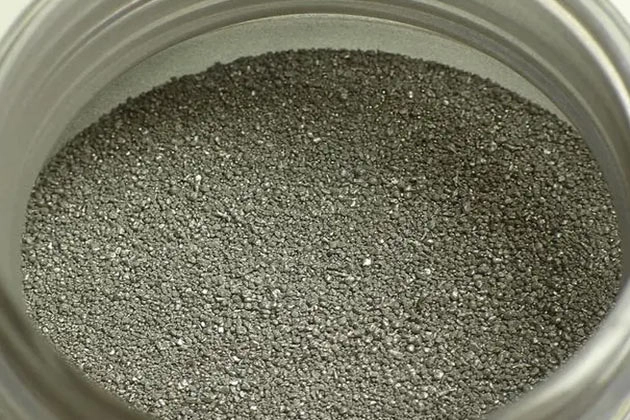
4. Sintering
The shaped filter cores are transferred to a sintering furnace, where they are heated to a specified temperature (typically between 800°C and 1200°C) and maintained for a predetermined duration (usually 30 to 60 minutes). During sintering, the powder particles melt at high temperatures, forming a dense metallic matrix. The parameters of temperature and time during this process are critical, as they influence the mechanical properties and corrosion resistance of the filter cores, requiring adjustments based on the specific materials used.
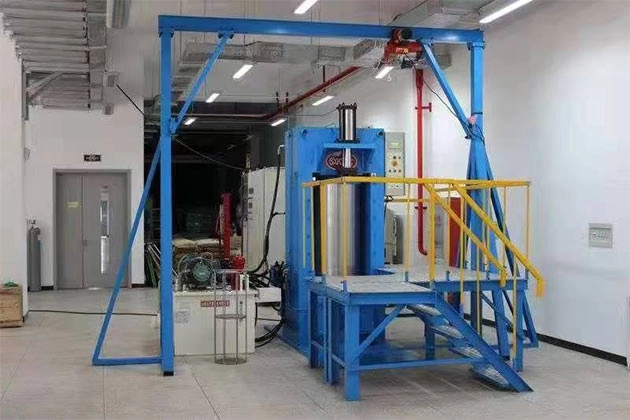
5. Cooling and Treatment
After sintering is complete, the filter cores are removed from the furnace and allowed to cool in a well-ventilated area. During the cooling phase, the metallic matrix undergoes phase transitions resulting in new crystal structures. Post-cooling, the filter cores require surface treatments such as coatings or polishing to enhance their corrosion resistance and improve aesthetic quality.
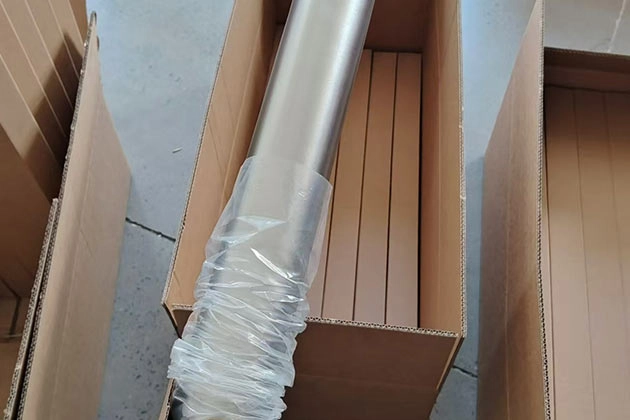
6. Inspection and Packaging
The finished filter cores undergo thorough inspections to assess their dimensions, appearance, and performance characteristics. This quality control step ensures that all products meet rigorous standards. Once certified, the filter cores are cleaned and properly packaged, making them ready for market distribution.
Green Source Customization Process
To meet the unique needs of customers, Green Source provides a complete set of customized service processes. Through precise technical design and strict quality control, we ensure that each customized product has high performance and reliability to meet the use requirements of complex industrial environments. The following is our detailed customization process:
Information Gathering: Collect details on application, materials, dimensions, porosity, filtration efficiency, operating conditions, and quantity needed.
Customer Review: The customer reviews the quote and engages in further discussions.
Design Approval: Present the design for customer approval.
Production Scheduling: Schedule the production process accordingly.
Compaction and Sintering: Compact the powders and carry out the sintering process.
Post-Processing: Perform any needed machining or coating.
Documentation: Prepare certificates of compliance and quality inspection reports.
Shipping: Ship the product as agreed, providing tracking information.

We’ve got answers.
Browse some answers to our most common questions, or you can drop us a line to ask something else.
For products
How do I choose the right sintered metal filter for my application?
To select the appropriate sintered metal filter, consider factors such as the type of fluid or gas, desired flow rate, temperature, pressure, and particle size to be filtered. Our technical team can provide guidance based on your specific requirements.
What are sintered metal filters?
Sintered metal filters are porous materials made by compacting and heating metal powders without melting them completely. The process results in a rigid structure with interconnected pores, offering filtration capabilities for various applications.
Do you provide customization for sintered metal filters?
Yes, we offer customization services to tailor sintered metal filters to your unique specifications. This includes variations in size, shape, material, and micron rating to ensure the filter meets the specific demands of your application.
What sizes and shapes are available?
Our sintered metal filters come in a variety of sizes and shapes to meet different application needs. Common configurations include cylindrical, disc, and tube shapes, with customizable dimensions to fit specific requirements.
How can I request a quote or get more information about your sintered metal filters?
For inquiries, quotes, or additional information about our sintered metal filters, please contact our sales team through our website or by reaching out to [contact information]. We are happy to assist you with any questions or requirements you may have.
What materials are used in your sintered metal filters?
We offer sintered metal filters in a range of materials, including stainless steel, bronze, nickel, and other alloys. The material selection depends on the specific requirements of the application.
Want to talk to us
Get in touch
Please fill in the form below. We aim to reply within 1 business day.
© 2024 Lvyuan All Rights Reserved. | Privacy policy • Terms and conditions


