
How to Control the Porosity of Sintered Metal Filters | Lvyuan
- How to Control the Porosity of Sintered Metal Filters: A Comprehensive Guide
- Understanding Porosity in Sintered Filters
- Techniques for Controlling Porosity
- Powder Selection
- Sintering Temperature
- Compacting Pressure
- Advantages of Optimized Porosity
- Enhanced Filtration Efficiency
- Increased Mechanical Strength
- Lvyuan's Expertise in Sintered Metal Filter Manufacturing
- Applications of Lvyuan's Sintered Metal Filters
- Food and Beverage
- Biopharmaceutical and Medical
- Petrochemical Industry
- Conclusion: Choosing the Right Partner in Filtration
How to Control the Porosity of Sintered Metal Filters: A Comprehensive Guide
Introduction to Sintered Metal Filters
Sintered metal filters play a crucial role in industries requiring precise filtration solutions. Their ability to withstand high temperatures and corrosive environments makes them indispensable. we will delve into the core question: How to control the porosity of sintered metal filters? Understanding and managing porosity is essential for optimizing filter performance in various applications.
Understanding Porosity in Sintered Filters
Porosity is a material property that indicates the void spaces within a filter. In sintered metal filters, porosity directly impacts filtration efficiency and permeability. Achieving the right balance of porosity is key to ensuring the filters meet specific application requirements. Mastering the control of porosity can dramatically enhance the effectiveness of sintered metal filters in challenging environments.
Techniques for Controlling Porosity
Controlling porosity involves manipulating several variables during the manufacturing process. Here are some effective techniques:
Powder Selection
The choice of metal powder significantly influences the porosity of the final product. Finer powders tend to create less porous structures, while coarser powders result in increased porosity. Selecting the suitable powder type is fundamental to porosity control, impacting the filter’s mechanical strength and filtration accuracy.
Sintering Temperature
The sintering temperature and duration are pivotal in determining porosity levels. Higher temperatures can densify the material, reducing porosity and enhancing strength. Conversely, lower temperatures maintain higher porosity. Precise temperature control allows manufacturers to tailor filters according to customer specifications and industry requirements.
Compacting Pressure
The pressure applied during the compacting phase can influence porosity. Increased pressure reduces pore size by compacting the particles more tightly. This adjustment can enhance the mechanical robustness of the filter while maintaining necessary permeability for effective filtration.
Advantages of Optimized Porosity
Optimizing porosity provides numerous benefits, crucial for industries relying on sintered metal filters for various applications:
Enhanced Filtration Efficiency
Controlling porosity allows for targeted filtrations, ensuring that only particles of a specified size pass through. This customization enhances overall filtration efficiency, crucial for applications in the food and beverage sector and the biopharmaceutical industry.
Increased Mechanical Strength
Proper porosity management contributes to the mechanical strength of the filters. When designed with the correct porosity, filters can effectively handle high-pressure differentials and corrosive materials, extending their lifespan and reliability in harsh industrial environments.
Lvyuan's Expertise in Sintered Metal Filter Manufacturing
Founded in 2009, Guangzhou Lvyuan Water Purification Equipment Co., Ltd. stands out as a leader in the development and manufacturing of sintered metal filters. Our dedication to innovation in technology and our robust R&D capabilities make us a preferred choice for high-quality filtration solutions. With certificates from CE, ROHS, and SGS, Lvyuan guarantees the reliability and safety of our products, which serve over 1,000 customers in 85 countries globally.
Applications of Lvyuan's Sintered Metal Filters
Our sintered metal filters are versatile, finding applications across multiple sectors:
Food and Beverage
In this sector, Lvyuan's filters ensure the purity and safety of consumable products, meeting stringent regulatory standards and maintaining product integrity.
Biopharmaceutical and Medical
In healthcare and pharmaceuticals, consistent filtration efficiency is critical. Our filters effectively meet industry-specific protocols and requirements, ensuring the safety and efficacy of medical products.
Petrochemical Industry
Lvyuan's advanced filters stand up to the demanding conditions of the petrochemical sector, providing precise filtration amidst extreme temperatures and corrosive environments.
Conclusion: Choosing the Right Partner in Filtration
Controlling the porosity of sintered metal filters is vital for optimizing their functionality in various industrial applications. With Lvyuan, you get a trusted partner that not only understands the complexities of porosity but also excels in delivering tailored solutions. From stainless steel filter housings to PE filters, our diverse product range offers reliability and performance across sectors, providing peace of mind to our global clientele.
For further inquiries on how we can address your filtration needs, or to explore OEM & ODM services, please contact us at Lvyuan. Discover the difference that expertly controlled porosity makes in the engineering of sintered metal filters, revolutionizing clean and efficient filtration systems worldwide.
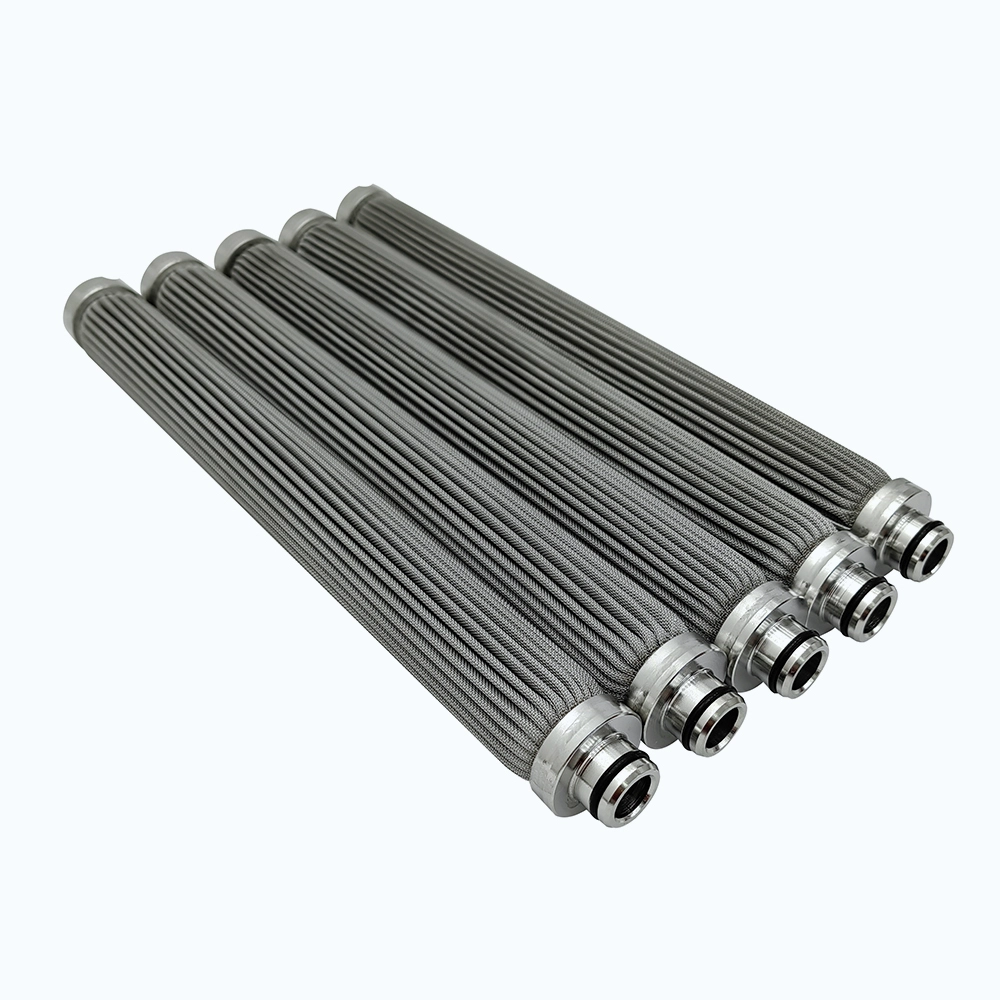
The Ultimate Guide to Stainless Steel Filter Screens by Lvyuan
Trusted Distributor of Sintered Metal Filter in China | Lvyuan
Guide to Sintered Metal Filter Manufacturers - Everything You Need to Know
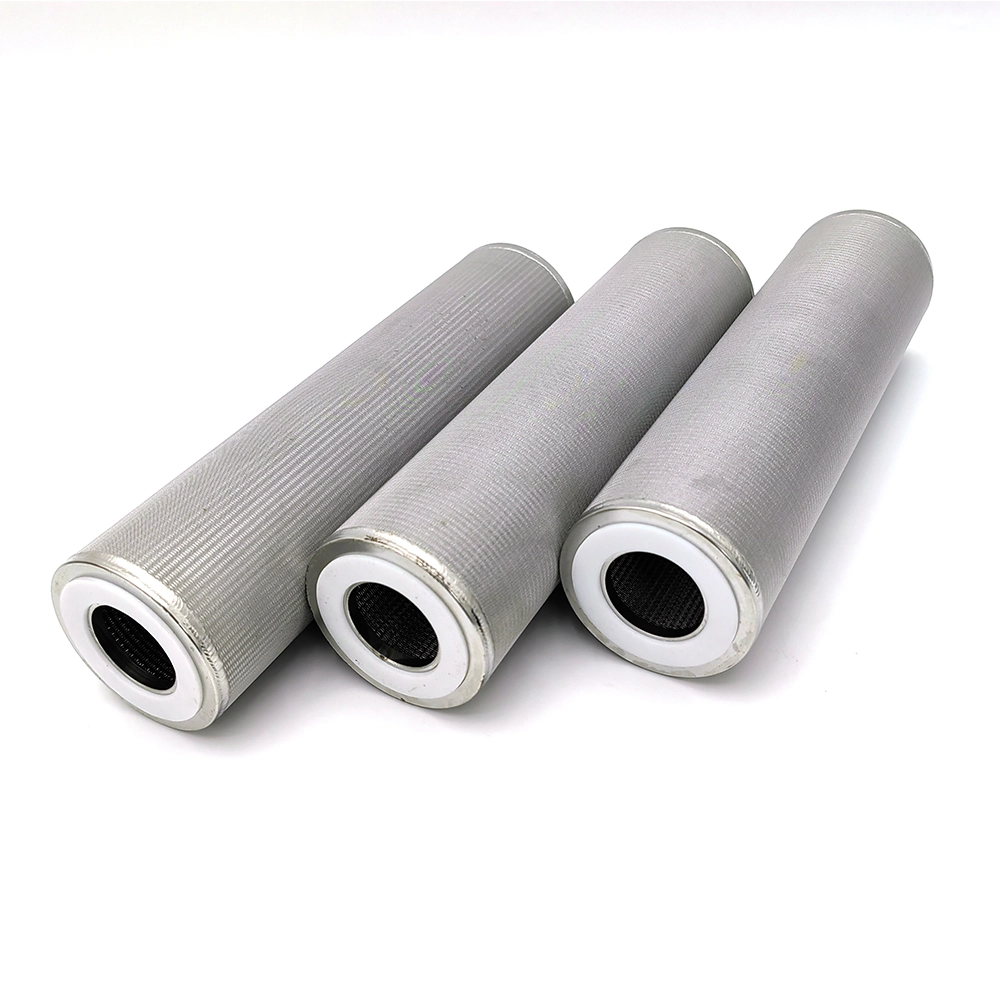
Enhance Your Filtration Process with Lvyuan Stainless Steel Filter Wire Mesh
Sintered Titanium Filters
How Do Sintered Titanium Filters Work?
Sintered titanium filters function by allowing fluid or gas to pass through their porous structure, capturing particles and impurities, resulting in effective filtration.
Sintered mesh filters
How do I clean and maintain a sintered mesh filter?
Sintered mesh filters are generally easy to clean. They can be cleaned using methods such as backwashing, ultrasonic cleaning, or chemical cleaning. Regular maintenance helps extend the filter's lifespan and maintain optimal performance.
Porous Plastic Filter
What pore sizes are available for sintered plastic porous filters?
Sintered plastic porous filters are available in a wide range of pore sizes, typically ranging from submicron to several hundred microns, allowing for precise control of filtration performance and particle retention.
Metal mesh filters
What applications is sintered wire mesh suitable for?
Sintered wire mesh filter finds applications in various industries, including:
• Filtration of liquids and gases.
• Polymer and chemical processing.
• Pharmaceutical and food processing.
• Aerospace and automotive industries.
• Environmental protection and water treatment.
Sintered Metal Filters
Can sintered metal filters be cleaned and reused?
Yes, sintered metal filters are designed to be cleaned and reused. Their durability and resistance to fouling make them suitable for applications where filter cleaning is necessary.
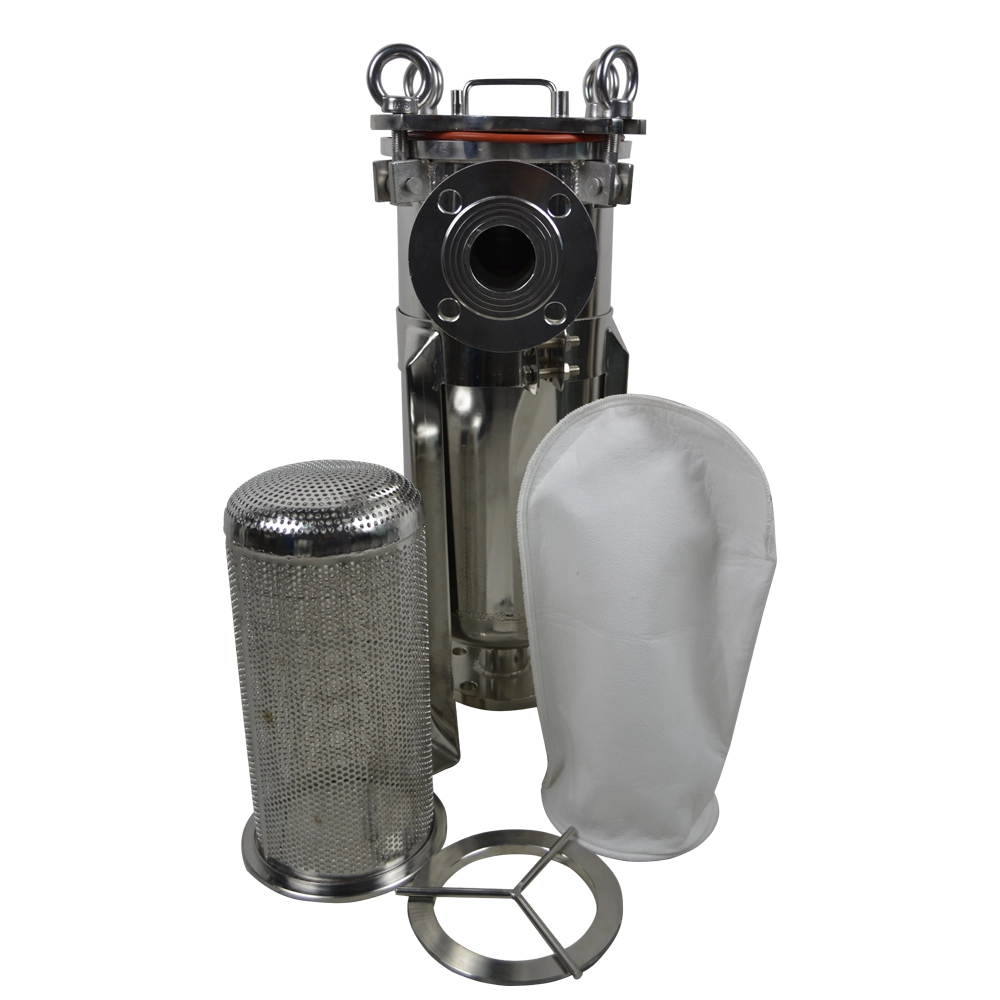
Bag filter housing
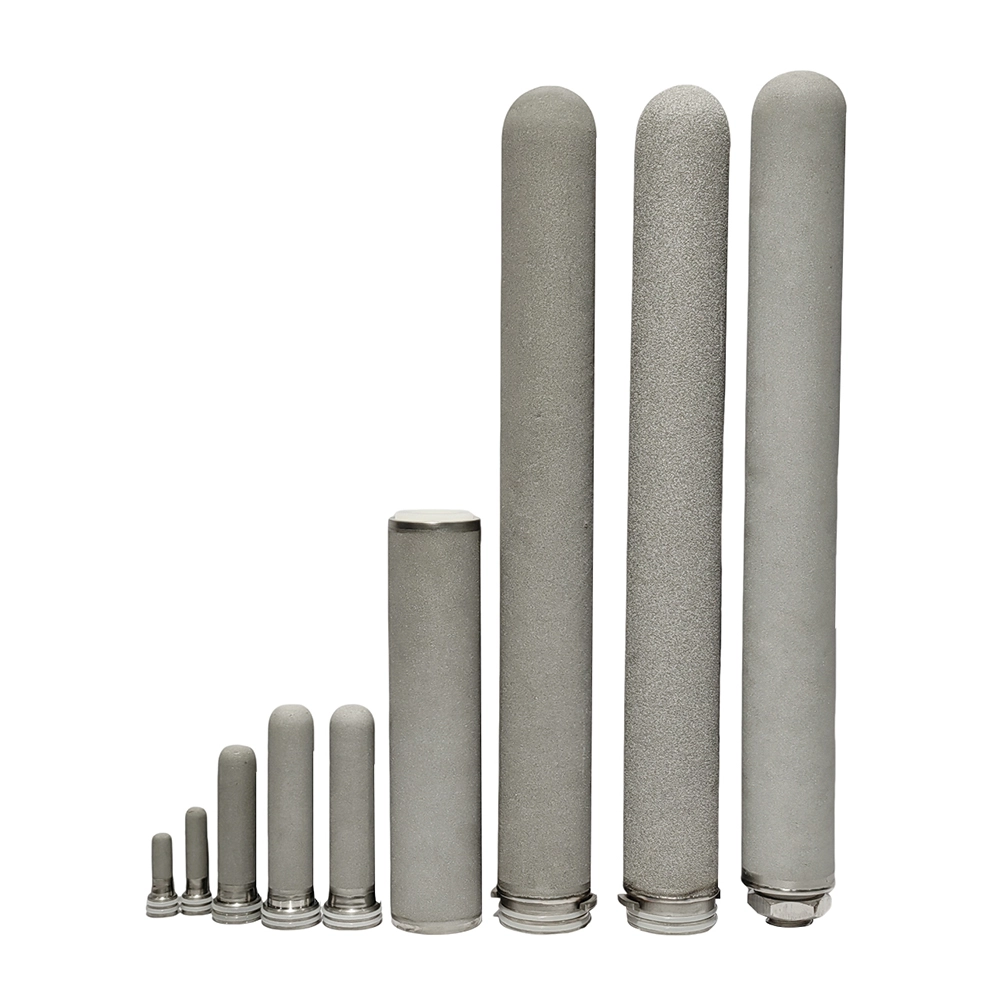
Sintered powder metal filters
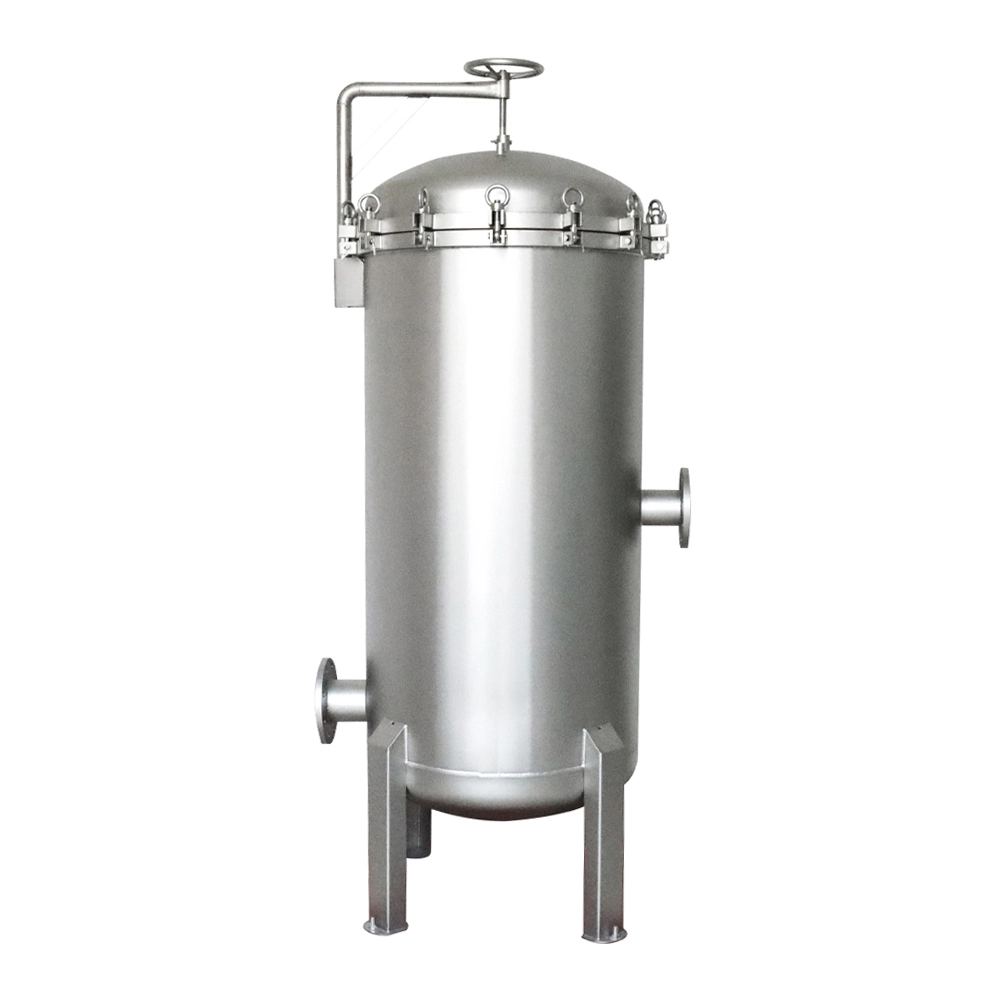
Stainless steel multi cartridge filter housing
Sintered wire mesh filter
Benefit from outstanding high-pressure resistance and consistent filtration efficiency with our sintered metal mesh. Our sintered wire mesh finds versatile applications in diffuser screens, centrifuges, breather vents, fluidized beds, chromatography, polymer processing, petrochemical industries, hydraulic filters, and more.
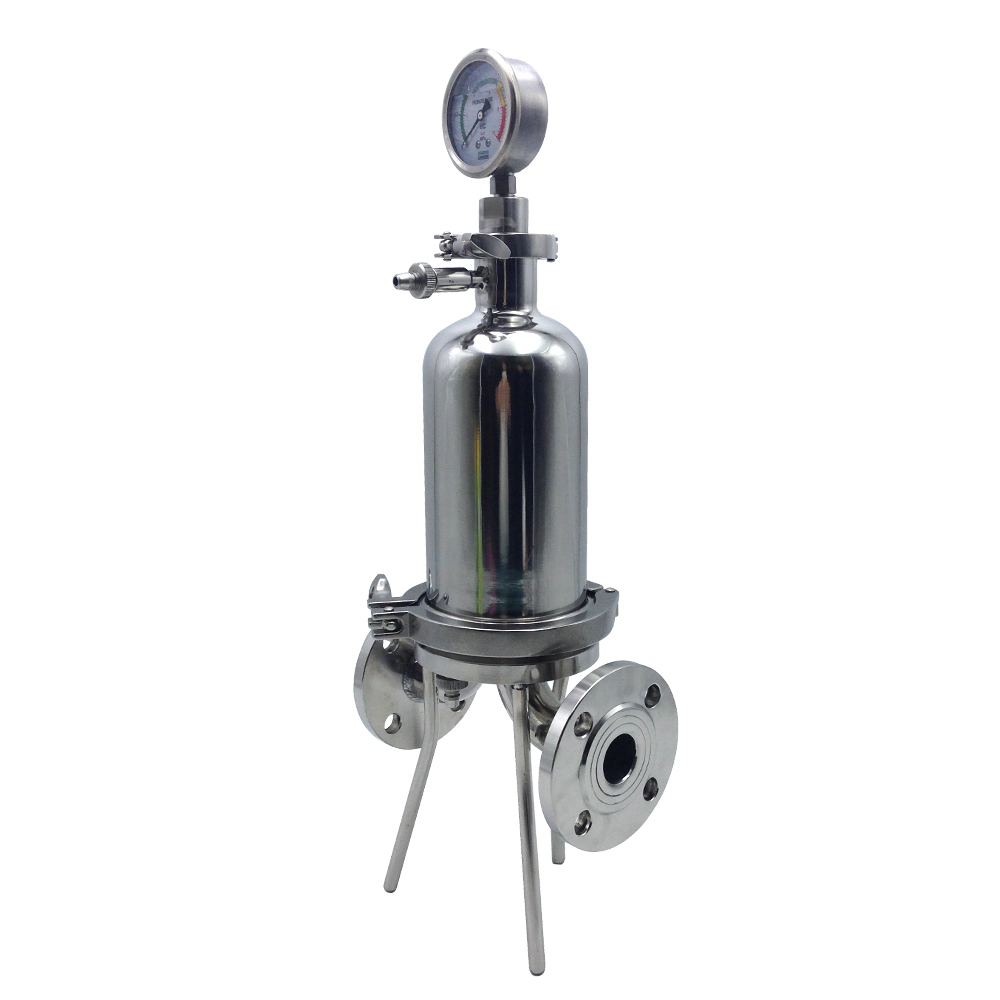
Sanitary filter housing
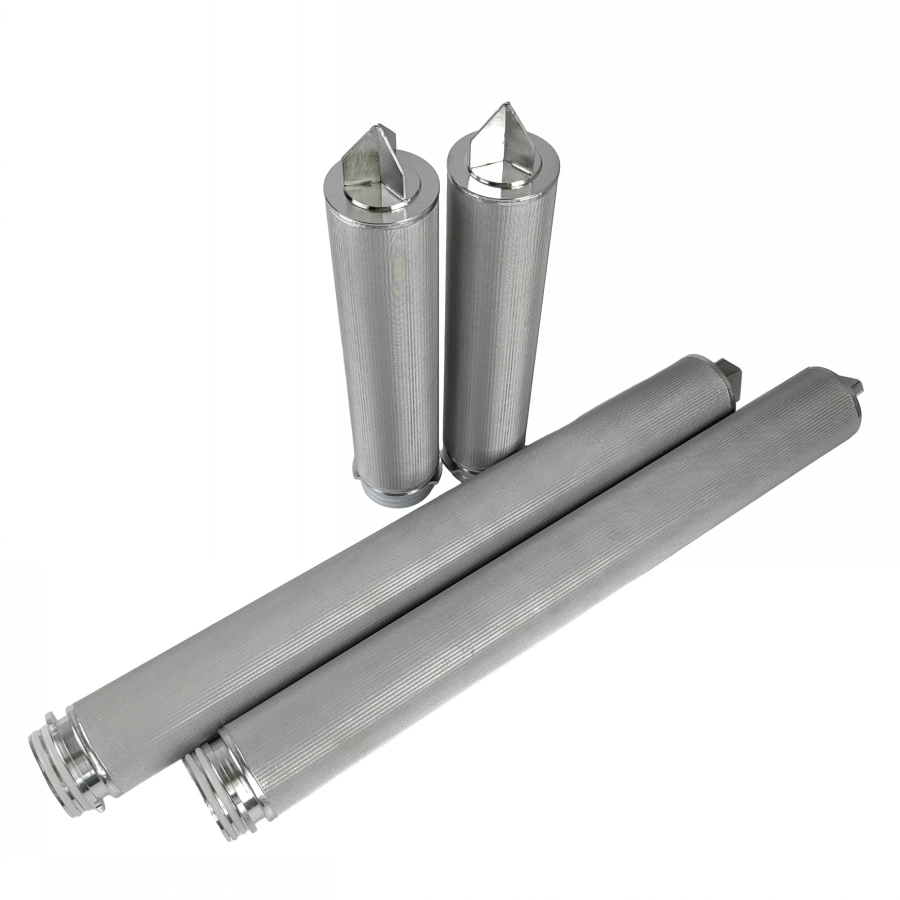
stainless steel filter water
Our sintered stainless steel filter stands as a pivotal filtration element crafted through a meticulous sintering process, with stainless steel serving as the core material.
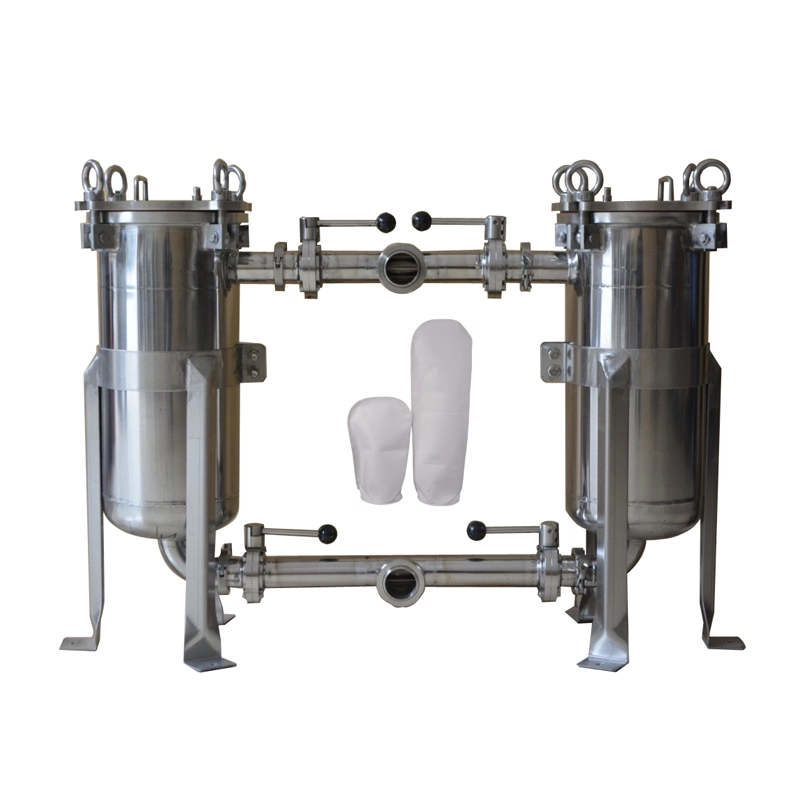
Stainless Steel Duplex filter housing
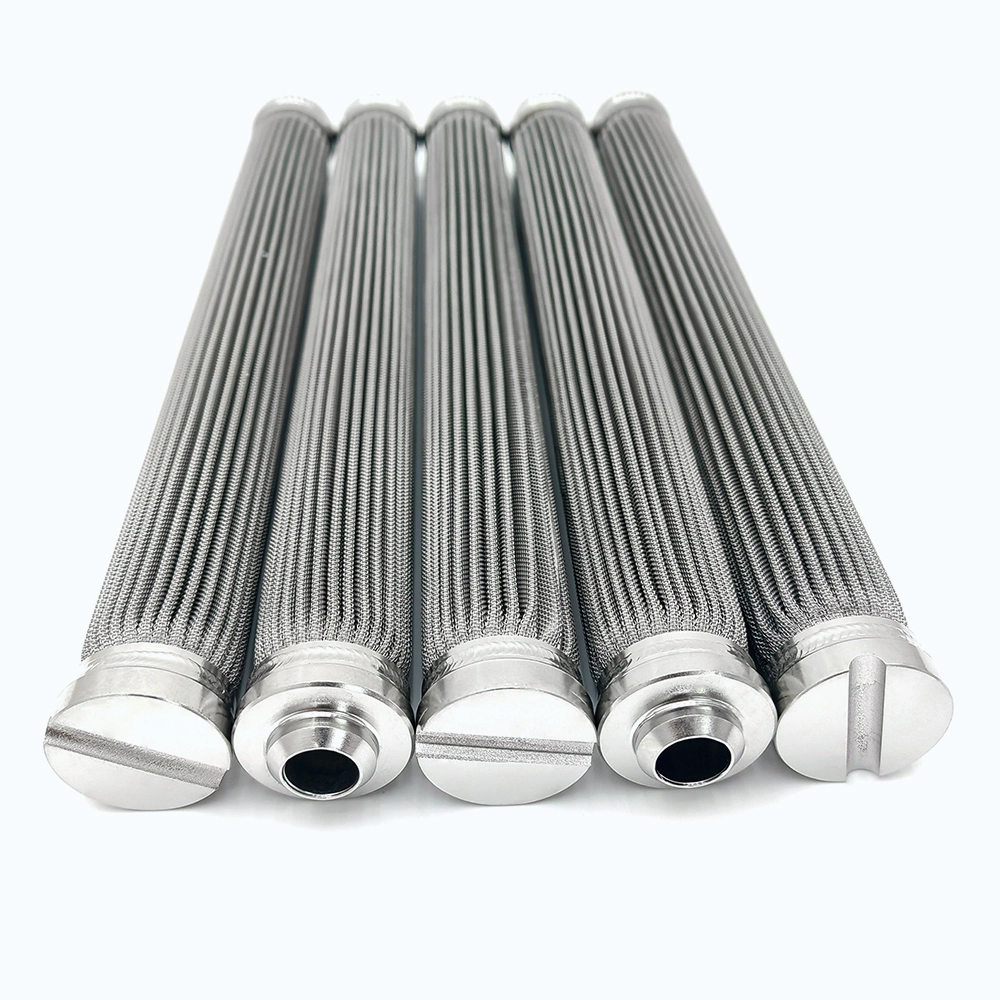
Stainless steel pleated filter cartridge
Our Stainless Steel Pleat Filter Cartridge constructed from high-quality SS 304 or SS 316L material, this filter exhibits exceptional resistance to high temperatures and rust.
© 2024 All Rights Reserved. | Privacy policy • Terms and conditions


