
Industrial RO Filters: A Complete Overview
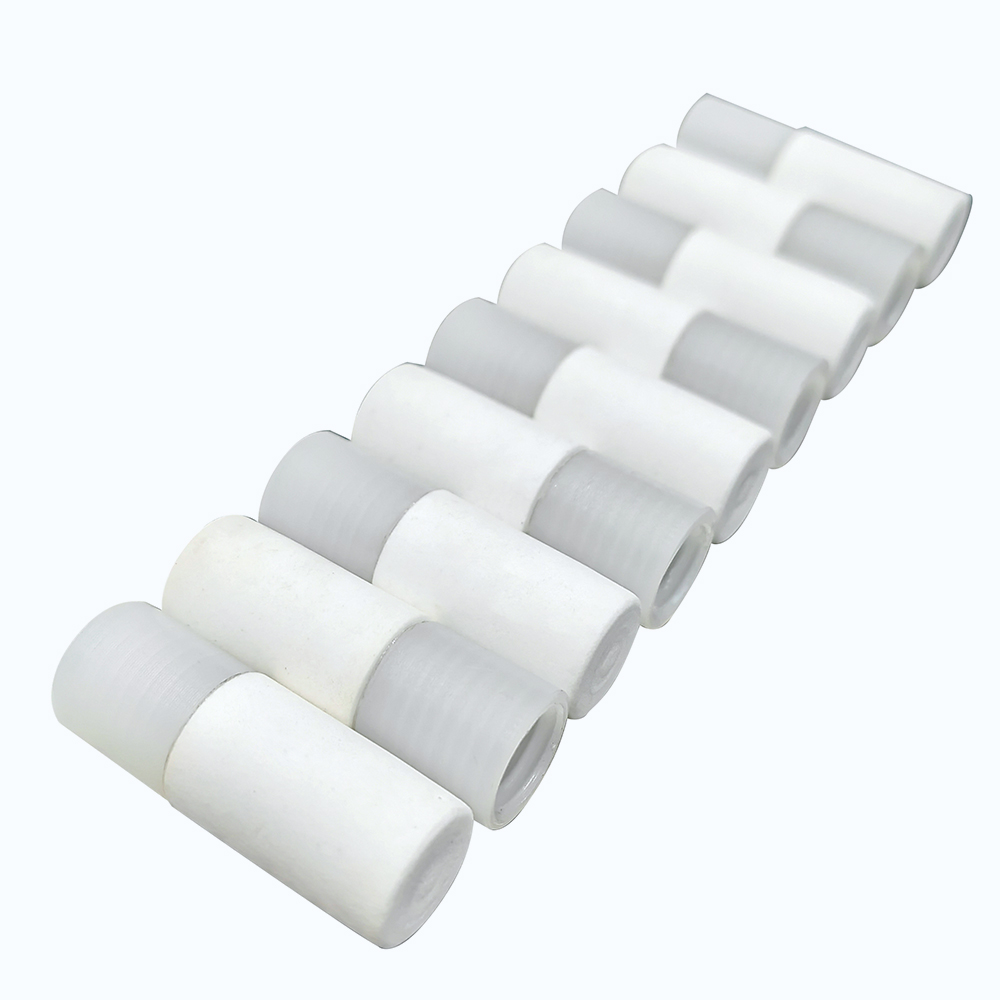
Industrial RO filters, also known as reverse osmosis filters, are advanced filtration systems designed for use in industrial applications. These filters are highly effective at removing impurities and contaminants from water, making them ideal for various industrial processes.
2. Applications of Industrial RO Filters
• Water Treatment
Description: Industrial RO filters are commonly used in water treatment facilities to purify water for drinking, manufacturing processes, and other applications. These filters can effectively remove bacteria, viruses, and other harmful substances from water, ensuring it is safe for consumption and industrial use.
• Food and Beverage Industry
Description: Industrial RO filters play a critical role in the food and beverage industry by removing impurities from water used in the production of food and beverages. These filters help maintain the quality and safety of the final products, meeting regulatory standards and consumer expectations.
• Pharmaceutical Industry
Description: In the pharmaceutical industry, the purity of water used in the production of medications is of utmost importance. Industrial RO filters are utilized to ensure the water meets stringent quality requirements, contributing to the safety and efficacy of pharmaceutical products.
3. Benefits of Industrial RO Filters
• Enhanced Water Purity
Description: Industrial RO filters are capable of producing high-purity water, free from contaminants and impurities. This ensures that the water meets the strict quality standards required for various industrial applications, contributing to the overall safety and quality of products.
• Cost Efficiency
Description: By effectively removing impurities from water, industrial RO filters help minimize the need for costly maintenance and repairs associated with equipment and processes affected by contaminated water. This can result in long-term cost savings for industrial operations.
• Environmental Impact
Description: Industrial RO filters contribute to environmental sustainability by reducing the reliance on single-use plastics and other non-renewable resources. By purifying water for reuse, these filters help conserve valuable natural resources and minimize environmental impact.
4. Key Considerations for Choosing Industrial RO Filters
• Water Quality Requirements
Description: When selecting an industrial RO filter, it is essential to consider the specific quality requirements for the treated water, such as purity levels, contaminants to be removed, and flow rates. Understanding these key parameters is critical for choosing the most suitable filter system.
• System Capacity and Scalability
Description: The capacity of an industrial RO filter system should align with the volume of water to be treated, as well as accommodate potential future expansion. Scalability is an important factor to consider, especially for growing industrial operations with evolving water treatment needs.
• Maintenance and Serviceability
Description: Evaluating the maintenance requirements and serviceability of industrial RO filters is essential for ensuring ongoing operational efficiency. Choosing a filter system that offers ease of maintenance, replacement parts availability, and reliable service support is crucial for long-term success.
Conclusion:
In conclusion, industrial RO filters offer a wide range of applications, benefits, and considerations for industrial users. With the ability to deliver high-purity water, contribute to cost efficiency, and minimize environmental impact, these filters are indispensable in various industries. By understanding the key considerations for choosing an industrial RO filter, businesses can make informed decisions to meet their specific water treatment needs.
FAQs:
1. What is the lifespan of industrial RO filters?
Answer: The lifespan of industrial RO filters can vary depending on usage, maintenance, and water quality, but with proper care, these filters can typically last several years.
2. Can industrial RO filters remove all contaminants from water?
Answer: While industrial RO filters are highly effective at removing a wide range of impurities and contaminants, they may not eliminate certain dissolved substances. Additional treatment methods may be required for complete purification.
3. Are industrial RO filters suitable for high-volume water treatment?
Answer: Industrial RO filters can be designed and scaled to accommodate high-volume water treatment needs, making them suitable for various industrial applications.
4. What maintenance is required for industrial RO filters?
Answer: Regular maintenance, such as filter replacement, membrane cleaning, and system inspections, is essential for ensuring the optimal performance and longevity of industrial RO filters.
5. Can industrial RO filters be customized for specific industrial applications?
Answer: Yes, industrial RO filters can be customized to meet the unique water treatment requirements of specific industrial applications, providing tailored solutions for diverse industries.
OEM/ODM stainless steel oil filter Manufacturers and Suppliers
Custom sinter plate filter factory Manufacturers and suppliers
Reliable Sintered Metal Filters Suppliers | Lvyuan
What is stainless steel filters
Porous Plastic Filter
What types of polymers are used to manufacture sintered plastic porous filters?
Common polymers used in the production of sintered plastic porous filters include polyethylene (PE), polypropylene (PP), polytetrafluoroethylene (PTFE), and polyvinylidene fluoride (PVDF), among others.
Stainless Steel Cartridge Filter Housing
What are the benefits of using stainless steel cartridge filter housings?
Stainless steel cartridge filter housings offer corrosion resistance, durability, and hygiene, making them suitable for use in a wide range of industries, including food and beverage, pharmaceuticals, chemicals, and water treatment.
Stainless Steel Pleated Filter Cartridges
What are the main applications of Stainless Steel Pleated Filter Cartridges?
These cartridges are commonly used for polymer melt filtration, high-temperature gas and steam filtration, and filtration of high-temperature liquids and viscous fluids in industries such as petrochemicals, manufacturing, and more.
Sintered Powder Filters
Are sintered powder filters reusable?
Many sintered powder filters are designed to be reusable. They can be cleaned through backwashing or other methods, contributing to their cost-effectiveness and sustainability.
For products
Do you provide customization for sintered metal filters?
Yes, we offer customization services to tailor sintered metal filters to your unique specifications. This includes variations in size, shape, material, and micron rating to ensure the filter meets the specific demands of your application.
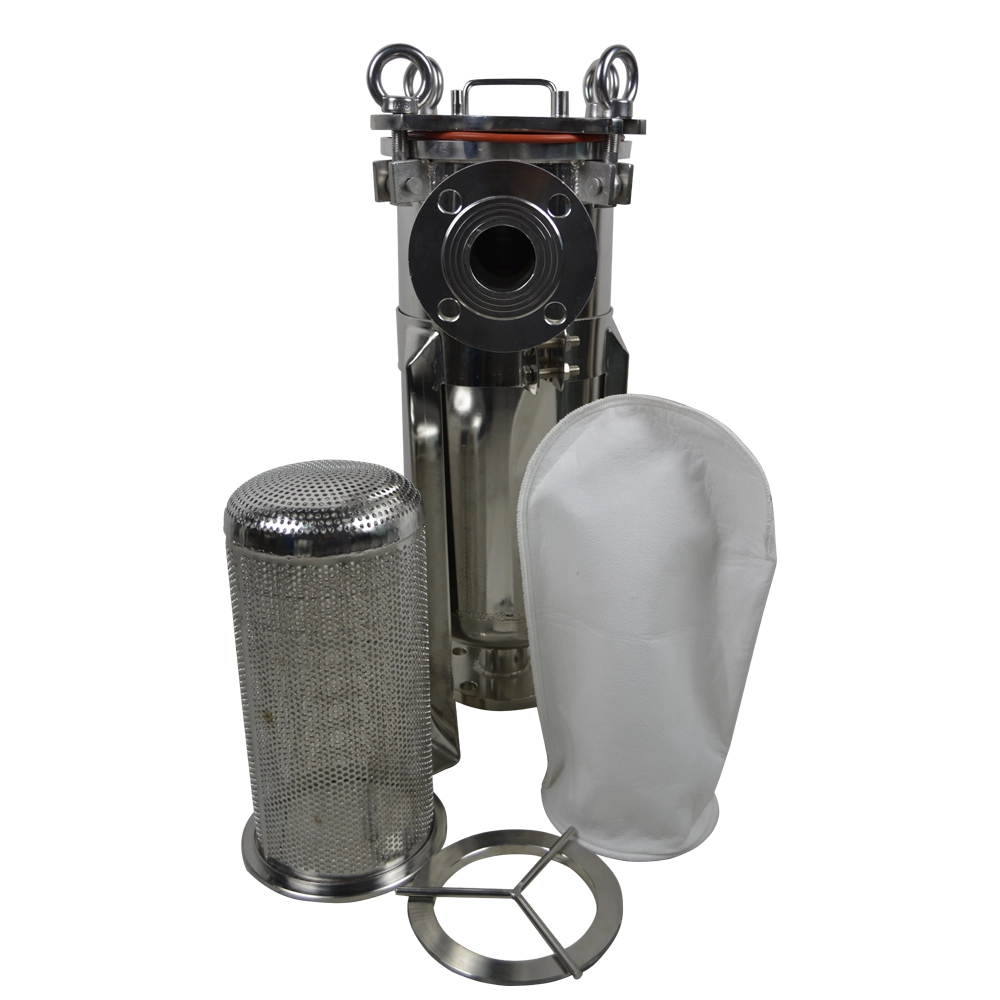
Bag filter housing
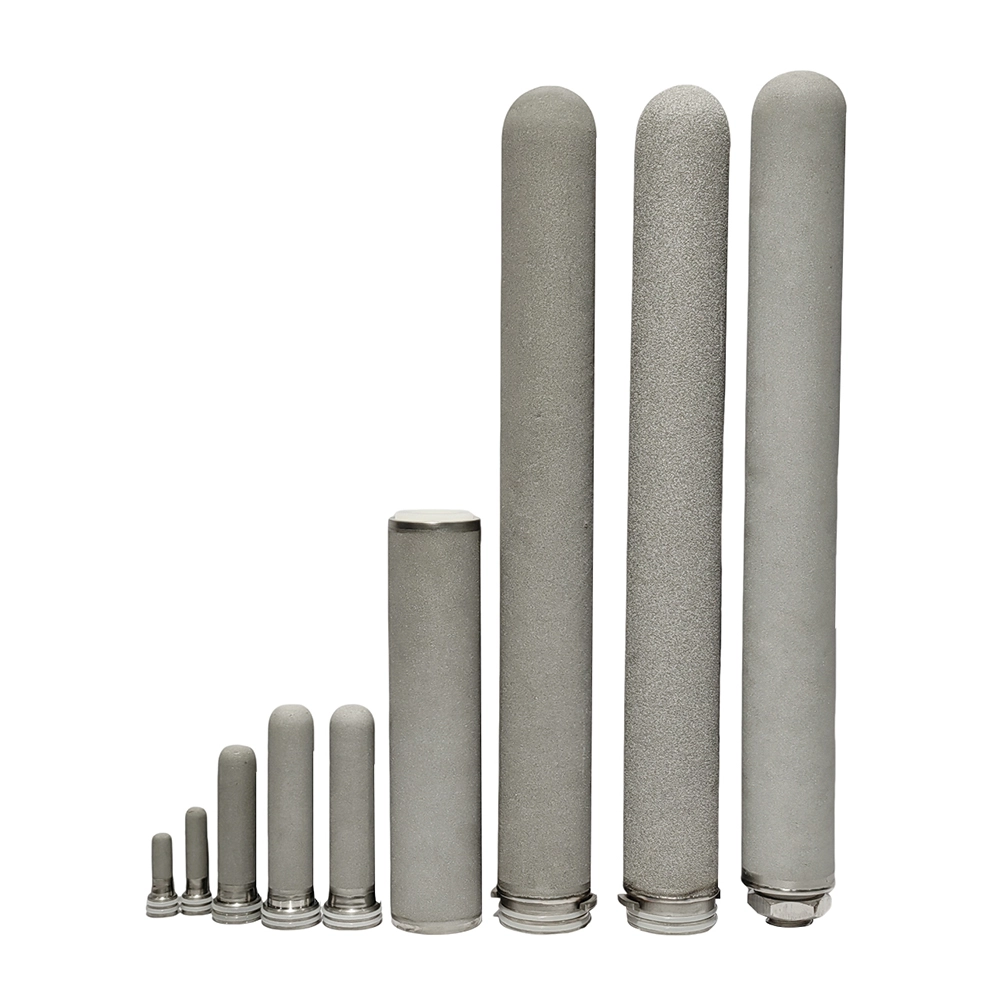
Sintered powder metal filters
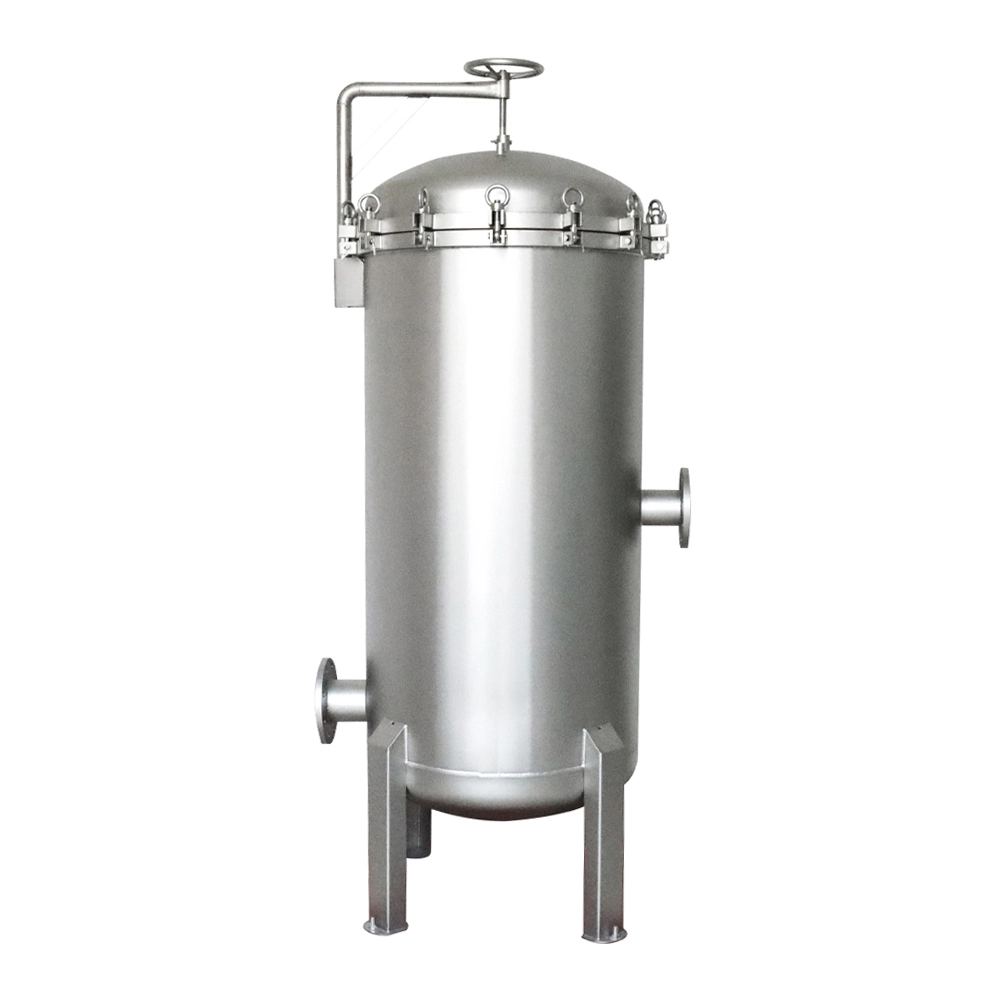
Stainless steel multi cartridge filter housing
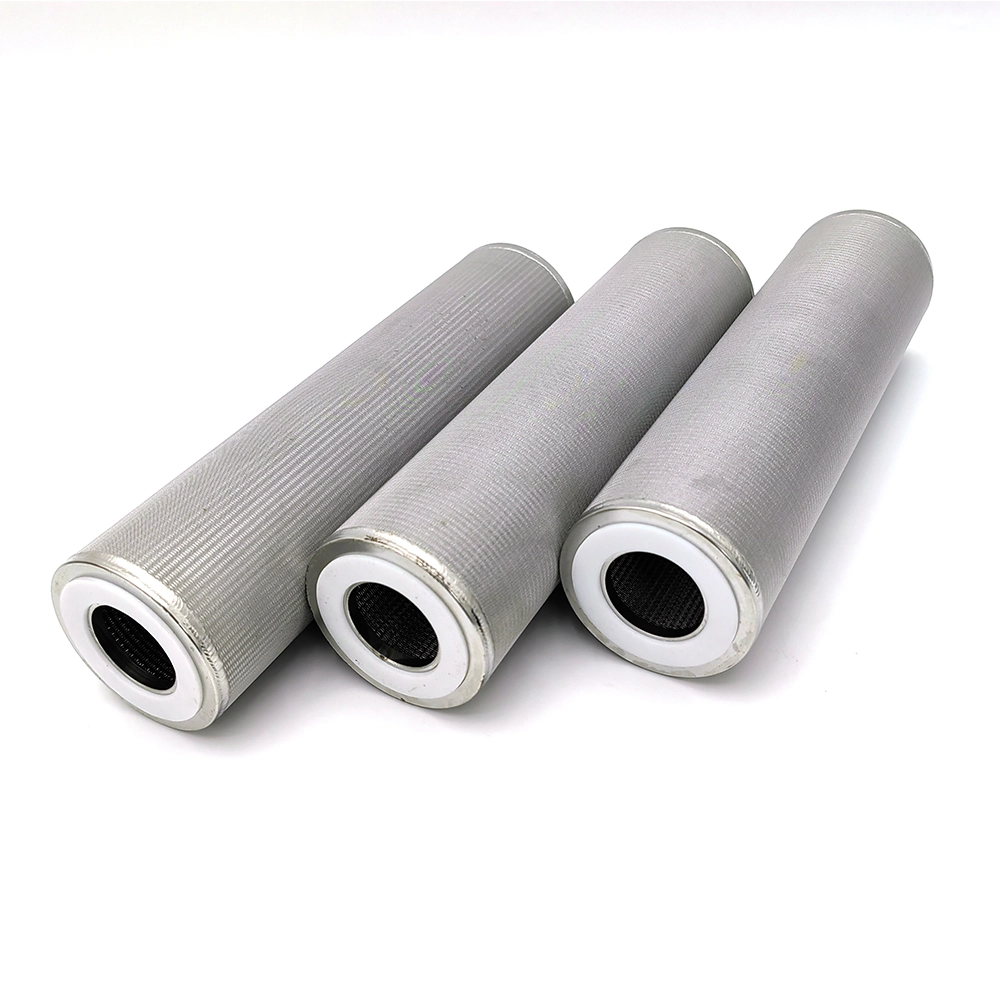
Sintered wire mesh filter
Benefit from outstanding high-pressure resistance and consistent filtration efficiency with our sintered metal mesh. Our sintered wire mesh finds versatile applications in diffuser screens, centrifuges, breather vents, fluidized beds, chromatography, polymer processing, petrochemical industries, hydraulic filters, and more.
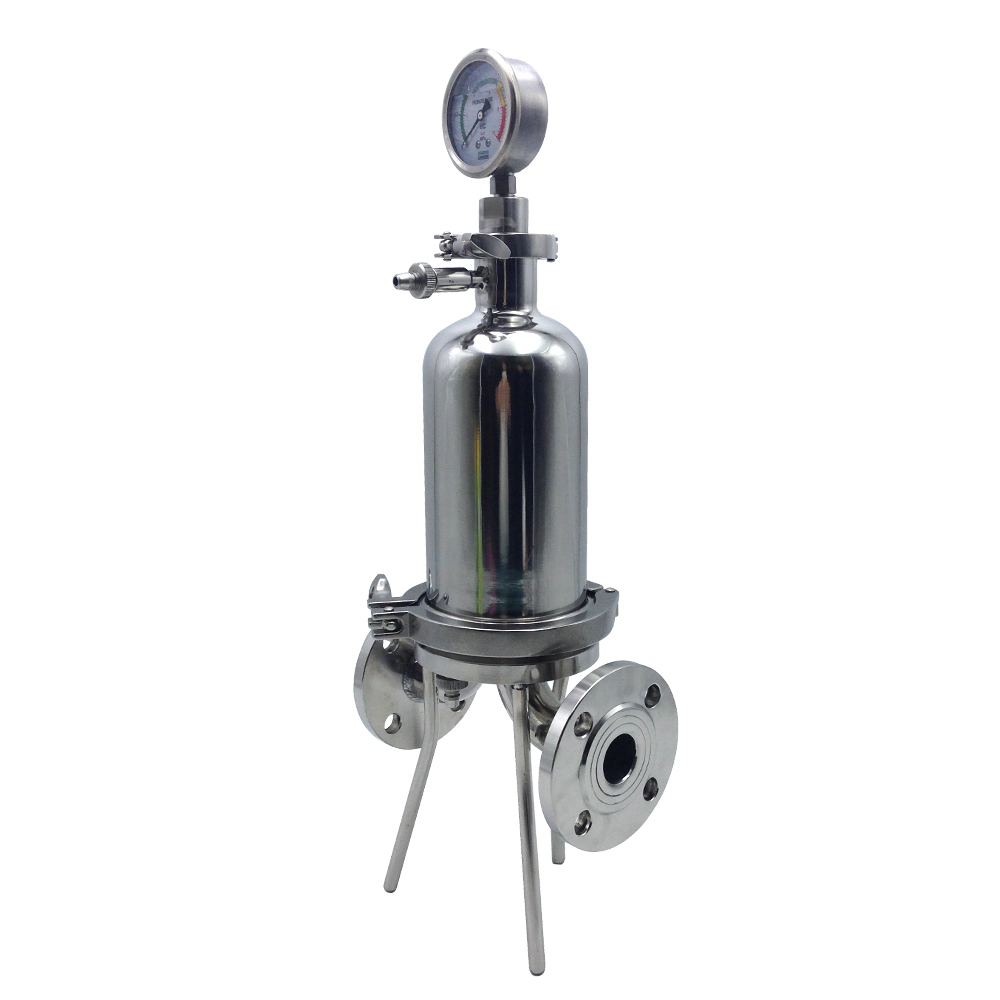
Sanitary filter housing
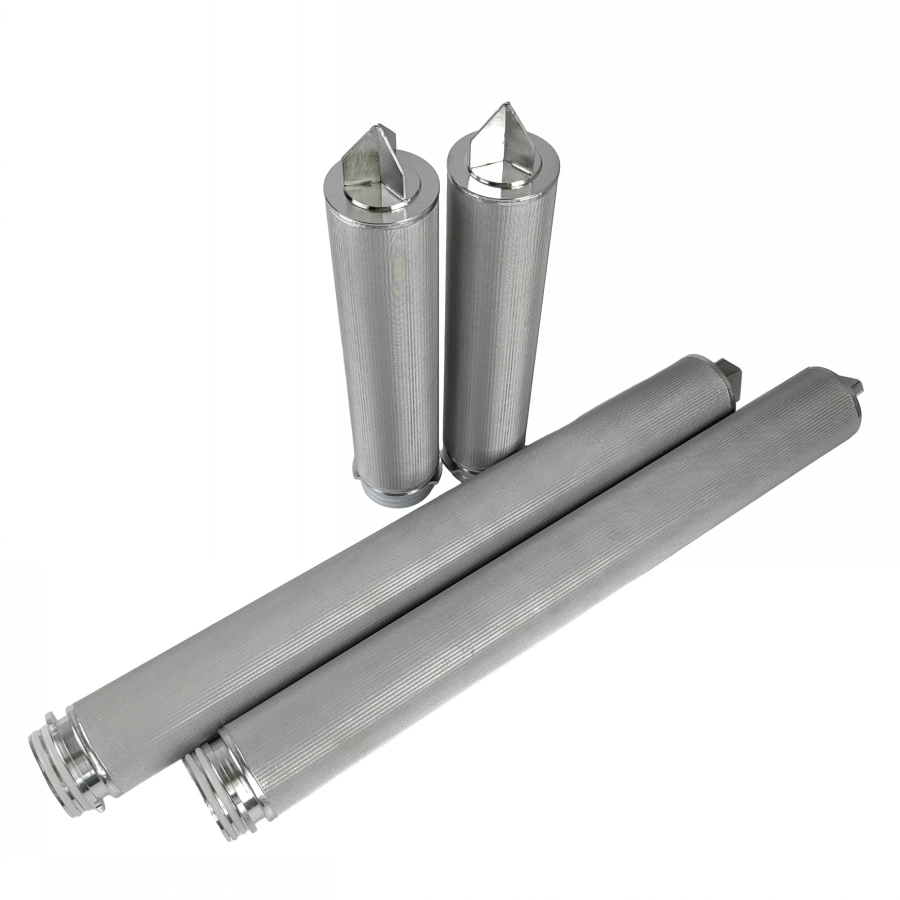
stainless steel filter water
Our sintered stainless steel filter stands as a pivotal filtration element crafted through a meticulous sintering process, with stainless steel serving as the core material.
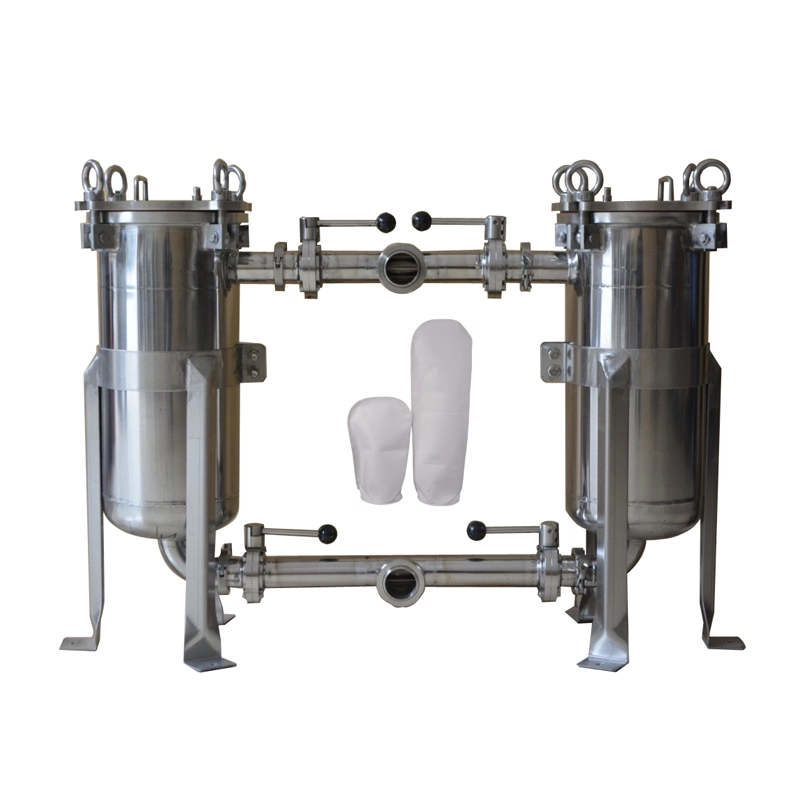
Stainless Steel Duplex filter housing
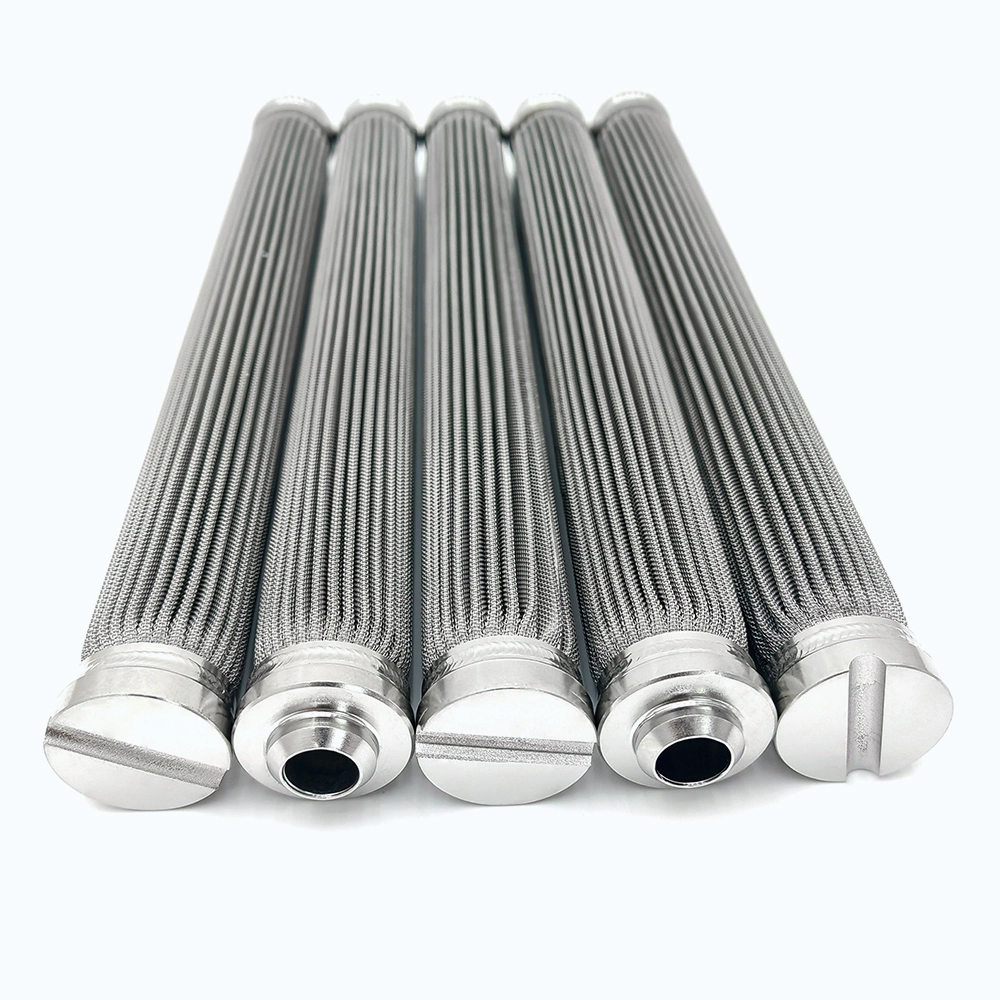
Stainless steel pleated filter cartridge
Our Stainless Steel Pleat Filter Cartridge constructed from high-quality SS 304 or SS 316L material, this filter exhibits exceptional resistance to high temperatures and rust.
© 2024 All Rights Reserved. | Privacy policy • Terms and conditions


