
learning the Sintered Metal Filter Working Principle | Lvyuan
Introduction
In today’s fast-paced industrial world, effective filtration techniques play a vital role in ensuring product quality and process efficiency. One such highly efficient technique is the use of sintered metal filters. But what exactly is the sintered metal filter working principle? At Lvyuan, a leader in innovative filtration solutions, we take pride in understanding and manufacturing advanced sintered metal filters. Founded in 2009 in Guangzhou, we specialize in research and development, offering an array of filtration products, including stainless steel filter housings and PE filters, backed by certifications like CE, ROHS, and SGS. Our products have found applications across various industries, including food and beverage, petrochemical, and electronics, serving over 1,000 customers in 85 countries worldwide.
What is the Sintered Metal Filter Working Principle?
The Basics of Sintered Metal Filters
Sintered metal filters consist of metal powders that have been compacted and formed through a sintering process, which involves heat but not actual melting. This process results in a porous metal structure that allows for fluid filtration while handling high-temperature and high-pressure environments efficiently.
How Do Sintered Metal Filters Work?
The working principle behind sintered metal filters is based on their intricate porous structure. These pores are formed as the powdered metal is heated to just below its melting point in a furnace. As the heat is applied, the metal powders bond together, creating a durable and uniform structure. These pores act as passageways that trap particulates and contaminants, allowing clean fluids to pass through.
Filtration Mechanisms in Action
1. Surface Filtration: This involves the collection of particles on the surface of the filter material, effectively blocking them from passing through.
2. Depth Filtration: Here, contaminants are trapped within the filter matrix itself, which results in higher dirt holding capacity and longer filter life.
This dual-action filtration capability makes sintered metal filters versatile and reliable for applications demanding cleanliness, precision, and durability.
Advantages of Sintered Metal Filters
1. Durability and Strength: The sintered metal structure imparts exceptional mechanical strength, allowing these filters to endure demanding physical conditions and extending their operational lifespan.
2. Thermal and Chemical Stability: These filters withstand extreme temperatures and corrosive environments, making them ideal for harsh industrial settings.
3. High Filtration Efficiency: With customizable pore sizes, sintered metal filters can be designed to target specific impurities, delivering high-precision filtration.
4. Regeneration and Reusability: Due to their robustness, these filters can often be cleaned and reused, reducing operational costs over time.
Applications of Sintered Metal Filters
Lvyuan’s sintered metal filters are employed across several industries, each benefiting from the tailored filtration solutions that address their specific needs:
- Food and Beverage: Ensuring product purity by removing contaminants from liquids and gases during production.
- Petrochemical: Handling aggressive fluids and high-pressure conditions without degradation.
- Pharmaceutical: Maintaining sterile environments by filtering out microorganisms and particulates.
- Electronics: Assuring high purity in electronic components by removing particulates during manufacturing.
- Machinery Manufacturing: Protecting equipment from wear and tear by filtering impurities in lubrication systems.
Lvyuan’s Expertise and Global Reach
With more than a decade of industry experience, Lvyuan remains at the forefront of filtration technology innovation. Our commitment to quality and customer satisfaction has enabled us to deliver OEM and ODM services that cater to specific client requirements. Our expertly crafted filters have CE, ROHS, and SGS certifications, underlining their quality and safety standards.
FAQs
What materials are used in sintered metal filters?
Sintered metal filters are often made from stainless steel, bronze, nickel, or titanium, chosen for their compatibility with various industrial applications.
Can sintered metal filters be customized?
Yes, they can be tailored in terms of pore size and configuration to meet specific filtration requirements.
How do you clean a sintered metal filter?
They can be cleaned using backwashing, ultrasonic cleaning, or solvent cleaning methods, depending on the material and level of contamination.
Are sintered metal filters recyclable?
Yes, due to the robustness of materials like stainless steel, they can be recycled, contributing to sustainability.
Conclusion
Understanding the sintered metal filter working principle provides key insights into their efficiency and versatility. Lvyuan, with its state-of-the-art manufacturing and global reach, excels in offering robust filtration solutions tailored to diverse industry needs. Whether you are in the petrochemical, food and beverage, or electronics industry, our sintered metal filters ensure optimal performance and reliability. Reach out to us to discover how our filtration systems can enhance your operational efficiency and product quality.
By comprehensively covering the workings, advantages, and applications of sintered metal filters, this guide aims to serve as an expert resource for industries seeking advanced filtration solutions.
Understanding the Function of Baghouse Filters: A Complete Guide
Enhance Filtration with Powdered Sintered Metal Filters | Lvyuan
Everything You Need to Know About stainless steel mesh filter cartridge
Tips for Wholesale sintered metal filter for gas systems in US
Sintered Powder Filters
What shapes are available for sintered powder filters?
Sintered powder filters are available in various shapes, including discs, tubes, metal filter cartridges, plates, porous metal sheets, and cups, providing versatility for different applications.
What is a sintered powder filter?
A sintered powder filter is a porous filtration medium created by compacting and sintering metal powders. It is designed to provide efficient and precise filtration in various industrial applications.
Stainless Steel Pleated Filter Cartridges
What is a Stainless Steel Pleated Filter Cartridge?
A Stainless Steel Pleated Filter Cartridge is a filtration device with a pleated design, made from high-quality stainless steel (SS 304 or SS 316L). It is used for efficient particle removal in various industrial applications.
For products
Are your sintered metal filters compliant with industry standards?
Yes, our sintered metal filters conform to industry standards, and we ensure compliance with quality management systems such as ISO9001. This commitment reflects our dedication to delivering high-quality filtration solutions.
Sintered Metal Filter
In which industries are industrial sintered metal filter cartridges commonly used?
These cartridges find applications in petrochemicals, pharmaceuticals, water treatment, food processing, automotive, aerospace, and many other industries where precise and reliable filtration is essential.
What is the temperature range that industrial sintered metal filter cartridges can handle?
The temperature range varies based on the material used, but they can typically withstand temperatures from -200°C to 1000°C or even higher for certain alloys.
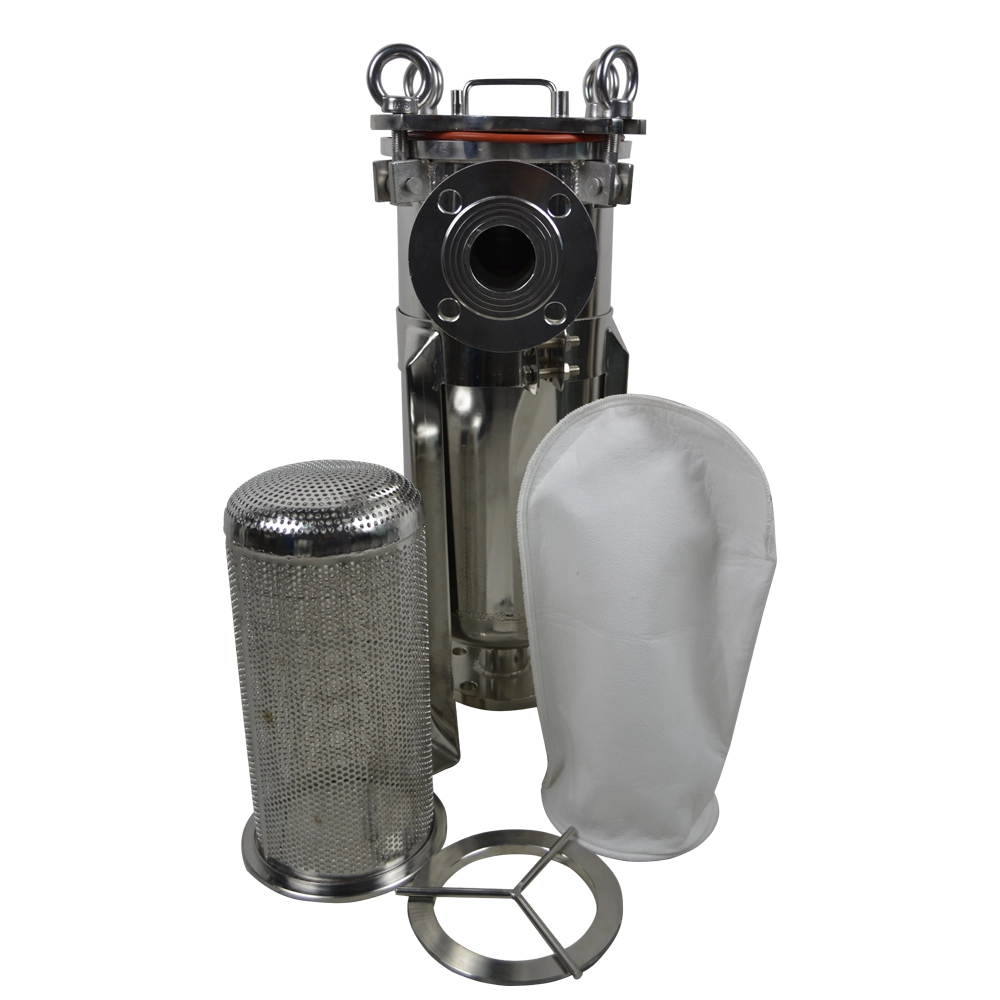
Bag filter housing
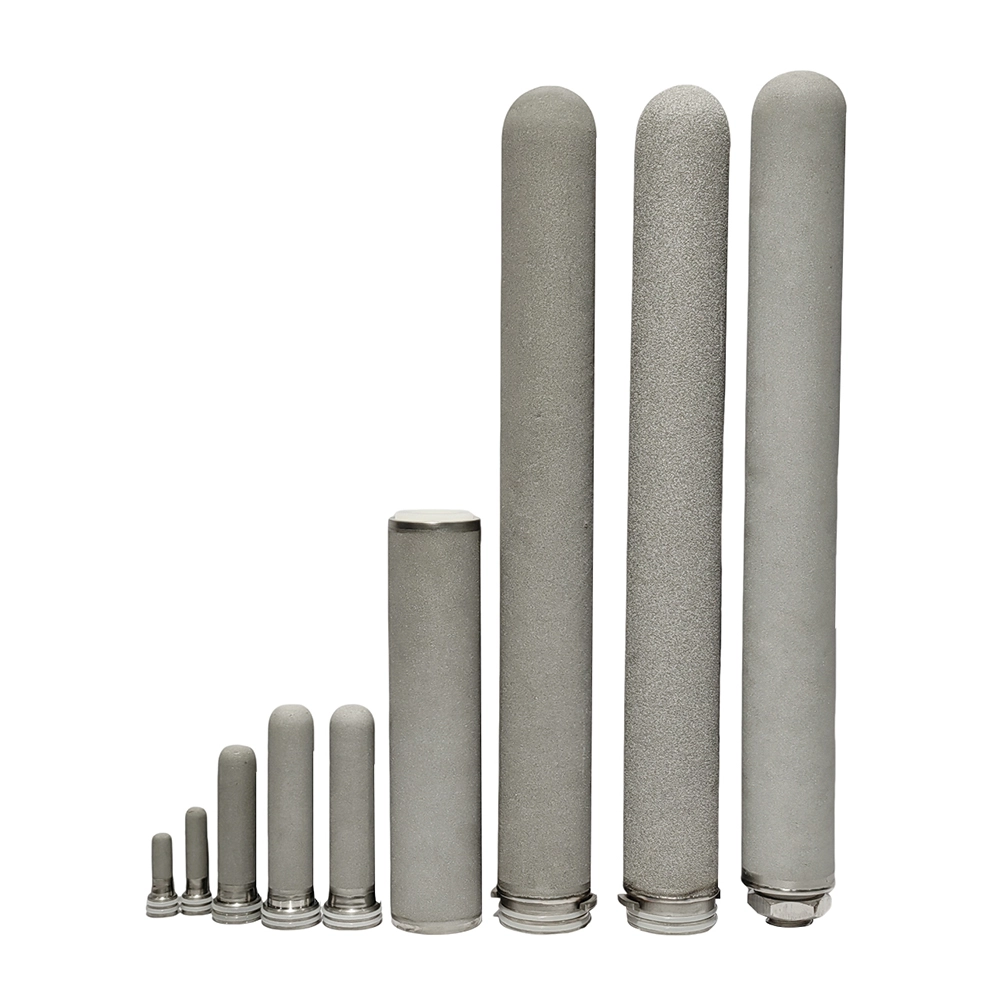
Sintered powder metal filters
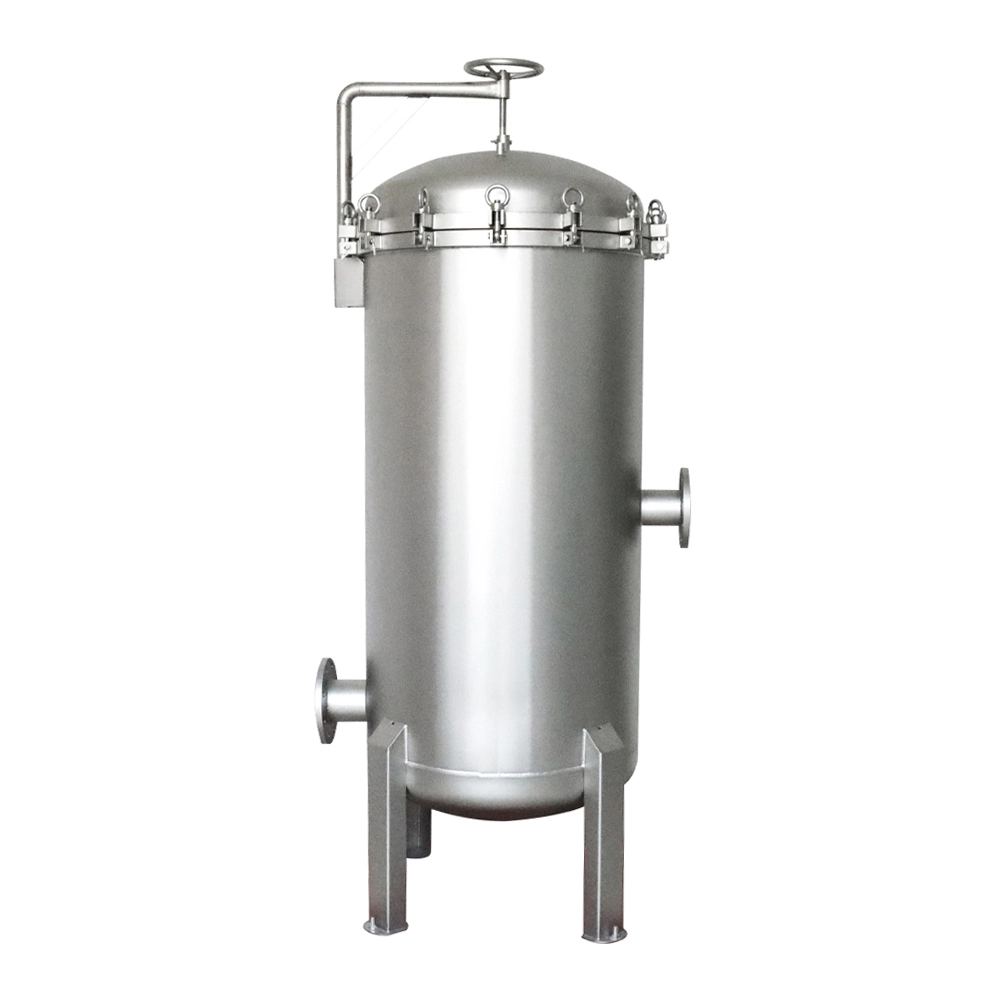
Stainless steel multi cartridge filter housing
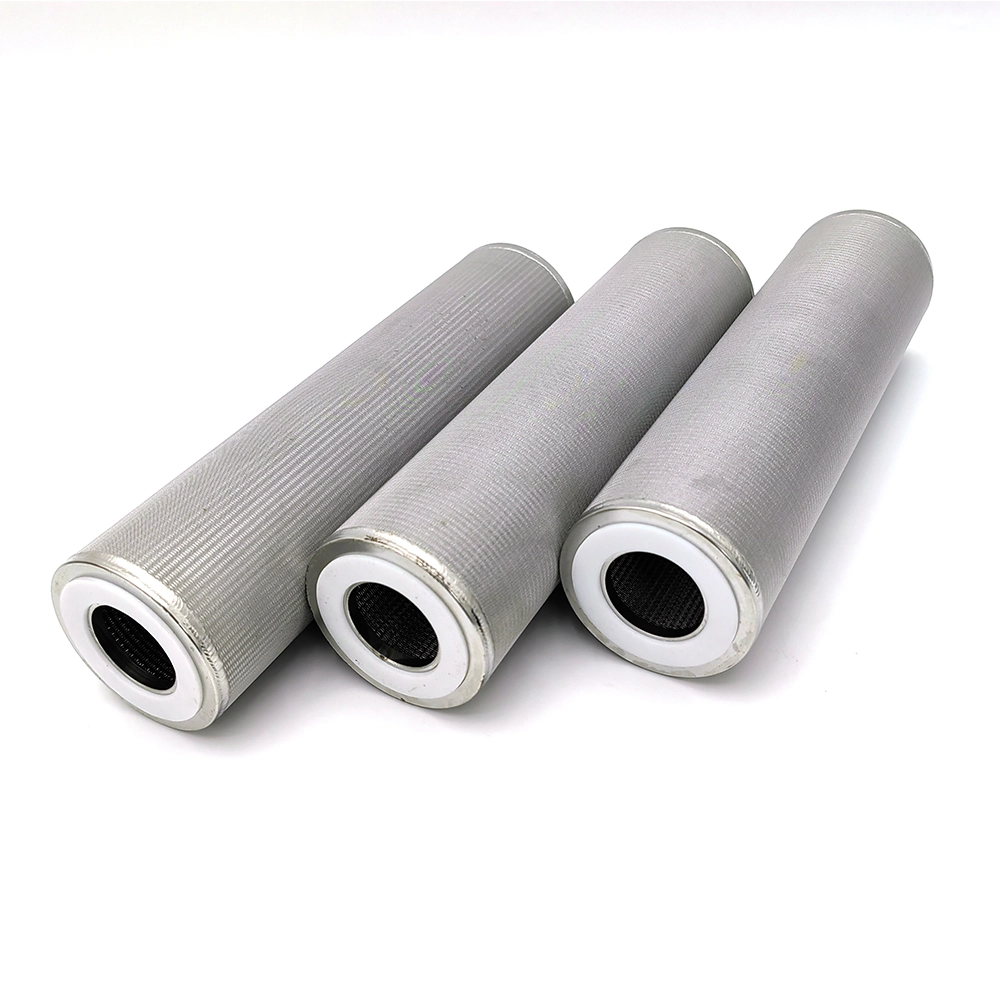
Sintered wire mesh filter
Benefit from outstanding high-pressure resistance and consistent filtration efficiency with our sintered metal mesh. Our sintered wire mesh finds versatile applications in diffuser screens, centrifuges, breather vents, fluidized beds, chromatography, polymer processing, petrochemical industries, hydraulic filters, and more.
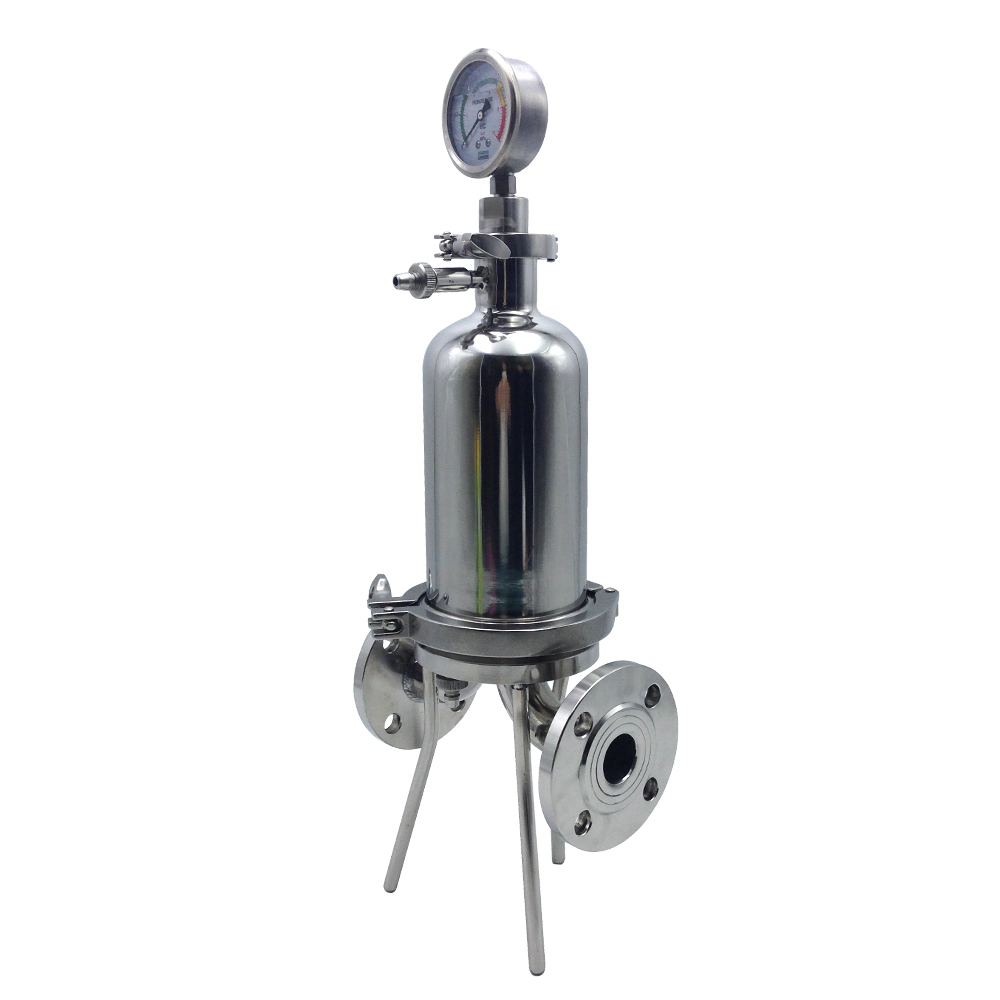
Sanitary filter housing
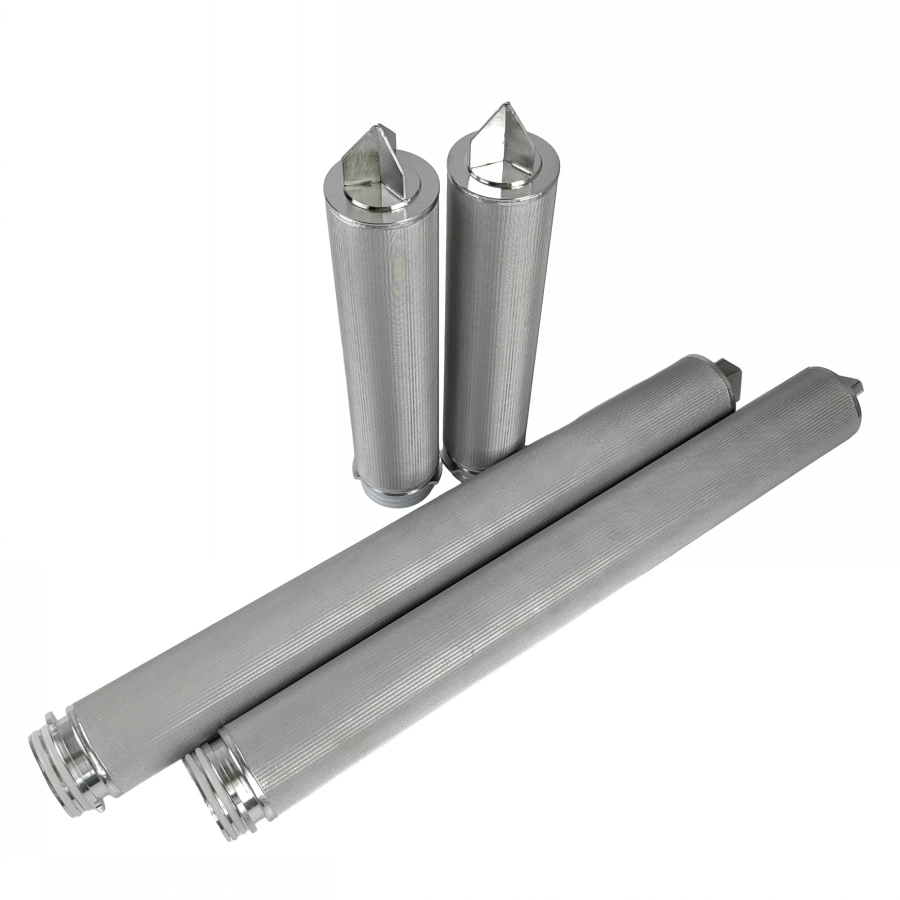
stainless steel filter water
Our sintered stainless steel filter stands as a pivotal filtration element crafted through a meticulous sintering process, with stainless steel serving as the core material.
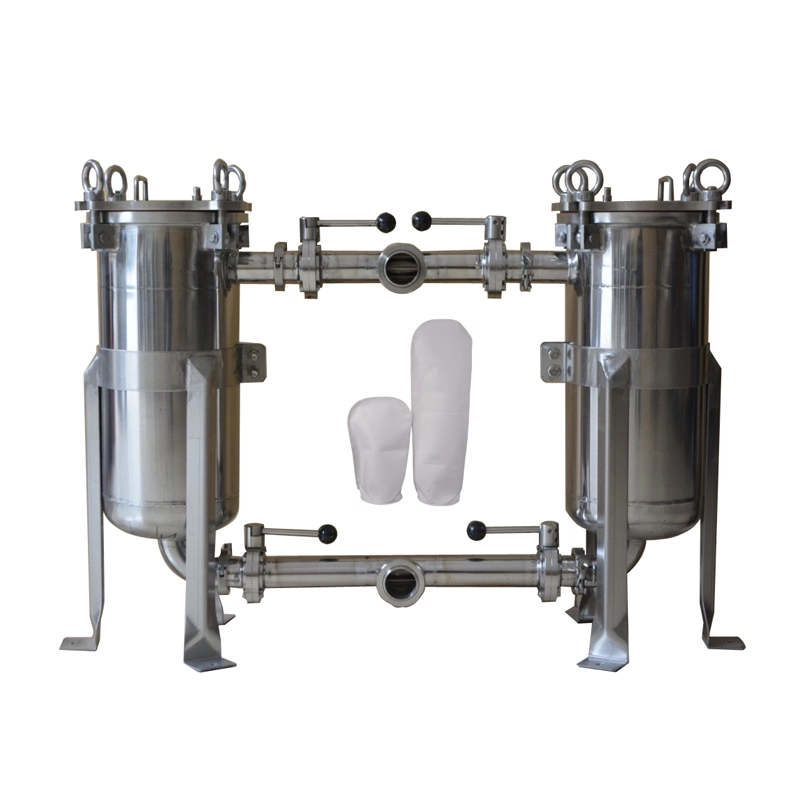
Stainless Steel Duplex filter housing
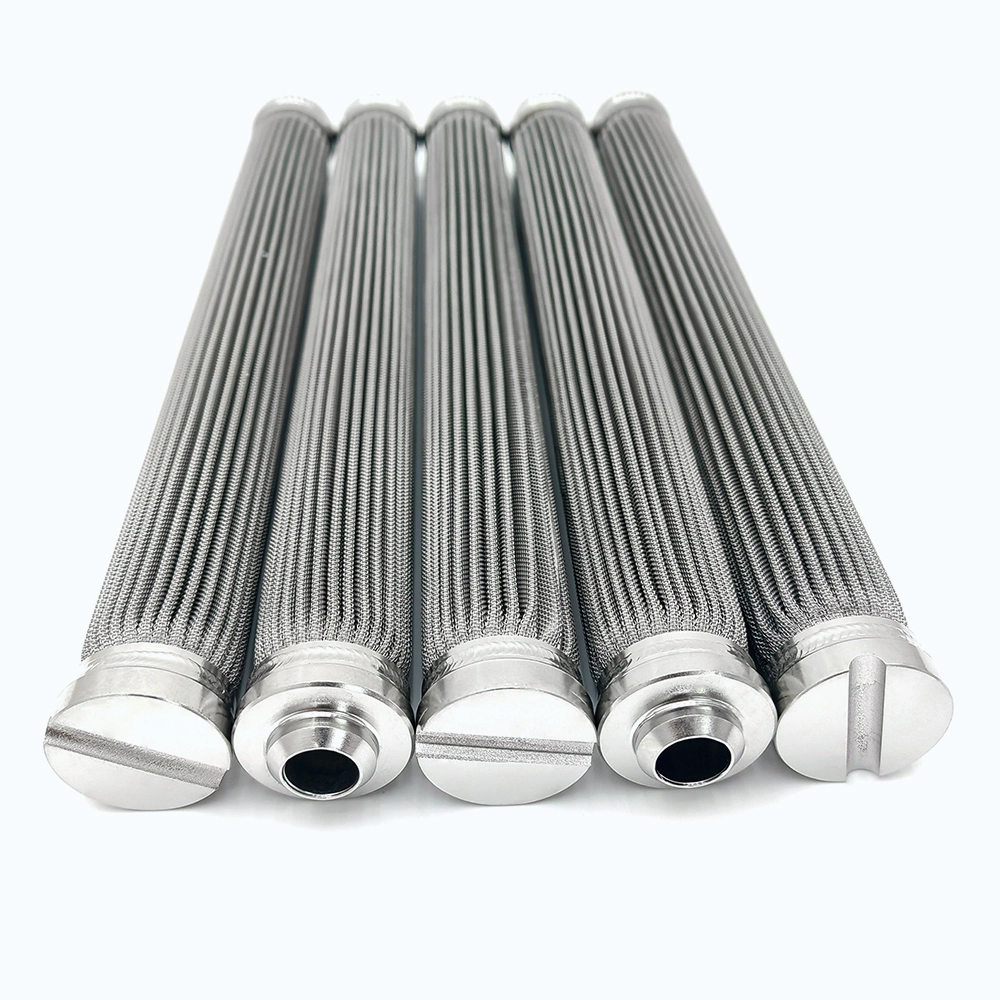
Stainless steel pleated filter cartridge
Our Stainless Steel Pleat Filter Cartridge constructed from high-quality SS 304 or SS 316L material, this filter exhibits exceptional resistance to high temperatures and rust.
© 2024 All Rights Reserved. | Privacy policy • Terms and conditions


