
How to manufacturing Stainless Filter
- How to Manufacture Stainless Steel Filters: A Comprehensive Guide by Lvyuan
- Understanding Stainless Steel Filter Materials
- Sintering: The Core of Stainless Steel Filter Production
- Different Manufacturing Techniques for Stainless Steel Filters
- Machining and Fabrication of Filter Housings
- Welding Techniques for Seamless Construction
- Quality Control and Testing Procedures
- Pore Size Distribution Analysis
- Pressure Drop Testing
- Burst Pressure and Tensile Strength Testing
- Chemical Compatibility Testing
- Applications of Stainless Steel Filters Across Industries
- Food and Beverage Industry
- Pharmaceutical Industry
- Chemical and Petrochemical Industries
- Water Treatment
- Choosing the Right Stainless Steel Filter for Your Needs
- Flow Rate Requirements
- Pressure Tolerance
- Particle Size to be Filtered
- Chemical Compatibility
- Lvyuan: Your Trusted Partner in Stainless Steel Filter Manufacturing
- Frequently Asked Questions (FAQ)
- Conclusion
How to Manufacture Stainless Steel Filters: A Comprehensive Guide by Lvyuan
Understanding Stainless Steel Filter Materials
Choosing the right stainless steel is crucial for producing a high-performance stainless steel filter. The grade of stainless steel directly impacts the filter's corrosion resistance, strength, and overall lifespan. Commonly used grades include 304, 316L, and 316, each offering varying levels of resistance to specific chemicals and environments. For example, 316L stainless steel is known for its superior resistance to chloride corrosion, making it ideal for applications involving saltwater or harsh chemicals. The selection process depends heavily on the intended application and the specific contaminants needing filtration. At Lvyuan, we guide our clients through this process to ensure optimal material selection for their unique needs.
Sintering: The Core of Stainless Steel Filter Production
Sintering is the heart of the stainless steel filter manufacturing process. This crucial step involves heating powdered stainless steel at high temperatures, causing the particles to bond together and form a porous structure. The porosity of the filter, determined by the sintering parameters, dictates the filter's effectiveness in separating particles of specific sizes. Precise control over temperature, pressure, and time during sintering is essential to achieve the desired porosity and permeability. Lvyuan utilizes cutting-edge sintering technology to guarantee consistent and high-quality sintered metal filters. This precision ensures optimal performance and longevity for our clients' applications. Our advanced sintering techniques allow us to produce filters with highly controlled pore sizes, enabling precise particle separation and superior filtration efficiency.
Different Manufacturing Techniques for Stainless Steel Filters
Beyond sintering, other manufacturing techniques contribute to the creation of a complete stainless steel filter. These include:
Machining and Fabrication of Filter Housings
The filter housing, which encloses the sintered element, is often fabricated using precision machining techniques. Stainless steel sheets or bars are cut, shaped, and welded to create the housing, ensuring a leak-proof and robust enclosure for the filter element. The design of the housing must be compatible with the specific application and the required pressure and flow rates. Lvyuan employs state-of-the-art CNC machining to achieve high precision and consistency in the manufacturing of filter housings. Our expertise ensures the housing is perfectly matched to the filter element, guaranteeing optimal performance and reliability.
Welding Techniques for Seamless Construction
Welding plays a vital role in assembling the various components of a stainless steel filter. Precise welding techniques are employed to ensure leak-free connections between the sintered element and the housing. Lvyuan utilizes advanced welding methods, such as TIG welding, known for its precision and the creation of strong, durable welds. Our rigorous quality control measures ensure the integrity of every weld, guaranteeing the long-term performance and reliability of our filters.
Quality Control and Testing Procedures
Maintaining stringent quality control measures is paramount in stainless steel filter manufacturing. Lvyuan implements rigorous testing procedures at each stage of production. This includes:
Pore Size Distribution Analysis
Testing the pore size distribution ensures the filter meets the specified specifications for particle retention. Using advanced techniques like laser diffraction, we carefully analyze the pore size distribution to guarantee consistent and reliable filtration performance.
Pressure Drop Testing
We conduct pressure drop tests to assess the filter's resistance to fluid flow. This ensures the filter operates within the required pressure range, maintaining optimal flow rates without compromising filtration efficiency.
Burst Pressure and Tensile Strength Testing
Our rigorous tests determine the filter's structural integrity and resistance to pressure variations. This ensures the filter can withstand operating conditions without failure or leakage.
Chemical Compatibility Testing
For specific applications, we perform chemical compatibility tests to verify the filter's resistance to various chemicals and corrosive agents. This ensures the longevity and reliability of the filter even under harsh conditions.
Applications of Stainless Steel Filters Across Industries
The versatility of stainless steel filters makes them suitable for a broad range of applications in various industries. Their high corrosion resistance, strength, and compatibility with various fluids make them ideal for:
Food and Beverage Industry
Stainless steel filters are crucial for removing particulate matter from beverages, ensuring product purity and quality. Their biocompatibility makes them ideal for processing food and beverages intended for human consumption.
Pharmaceutical Industry
In the pharmaceutical industry, stainless steel filters are essential for sterilizing and purifying medications, ensuring the safety and efficacy of pharmaceutical products. Their ability to withstand sterilization processes makes them a critical component in drug manufacturing.
Chemical and Petrochemical Industries
These industries utilize stainless steel filters for separating and purifying various chemicals, removing impurities to ensure product quality and prevent equipment damage. Their resistance to harsh chemicals is vital in these environments.
Water Treatment
Stainless steel filters play a key role in water treatment, removing impurities and improving water quality. Their high filtration efficiency and durability make them reliable solutions for water purification.
Choosing the Right Stainless Steel Filter for Your Needs
Selecting the appropriate stainless steel filter depends heavily on various factors:
Flow Rate Requirements
Consider the necessary flow rate of the fluid you'll be filtering. Different filter designs and pore sizes impact flow rates, so careful selection is crucial.
Pressure Tolerance
Determine the maximum pressure the filter must withstand to ensure it operates reliably under the given conditions.
Particle Size to be Filtered
The size of the particles you need to remove from the fluid dictates the required pore size of the filter.
Chemical Compatibility
Consider the chemical composition of the fluid to be filtered and select a filter compatible with those chemicals to avoid corrosion or degradation.
Lvyuan: Your Trusted Partner in Stainless Steel Filter Manufacturing
Lvyuan, with its extensive experience and state-of-the-art facilities, is your reliable partner in stainless steel filter manufacturing. Our commitment to quality, precision, and customer satisfaction ensures we provide high-performance filters tailored to your specific needs. We offer a comprehensive range of stainless steel filters, customized solutions, and exceptional customer support.
Frequently Asked Questions (FAQ)
Q: What types of stainless steel do you use in your filters?
A: We use various grades of stainless steel, including 304, 316L, and 316, depending on the specific application and customer requirements.
Q: What is the typical lead time for a custom stainless steel filter order?
A: Lead times vary depending on the complexity and quantity of the order. We provide an estimated timeframe upon receiving your specifications.
Q: Do you offer OEM/ODM services?
A: Yes, Lvyuan specializes in OEM and ODM services, tailoring our filters to meet your unique design and performance needs.
Q: What certifications do you hold?
A: We have achieved CE, ROHS, and SGS certifications, demonstrating our commitment to quality and safety standards.
Q: How do I clean and maintain a stainless steel filter?
A: Cleaning methods depend on the specific application and type of contamination. Contact our team for guidance on cleaning procedures for your particular filter.
Q: What is your minimum order quantity (MOQ)?
A: Our MOQ varies depending on the type and complexity of the filter. Please contact us for details.
Q: How can I get a quote for a stainless steel filter?
A: Please contact us via phone, email, or our online inquiry form, providing details of your requirements.
Conclusion
Manufacturing high-quality stainless steel filters requires precision, expertise, and a commitment to quality control. Lvyuan's advanced manufacturing techniques, rigorous testing, and focus on customer satisfaction ensure we deliver superior filtration solutions across various industries. Contact us today to discuss your stainless steel filter needs and discover how Lvyuan can help you achieve optimal filtration performance.
The Future Development Trend of Sintered Metal Filters | Lvyuan
What are the different types of Laboratory Filter?
How to Clean a Metal Screen Filter | Tips by Lvyuan
Comprehensive Guide to 1 Micron Stainless Steel Filter | Lvyuan
Porous Plastic Filter
Can sintered porous filter discs be customized?
Yes, sintered porous filter discs are highly customizable. You can specify pore sizes, material preferences, disc diameter, and other parameters to meet the unique requirements of your application.
How do I integrate sintered porous filter discs into my filtration system?
They are designed for easy integration into existing filtration systems. The compact design allows for straightforward installation and replacement.
Sintered mesh filters
What is a sintered mesh filter?
A sintered mesh filter is a porous metal filter element made by sintering multiple layers of woven wire mesh. It provides effective filtration for various applications, offering advantages such as durability, temperature resistance, and customizable filtration ratings.
Sintered Metal Filters
What is a sintered metal filters?
A sintered metal filter is a porous material produced by compacting and heating metal particles to create a solid structure with interconnected pores. It is commonly used for filtration in various industries.
For company
Where we located?
We located in Guangzhou, Guangdong Province, China.
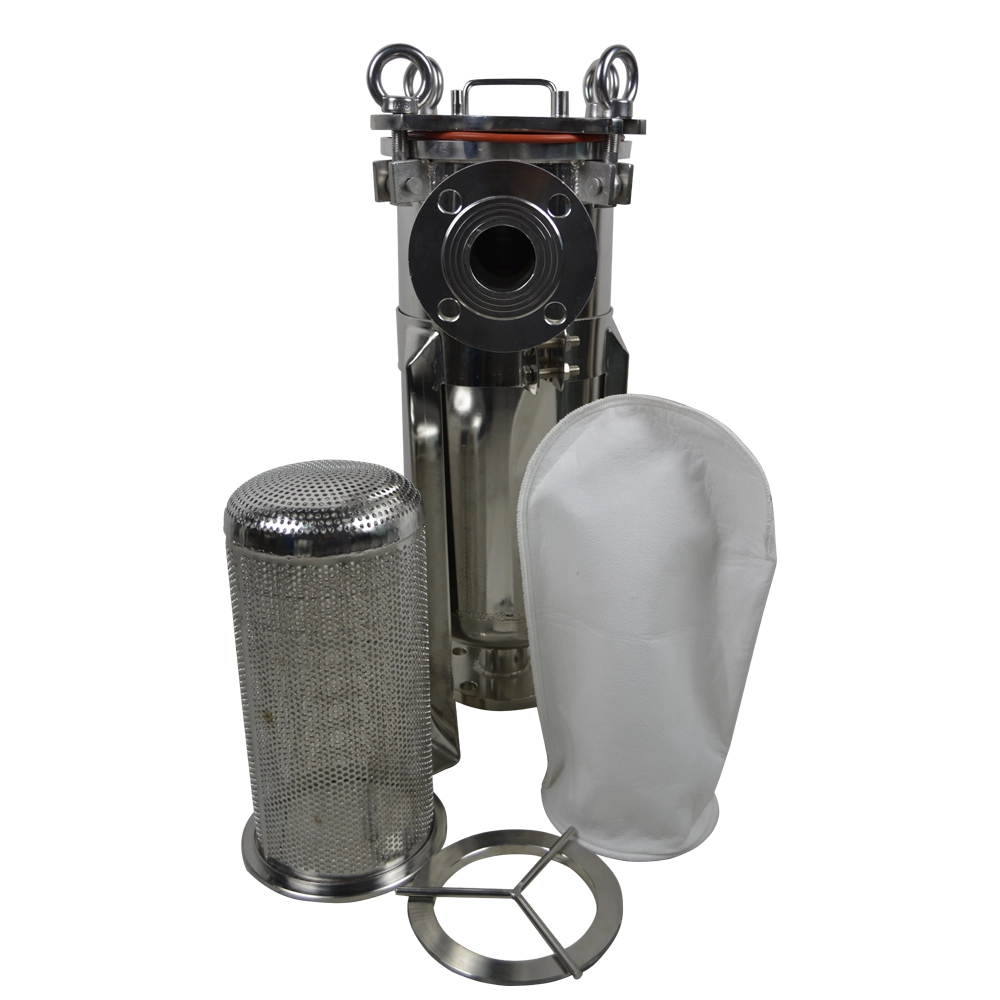
Bag filter housing
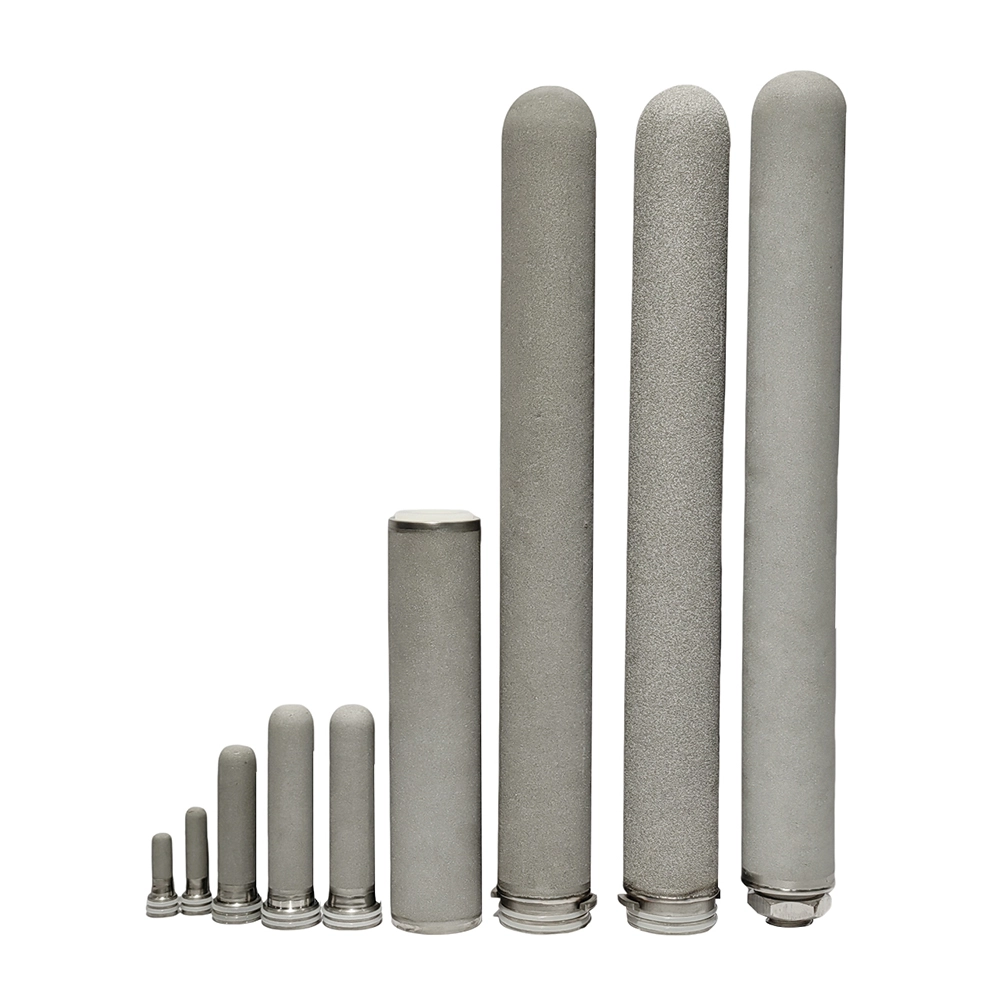
Sintered powder metal filters
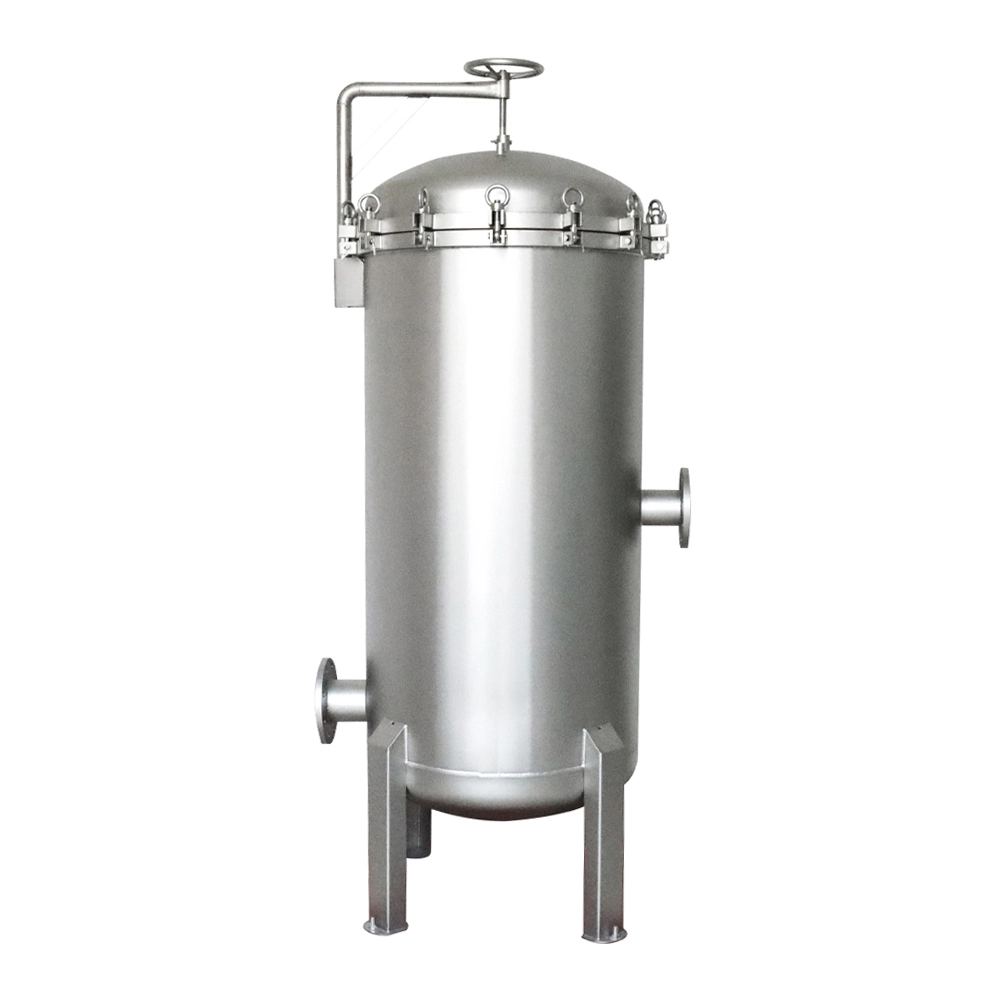
Stainless steel multi cartridge filter housing
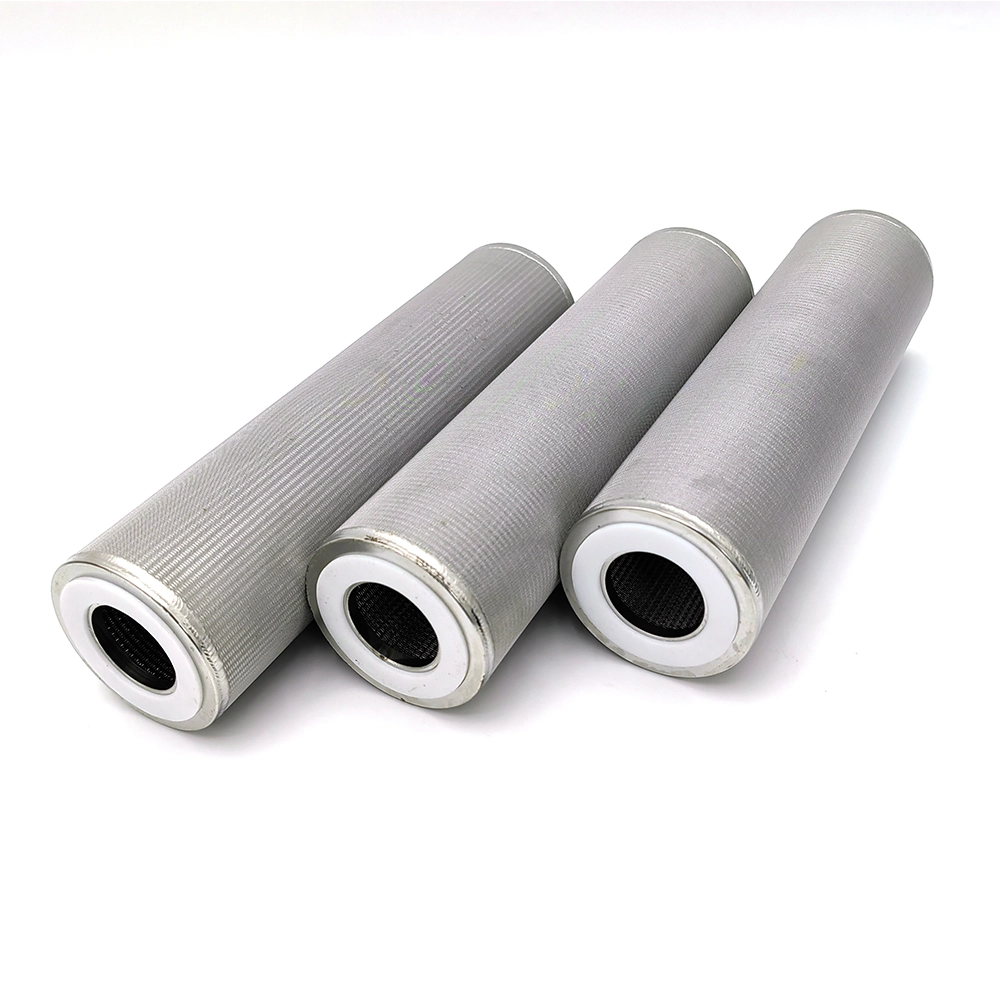
Sintered wire mesh filter
Benefit from outstanding high-pressure resistance and consistent filtration efficiency with our sintered metal mesh. Our sintered wire mesh finds versatile applications in diffuser screens, centrifuges, breather vents, fluidized beds, chromatography, polymer processing, petrochemical industries, hydraulic filters, and more.
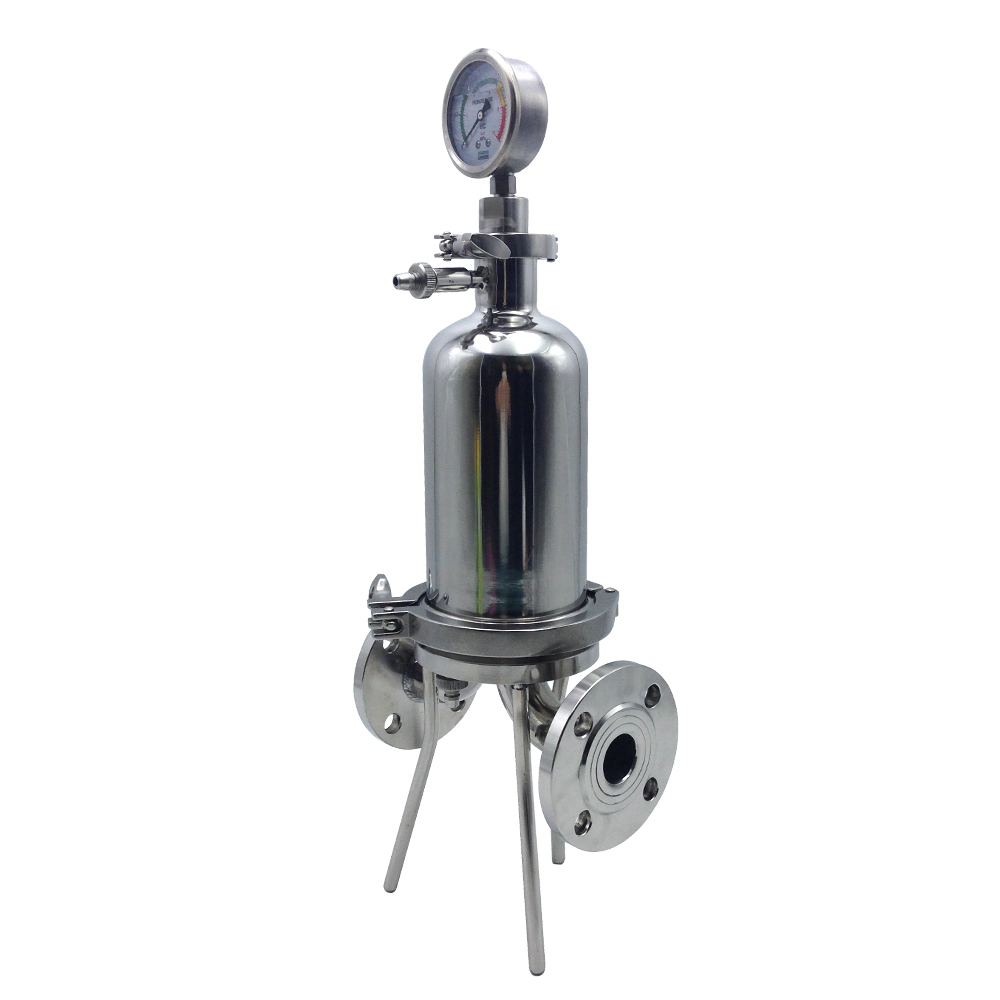
Sanitary filter housing
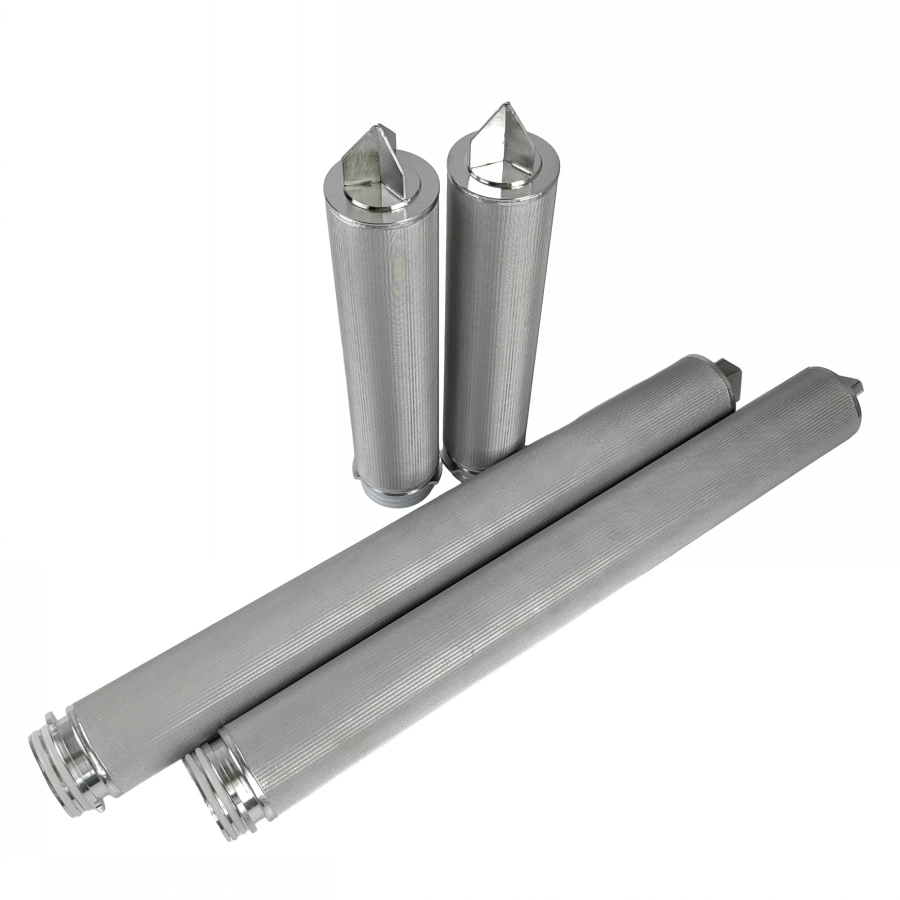
stainless steel filter water
Our sintered stainless steel filter stands as a pivotal filtration element crafted through a meticulous sintering process, with stainless steel serving as the core material.
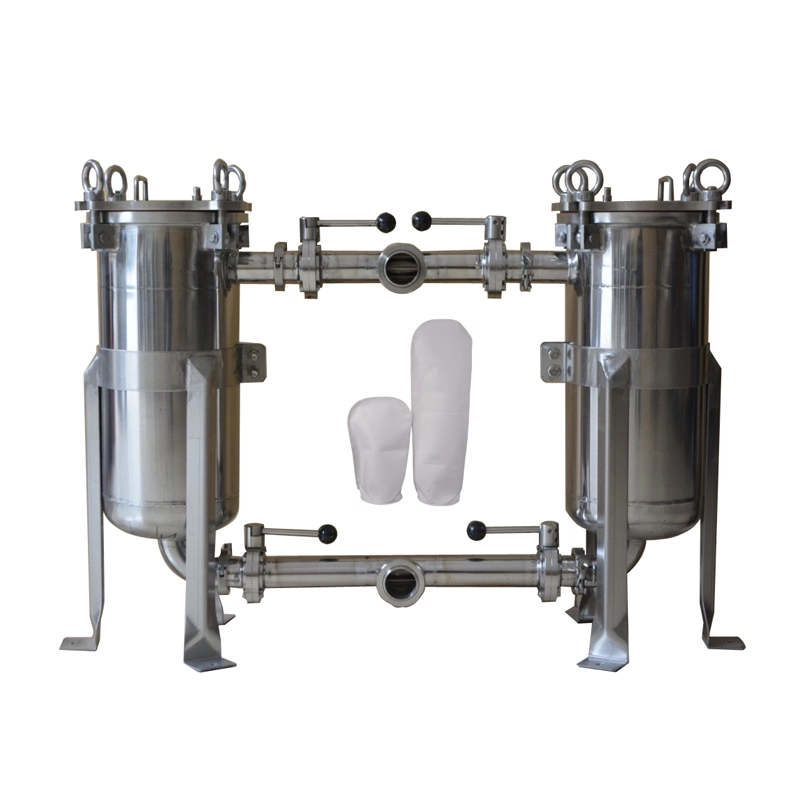
Stainless Steel Duplex filter housing
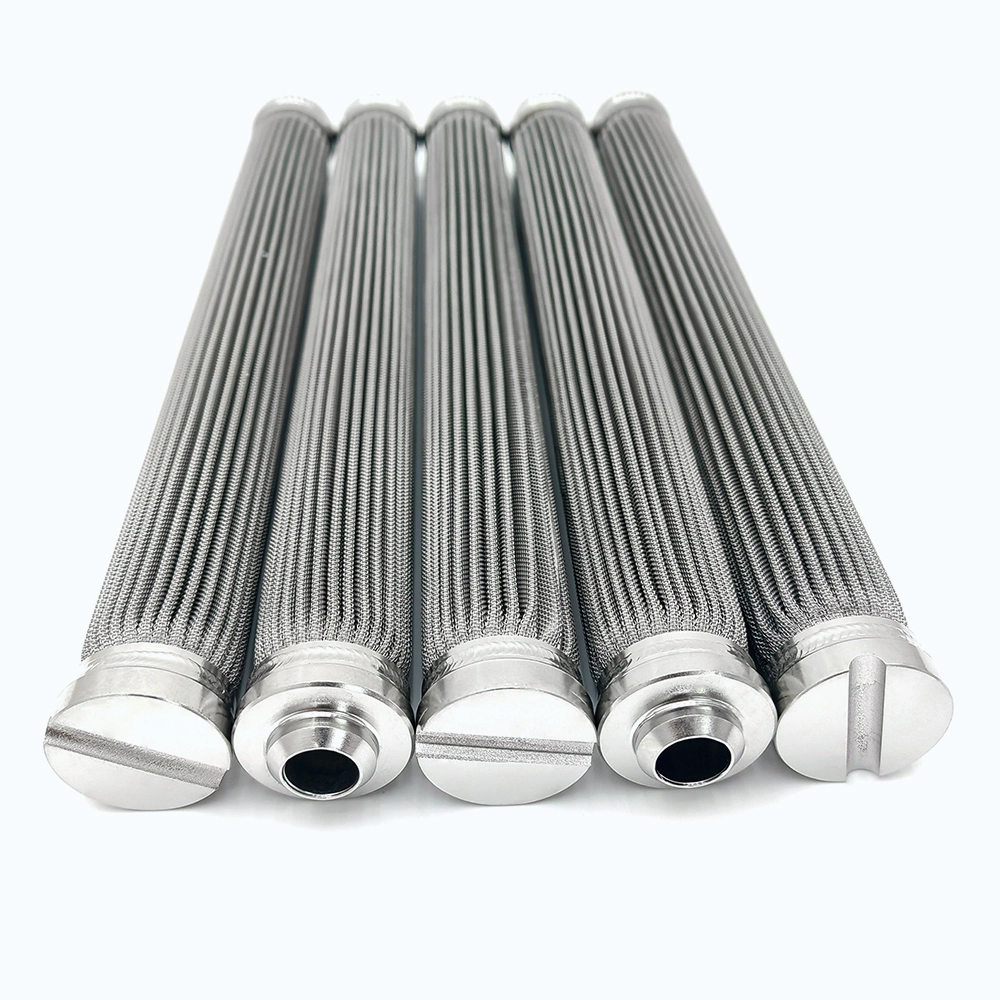
Stainless steel pleated filter cartridge
Our Stainless Steel Pleat Filter Cartridge constructed from high-quality SS 304 or SS 316L material, this filter exhibits exceptional resistance to high temperatures and rust.
© 2024 All Rights Reserved. | Privacy policy • Terms and conditions


