
The Advantages of Sintered Porous Metal Hepa Filters | Lvyuan
Introduction
In an era where air quality and efficient filtration are paramount, sintered porous metal Hepa filters have emerged as a game-changer. Designed to offer unrivaled performance, these filters combine durability and efficiency, making them indispensable across various industries. At the forefront of this innovation is Guangzhou Lvyuan Water Purification Equipment Co., Ltd., a key player in the realm of filter manufacturing since 2009. With a commitment to quality and technological advancement, Lvyuan delivers products that exceed customer expectations, providing solutions for a myriad of filtration needs.
Understanding Sintered Porous Metal Hepa Filters
Sintered porous metal Hepa filters are engineered using advanced sintering technology, where metal powders are compacted under high temperature to create a robust, porous structure. This design ensures exceptional mechanical strength and uniform pore distribution, enabling superior filtration capabilities.
Key Features and Benefits:
1. Durability and Longevity: Unlike conventional filters, sintered porous metal Hepa filters are resistant to corrosion, wear, and extreme temperatures, ensuring a longer service life.
2. High Filtration Efficiency: These filters are capable of capturing particulate matter as small as 0.3 microns with an efficiency rate of 99.97%, making them ideal for applications requiring high purity levels.
3. Customizable Solutions: Lvyuan offers tailored filtration solutions to meet specific industry requirements, allowing customization in terms of pore size, material, and dimensions.
4. Eco-Friendly Design: The longevity and reusability of sintered metal filters contribute to reduced waste and environmental impact compared to disposable alternatives.
Applications Across Industries
Given their versatile nature, sintered porous metal Hepa filters are employed across numerous sectors:
- Food and Beverage: Ensuring purity and compliance with stringent health standards, these filters are perfect for applications ranging from water purification to air quality control.
- Petrochemical and Biopharmaceutical: The filters' robust construction allows for efficient separation and purification processes even under harsh chemical conditions.
- Electronics and Manufacturing: Vital for maintaining clean air standards in sensitive manufacturing environments, ensuring product quality and safety.
- Medical and Healthcare: Critical in environments where sterility and air quality can influence health outcomes, such as in operating rooms and research facilities.
Lvyuan’s Commitment to Quality and Innovation
Founded in 2009, Lvyuan has cemented its reputation as a leading manufacturer of innovative filtration solutions. Our dedication to research and development is reflected in our diverse product range that includes sintered metal filters, stainless steel filter housings, and more. Notably, we hold certifications such as CE, ROHS, and SGS, ensuring compliance with international standards.
Our robust OEM and ODM services enable us to cater to personalized client requirements, thereby building long-term partnerships with businesses across 85 countries. We take pride in providing filtration, separation, and purification solutions that enhance operational efficiency and meet evolving industry standards.
FAQs
What makes sintered porous metal Hepa filters different from traditional filters?
Sintered porous metal Hepa filters offer higher durability, resistance to extreme conditions, and superior filtration efficiency compared to conventional filters.
Can Lvyuan’s filters be customized?
Yes, Lvyuan provides customizable filtration solutions to meet specific industrial requirements, offering adaptations in pore size, materials, and more.
Are these filters environmentally friendly?
Absolutely. Their extended lifespan and reusability contribute to minimizing environmental impact.
Which industries benefit most from these filters?
Industries such as food and beverage, petrochemical, electronics, and healthcare often leverage the advanced capabilities of sintered porous metal Hepa filters.
Conclusion
In today’s fast-paced industrial landscape, the demand for efficient and reliable filtration solutions is ever-growing. Sintered porous metal Hepa filters represent a breakthrough in the field, aligning with the needs of businesses seeking uncompromised quality and performance. At Lvyuan, we are dedicated to pioneering filtration technology that not only meets industry demands but also sets new standards in innovation. By choosing Lvyuan, you gain access to a world of filtration expertise, unwavering quality, and unwavering support. Discover the power of precision filters with us, and let clean air lead the way to a safer, more efficient future.
Surface Treatment Methods of Sintered Metal Filters - Lvyuan
Custom stainless steel filter screen Manufacturers and suppliers
What is sintered metal filters
Everything You Need to Know About stainless steel pump housing
Sintered Metal Filter
How can I select the right industrial sintered filter cartridge for my application?
Consult with the manufacturer or supplier, providing details about your specific requirements, such as filtration needs, operating conditions, and industry standards, to receive guidance on selecting the most suitable cartridge for your application.
For customization
How about tooling Charge?
Tooling charges only once per first order; all future orders would not be charged again, even for tooling repairs or maintenance.
Metal mesh filters
What are the key advantages of sintered wire mesh filter?
• High Strength: The sintered wire mesh filter exhibits excellent mechanical strength.
• Uniform Porosity: The sintering process creates a uniform pore structure for efficient filtration.
• Temperature Resistance: Suitable for applications with high temperatures.
• Easy to Clean: Can be cleaned and reused multiple times.
• Chemical Resistance: Resistant to corrosion and chemical exposure.
What applications is sintered wire mesh suitable for?
Sintered wire mesh filter finds applications in various industries, including:
• Filtration of liquids and gases.
• Polymer and chemical processing.
• Pharmaceutical and food processing.
• Aerospace and automotive industries.
• Environmental protection and water treatment.
For company
How can we get the quotation of filter cartridges?
Please tell me the model or specification you need, such as material, length, size, industry, etc.
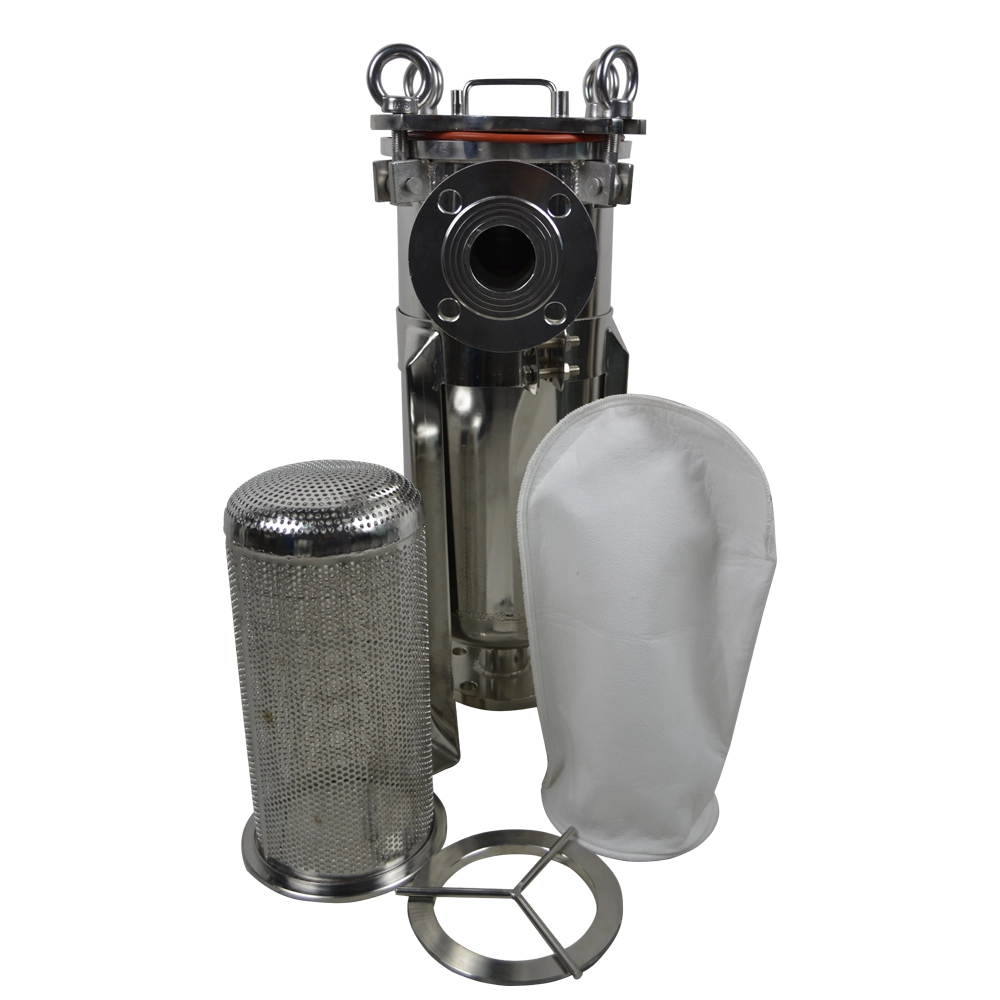
Bag filter housing
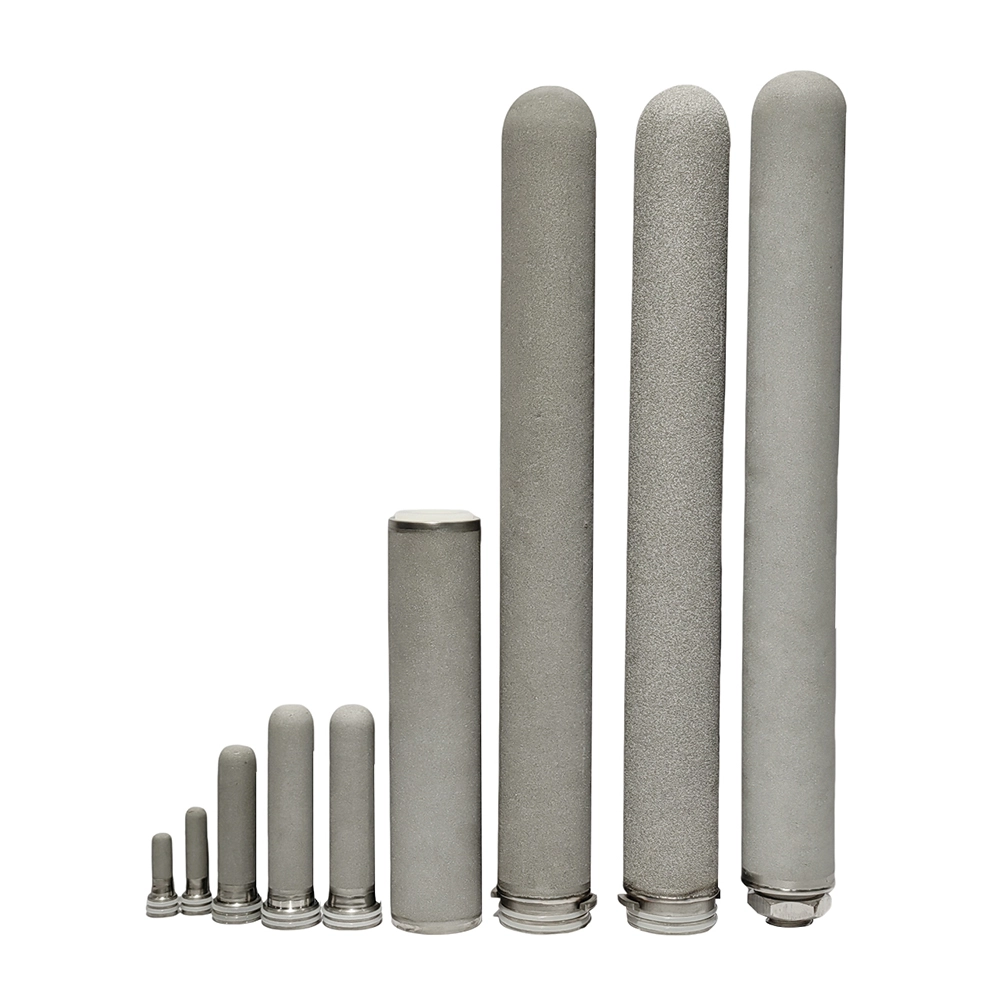
Sintered powder metal filters
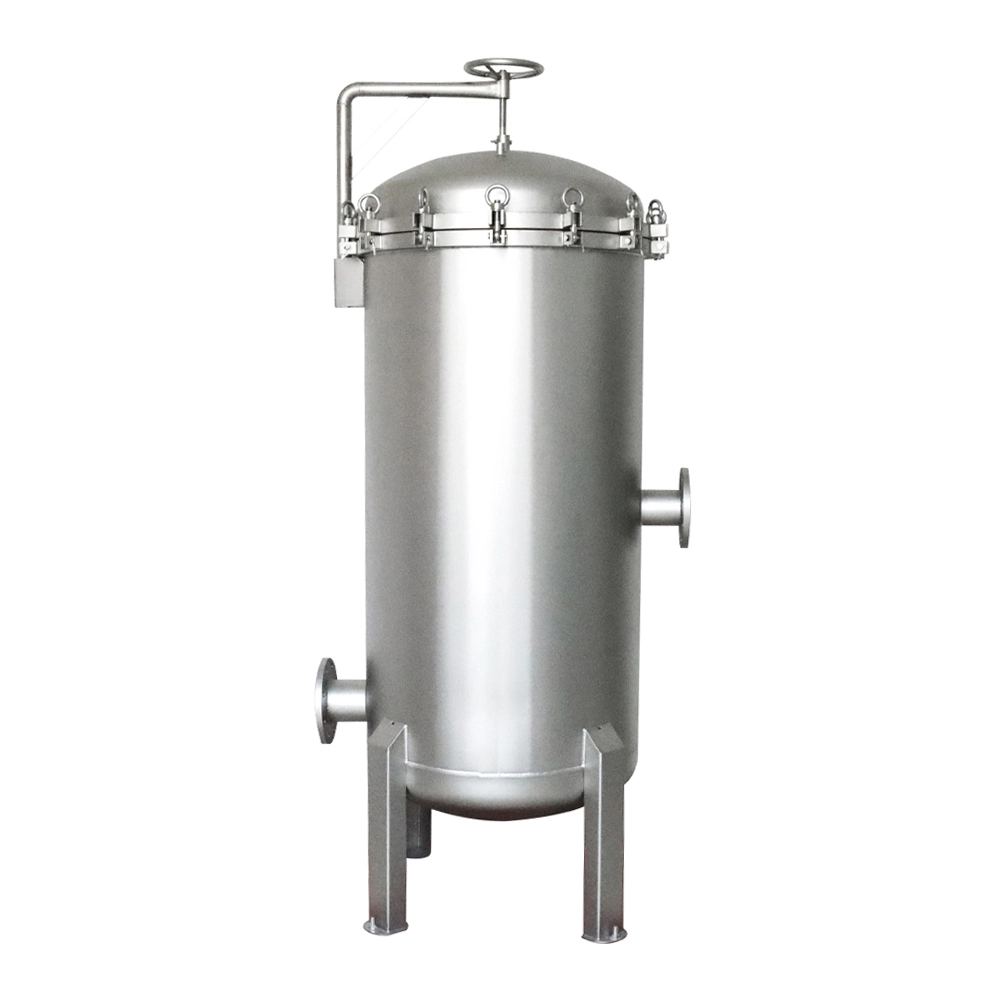
Stainless steel multi cartridge filter housing
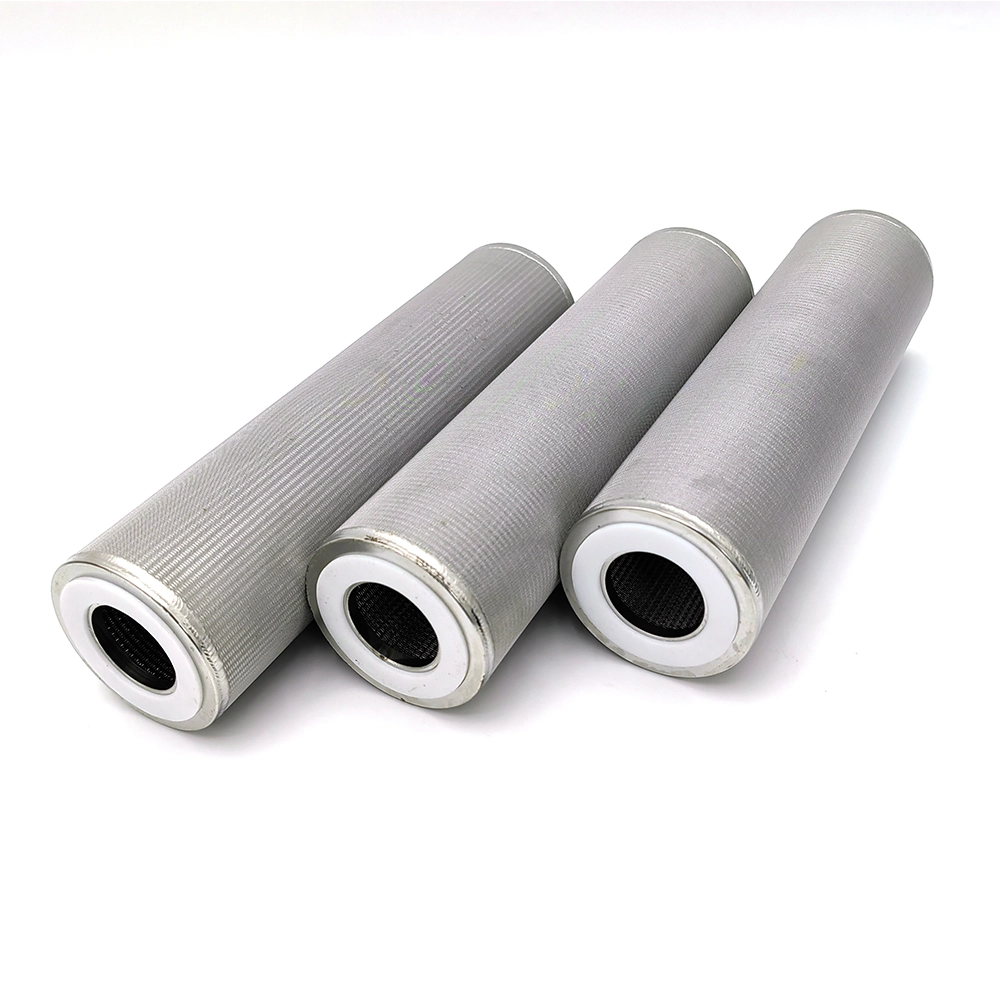
Sintered wire mesh filter
Benefit from outstanding high-pressure resistance and consistent filtration efficiency with our sintered metal mesh. Our sintered wire mesh finds versatile applications in diffuser screens, centrifuges, breather vents, fluidized beds, chromatography, polymer processing, petrochemical industries, hydraulic filters, and more.
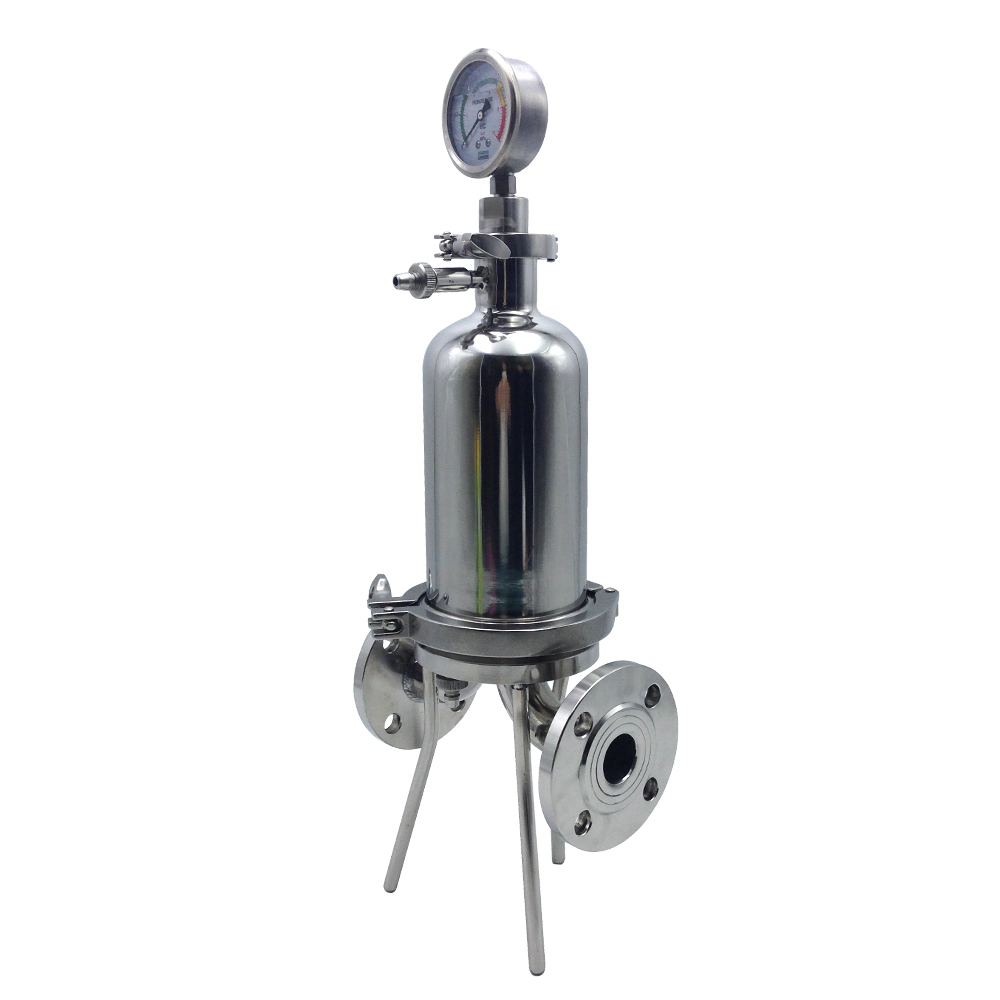
Sanitary filter housing
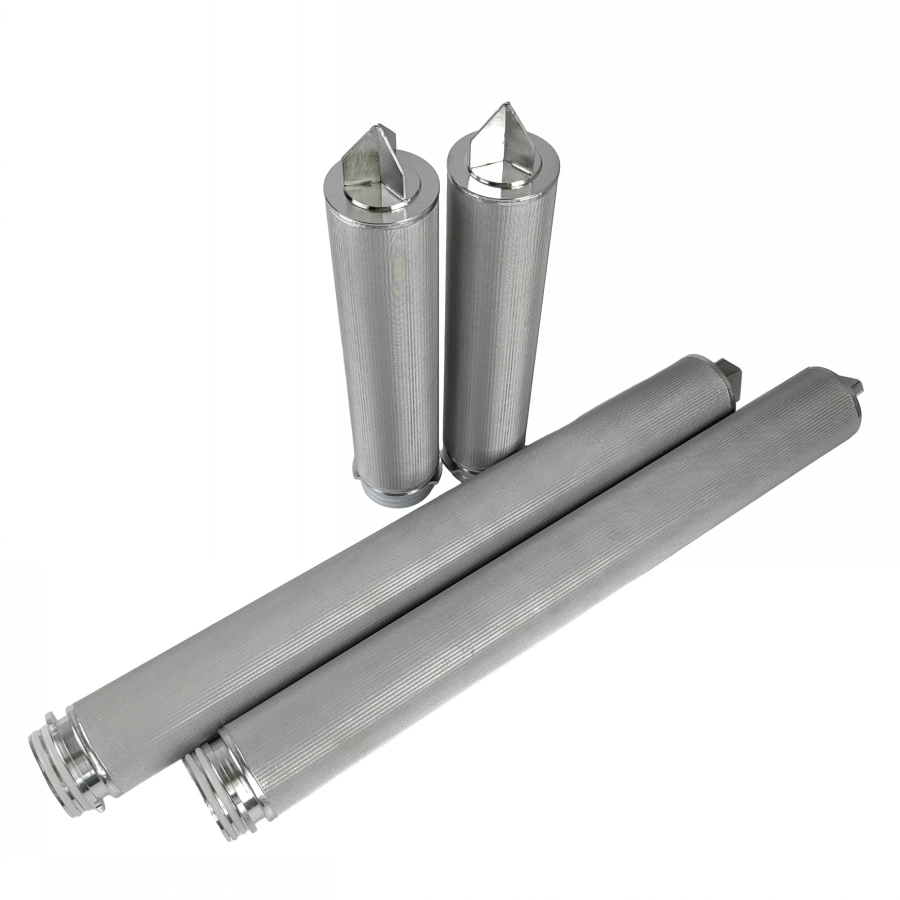
stainless steel filter water
Our sintered stainless steel filter stands as a pivotal filtration element crafted through a meticulous sintering process, with stainless steel serving as the core material.
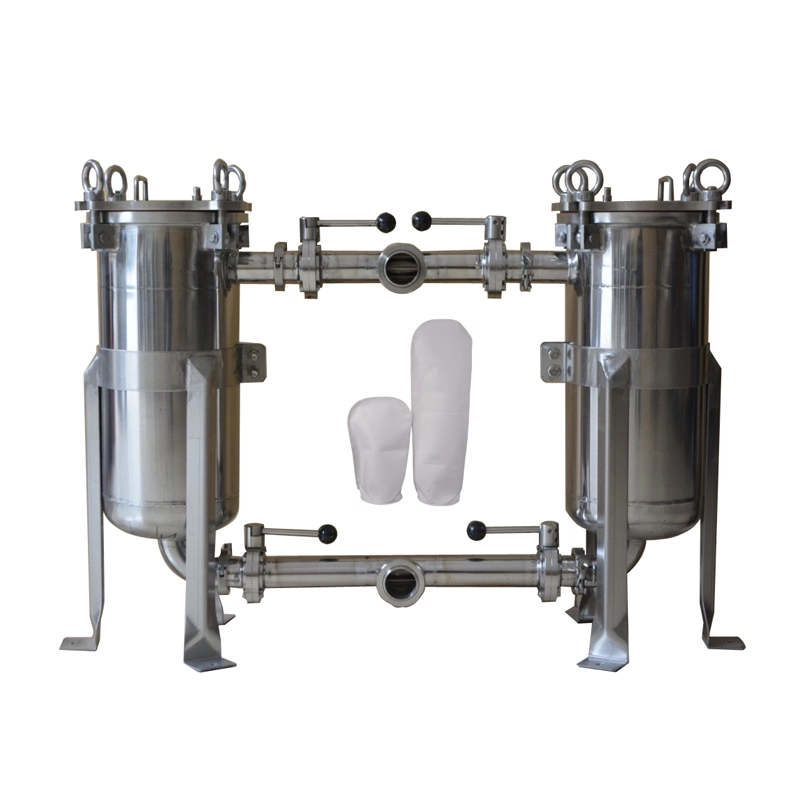
Stainless Steel Duplex filter housing
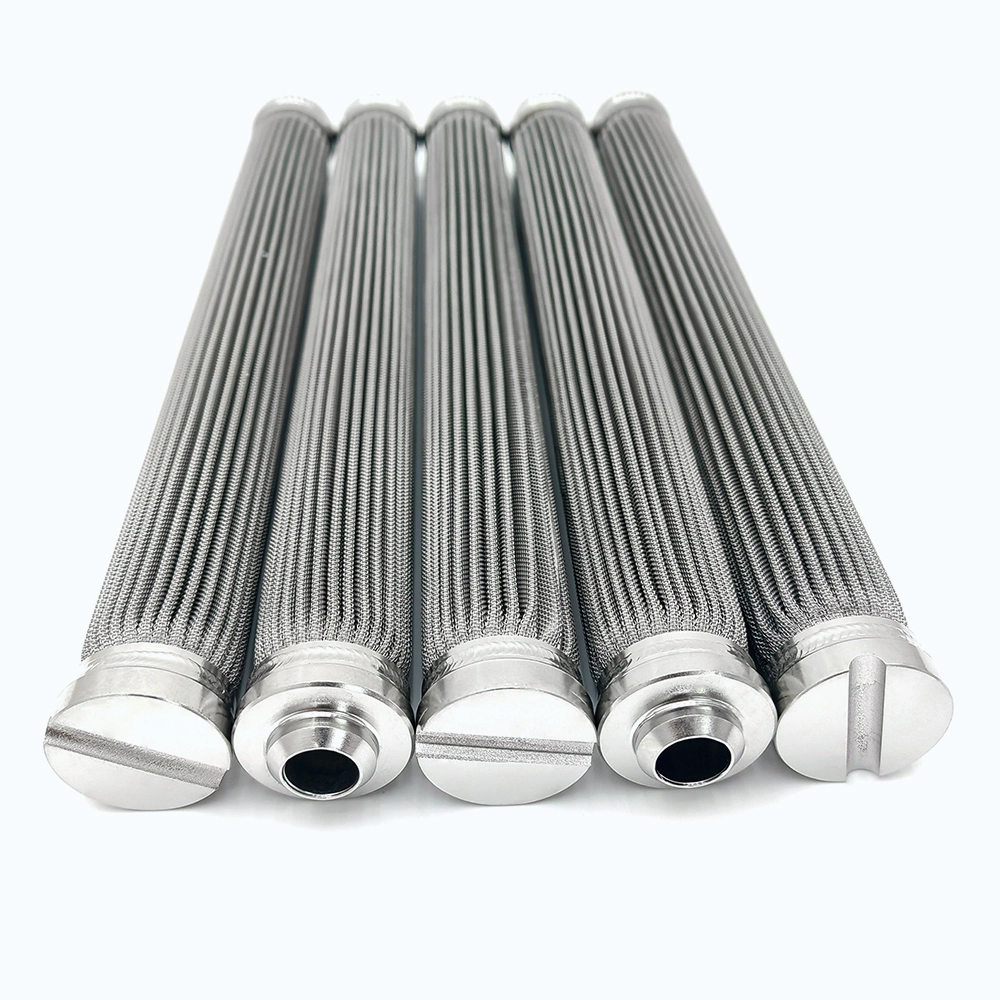
Stainless steel pleated filter cartridge
Our Stainless Steel Pleat Filter Cartridge constructed from high-quality SS 304 or SS 316L material, this filter exhibits exceptional resistance to high temperatures and rust.
© 2024 All Rights Reserved. | Privacy policy • Terms and conditions


