
What is porous filter
- Understanding Porous Filters: A Comprehensive Guide
- What is a Porous Filter?
- The Science Behind Porous Filters
- How Porous Filters Work
- Materials Used in Porous Filters
- Applications of Porous Filters
- Industrial Applications
- Healthcare and Biopharmaceutical Applications
- Benefits of Using Porous Filters
- Efficiency and Reliability
- Cost-Effectiveness
- Environmental Impact
- Innovations in Porous Filter Technology
- Advancements in Sintered Metal Filters
- OEM & ODM Services
- How to Choose the Right Porous Filter
- Understanding Industry Requirements
- Consulting with Filtration Experts
- Conclusion: The Future of Porous Filters
- FAQ Section
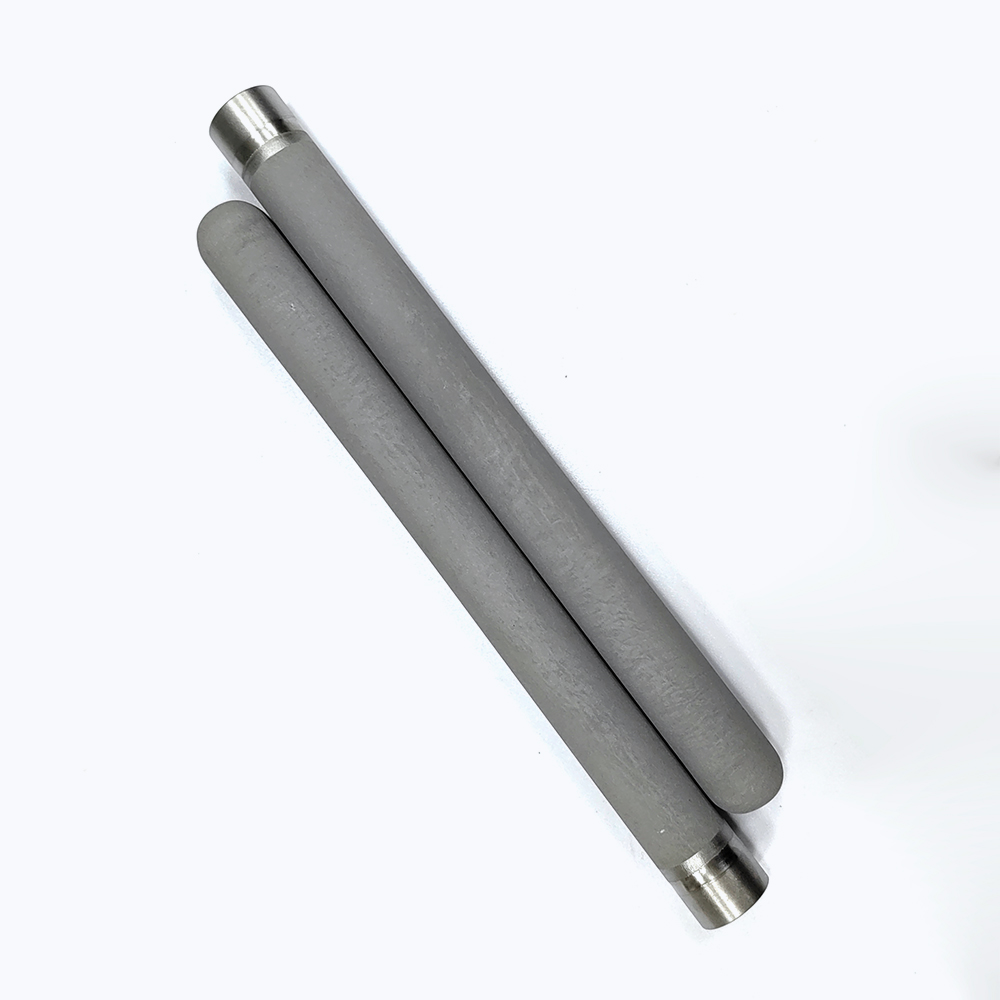
Understanding Porous Filters: A Comprehensive Guide
Introduction to Porous Filters
Porous filters play a critical role in a variety of industries, providing essential solutions for filtration, separation, and purification. At the forefront of this innovation is Guangzhou Lvyuan Water Purification Equipment Co., Ltd., a company dedicated to the research and development of advanced filtration technologies. But what exactly is a porous filter, and why are they indispensable across various sectors?
What is a Porous Filter?
Porous filters are specialized filtration devices made from materials that allow fluids or gases to pass through while capturing and retaining unwanted particles. These filters come in different forms, including sintered metal filters, PE filters, and stainless steel filter housings—all of which Lvyuan excels in manufacturing. Predominantly used in applications where precision and reliability are paramount, porous filters are designed to accommodate diverse industrial needs.
The Science Behind Porous Filters
How Porous Filters Work
The effectiveness of a porous filter lies in its composition. These filters are made of a matrix of tiny interconnected pores that allow for controlled diffusion of substances. The size of the pores determines which particles are retained and which are allowed to pass through. This unique feature is essential for industries requiring precise filtration, such as the biopharmaceutical and petrochemical sectors.
Materials Used in Porous Filters
Lvyuan manufactures porous filters using high-quality materials such as stainless steel and sintered metal. These materials are chosen for their durability, resistance to corrosion, and ability to withstand high temperatures, ensuring that the filters perform efficiently even in the most demanding environments.
Applications of Porous Filters
Industrial Applications
Porous filters are pivotal in numerous industries, including food and beverage, machinery manufacturing, medical and health, and electronics. In food and beverage production, they ensure the removal of impurities, enhancing product quality and safety. In machinery manufacturing, they aid in maintaining equipment by filtering contaminants from oils and lubricants.
Healthcare and Biopharmaceutical Applications
In the healthcare sector, porous filters are crucial for maintaining sterility and purity. They are used in air and liquid filtration, ensuring that bacteria and other harmful particles do not contaminate products or environments, critical in biopharmaceutical manufacturing.
Benefits of Using Porous Filters
Efficiency and Reliability
One of the primary advantages of porous filters is their efficiency. They are designed to operate continuously with minimal maintenance, providing reliable filtration solutions that reduce downtime and operating costs. Lvyuan’s commitment to quality ensures that their filters meet industry standards, backed by CE, ROHS, and SGS certifications.
Cost-Effectiveness
Porous filters are not only effective but also economical. Their durability and ability to be cleaned and reused make them a cost-effective solution for long-term applications. By investing in high-quality filters like those from Lvyuan, companies reduce replacement costs and ensure consistent performance.
Environmental Impact
An often overlooked benefit of porous filters is their positive environmental impact. By improving filtration efficiency and reducing waste, they contribute to more sustainable industrial practices. Lvyuan’s dedication to innovation further enhances the environmental benefits of their filtration solutions.
Innovations in Porous Filter Technology
Advancements in Sintered Metal Filters
Lvyuan is at the cutting edge of filter technology, focusing on innovations in sintered metal filters. These advancements allow for greater customization and performance optimization, catering to the specific needs of different applications and industries.
OEM & ODM Services
With a strong focus on OEM and ODM services, Lvyuan is capable of designing and manufacturing customized filtration solutions. This approach ensures that industries have access to filters that meet their precise requirements, enhancing productivity and efficiency.
How to Choose the Right Porous Filter
Understanding Industry Requirements
Selecting the right porous filter involves understanding the specific needs of the application. Consider factors such as temperature, chemical compatibility, and required filtration precision. Lvyuan’s team of experts is available to help clients choose the best filter for their needs, ensuring optimal performance.
Consulting with Filtration Experts
Given the complexity of modern industrial applications, consulting specialists in filtration technology is invaluable. Lvyuan offers expert consultation services to assist clients in navigating their filtration needs, providing solutions that are both effective and cost-efficient.
Conclusion: The Future of Porous Filters
Porous filters are indispensable across industries, offering solutions that enhance productivity, ensure safety, and promote sustainability. As Lvyuan continues to innovate and push the boundaries of filtration technology, they remain committed to providing top-tier products and services to over 1,000 customers in 85 countries.
FAQ Section
What are porous filters used for?
Porous filters are used in filtration, separation, and purification processes across various industries such as food and beverage, healthcare, and petrochemicals.
How do porous filters work?
They work by using a matrix of interconnected pores that allow fluids or gases to pass through while trapping larger particles and impurities.
What materials are commonly used for porous filters?
Common materials include stainless steel and sintered metal, both chosen for their durability and corrosion resistance.
Why are Lvyuan's porous filters preferred?
Lvyuan's filters are preferred due to their high quality, efficiency, cost-effectiveness, and the company's strong focus on innovation and customization.
Everything You Need to Know About Stainless Steel Filter Mesh 5 Micron - Lvyuan
Custom Sintered Polypropylene Manufacturers and suppliers
What is sintered porous filter
Comprehensive Insights into Inline Stainless Steel Mesh Filters | Lvyuan
Sintered Powder Filters
What shapes are available for sintered powder filters?
Sintered powder filters are available in various shapes, including discs, tubes, metal filter cartridges, plates, porous metal sheets, and cups, providing versatility for different applications.
How is the filtration accuracy of sintered powder filters determined?
The filtration accuracy is determined by the pore size and micron rating of the sintered powder filter. These parameters can be customized based on the application's particle filtration requirements.
Porous Plastic Filter
How to Calculate Filter Porosity?
Filter porosity is classified into three major types: Primary Porosity, Secondary Porosity, and Effective Porosity. The calculation involves determining the ratio of the volume of gaps in the filter to the total volume, expressed as a percentage.
Porosity = (Volume of Empty Gaps/Total Volume of Filter) x 100
Other methods include:
• Direct Methods: Calculate the entire volume of the porous filter and the volume of a skeletal filter (without pores) to find the porosity.
• Computed Methods: Use modern computer technology to obtain a 3D image of a porous filter and employ defect analysis techniques.
• Water Evaporation Technique: Calculate porosity by determining the difference in weight between the saturated filter in water and the dried filter.
How are sintered plastic porous filters manufactured?
Sintered plastic porous filters are manufactured through a process of molding, sintering, and machining. This involves compacting the polymer particles into a desired shape, heating them to a specific temperature to fuse the particles together, and then machining the filter to achieve the desired dimensions and surface finish.
For products
How can I request a quote or get more information about your sintered metal filters?
For inquiries, quotes, or additional information about our sintered metal filters, please contact our sales team through our website or by reaching out to [contact information]. We are happy to assist you with any questions or requirements you may have.
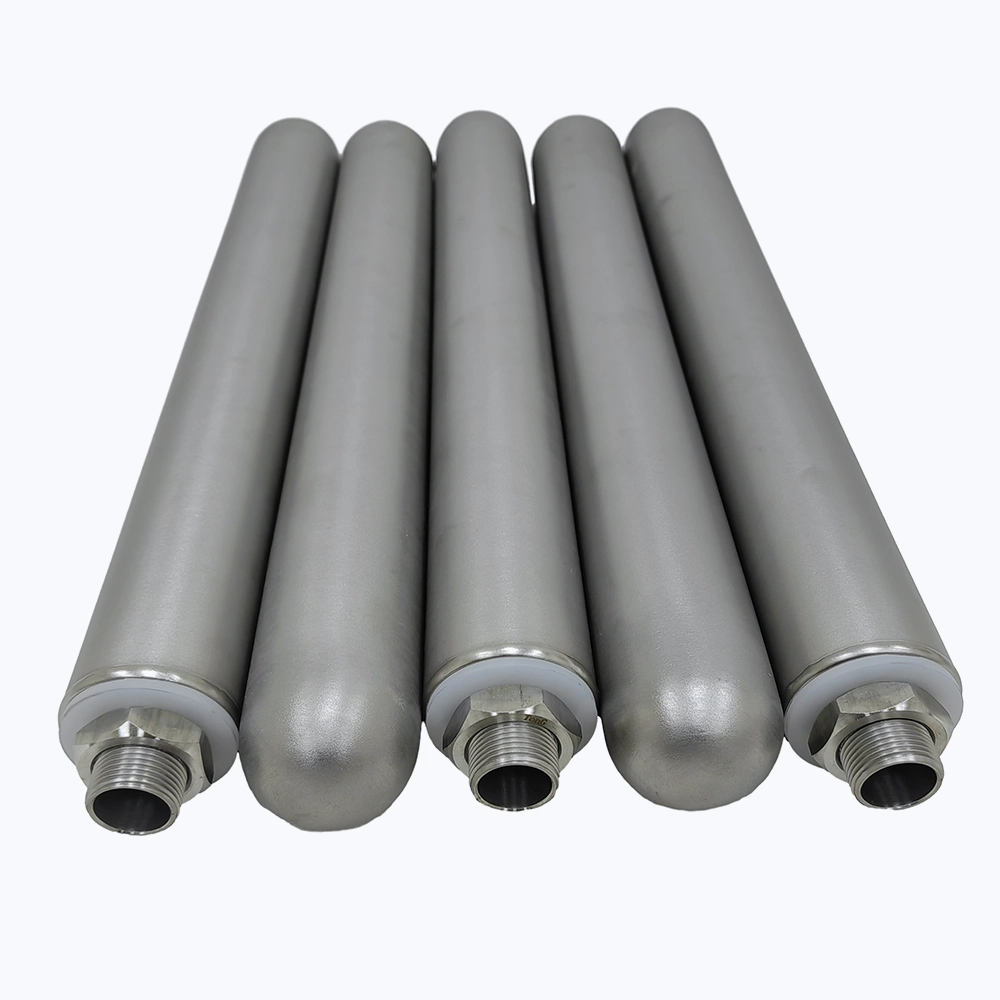
Sintered metal tube
Our Sintered Metal Tube stands as a hallmark of excellence in industrial filtration, offering a robust and efficient solution for various applications.
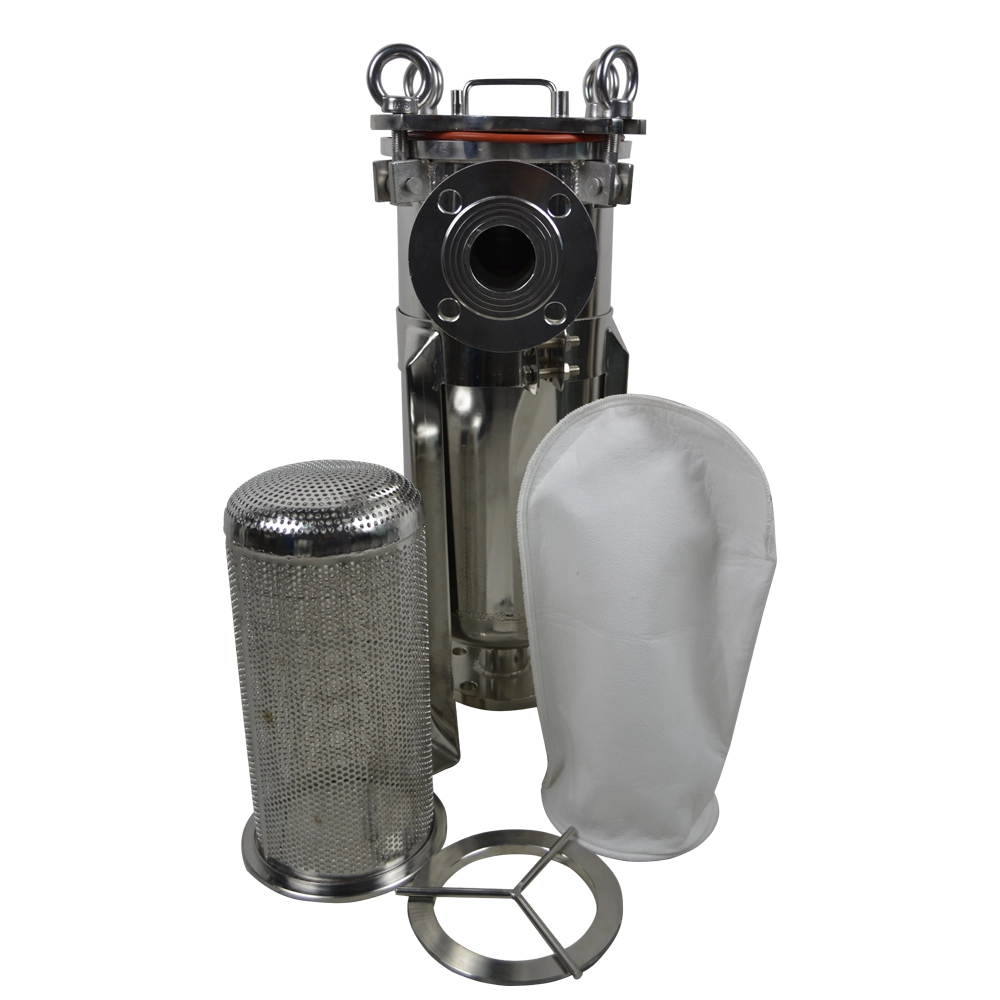
Bag filter housing
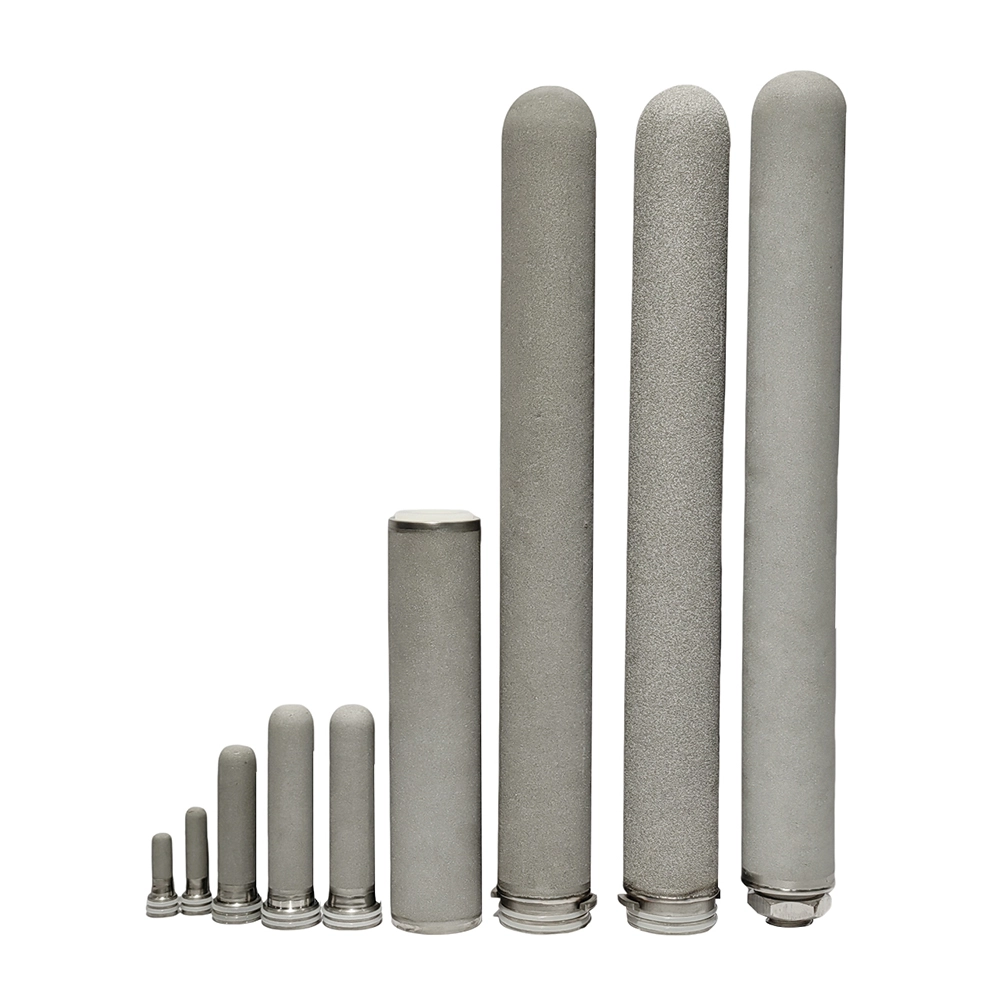
Sintered powder metal filters
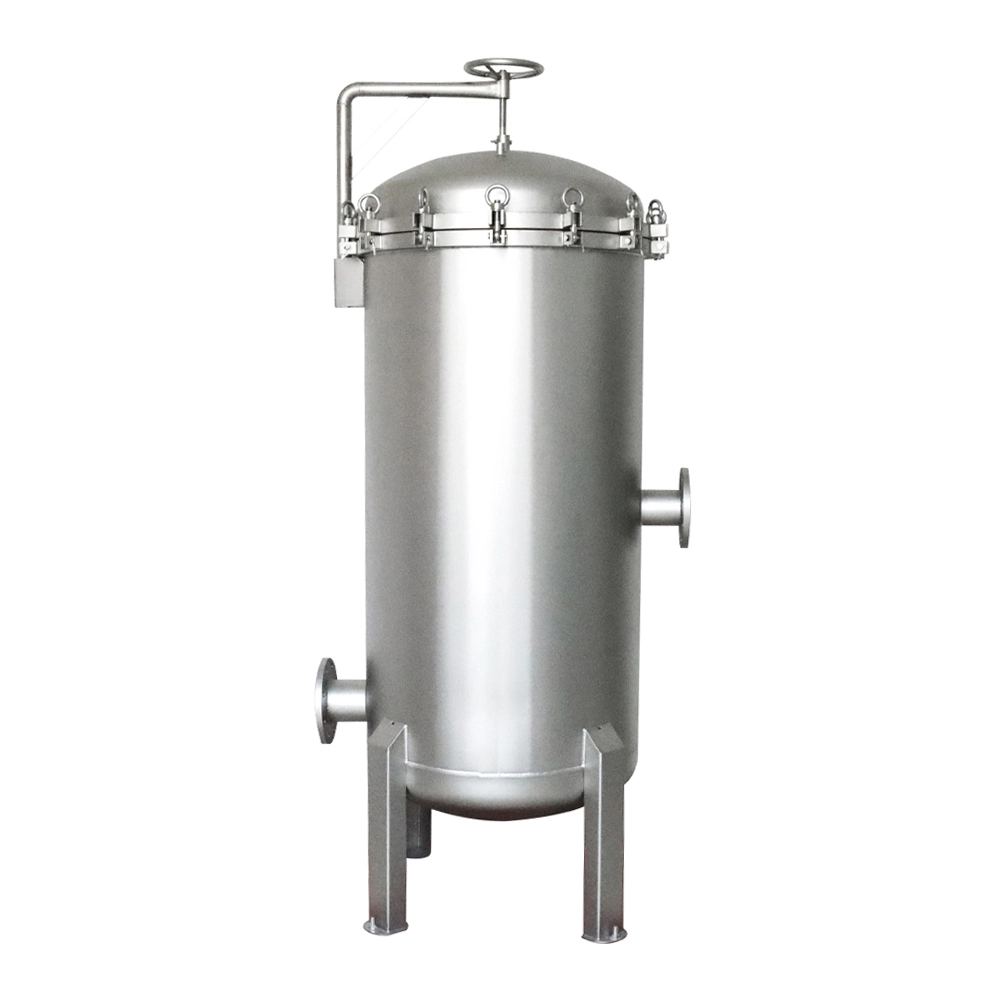
Stainless steel multi cartridge filter housing
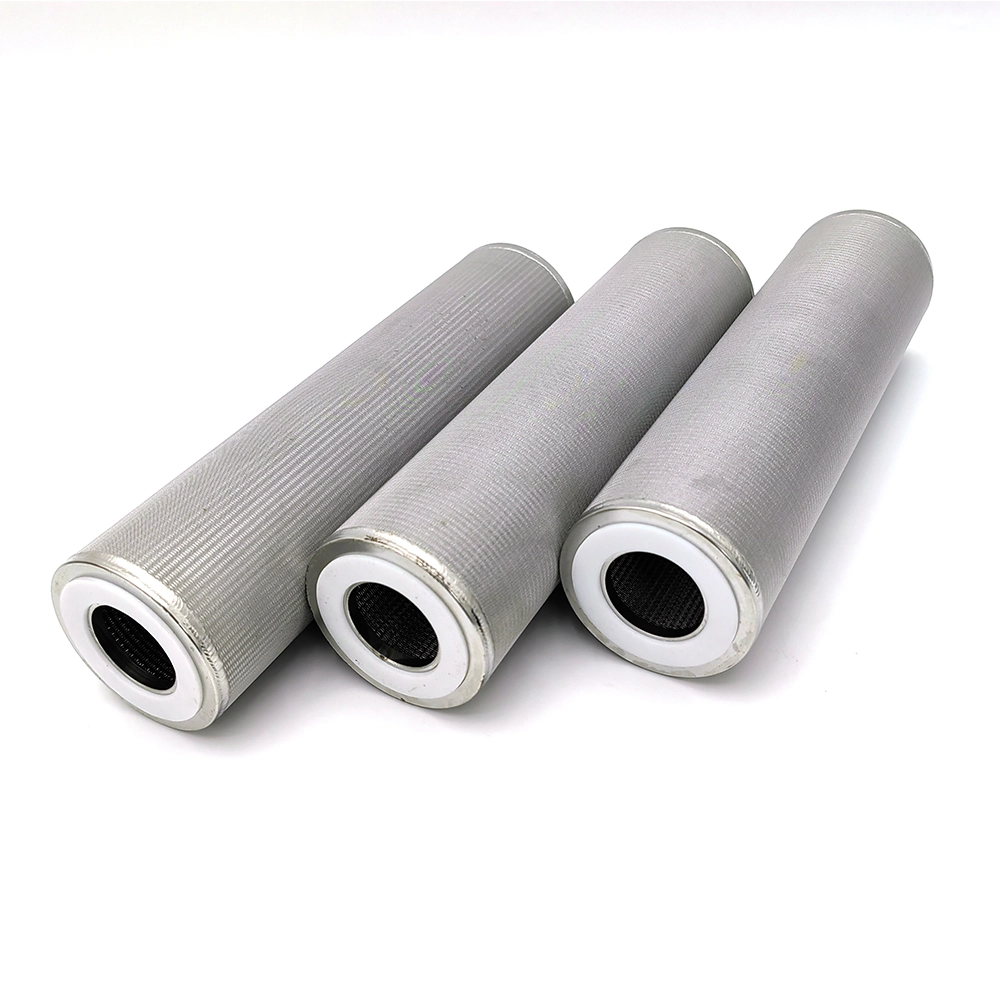
Sintered wire mesh filter
Benefit from outstanding high-pressure resistance and consistent filtration efficiency with our sintered metal mesh. Our sintered wire mesh finds versatile applications in diffuser screens, centrifuges, breather vents, fluidized beds, chromatography, polymer processing, petrochemical industries, hydraulic filters, and more.
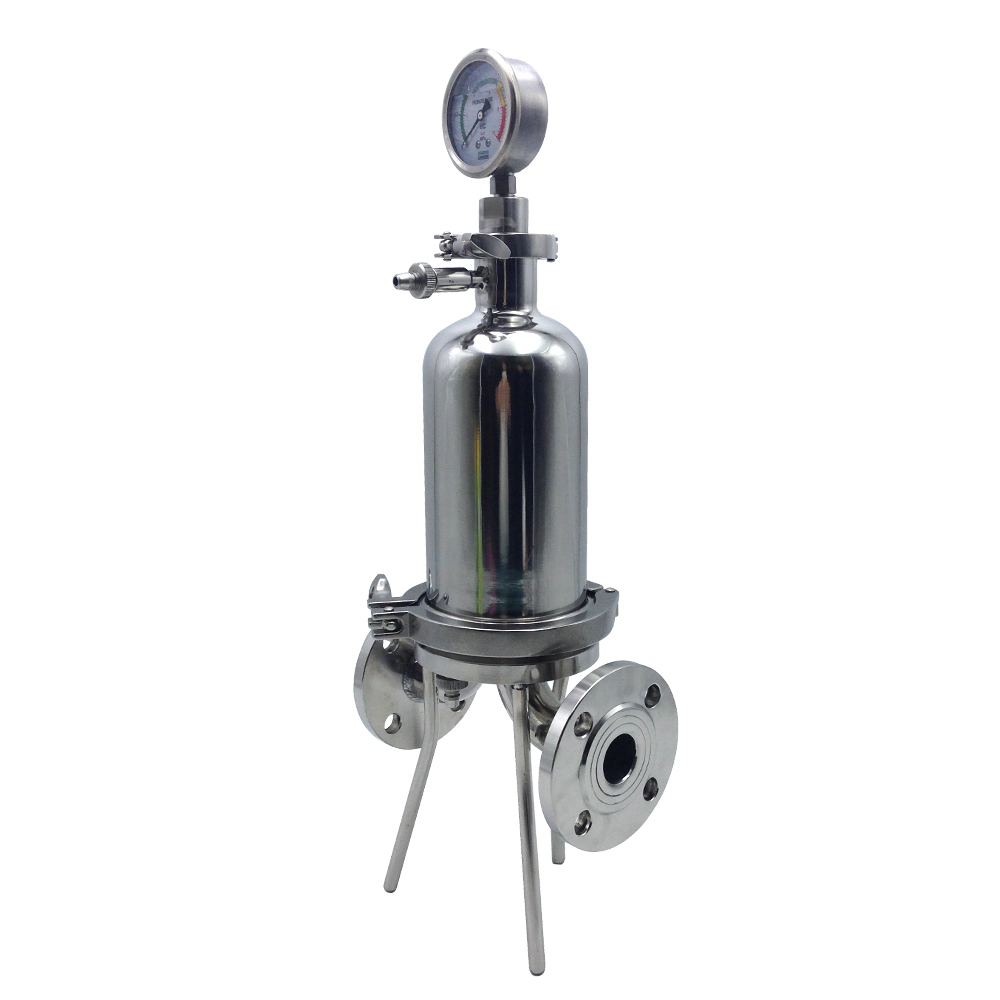
Sanitary filter housing
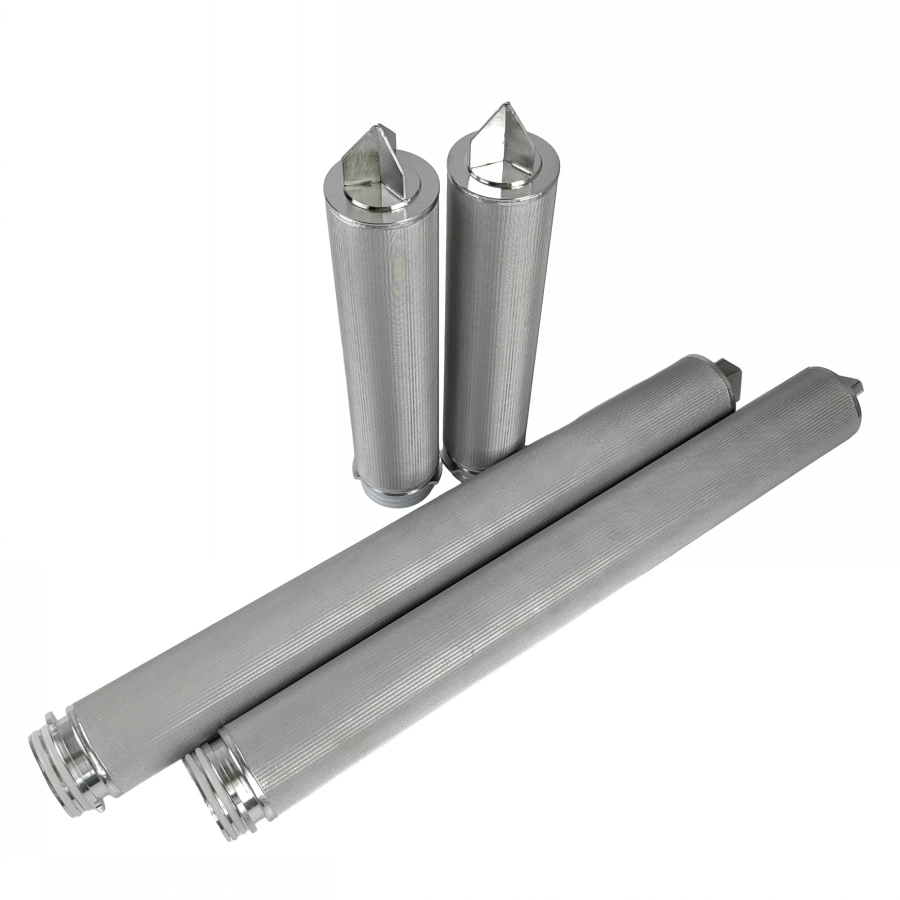
stainless steel filter water
Our sintered stainless steel filter stands as a pivotal filtration element crafted through a meticulous sintering process, with stainless steel serving as the core material.
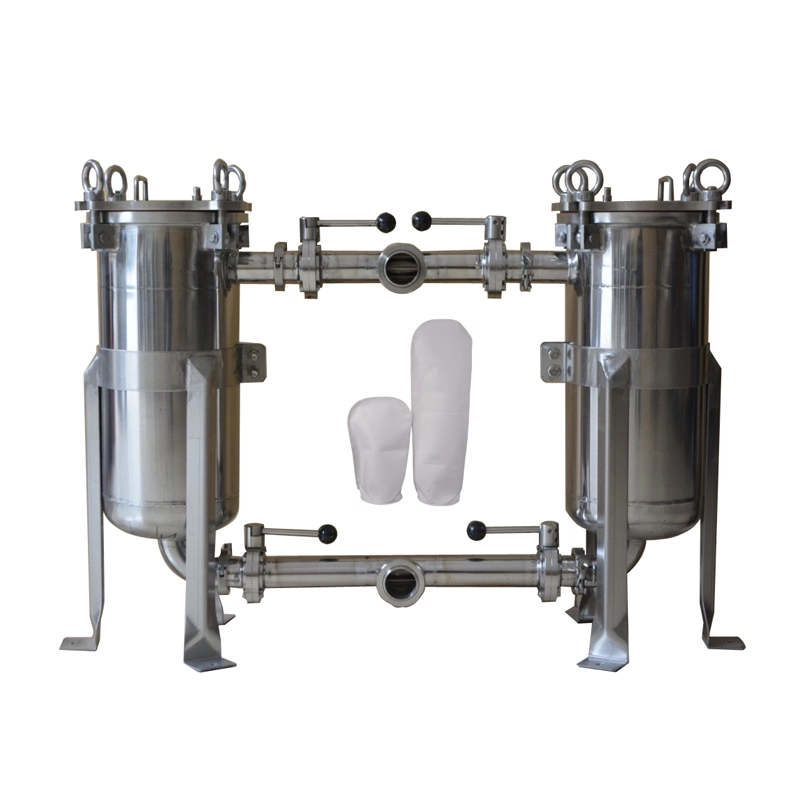
Stainless Steel Duplex filter housing
© 2024 All Rights Reserved. | Privacy policy • Terms and conditions


