
Unraveling the 100 Micron Stainless Steel Filter: Insights from Lvyuan
Understanding the 100 Micron Stainless Steel Filter
In the complex world of industrial filtration, precision and reliability are key. One component that has consistently captured the interest of industry professionals is the 100 micron stainless steel filter. Whether you're in the food and beverage sector or are tasked with maintaining high standards in biopharmaceutical manufacturing, understanding the intricacies of these filters can be a game-changer.
What is a 100 Micron Stainless Steel Filter?
Before delving into its myriad applications, it's crucial to define what a 100 micron stainless steel filter is. Essentially, it's a robust filter made of stainless steel with openings measuring 100 microns (or 0.1 millimeters) in diameter. This specific pore size ensures that a wide array of contaminants and particles can be filtered out efficiently.
Why Choose 100 Micron Stainless Steel Filters?
- Durability and Longevity: Stainless steel is known for its resistance to corrosion and high durability, ensuring that these filters last longer even under challenging conditions.
- Efficiency in Filtration: With their precise micron rating, these filters deliver consistent and high-grade filtration, crucial for maintaining product quality.
- Eco-Friendly and Cost-Effective: Reusable and easy to clean, they offer a sustainable option compared to disposable filters, reducing waste and operational costs.
Applications Across Industries
The versatility of 100 micron stainless steel filters is unparalleled. Let’s explore their various applications:
- Food and Beverage: Ensuring product safety and quality by filtering out unwanted particles without affecting taste or composition.
- Petrochemical and Biopharmaceutical: Used to maintain purity and prevent contamination in sensitive production environments.
- Medical and Health: Vital in preventing cross-contamination in healthcare facilities, crucial for patient safety.
- Machinery and Electronics: Protecting machinery from foreign particles, thus enhancing operation efficiency and lifespan.
Advanced Filtration Technology from Lvyuan
As specialists in the manufacture of sintered metal filters, Lvyuan has been at the forefront of providing robust filtration solutions since 2009. With our expertise in R&D, we manufacture not only stainless steel filters but also PE filters and filter housings, ensuring comprehensive filtration solutions.
Our commitment to quality and innovation is validated by our CE, ROHS, and SGS certifications. We pride ourselves on delivering customized OEM and ODM services, catering to the unique needs of each client. With a global footprint across 85 countries, our filtering solutions are trusted by over 1,000 clients worldwide.
The Science Behind the Technology
Sintered metal filtration involves fusing metal particles to create a sturdy yet porous structure, perfect for creating reliable 100 micron stainless steel filters. This technology ensures even distribution of pores, enhancing filtration efficiency and ensuring long-term performance reliability.
Maintenance and Longevity: Best Practices
To maximize the effectiveness and lifespan of your 100 micron stainless steel filter, adhere to these practices:
- Regular Cleaning: Implement a scheduled cleaning routine to prevent clogging and maintain efficiency.
- Inspect for Wear: Periodically check for signs of physical wear or corrosion even though stainless steel is highly resistant to these issues.
- Proper Installation: Ensure filters are correctly installed to prevent gaps and leaks that could compromise filtration quality.
Frequently Asked Questions
- Why should I opt for stainless steel over other materials?
Stainless steel filters offer incomparable durability and can withstand high pressures and temperatures without compromising on effectiveness.
- How do I clean my 100 micron stainless steel filter?
Cleaning involves removing the filter, rinsing with water or using a specialized cleaning solution, and ensuring it's thoroughly dried before reinsertion.
- Can these filters be used for air filtration?
Yes, they are suitable for both liquid and air filtration, making them versatile across multiple industries.
Concluding Thoughts
Incorporating 100 micron stainless steel filters into industrial processes elevates filtration reliability and efficiency, playing a pivotal role in safeguarding product integrity across various sectors. Lvyuan's dedication to providing superior filtration products, backed by technological innovation and customer service excellence, makes it a premier choice for businesses seeking trustworthy filtration solutions.
By leveraging our extensive industry knowledge and commitment to quality, we stand ready to meet your filtration needs, ensuring that your operational processes are as safe and efficient as possible.
Understanding the 47mm Filter Holder Stainless Steel | Lvyuan
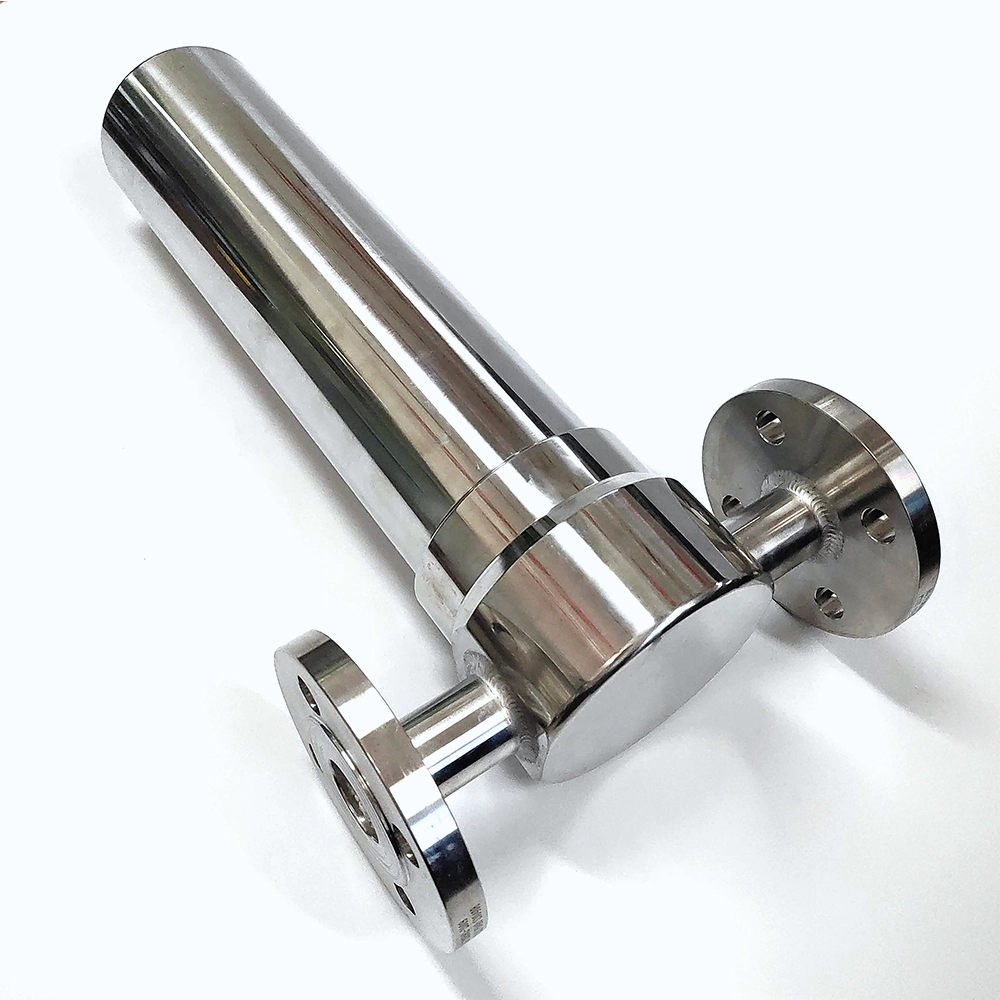
The Ultimate Guide to Chemical Filter Housings: Everything You Need to Know
China SS Bag Filter Housing: Everything You Need to Know
The Ultimate Guide to Bag Filter Housing Price: What You Need to Know
Stainless Steel Pleated Filter Cartridges
What are the main applications of Stainless Steel Pleated Filter Cartridges?
These cartridges are commonly used for polymer melt filtration, high-temperature gas and steam filtration, and filtration of high-temperature liquids and viscous fluids in industries such as petrochemicals, manufacturing, and more.
Sintered Metal Filter
Can industrial sintered metal filter cartridges be customized?
Yes, these cartridges can be customized in terms of dimensions, filtration ratings, materials, and end connections to suit the specific needs of different industrial processes.
How often should industrial-sintered metal filter cartridges be replaced?
The replacement frequency depends on the operating conditions and the level of contaminants in the process. Regular inspection and monitoring help determine the optimal replacement schedule.
For company
Can I visit your factory on site?
Of course, we are in Panyu District, Guangzhou City, Guangdong Province, China.
Sintered Titanium Filters
Can Sintered Titanium Filters Withstand Harsh Environments?
Yes, sintered titanium filters exhibit excellent resistance to corrosion from seawater and various chemicals, making them suitable for harsh and aggressive environments.
Can Sintered Titanium Filters Operate Across a Wide Range of Temperatures?
Sintered titanium filters are capable of operating over a wide range of temperatures, adapting to diverse industrial settings and applications.
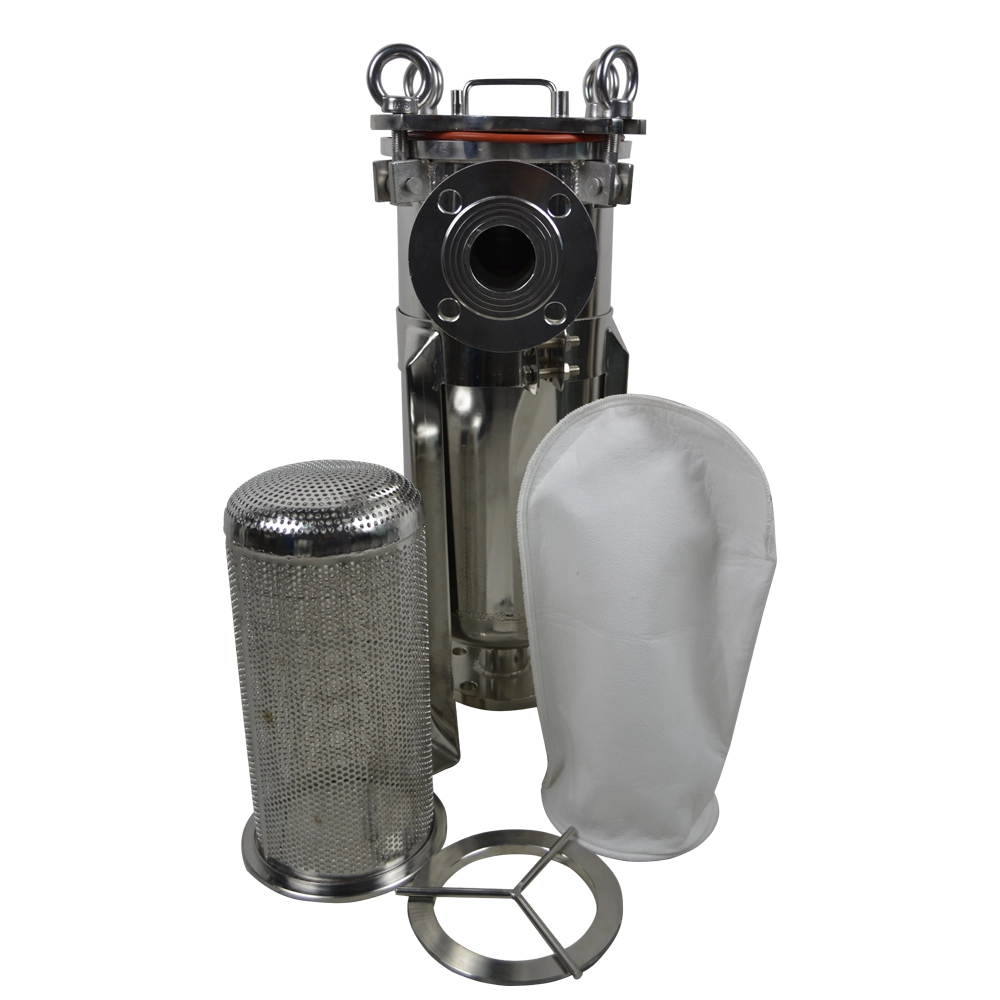
Bag filter housing
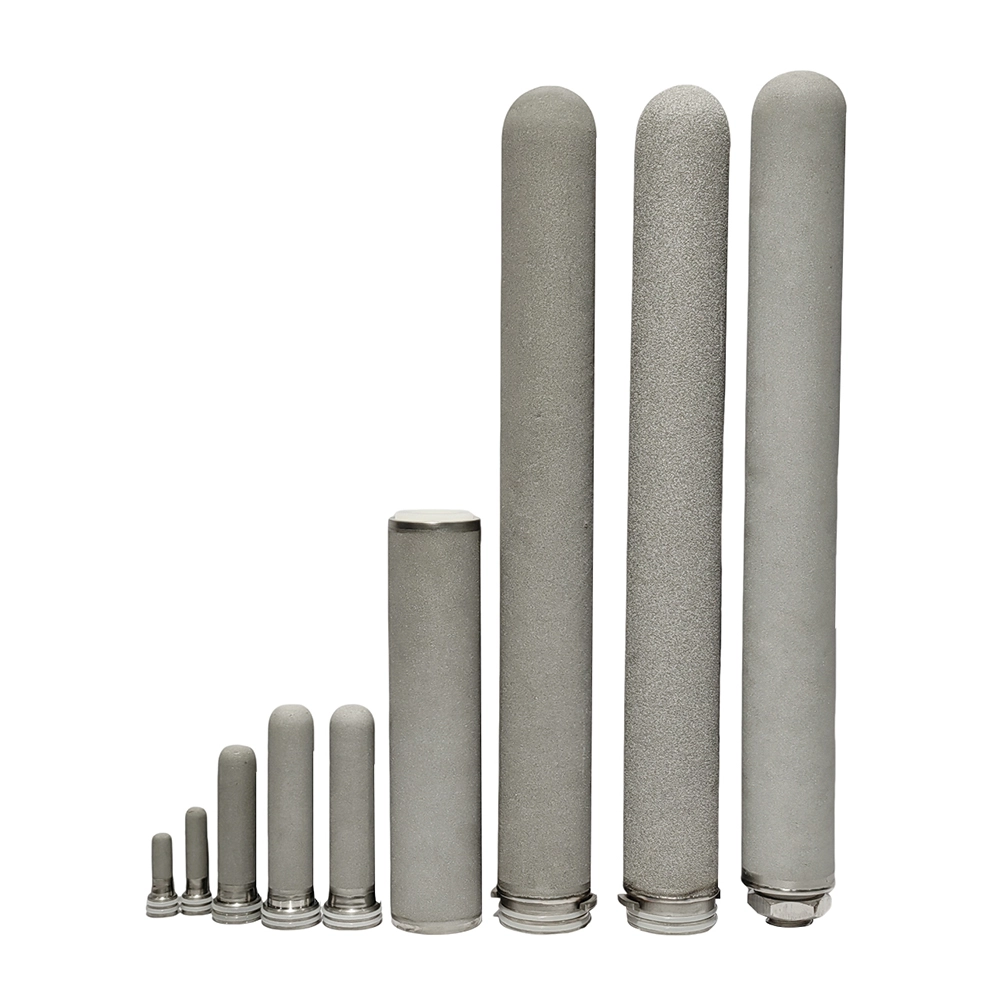
Sintered powder metal filters
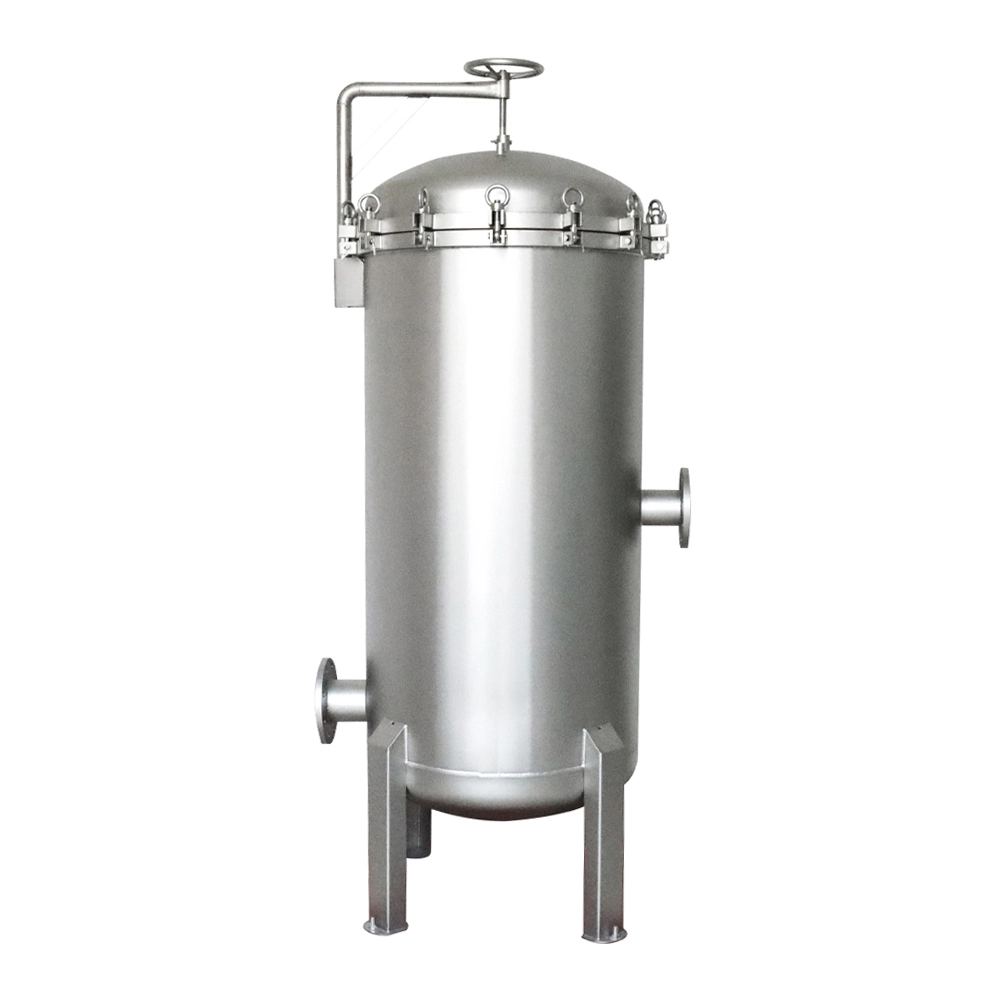
Stainless steel multi cartridge filter housing
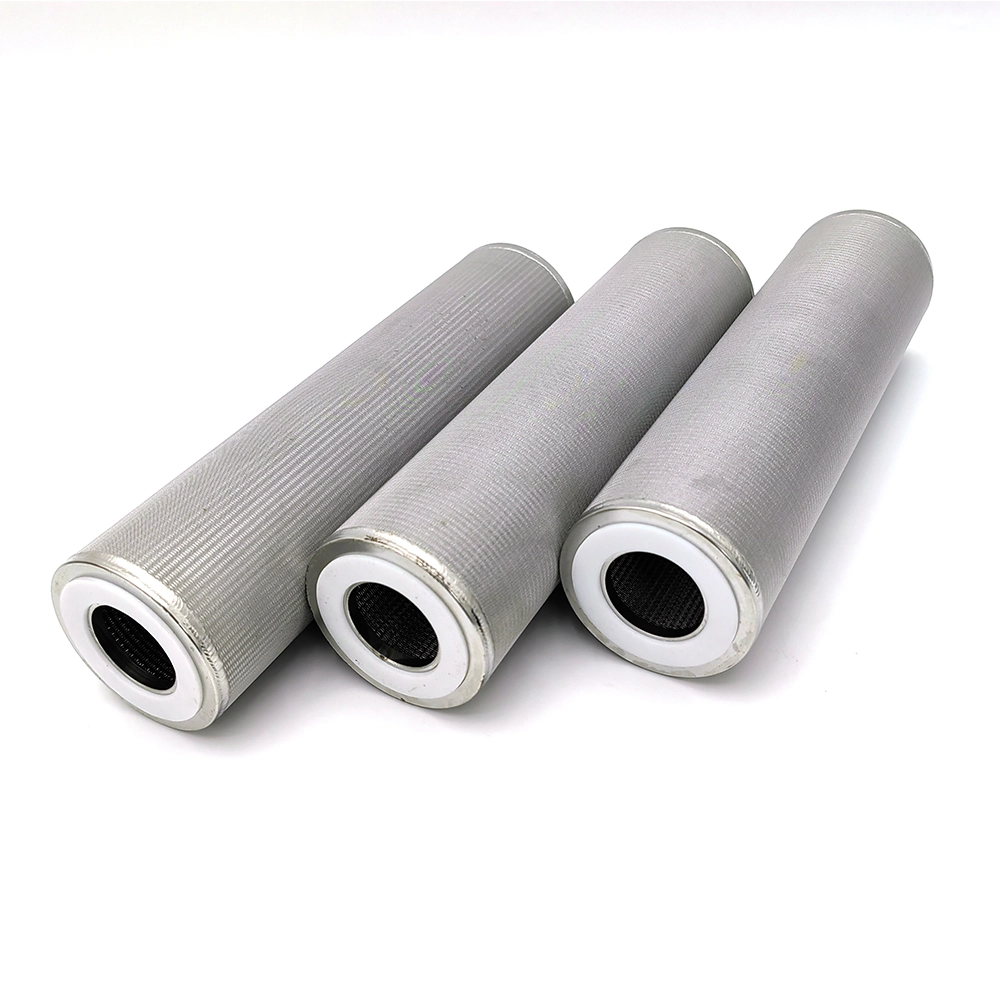
Sintered wire mesh filter
Benefit from outstanding high-pressure resistance and consistent filtration efficiency with our sintered metal mesh. Our sintered wire mesh finds versatile applications in diffuser screens, centrifuges, breather vents, fluidized beds, chromatography, polymer processing, petrochemical industries, hydraulic filters, and more.
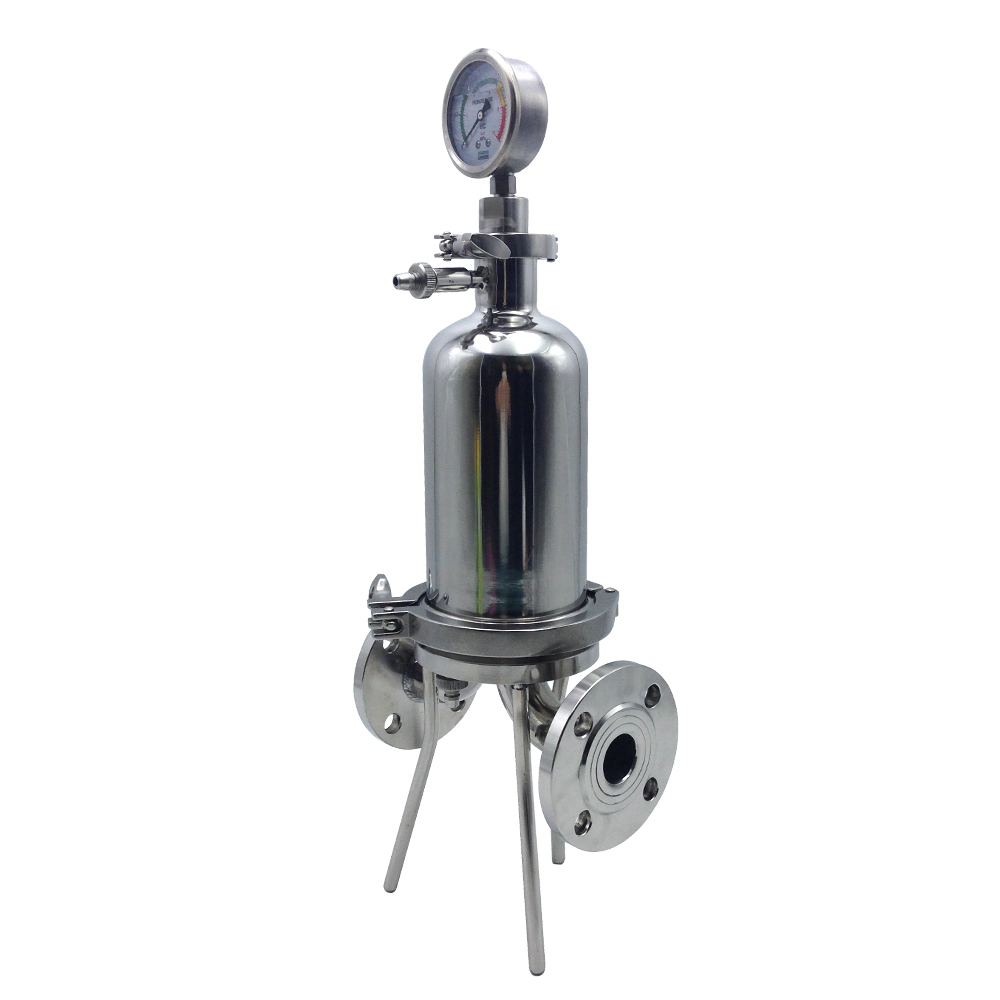
Sanitary filter housing
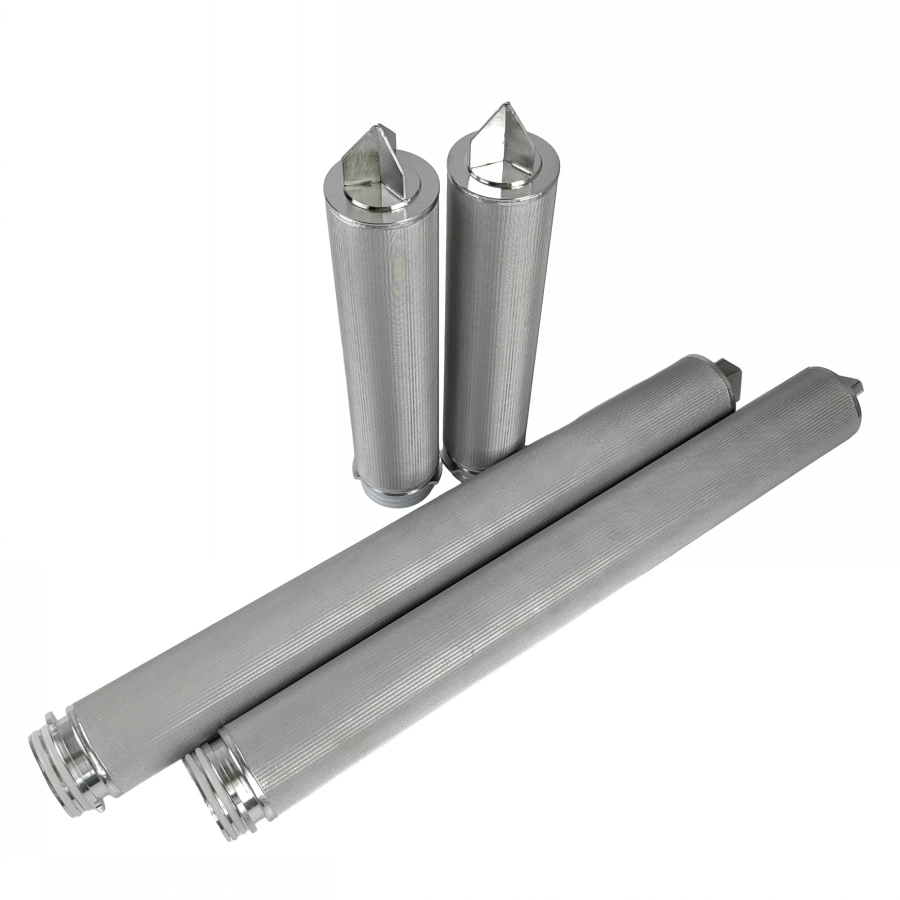
stainless steel filter water
Our sintered stainless steel filter stands as a pivotal filtration element crafted through a meticulous sintering process, with stainless steel serving as the core material.
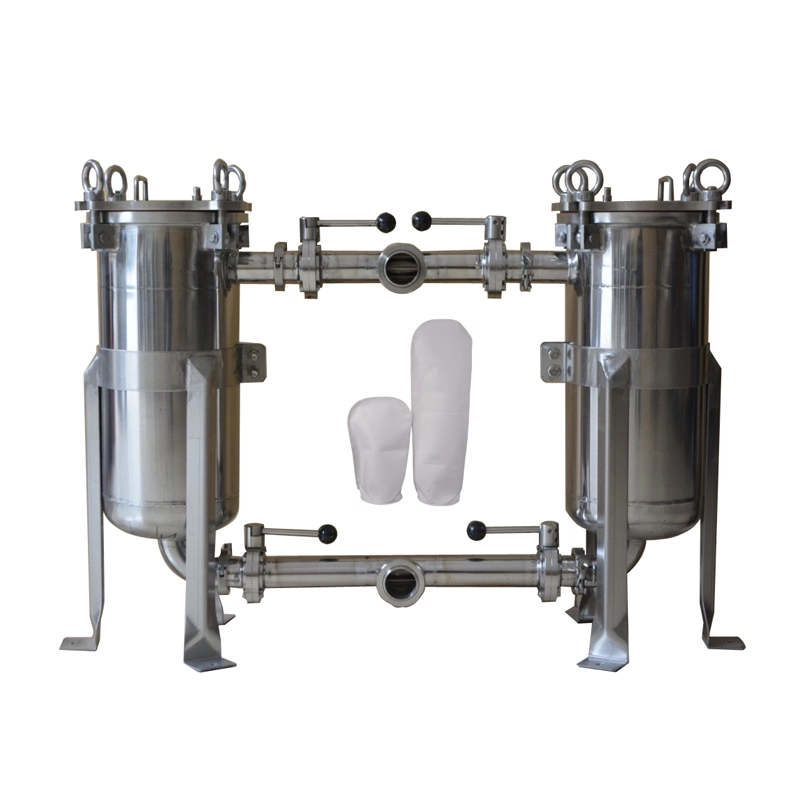
Stainless Steel Duplex filter housing
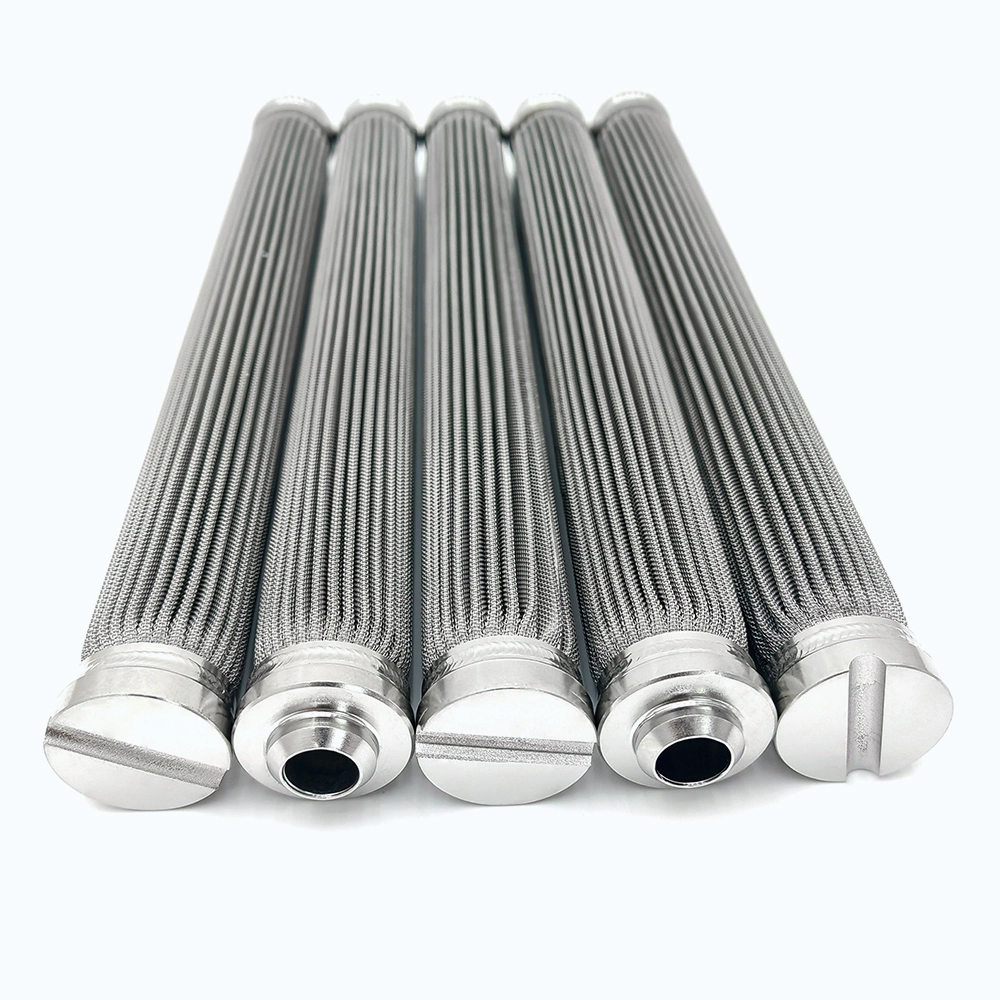
Stainless steel pleated filter cartridge
Our Stainless Steel Pleat Filter Cartridge constructed from high-quality SS 304 or SS 316L material, this filter exhibits exceptional resistance to high temperatures and rust.
© 2024 All Rights Reserved. | Privacy policy • Terms and conditions


