
What is the Pore Size Range of Sintered Metal Filters? - Lvyuan
- The Significance of Pore Size in Filtration
- Sintered Metal Filters: A Versatile Solution
- Determining the Right Pore Size for Your Needs
- Industries Benefiting from Sintered Metal Filters
- Lvyuan: Innovating Filtration Solutions
- Lvyuan's Advanced Manufacturing Capabilities
- Why Lvyuan is Your Ideal Filtration Partner
- Conclusion: Empowering Industries with Quality Filtration
- Frequently Asked Questions
- What materials are used in making sintered metal filters?
- How does pore size affect filter performance?
- Can Lvyuan customize sintered metal filters for specific applications?
- Are there maintenance concerns with sintered metal filters?
# Understanding the Pore Size Range of Sintered Metal Filters
Introduction to Sintered Metal Filters
Sintered metal filters are renowned for their durability and efficiency in filtration applications. These filters are constructed through a meticulous process that involves fusing metal particles under controlled heat and pressure. This innovative technology results in a filter medium that is not only robust but also versatile across various industrial applications. But a common question arises: What is the pore size range of sintered metal filters? Understanding this is crucial for selecting the right filter for your specific needs.
The Significance of Pore Size in Filtration
Pore size is a defining characteristic that determines the efficacy of a filter. It refers to the size of the openings in the filter material. The pore size range in sintered metal filters can vary extensively, generally from 0.5 microns to 200 microns, making them suitable for a wide array of filtration applications. The choice of pore size significantly affects the filter's ability to capture different particles, thus impacting the quality of the filtration process.
Sintered Metal Filters: A Versatile Solution
Sintered metal filters offer a unique advantage with their adaptable pore size range. From facilitating fine filtration in chemical industries to robust particle removal in wastewater treatment, these filters handle diverse filtration challenges. Their ability to withstand high temperatures and corrosive environments makes them an ideal choice across sectors such as petrochemical, food and beverage, and pharmaceuticals.
Determining the Right Pore Size for Your Needs
When addressing the question, "What is the pore size range of sintered metal filters?" it's vital to align the filter's capabilities with the specific requirements of your application. For instance, choosing a smaller pore size might be necessary for applications necessitating microfiltration, while larger pores may suffice for applications that involve coarser particle separation.
Industries Benefiting from Sintered Metal Filters
Various industries rely on sintered metal filters to meet their rigorous operational demands. Sectors such as food and beverage, healthcare, and electronics necessitate high-purity filtration solutions. The flexibility in pore size range enables industries to adopt tailored filtration systems that ensure optimal performance and compliance with industry standards.
Lvyuan: Innovating Filtration Solutions
Founded in 2009, Guangzhou Lvyuan Water Purification Equipment Co., Ltd. specializes in designing and producing high-quality sintered metal filters. Our commitment to innovation and customer satisfaction has positioned us as a leader in the field. With certifications such as CE, ROHS, and SGS, we guarantee products that meet the highest quality and safety standards.
Lvyuan's Advanced Manufacturing Capabilities
At Lvyuan, we pride ourselves on our advanced manufacturing processes that deliver precision-engineered filtration solutions. Our team of experts focuses on continuous R&D to ensure our products remain at the forefront of technology. With over a decade of expertise, we offer OEM & ODM services, catering to over 1,000 clients across 85 countries.
Why Lvyuan is Your Ideal Filtration Partner
Choosing Lvyuan as your filtration partner means opting for reliability and excellence. Our sintered metal filters provide superior filtration, separation, and purification solutions across industries. Whether for liquid or air filtration, our products ensure efficiency and longevity, making them a cost-effective investment for global enterprises.
Conclusion: Empowering Industries with Quality Filtration
As we conclude, understanding the pore size range of sintered metal filters is imperative for selecting the right filtration system. At Lvyuan, we strive to empower industries with exceptional filter solutions tailored to specific needs. Our expertise and customer-centric approach confirm our status as a trusted provider of filtration technology worldwide.
Frequently Asked Questions
What materials are used in making sintered metal filters?
Sintered metal filters are primarily made from stainless steel but can also include other metals like bronze, nickel, and titanium depending on the application requirements.
How does pore size affect filter performance?
Pore size is crucial as it determines the filter’s ability to retain particles. Smaller pore sizes trap finer particles, while larger ones allow for filtering coarser materials, affecting flowrate and pressure drop.
Can Lvyuan customize sintered metal filters for specific applications?
Yes, Lvyuan offers customizable sintered metal filters to suit unique industry applications, leveraging our OEM and ODM capabilities to meet specific client needs.
Are there maintenance concerns with sintered metal filters?
Sintered metal filters have low maintenance needs and are cleaned easily through backwashing or ultrasonic cleaning, ensuring a long service life and consistent performance.
With this knowledge, industries can leverage the full potential of sintered metal filters to improve operational efficiency and product quality, reinforcing Lvyuan's commitment to innovative and efficient filtration solutions.
OEM/ODM stainless steel oil filter Manufacturers and Suppliers
What is sintered porous filter
Explore Asymmetrical Sintered Metal Filters | Lvyuan
What is butterfly stainless steel water filter
Sintered mesh filters
How does a sintered mesh filter work?
Sintered mesh filters work by trapping and retaining particles within the porous structure of the mesh. The sintering process fuses the mesh layers, creating a robust filter with uniform openings that allow controlled passage of fluids while capturing contaminants.
For customization
How about your delivery time?
Generally, it will take 10 to 15 days after receiving your advance payment. The specific delivery time depends on the items and the quantity of your order, and if the item is nonstandard, we have to consider an extra 10-15 days for tooling.
For company
Product advantages
• Quality Assurance:
We prioritizes quality as a cornerstone of its operations. We adhere to rigorous quality control standards throughout the manufacturing process to ensure that our products meet the highest industry standards.
• Innovative Technology:We leverage cutting-edge technologies in the design and production of our products. By staying at the forefront of technological advancements, we provide our customers with innovative solutions that meet their evolving needs.
• Diverse Product Range:
We offer a comprehensive and diverse range of products, catering to various industries and applications. Our extensive product portfolio allows customers to find solutions tailored to their specific requirements.
• Customization Capabilities:
Recognizing the unique needs of our customers, we provide customizable options for our products. This ensures that our clients receive tailored solutions that align with their individual preferences and applications.
• Competitive Pricing:
We are committed to offering competitive prices without compromising on quality. Our cost-effective solutions enable customers to access high-quality products at reasonable and competitive market rates.
Porous Plastic Filter
In what industries are sintered porous filter discs commonly used?
They are widely used in industries such as petrochemicals, pharmaceuticals, water treatment, food and beverage, automotive, and more, owing to their versatility and effective filtration capabilities.
Stainless Steel Pleated Filter Cartridges
How often do these stainless steel pleated cartridges need maintenance?
Maintenance frequency depends on the specific application and operating conditions. However, these cartridges are designed for easy installation and maintenance, with cleaning procedures that contribute to their longevity.
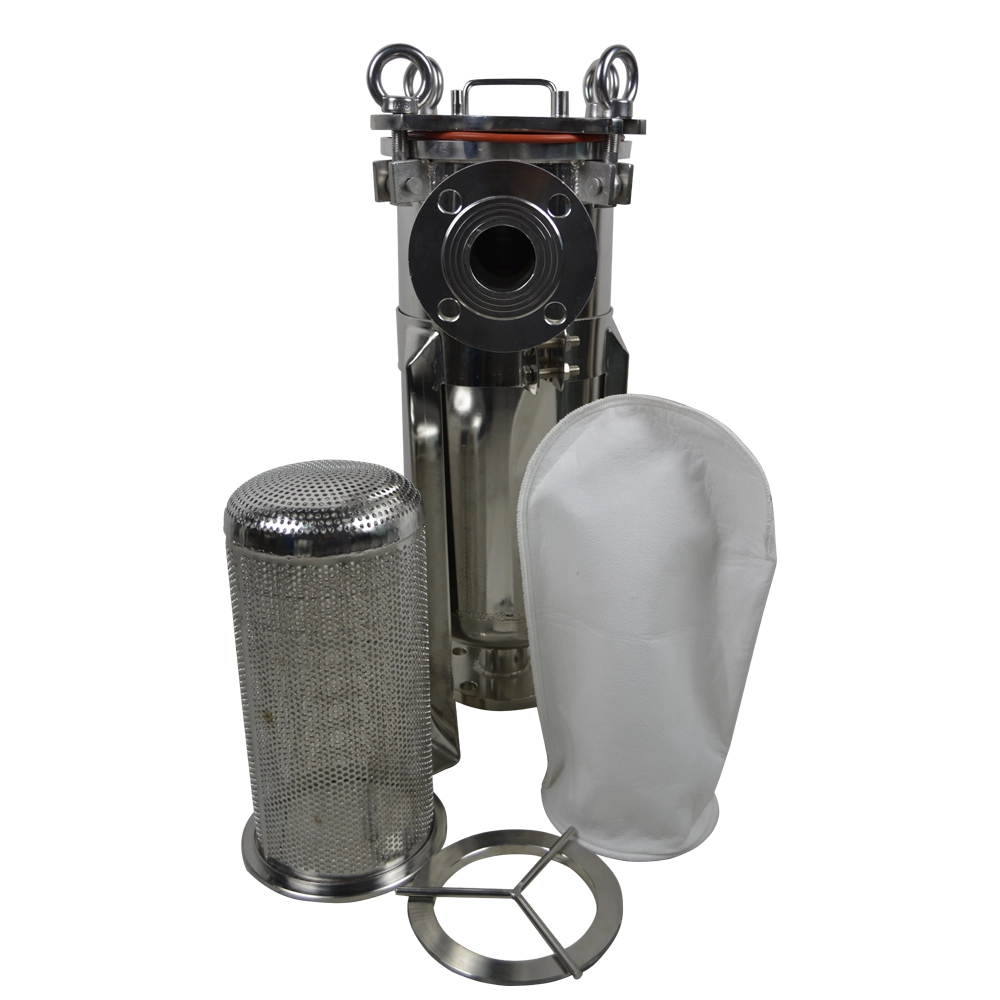
Bag filter housing
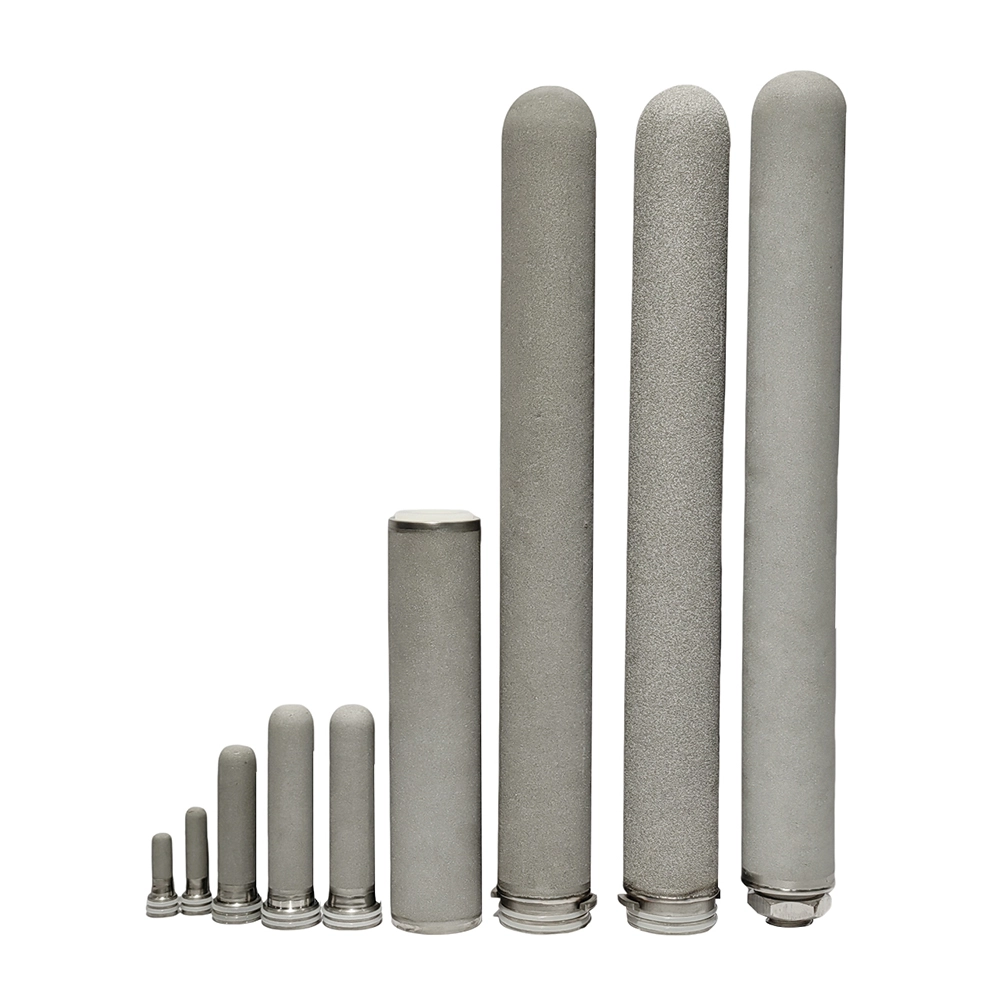
Sintered powder metal filters
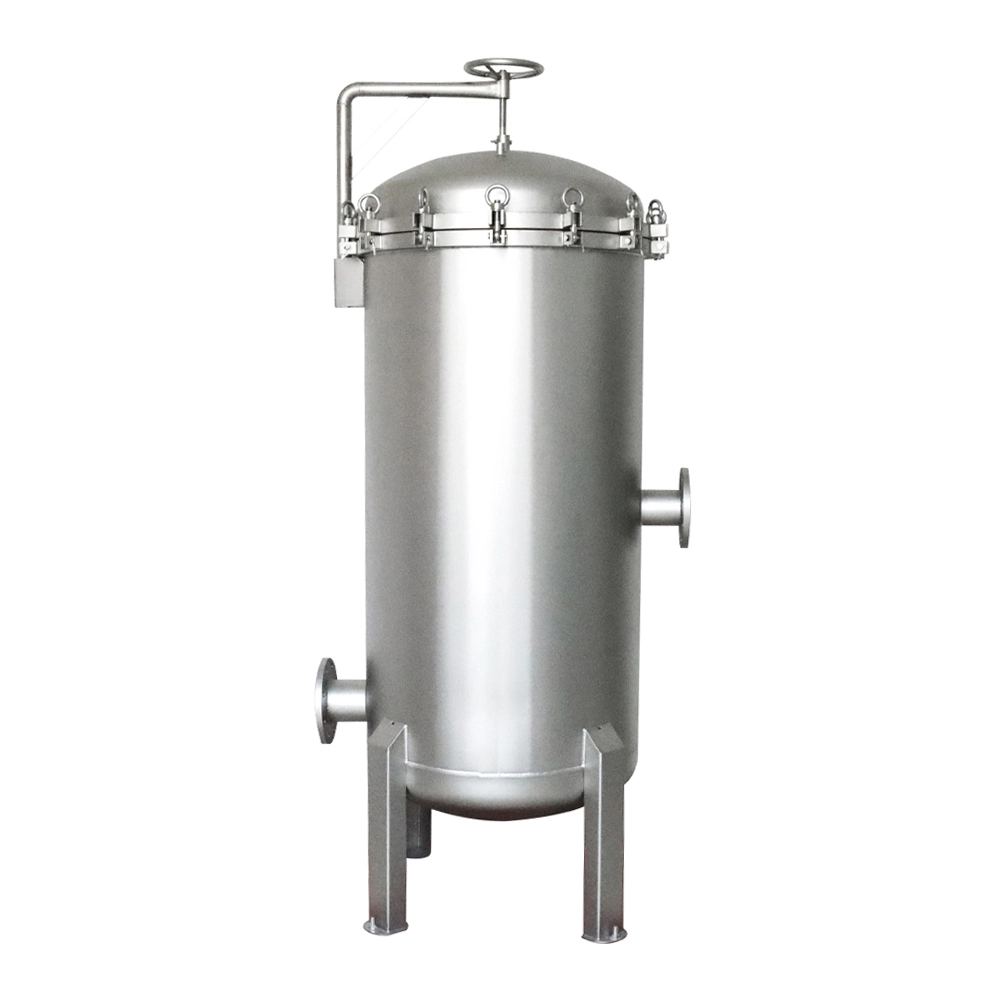
Stainless steel multi cartridge filter housing
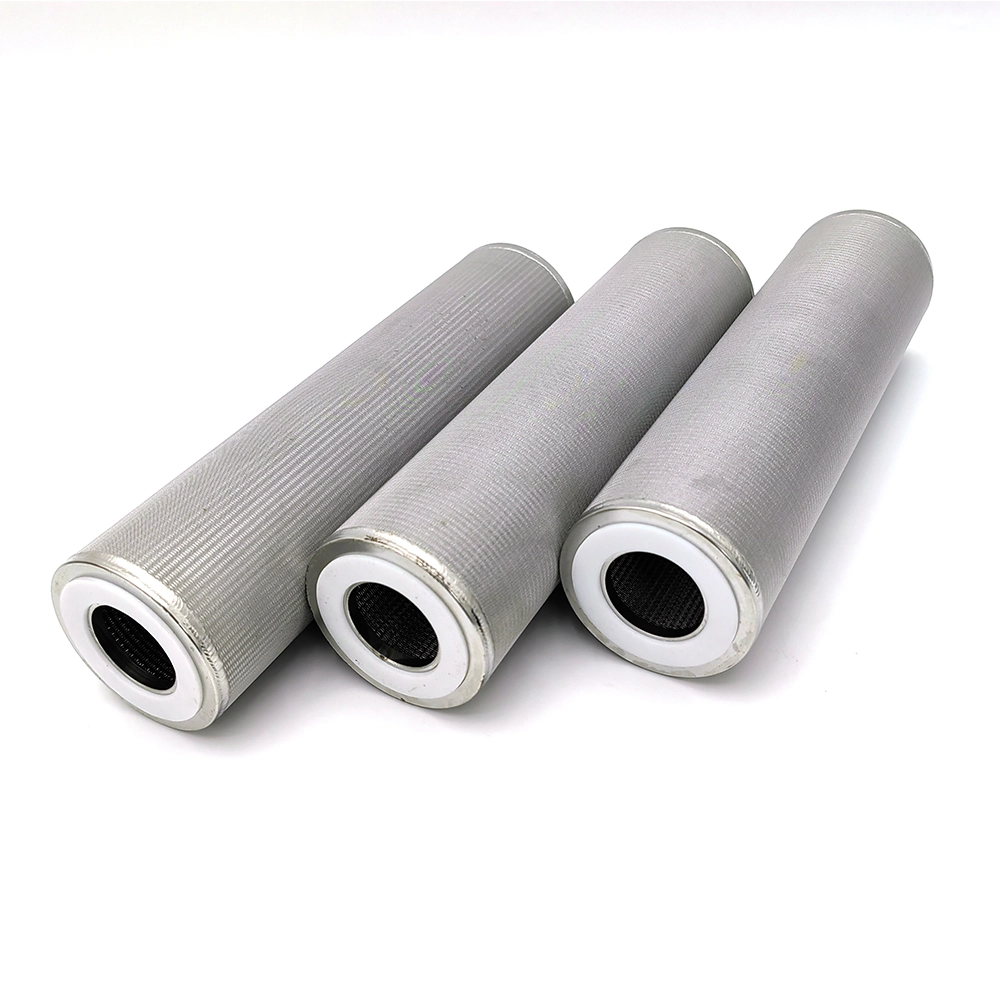
Sintered wire mesh filter
Benefit from outstanding high-pressure resistance and consistent filtration efficiency with our sintered metal mesh. Our sintered wire mesh finds versatile applications in diffuser screens, centrifuges, breather vents, fluidized beds, chromatography, polymer processing, petrochemical industries, hydraulic filters, and more.
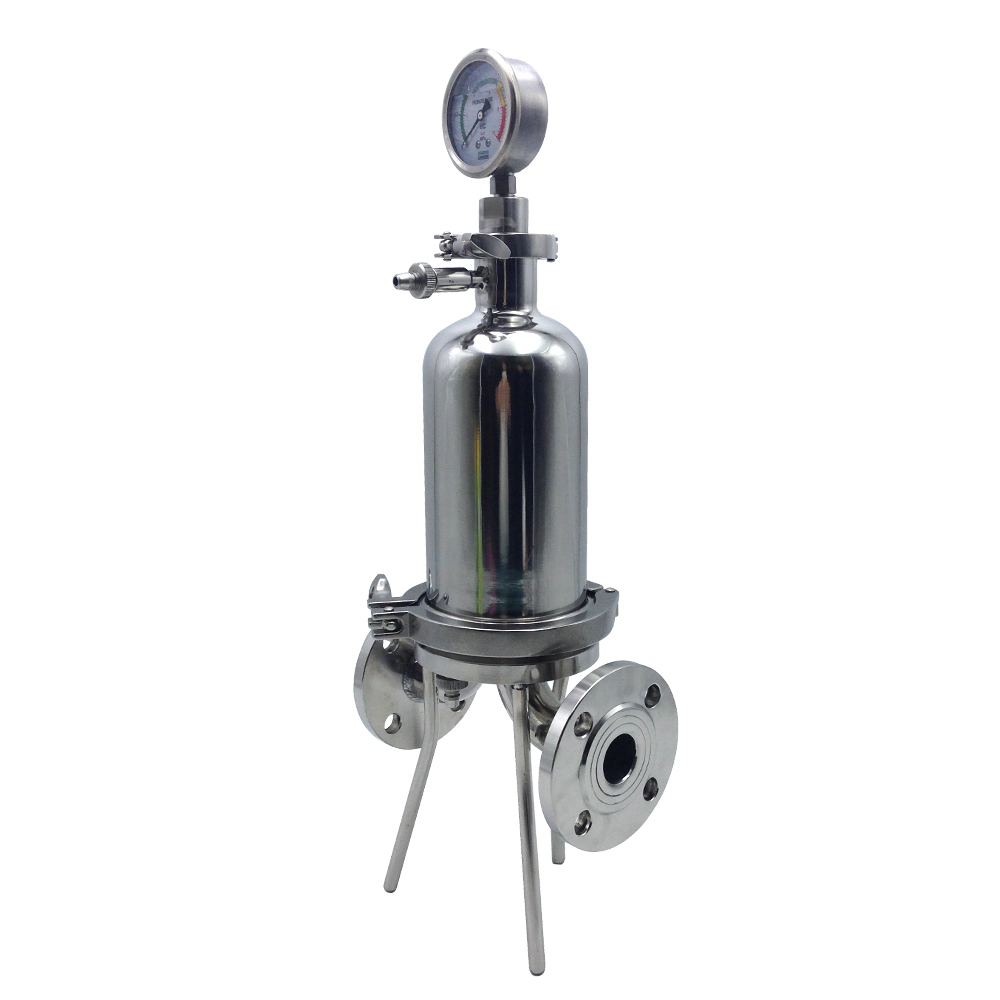
Sanitary filter housing
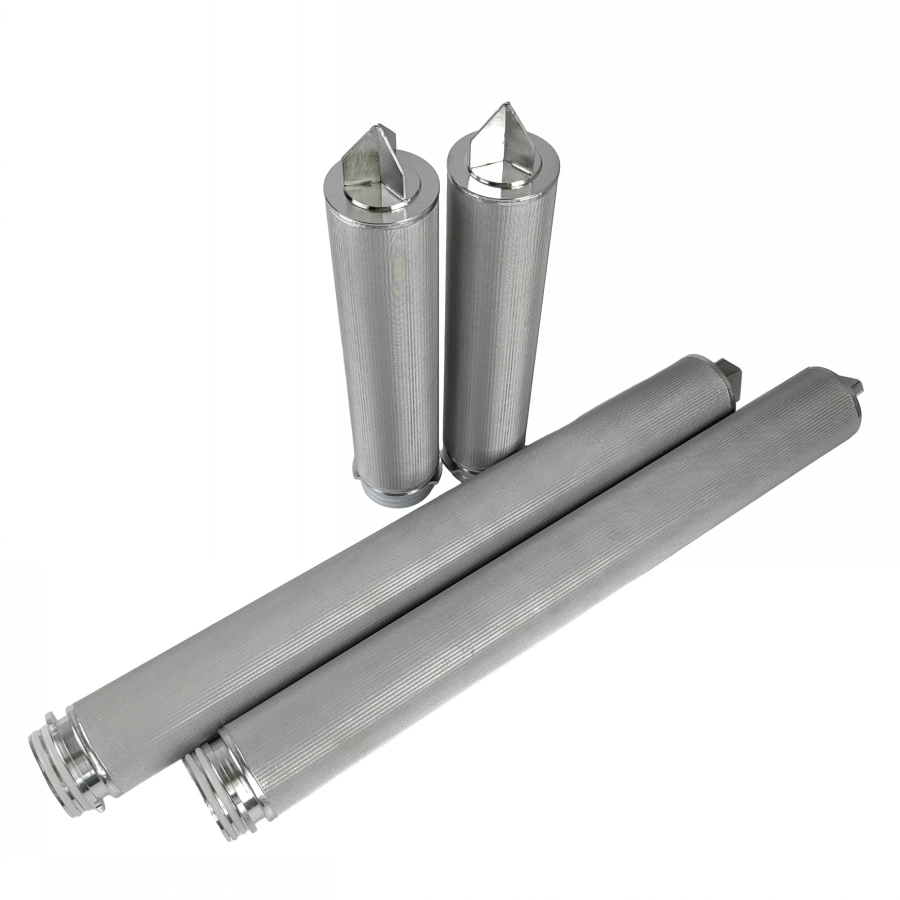
stainless steel filter water
Our sintered stainless steel filter stands as a pivotal filtration element crafted through a meticulous sintering process, with stainless steel serving as the core material.
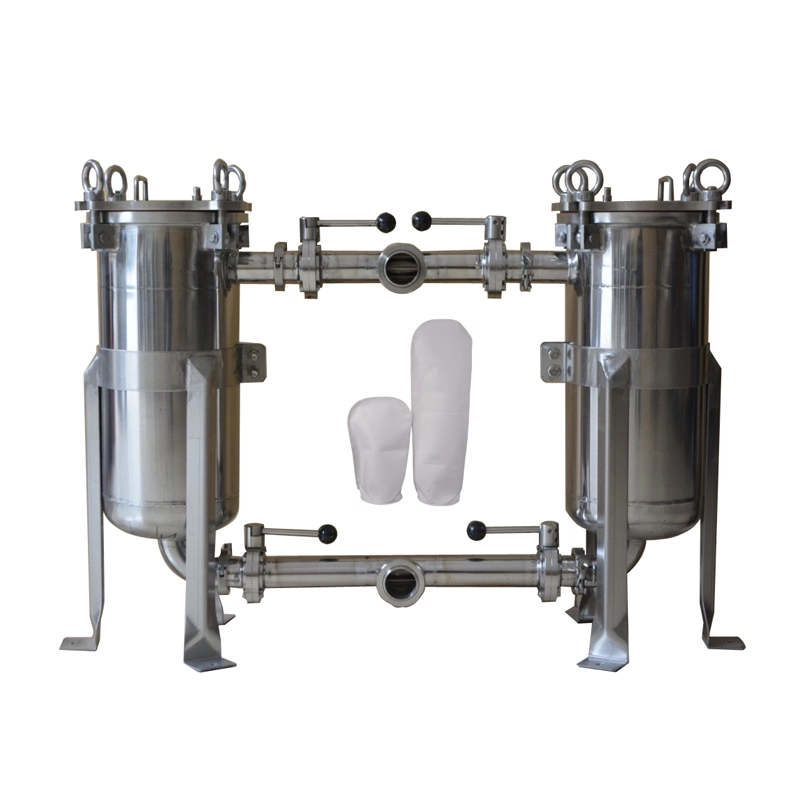
Stainless Steel Duplex filter housing
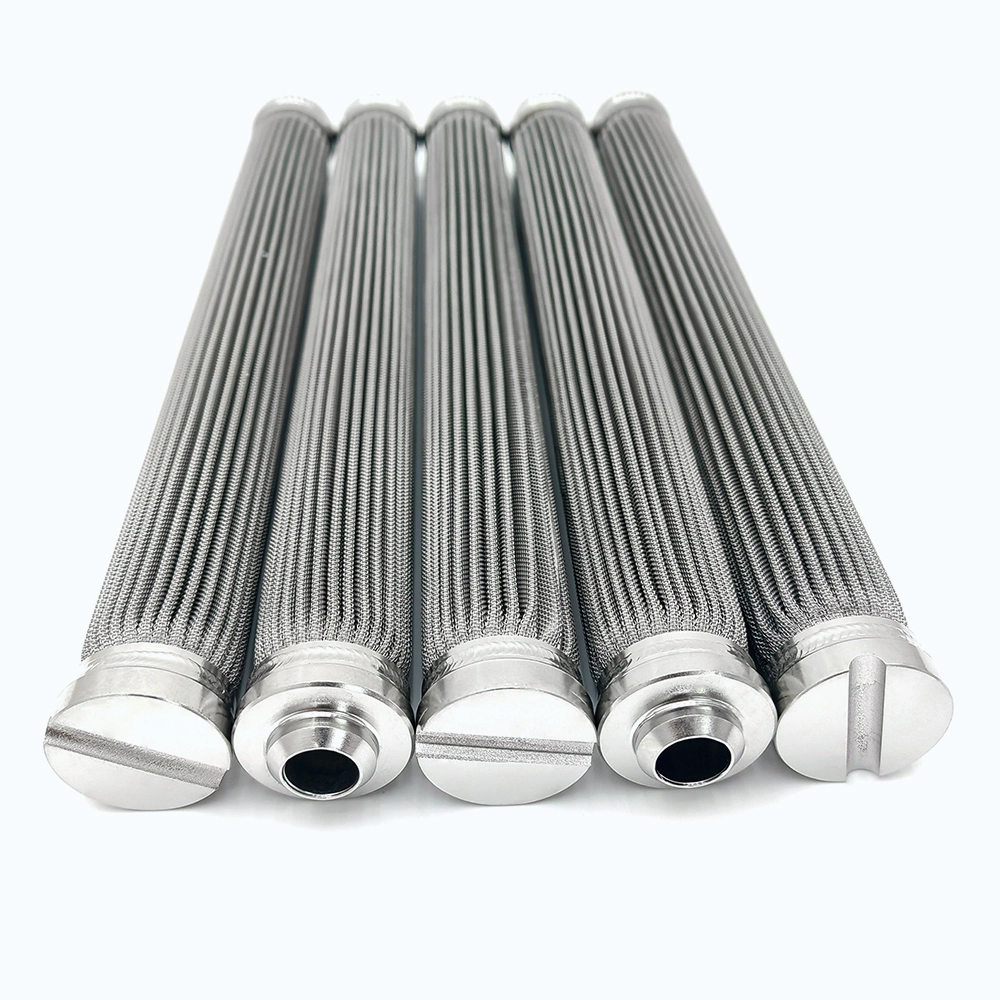
Stainless steel pleated filter cartridge
Our Stainless Steel Pleat Filter Cartridge constructed from high-quality SS 304 or SS 316L material, this filter exhibits exceptional resistance to high temperatures and rust.
© 2024 All Rights Reserved. | Privacy policy • Terms and conditions


