
How to manufacturing Bag filter vessel
- How to Manufacture a Bag Filter Vessel: A Comprehensive Guide by Lvyuan
- Understanding Bag Filter Vessels and Their Applications
- Designing Your Bag Filter Vessel: Key Considerations
- Material Selection: Choosing the Right Materials for Your Bag Filter Vessel
- Manufacturing Process: A Step-by-Step Guide
- Ensuring Leak-Proof Seals: Critical for Optimal Performance
- Bag Filter Vessel Installation and Maintenance
- Choosing the Right Bag Filter Vessel for Your Needs
- Lvyuan: Your Trusted Partner for High-Quality Bag Filter Vessels
- FAQ
- Conclusion
How to Manufacture a Bag Filter Vessel: A Comprehensive Guide by Lvyuan
Understanding Bag Filter Vessels and Their Applications
Bag filter vessels are essential components in various industrial processes, offering efficient and reliable filtration solutions. These vessels house filter bags that effectively remove solids, particulates, and other contaminants from liquids or gases. Their applications span numerous industries, including water treatment, chemical processing, pharmaceutical manufacturing, and food & beverage production. The choice of materials, design, and construction directly impacts the vessel's performance and longevity. Choosing the right bag filter vessel is critical for ensuring efficient and cost-effective operation. Lvyuan provides a wide range of customized bag filter vessels to meet diverse needs.
Designing Your Bag Filter Vessel: Key Considerations
The design phase is crucial for a successful bag filter vessel. Several critical aspects need careful consideration. Firstly, determining the vessel’s size and capacity is vital, based on the flow rate and the volume of liquid or gas to be processed. Secondly, the selection of appropriate materials is paramount. Stainless steel is a popular choice due to its corrosion resistance and durability, particularly in applications involving harsh chemicals. However, other materials like polypropylene or other high-strength plastics might be suitable for specific applications. Thirdly, pressure ratings and sealing mechanisms need careful consideration to ensure leak-proof operation. Lastly, the design should facilitate easy access for bag replacement and cleaning. Lvyuan's experienced engineers can assist in the optimal design for your specific application.
Material Selection: Choosing the Right Materials for Your Bag Filter Vessel
The selection of materials directly impacts the durability, corrosion resistance, and overall lifespan of your bag filter vessel. Common materials include:
* Stainless Steel (304 & 316): Offers excellent corrosion resistance and strength, suitable for various applications and pressures. Lvyuan utilizes high-quality stainless steel to ensure the longevity of our bag filter vessels.
* Carbon Steel: A cost-effective option, often used with protective coatings for corrosion resistance in less demanding applications.
* Polypropylene: A lightweight and chemically resistant plastic, ideal for applications with less stringent pressure requirements.
* Other Polymers: Various polymers are available offering unique properties tailored to specific applications.
The selection depends on factors such as the processed fluid's chemical composition, temperature, and pressure. Consult with Lvyuan's experts to determine the optimal material for your specific requirements.
Manufacturing Process: A Step-by-Step Guide
The manufacturing process of a bag filter vessel involves several key steps:
* Cutting and Shaping: Precise cutting and shaping of the selected material using advanced techniques like laser cutting or CNC machining ensure dimensional accuracy and a high-quality finish. Lvyuan utilizes cutting-edge technology for precision manufacturing.
* Welding: Seamless welding techniques are employed to create strong and leak-proof joints. Lvyuan's experienced welders adhere to strict quality control standards, ensuring robust and durable vessels.
* Polishing and Finishing: Surface finishing processes ensure a smooth and clean surface, reducing the risk of contamination and improving the vessel's aesthetic appeal.
* Assembly: The various components, including the vessel body, nozzles, and bag supports, are carefully assembled to ensure proper functionality and leak-free operation.
* Testing and Quality Control: Rigorous testing, including pressure testing and leak detection, ensures the vessel meets the specified quality and performance standards. Lvyuan is committed to providing superior quality bag filter vessels.
Ensuring Leak-Proof Seals: Critical for Optimal Performance
Leakage in a bag filter vessel can lead to process inefficiencies and potential environmental hazards. Therefore, ensuring leak-proof seals is critical during the manufacturing process. This involves:
* Proper Gasket Selection: Choosing the correct gasket material, compatible with the vessel's material and the processed fluid, is essential.
* Accurate Gasket Placement: Careful placement and compression of the gaskets during assembly are crucial for achieving a tight seal.
* Appropriate Torque Settings: Using the correct torque settings during tightening ensures proper gasket compression without damaging the vessel.
* Leak Detection Testing: Post-assembly leak detection testing is crucial to identify and rectify any leaks before commissioning. Lvyuan employs advanced leak detection methods to ensure the quality of our bag filter vessels.
Bag Filter Vessel Installation and Maintenance
After manufacturing, the installation and regular maintenance of the bag filter vessel are crucial for ensuring its efficient operation and longevity.
* Proper Installation: Ensure the vessel is correctly positioned and secured, with proper connections to the piping system.
* Bag Replacement: Follow the manufacturer's instructions for replacing the filter bags, ensuring proper sealing and preventing leaks.
* Regular Inspection: Regularly inspect the vessel for signs of wear and tear, corrosion, or leaks.
* Cleaning: Clean the vessel as needed, following the manufacturer's guidelines to avoid damaging the vessel or compromising its integrity. Regular maintenance significantly increases the lifespan and performance of your bag filter vessel.
Choosing the Right Bag Filter Vessel for Your Needs
When selecting a bag filter vessel, several factors are crucial:
* Flow Rate and Capacity: Determine the required flow rate and capacity to handle your process volume.
* Pressure Rating: Choose a vessel with a pressure rating sufficient to handle the operating pressure of your application.
* Material Compatibility: Ensure the chosen material is compatible with the fluid being filtered and its chemical properties.
* Bag Type and Size: Select the appropriate type and size of filter bags for your application.
* Maintenance Requirements: Consider the ease of access for bag replacement and cleaning.
Lvyuan offers a wide range of bag filter vessels to meet diverse needs and applications.
Lvyuan: Your Trusted Partner for High-Quality Bag Filter Vessels
Lvyuan, with its expertise in filter technology and manufacturing, is committed to providing high-quality bag filter vessels. Our commitment to precision manufacturing, rigorous quality control, and customer satisfaction makes us a reliable partner for your filtration needs. Contact us today to discuss your specific requirements and discover how Lvyuan can help you achieve optimal filtration solutions.
FAQ
Q: What materials are commonly used in Lvyuan bag filter vessels?
A: We use high-quality stainless steel (304 & 316), carbon steel, polypropylene, and other polymers, depending on application requirements.
Q: How long is the warranty on Lvyuan bag filter vessels?
A: Please contact us for warranty details, which vary depending on the specific product and application.
Q: What is the typical lead time for a custom-designed bag filter vessel?
A: The lead time depends on the complexity of the design and current production schedule. Contact us for an estimated lead time.
Q: Does Lvyuan offer installation services?
A: We can provide installation support and guidance, and may offer installation services depending on location and project specifications. Please inquire.
Q: What kind of testing is performed on Lvyuan bag filter vessels?
A: We perform rigorous pressure testing and leak detection to ensure the quality and performance of our vessels before shipment.
Q: Can Lvyuan help me select the right filter bags for my vessel?
A: Yes, we offer expert advice on selecting the appropriate filter bags based on your specific application needs. Consult with our specialists.
Q: What industries benefit most from using Lvyuan's bag filter vessels?
A: Our bag filter vessels are widely used in water treatment, chemical processing, pharmaceutical manufacturing, food & beverage production, and many other industries requiring efficient and reliable filtration.
Q: How can I contact Lvyuan to discuss my bag filter vessel needs?
A: You can contact us through our website's contact form, email, or phone number. Our team is ready to assist you.
Conclusion
Manufacturing a high-quality bag filter vessel requires precision, expertise, and a commitment to quality. By carefully considering the design, material selection, manufacturing process, and installation, you can ensure the efficient and reliable operation of your filtration system. Lvyuan's experience and dedication to quality make us the ideal partner for your bag filter vessel needs. Contact us today to learn more about our products and services.
What is the Pore Size Range of Sintered Metal Filters? - Lvyuan
What are the application scenarios of Sintered Metal Filter?
What are the different types of Liquid Filtration?
Custom sanitary bag filter housing Manufacturers and suppliers
Metal mesh filters
What types of contaminants can sintered wire mesh filter?
Sintered wire mesh can filter a wide range of contaminants, including particles, solids, and impurities from liquids and gases. The filtration efficiency depends on factors such as pore size and material selection.
Stainless Steel Cartridge Filter Housing
Can stainless steel cartridge filter housings be customized?
Yes, stainless steel filter housings can be customized to meet specific application requirements, including size, material of construction, inlet/outlet connections, pressure ratings, and mounting options.
Sintered mesh filters
Can sintered mesh filters be used in corrosive environments?
Yes, sintered mesh filters can be manufactured from corrosion-resistant materials such as stainless steel, making them suitable for use in corrosive environments.
Porous Plastic Filter
What types of polymers are used to manufacture sintered plastic porous filters?
Common polymers used in the production of sintered plastic porous filters include polyethylene (PE), polypropylene (PP), polytetrafluoroethylene (PTFE), and polyvinylidene fluoride (PVDF), among others.
For products
What materials are used in your sintered metal filters?
We offer sintered metal filters in a range of materials, including stainless steel, bronze, nickel, and other alloys. The material selection depends on the specific requirements of the application.
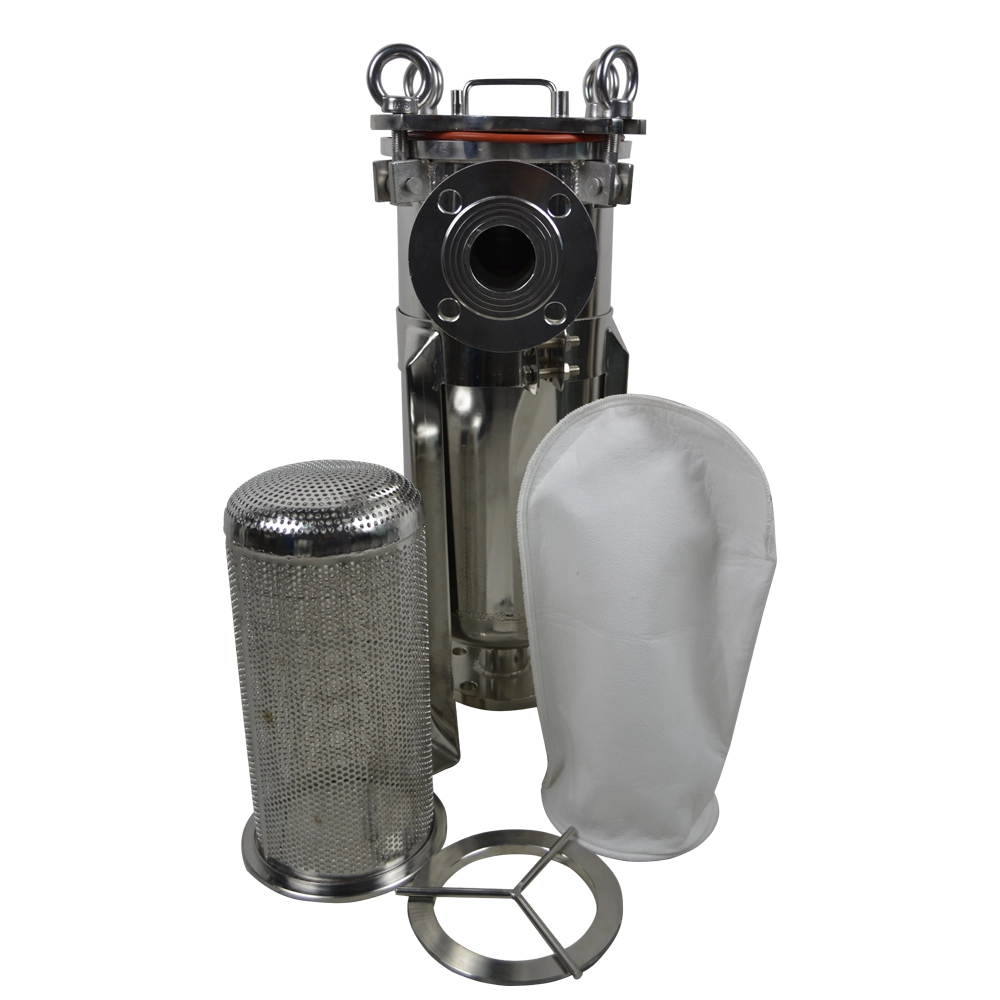
Bag filter housing
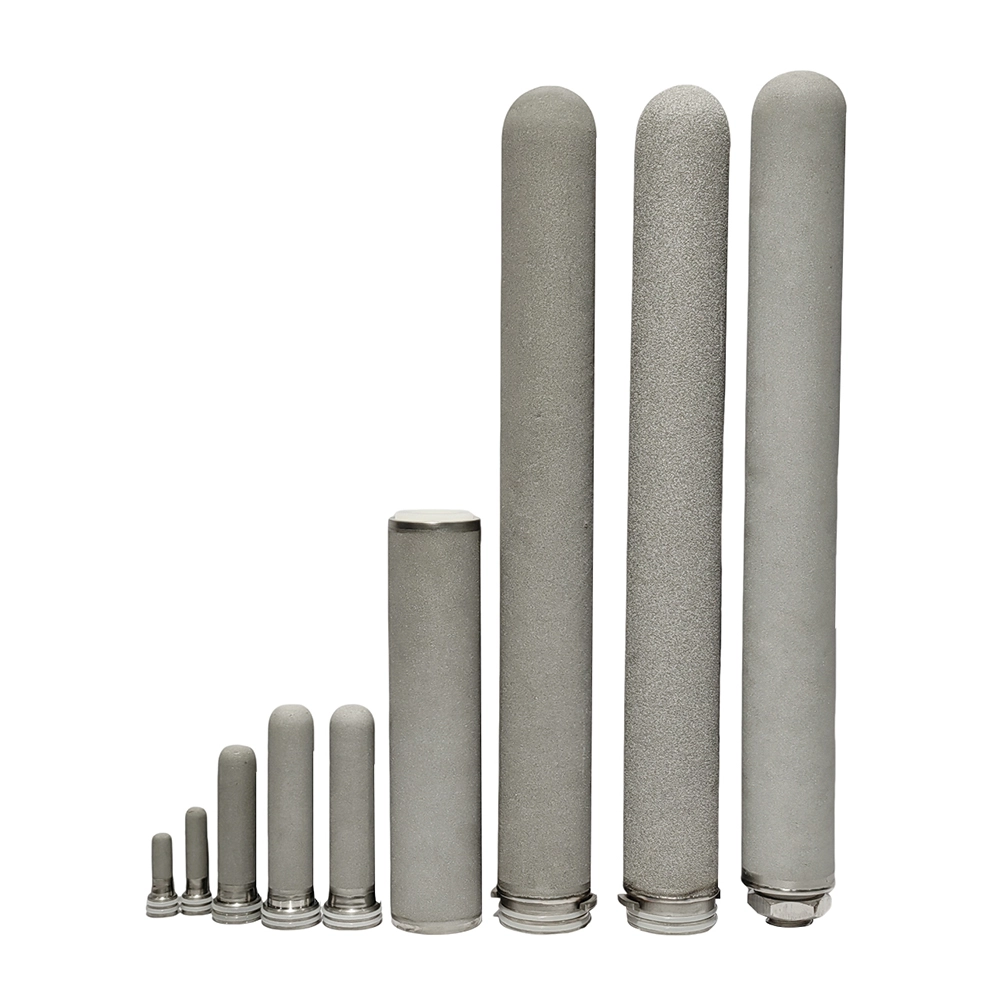
Sintered powder metal filters
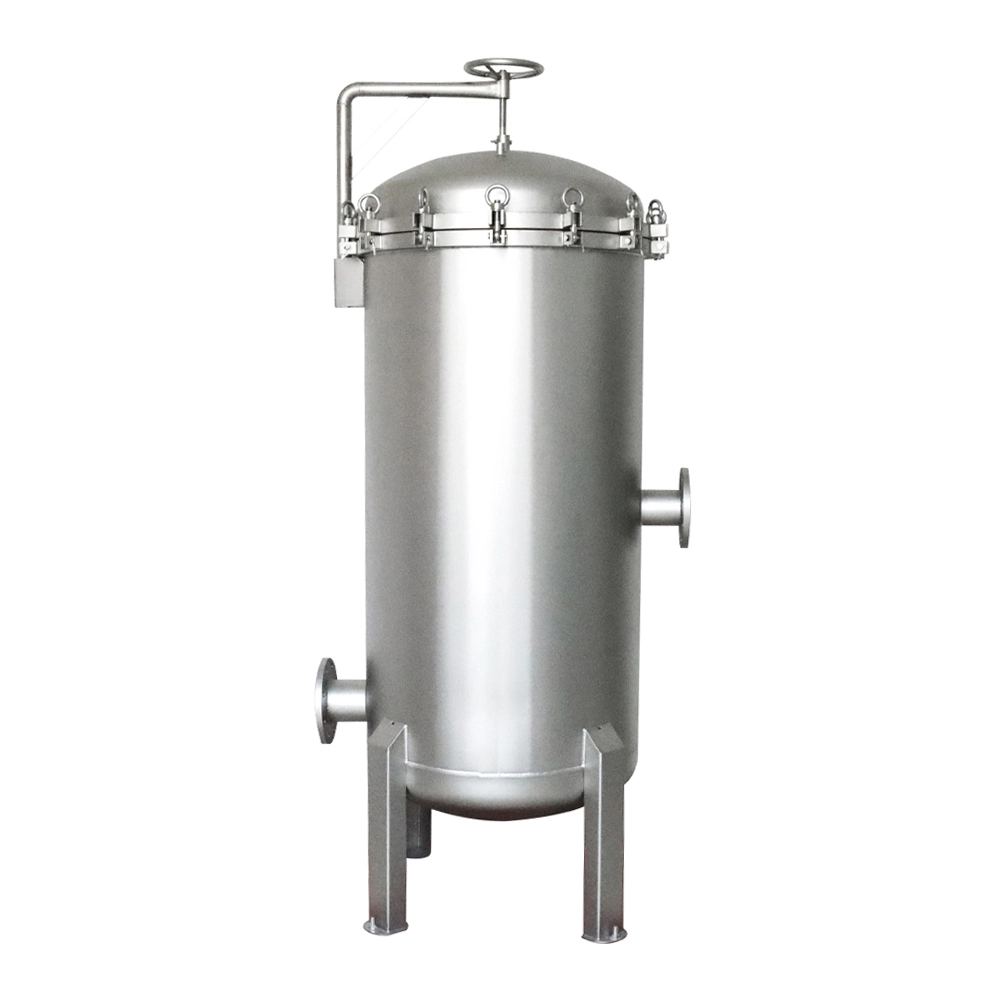
Stainless steel multi cartridge filter housing
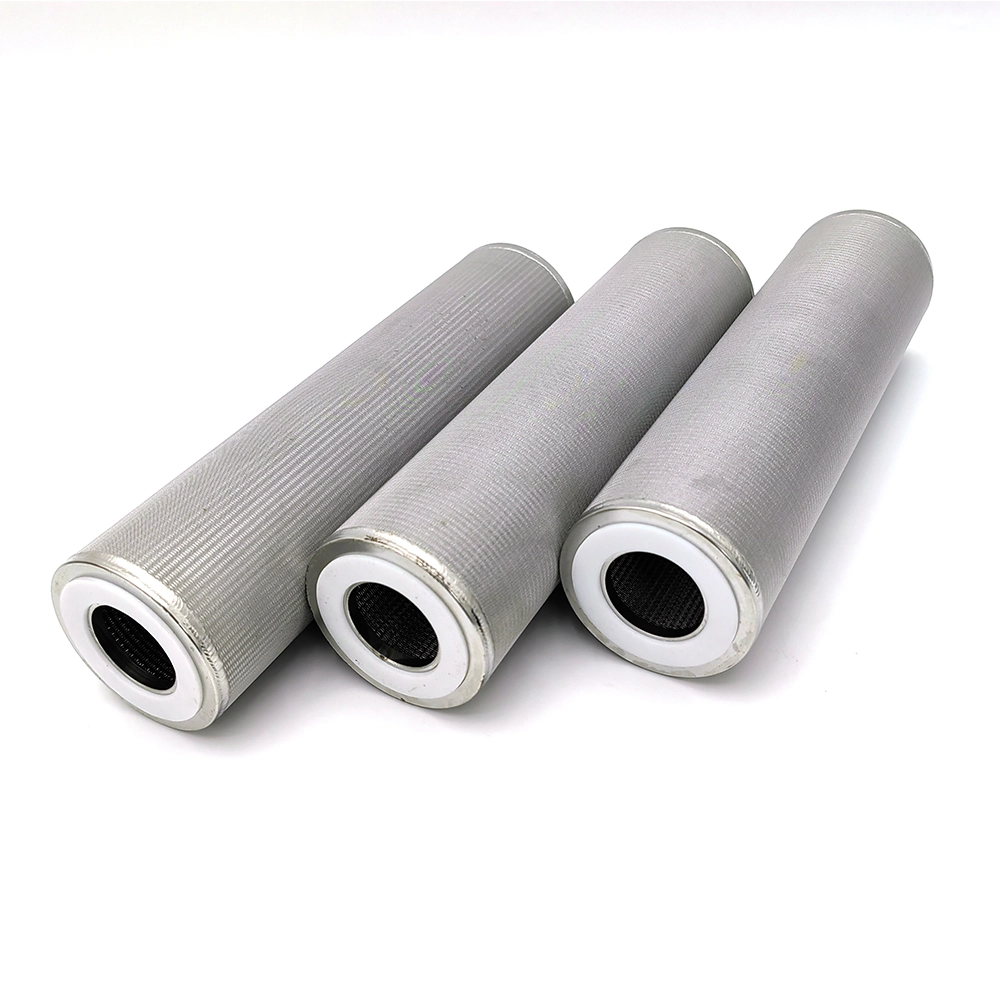
Sintered wire mesh filter
Benefit from outstanding high-pressure resistance and consistent filtration efficiency with our sintered metal mesh. Our sintered wire mesh finds versatile applications in diffuser screens, centrifuges, breather vents, fluidized beds, chromatography, polymer processing, petrochemical industries, hydraulic filters, and more.
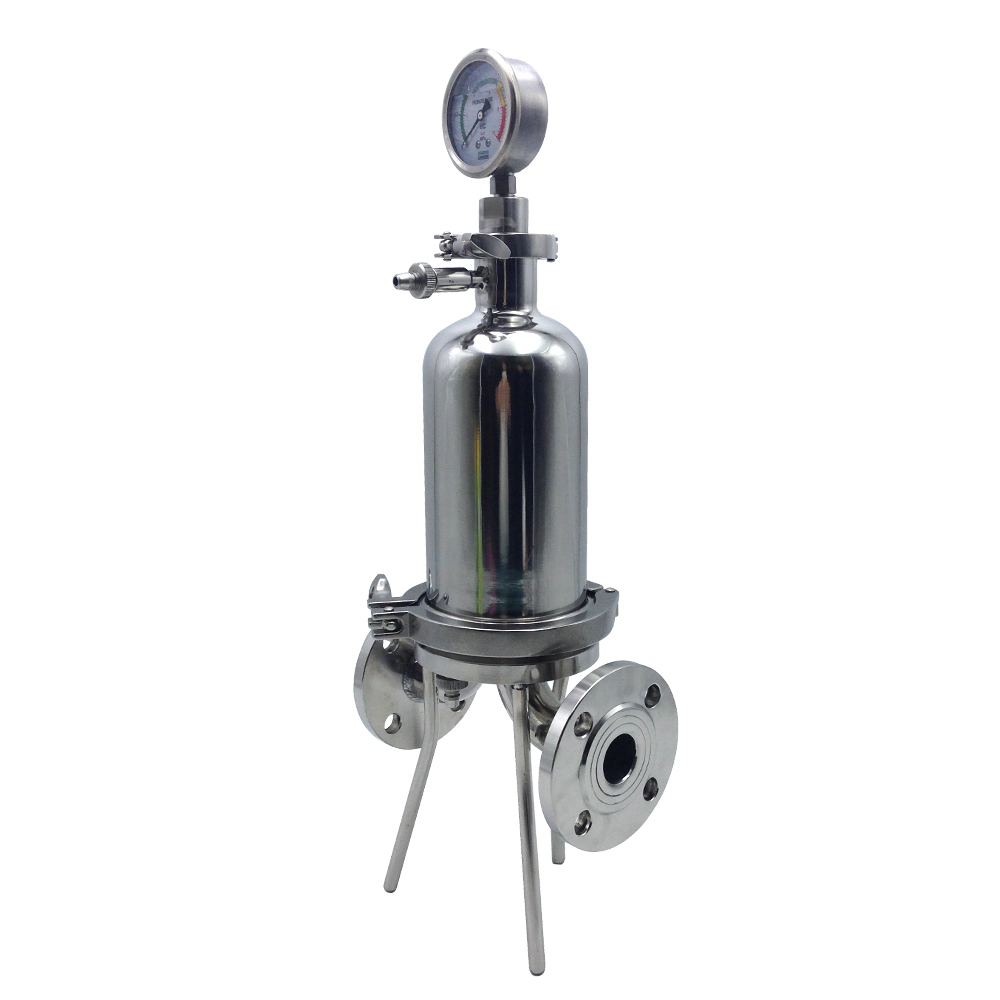
Sanitary filter housing
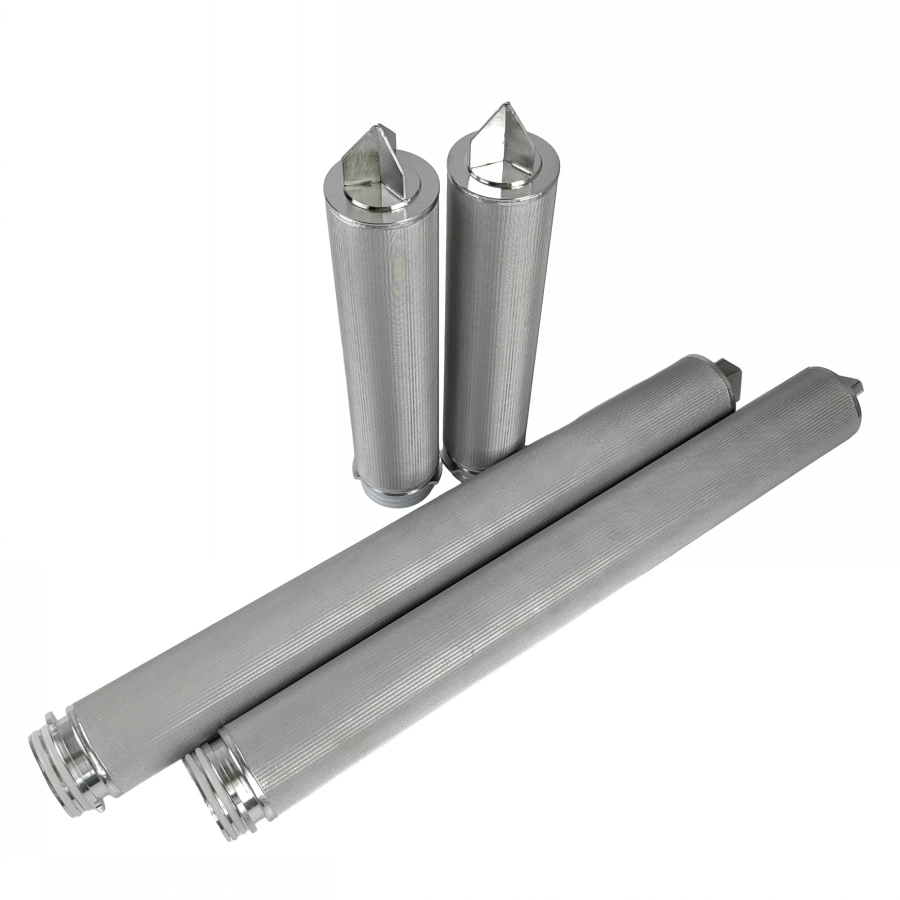
stainless steel filter water
Our sintered stainless steel filter stands as a pivotal filtration element crafted through a meticulous sintering process, with stainless steel serving as the core material.
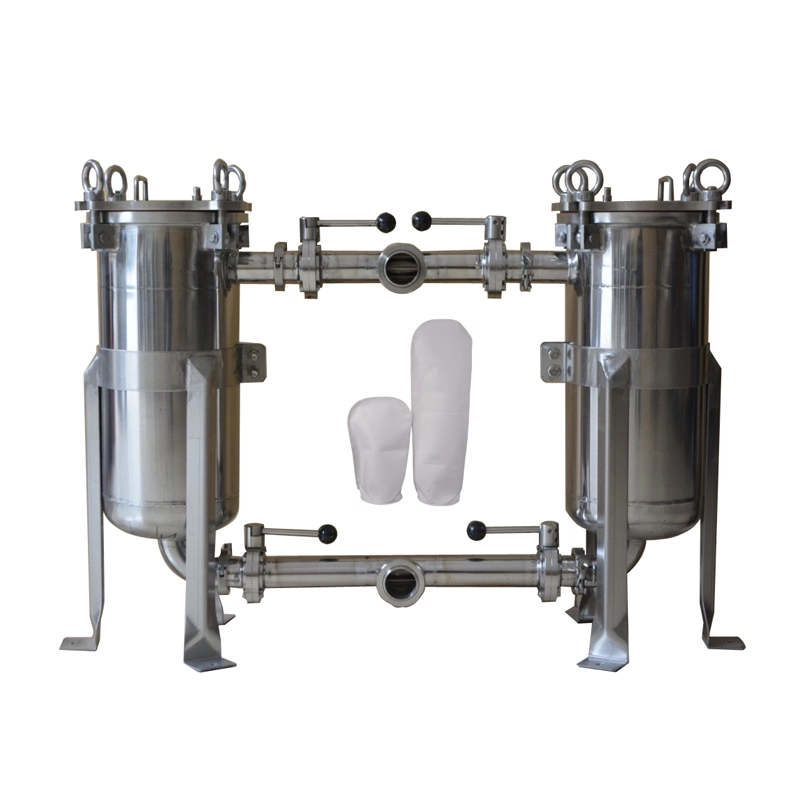
Stainless Steel Duplex filter housing
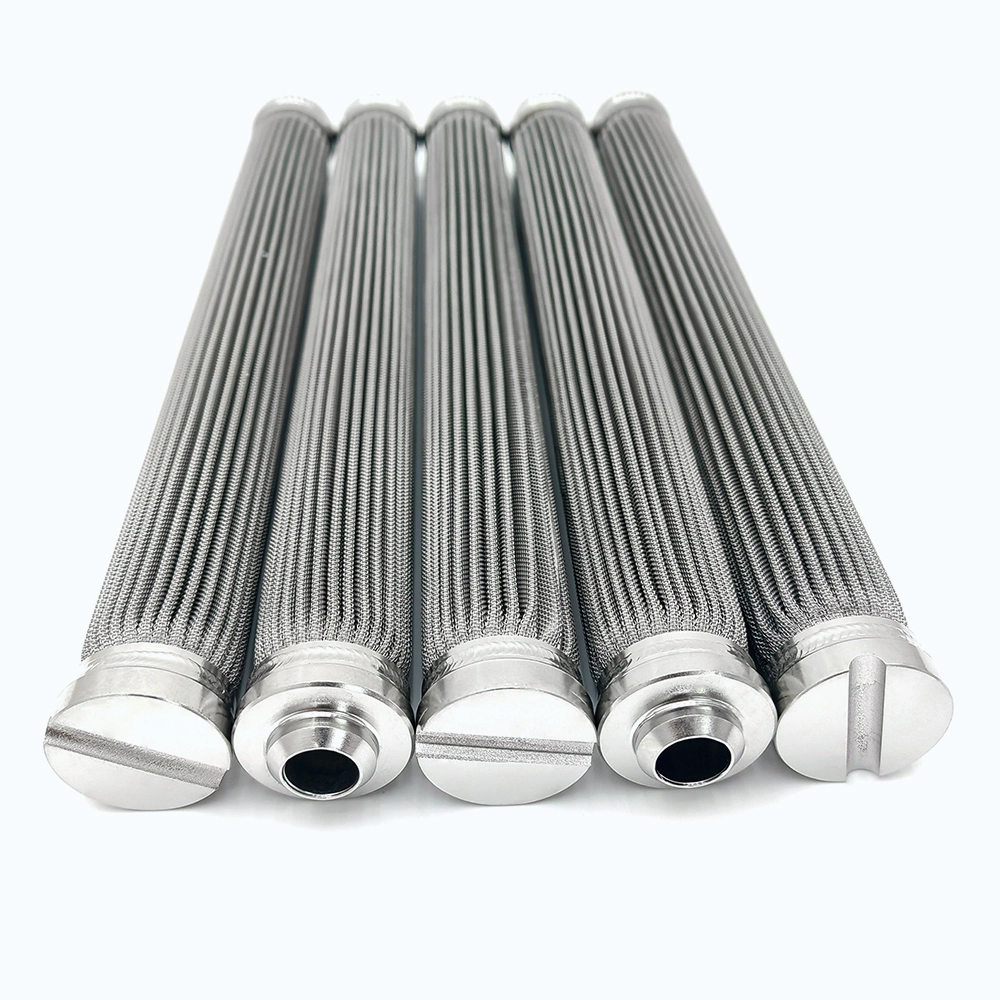
Stainless steel pleated filter cartridge
Our Stainless Steel Pleat Filter Cartridge constructed from high-quality SS 304 or SS 316L material, this filter exhibits exceptional resistance to high temperatures and rust.
© 2024 All Rights Reserved. | Privacy policy • Terms and conditions


