
What are the different types of sinter filter?
- Understanding Sinter Filters
- Sintered Metal Filters: The Backbone of Filtration
- Porous Plastic Filters: Versatility at its Best
- Ceramic Sinter Filters: Unmatched Durability
- Applications of Sinter Filters Across Industries
- Advantages of Choosing Sinter Filters
- FAQs About Sinter Filters
- 1. What materials are commonly used for sinter filters?
- 2. Can sinter filters be customized?
- 3. What maintenance does a sinter filter require?
- Conclusion: Lvyuan's Commitment to Quality and Innovation
Understanding Sinter Filters
Sinter filters are a unique component in the world of filtration technology, known for their durability and efficiency. These filters are constructed by sintering, a process that involves the compacting and forming of a solid mass of material by heat or pressure without melting it to the point of liquefaction. Sinter filters are widely used in industries such as food and beverage, petrochemicals, and pharmaceuticals due to their superior filtering capabilities.
Sintered Metal Filters: The Backbone of Filtration
Sintered metal filters are crafted using materials such as stainless steel, titanium, and other metal alloys. They offer remarkable strength and are capable of withstanding high temperatures and pressures. One of the most significant benefits of sintered metal filters is their regenerability, which allows them to be cleaned and reused multiple times. This feature makes them ideal for industries that require high levels of filtration with minimal maintenance costs.
Porous Plastic Filters: Versatility at its Best
When discussing sinter filters, another prominent type is the porous plastic filter. These filters are predominantly made from polyethylene or polypropylene. They are lighter in weight compared to their metal counterparts and provide excellent chemical resistance. Their versatility makes them perfect for applications in chemical processing and water purification systems.
Ceramic Sinter Filters: Unmatched Durability
Ceramic sinter filters stand out with their exceptional durability and thermal stability. Constructed primarily from ceramic materials, these filters can endure harsh environments and withstand extreme temperatures. Their high porosity also ensures they can effectively filter out particulates while maintaining a consistent flow rate. This makes them a preferred choice for applications requiring robust performance and longevity.
Applications of Sinter Filters Across Industries
Sinter filters are employed in a myriad of sectors due to their adaptability and efficiency. In the food and beverage industry, they assist in ensuring product purity by eliminating contaminants. The petrochemical industry relies on sinter filters for their ability to withstand severe operating conditions and minimize downtime. In pharmaceuticals, these filters are indispensable for maintaining stringent hygiene standards. Lvyuan provides tailored solutions to meet the specific filtration needs of each industry.
Advantages of Choosing Sinter Filters
Choosing sinter filters offers numerous advantages. Their high mechanical strength and thermal stability make them suitable for both high and low-pressure applications. Additionally, they provide consistent performance, long service life, and can withstand aggressive chemicals. Their ability to be cleaned and reused also contributes to reduced operational costs, making them a cost-effective solution for businesses.
FAQs About Sinter Filters
1. What materials are commonly used for sinter filters?
Sinter filters are typically made from metals like stainless steel and alloys, as well as porous plastics and ceramics.
2. Can sinter filters be customized?
Yes, sinter filters can be tailored to meet specific filtration requirements, including pore size and material composition.
3. What maintenance does a sinter filter require?
Sinter filters are low-maintenance and can be cleaned for reuse, which extends their lifespan.
Conclusion: Lvyuan's Commitment to Quality and Innovation
Founded in 2009, Guangzhou Lvyuan Water Purification Equipment Co., Ltd. has pioneered the field of sintered filters, offering solutions that cater to diverse industrial needs. With a commitment to innovation and quality, Lvyuan's products come with certifications like CE, ROHS, and SGS, ensuring peace of mind for more than 1,000 customers across 85 countries. Our focus on delivering OEM and ODM services allows us to customize products to suit specific requirements, contributing to cleaner, safer, and more efficient industrial processes around the world.
Explore our range of sintered filters today and discover how Lvyuan can enhance your business operations with state-of-the-art filtration solutions.
OEM/ODM sintered filter cup Manufacturers and supplier
The Advantages of Sintered Porous Metal Hepa Filters | Lvyuan
Custom stainless steel wire mesh filter Manufacturers and suppliers
Custom sintered metal filter Manufacturers and suppliers
Sintered Metal Filter
What is an industrial sintered metal filter cartridge?
An industrial sintered filter cartridge is a filtration component made through a sintering process, combining metal powders to create a porous structure. These cartridges are designed for industrial applications to remove contaminants from liquids and gases.
What materials are commonly used in industrial-sintered metal filter cartridges?
Common materials include stainless steel (304, 316, and 316L), bronze, Inconel, Monel, titanium, and other alloys, depending on the specific requirements of the application.
What are the key advantages of using industrial-sintered metal filter cartridges?
Advantages include high filtration efficiency, durability, wide temperature resistance, chemical compatibility, customization options, high flow rates, ease of cleaning, and versatility across various industries.
Porous Plastic Filter
Can sintered porous filter discs withstand high temperatures?
Yes, depending on the material selected (e.g., stainless steel or nickel alloys), sintered porous filter discs can withstand high temperatures, making them suitable for applications involving elevated temperatures.
Stainless Steel Cartridge Filter Housing
What are the benefits of using stainless steel cartridge filter housings?
Stainless steel cartridge filter housings offer corrosion resistance, durability, and hygiene, making them suitable for use in a wide range of industries, including food and beverage, pharmaceuticals, chemicals, and water treatment.
Stainless Steel Pleated Filter Cartridges
How often do these stainless steel pleated cartridges need maintenance?
Maintenance frequency depends on the specific application and operating conditions. However, these cartridges are designed for easy installation and maintenance, with cleaning procedures that contribute to their longevity.
Sintered Titanium Filters
How Can Machinability of Sintered Titanium Filters be improved?
Machinability can be enhanced by selecting high-speed machining tools, creating conducive cutting environments, and using high-quality cutting tools to optimize cost, surface finishing, and integrity.
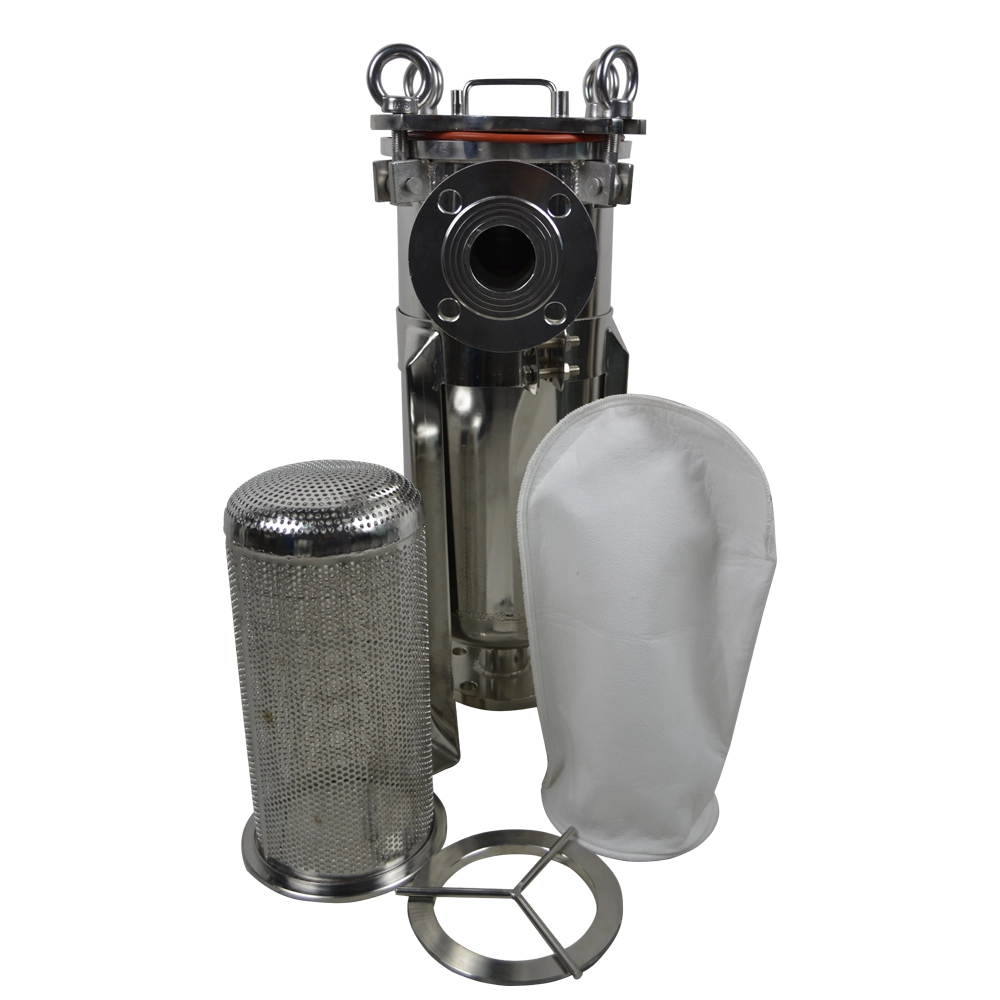
Bag filter housing
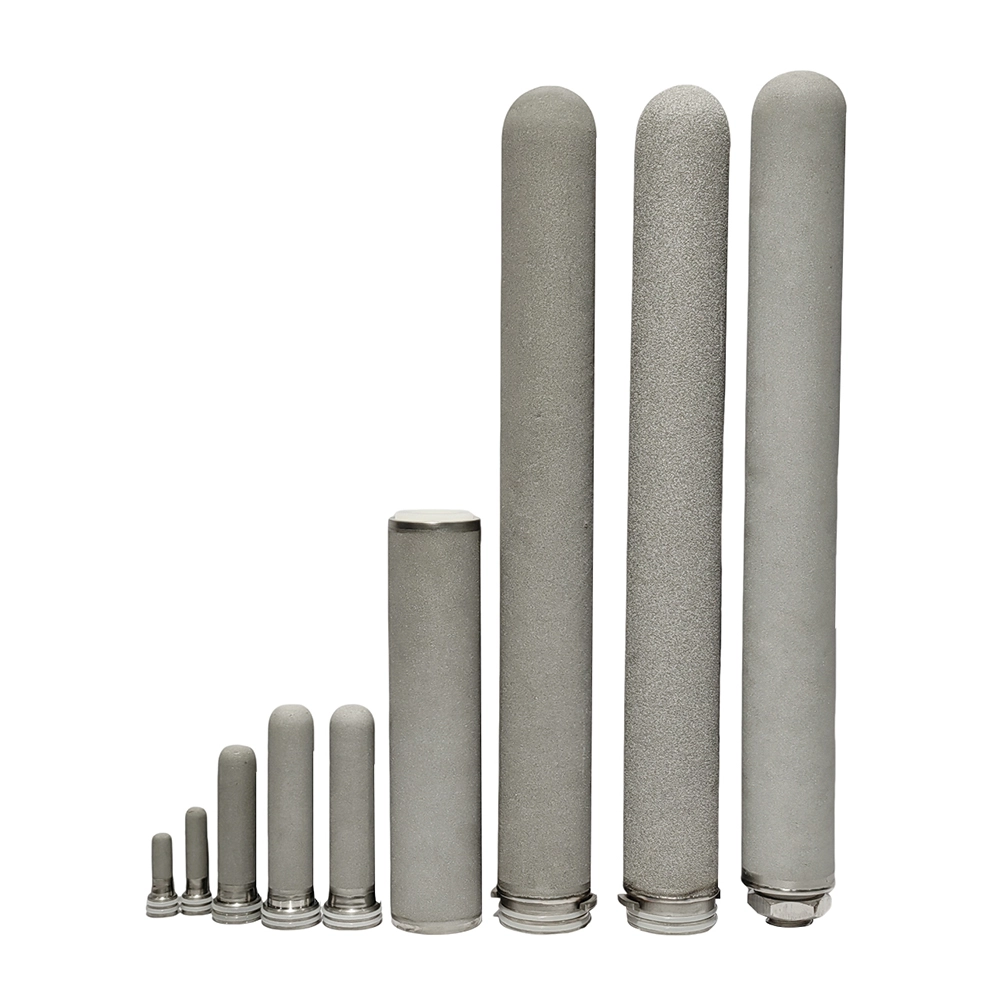
Sintered powder metal filters
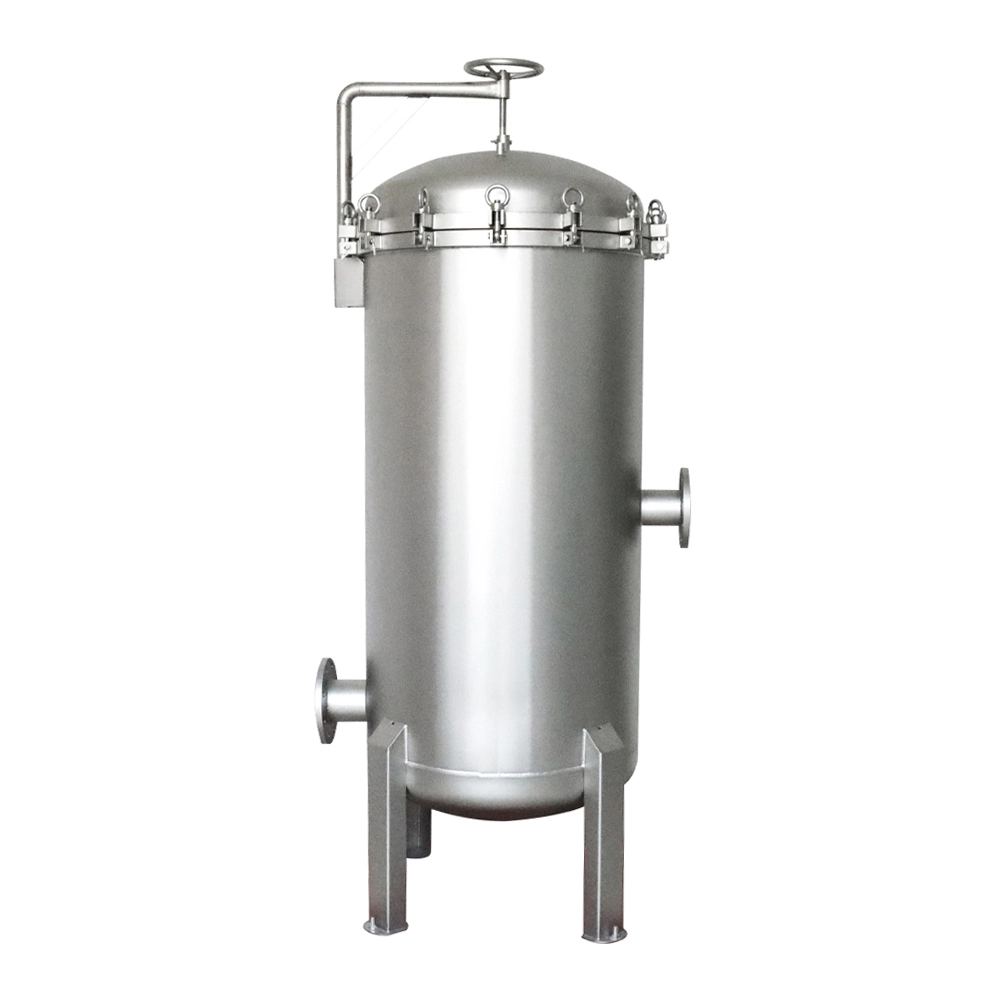
Stainless steel multi cartridge filter housing
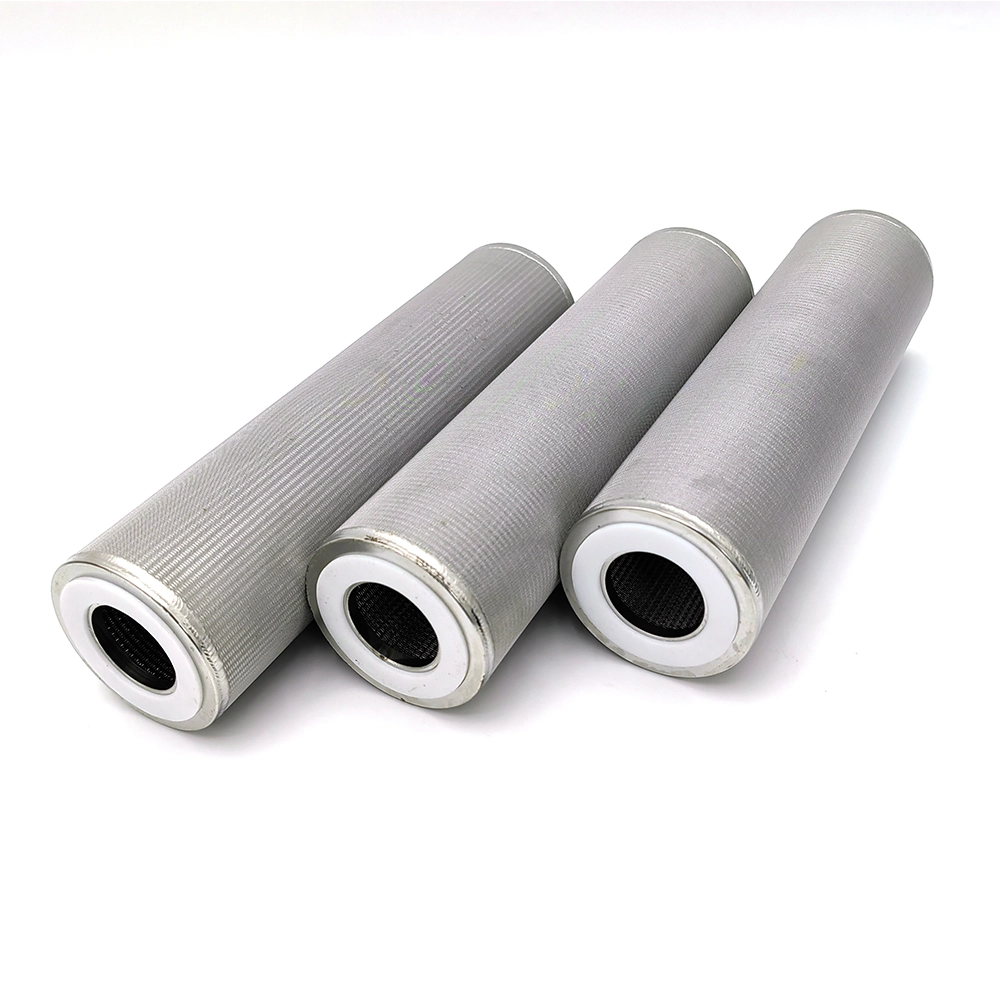
Sintered wire mesh filter
Benefit from outstanding high-pressure resistance and consistent filtration efficiency with our sintered metal mesh. Our sintered wire mesh finds versatile applications in diffuser screens, centrifuges, breather vents, fluidized beds, chromatography, polymer processing, petrochemical industries, hydraulic filters, and more.
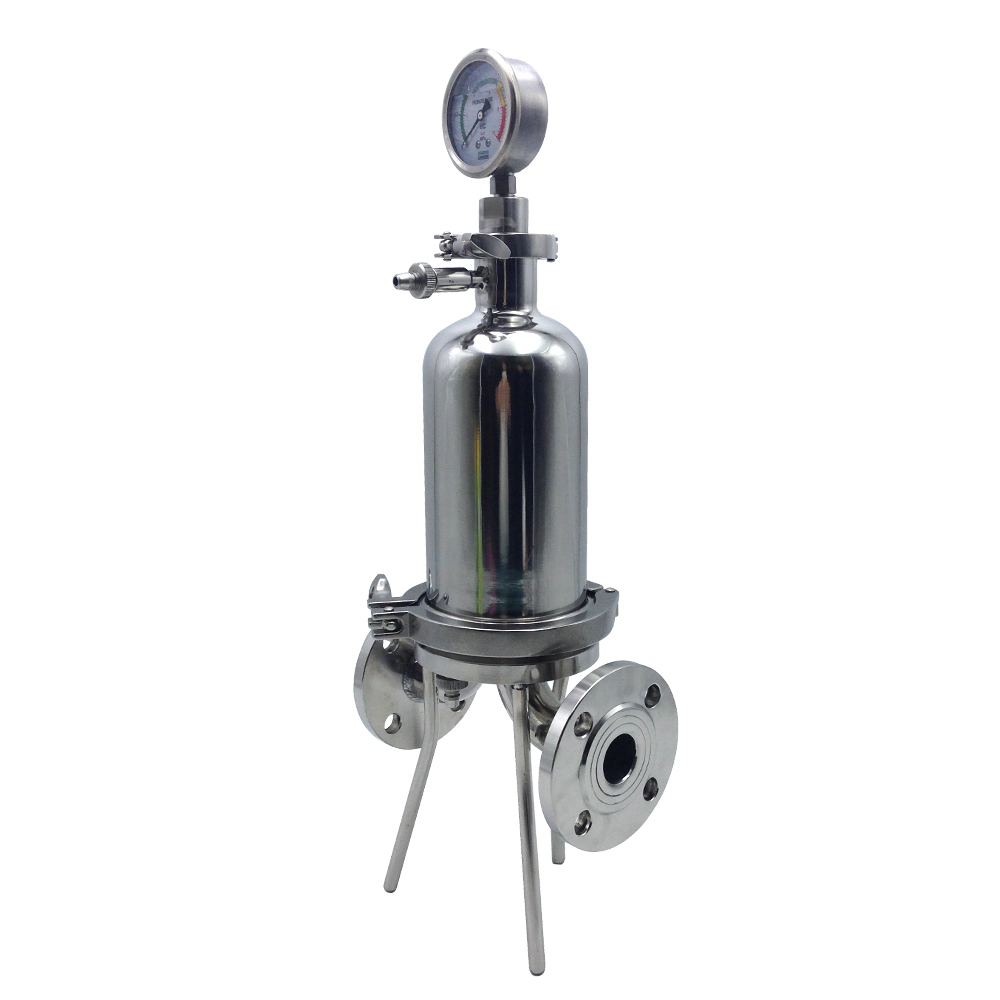
Sanitary filter housing
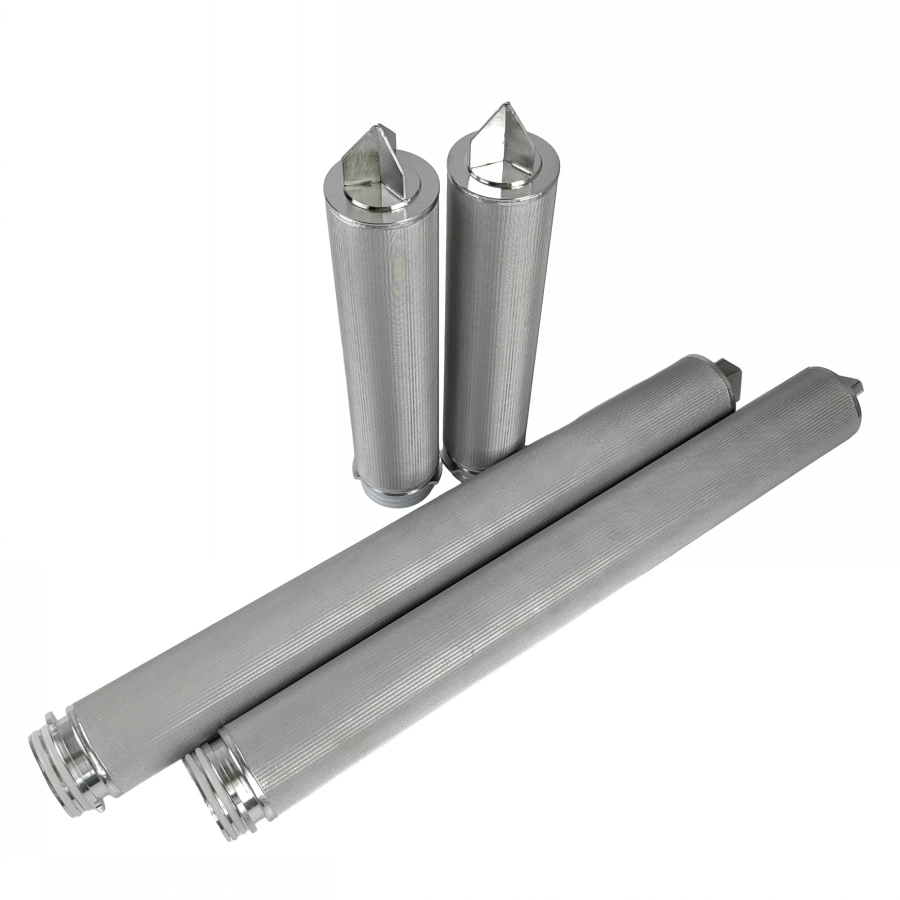
stainless steel filter water
Our sintered stainless steel filter stands as a pivotal filtration element crafted through a meticulous sintering process, with stainless steel serving as the core material.
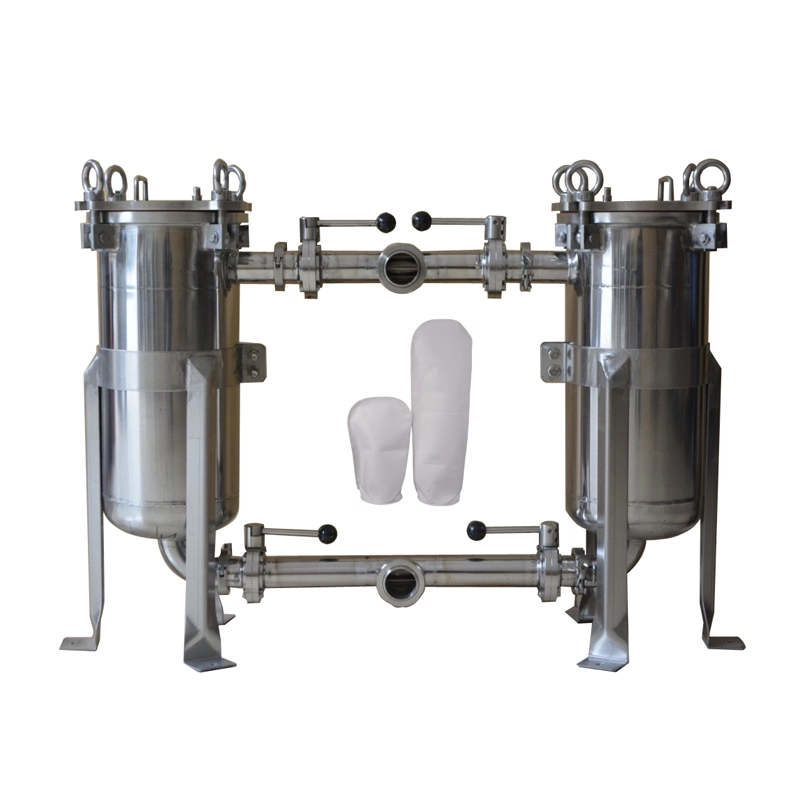
Stainless Steel Duplex filter housing
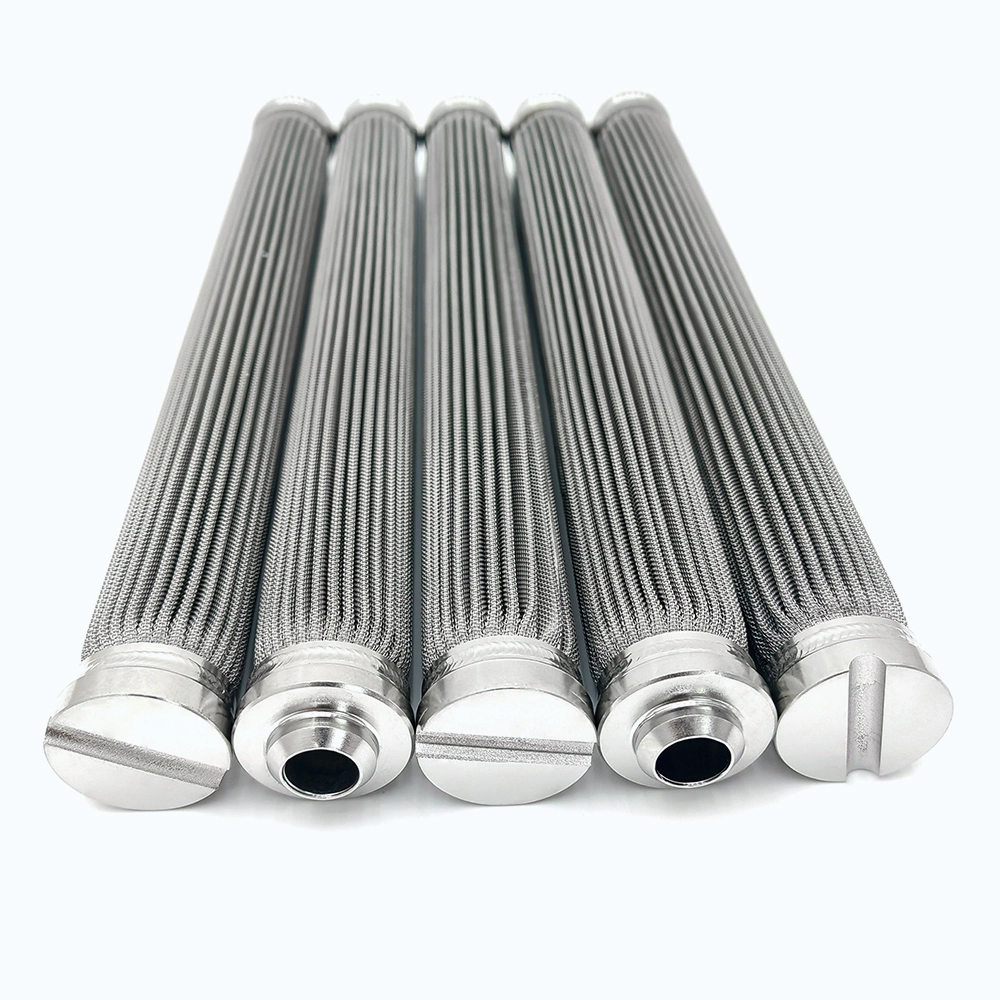
Stainless steel pleated filter cartridge
Our Stainless Steel Pleat Filter Cartridge constructed from high-quality SS 304 or SS 316L material, this filter exhibits exceptional resistance to high temperatures and rust.
© 2024 All Rights Reserved. | Privacy policy • Terms and conditions


