
Understanding the Sintered Metal Filter Working Principle | Lvyuan
Introduction
In the dynamic world of industrial applications, ensuring that filtration processes are efficient and reliable is paramount for maintaining quality and productivity. Since 2009, Guangzhou Lvyuan Water Purification Equipment Co., Ltd. has been at the forefront of technological innovation, specializing in the manufacturing and development of sintered metal filters. These filters are a vital component across multiple industries due to their impressive durability and efficiency. we'll delve into the sintered metal filter working principle and unravel why they have become an integral part of modern filtration systems.
What are Sintered Metal Filters?
Sintered metal filters are crafted by fusing metal particles at high temperatures to form a porous structure. This unique manufacturing process gives them exceptional strength and the capability to offer precise filtration. They are extensively employed in applications where robustness and resistance to high temperatures, pressure, and corrosive environments are required.
Sintered Metal Filter Working Principle
The working principle of sintered metal filters is built upon the concept of porous filtration. Here’s how it functions:
1. Initial Construction: The process begins with the selection of metal powder (usually stainless steel or other alloys) which is compressed into a particular mold shape.
2. Sintering Process: The compressed metal is then heated just below its melting point. This heat causes the metal particles to bond together at a microscopic level, creating a durable, porous structure ideal for filtration.
3. Filtration Mechanism: As fluids or gases pass through the filter, particulates and contaminants are trapped within its porous network. The porosity and specific surface characteristics can be tailored during manufacturing, allowing the filter to target particular sizes and types of contaminants.
4. Backwashing and Maintenance: The pore structure allows for effective backwashing, where the trapped particles are expelled from the filter, restoring its filtration capability without the need for frequent replacements.
Advantages of Sintered Metal Filters
- Durability and Longevity: The sinter bonding process creates a filter with high mechanical strength, standing up to extreme conditions without degradation over time.
- Customizable Filtration: With adjustable porosity, these filters can be manufactured to accommodate specific filtration needs.
- Chemical Resistance: They boast impressive resistance to most chemicals, making them ideal for use in corrosive environments.
- Thermal Stability: Perform excellently at high temperatures, making them suitable for applications involving high heat.
- Environmental Friendliness: Sintered metal filters are typically reusable, reducing waste compared to disposable filtration options.
Applications Across Industries
Lvyuan's sintered metal filters are revolutionizing diverse sectors with their versatility and efficiency:
- Food and Beverage: Ensures purity and safety by effectively filtering contaminants from consumables.
- Biopharmaceuticals: Offers critical filtration in the development and manufacturing processes, maintaining product integrity.
- Petrochemical: Withstands harsh chemical environments, ensuring consistent and reliable filtration in oil and gas operations.
- Mechanical Manufacturing: Protects machinery from particulate contamination, extending the life of equipment and minimizing downtime.
Frequently Asked Questions (FAQs)
Q1: How does the porosity of sintered metal filters affect their performance?
A1: The porosity directly impacts the filter's ability to capture various-sized particulates. Higher porosity can handle more significant volumes and larger particles, while lower porosity traps finer contaminants.
Q2: Are sintered metal filters suitable for high-pressure applications?
A2: Yes, for sure. Their robust construction enables them to withstand high-pressure conditions, making them perfect for demanding industrial environments.
Q3: How does one maintain and clean a sintered metal filter?
A3: Sintered metal filters can be cleaned via backwashing, which flushes out trapped particles, prolonging filter life and maintaining performance without the need for replacement.
Conclusion
Sintered metal filters, like those produced by Lvyuan, are redefining filtration standards across multiple industries. With a solid foundation in durability, adaptability, and efficiency, these filters are not just a component; they're an essential investment in enhancing operational productivity and product quality. Lvyuan’s unwavering commitment to innovation and excellence continues to drive solutions that meet the rigorous demands of modern industry.
Join over 1,000 customers in 85 countries enjoying top-tier filtration solutions by choosing Lvyuan. Visit our website or contact us today to explore how our sintered metal filters can transform your industrial processes.
How to Clean & Maintain Sintered Metal Filters | Lvyuan
Understanding Fine Stainless Steel Mesh Filters | Lvyuan
What is porous filter
How to Choose a Suitable Sintered Metal Filter for Your Needs | Lvyuan
Stainless Steel Cartridge Filter Housing
How do stainless steel cartridge filter housings work?
Stainless steel filter housings operate by passing the process fluid through the filter element, where contaminants are captured on the filter media, allowing the clean fluid to pass through and exit the housing.
Sintered mesh filters
What is a sintered mesh filter?
A sintered mesh filter is a porous metal filter element made by sintering multiple layers of woven wire mesh. It provides effective filtration for various applications, offering advantages such as durability, temperature resistance, and customizable filtration ratings.
How do I clean and maintain a sintered mesh filter?
Sintered mesh filters are generally easy to clean. They can be cleaned using methods such as backwashing, ultrasonic cleaning, or chemical cleaning. Regular maintenance helps extend the filter's lifespan and maintain optimal performance.
Porous Plastic Filter
Can sintered plastic porous filters be customized?
Yes, sintered plastic porous filters can be customized to meet specific application requirements, including pore size, shape, dimensions, and surface properties. Customizations may also include the addition of additives or reinforcements for enhanced performance.
Sintered Titanium Filters
What Applications Are Sintered Titanium Filters Suitable For?
Sintered titanium filters are versatile and find applications in water treatment, gas diffusion, chemical experiments, and pharmaceutical processes due to their temperature resistance and corrosion resilience.
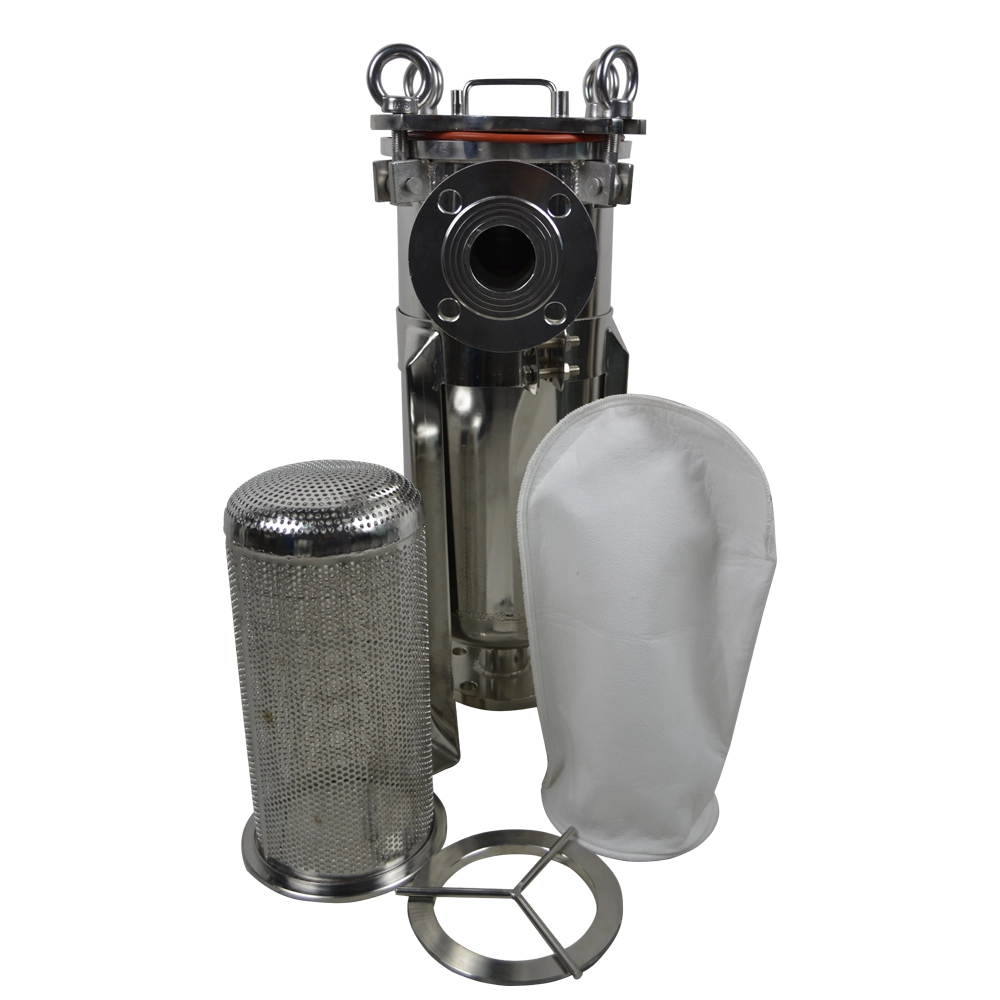
Bag filter housing
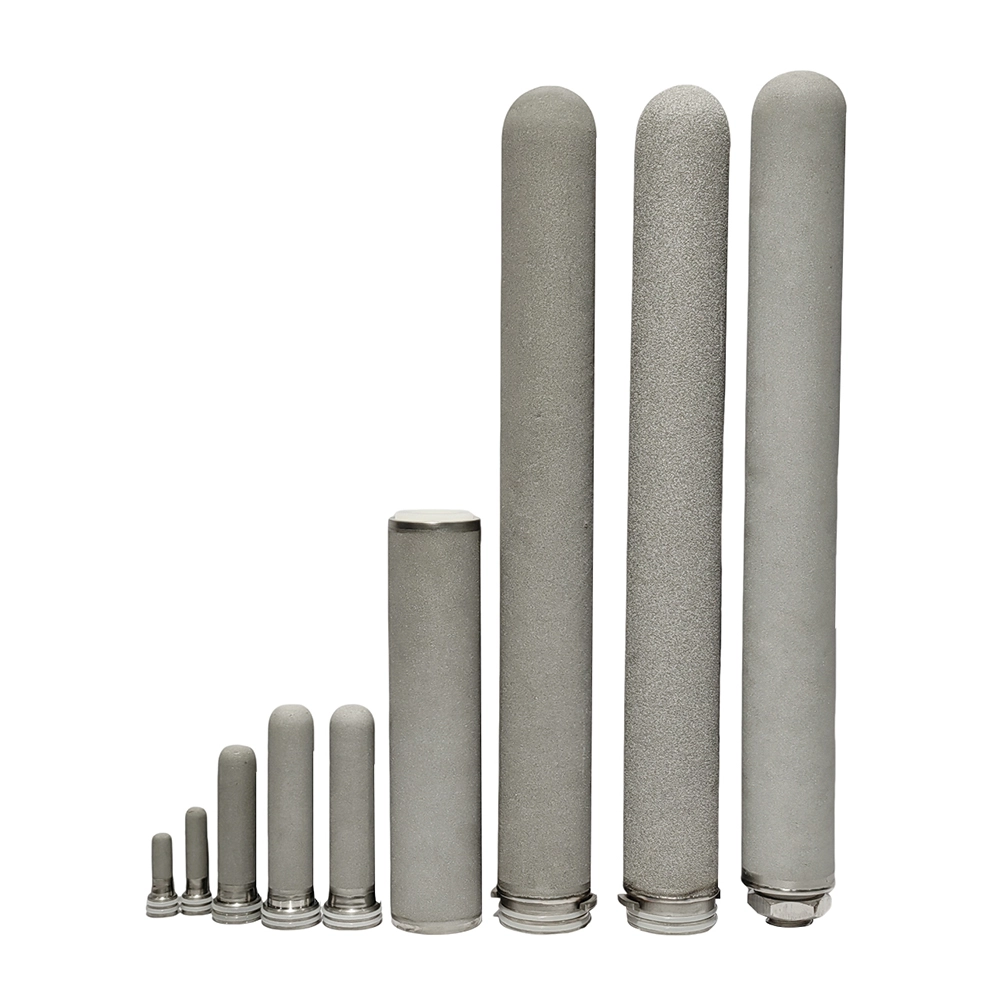
Sintered powder metal filters
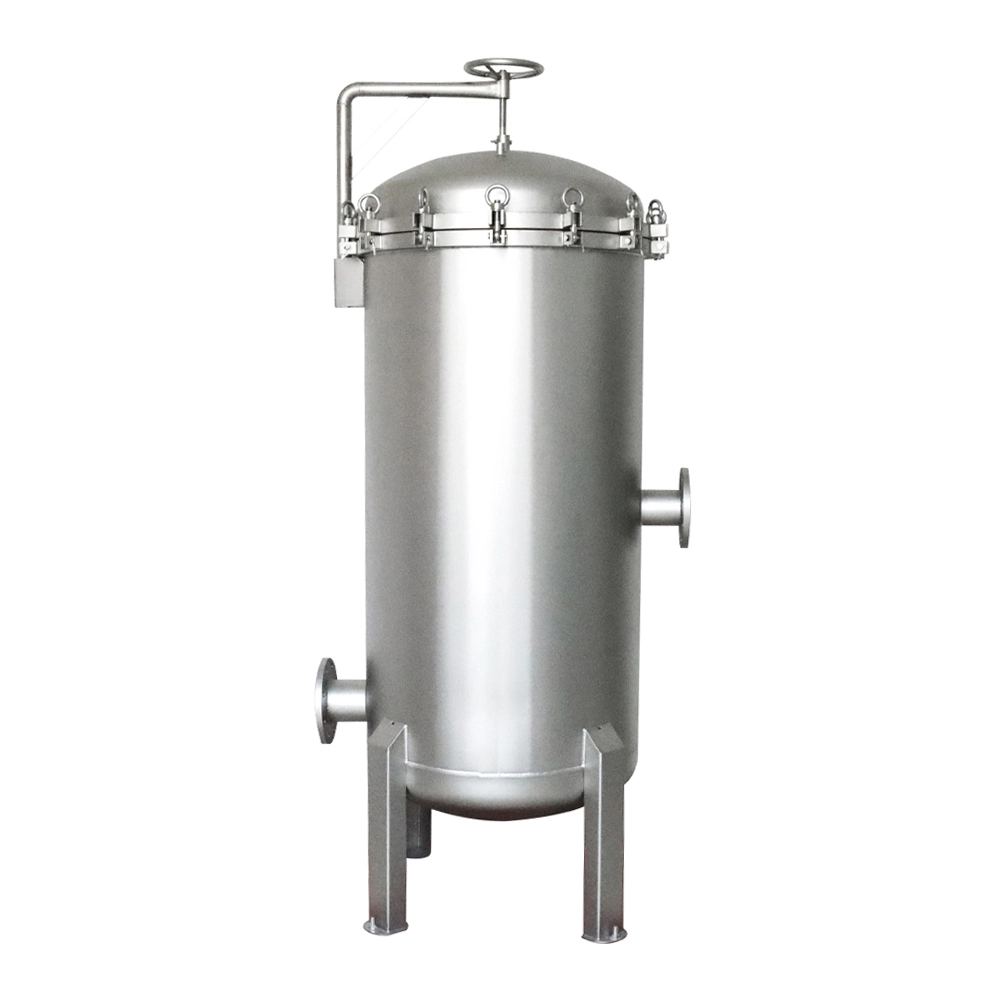
Stainless steel multi cartridge filter housing
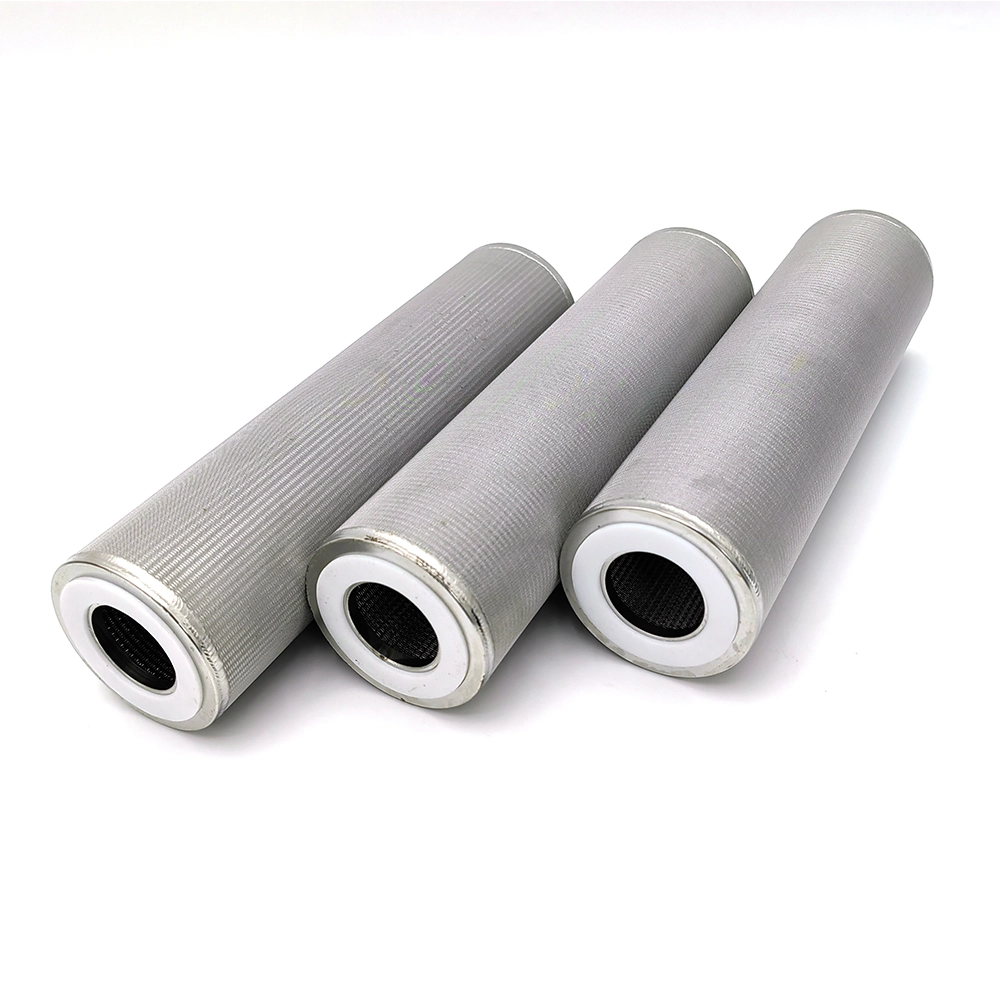
Sintered wire mesh filter
Benefit from outstanding high-pressure resistance and consistent filtration efficiency with our sintered metal mesh. Our sintered wire mesh finds versatile applications in diffuser screens, centrifuges, breather vents, fluidized beds, chromatography, polymer processing, petrochemical industries, hydraulic filters, and more.
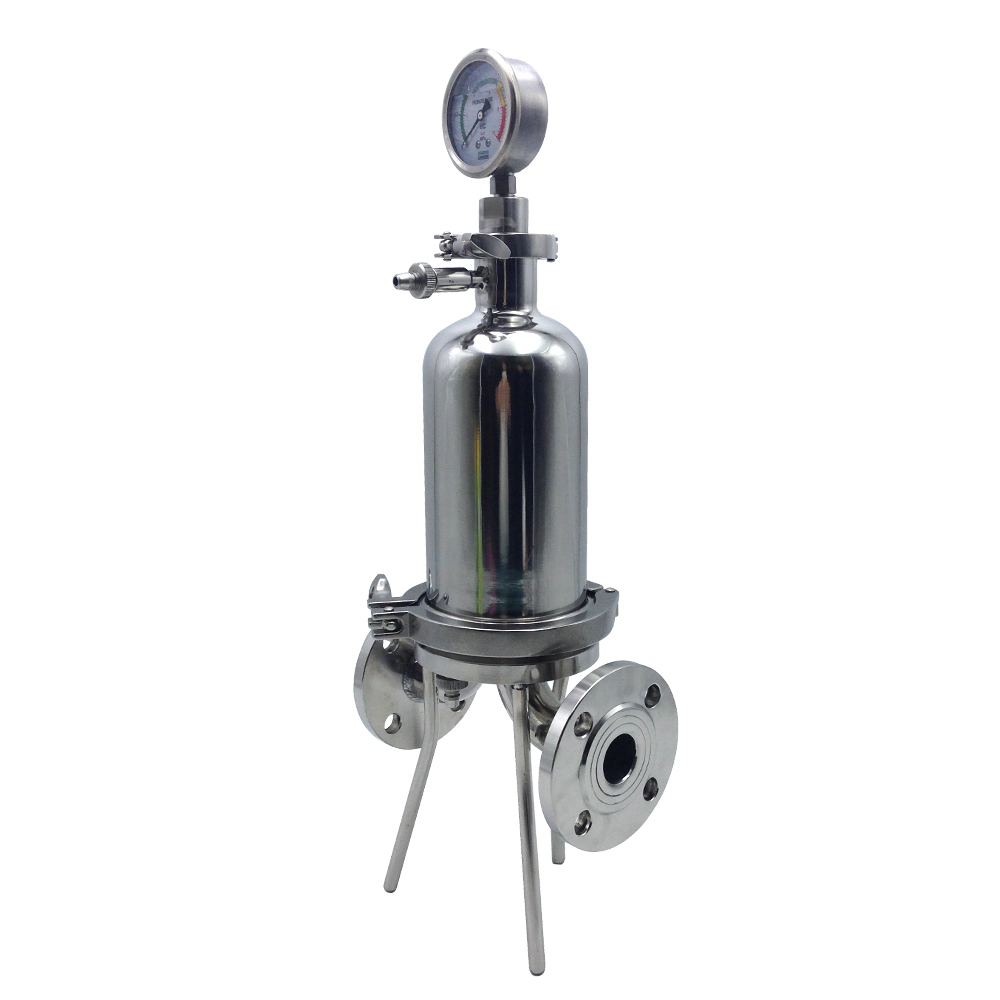
Sanitary filter housing
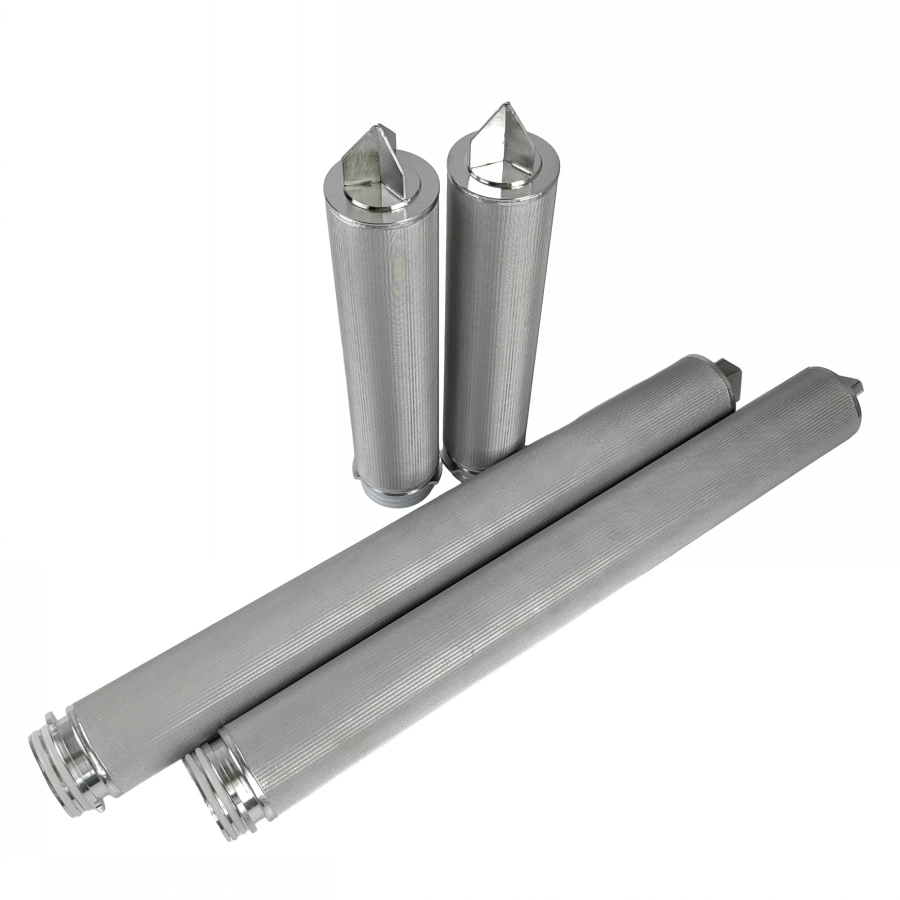
stainless steel filter water
Our sintered stainless steel filter stands as a pivotal filtration element crafted through a meticulous sintering process, with stainless steel serving as the core material.
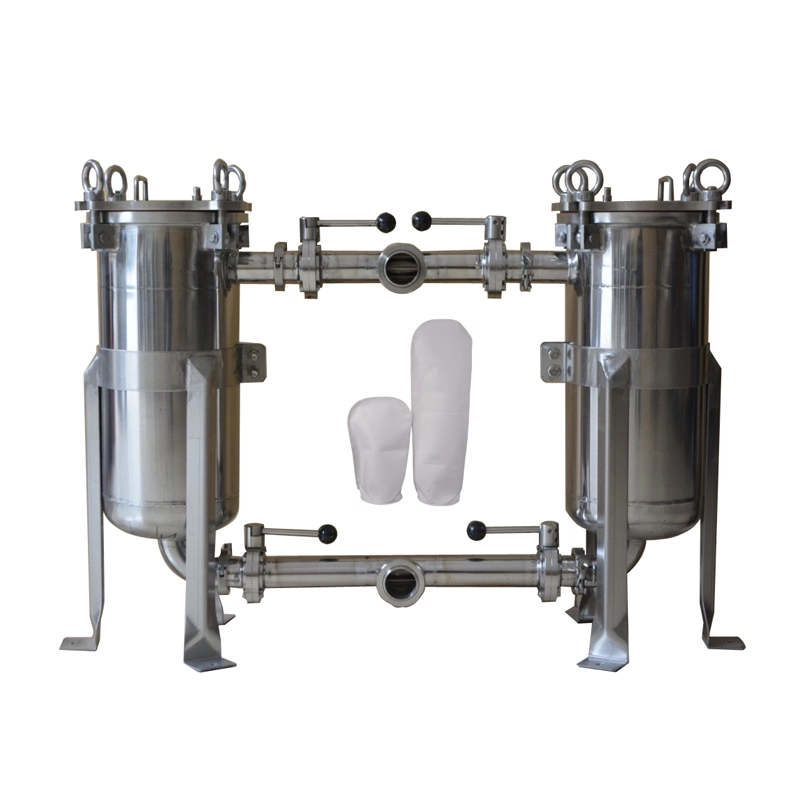
Stainless Steel Duplex filter housing
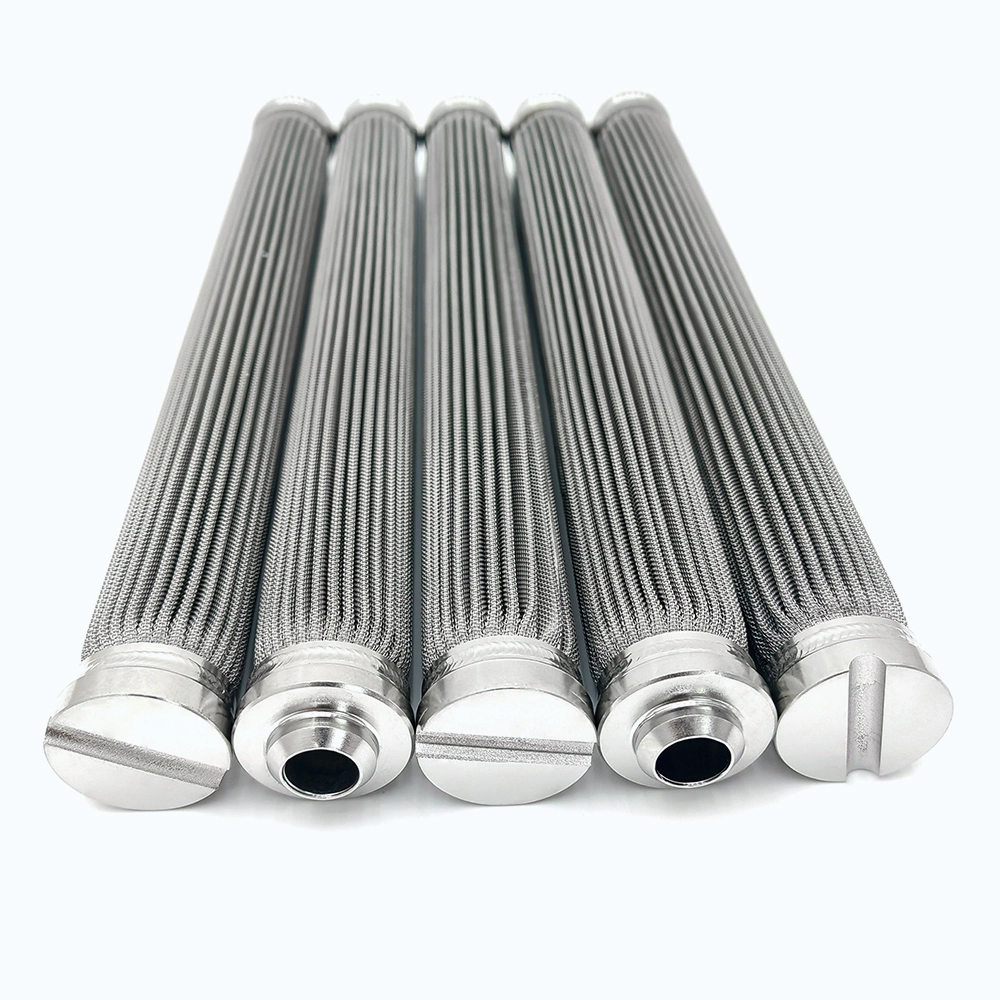
Stainless steel pleated filter cartridge
Our Stainless Steel Pleat Filter Cartridge constructed from high-quality SS 304 or SS 316L material, this filter exhibits exceptional resistance to high temperatures and rust.
© 2024 All Rights Reserved. | Privacy policy • Terms and conditions


