
What is porous filter
- Understanding Porous Filters: A Comprehensive Guide
- What is a Porous Filter?
- The Science Behind Porosity
- Types of Porous Filters
- Sintered Metal Filters
- Stainless Steel Filters
- PE Filters
- Applications of Porous Filters
- Benefits of Porous Filters
- How to Choose the Right Porous Filter
- Lvyuan’s Commitment to Excellence
- About Guangzhou Lvyuan Water Purification Equipment Co., Ltd.
- Conclusion
- FAQ Section
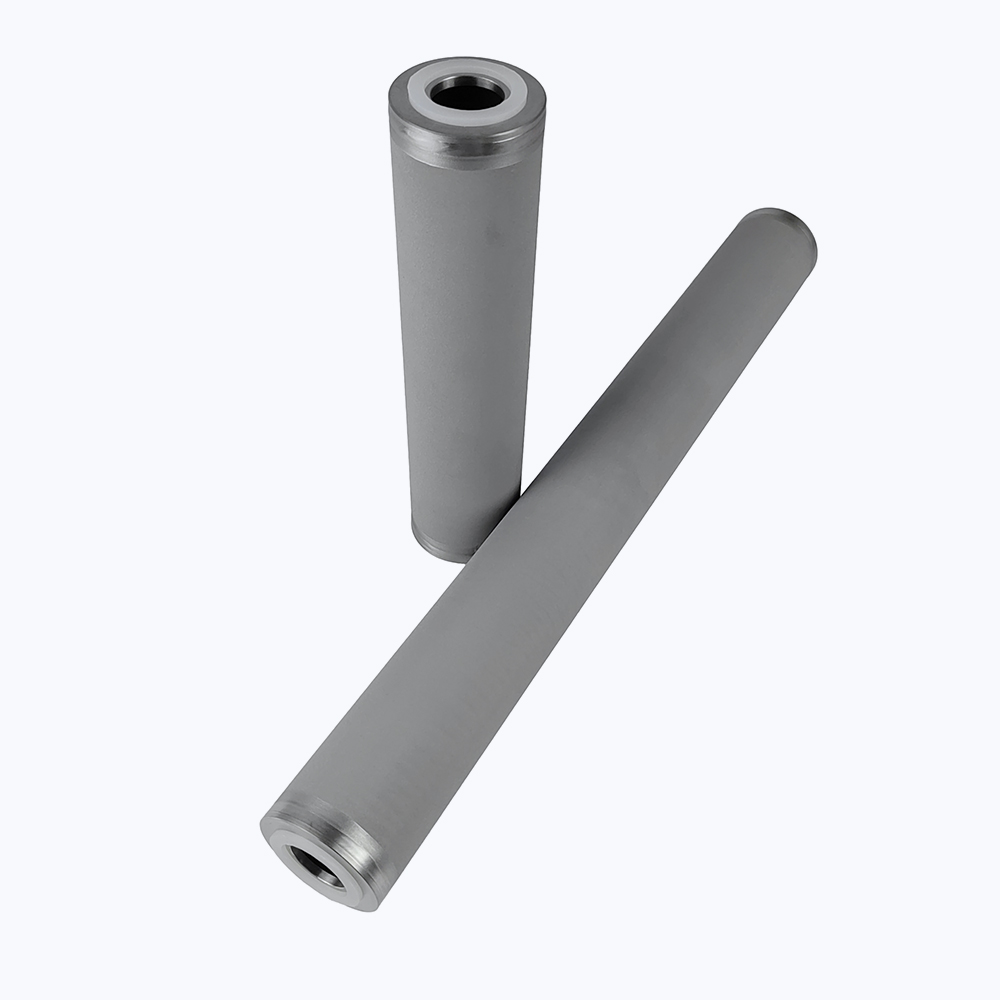
Understanding Porous Filters: A Comprehensive Guide
In the world of liquid and air filtration, porous filters play a pivotal role. Whether in industrial applications or in our everyday lives, these filters are essential for ensuring clean, contaminant-free solutions. This article explores the concept of porous filters, their applications, and why they are indispensable in numerous industries.
What is a Porous Filter?
Porous filters are designed to remove unwanted solid particles from liquids and gases by allowing them to pass through a material with numerous small openings, effectively trapping impurities. The core function of a porous filter lies in its permeable structure, which can vary in size depending on the specific requirements of an application.
The Science Behind Porosity
Porosity refers to the size and distribution of the openings within the filter material. A highly porous filter enables better flow rates while maintaining effectiveness. Porous filters can be made from various materials, including ceramics, metals, and polymers, each chosen for their specific properties such as strength, chemical compatibility, and thermal stability.
Types of Porous Filters
Sintered Metal Filters
Sintered metal filters are renowned for their durability and resistance to high temperatures and pressures, making them suitable for demanding industrial applications. Formed by fusing metal powder particles, they exhibit excellent mechanical strength and corrosion resistance.
Stainless Steel Filters
Stainless steel filters are valued for their longevity and minimal maintenance. They are ideal for processes involving corrosive substances and high temperatures, offering reliable performance over extended periods.
PE Filters
Polyethylene (PE) filters are lightweight, chemically resistant, and typically used in applications where cost-effectiveness and chemical stability are priorities. These filters are commonly found in water treatment and chemical processing industries.
Applications of Porous Filters
Porous filters are employed across myriad sectors, including:
- Food and Beverage: Ensuring the purity of products by removing contaminants from liquids.
- Pharmaceuticals: Aiding in the production of sterile and contaminant-free medicinal products.
- Petrochemicals: Processing and refining hydrocarbons without the risk of contamination.
- Electronics: Filtering air and liquids to protect delicate electronic components.
Benefits of Porous Filters
Porous filters offer several advantages, including high efficiency in removing contaminants, adaptability to various applications, and the ability to withstand extreme environmental conditions. Their versatility in shaping, size, and material further enhances their functionality in diverse settings.
How to Choose the Right Porous Filter
When selecting a porous filter, consider factors such as the size of contaminants, chemical compatibility, flow rate, and operating conditions like temperature and pressure. Consulting with experts, like those at Lvyuan, can provide guidance in choosing the most appropriate filter for your needs.
Lvyuan’s Commitment to Excellence
About Guangzhou Lvyuan Water Purification Equipment Co., Ltd.
Founded in 2009, Lvyuan specializes in the R&D and manufacturing of sintered metal filters, stainless steel filter housings, and other filtration products. With global reach, serving over 1,000 customers in 85 countries, Lvyuan is dedicated to providing top-tier filtration solutions across industries.
Conclusion
Porous filters are a vital component in ensuring safety, quality, and efficiency in various processes. As technology advances, the demand for precise and durable filtration solutions continues to grow. Companies like Guangzhou Lvyuan are at the forefront of this innovation, delivering exceptional products that meet diverse needs worldwide.
FAQ Section
What is a porous filter?
A porous filter is a device used to remove particles from liquids or gases by allowing them to pass through small openings in a material, capturing impurities.
How do you select a porous filter?
Selection depends on factors like the contaminant size, chemical compatibility, flow rate, temperature, and pressure requirements.
What is the difference between sintered metal filters and PE filters?
Sintered metal filters offer strength and high-temperature resistance, while PE filters are known for being lightweight and cost-effective, suitable for chemical applications.
Why choose Lvyuan for filtering needs?
Lvyuan offers expertly crafted solutions with a focus on quality and customer satisfaction, serving a broad range of industries with innovative filtration products.
By creating a well-rounded, SEO-optimized article that emphasizes the importance of porous filters, this content not only informs but also positions Guangzhou Lvyuan as a leader in the filtration industry.
How to Improve the Strength of Sintered Metal Filters | Lvyuan
Discover the Best China Stainless Steel Filter Tube Solutions – Lvyuan
Lvyuan best professional stainless steel filter Manufacturers and supplier brand
What is butterfly stainless steel water filter
For products
Are your sintered metal filters compliant with industry standards?
Yes, our sintered metal filters conform to industry standards, and we ensure compliance with quality management systems such as ISO9001. This commitment reflects our dedication to delivering high-quality filtration solutions.
Porous Plastic Filter
Can sintered porous filter discs withstand high temperatures?
Yes, depending on the material selected (e.g., stainless steel or nickel alloys), sintered porous filter discs can withstand high temperatures, making them suitable for applications involving elevated temperatures.
Metal mesh filters
Can sintered wire mesh filter be used in high-pressure applications?
Yes, sintered wire mesh is suitable for high-pressure applications due to its high strength and durable structure. However, specific pressure ratings may vary based on the material and design, so it's essential to consider these factors.
Sintered Powder Filters
What materials are commonly used in sintered powder filters?
Common materials include stainless steel (316L, 304L), bronze, Inconel®, Nickel, Monel®, Titanium, and other alloys. The material choice depends on the specific application's requirements.
Are sintered powder filters reusable?
Many sintered powder filters are designed to be reusable. They can be cleaned through backwashing or other methods, contributing to their cost-effectiveness and sustainability.
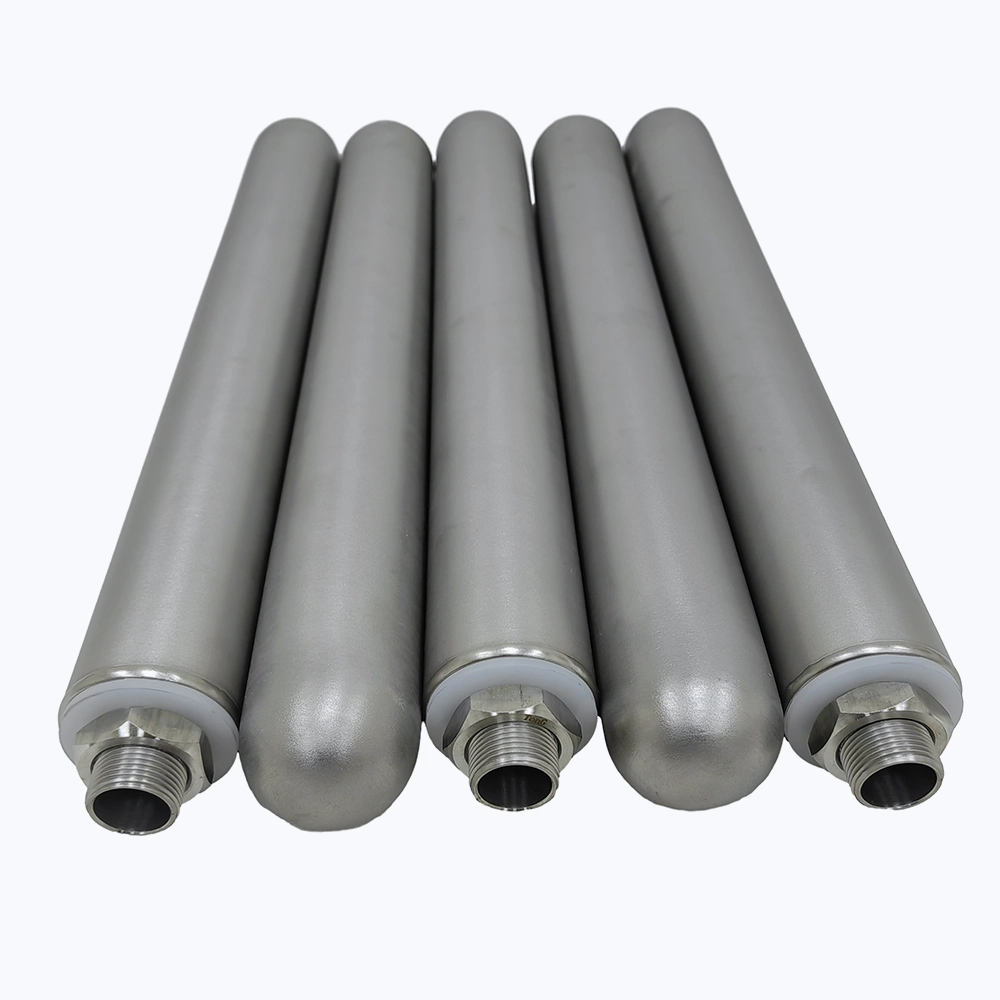
Sintered metal tube
Our Sintered Metal Tube stands as a hallmark of excellence in industrial filtration, offering a robust and efficient solution for various applications.
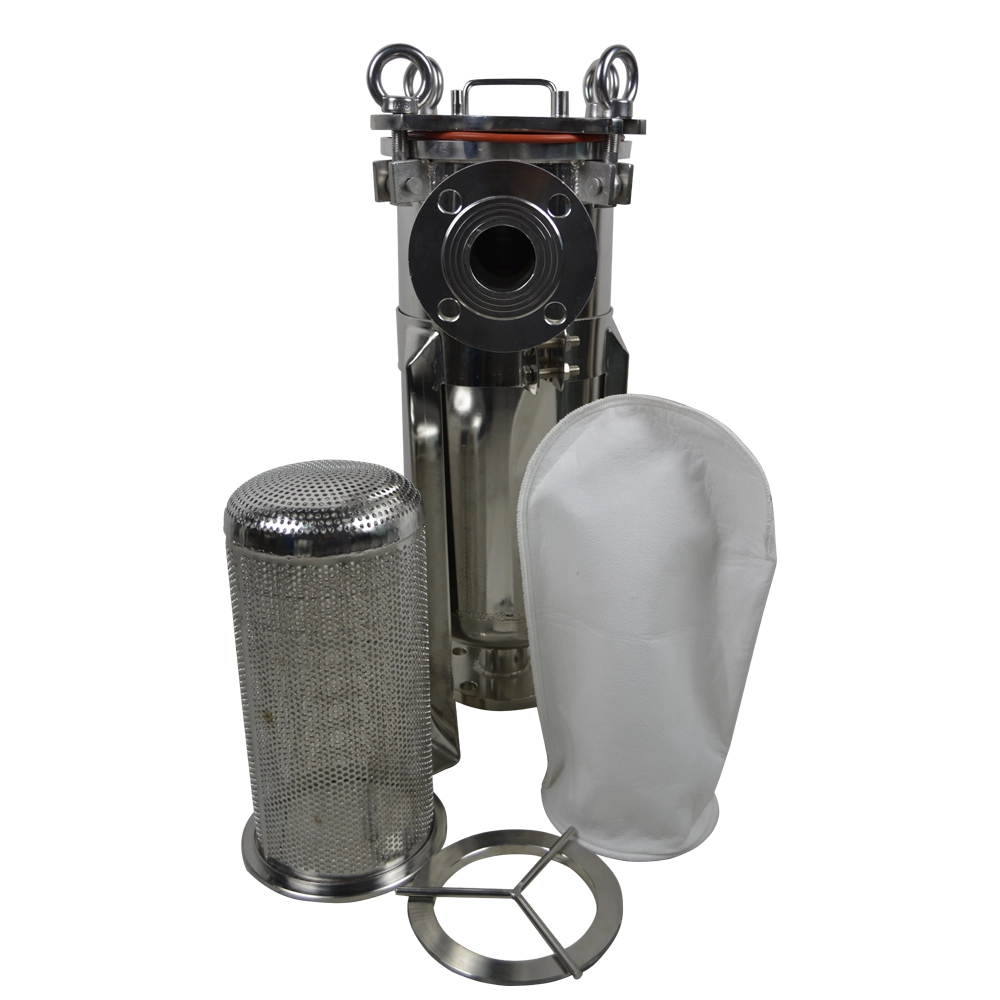
Bag filter housing
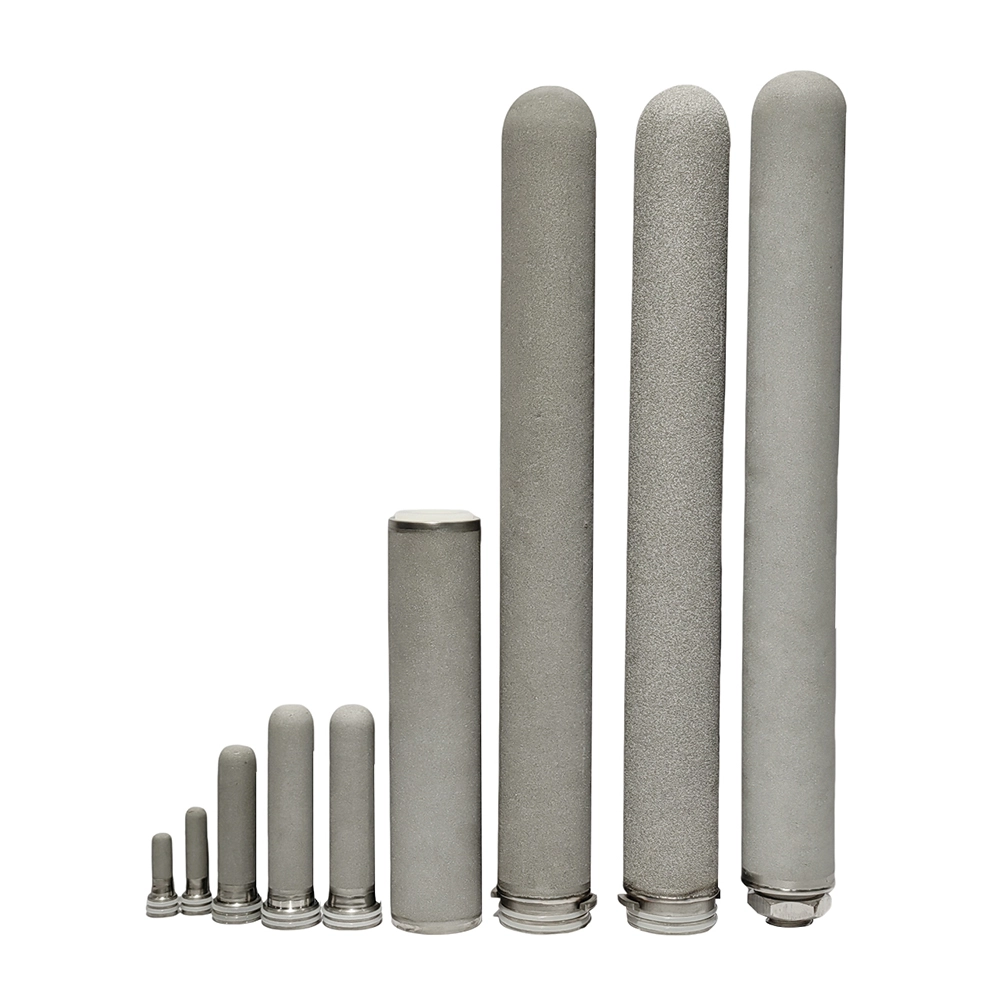
Sintered powder metal filters
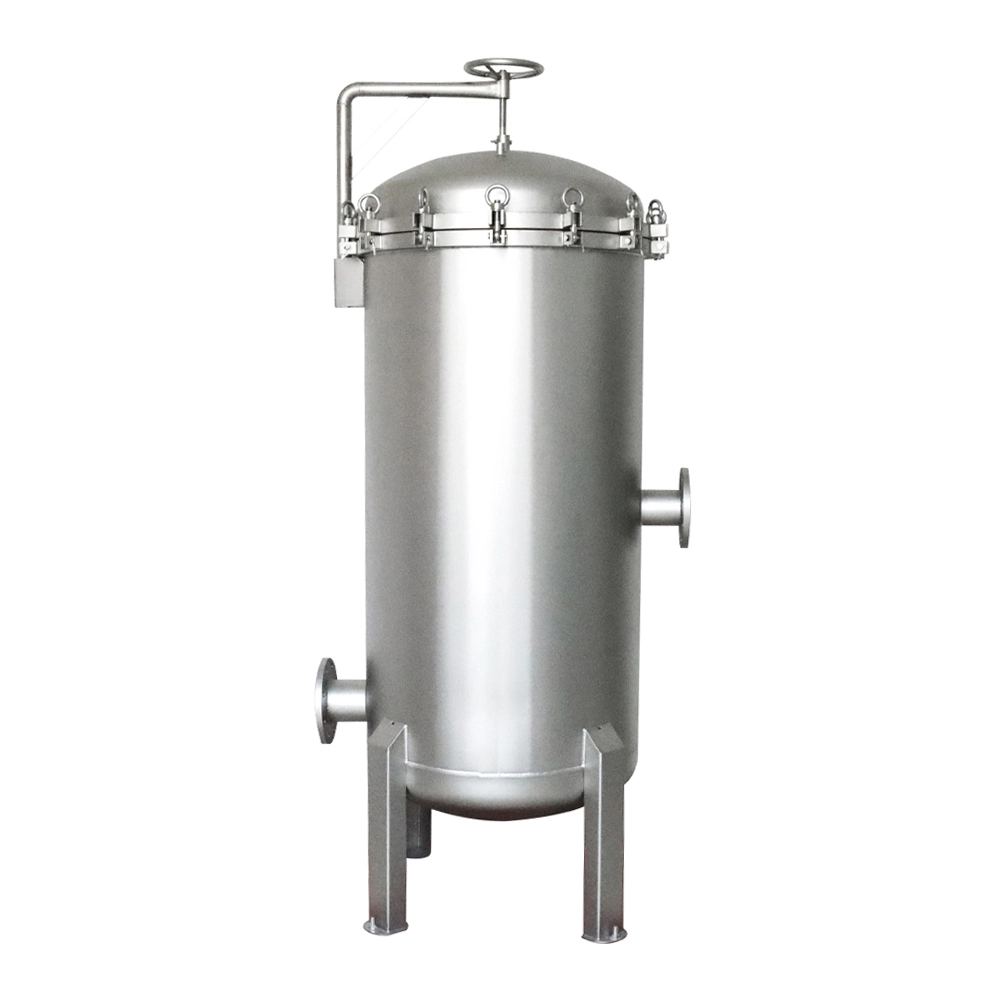
Stainless steel multi cartridge filter housing
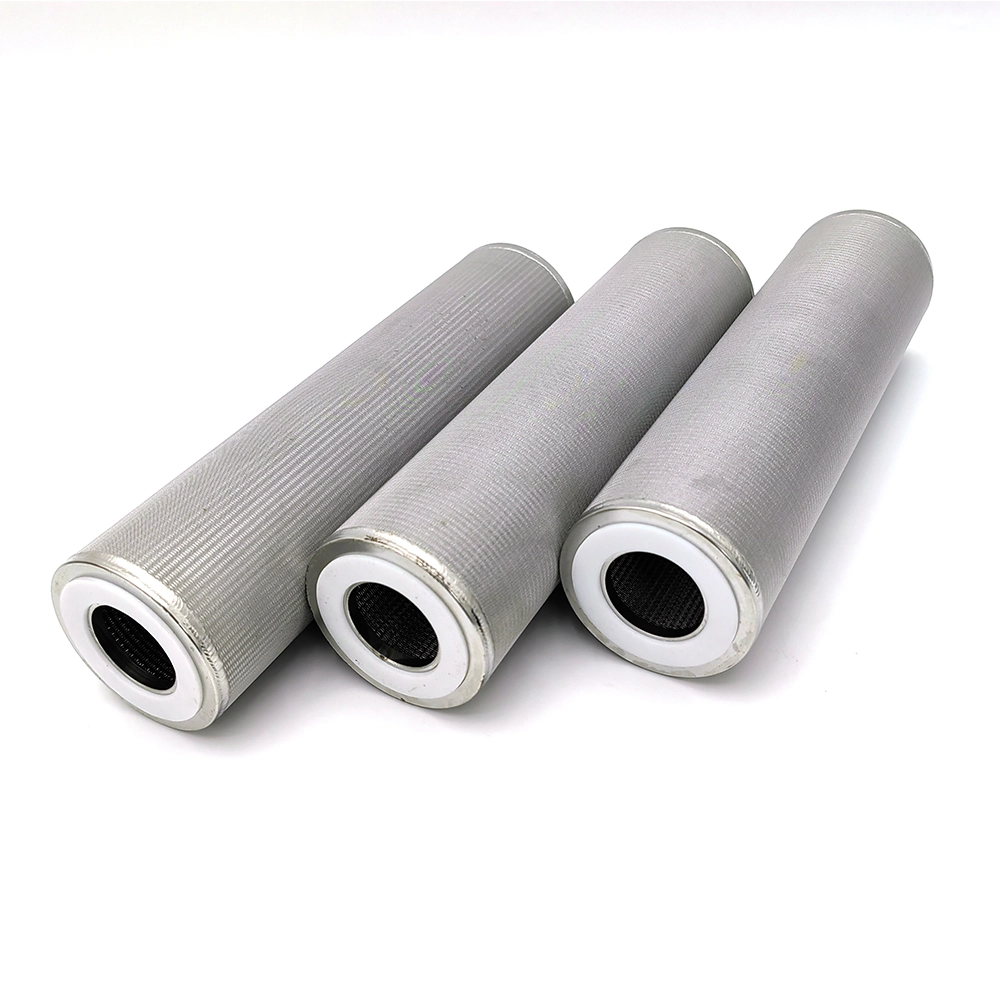
Sintered wire mesh filter
Benefit from outstanding high-pressure resistance and consistent filtration efficiency with our sintered metal mesh. Our sintered wire mesh finds versatile applications in diffuser screens, centrifuges, breather vents, fluidized beds, chromatography, polymer processing, petrochemical industries, hydraulic filters, and more.
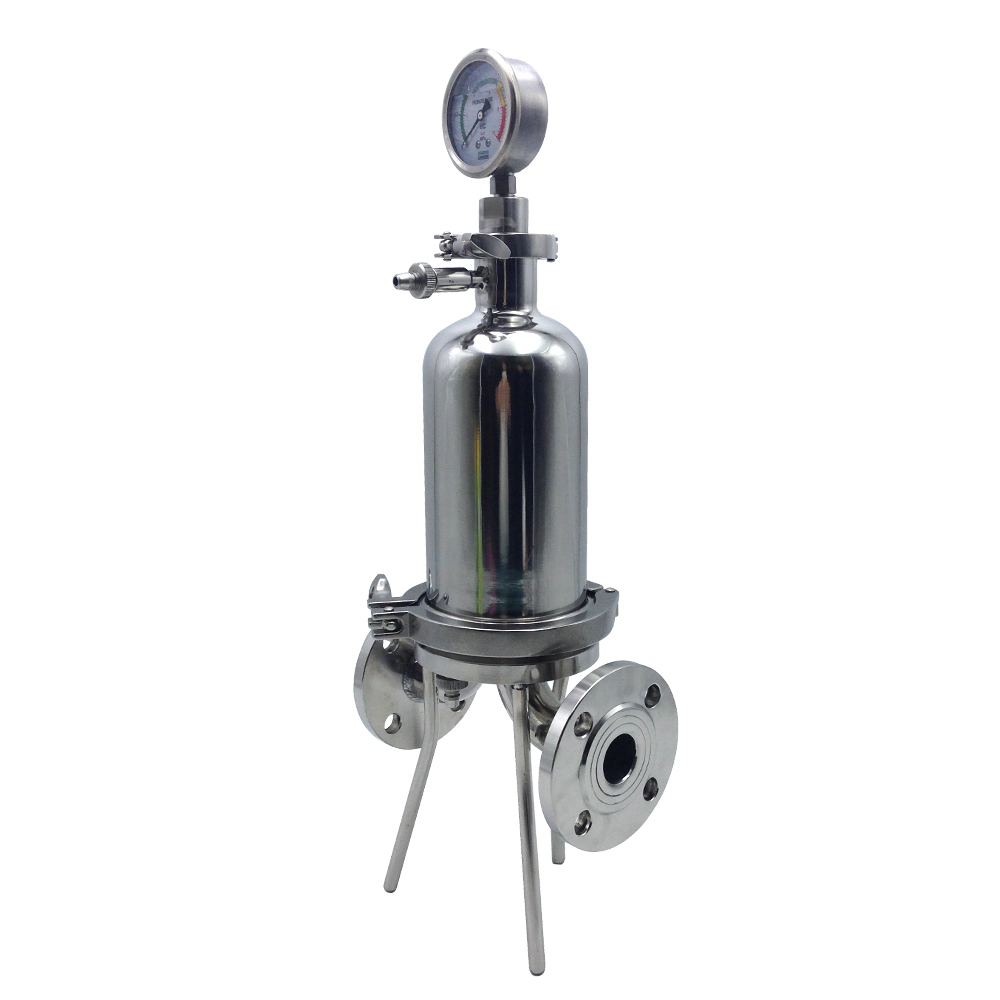
Sanitary filter housing
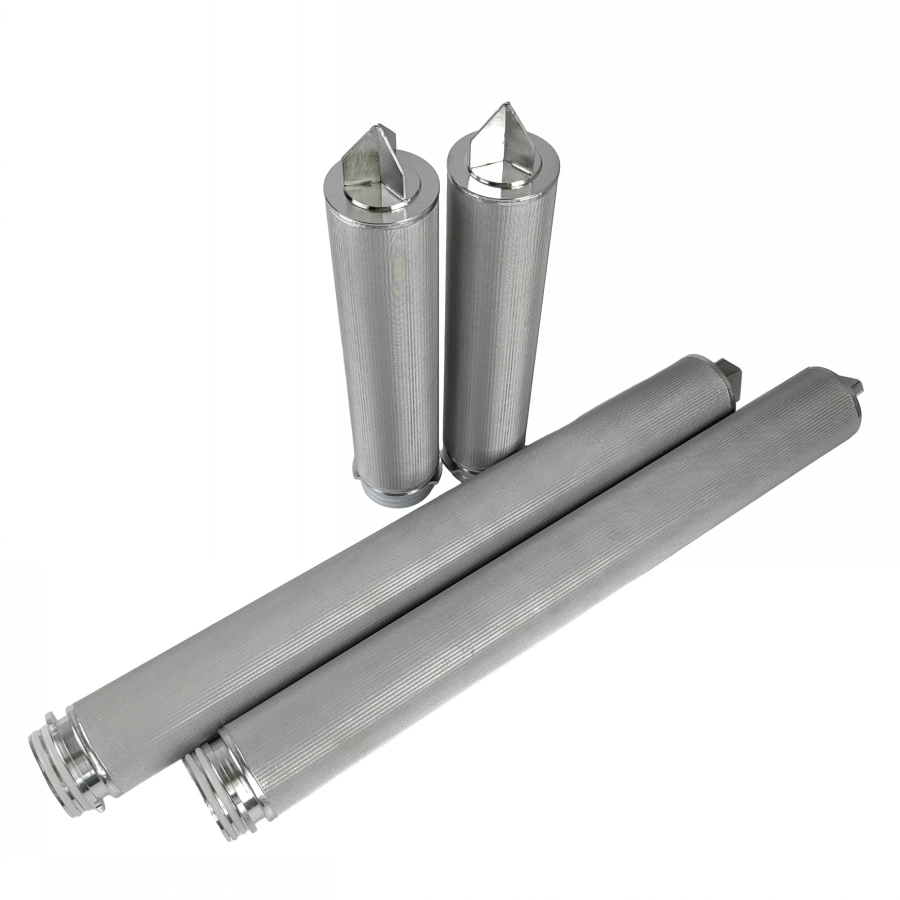
stainless steel filter water
Our sintered stainless steel filter stands as a pivotal filtration element crafted through a meticulous sintering process, with stainless steel serving as the core material.
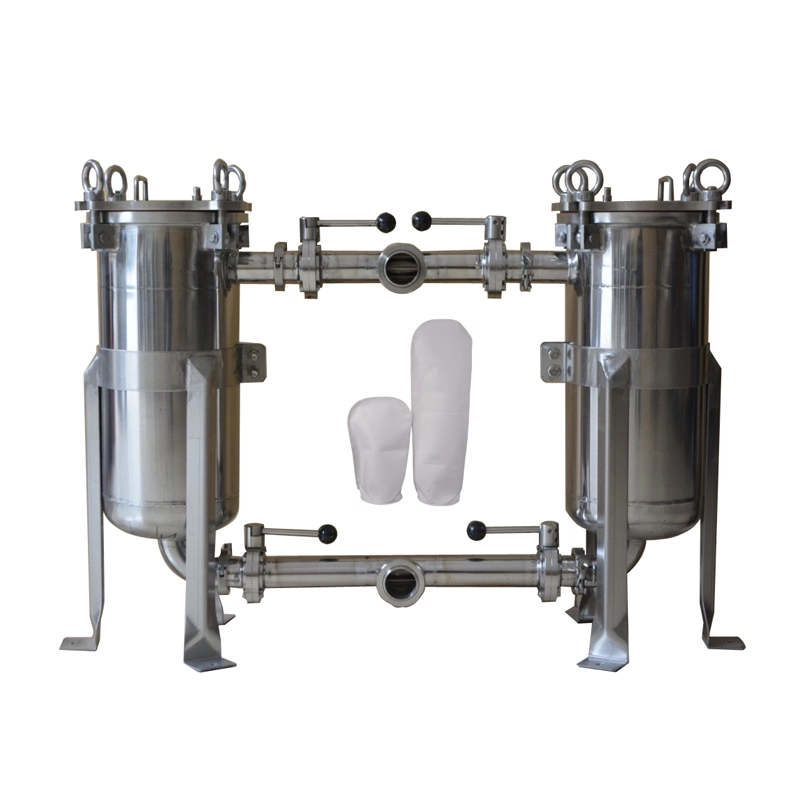
Stainless Steel Duplex filter housing
© 2024 All Rights Reserved. | Privacy policy • Terms and conditions


