
What is porous filter
- What Defines a Porous Filter?
- Types of Porous Filters
- Applications of Porous Filters Across Industries
- The Science Behind Porous Filters: How Do They Work?
- Why Choose Lvyuan for Your Porous Filter Needs?
- Benefits of Using Lvyuan's Porous Filters
- Incorporating Porous Filters in Your Facility
- Conclusion: The Future of Filtration with Lvyuan
- FAQ Section
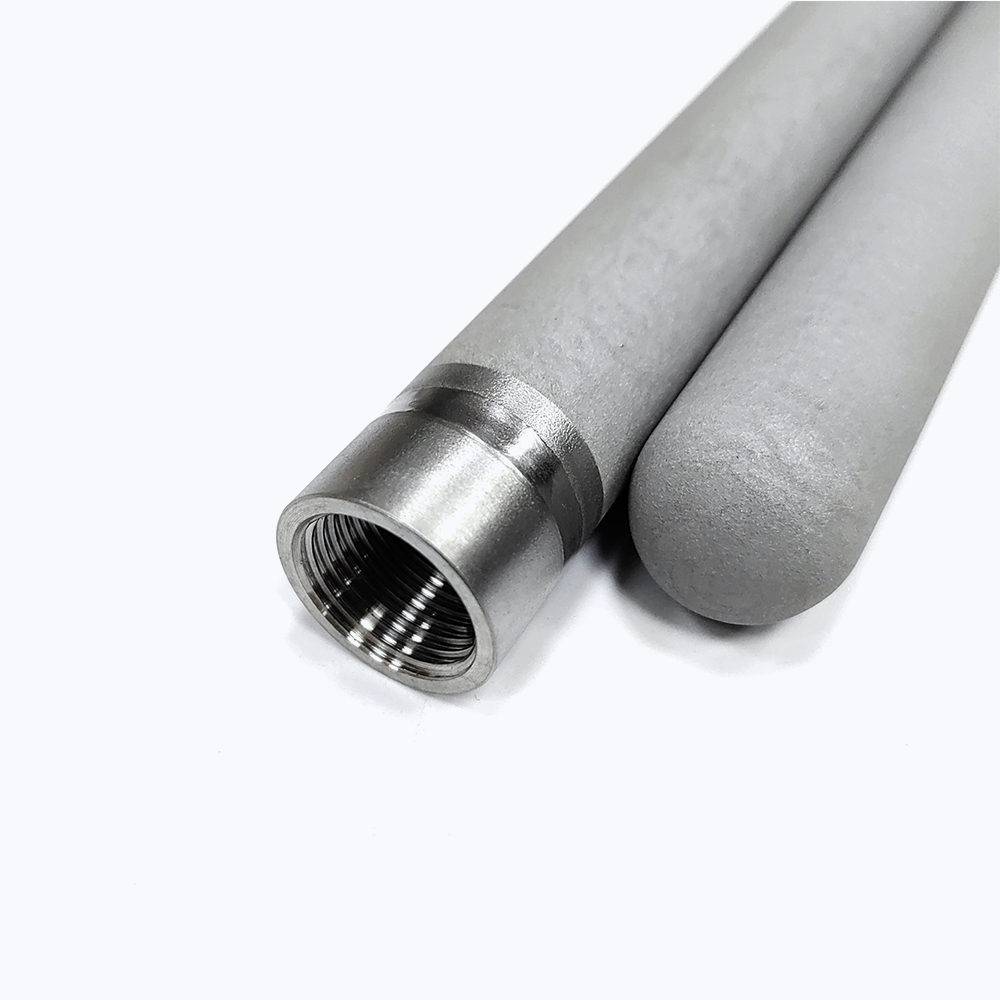
Understanding Porous Filters
In the realm of filtration technology, porous filters have gained significant attention as vital components in numerous industrial applications. At Lvyuan, a pioneer in advanced filtration solutions, our mission is to enlighten users on the indispensable role of these filters in various sectors, from biopharmaceuticals to electronics. This article delves into the fundamentals of porous filters, their types, applications, and why Lvyuan stands out in this competitive industry.
What Defines a Porous Filter?
Porous filters are a type of filter media that features microscopic pores designed to remove particulate matter from liquids and gases. Unlike traditional filters, a porous filter relies on the principle of size exclusion, catching particles within intricate networks of interconnected pores. This unique capability makes porous filters an essential tool for industries demanding high-efficiency filtration.
Types of Porous Filters
Porous filters come in various forms, including sintered metal filters, ceramic filters, and polymer-based filters. Each type serves distinct purposes:
- Sintered Metal Filters: Known for their durability and thermal resistance, these filters are ideal for high-pressure applications and harsh environments.
- Ceramic Filters: With their excellent chemical resistance, ceramic filters are perfect for purifying water and treating corrosive liquids.
- Polymer-Based Filters: These are typically used in situations requiring resistance to acids and bases.
Understanding the different types helps tailor filtration solutions to specific industrial needs.
Applications of Porous Filters Across Industries
Porous filters are versatile, serving numerous industrial domains:
- Food and Beverage Industry: Ensures purity and compliance with safety standards by filtering contaminants from liquids.
- Biopharmaceuticals: Vital for sterilization and separation processes, removing bacteria and other unwanted particles.
- Petrochemical Industry: Handles the harsh environments and high-pressure conditions found in oil and gas processing.
- Electronics and Semiconductors: Provides particulate-free environments essential for manufacturing sensitive electronic components.
The Science Behind Porous Filters: How Do They Work?
Porous filters operate based on selectivity of pore size and structure. As fluids pass through, particulates larger than the pore size are trapped, allowing purified fluid or gas to continue through the system. This efficiency not only enhances product quality but also prolongs the life of industrial equipment by preventing the buildup of contaminants.
Why Choose Lvyuan for Your Porous Filter Needs?
Lvyuan's commitment to quality and innovation sets us apart. Since 2009, we've been at the forefront of developing cutting-edge filtration solutions, such as our acclaimed sintered metal filters and stainless steel filter housings. Our focus on R&D ensures each product meets both industry standards and specific client needs.
- Customization: Offering OEM and ODM services to tailor filters for unique applications.
- Certifications: We boast prestigious certifications, including CE, ROHS, and SGS, validating our adherence to global quality standards.
Benefits of Using Lvyuan's Porous Filters
When you choose Lvyuan, you benefit from:
- Superior Efficiency: Our filters deliver a high level of filtration, ensuring optimal performance and longevity.
- Sustainability: Designed with durable materials to reduce waste and improve sustainability in your operations.
- Global Reach: Serving over 1,000 customers in 85 countries, we have a broad and diversified client base.
Incorporating Porous Filters in Your Facility
When integrating porous filters into your facility, it's crucial to assess the specific requirements pertaining to flow rate, pressure, and chemical compatibility. Lvyuan provides comprehensive consultations to help you select the appropriate solution.
Conclusion: The Future of Filtration with Lvyuan
The world of filtration is rapidly evolving, and porous filters are at the heart of this technological revolution. With Lvyuan's expertise, you can enhance efficiency, reduce environmental impact, and ensure compliance with industry standards. Our relentless pursuit of excellence makes us the preferred choice for filtration solutions worldwide.
FAQ Section
What is a porous filter used for?
Porous filters are used to remove particulates from gases and liquids, ensuring purity and efficiency across various industrial applications.
How does a porous filter work?
These filters function by trapping particles larger than their pore size within an interconnected network, allowing only clean fluid to pass through.
What types of porous filters does Lvyuan offer?
Lvyuan provides a variety of porous filters, including sintered metal filters, polymer-based filters, and ceramic filters, tailored to specific industrial needs.
Why choose Lvyuan for porous filters?
Lvyuan offers high-quality, customizable filtration solutions backed by certifications such as CE and ROHS, along with a presence in 85 countries.
Meta Title and Description for Google
Reliable Sintered Metal Filters Suppliers | Lvyuan
What are the different types of sinter filter?
What is sintered porous filter
Custom high quality sintered metal filter Manufacturers and suppliers
Sintered Titanium Filters
Do Sintered Titanium Filters Offer High Flow Rates?
Yes, sintered titanium filters support high flow rates at low-pressure drops, optimizing efficiency and ensuring consistent filtration performance.
Metal mesh filters
How can I choose the right sintered wire mesh filter for my application?
Consider factors such as material compatibility, pore size, thickness, and dimensions based on your application requirements. Consult with the manufacturer or supplier for expert guidance on selecting the most suitable sintered wire mesh for your specific needs.
Sintered Powder Filters
How is the filtration accuracy of sintered powder filters determined?
The filtration accuracy is determined by the pore size and micron rating of the sintered powder filter. These parameters can be customized based on the application's particle filtration requirements.
Stainless Steel Cartridge Filter Housing
What are the benefits of using stainless steel cartridge filter housings?
Stainless steel cartridge filter housings offer corrosion resistance, durability, and hygiene, making them suitable for use in a wide range of industries, including food and beverage, pharmaceuticals, chemicals, and water treatment.
Sintered Metal Filter
What is the cleaning process for industrial sintered metal filter cartridges?
Cleaning methods include backwashing, ultrasonic cleaning, chemical cleaning, or a combination of these, depending on the type of contaminants and the cartridge material.
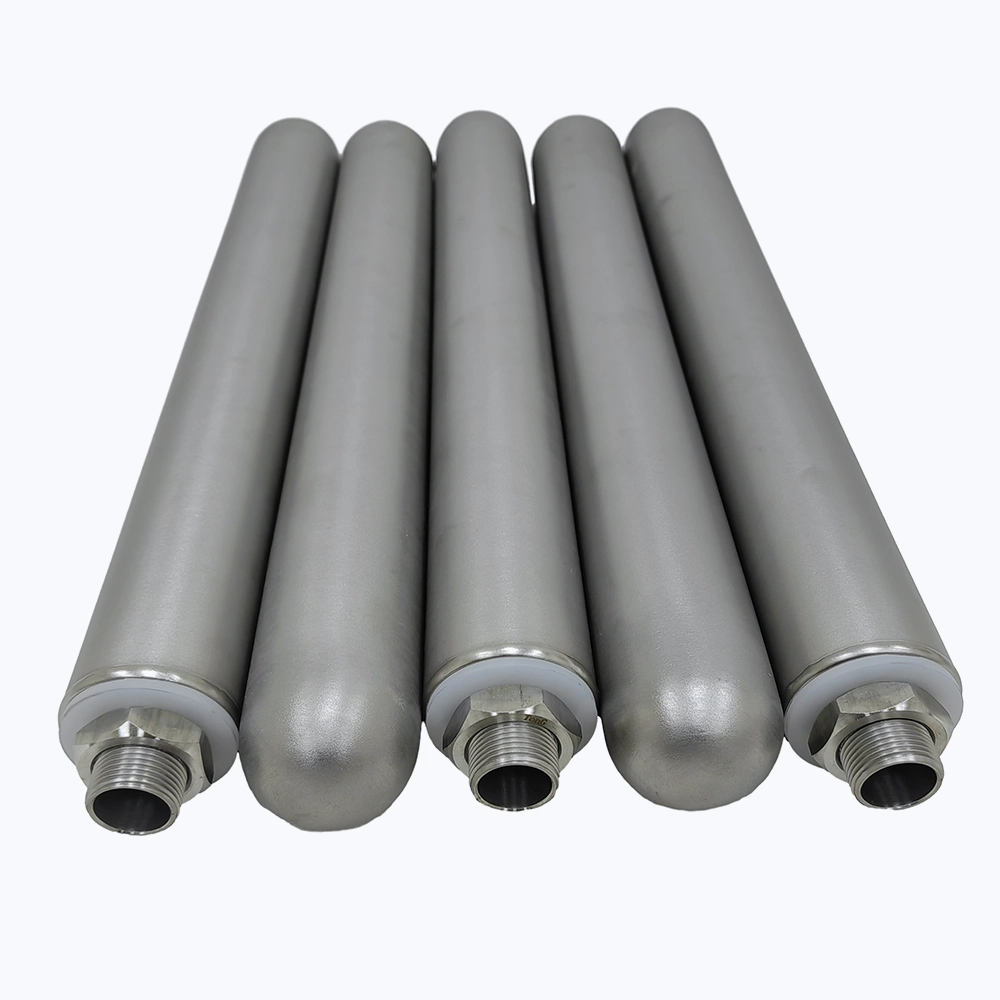
Sintered metal tube
Our Sintered Metal Tube stands as a hallmark of excellence in industrial filtration, offering a robust and efficient solution for various applications.
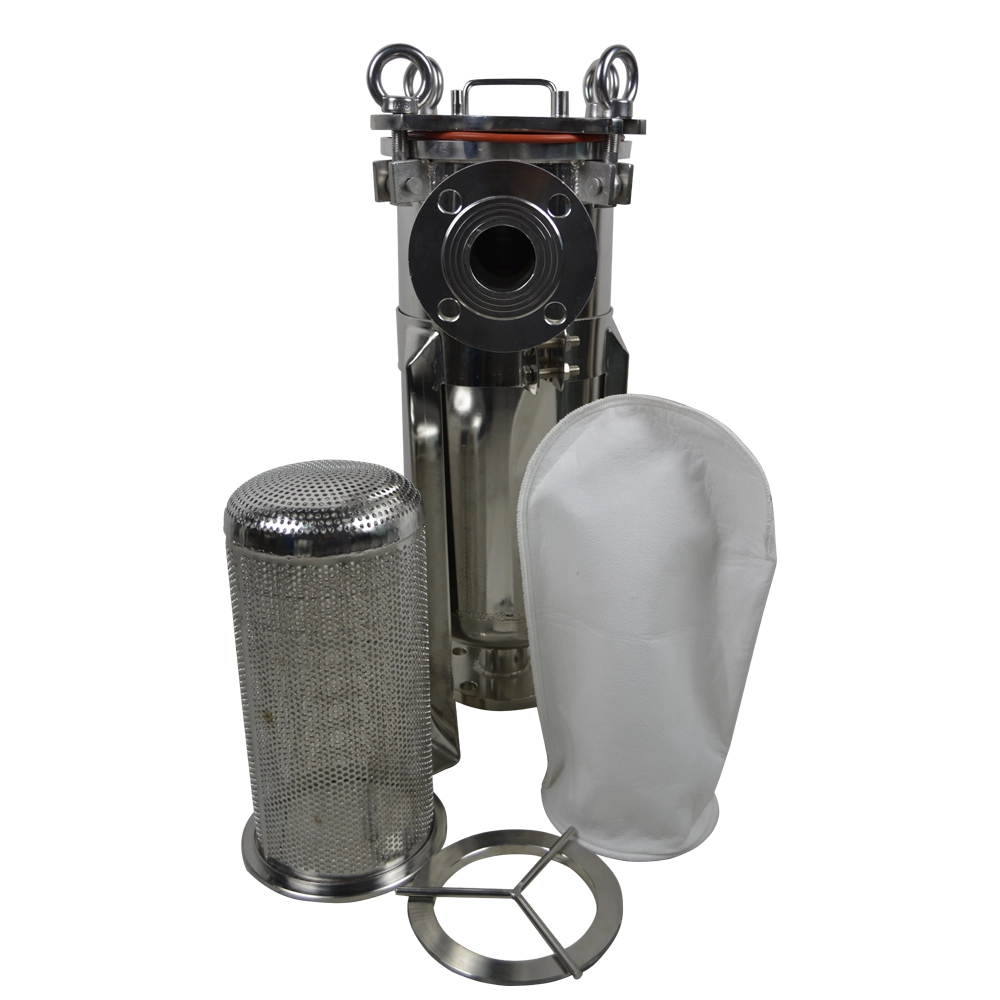
Bag filter housing
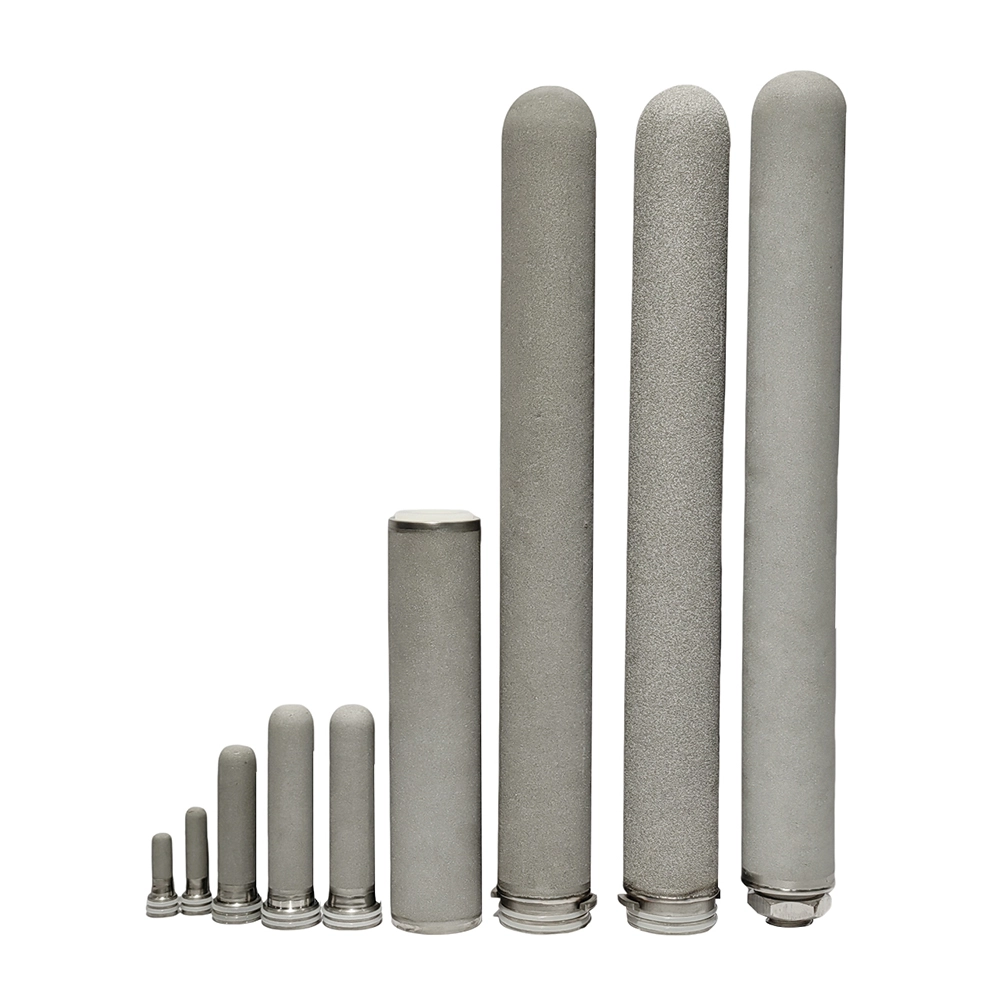
Sintered powder metal filters
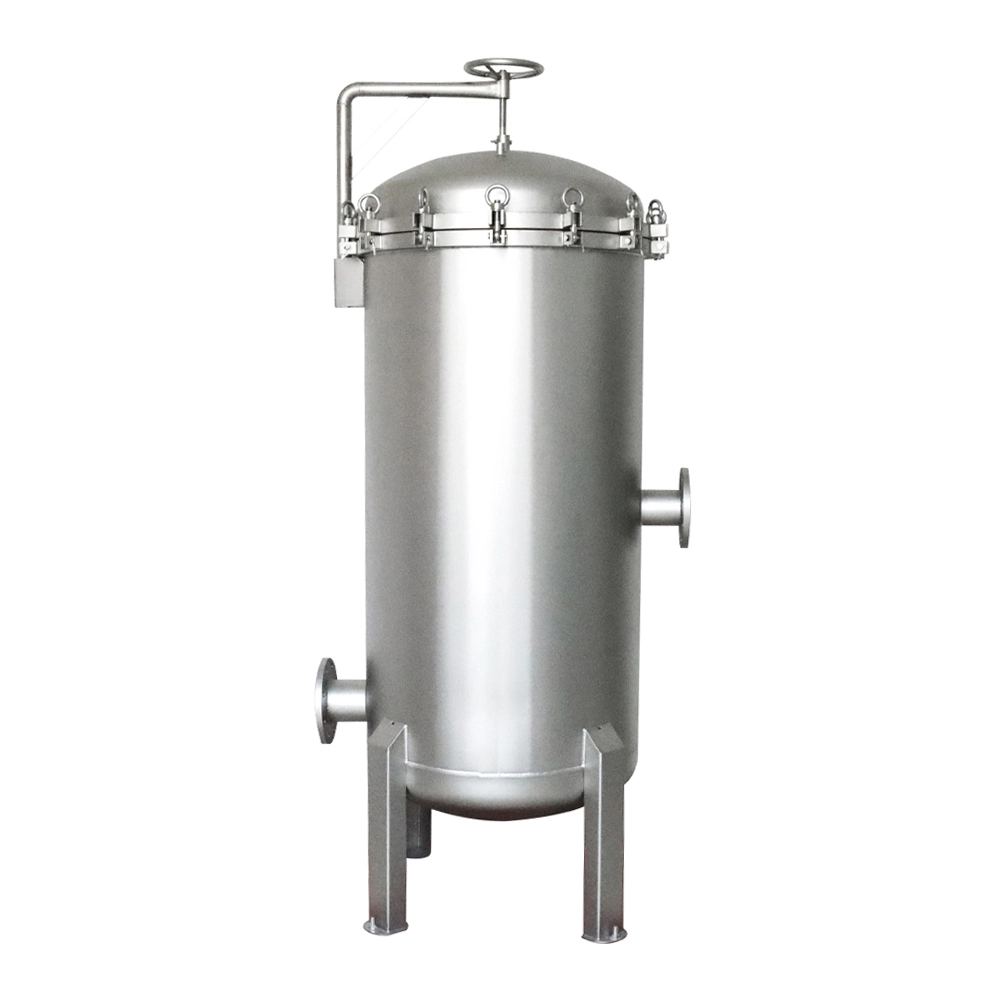
Stainless steel multi cartridge filter housing
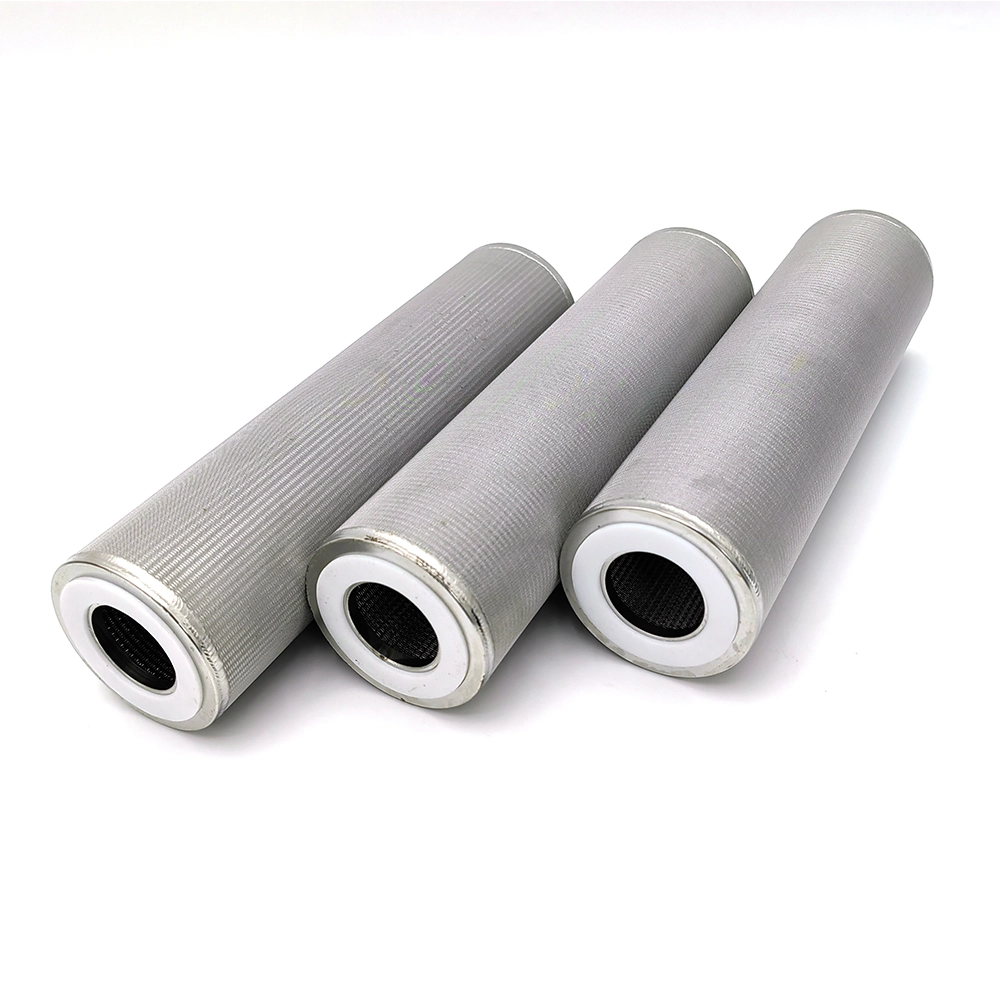
Sintered wire mesh filter
Benefit from outstanding high-pressure resistance and consistent filtration efficiency with our sintered metal mesh. Our sintered wire mesh finds versatile applications in diffuser screens, centrifuges, breather vents, fluidized beds, chromatography, polymer processing, petrochemical industries, hydraulic filters, and more.
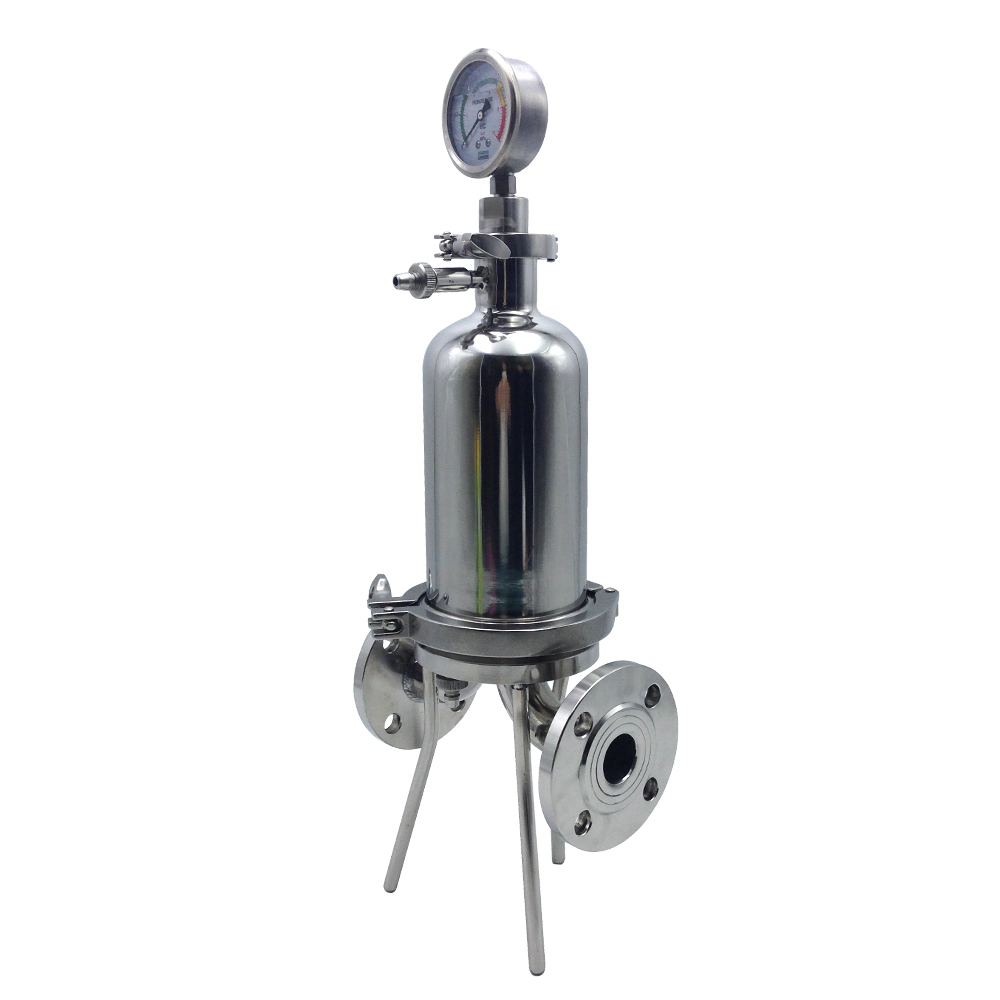
Sanitary filter housing
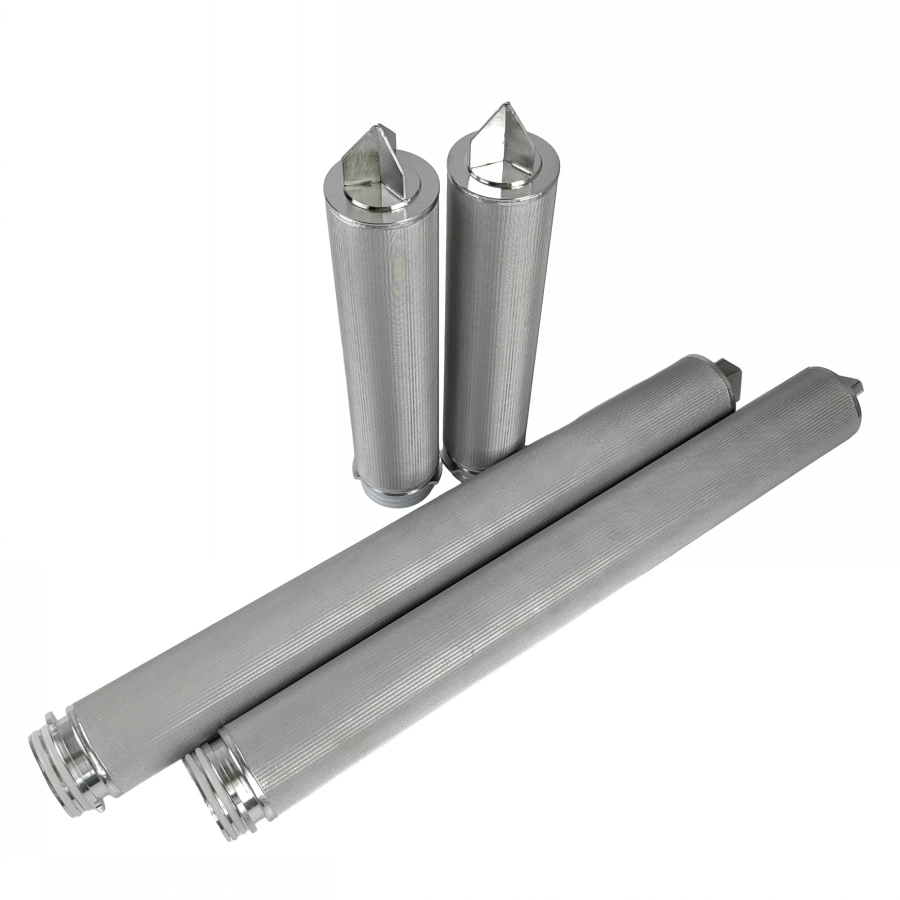
stainless steel filter water
Our sintered stainless steel filter stands as a pivotal filtration element crafted through a meticulous sintering process, with stainless steel serving as the core material.
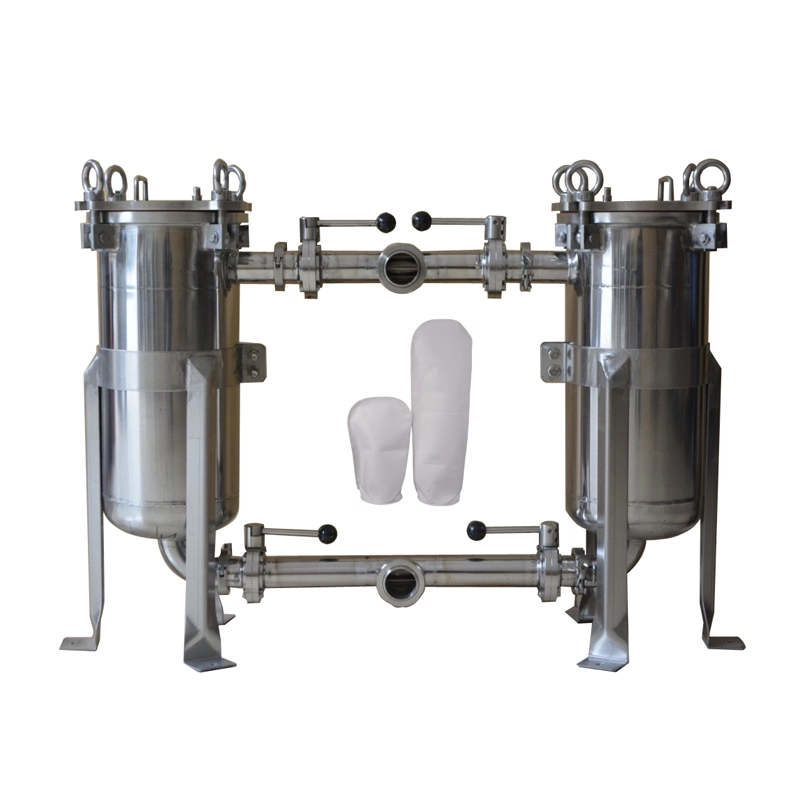
Stainless Steel Duplex filter housing
© 2024 All Rights Reserved. | Privacy policy • Terms and conditions


