
How to Clean Sintered Metal Filters: A Comprehensive Guide
Discover effective strategies for maintaining and enhancing the longevity of your sintered metal filters with our comprehensive guide. Learn expert tips on how to clean sintered metal filters efficiently, ensuring optimal performance and durability. Trust us for reliable solutions tailored to your filtration needs.
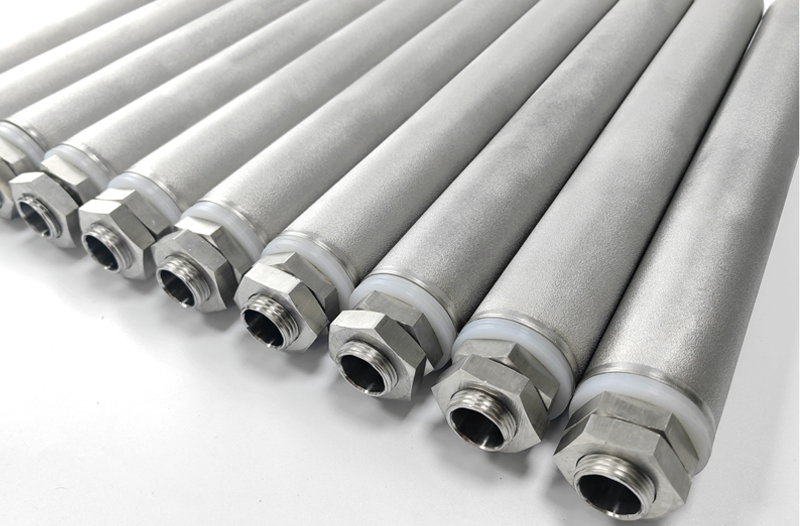
Sintered metal filters and ceramic filters represent a significant investment in industrial applications, and keeping them clean is essential to lowering operational costs and maintaining efficiency. This blog post discusses effective cleaning methods for high-value industrial filter elements, specifically focusing on sintered metal filters.
Why Clean Sintered Metal Filters?
Sintered metal filters are crucial for maintaining the purity of fluids in various industrial processes. However, over time, these filters can become clogged with particles and contaminants, necessitating a cleaning protocol to restore their functionality. Regular cleaning not only extends the life of the filter but also reduces the need for frequent replacements, thereby lowering production costs.
Common Cleaning Methods for Sintered Metal Filters
There are several cleaning methods available for industrial filter elements. Here, we outline the most common techniques: chemical cleaning and physical cleaning methods.
1. Chemical Cleaning Method
The chemical cleaning method involves immersing the filter in specific chemical solvents while applying ultrasonic radiation. Here’s how it works:
· Process: The filter is soaked in a suitable chemical solvent to dissolve contaminants. During this process, ultrasonic waves are applied to enhance the cleaning effectiveness.
· Duration: The soaking time and ultrasonic exposure can be adjusted based on the level of contamination. A heavier buildup may require longer soaking times.
· Drying: After cleaning, the filter should be allowed to dry naturally using clean air.
Advantages:
This method can effectively remove stubborn contaminants.
Disadvantages:
Chemical solvents can be harmful to the environment, making disposal challenging.
The cleaning cost is generally higher, especially if ultrasonic methods are not used in tandem.
If not used with ultrasonic assistance, the cleaning efficiency can be inadequate.
2. Physical Cleaning Methods
Physical cleaning methods utilize pressure or mechanical action to remove contaminants and are generally more environmentally friendly.
1) Pressure Cleaning Method
Also known as backwashing, this technique employs inert gases (such as nitrogen) or liquids to reverse the flow through the filter.
· Process: The gas or liquid is forced through the filter in the opposite direction, effectively dislodging particles.
· Suitability: This method is primarily applicable to metal sintered filters and can be performed online without disassembling the filtration system.
Advantages:
Effective for removing larger particles and buildup without additional chemicals.
Disadvantages:
While it’s a good method for metal filters, it may not be suitable for more delicate ceramic filters, which could be damaged by the high-pressure flow.
2) Ultrasonic Cleaning Method
The ultrasonic cleaning method is recognized as the most effective and environmentally friendly solution for filter cleaning.
· Process: Depending on the filter's level of contamination and filtration precision, different ultrasonic methods can be applied, including distributed ultrasonic cleaning, bar-type ultrasonic cleaning, and energy-focused ultrasonic cleaning.
· Frequency Options: The cleaning frequency can vary (15 kHz, 20 kHz, 25 kHz, 30 kHz, or 40 kHz) based on the material of the filter and its specific requirements.
· Energy Density: Higher energy composite ultrasonic methods are generally preferred for cleaning sintered metal filters.
Advantages:
· High cleaning efficiency with environmentally safe methods.
· Adjustable frequency and cleaning intensity tailored to the specific needs of the filter material.
· Some companies also integrate ultrasonic technology within filters to assist in filtration and offer on-line cleaning, thus extending the service life of the filter.
Conclusion
Maintaining the cleanliness of sintered metal filters through efficient cleaning techniques is vital for sustaining operational efficiency and reducing costs. While chemical methods can be effective, they often come with environmental concerns and higher costs. However, physical methods like pressure cleaning and ultrasonic cleaning offer effective, more environmentally friendly alternatives. By understanding and implementing these cleaning options, industries can maximize the lifespan of their sintered metal filters and enhance overall productivity.
Choose the right cleaning method based on your filtration needs, and watch as your sintered metal filters perform at their best, contributing to the success of your operations.
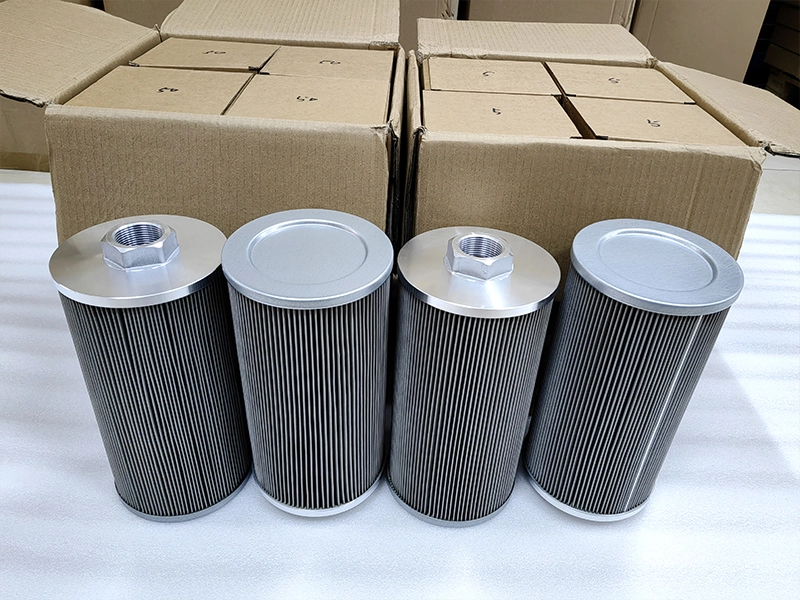
What is Sintered Metal Filter? Complete Guide
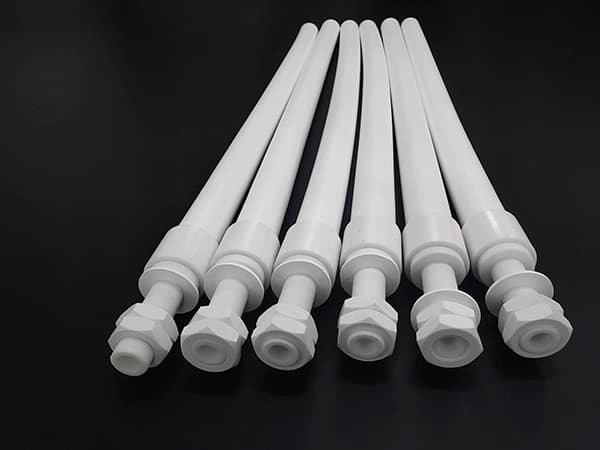
Sintered PTFE Filters: Advanced Filtration for Demanding Environments
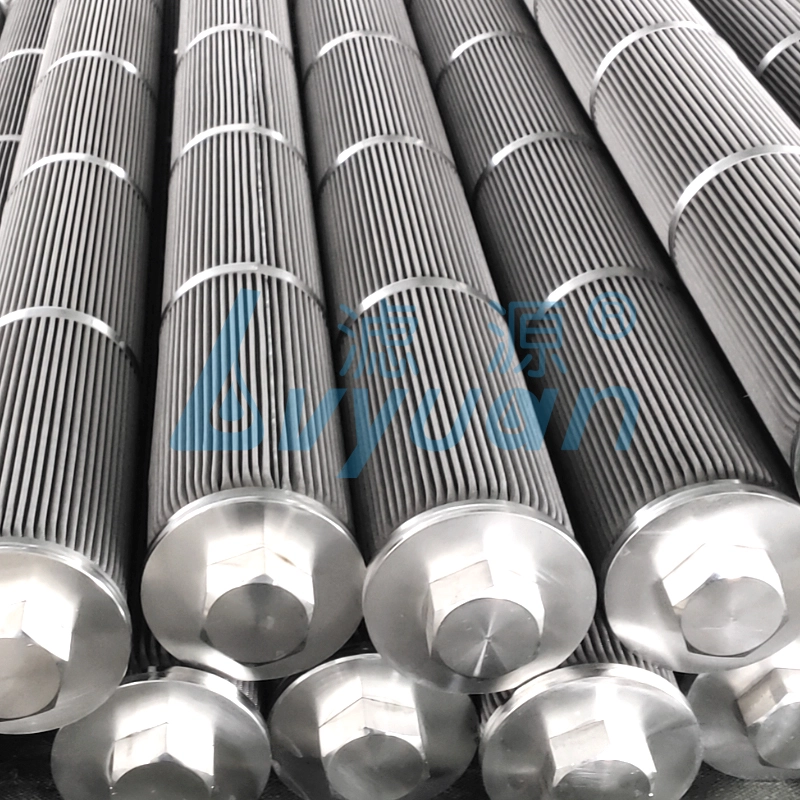
Metal Sintered Filters: Precision Filtering to Drive Industrial Upgrading
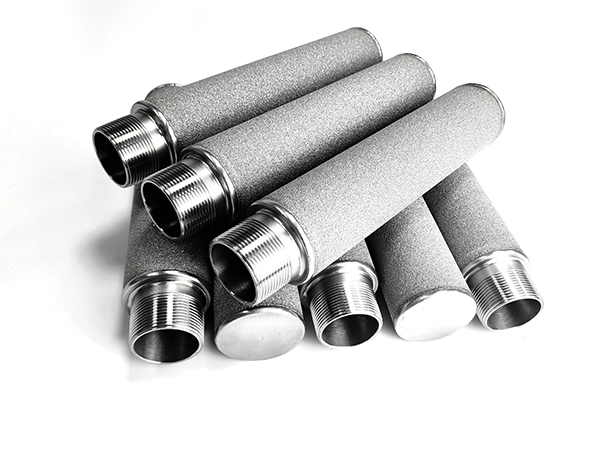
Choosing Sintered Filters: An Overview for Industrial Applications
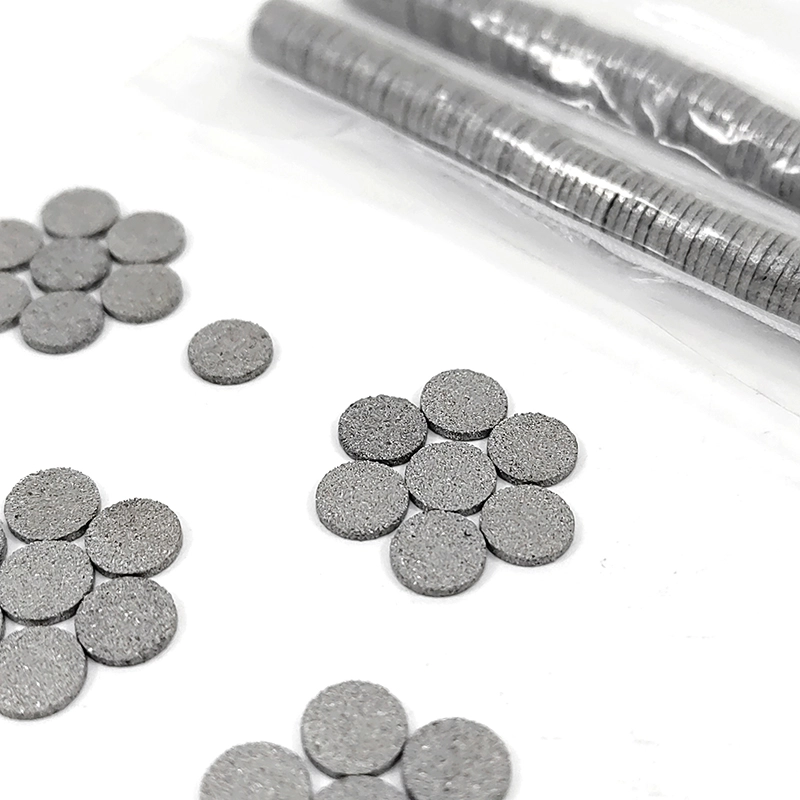
What is a Sintered Metal Filter Disc? A Comprehensive Guide
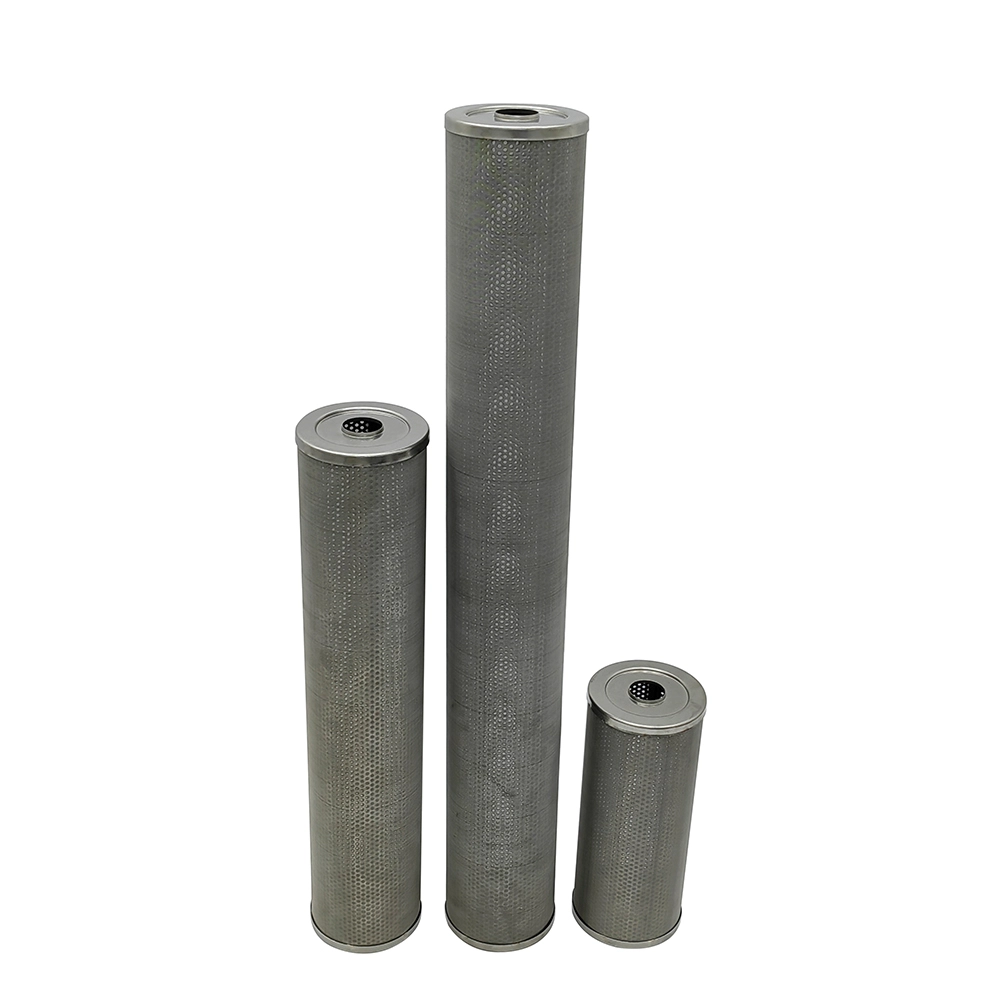
What Are Sintered Metal Filters and How Do They Work?
Sintered mesh filters
Can sintered mesh filters be used in corrosive environments?
Yes, sintered mesh filters can be manufactured from corrosion-resistant materials such as stainless steel, making them suitable for use in corrosive environments.
Stainless Steel Pleated Filter Cartridges
What are the main applications of Stainless Steel Pleated Filter Cartridges?
These cartridges are commonly used for polymer melt filtration, high-temperature gas and steam filtration, and filtration of high-temperature liquids and viscous fluids in industries such as petrochemicals, manufacturing, and more.
Sintered Titanium Filters
What Applications Are Sintered Titanium Filters Suitable For?
Sintered titanium filters are versatile and find applications in water treatment, gas diffusion, chemical experiments, and pharmaceutical processes due to their temperature resistance and corrosion resilience.
Porous Plastic Filter
What is a sintered plastic porous filter?
A sintered plastic porous filter is a filtration device made from polymeric materials that are compressed and heated to form a porous structure with controlled pore sizes and distribution.
For company
Can I visit your factory on site?
Of course, we are in Panyu District, Guangzhou City, Guangdong Province, China.
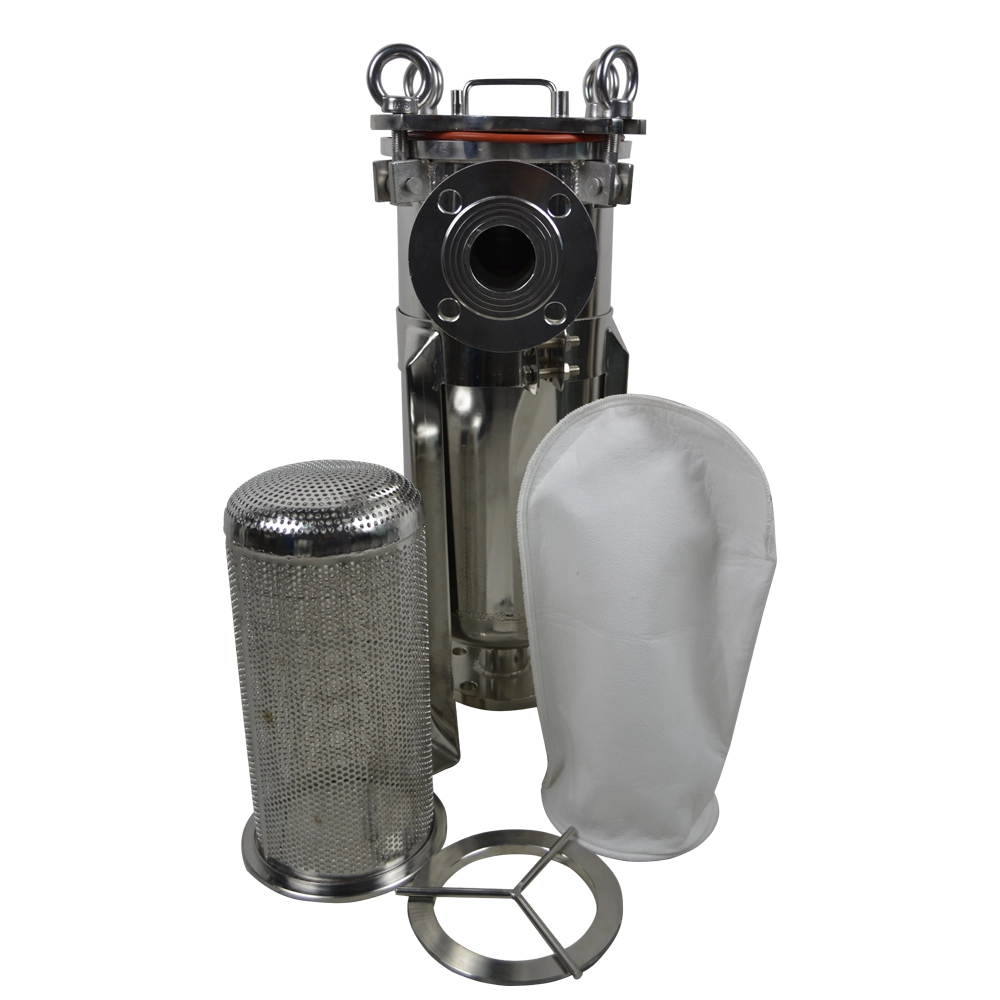
Bag filter housing
Bag filter housings are essential components in industrial filtration systems, designed to remove contaminants from liquids. To enhance the functionality and efficiency of bag filter housings, various features can be incorporated.
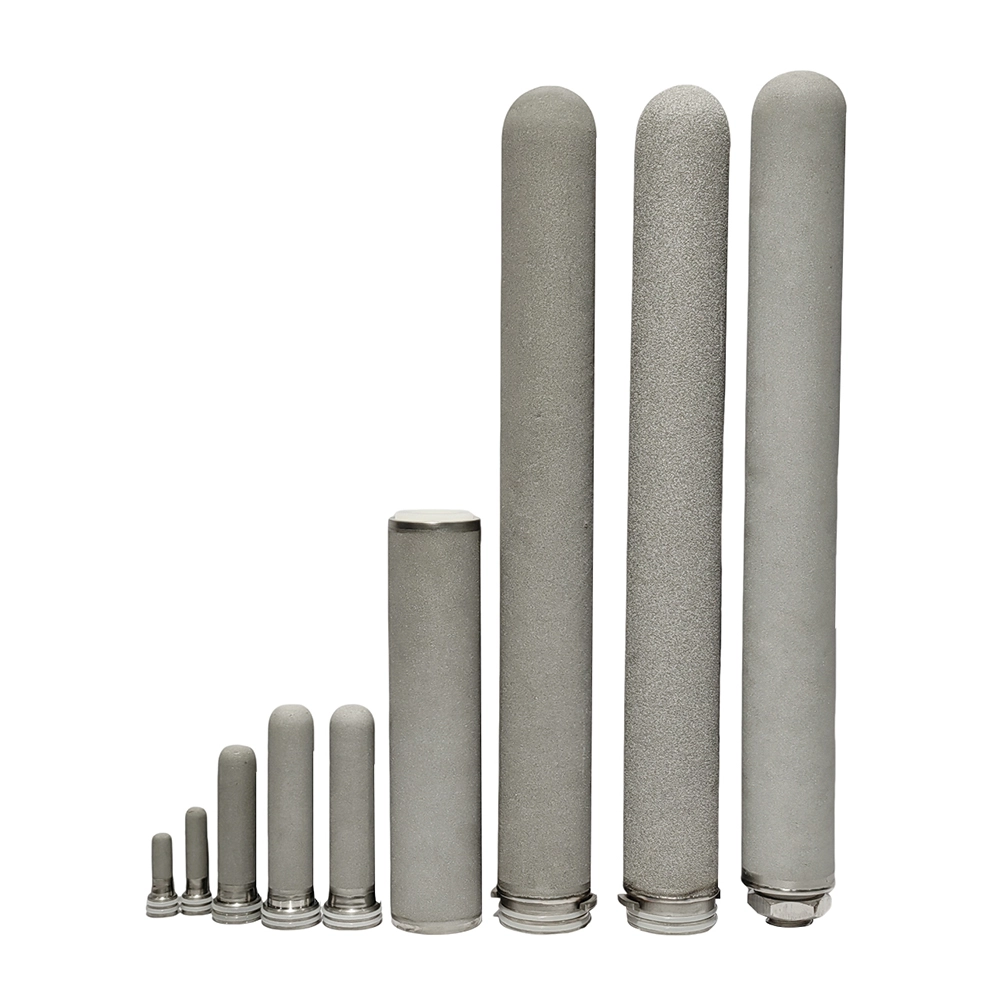
Sintered powder metal filters
Sintered powder metal filters are crafted from compressed and sintered metal powders, forming a porous structure. Porosity: 28%-50% Permeability: 0.02-20L/cm²minPa Pressure Resistance: 0.5Mpa Temperature Resistance: Less than 280℃
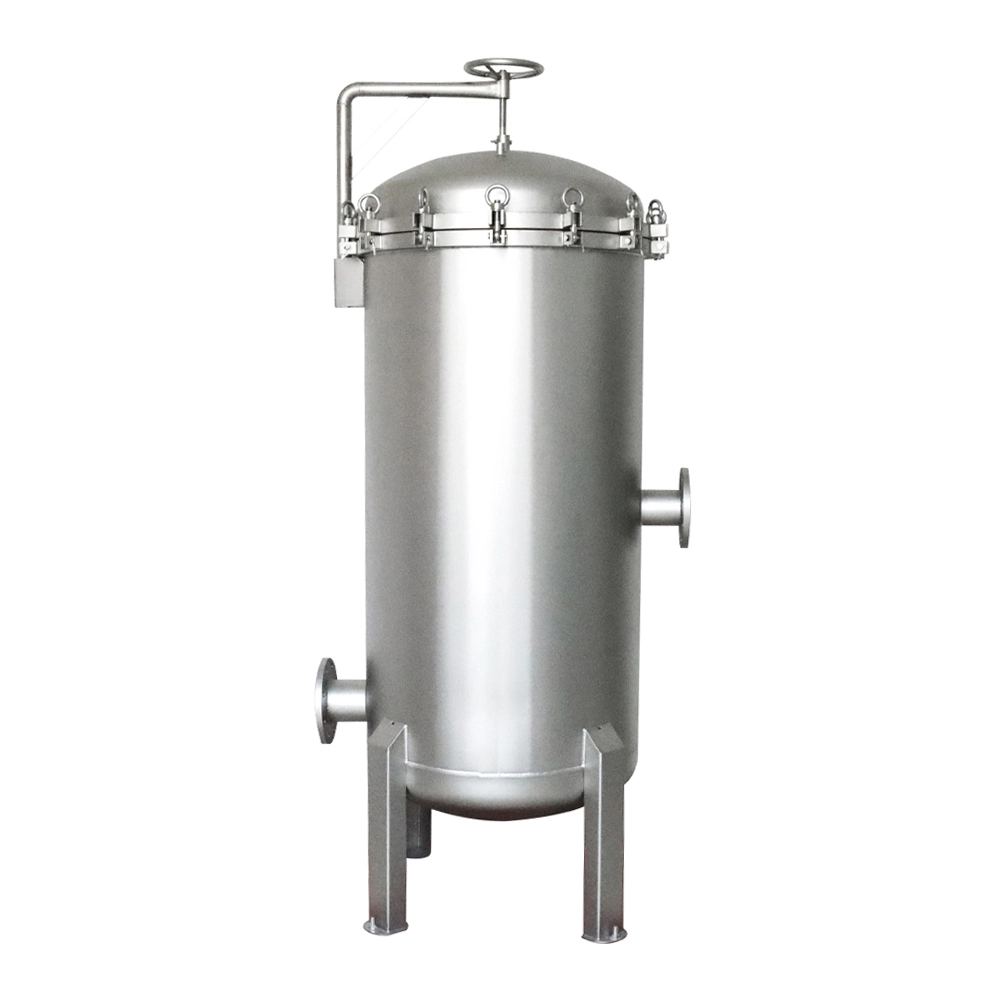
Stainless steel multi cartridge filter housing
Discover unparalleled filtration efficiency with our Stainless Steel Multi Cartridge Filter Housing – a testament to precision engineering and reliability.
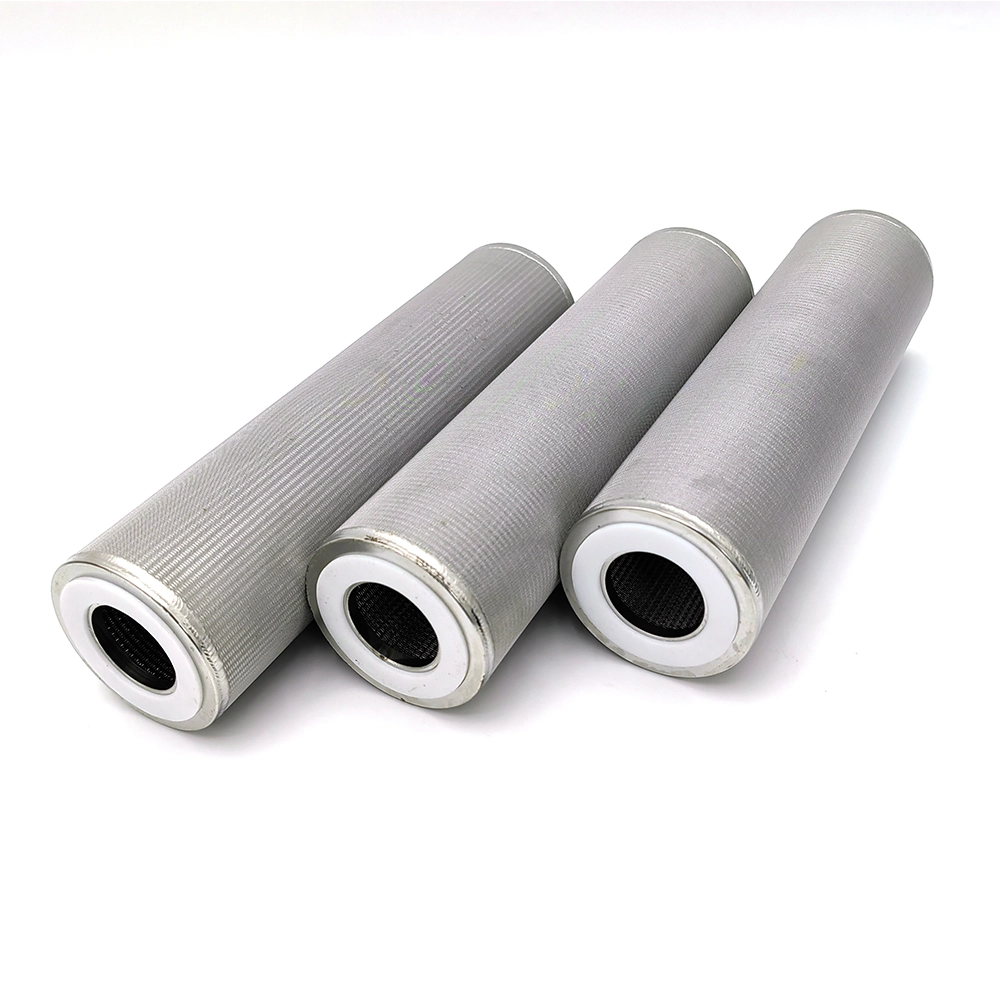
Sintered wire mesh filter
Benefit from outstanding high-pressure resistance and consistent filtration efficiency with our sintered metal mesh. Our sintered wire mesh finds versatile applications in diffuser screens, centrifuges, breather vents, fluidized beds, chromatography, polymer processing, petrochemical industries, hydraulic filters, and more.
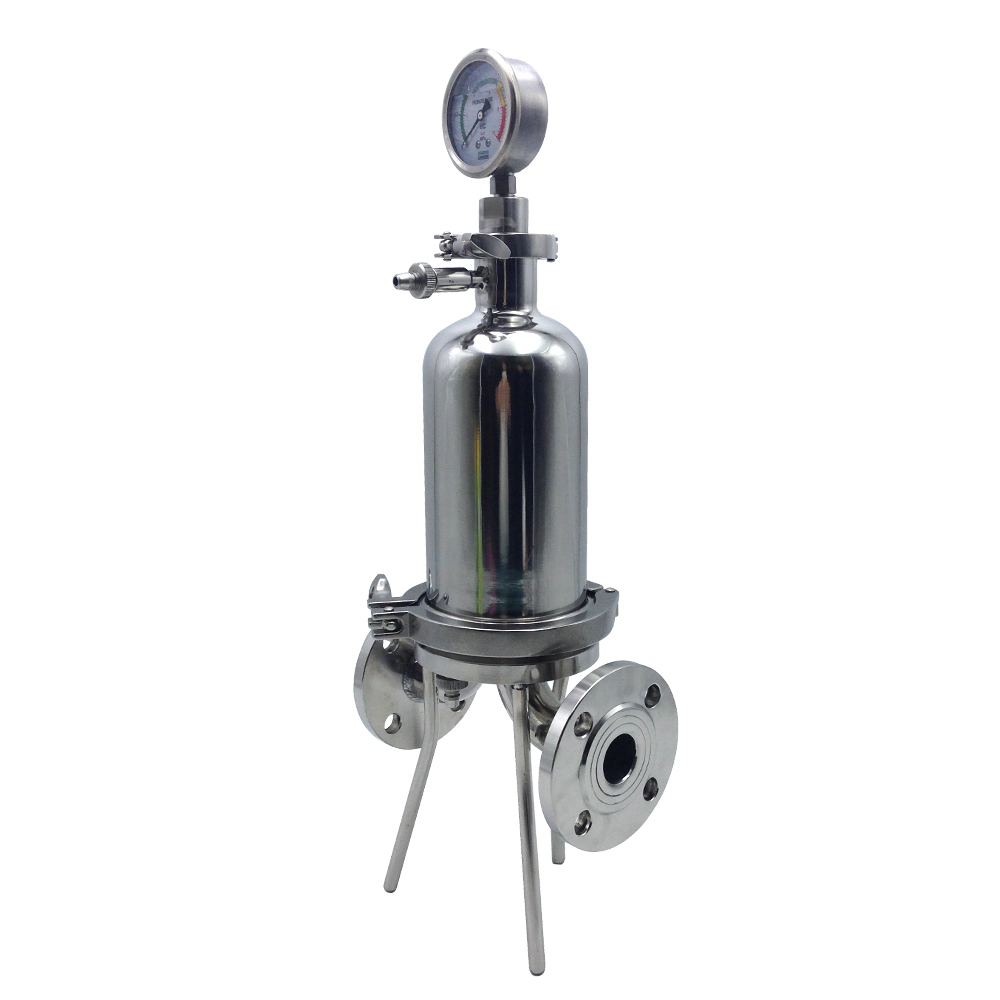
Sanitary filter housing
This filter housing will allow you to filter large volumes of nanoemulsion with ease. Sanitary vent and drain valves permit easy venting, draining, sampling, or integrity testing operations. The new cartridge locking design features additional cut-outs for traditional half-moon portions of the Code 7 bayonet locks, enhancing clean ability and drain ability.
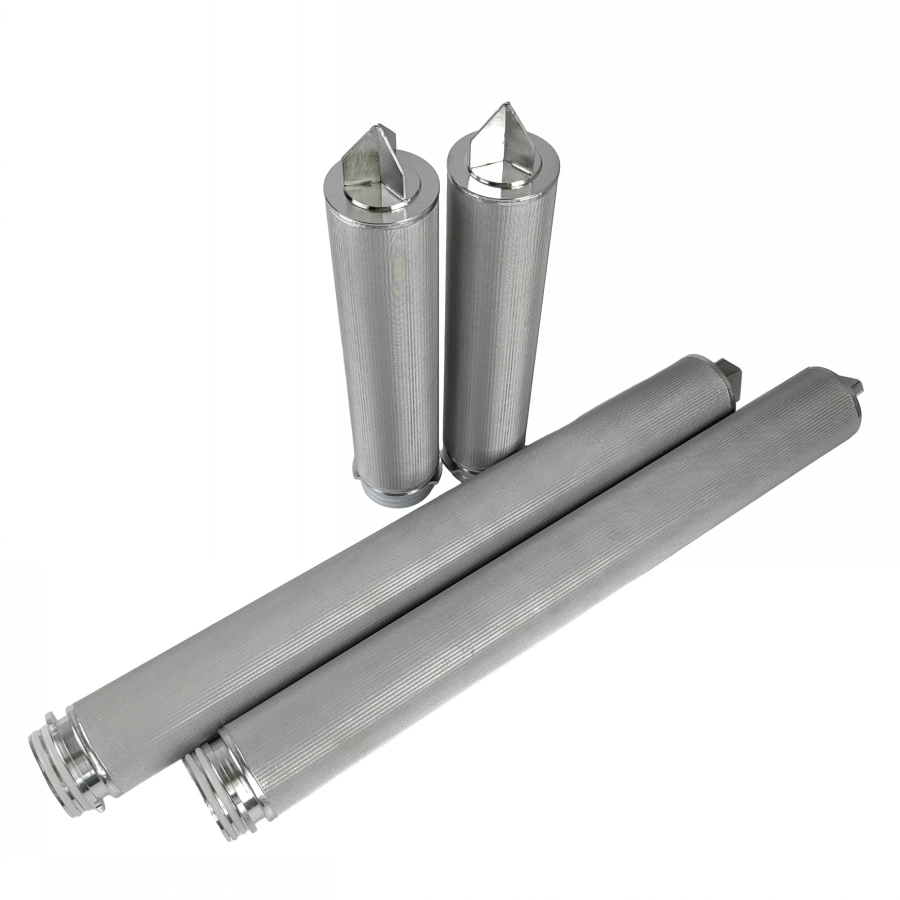
stainless steel filter water
Our sintered stainless steel filter stands as a pivotal filtration element crafted through a meticulous sintering process, with stainless steel serving as the core material.
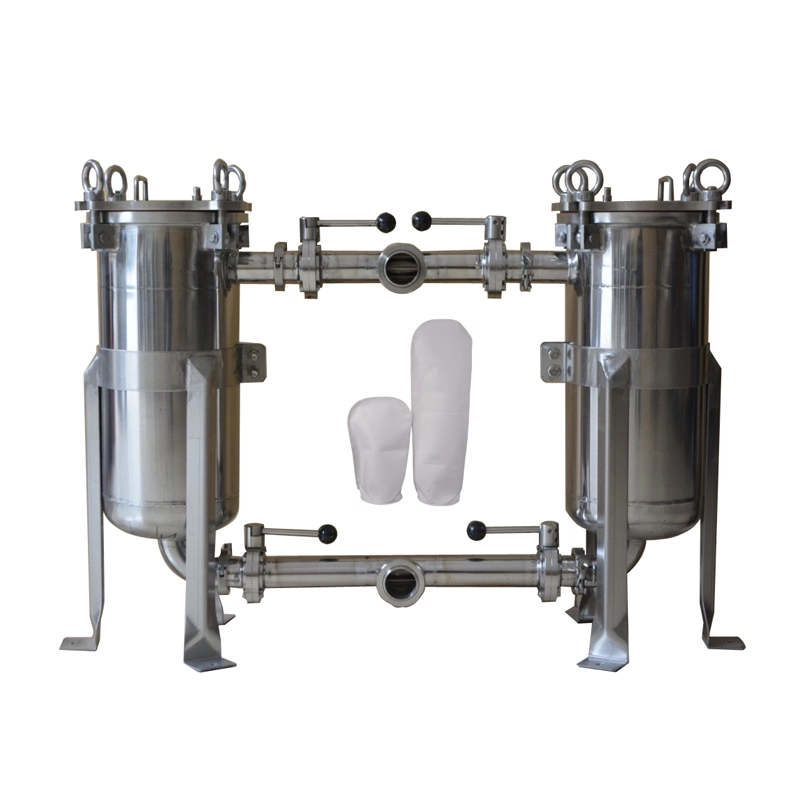
Stainless Steel Duplex filter housing
As the manufacturer, we offer a comprehensive range of Duplex Filter Housings designed to provide efficient and reliable filtration solutions for various industrial applications.
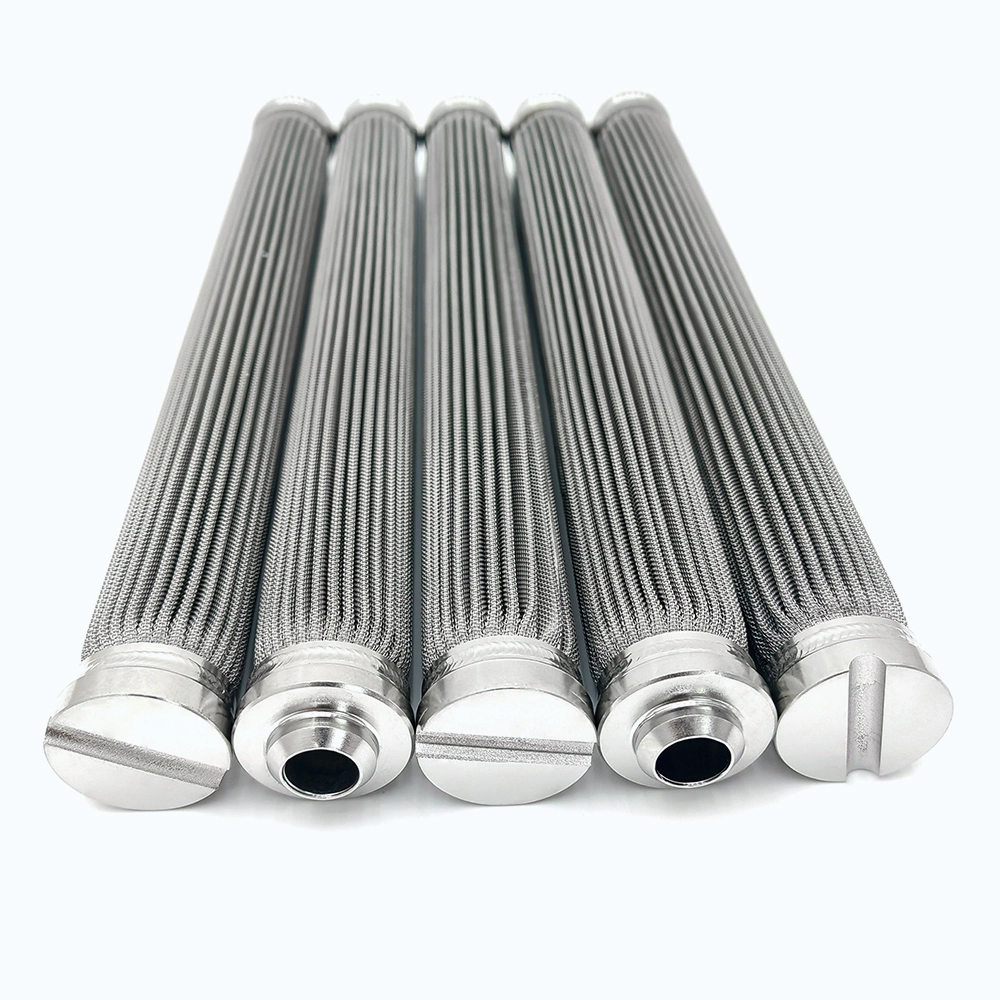
Stainless steel pleated filter cartridge
Our Stainless Steel Pleat Filter Cartridge constructed from high-quality SS 304 or SS 316L material, this filter exhibits exceptional resistance to high temperatures and rust.
© 2024 All Rights Reserved. | Privacy policy • Terms and conditions


