
what does filter plate mean | Lvyuan Guide
Filter plates are perforated or porous plates separating solids from liquids/gases. Types vary by material (stainless steel, polypropylene, ceramic) and design (perforated, porous). Applications span chemical processing, pharmaceuticals, wastewater treatment, and more. Choosing the right filter plate requires considering fluid properties, filtration needs, and operating conditions. Optimize your filtration with Lvyuan!
What Does Filter Plate Mean? Understanding Filter Plates in Industrial Processes
This article clarifies the meaning of a filter plate, a crucial component in various industrial processes. Understanding its function and different types helps avoid operational bottlenecks and ensures efficient filtration. We'll explore common applications and considerations for selecting the right filter plate for your specific needs.
What is a Filter Plate?
A filter plate is a perforated or porous plate used to separate solids from liquids or gases during filtration. These plates serve as the primary filtering medium, supporting the filter medium (such as filter cloth or paper) and providing structural integrity to the filtration system. The precise design and material depend heavily on the application.
Types of Filter Plates
Several types exist, categorized by material and design:
* Material: Common materials include stainless steel (for high-temperature and corrosive applications), polypropylene (for chemical resistance), and ceramic (for high-temperature and abrasive applications). The choice depends on the fluid being filtered and its properties.
* Design: Filter plates can have various pore sizes and geometries (perforated, porous, or even specialized designs incorporating depth filtration principles). The design directly impacts filtration efficiency and flow rate.
Applications of Filter Plates
Filter plates find widespread use in diverse industrial sectors:
* Chemical Processing: Separating solids from liquids during chemical reactions or purification.
* Pharmaceutical Manufacturing: Removing impurities and ensuring product purity.
* Wastewater Treatment: Filtering solids from wastewater before discharge or further treatment.
* Food and Beverage Processing: Removing solids from liquids in the production of beverages, oils, and other food products.
* Mining and Metallurgy: Separating valuable materials from slurries or tailings.
Choosing the Right Filter Plate
Selecting the appropriate filter plate requires considering:
* Fluid properties: Viscosity, temperature, corrosiveness, and the size and type of solids to be removed.
* Filtration requirements: Desired flow rate, filtration efficiency, and the expected lifetime of the plate.
* Operating conditions: Pressure, temperature, and the overall system design.
Careful consideration of these factors ensures optimal performance and minimizes operational issues. Consulting with filtration specialists can assist in identifying the most suitable filter plate for your specific application.
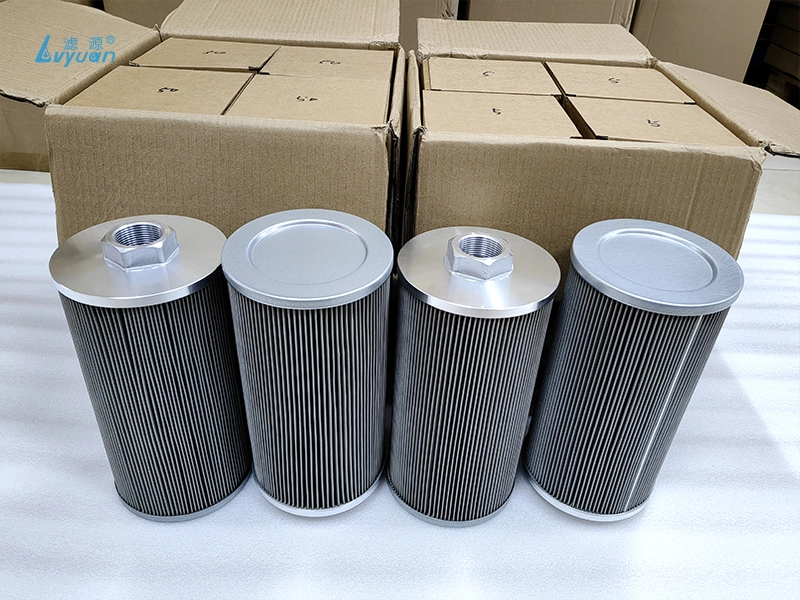
What is Sintered Metal Filter? Complete Guide by Lvyuan
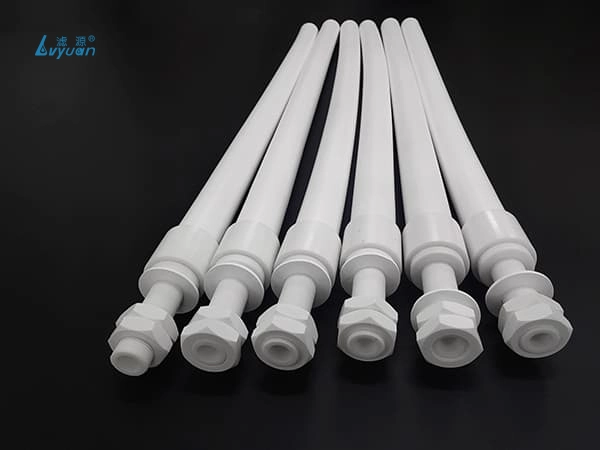
Sintered PTFE Filters: Advanced Filtration for Demanding Environments
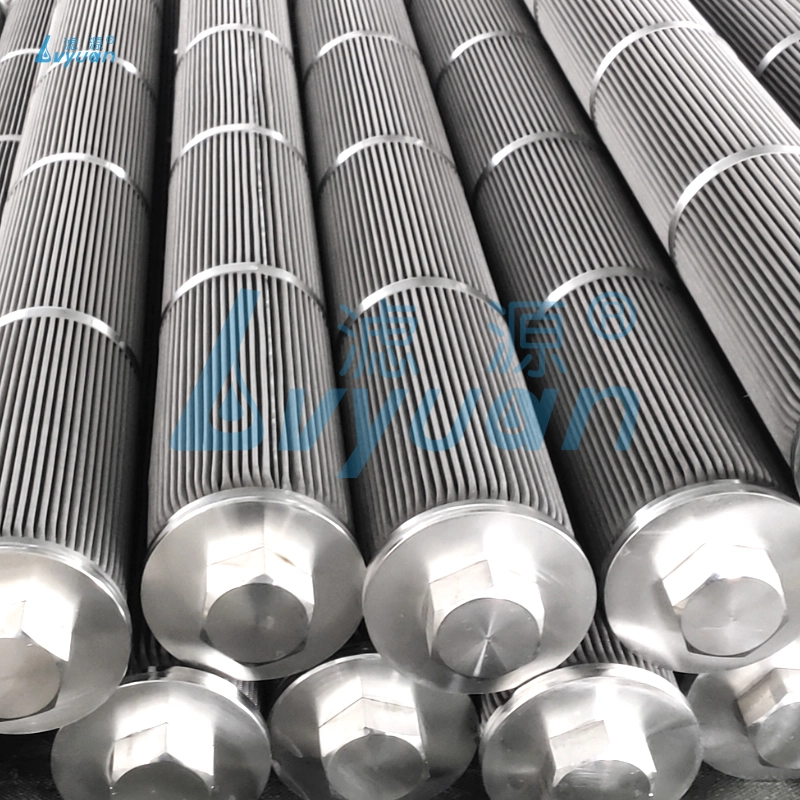
Metal Sintered Filters: Precision Filtering to Drive Industrial Upgrading
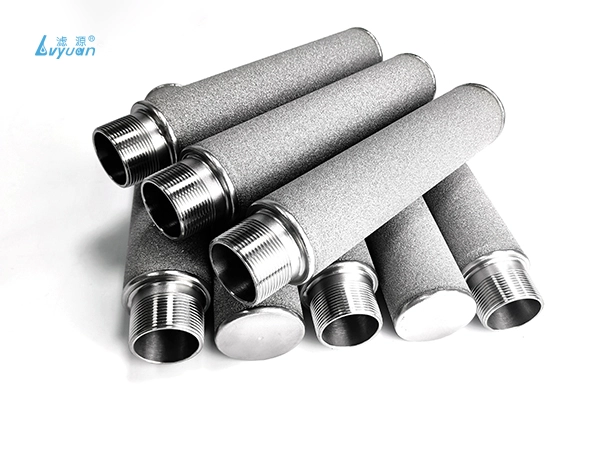
Choosing Sintered Filters: An Overview for Industrial Applications
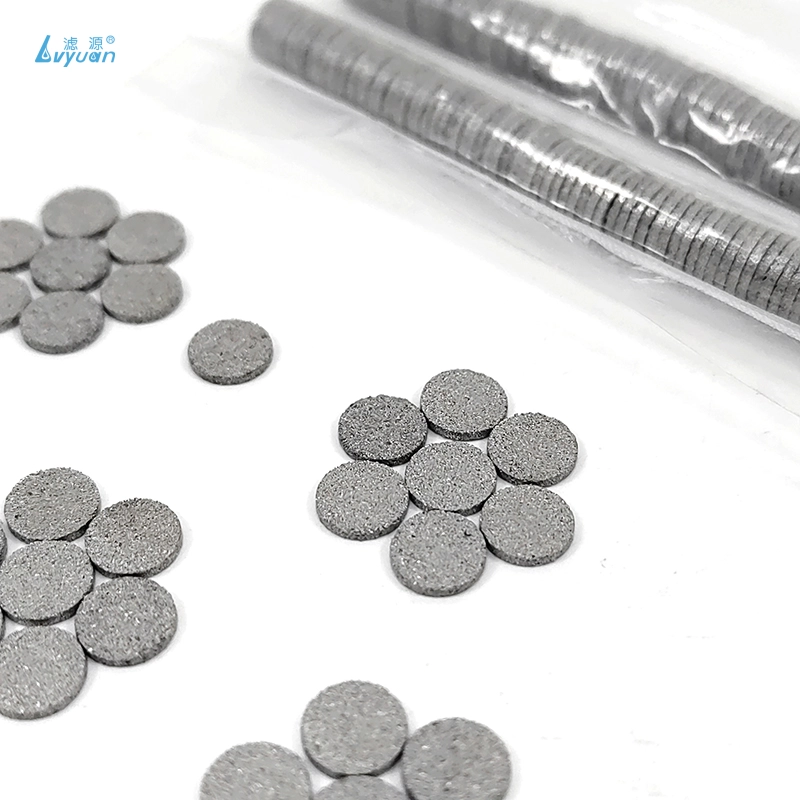
What is a Sintered Metal Filter Disc? A Comprehensive Guide
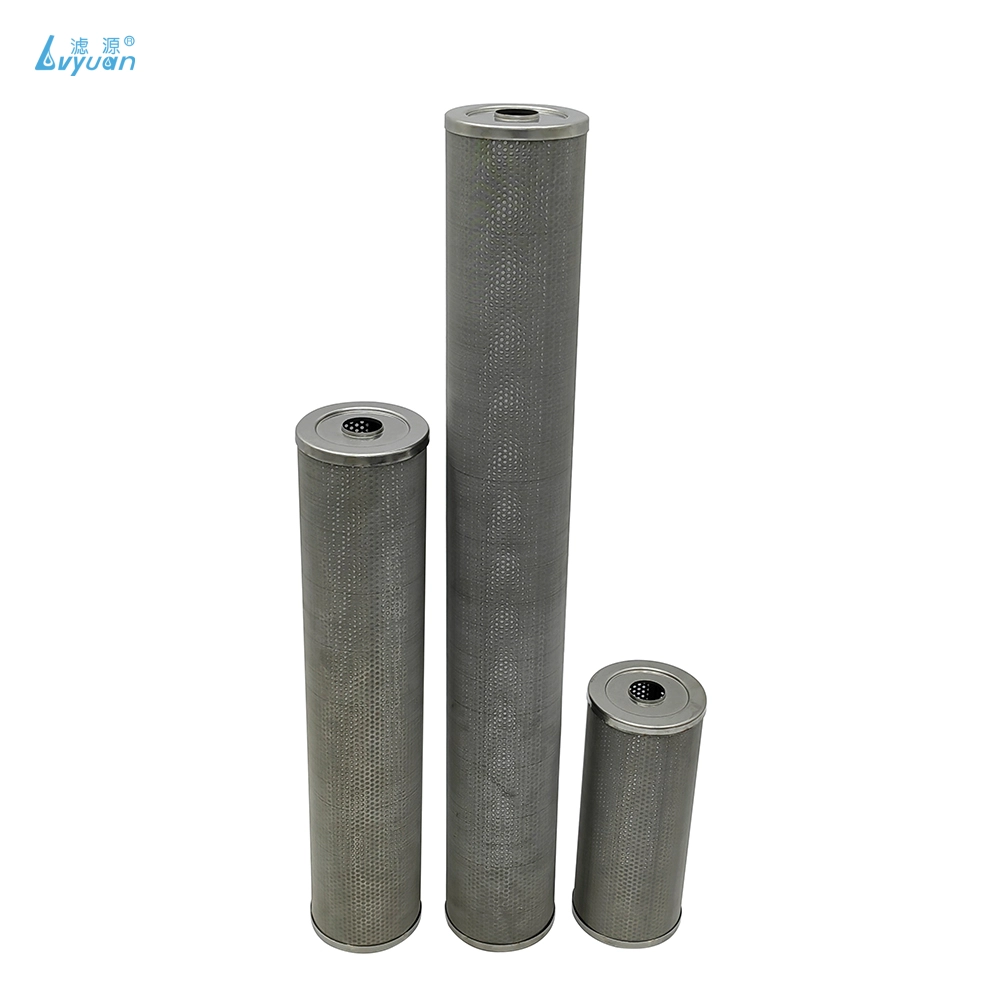
What Are Sintered Metal Filters and How Do They Work?
For products
What sizes and shapes are available?
Our sintered metal filters come in a variety of sizes and shapes to meet different application needs. Common configurations include cylindrical, disc, and tube shapes, with customizable dimensions to fit specific requirements.
Sintered mesh filters
What advantages do sintered mesh filters offer over other filtration methods?
Sintered mesh filters provide advantages such as high filtration efficiency, strength, durability, and the ability to withstand challenging conditions. They offer a reliable and long-lasting solution for diverse filtration needs.
Can sintered mesh filters be used in corrosive environments?
Yes, sintered mesh filters can be manufactured from corrosion-resistant materials such as stainless steel, making them suitable for use in corrosive environments.
Stainless Steel Cartridge Filter Housing
What are the benefits of using stainless steel cartridge filter housings?
Stainless steel cartridge filter housings offer corrosion resistance, durability, and hygiene, making them suitable for use in a wide range of industries, including food and beverage, pharmaceuticals, chemicals, and water treatment.
Metal mesh filters
What applications is sintered wire mesh suitable for?
Sintered wire mesh filter finds applications in various industries, including:
• Filtration of liquids and gases.
• Polymer and chemical processing.
• Pharmaceutical and food processing.
• Aerospace and automotive industries.
• Environmental protection and water treatment.
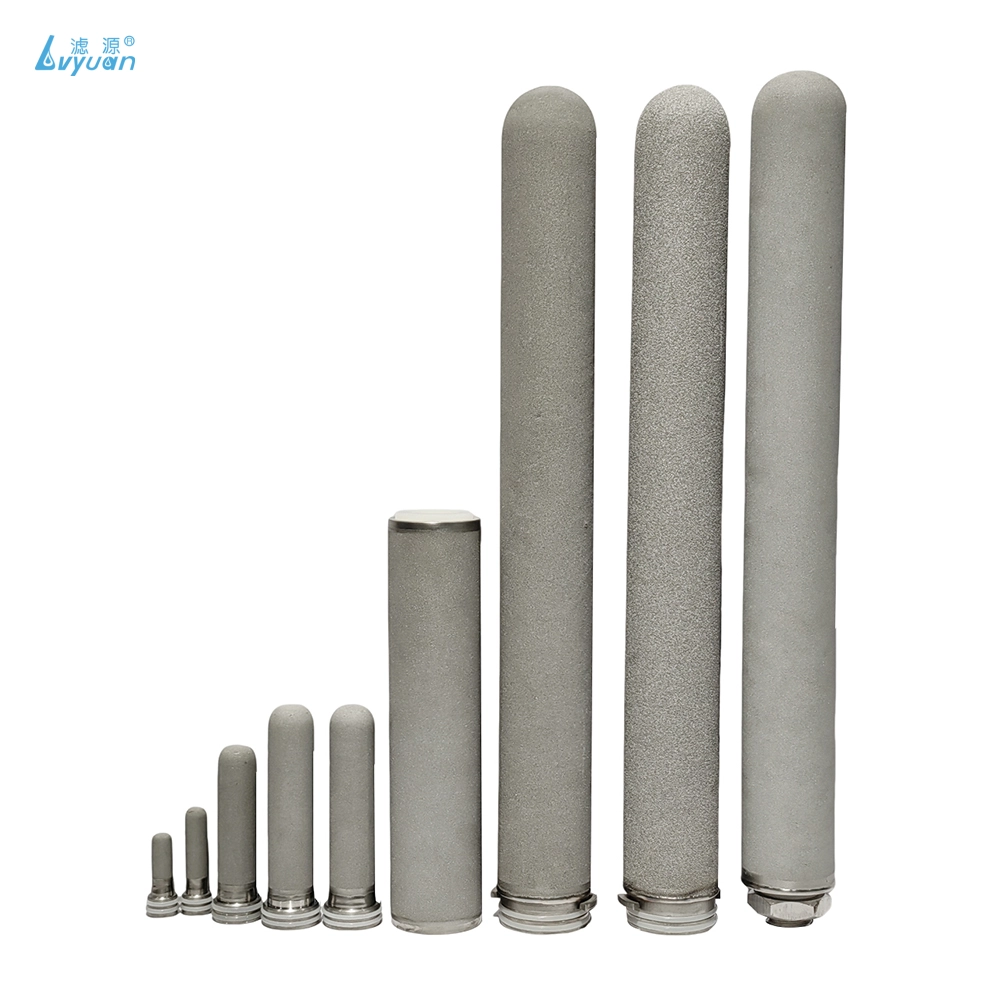
Sintered powder metal filters
Sintered powder metal filters are crafted from compressed and sintered metal powders, forming a porous structure. Porosity: 28%-50% Permeability: 0.02-20L/cm²minPa Pressure Resistance: 0.5Mpa Temperature Resistance: Less than 280℃
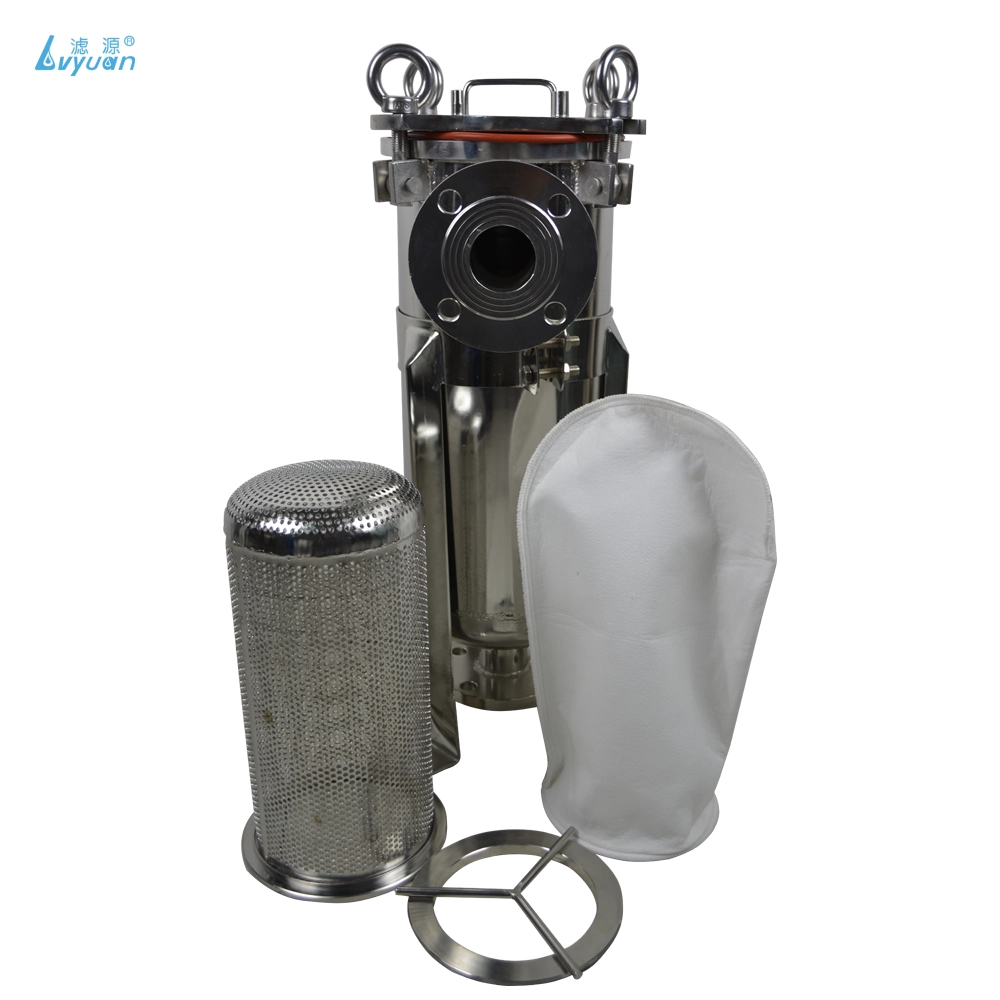
Bag filter housing
Bag filter housings are essential components in industrial filtration systems, designed to remove contaminants from liquids. To enhance the functionality and efficiency of bag filter housings, various features can be incorporated.
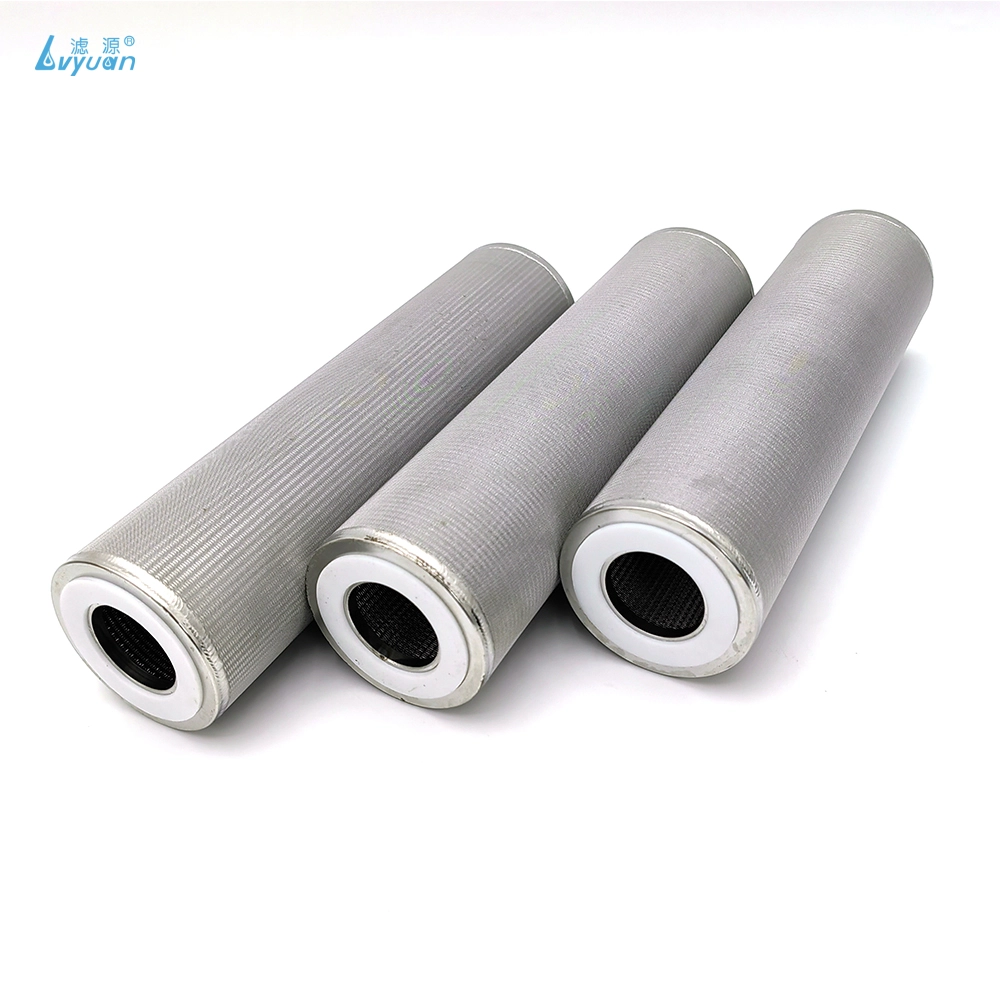
Sintered wire mesh filter
Benefit from outstanding high-pressure resistance and consistent filtration efficiency with Lvyuan's sintered metal mesh. Our sintered wire mesh finds versatile applications in diffuser screens, centrifuges, breather vents, fluidized beds, chromatography, polymer processing, petrochemical industries, hydraulic filters, and more.
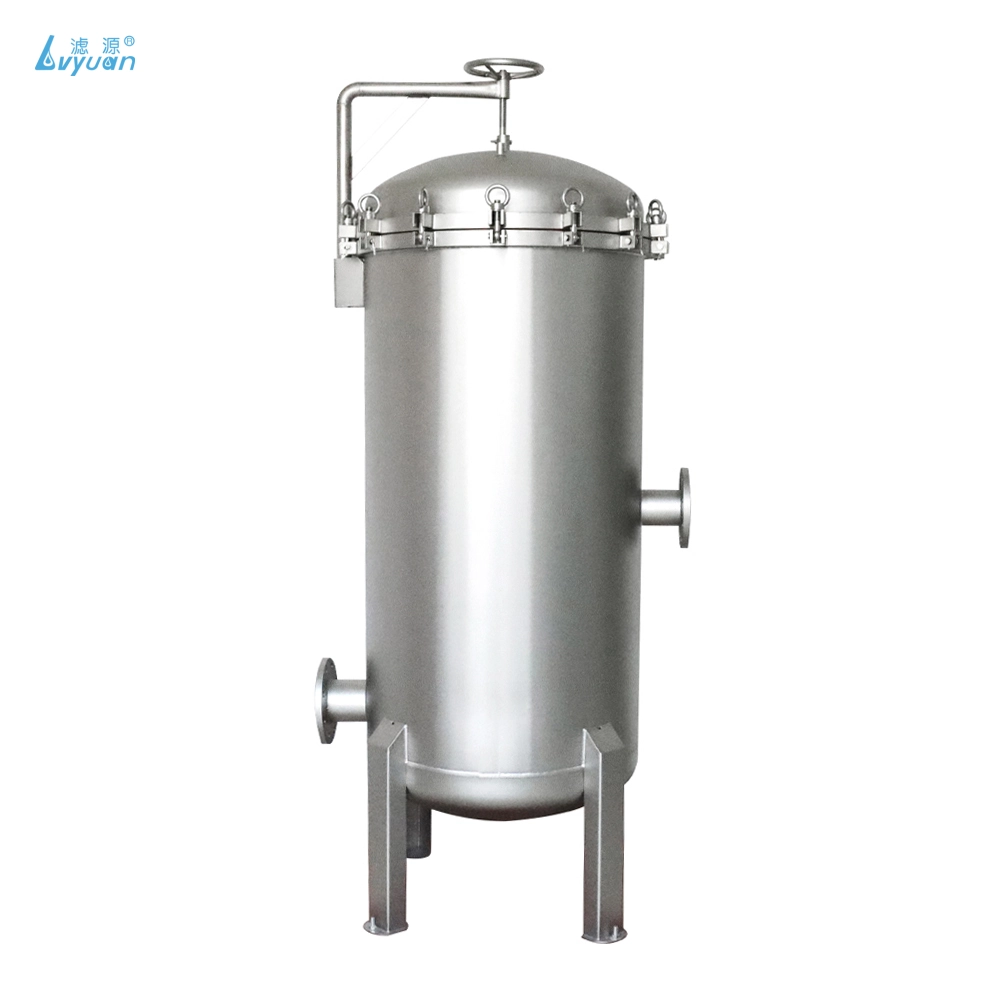
Stainless steel multi cartridge filter housing
Discover unparalleled filtration efficiency with our Stainless Steel Multi Cartridge Filter Housing – a testament to precision engineering and reliability.
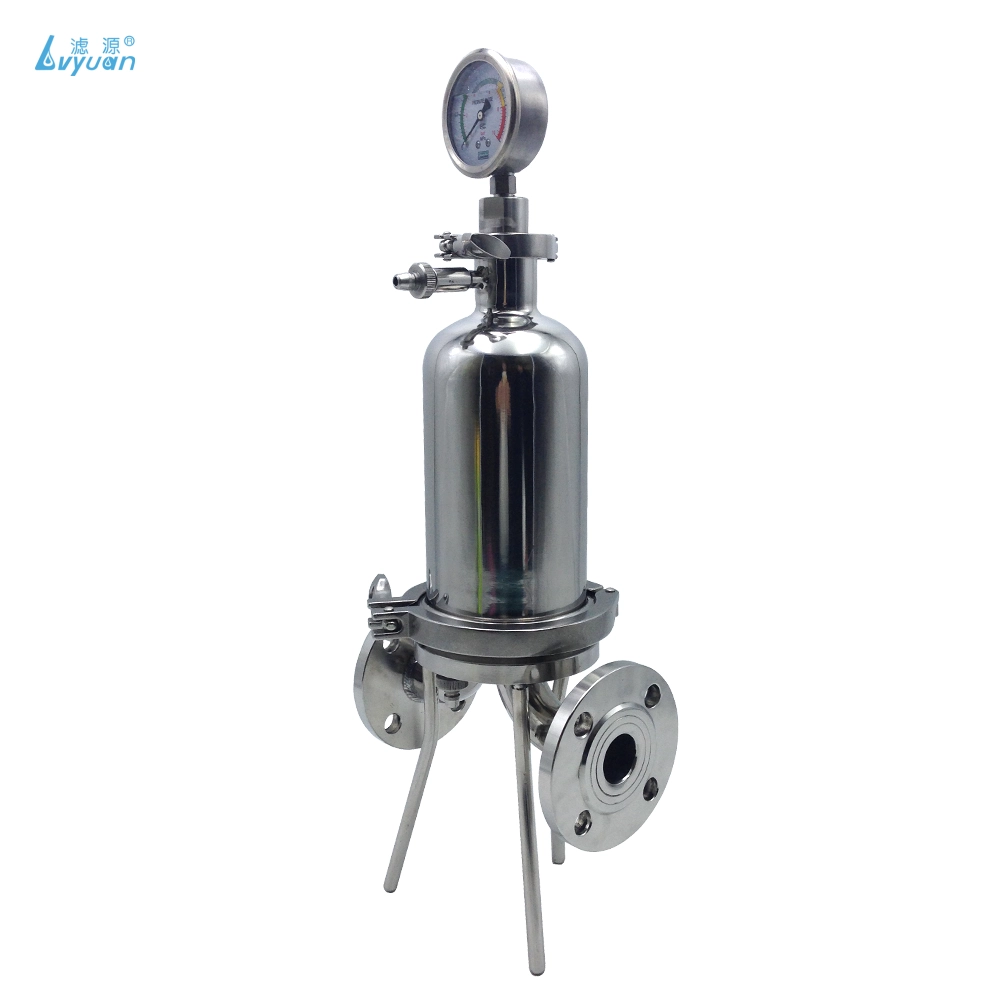
Sanitary filter housing
This filter housing will allow you to filter large volumes of nanoemulsion with ease. Sanitary vent and drain valves permit easy venting, draining, sampling, or integrity testing operations. The new cartridge locking design features additional cut-outs for traditional half-moon portions of the Code 7 bayonet locks, enhancing clean ability and drain ability.
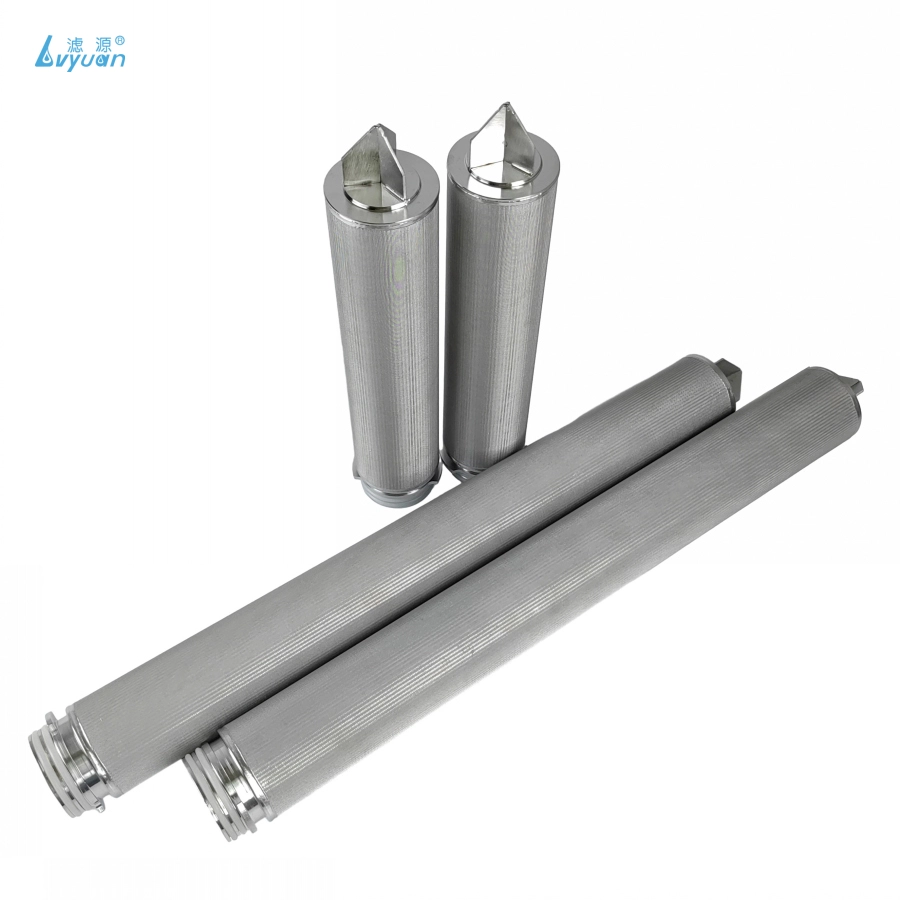
stainless steel filter water
Lvyuan’s sintered stainless steel filter stands as a pivotal filtration element crafted through a meticulous sintering process, with stainless steel serving as the core material.
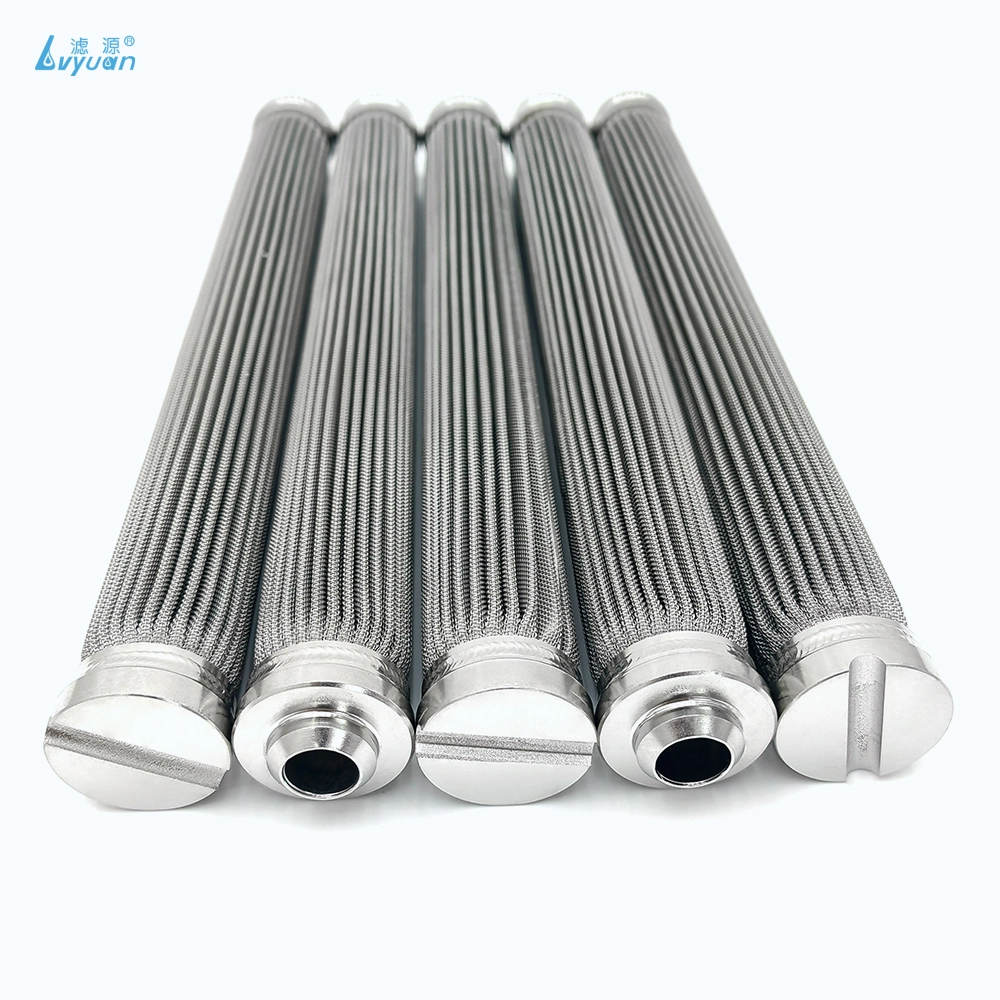
Stainless steel pleated filter cartridge
Lvyuan Stainless Steel Pleat Filter Cartridge constructed from high-quality SS 304 or SS 316L material, this filter exhibits exceptional resistance to high temperatures and rust.
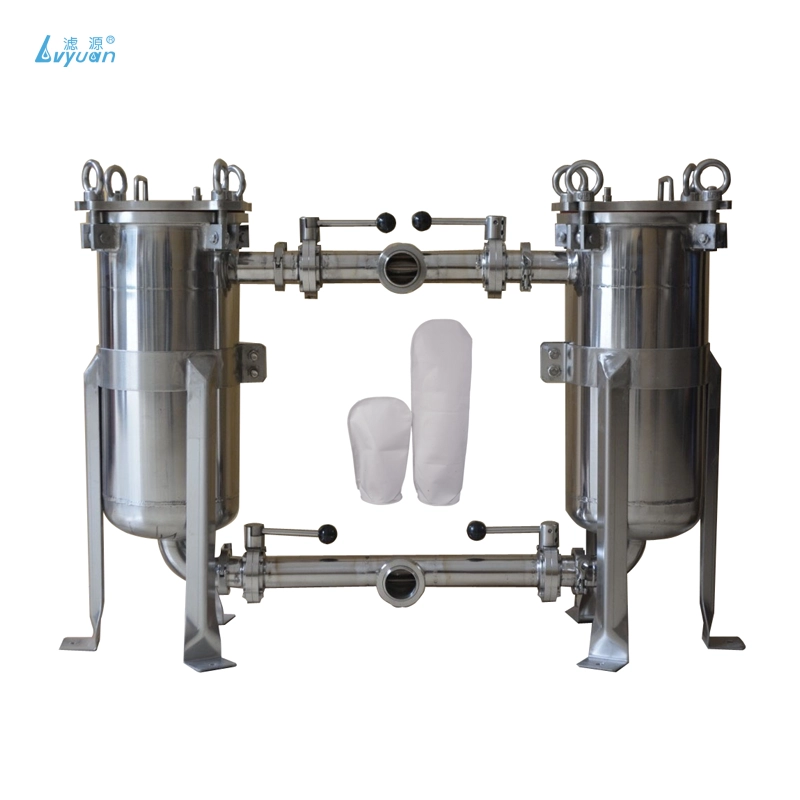
Stainless Steel Duplex filter housing
As the manufacturer, we offer a comprehensive range of Duplex Filter Housings designed to provide efficient and reliable filtration solutions for various industrial applications.
© 2024 Lvyuan All Rights Reserved. | Privacy policy • Terms and conditions


