
Choosing the Right Sintered Metal Filter for Your Needs
When it comes to efficient filtration, sintered metal filters are often the unsung heroes. These robust, versatile components play a crucial role in numerous industries. But what exactly are they, and why are they so important? Let's dive into the world of sintered metal filters and explore their many facets.
- What is a Sintered Metal Filter?
- How Sintered Metal Filters Work?
- 1. Manufacturing Process:
- 2. Filtration Mechanism:
- 3. Filtration Process:
- 4. Advantages:
- 5. Applications:
- 6. Maintenance and Cleaning:
- Choosing the Right Sintered Metal Filter
- Application Requirements
- Budget Considerations
- Cleaning Methods
- Longevity Tips
- Future of Sintered Metal Filters
- Technological Advancements
- Emerging Applications
- Conclusion
- FAQs
What is a Sintered Metal Filter?
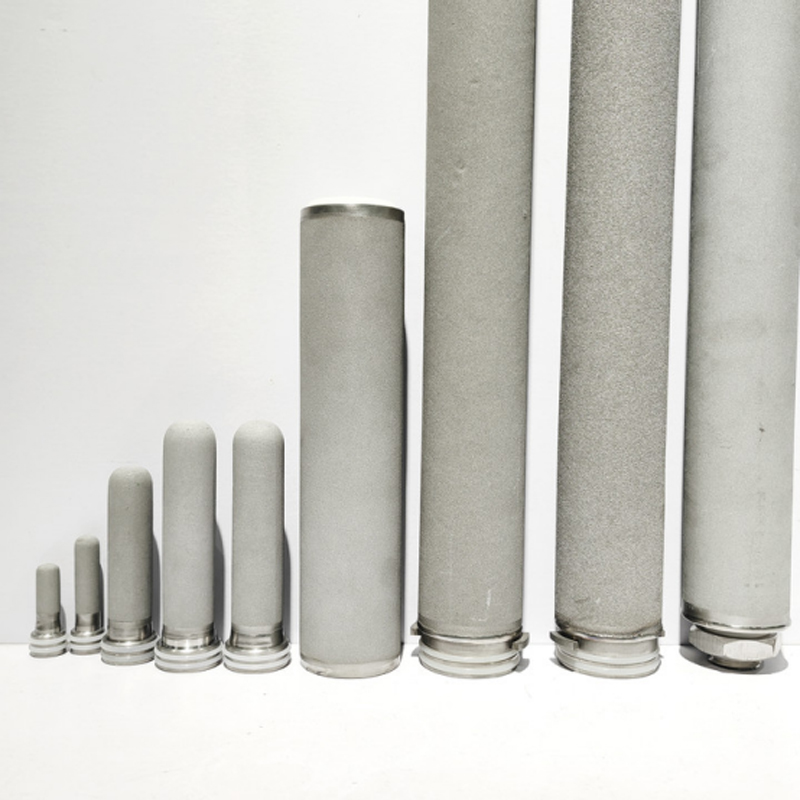
A sintered metal filter is a type of filter made by compressing metal powders and then heating them to just below their melting point. This process, known as sintering, fuses the particles together without melting them, creating a porous structure that can filter out contaminants from gases and liquids.
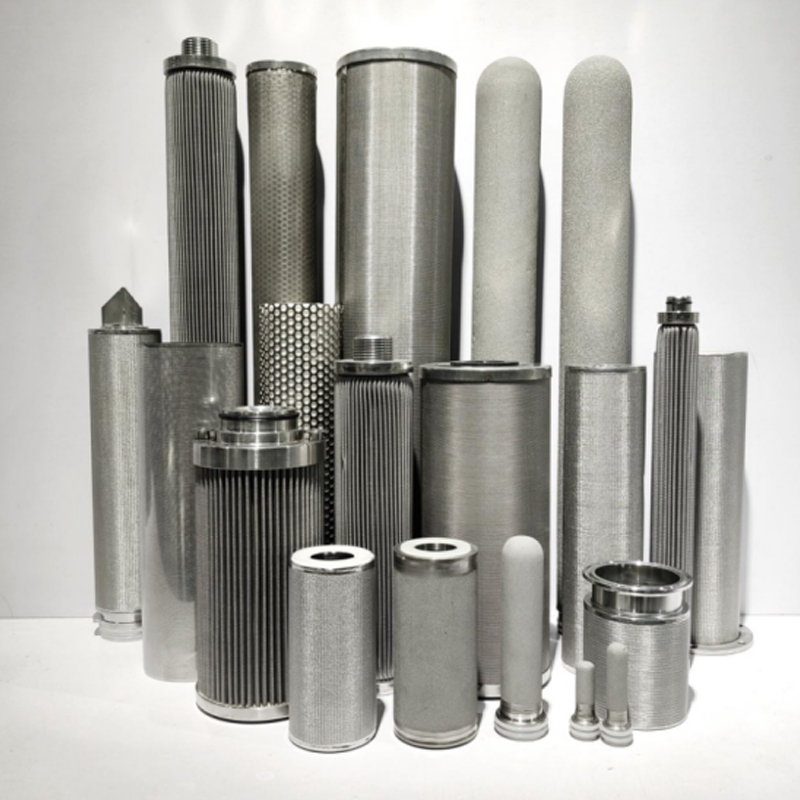
How Sintered Metal Filters Work?
Sintered metal filters are highly effective filtration devices made by fusing metal powder particles through a sintering process. This process creates a porous structure that allows fluids to pass through while capturing particles and contaminants. Here's a detailed look at how sintered metal filters work:
1. Manufacturing Process:
Powder Selection: Metal powders such as stainless steel, bronze, nickel, or titanium are chosen based on the desired properties of the final filter.
Pressing: The metal powder is compacted into a desired shape and size using a mold.
Sintering: The compacted metal powder is heated in a controlled environment below its melting point, causing the particles to bond together, forming a solid but porous structure.
2. Filtration Mechanism:
Porosity: The sintered process creates interconnected pores within the metal matrix. The size and distribution of these pores can be controlled during manufacturing to achieve specific filtration ratings.
Surface Filtration: Larger particles are trapped on the surface of the filter.
Depth Filtration: Smaller particles penetrate the surface and are captured within the porous structure. This dual mechanism enhances the filter's capacity and efficiency.
3. Filtration Process:
Fluid Flow: The contaminated fluid (liquid or gas) enters the filter housing and flows through the sintered metal filter element.
Particle Capture: As the fluid passes through the pores, particles larger than the pore size are captured on the surface or within the filter matrix.
Clean Fluid: The filtered fluid exits the filter housing, free of the trapped contaminants.
4. Advantages:
Durability: Sintered metal filters are robust and can withstand high pressures, temperatures, and corrosive environments.
Reusability: They can be cleaned and reused multiple times, making them cost-effective in the long run.
Customization: Pore size, shape, and filter geometry can be tailored to specific applications.
Efficiency: High filtration efficiency due to the uniform pore structure.
5. Applications:
Industrial: Used in chemical processing, petrochemical, and oil & gas industries for filtration of liquids and gases.
Aerospace: Employed in fuel and hydraulic systems to ensure contaminant-free fluids.
Pharmaceutical: Used in processes requiring sterile filtration.
Food and Beverage: Applied in the filtration of liquids to ensure product purity.
Water Treatment: Used in water purification systems to remove particulates and contaminants.
6. Maintenance and Cleaning:
Backwashing: For liquid filtration systems, reverse flow (backwashing) can remove trapped particles.
Ultrasonic Cleaning: High-frequency sound waves can dislodge particles from the filter matrix.
Chemical Cleaning: Certain solvents can be used to dissolve and remove contaminants without damaging the filter.
Choosing the Right Sintered Metal Filter
Application Requirements
Selecting the right sintered metal filter starts with understanding the specific needs of your application. Consider factors like the type of fluid or gas being filtered, operating conditions, and required filtration efficiency. Matching the filter material and design to these requirements ensures optimal performance.
Budget Considerations
While sintered metal filters might have a higher upfront cost compared to traditional filters, their long-term benefits often justify the investment. Consider the total cost of ownership, including maintenance, replacement frequency, and potential downtime, when making your decision.
Cleaning Methods
Proper maintenance of sintered metal filters is crucial for their longevity. Regular cleaning can be done using ultrasonic baths, backflushing, or chemical cleaning agents, depending on the filter material and the nature of the contaminants. Ensuring the filter is thoroughly cleaned prevents clogs and maintains efficiency.
Longevity Tips
To extend the life of your sintered metal filter, follow manufacturer guidelines for maintenance and avoid exposing the filter to conditions beyond its specified limits. Regular inspections and timely cleaning will keep your filter in top condition, ensuring consistent performance.
Future of Sintered Metal Filters
Technological Advancements
The field of sintered metal filtration is continuously evolving with advancements in materials science and manufacturing techniques. New alloys and sintering methods are being developed to enhance the performance and expand the applications of these filters.
Emerging Applications
As industries grow and new technologies emerge, the demand for high-performance filtration solutions will increase. Sintered metal filters are poised to meet these challenges, with potential applications in renewable energy, advanced manufacturing, and even space exploration.
Conclusion
Sintered metal filters are a remarkable blend of durability, efficiency, and versatility. They have proven indispensable in a wide range of industries, thanks to their ability to handle extreme conditions and provide precise filtration. As technology advances, we can expect these filters to become even more integral to industrial and environmental applications.
FAQs
What materials are used in sintered metal filters?
Sintered metal filters can be made from various metals, including stainless steel, bronze, and nickel, each chosen for their specific properties and suitability for different applications.
How often should I clean my sintered metal filter?
The frequency of cleaning depends on the application and the level of contaminants. Regular inspections can help determine the optimal cleaning schedule to maintain performance.
Can sintered metal filters be customized?
Yes, sintered metal filters can be tailored to specific requirements, including pore size, shape, and material, to suit unique applications and performance needs.
Are sintered metal filters environmentally friendly?
Yes, they are durable and reusable, reducing waste compared to disposable filters. Additionally, their effectiveness in pollution control contributes to environmental protection.
What are the limitations of sintered metal filters?
While they offer many advantages, sintered metal filters can be more expensive initially and may not be suitable for applications requiring extremely fine filtration below certain micron levels.
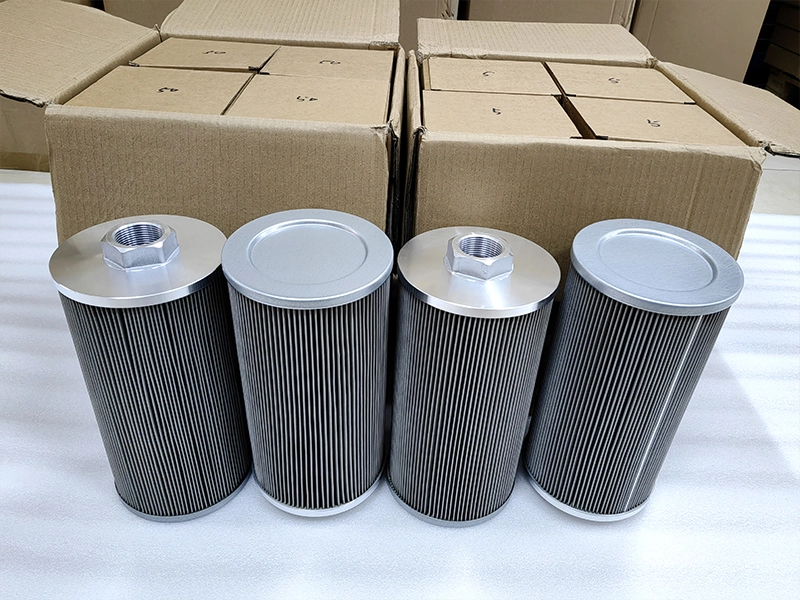
What is Sintered Metal Filter? Complete Guide
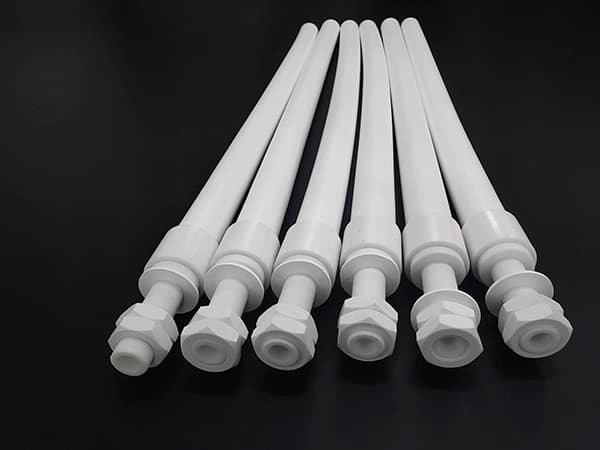
Sintered PTFE Filters: Advanced Filtration for Demanding Environments
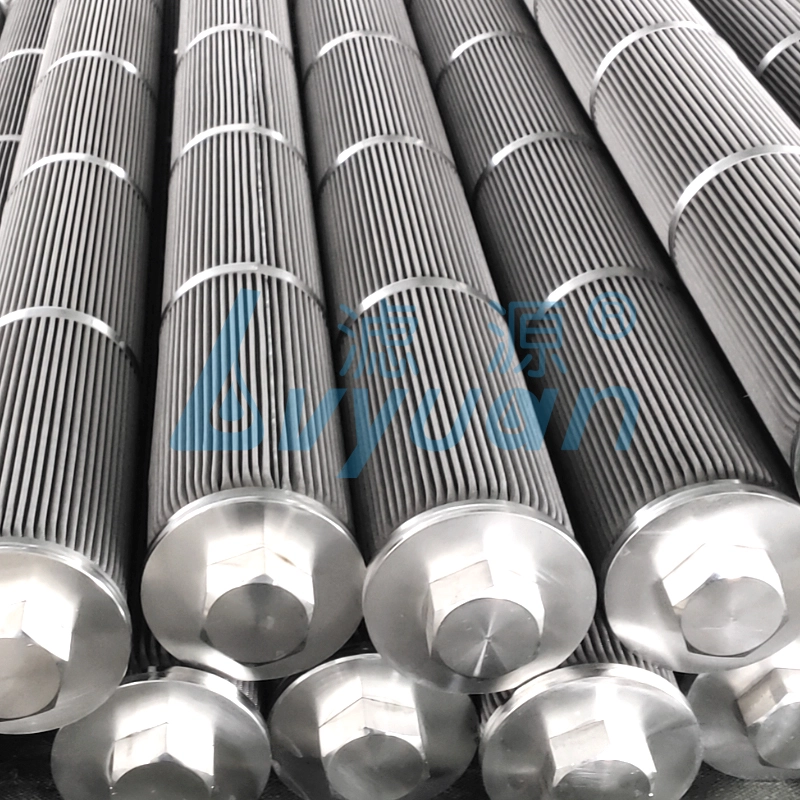
Metal Sintered Filters: Precision Filtering to Drive Industrial Upgrading
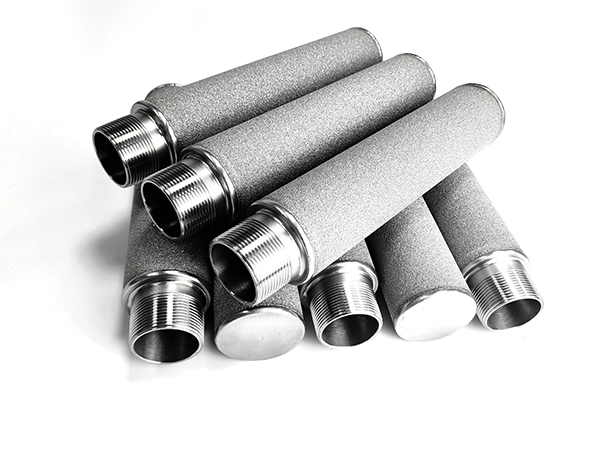
Choosing Sintered Filters: An Overview for Industrial Applications
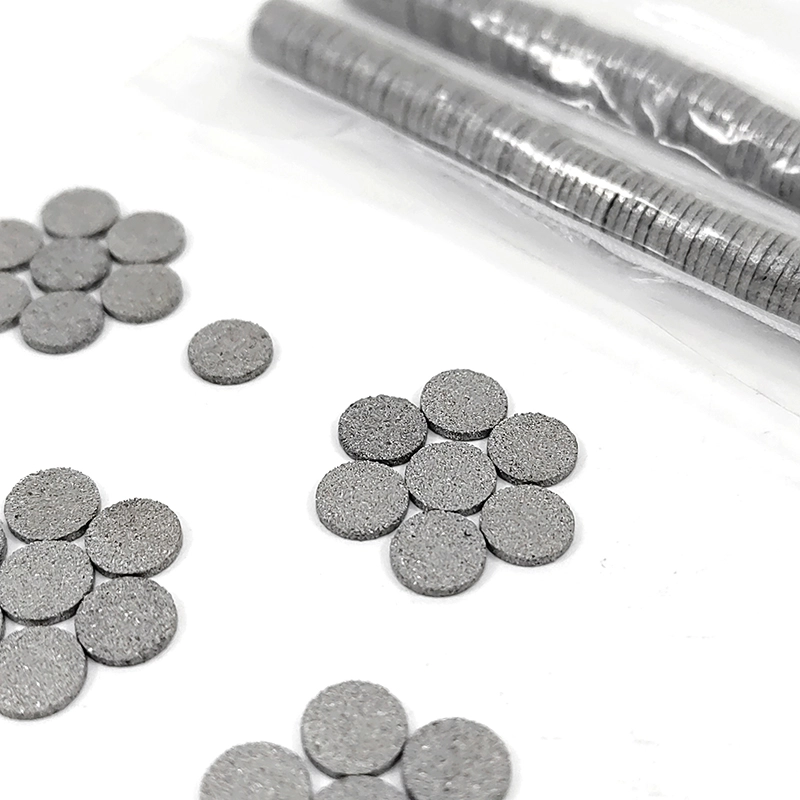
What is a Sintered Metal Filter Disc? A Comprehensive Guide
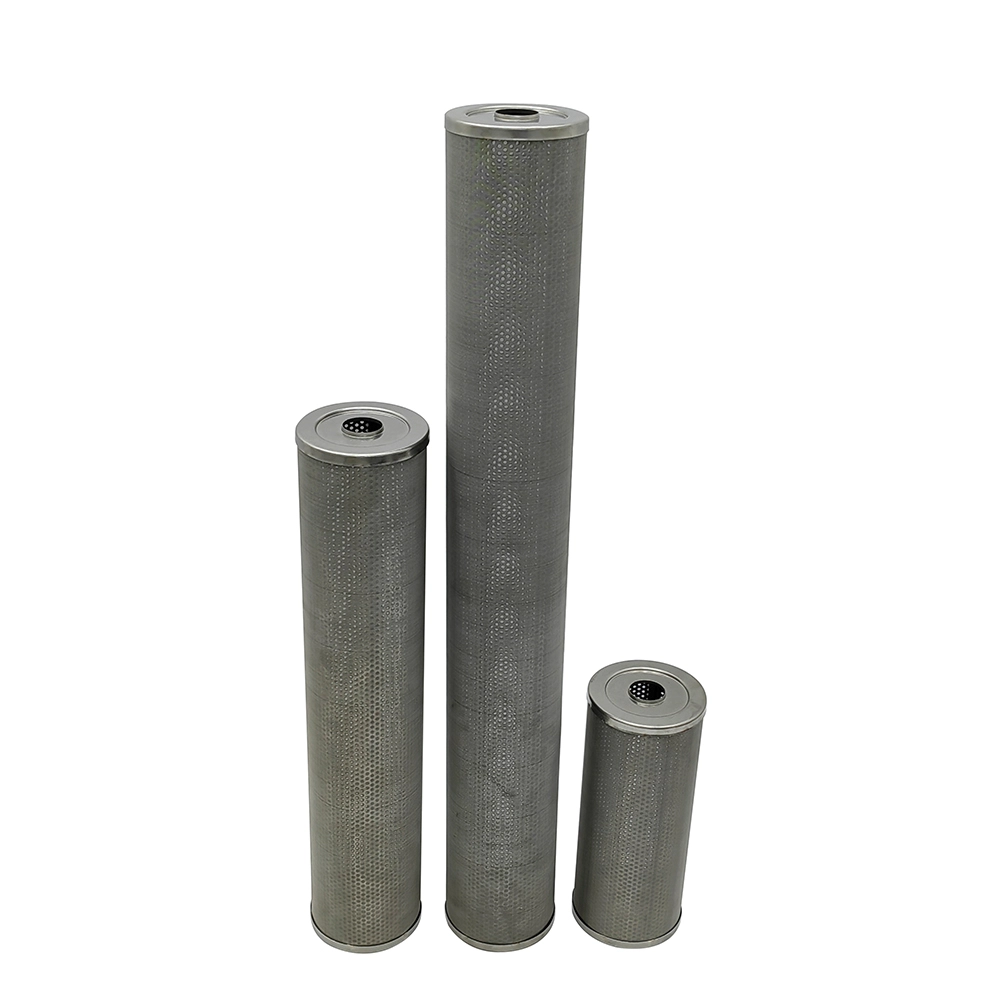
What Are Sintered Metal Filters and How Do They Work?
Porous Plastic Filter
What types of polymers are used to manufacture sintered plastic porous filters?
Common polymers used in the production of sintered plastic porous filters include polyethylene (PE), polypropylene (PP), polytetrafluoroethylene (PTFE), and polyvinylidene fluoride (PVDF), among others.
What pore sizes are available for sintered plastic porous filters?
Sintered plastic porous filters are available in a wide range of pore sizes, typically ranging from submicron to several hundred microns, allowing for precise control of filtration performance and particle retention.
Sintered mesh filters
How do I clean and maintain a sintered mesh filter?
Sintered mesh filters are generally easy to clean. They can be cleaned using methods such as backwashing, ultrasonic cleaning, or chemical cleaning. Regular maintenance helps extend the filter's lifespan and maintain optimal performance.
For products
Do you provide customization for sintered metal filters?
Yes, we offer customization services to tailor sintered metal filters to your unique specifications. This includes variations in size, shape, material, and micron rating to ensure the filter meets the specific demands of your application.
How are sintered metal filters cleaned?
Cleaning methods for sintered metal filters include backwashing, ultrasonic cleaning, and chemical cleaning. The method depends on the type of contaminants and the filter's specifications.
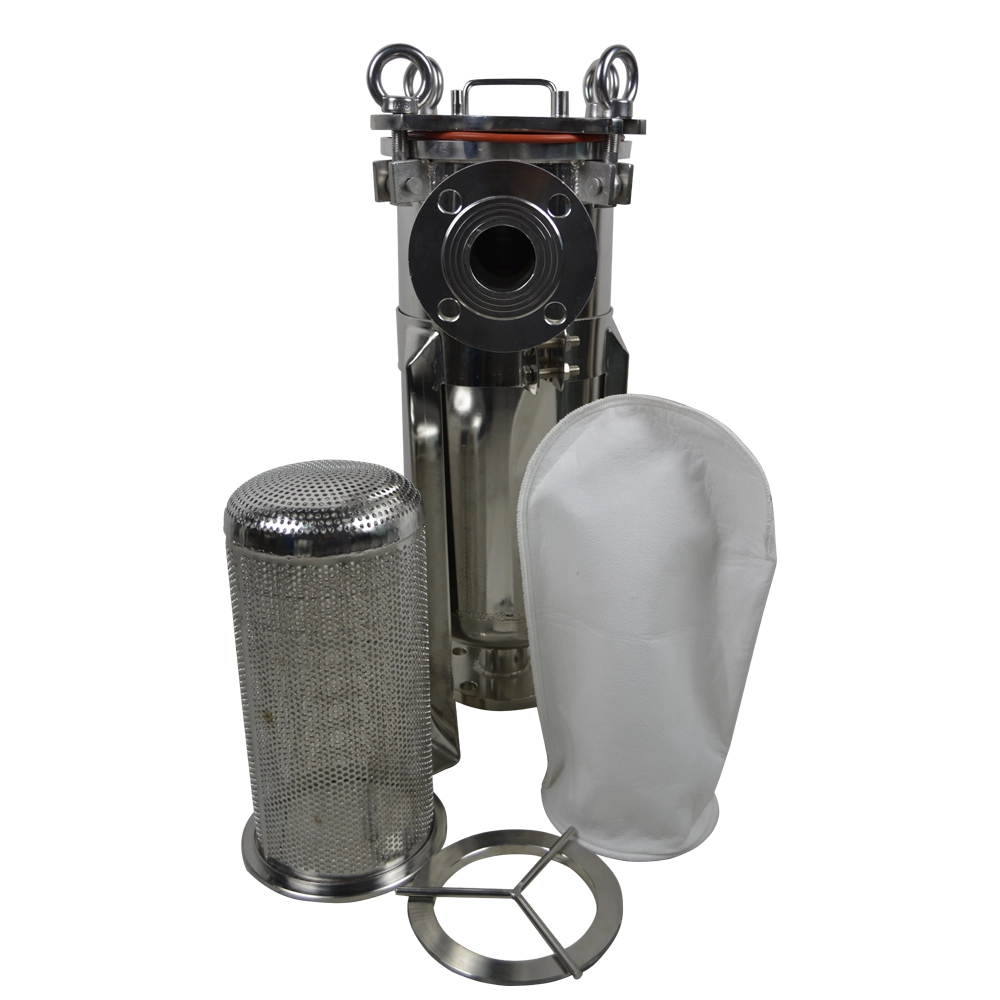
Bag filter housing
Bag filter housings are essential components in industrial filtration systems, designed to remove contaminants from liquids. To enhance the functionality and efficiency of bag filter housings, various features can be incorporated.
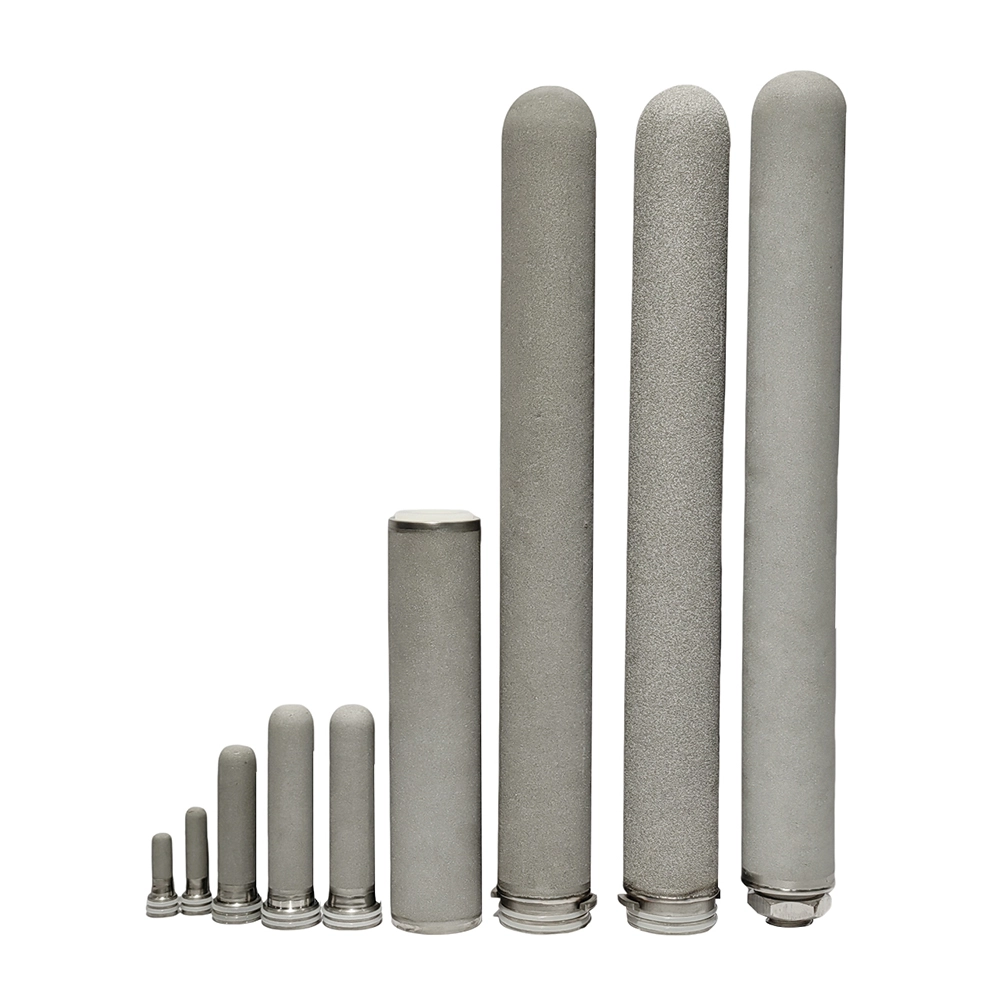
Sintered powder metal filters
Sintered powder metal filters are crafted from compressed and sintered metal powders, forming a porous structure. Porosity: 28%-50% Permeability: 0.02-20L/cm²minPa Pressure Resistance: 0.5Mpa Temperature Resistance: Less than 280℃
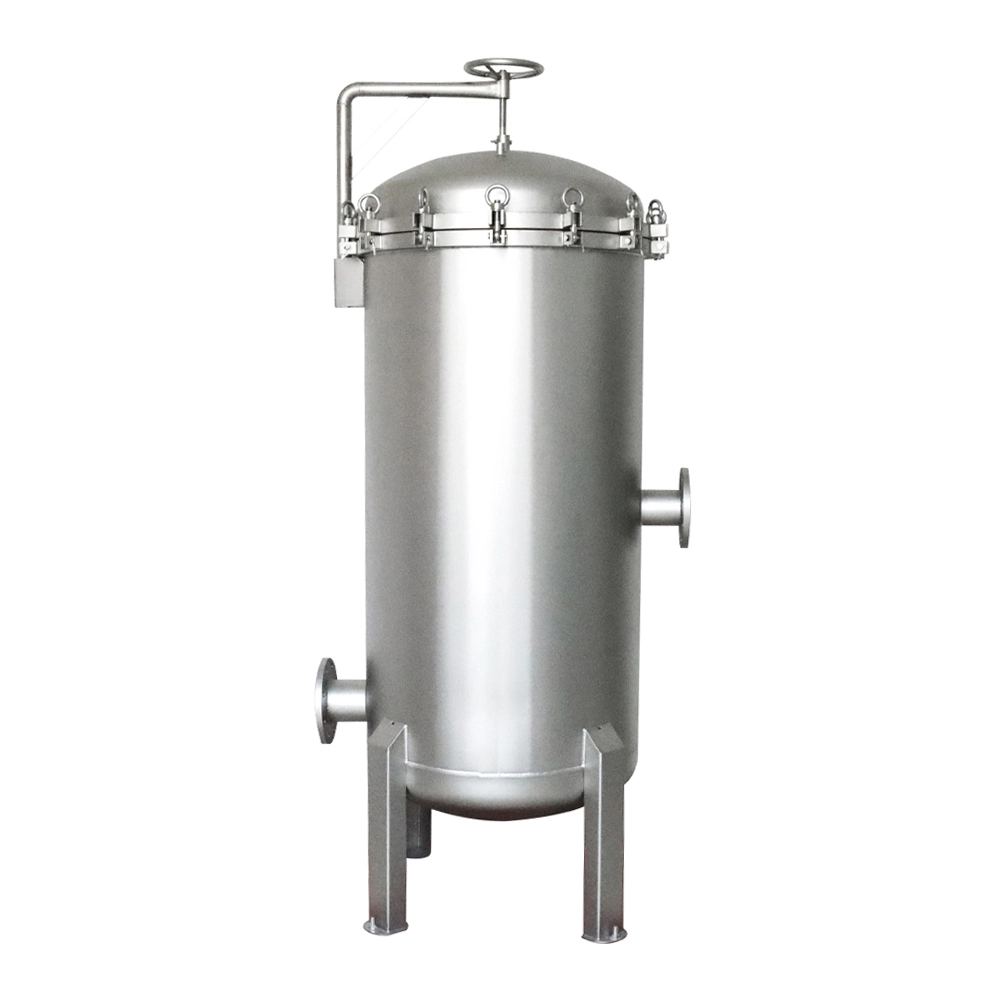
Stainless steel multi cartridge filter housing
Discover unparalleled filtration efficiency with our Stainless Steel Multi Cartridge Filter Housing – a testament to precision engineering and reliability.
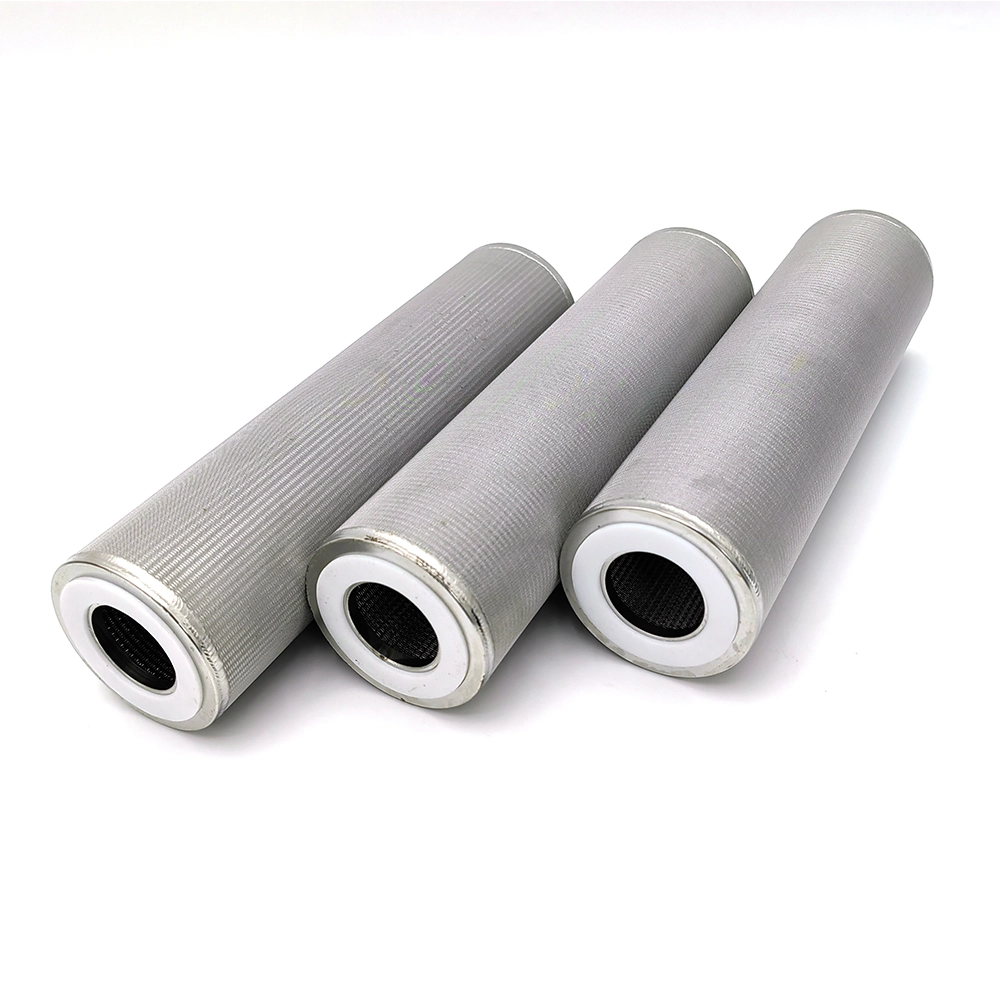
Sintered wire mesh filter
Benefit from outstanding high-pressure resistance and consistent filtration efficiency with our sintered metal mesh. Our sintered wire mesh finds versatile applications in diffuser screens, centrifuges, breather vents, fluidized beds, chromatography, polymer processing, petrochemical industries, hydraulic filters, and more.
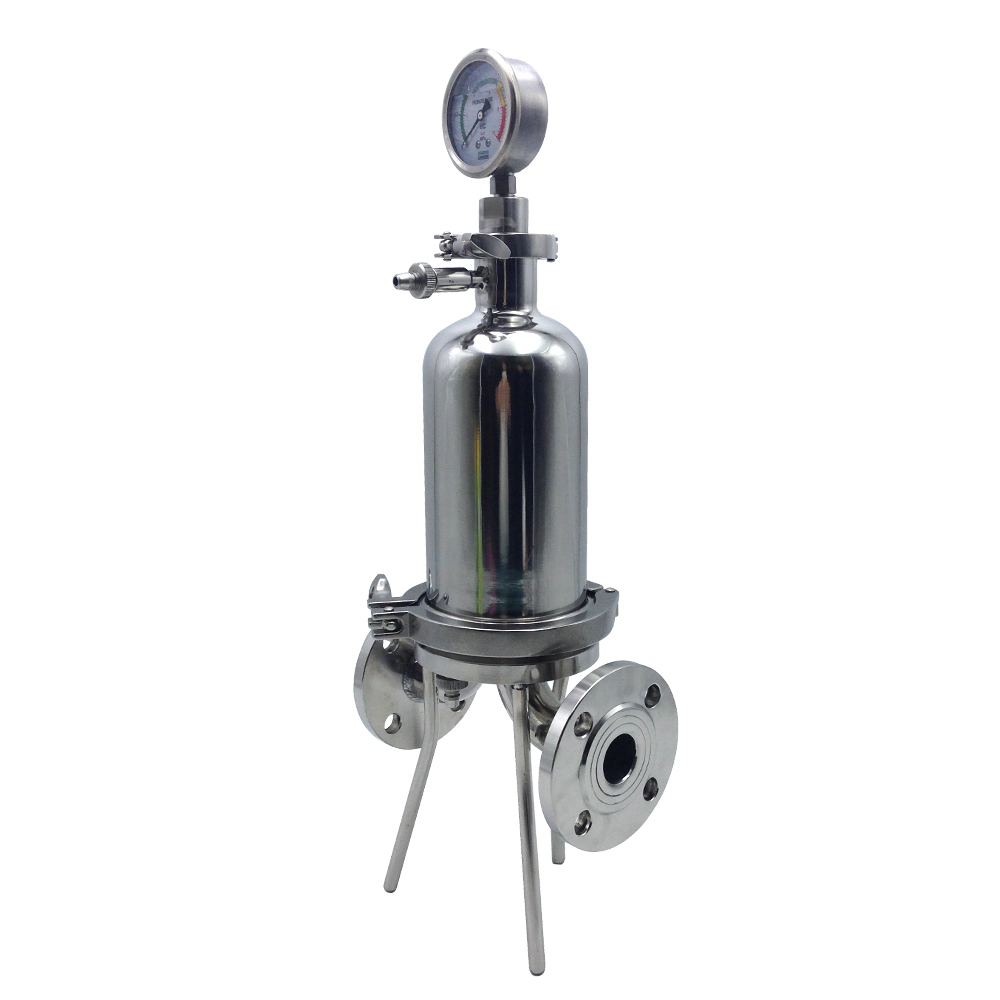
Sanitary filter housing
This filter housing will allow you to filter large volumes of nanoemulsion with ease. Sanitary vent and drain valves permit easy venting, draining, sampling, or integrity testing operations. The new cartridge locking design features additional cut-outs for traditional half-moon portions of the Code 7 bayonet locks, enhancing clean ability and drain ability.
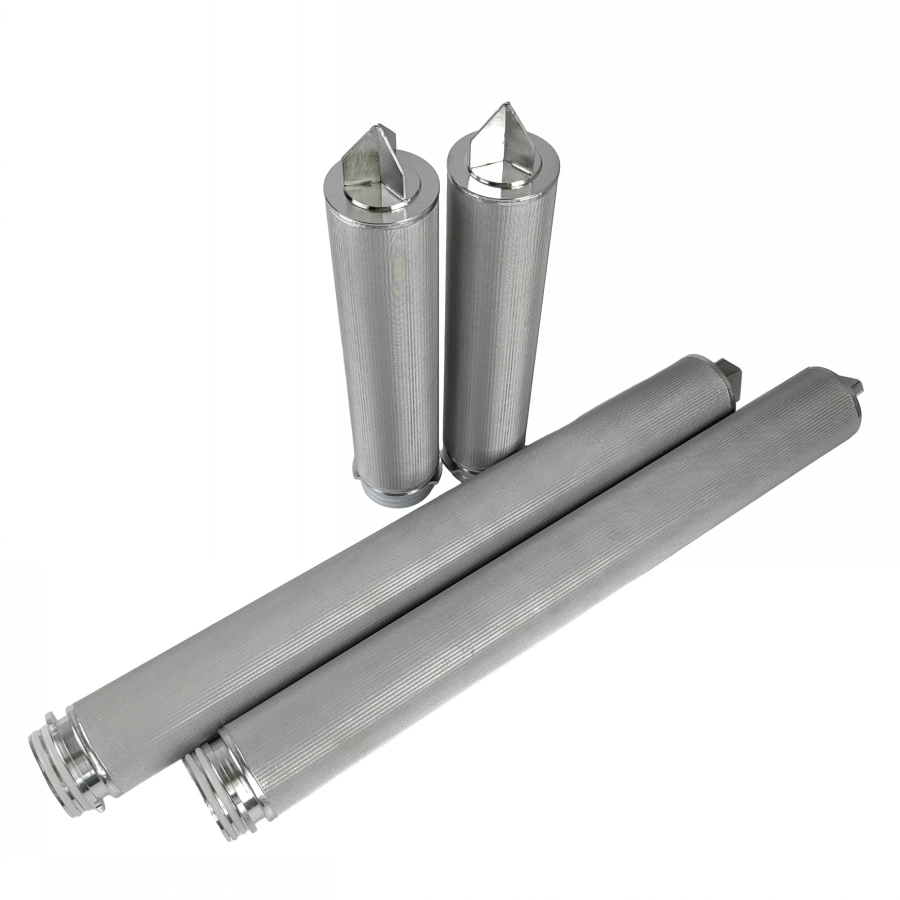
stainless steel filter water
Our sintered stainless steel filter stands as a pivotal filtration element crafted through a meticulous sintering process, with stainless steel serving as the core material.
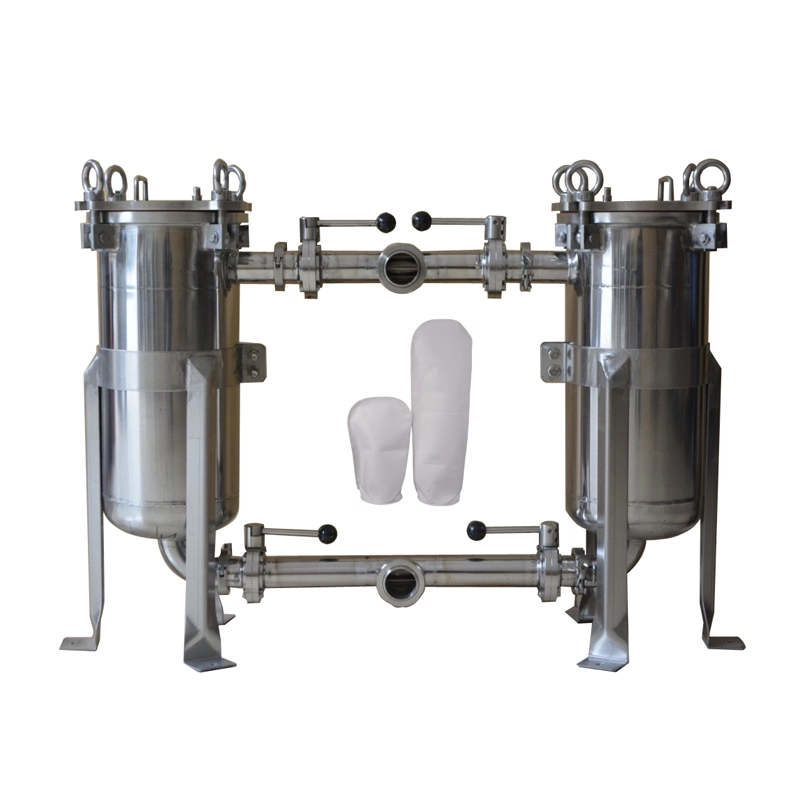
Stainless Steel Duplex filter housing
As the manufacturer, we offer a comprehensive range of Duplex Filter Housings designed to provide efficient and reliable filtration solutions for various industrial applications.
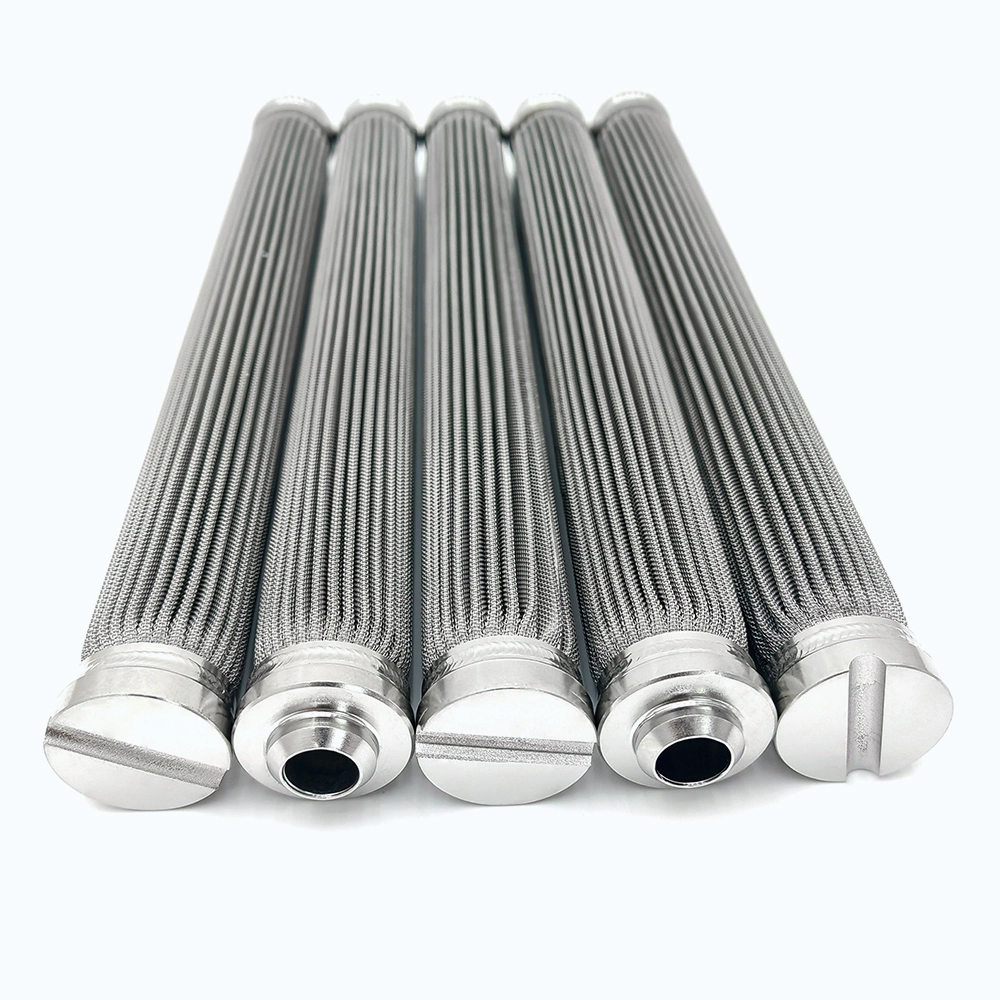
Stainless steel pleated filter cartridge
Our Stainless Steel Pleat Filter Cartridge constructed from high-quality SS 304 or SS 316L material, this filter exhibits exceptional resistance to high temperatures and rust.
© 2024 All Rights Reserved. | Privacy policy • Terms and conditions


