
how does a bag filter housing work
Bag filter housings are essential for removing particulate matter from liquids or gases. This article explains their function, components (housing, bags, inlet/outlet ports, pressure gauges), and operational principles. Understanding pressure differential and proper bag replacement is crucial for maintaining efficiency and preventing system damage.We offers a range of high-quality bag filter housings for various applications.
How Does a Bag Filter Housing Work?
This article provides a concise explanation of how a bag filter housing functions. Understanding this process is crucial for maintaining optimal system performance and preventing costly downtime.
Components of a Bag Filter Housing
A typical bag filter housing consists of several key components:
Housing: The main pressure vessel, typically made of durable materials like stainless steel or fiberglass, designed to withstand the operating pressure and temperature of the application.
Filter Bags: These are the workhorses, containing the filter media which traps the particulate matter. Different media are available depending on the size and type of particles being removed.
Inlet/Outlet Ports: These allow for the flow of the process fluid into and out of the housing.
Pressure Gauges: These monitor the pressure drop across the filter, indicating filter loading and the need for bag replacement.
How it Works: The Filtration Process
1. Fluid Entry: The process fluid (liquid or gas) enters the housing through the inlet port.
2. Filtration: The fluid passes through the filter bags. Particulate matter is trapped within the filter media, while the cleaned fluid passes through.
3. Clean Fluid Exit: The filtered fluid exits the housing through the outlet port.
4. Pressure Differential: As the filter bags accumulate particulate matter, the pressure differential (difference between inlet and outlet pressure) increases. This increase is monitored by the pressure gauges.
5. Bag Replacement: When the pressure differential reaches a predetermined level, indicating that the bags are nearing capacity, they need to be replaced.
Maintaining Your Bag Filter Housing
Regular maintenance is key to extending the lifespan of your bag filter housing and ensuring consistent performance. This includes:
Regular Pressure Monitoring: Regularly check the pressure gauges to monitor the pressure differential.
Scheduled Bag Replacement: Replace bags according to the manufacturer's recommendations and/or based on pressure differential readings.
Visual Inspection: Periodically inspect the housing for any signs of damage or leaks.
By understanding the components and operational principles of bag filter housings, you can optimize their performance and ensure efficient removal of particulate matter from your process streams. Contact Lvyuan for more information about our range of high-quality bag filter housings.
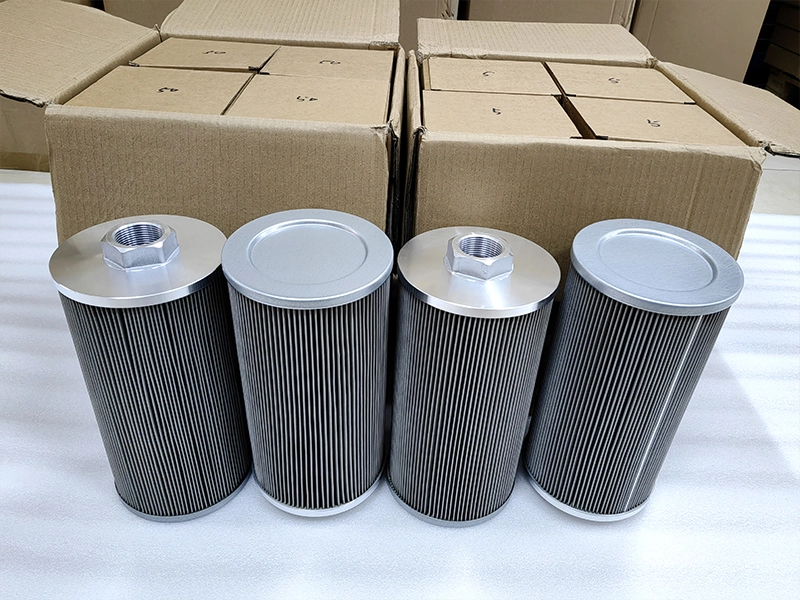
What is Sintered Metal Filter? Complete Guide
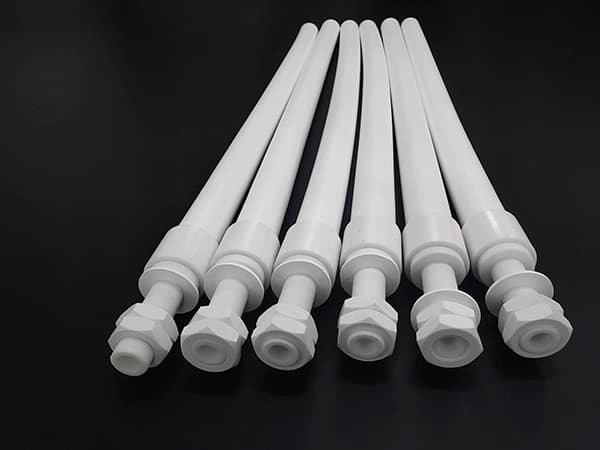
Sintered PTFE Filters: Advanced Filtration for Demanding Environments
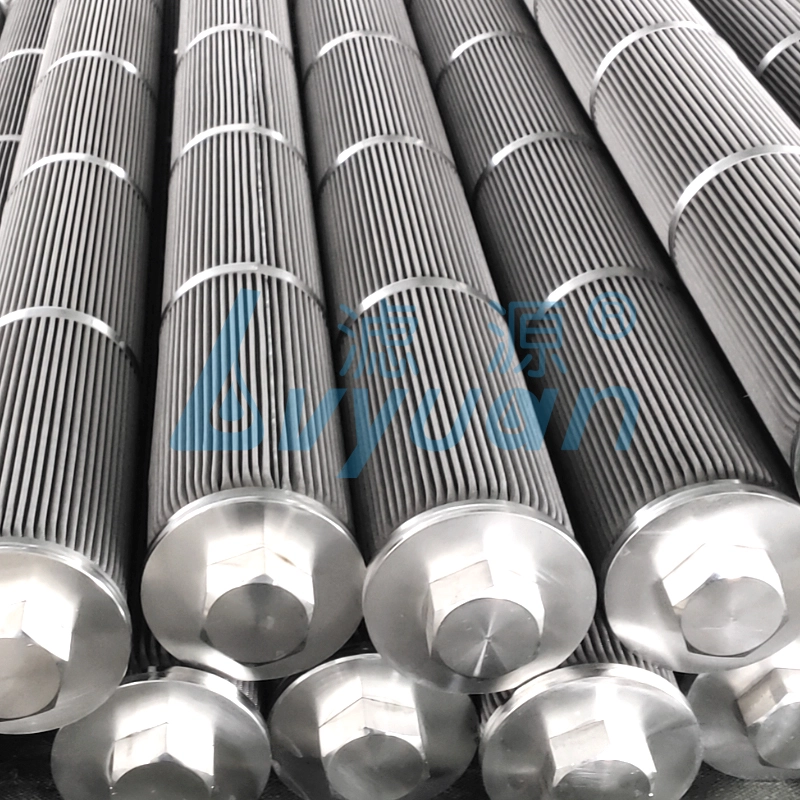
Metal Sintered Filters: Precision Filtering to Drive Industrial Upgrading
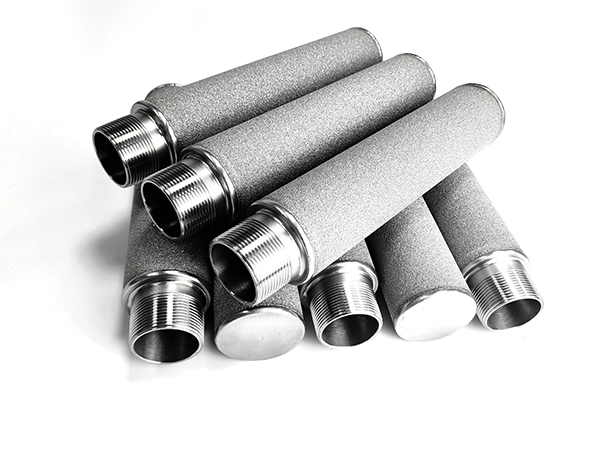
Choosing Sintered Filters: An Overview for Industrial Applications
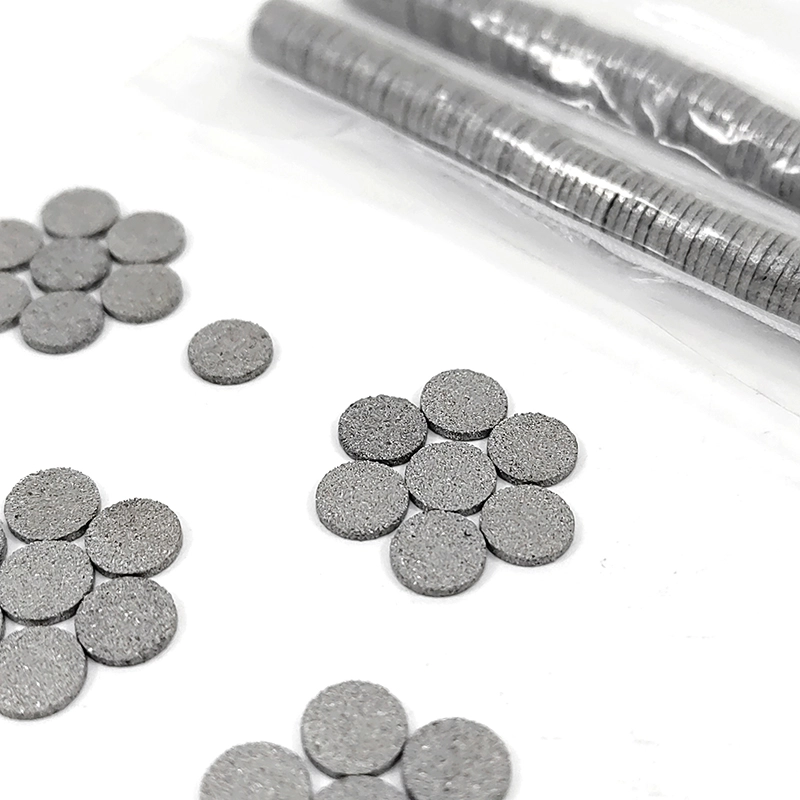
What is a Sintered Metal Filter Disc? A Comprehensive Guide
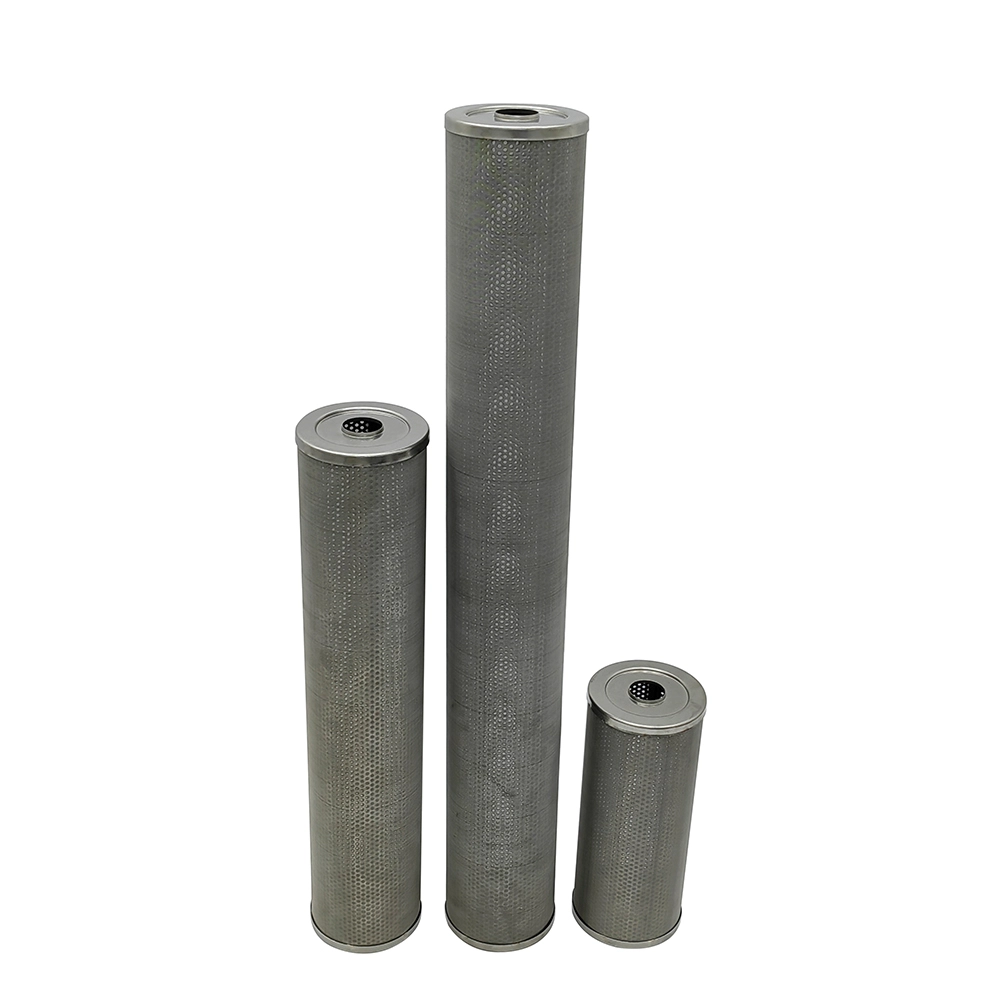
What Are Sintered Metal Filters and How Do They Work?
Metal mesh filters
What applications is sintered wire mesh suitable for?
Sintered wire mesh filter finds applications in various industries, including:
• Filtration of liquids and gases.
• Polymer and chemical processing.
• Pharmaceutical and food processing.
• Aerospace and automotive industries.
• Environmental protection and water treatment.
What is sintered wire mesh filter?
Sintered wire mesh is a porous metal filtration material created by sintering multiple layers of woven wire mesh. The sintering process bonds the wires at their intersection points, creating a durable and uniform structure with precise filtration characteristics.
Sintered Titanium Filters
Can Sintered Titanium Filters Withstand Harsh Environments?
Yes, sintered titanium filters exhibit excellent resistance to corrosion from seawater and various chemicals, making them suitable for harsh and aggressive environments.
Sintered Metal Filters
Can sintered metal filters be cleaned and reused?
Yes, sintered metal filters are designed to be cleaned and reused. Their durability and resistance to fouling make them suitable for applications where filter cleaning is necessary.
Stainless Steel Cartridge Filter Housing
How do stainless steel cartridge filter housings work?
Stainless steel filter housings operate by passing the process fluid through the filter element, where contaminants are captured on the filter media, allowing the clean fluid to pass through and exit the housing.
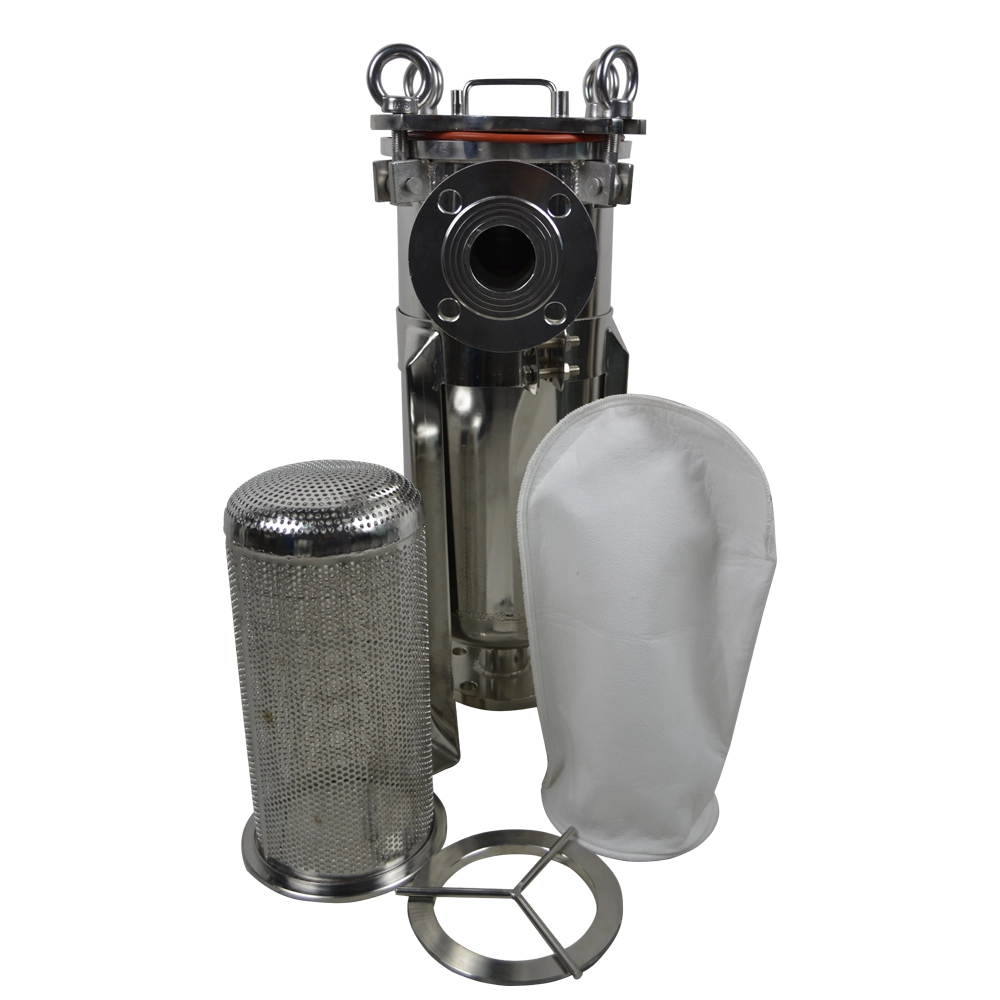
Bag filter housing
Bag filter housings are essential components in industrial filtration systems, designed to remove contaminants from liquids. To enhance the functionality and efficiency of bag filter housings, various features can be incorporated.
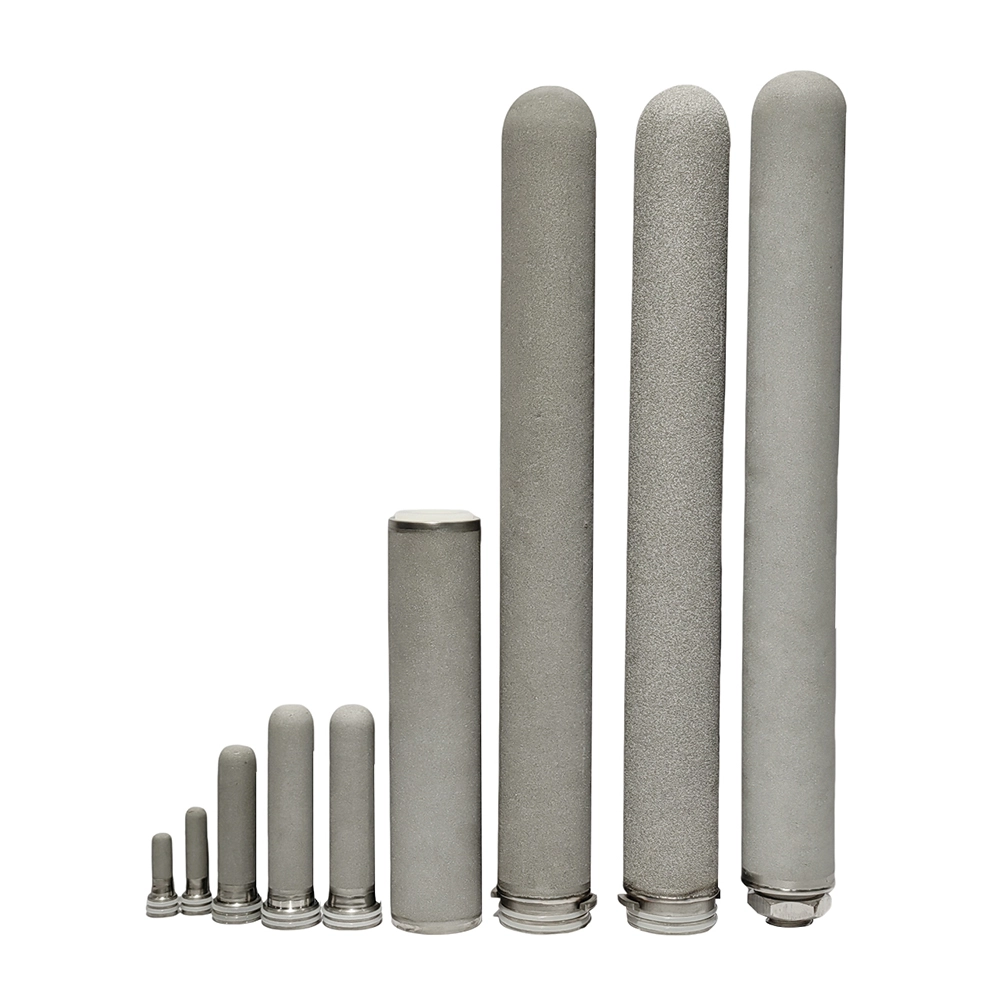
Sintered powder metal filters
Sintered powder metal filters are crafted from compressed and sintered metal powders, forming a porous structure. Porosity: 28%-50% Permeability: 0.02-20L/cm²minPa Pressure Resistance: 0.5Mpa Temperature Resistance: Less than 280℃
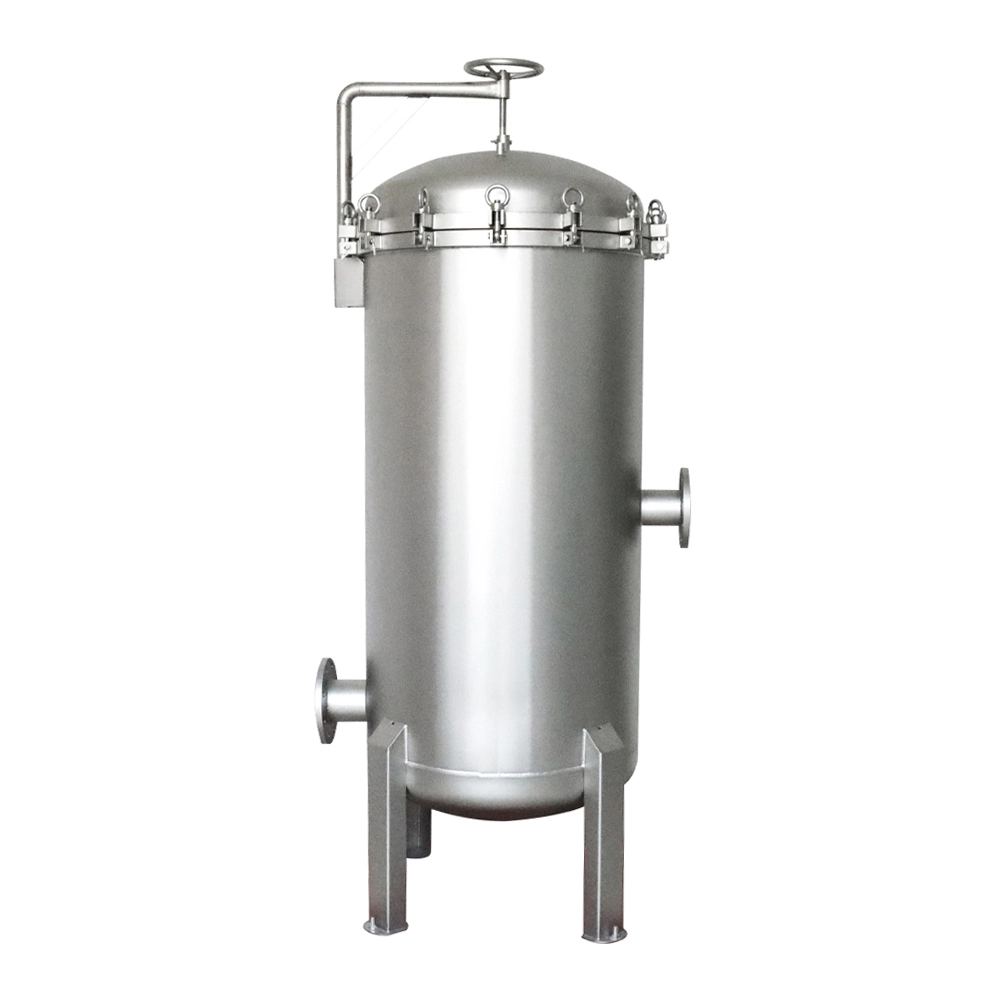
Stainless steel multi cartridge filter housing
Discover unparalleled filtration efficiency with our Stainless Steel Multi Cartridge Filter Housing – a testament to precision engineering and reliability.
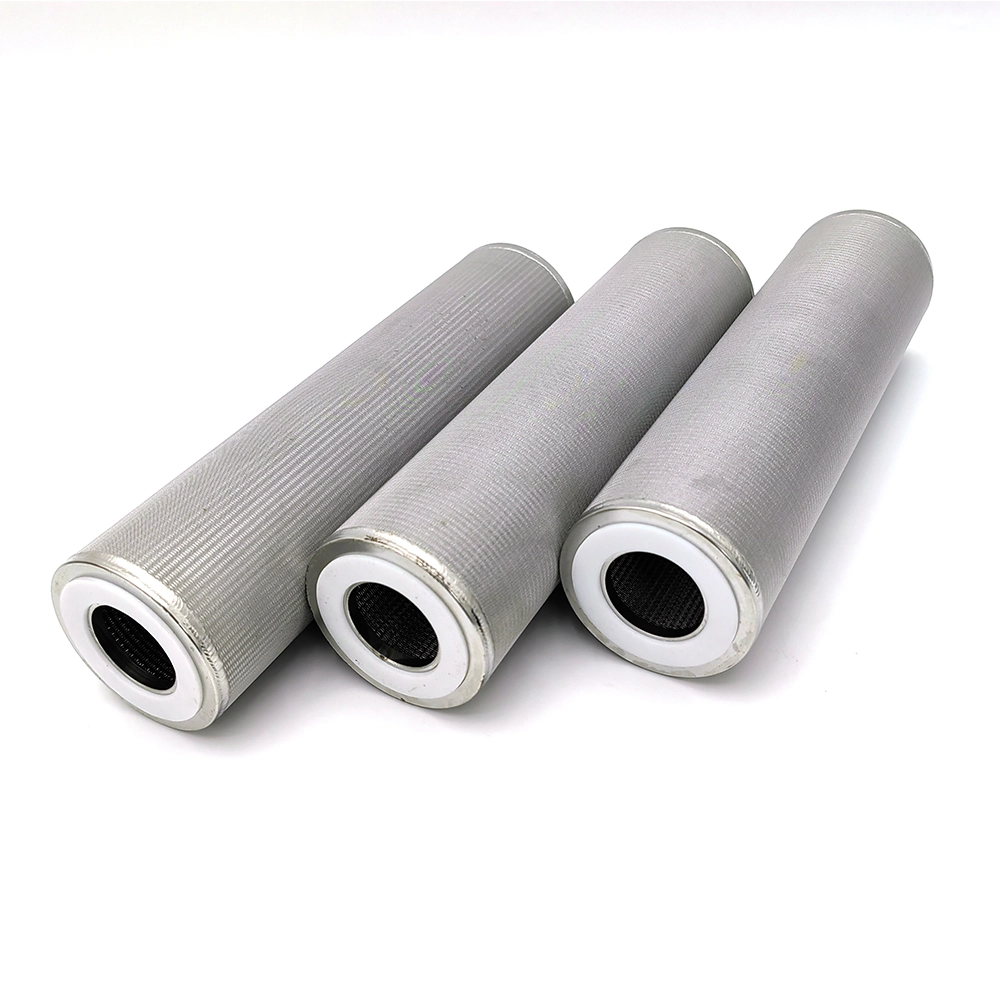
Sintered wire mesh filter
Benefit from outstanding high-pressure resistance and consistent filtration efficiency with our sintered metal mesh. Our sintered wire mesh finds versatile applications in diffuser screens, centrifuges, breather vents, fluidized beds, chromatography, polymer processing, petrochemical industries, hydraulic filters, and more.
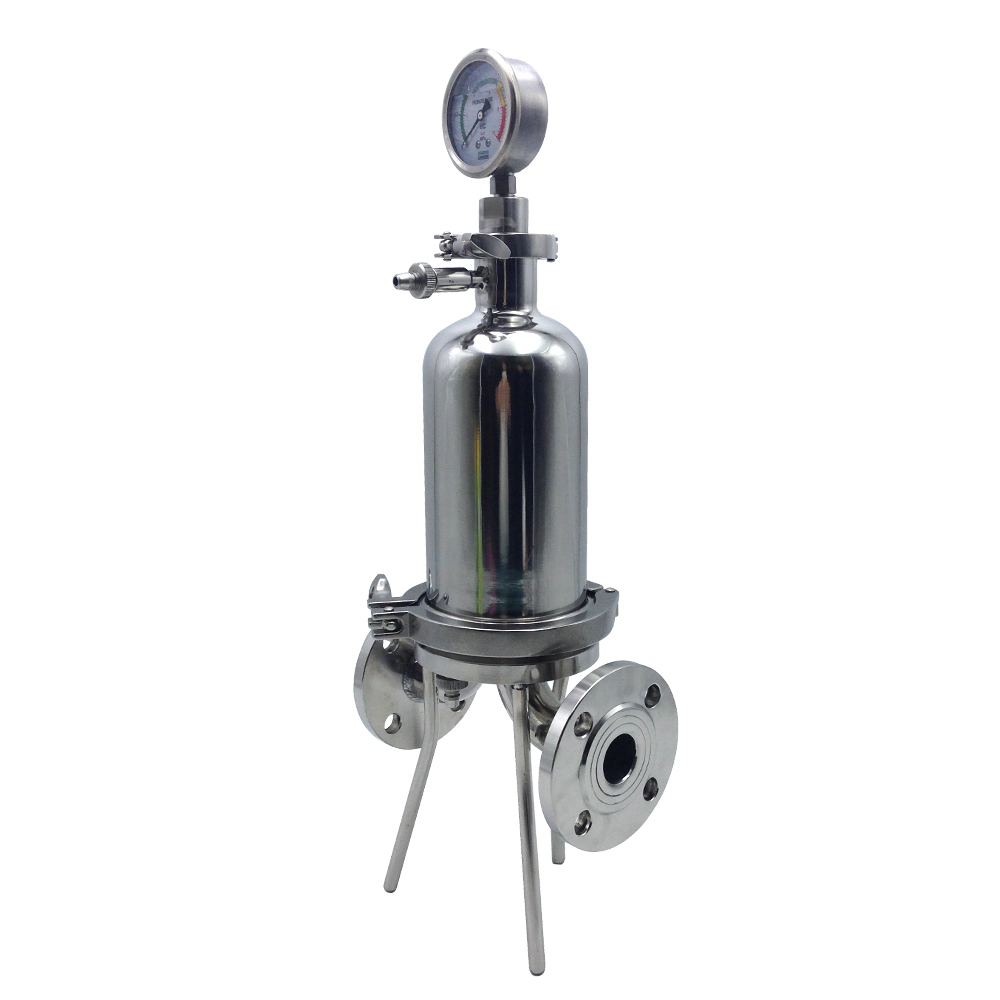
Sanitary filter housing
This filter housing will allow you to filter large volumes of nanoemulsion with ease. Sanitary vent and drain valves permit easy venting, draining, sampling, or integrity testing operations. The new cartridge locking design features additional cut-outs for traditional half-moon portions of the Code 7 bayonet locks, enhancing clean ability and drain ability.
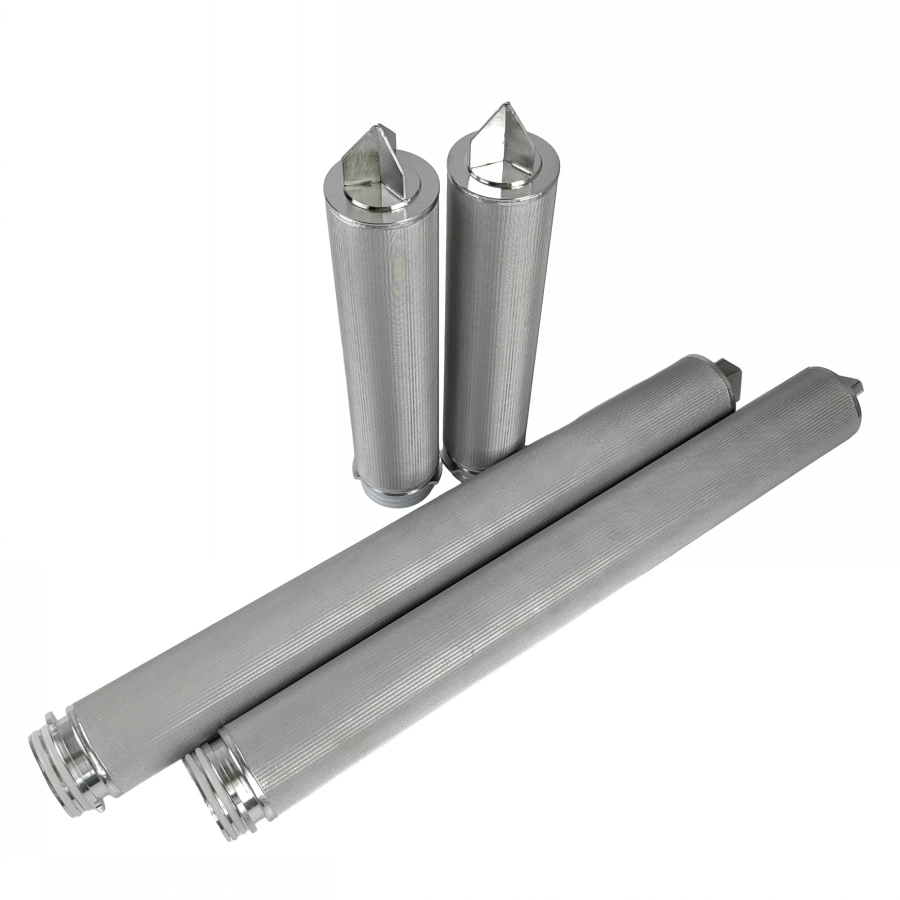
stainless steel filter water
Our sintered stainless steel filter stands as a pivotal filtration element crafted through a meticulous sintering process, with stainless steel serving as the core material.
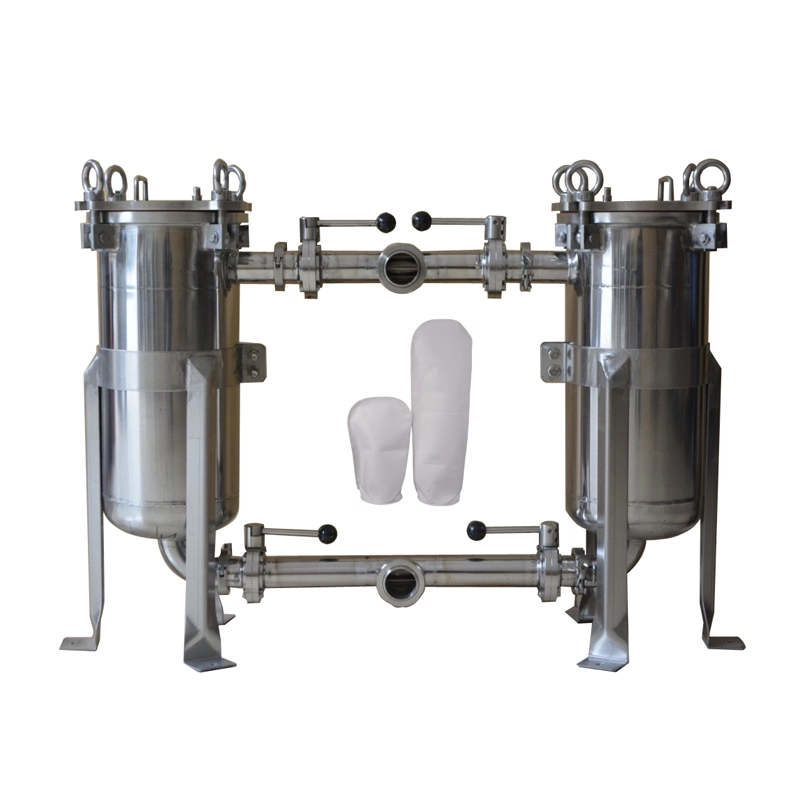
Stainless Steel Duplex filter housing
As the manufacturer, we offer a comprehensive range of Duplex Filter Housings designed to provide efficient and reliable filtration solutions for various industrial applications.
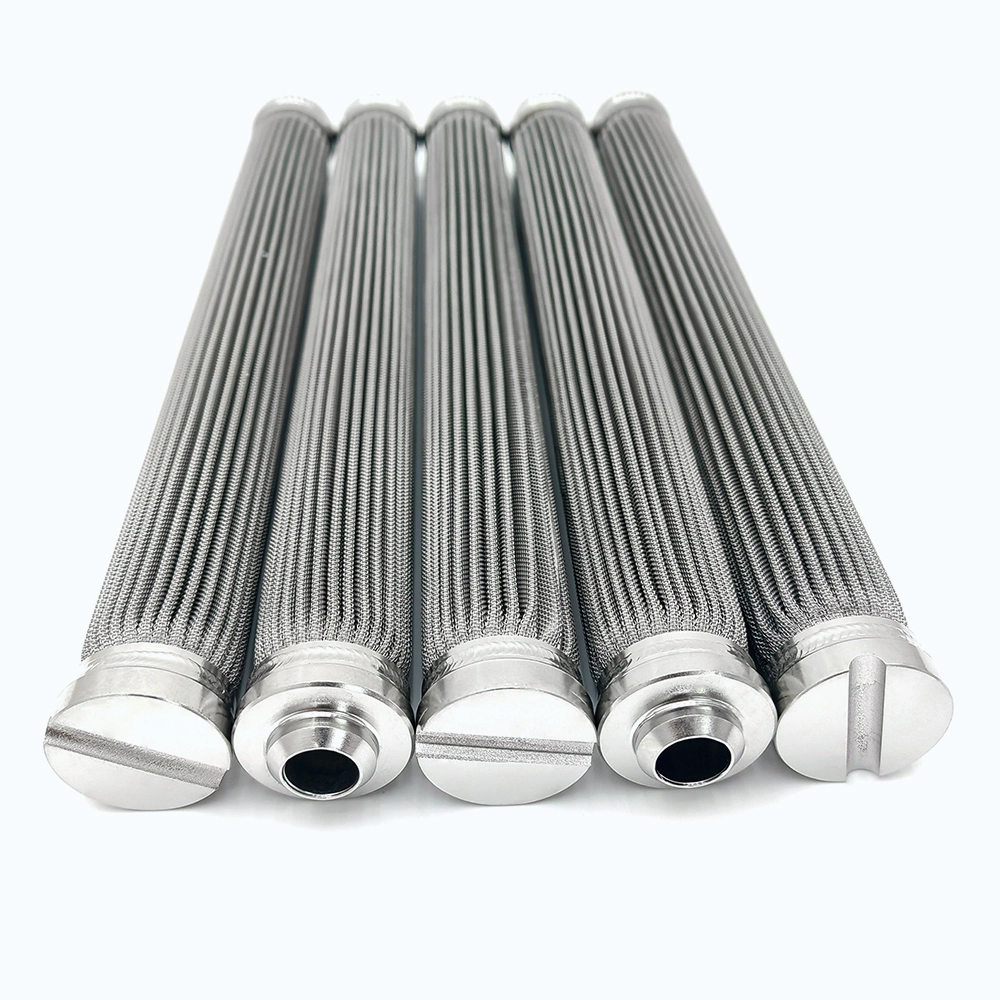
Stainless steel pleated filter cartridge
Our Stainless Steel Pleat Filter Cartridge constructed from high-quality SS 304 or SS 316L material, this filter exhibits exceptional resistance to high temperatures and rust.
© 2024 All Rights Reserved. | Privacy policy • Terms and conditions


