
what is better a bag house or a pleated filter
This article compares bag house and pleated filters, outlining their strengths and weaknesses. We explore key differences in dust loading capacity, efficiency, maintenance, space requirements, and cost, to help you choose the ideal solution for your industrial application. Consider factors like dust load, particle size, efficiency needs, and available space when making your decision. Contact us for expert advice.
Bag House vs. Pleated Filter: Which is Right for You?
Choosing between a bag house filter and a pleated filter for your industrial application can be challenging. Both are effective dust collection methods, but their design and performance characteristics differ significantly. This article will clarify the key distinctions to help you make the best choice for your needs.
Understanding Bag House Filters
Bag house filters utilize numerous fabric bags suspended within a housing. Air containing dust particles passes through these bags, trapping the contaminants. The clean air then exits the system. Bag houses excel in handling high dust loading applications and are suitable for a wide range of particle sizes. However, they often require more space than pleated filters and can be more complex to maintain, particularly when replacing individual bags.
Exploring Pleated Filters
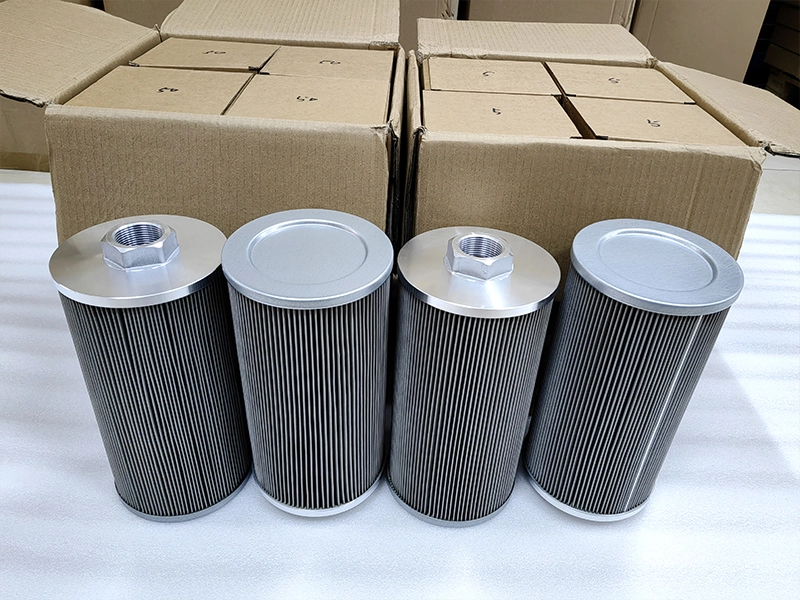
Pleated filters consist of a series of pleated filter media arranged within a frame. The pleated design provides a large surface area for filtration within a compact footprint. Pleated filters are often preferred for applications requiring higher efficiency and lower pressure drops, although they may not handle the same dust loading as bag houses. They are generally easier and quicker to replace than individual bag house filters.
Key Differences: A Comparison Table
| Feature | Bag House Filter | Pleated Filter |
|--|--||
| Dust Loading | High | Moderate to High |
| Efficiency | Moderate to High | High |
| Space Requirement | Large | Small |
| Maintenance | More complex, individual bag changes | Simpler, entire cartridge replacement |
| Pressure Drop | Moderate to High | Typically Lower |
| Particle Size | Wide range | Often better suited for finer particles|
| Cost | Typically higher initial investment | Generally lower initial investment |
Choosing the Right Filter for Your Application
The optimal choice between a bag house and a pleated filter depends entirely on your specific application requirements. Consider factors such as:
Dust loading: How much dust needs to be filtered?
Particle size: What size are the dust particles?
Required efficiency: What level of cleanliness is needed in the exhaust air?
Available space: How much space is available for the filter system?
Maintenance budget: What is your budget for filter maintenance and replacement?
By carefully considering these factors, you can make an informed decision about whether a bag house or pleated filter is best suited for your needs. Consulting with a filtration specialist can also be invaluable in selecting the most effective and efficient dust collection system. Contact us today for expert assistance!
What is Sintered Metal Filter? Complete Guide
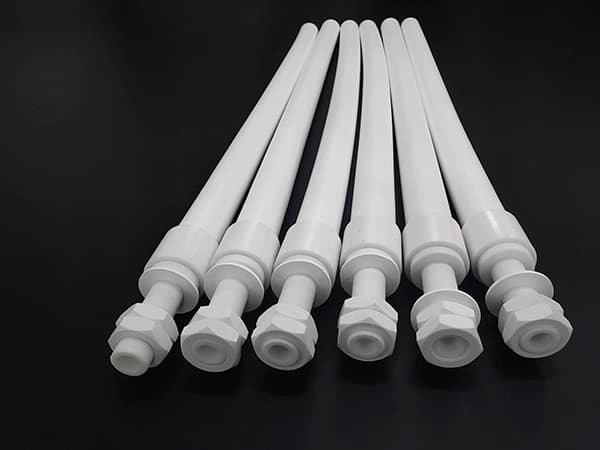
Sintered PTFE Filters: Advanced Filtration for Demanding Environments
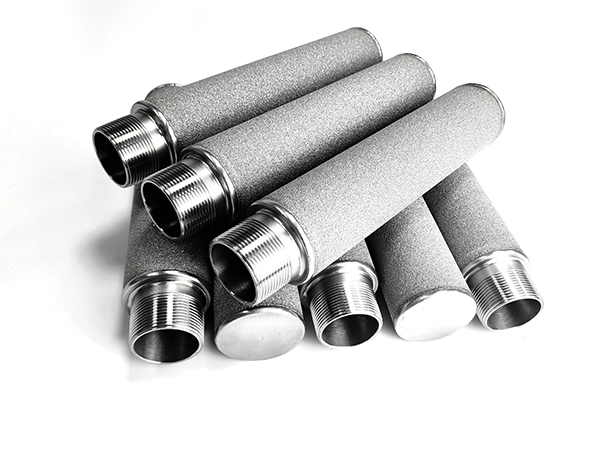
Metal Sintered Filters: Precision Filtering to Drive Industrial Upgrading
Choosing Sintered Filters: An Overview for Industrial Applications
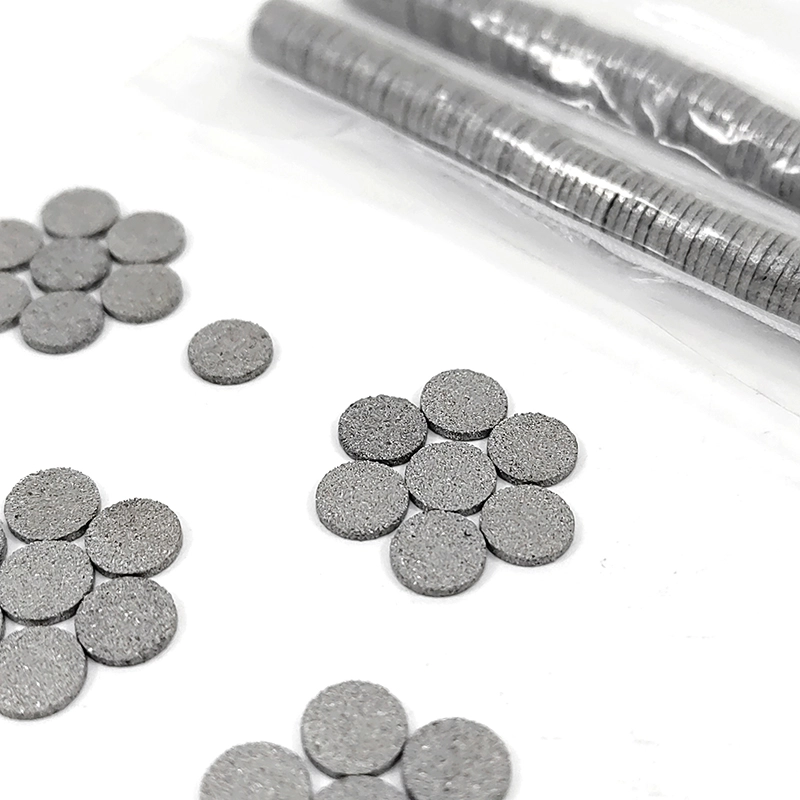
What is a Sintered Metal Filter Disc? A Comprehensive Guide
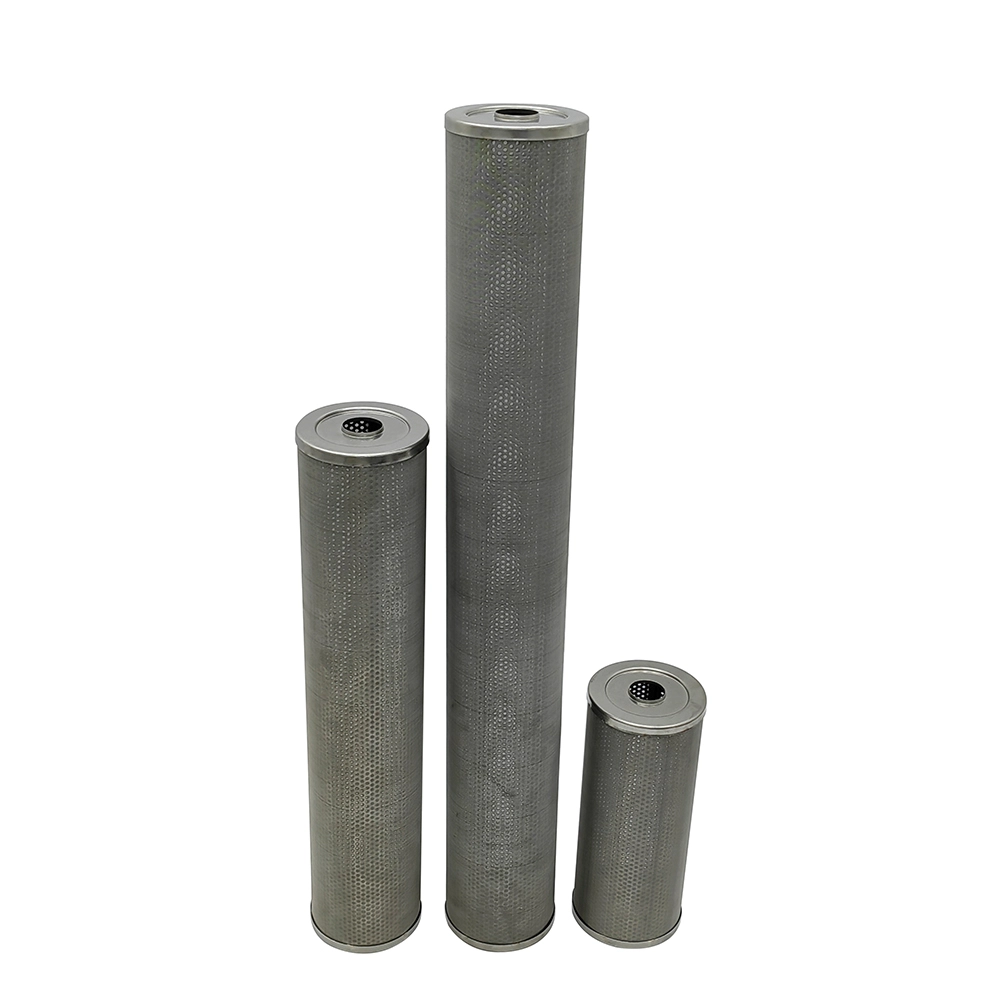
What Are Sintered Metal Filters and How Do They Work?
Sintered Metal Filter
Can industrial sintered metal filter cartridges be customized?
Yes, these cartridges can be customized in terms of dimensions, filtration ratings, materials, and end connections to suit the specific needs of different industrial processes.
How often should industrial-sintered metal filter cartridges be replaced?
The replacement frequency depends on the operating conditions and the level of contaminants in the process. Regular inspection and monitoring help determine the optimal replacement schedule.
In which industries are industrial sintered metal filter cartridges commonly used?
These cartridges find applications in petrochemicals, pharmaceuticals, water treatment, food processing, automotive, aerospace, and many other industries where precise and reliable filtration is essential.
What is the temperature range that industrial sintered metal filter cartridges can handle?
The temperature range varies based on the material used, but they can typically withstand temperatures from -200°C to 1000°C or even higher for certain alloys.
What is an industrial sintered metal filter cartridge?
An industrial sintered filter cartridge is a filtration component made through a sintering process, combining metal powders to create a porous structure. These cartridges are designed for industrial applications to remove contaminants from liquids and gases.
What materials are commonly used in industrial-sintered metal filter cartridges?
Common materials include stainless steel (304, 316, and 316L), bronze, Inconel, Monel, titanium, and other alloys, depending on the specific requirements of the application.
What are the key advantages of using industrial-sintered metal filter cartridges?
Advantages include high filtration efficiency, durability, wide temperature resistance, chemical compatibility, customization options, high flow rates, ease of cleaning, and versatility across various industries.
Sintered Metal Filters
What is the filtration accuracy of sintered metal filters?
The filtration accuracy of sintered metal filters can vary. Common ranges include 1 to 200 microns, but customization allows for specific accuracy based on application needs.
Sintered Powder Filters
What shapes are available for sintered powder filters?
Sintered powder filters are available in various shapes, including discs, tubes, metal filter cartridges, plates, porous metal sheets, and cups, providing versatility for different applications.
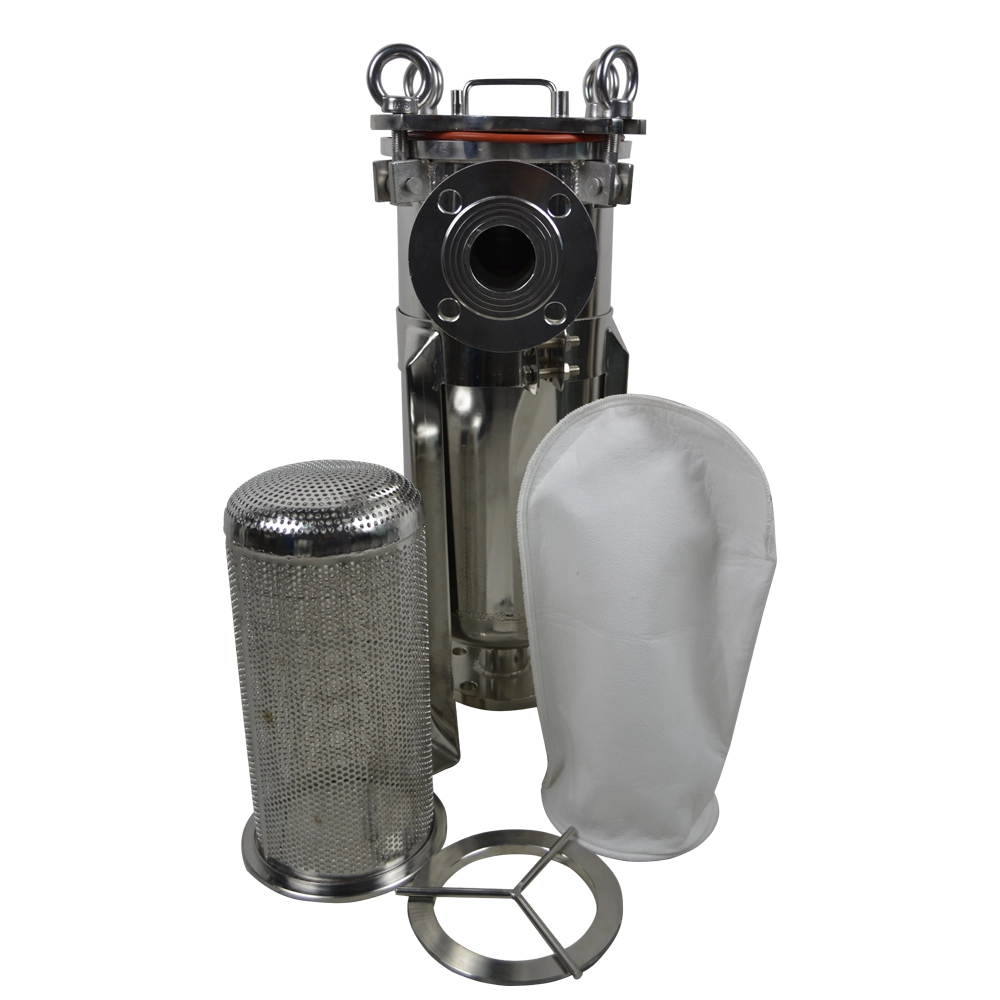
Bag filter housing
Bag filter housings are essential components in industrial filtration systems, designed to remove contaminants from liquids. To enhance the functionality and efficiency of bag filter housings, various features can be incorporated.
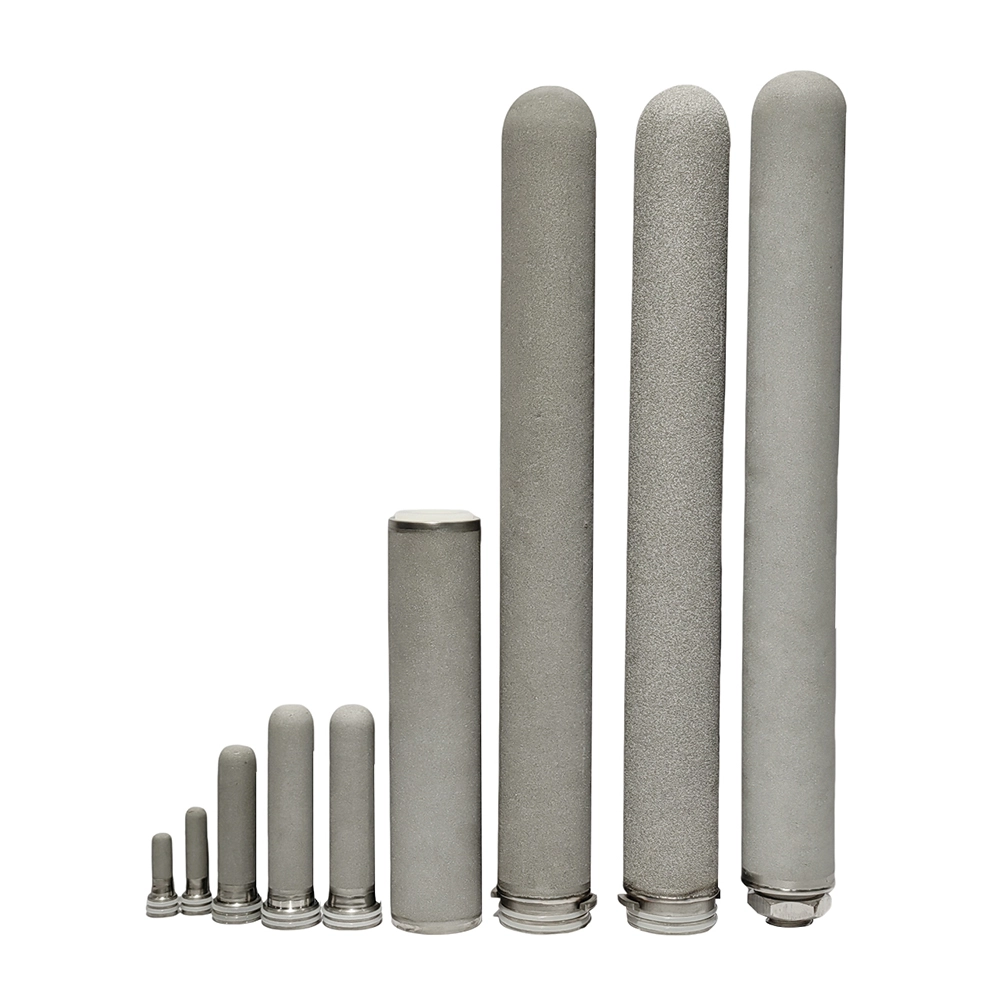
Sintered powder metal filters
Sintered powder metal filters are crafted from compressed and sintered metal powders, forming a porous structure. Porosity: 28%-50% Permeability: 0.02-20L/cm²minPa Pressure Resistance: 0.5Mpa Temperature Resistance: Less than 280℃
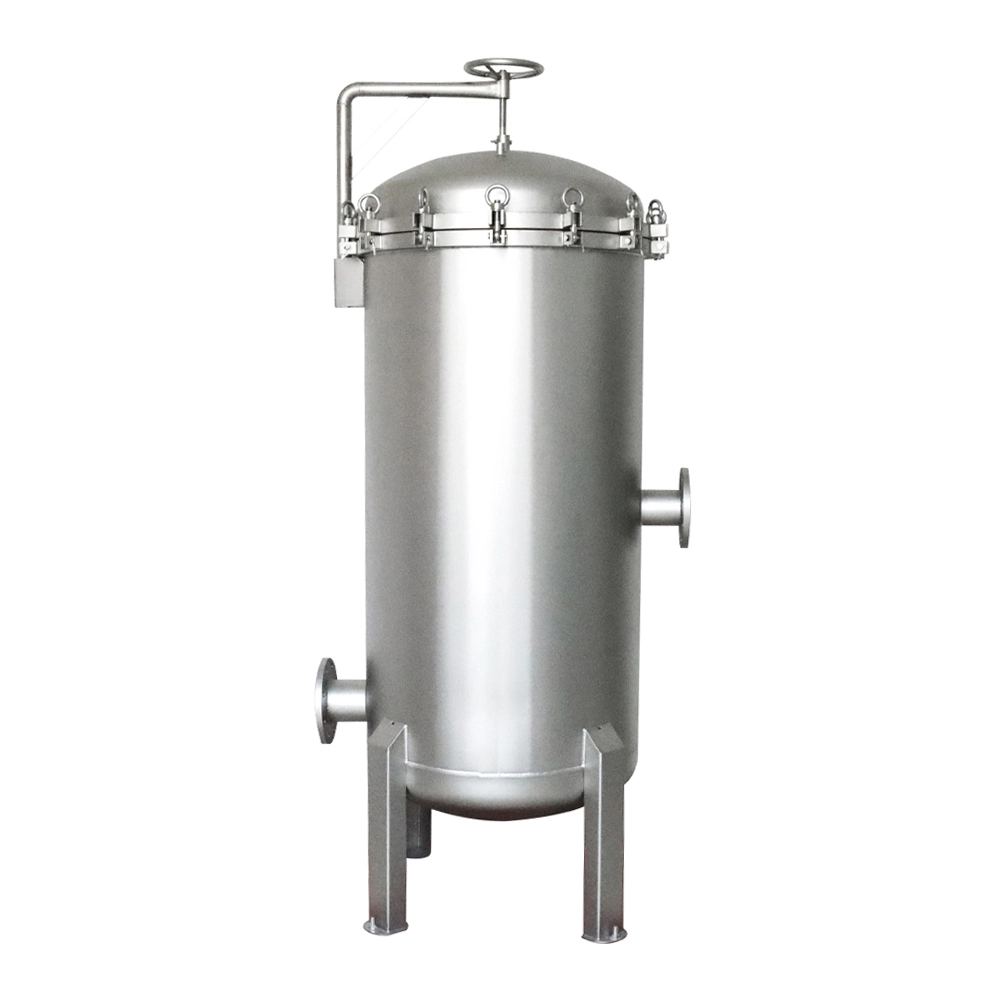
Stainless steel multi cartridge filter housing
Discover unparalleled filtration efficiency with our Stainless Steel Multi Cartridge Filter Housing – a testament to precision engineering and reliability.
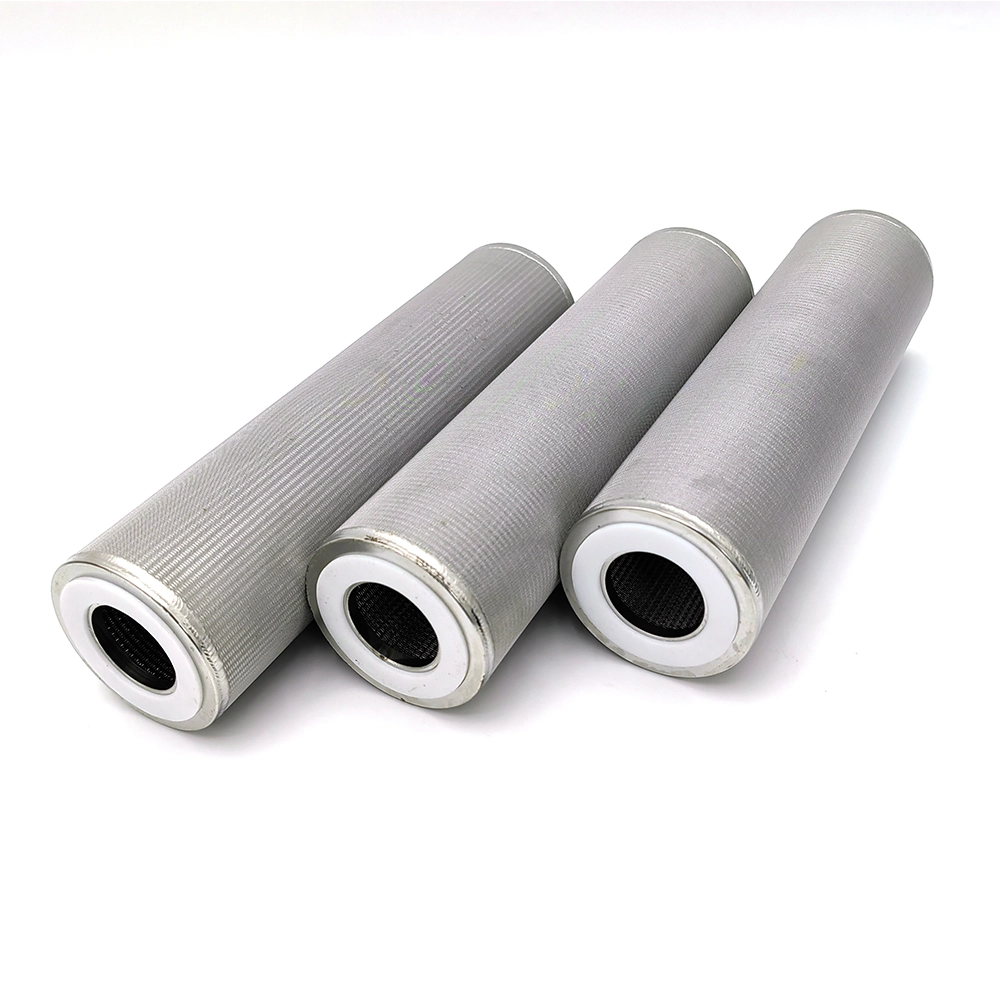
Sintered wire mesh filter
Benefit from outstanding high-pressure resistance and consistent filtration efficiency with our sintered metal mesh. Our sintered wire mesh finds versatile applications in diffuser screens, centrifuges, breather vents, fluidized beds, chromatography, polymer processing, petrochemical industries, hydraulic filters, and more.
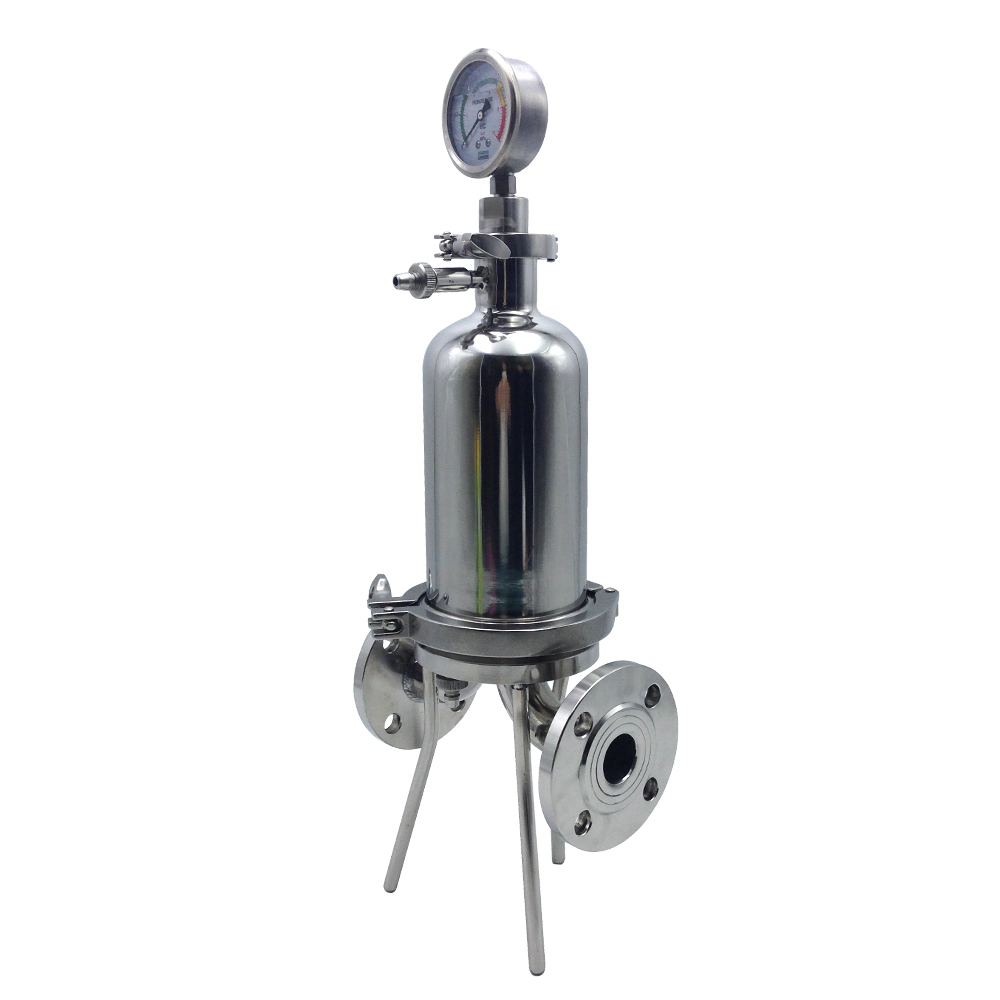
Sanitary filter housing
This filter housing will allow you to filter large volumes of nanoemulsion with ease. Sanitary vent and drain valves permit easy venting, draining, sampling, or integrity testing operations. The new cartridge locking design features additional cut-outs for traditional half-moon portions of the Code 7 bayonet locks, enhancing clean ability and drain ability.
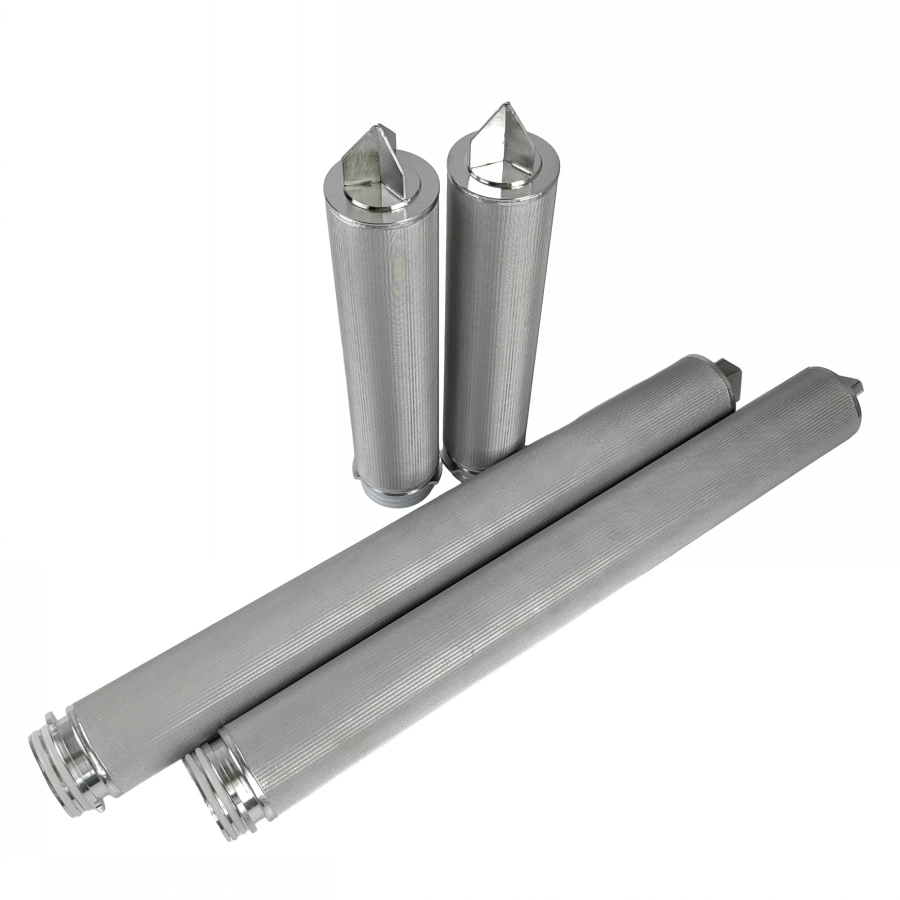
stainless steel filter water
Our sintered stainless steel filter stands as a pivotal filtration element crafted through a meticulous sintering process, with stainless steel serving as the core material.
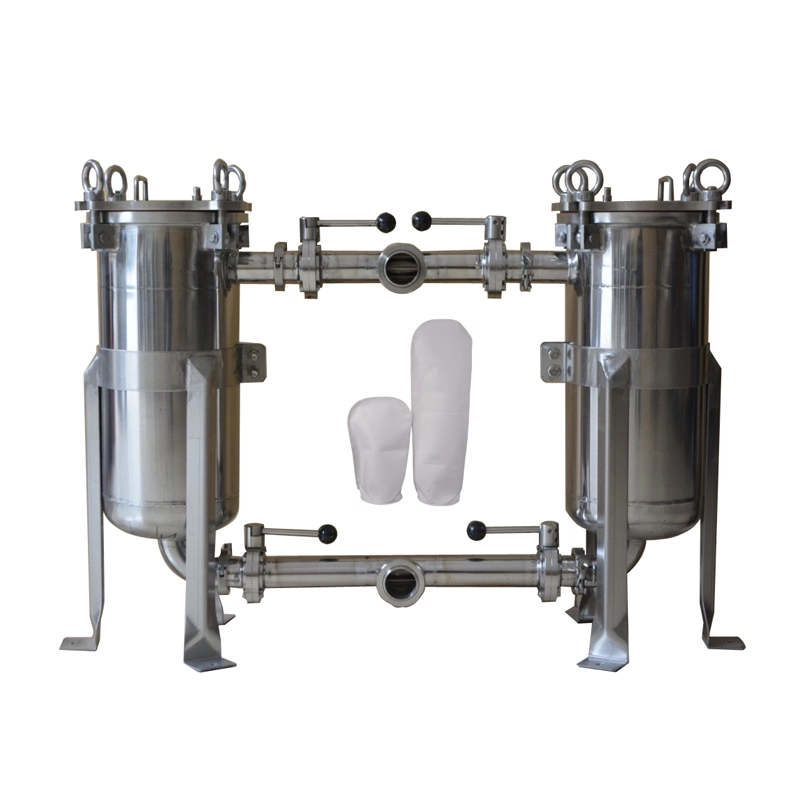
Stainless Steel Duplex filter housing
As the manufacturer, we offer a comprehensive range of Duplex Filter Housings designed to provide efficient and reliable filtration solutions for various industrial applications.
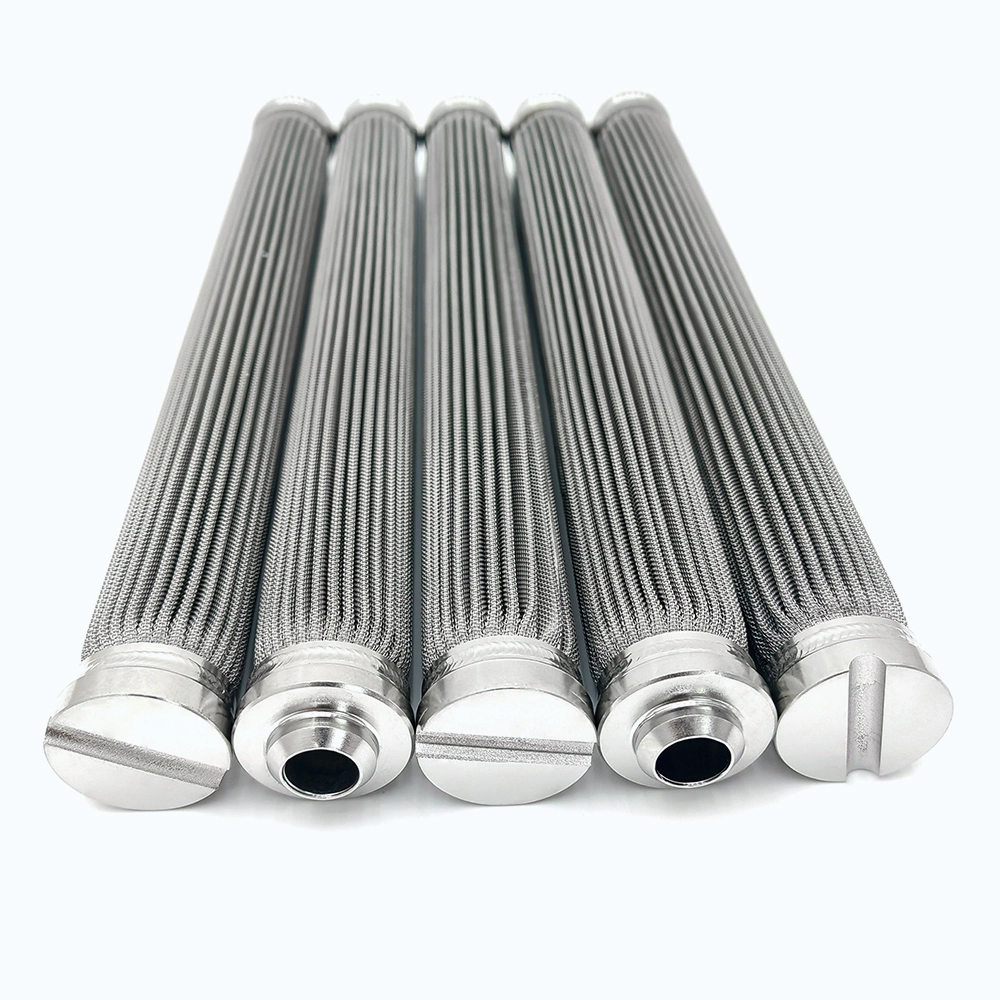
Stainless steel pleated filter cartridge
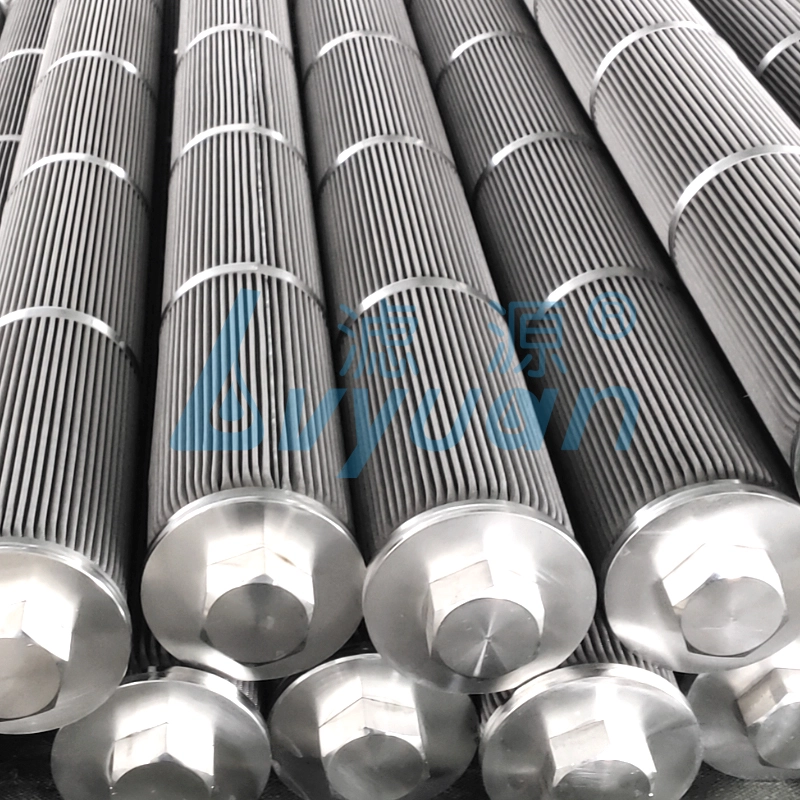
Our Stainless Steel Pleat Filter Cartridge constructed from high-quality SS 304 or SS 316L material, this filter exhibits exceptional resistance to high temperatures and rust.
© 2024 All Rights Reserved. | Privacy policy • Terms and conditions


