
how to change gasket on pool filter
This guide shows professionals how to replace a pool filter gasket, a vital pool maintenance task. It covers tool preparation, gasket removal and installation, troubleshooting, and leak prevention. Proper gasket replacement ensures efficient filtration and avoids costly repairs, saving time and money. Learn the step-by-step process and address common issues for seamless pool maintenance.
How to Change a Pool Filter Gasket: A Step-by-Step Guide by Lvyuan
Replacing a pool filter gasket is a common maintenance task. This guide provides clear instructions for professionals, addressing common challenges like gasket removal and proper installation to ensure efficient filter operation and prevent leaks. Knowing how to change a pool filter gasket saves time and prevents costly repairs.
Tools and Materials You'll Need
Before starting, gather these essential items:
New pool filter gasket (ensure it's the correct size for your filter)
Screwdrivers (Phillips and flathead, as needed)
Pliers (channel-lock or slip-joint)
Cleaning rags or shop towels
Lubricant (silicone-based is recommended)
Pool filter wrench (if necessary)
Step-by-Step Guide to Changing Your Pool Filter Gasket
1. Turn Off and Isolate the Pump: This is crucial for safety and prevents accidental injury or water damage. Always disconnect the pump from the power source.
2. Remove the Filter Tank: Depending on your filter type (sand, cartridge, DE), the process varies. Consult your filter's manual for specific instructions. Generally, you'll need to loosen clamps or bolts.
3. Inspect the Old Gasket: Carefully remove the old gasket, noting its position and shape. This aids in proper installation of the new gasket. Clean the gasket seating surfaces thoroughly, removing any debris or old sealant.
4. Prepare the New Gasket: Lightly lubricate the new gasket with silicone-based lubricant. This helps with installation and prevents tearing.
5. Install the New Gasket: Carefully position the new gasket in its groove. Ensure it's seated correctly and evenly distributed. Refer to your filter manual for specific guidance on gasket orientation.
6. Reassemble the Filter: Reassemble the filter tank, ensuring a tight and secure connection. Over-tightening can damage the components.
7. Reconnect the Pump: Once everything is reassembled, reconnect the pump to the power source.
8. Check for Leaks: Turn the pump on and carefully inspect all connections for leaks. Address any leaks immediately.
Troubleshooting Common Issues
Gasket Won't Seal: Ensure the gasket is correctly seated and the surfaces are clean. A damaged gasket seating surface might require more attention.
Difficulty Removing the Old Gasket: Use appropriate tools and techniques, avoiding excessive force that could damage the filter.
This guide simplifies the process of changing a pool filter gasket, allowing professionals to complete the task efficiently and accurately. Remember to always consult your filter's manual for specific instructions relevant to your model.
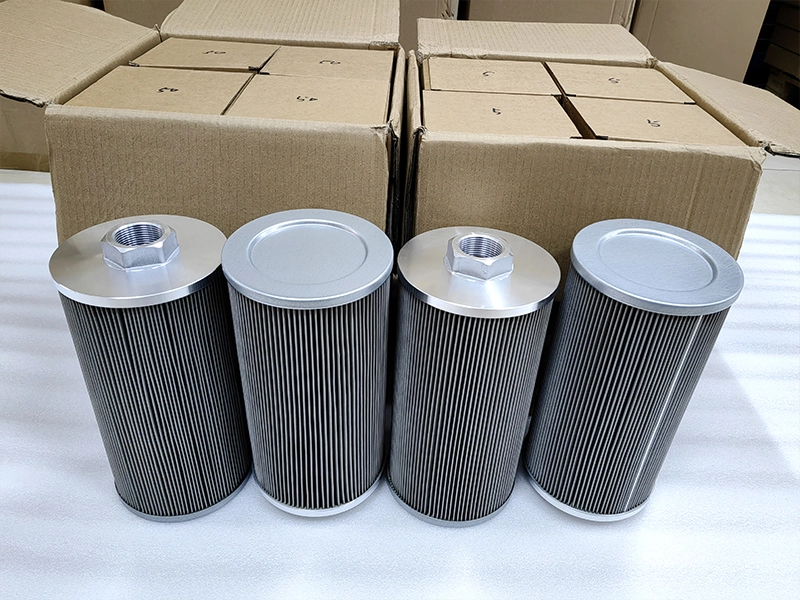
What is Sintered Metal Filter? Complete Guide
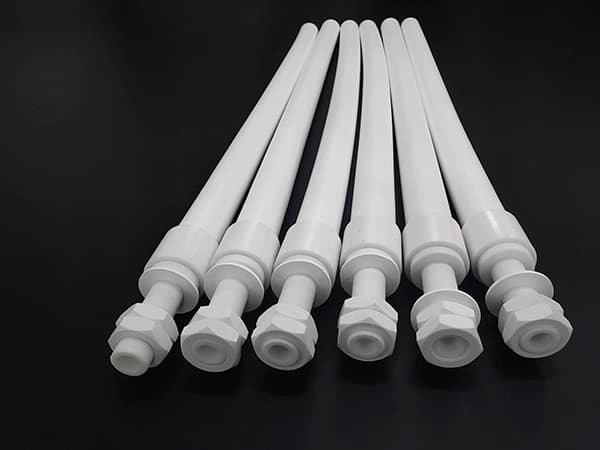
Sintered PTFE Filters: Advanced Filtration for Demanding Environments
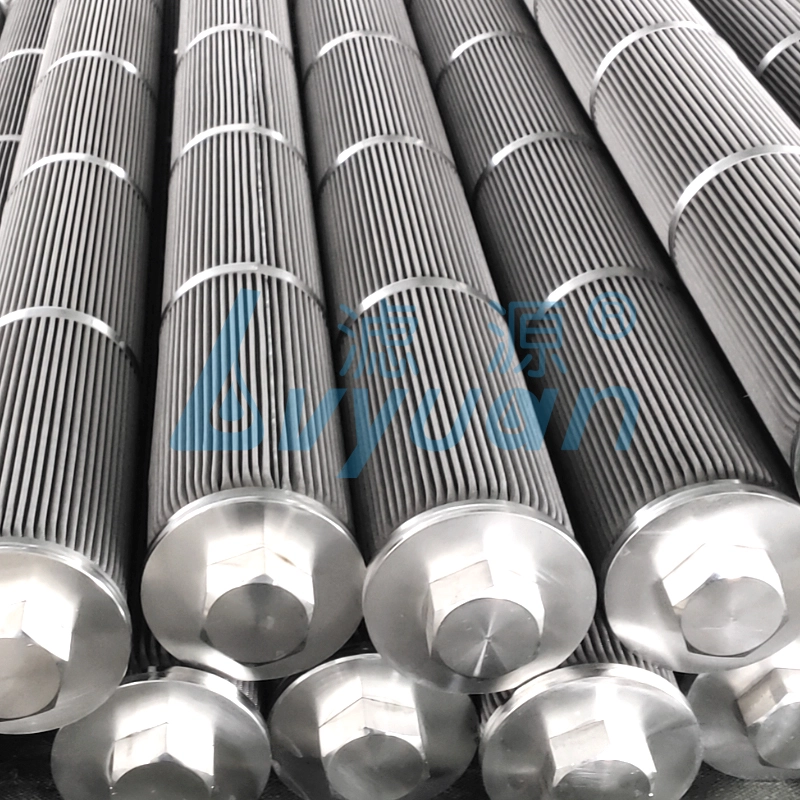
Metal Sintered Filters: Precision Filtering to Drive Industrial Upgrading
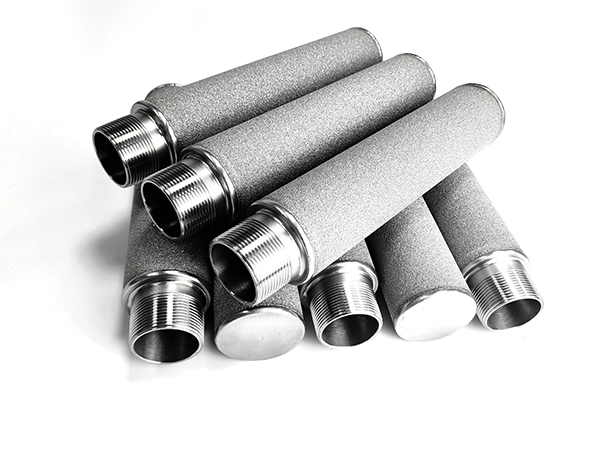
Choosing Sintered Filters: An Overview for Industrial Applications
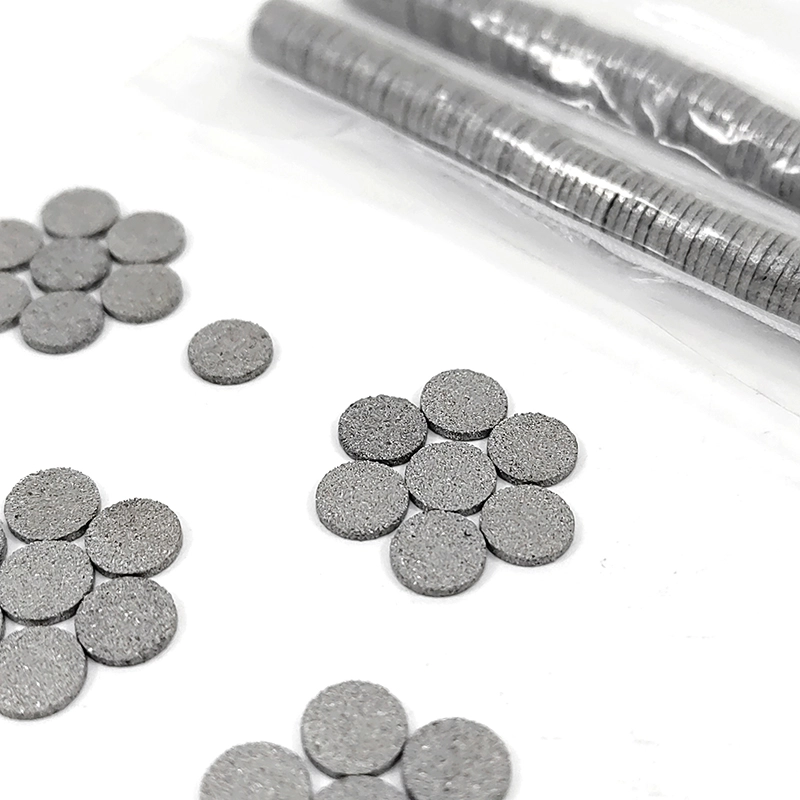
What is a Sintered Metal Filter Disc? A Comprehensive Guide
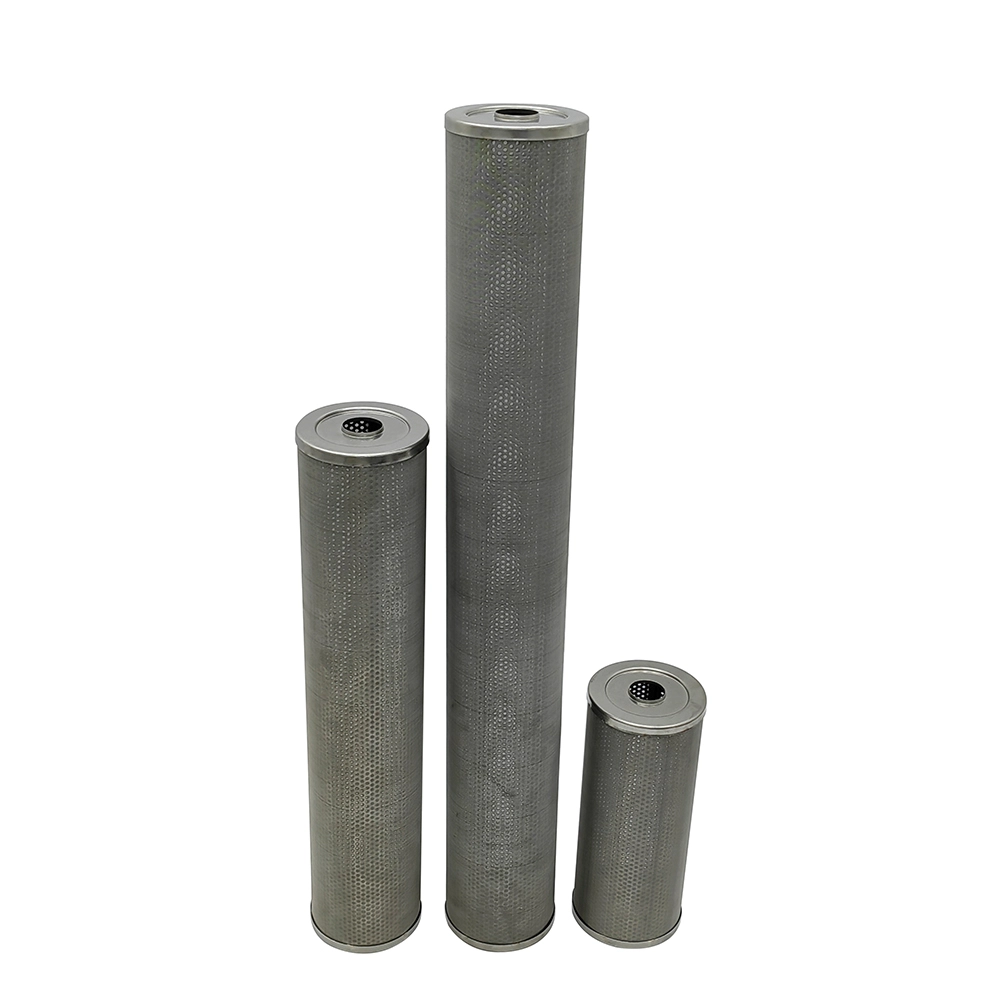
What Are Sintered Metal Filters and How Do They Work?
Sintered Metal Filters
What temperatures can sintered metal filters withstand?
Sintered metal filters are capable of withstanding a broad temperature range, often from -200°C to 1000°C, making them suitable for applications with extreme temperature variations.
Porous Plastic Filter
Are sintered porous filter discs suitable for sterile filtration?
Yes, sintered porous filter discs can be designed for sterile filtration applications, especially when made from materials suitable for high-temperature and chemical sterilization methods.
What is a sintered plastic porous filter?
A sintered plastic porous filter is a filtration device made from polymeric materials that are compressed and heated to form a porous structure with controlled pore sizes and distribution.
For company
Can I visit your factory on site?
Of course, we are in Panyu District, Guangzhou City, Guangdong Province, China.
For products
What sizes and shapes are available?
Our sintered metal filters come in a variety of sizes and shapes to meet different application needs. Common configurations include cylindrical, disc, and tube shapes, with customizable dimensions to fit specific requirements.
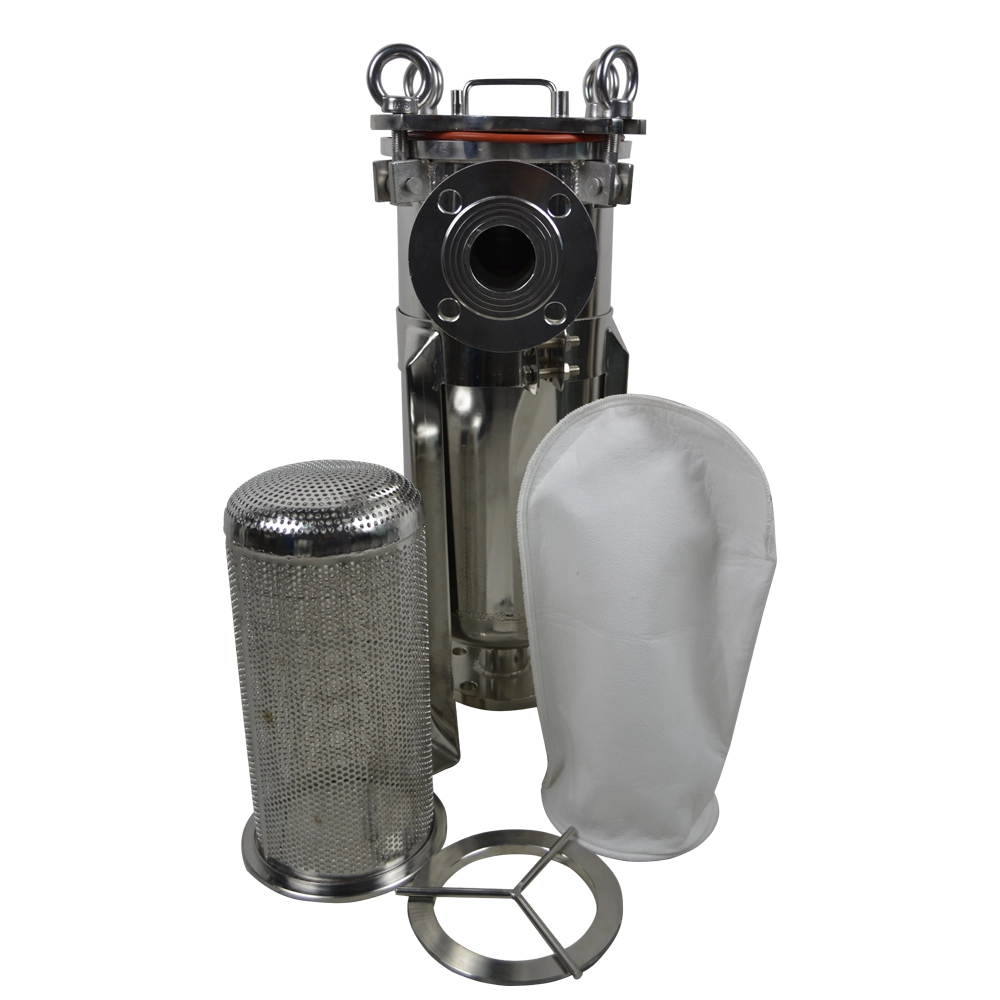
Bag filter housing
Bag filter housings are essential components in industrial filtration systems, designed to remove contaminants from liquids. To enhance the functionality and efficiency of bag filter housings, various features can be incorporated.
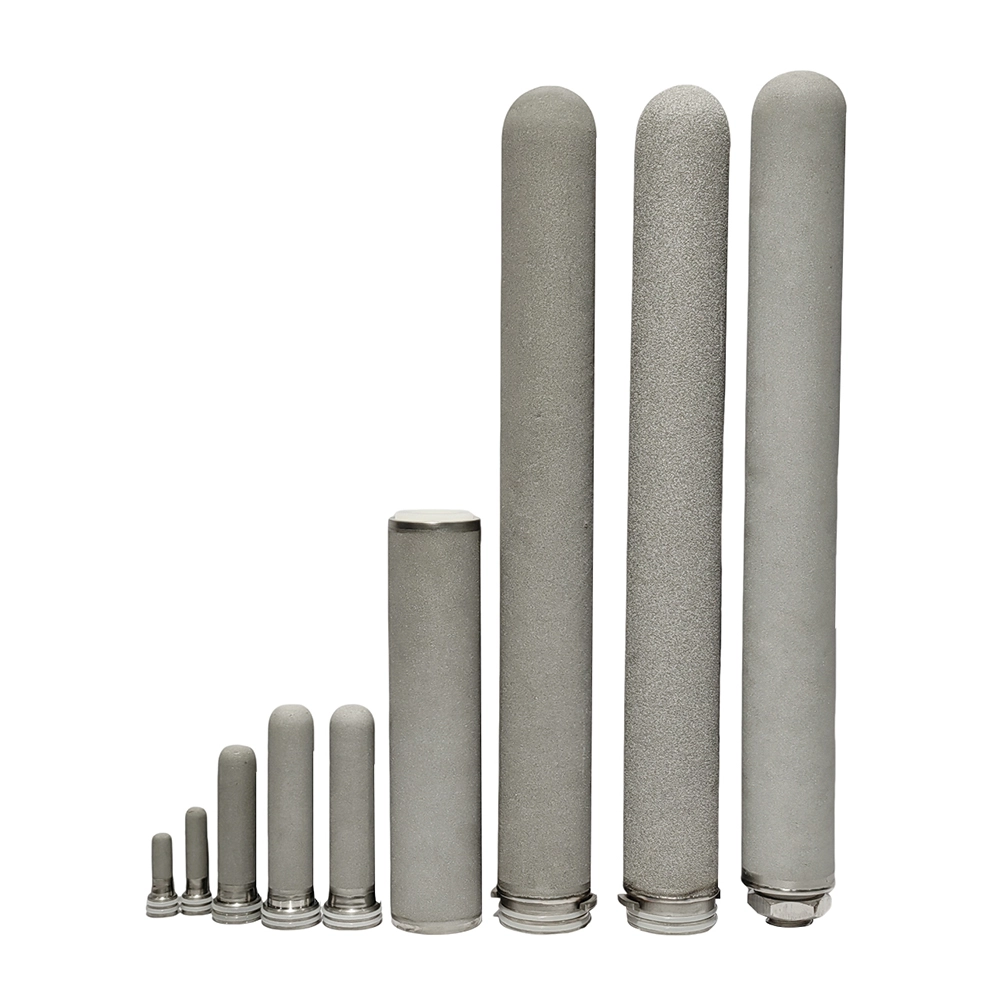
Sintered powder metal filters
Sintered powder metal filters are crafted from compressed and sintered metal powders, forming a porous structure. Porosity: 28%-50% Permeability: 0.02-20L/cm²minPa Pressure Resistance: 0.5Mpa Temperature Resistance: Less than 280℃
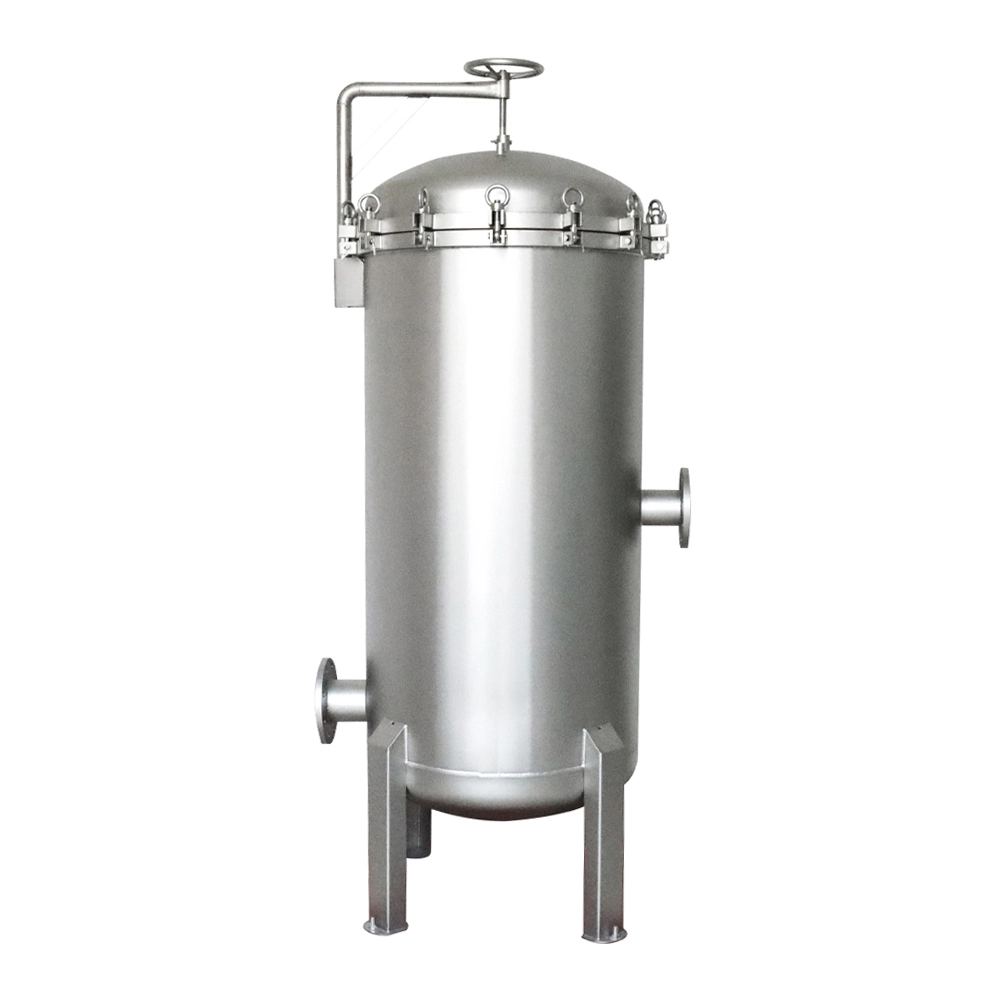
Stainless steel multi cartridge filter housing
Discover unparalleled filtration efficiency with our Stainless Steel Multi Cartridge Filter Housing – a testament to precision engineering and reliability.
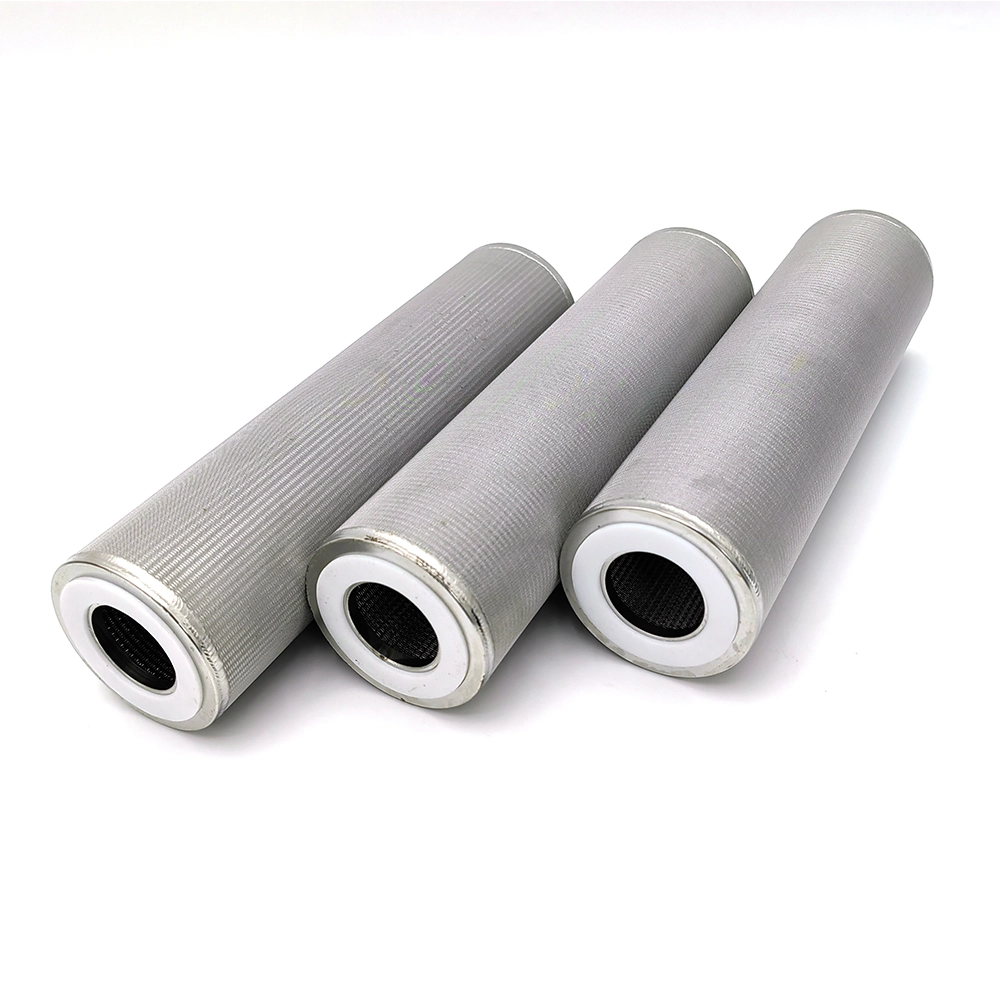
Sintered wire mesh filter
Benefit from outstanding high-pressure resistance and consistent filtration efficiency with our sintered metal mesh. Our sintered wire mesh finds versatile applications in diffuser screens, centrifuges, breather vents, fluidized beds, chromatography, polymer processing, petrochemical industries, hydraulic filters, and more.
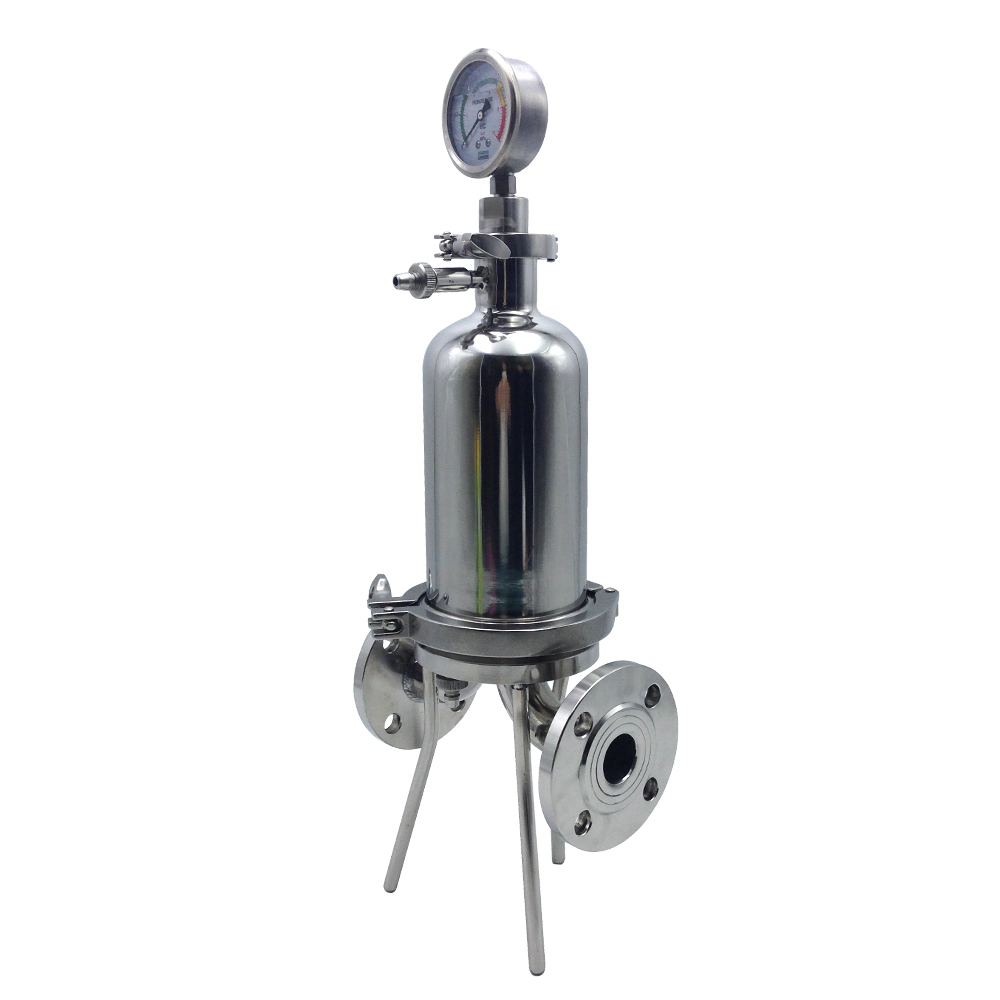
Sanitary filter housing
This filter housing will allow you to filter large volumes of nanoemulsion with ease. Sanitary vent and drain valves permit easy venting, draining, sampling, or integrity testing operations. The new cartridge locking design features additional cut-outs for traditional half-moon portions of the Code 7 bayonet locks, enhancing clean ability and drain ability.
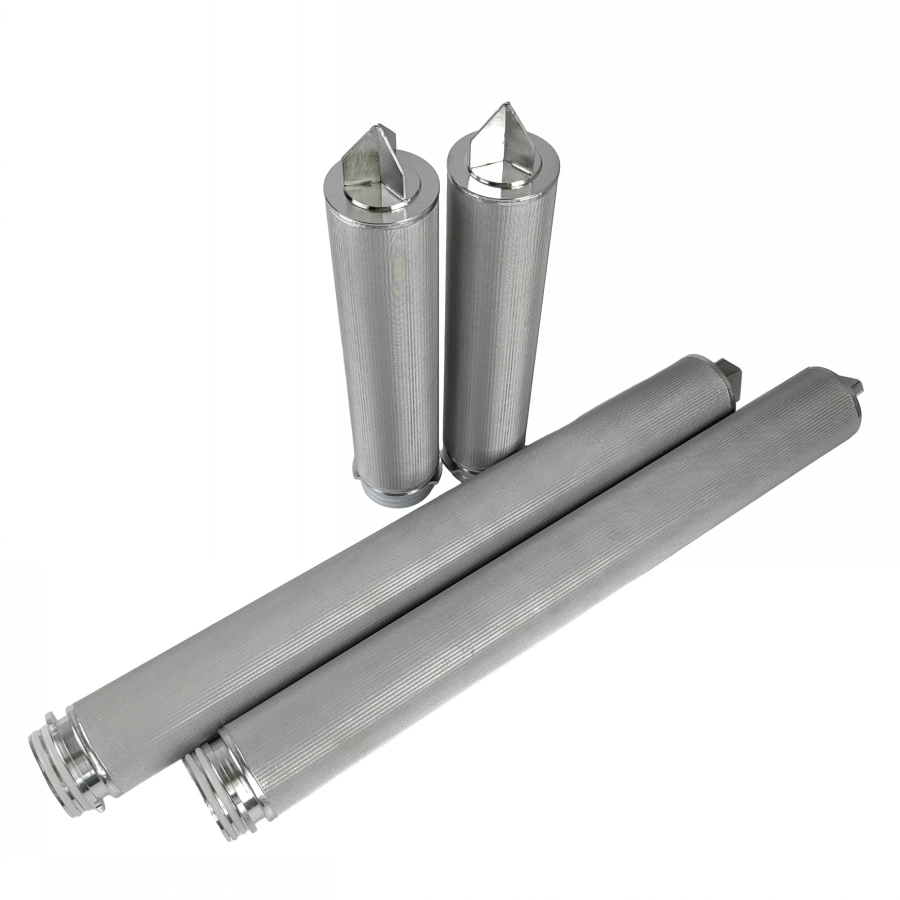
stainless steel filter water
Our sintered stainless steel filter stands as a pivotal filtration element crafted through a meticulous sintering process, with stainless steel serving as the core material.
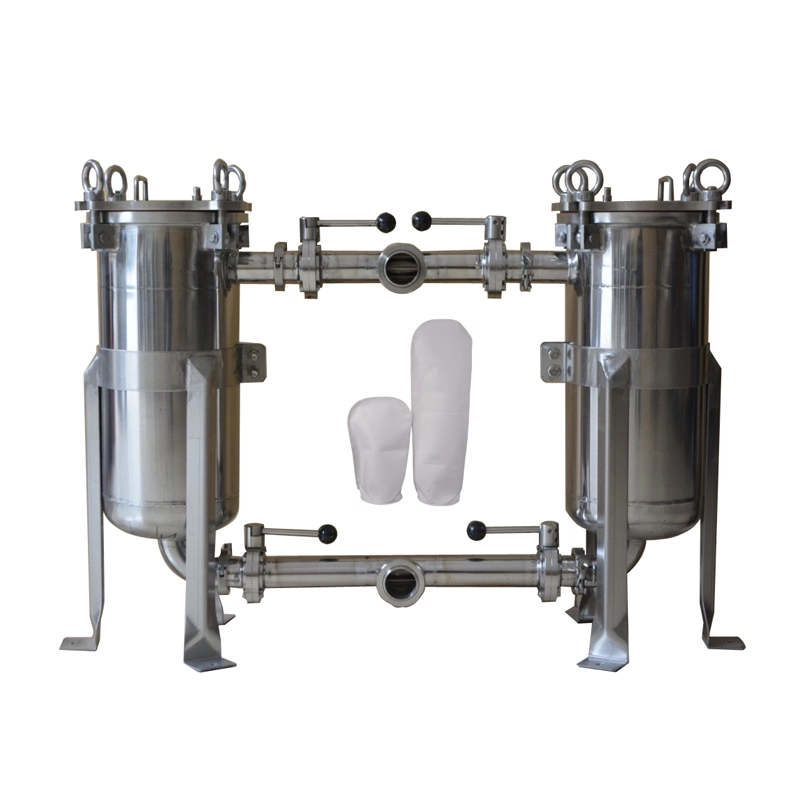
Stainless Steel Duplex filter housing
As the manufacturer, we offer a comprehensive range of Duplex Filter Housings designed to provide efficient and reliable filtration solutions for various industrial applications.
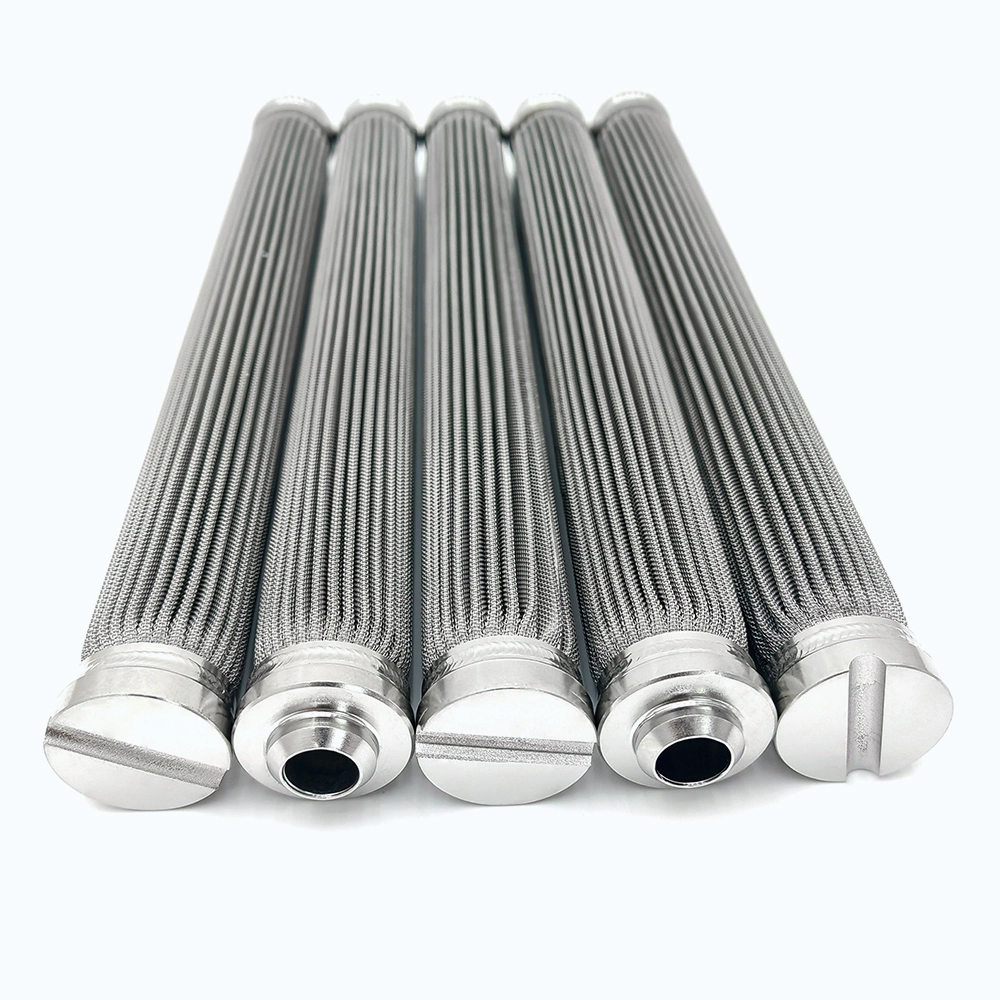
Stainless steel pleated filter cartridge
Our Stainless Steel Pleat Filter Cartridge constructed from high-quality SS 304 or SS 316L material, this filter exhibits exceptional resistance to high temperatures and rust.
© 2024 All Rights Reserved. | Privacy policy • Terms and conditions


