
how to change transmission pan gasket and filter | Lvyuan Guide
This article guides professionals on replacing transmission pan gaskets and filters, focusing on the benefits and considerations of using sintered metal filters. It covers safety precautions, procedures, filter selection, troubleshooting, and best practices for optimal transmission performance. Learn about superior filtration, high flow rates, and extended longevity offered by sintered metal filters.
How to Change Transmission Pan Gasket and Filter: A Guide for Professionals
This article focuses on replacing transmission pan gaskets and filters, a crucial maintenance task often involving sintered metal filters. We'll cover procedures, best practices, and considerations specific to professionals working with these high-performance components.
Understanding Sintered Metal Filters in Transmission Systems
* Superior Filtration: Sintered metal filters offer superior filtration compared to paper or felt alternatives, removing even the finest particles. Their robust construction ensures longevity and prevents premature failure.
* High Flow Rates: These filters maintain high flow rates, crucial for optimal transmission performance and preventing overheating.
* Chemical Compatibility: Sintered metal filters exhibit excellent chemical compatibility with various transmission fluids, ensuring long-term reliability. Choose a filter compatible with the specific fluid used in your application.
* Durability & Longevity: The robust nature of sintered metal construction ensures a longer service life than traditional filter types.
* Applications: Commonly used in automatic transmissions and specialized industrial applications.
Transmission Pan Gasket and Filter Replacement Procedure
* Safety First: Always disconnect the negative battery terminal before starting any work on the transmission. Wear appropriate safety gear.
* Fluid Drainage: Carefully drain the transmission fluid into a suitable container. Note the fluid's condition and volume for later comparison.
* Pan Removal: Remove the transmission pan, carefully noting the pan gasket's position and orientation for reinstallation. Inspect the pan for any damage or debris. Clean it thoroughly before reinstalling.
* Filter Replacement: Locate and remove the old filter. Compare it to the new filter to ensure compatibility. Install the new sintered metal filter, ensuring a proper and secure fit.
* Gasket Replacement: Thoroughly clean the transmission pan mating surface. Install a new transmission pan gasket, ensuring it is properly seated and aligned.
* Pan Reinstallation: Carefully reinstall the transmission pan, ensuring it is properly aligned and securely fastened.
* Fluid Refill: Refill the transmission with the correct type and amount of fluid, as specified by the manufacturer. Check the fluid level using the dipstick.
* Post-Replacement Check: Run the engine and check for any leaks. Monitor the transmission fluid temperature and condition.
Choosing the Right Sintered Metal Filter
* Material Selection: Consider the material compatibility with the transmission fluid and operating conditions. Stainless steel is common.
* Porosity: The filter's porosity directly influences its filtration efficiency. Choose a porosity rating appropriate for the application.
* Manufacturer Specifications: Always consult the manufacturer's specifications for the correct filter type and size.
* Quality Assurance: Source sintered metal filters from reputable suppliers known for their quality and adherence to industry standards.
Troubleshooting Common Issues
* Leaks: Check for proper gasket seating and secure pan bolts.
* Rough Shifting: Ensure proper fluid level and type are used.
* Overheating: Check for blockages in the cooling system or filter issues.
What is Sintered Metal Filter? Complete Guide by Lvyuan
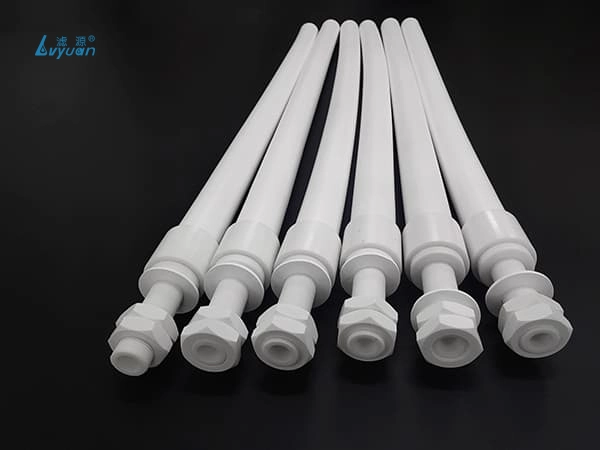
Sintered PTFE Filters: Advanced Filtration for Demanding Environments
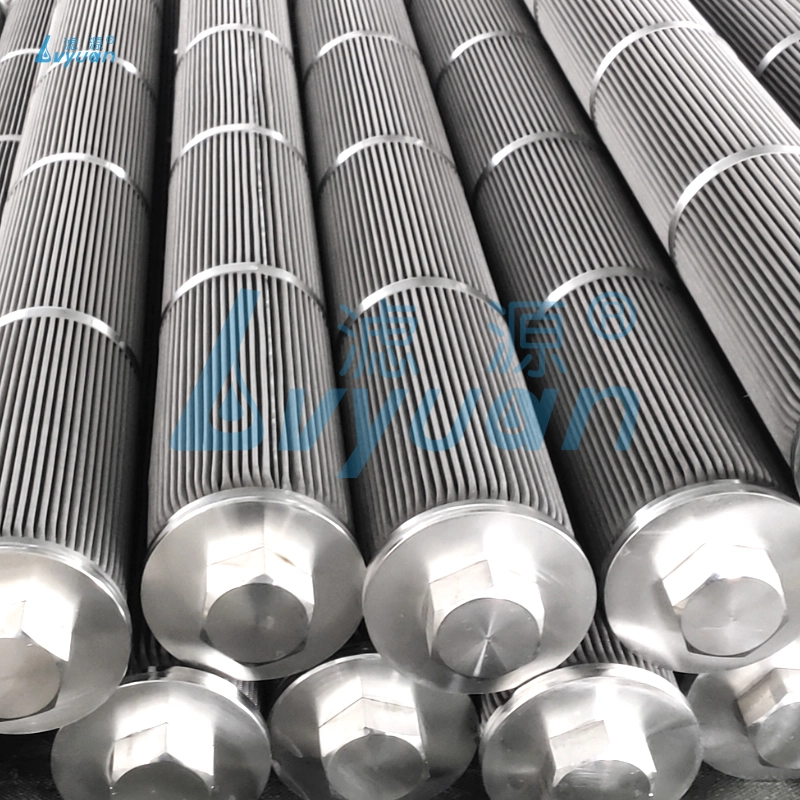
Metal Sintered Filters: Precision Filtering to Drive Industrial Upgrading
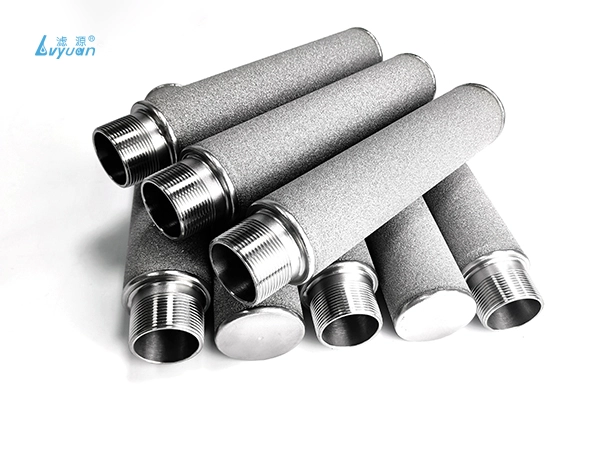
Choosing Sintered Filters: An Overview for Industrial Applications
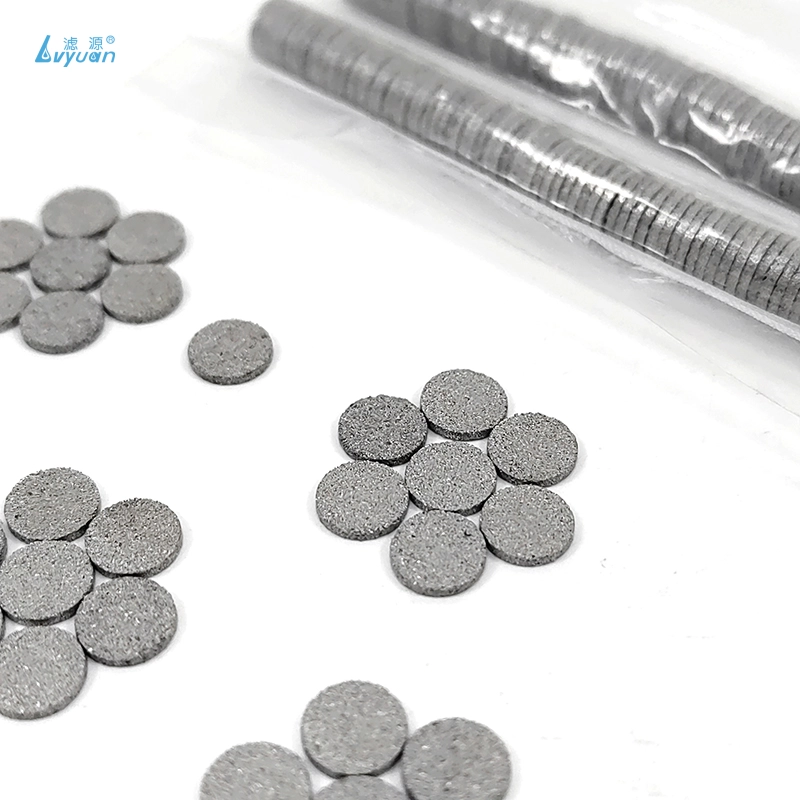
What is a Sintered Metal Filter Disc? A Comprehensive Guide
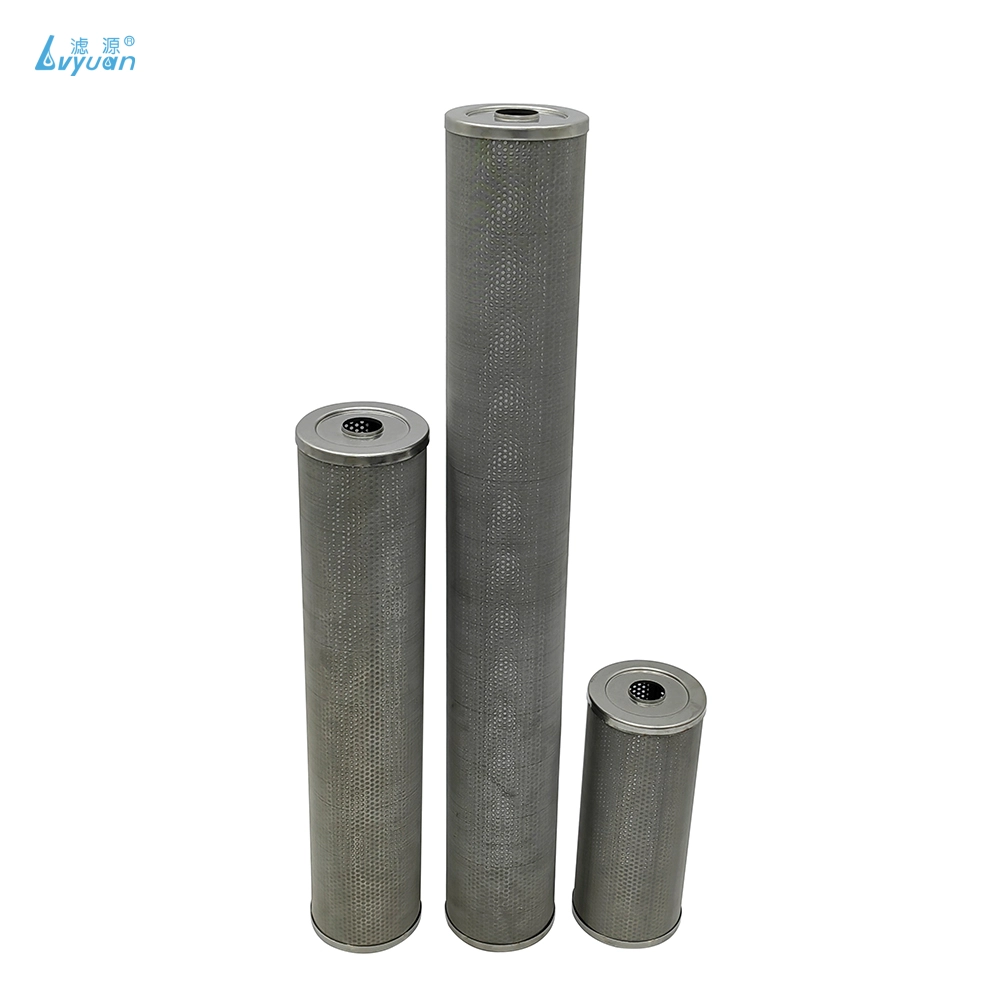
What Are Sintered Metal Filters and How Do They Work?
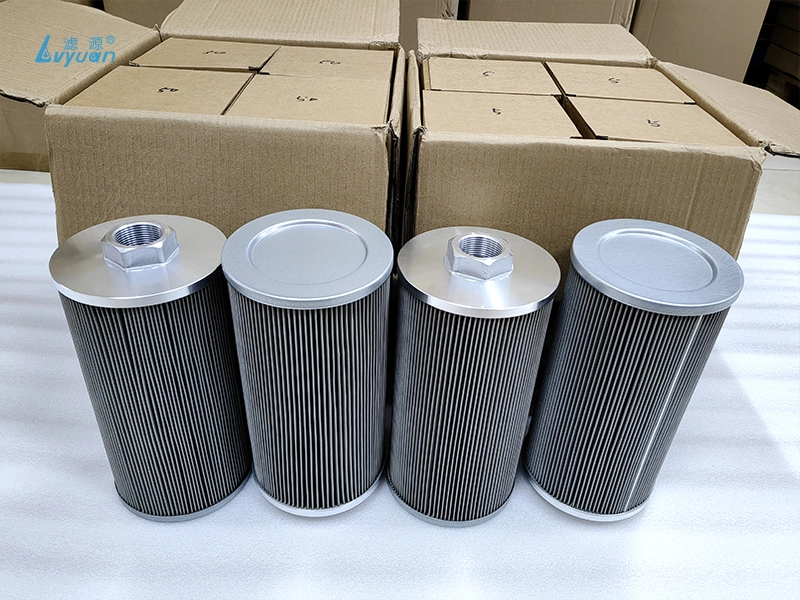
Stainless Steel Pleated Filter Cartridges
How often do these stainless steel pleated cartridges need maintenance?
Maintenance frequency depends on the specific application and operating conditions. However, these cartridges are designed for easy installation and maintenance, with cleaning procedures that contribute to their longevity.
Porous Plastic Filter
In what industries are sintered porous filter discs commonly used?
They are widely used in industries such as petrochemicals, pharmaceuticals, water treatment, food and beverage, automotive, and more, owing to their versatility and effective filtration capabilities.
How do I clean and maintain sintered porous filter discs?
Cleaning methods depend on the material used. For metal discs, methods may include backwashing, ultrasonic cleaning, or chemical cleaning. Polyethylene discs are often cleaned with mild detergents. Regular maintenance ensures a prolonged operational life.
For company
Lvyuan main product advantages
• Quality Assurance:
Lvyuan prioritizes quality as a cornerstone of its operations. We adhere to rigorous quality control standards throughout the manufacturing process to ensure that our products meet the highest industry standards.
• Innovative Technology:
We leverage cutting-edge technologies in the design and production of our products. By staying at the forefront of technological advancements, we provide our customers with innovative solutions that meet their evolving needs.
• Diverse Product Range:
Lvyuan offers a comprehensive and diverse range of products, catering to various industries and applications. Our extensive product portfolio allows customers to find solutions tailored to their specific requirements.
• Customization Capabilities:
Recognizing the unique needs of our customers, we provide customizable options for our products. This ensures that our clients receive tailored solutions that align with their individual preferences and applications.
• Competitive Pricing:
We are committed to offering competitive prices without compromising on quality. Our cost-effective solutions enable customers to access high-quality products at reasonable and competitive market rates.
Sintered Metal Filter
How can I select the right industrial sintered filter cartridge for my application?
Consult with the manufacturer or supplier, providing details about your specific requirements, such as filtration needs, operating conditions, and industry standards, to receive guidance on selecting the most suitable cartridge for your application.
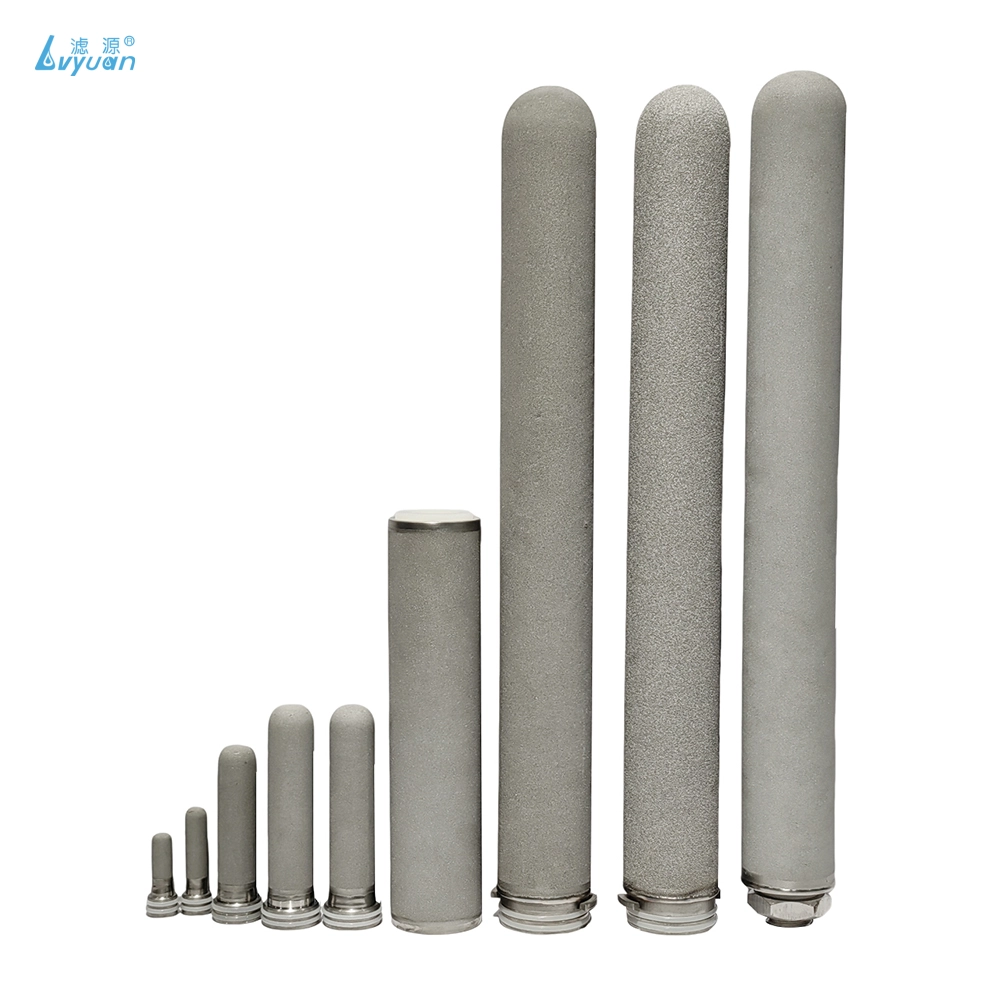
Sintered powder metal filters
Sintered powder metal filters are crafted from compressed and sintered metal powders, forming a porous structure. Porosity: 28%-50% Permeability: 0.02-20L/cm²minPa Pressure Resistance: 0.5Mpa Temperature Resistance: Less than 280℃
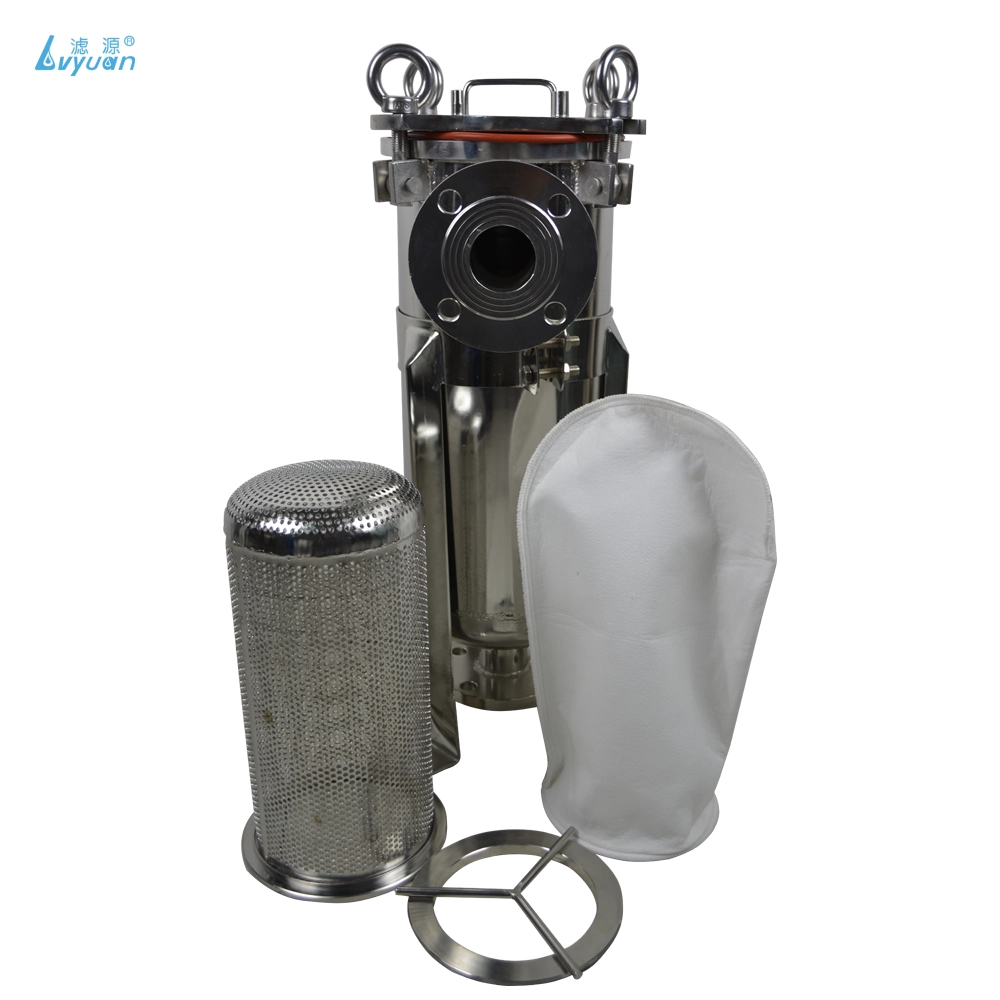
Bag filter housing
Bag filter housings are essential components in industrial filtration systems, designed to remove contaminants from liquids. To enhance the functionality and efficiency of bag filter housings, various features can be incorporated.
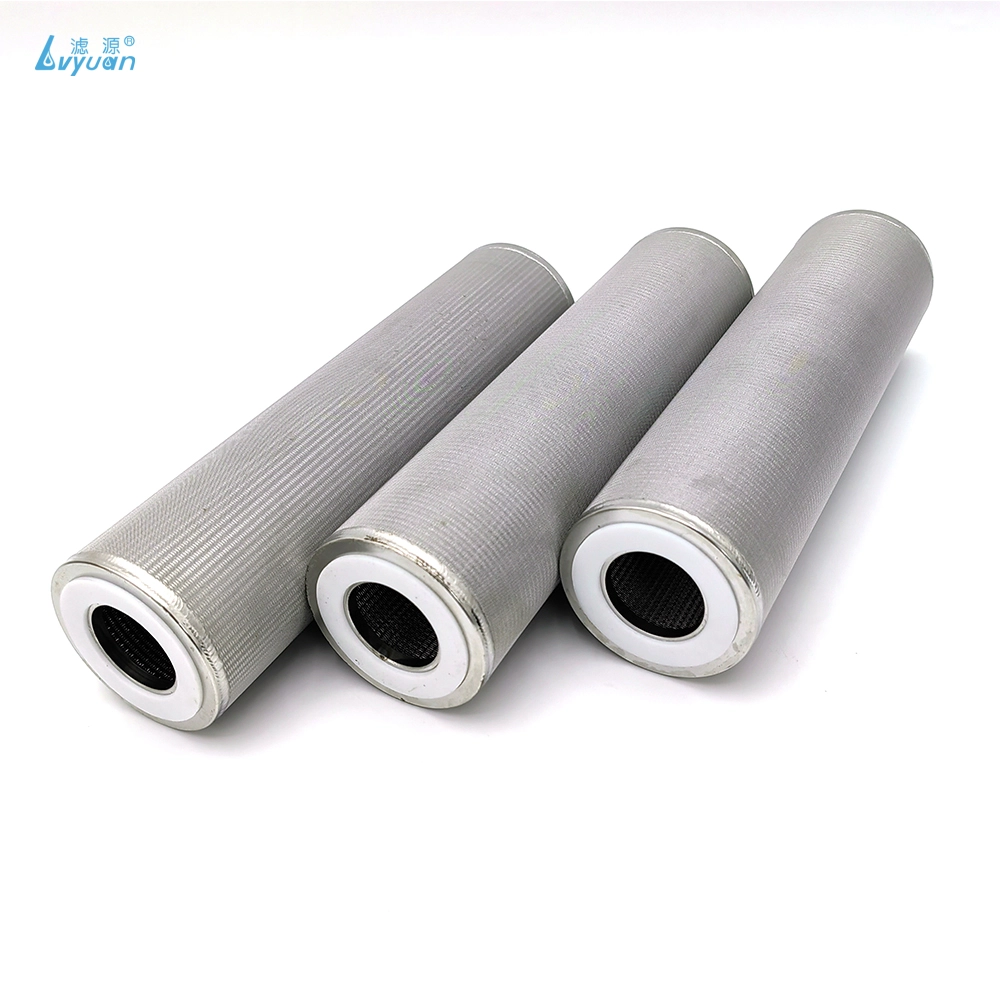
Sintered wire mesh filter
Benefit from outstanding high-pressure resistance and consistent filtration efficiency with Lvyuan's sintered metal mesh. Our sintered wire mesh finds versatile applications in diffuser screens, centrifuges, breather vents, fluidized beds, chromatography, polymer processing, petrochemical industries, hydraulic filters, and more.
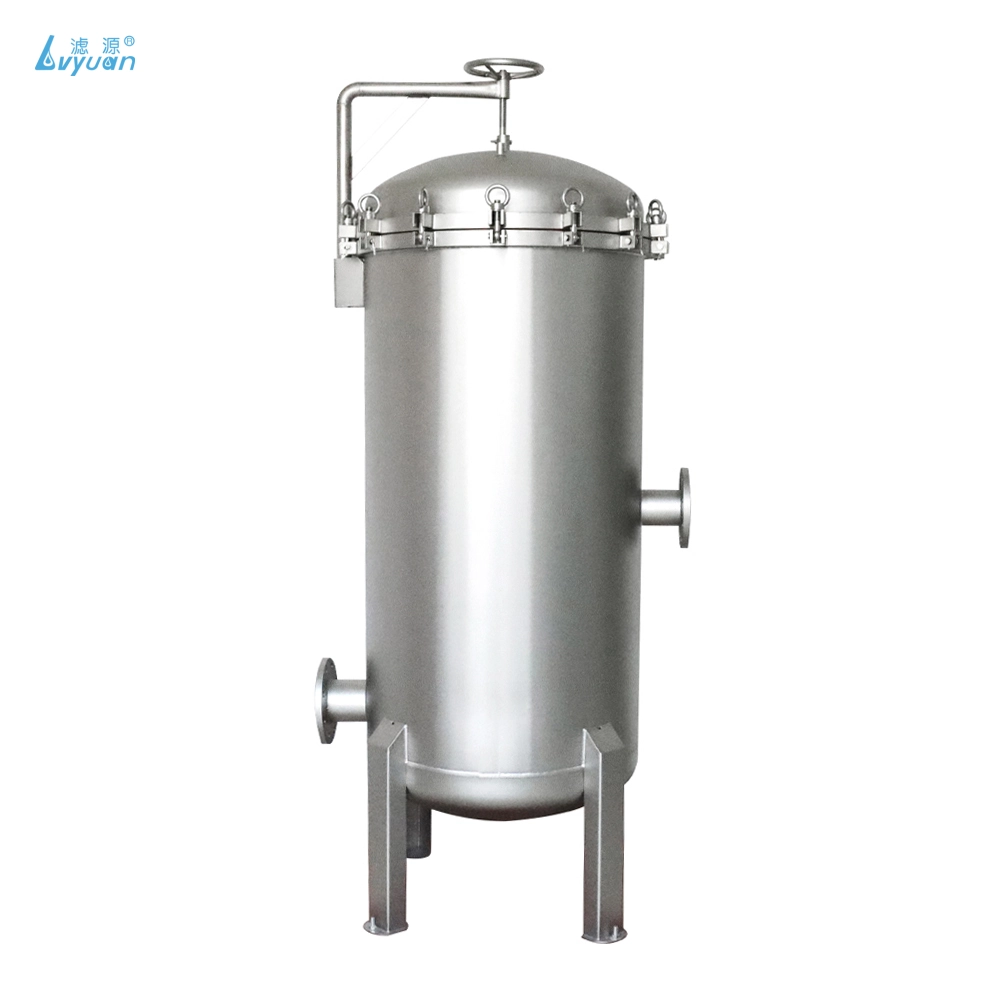
Stainless steel multi cartridge filter housing
Discover unparalleled filtration efficiency with our Stainless Steel Multi Cartridge Filter Housing – a testament to precision engineering and reliability.
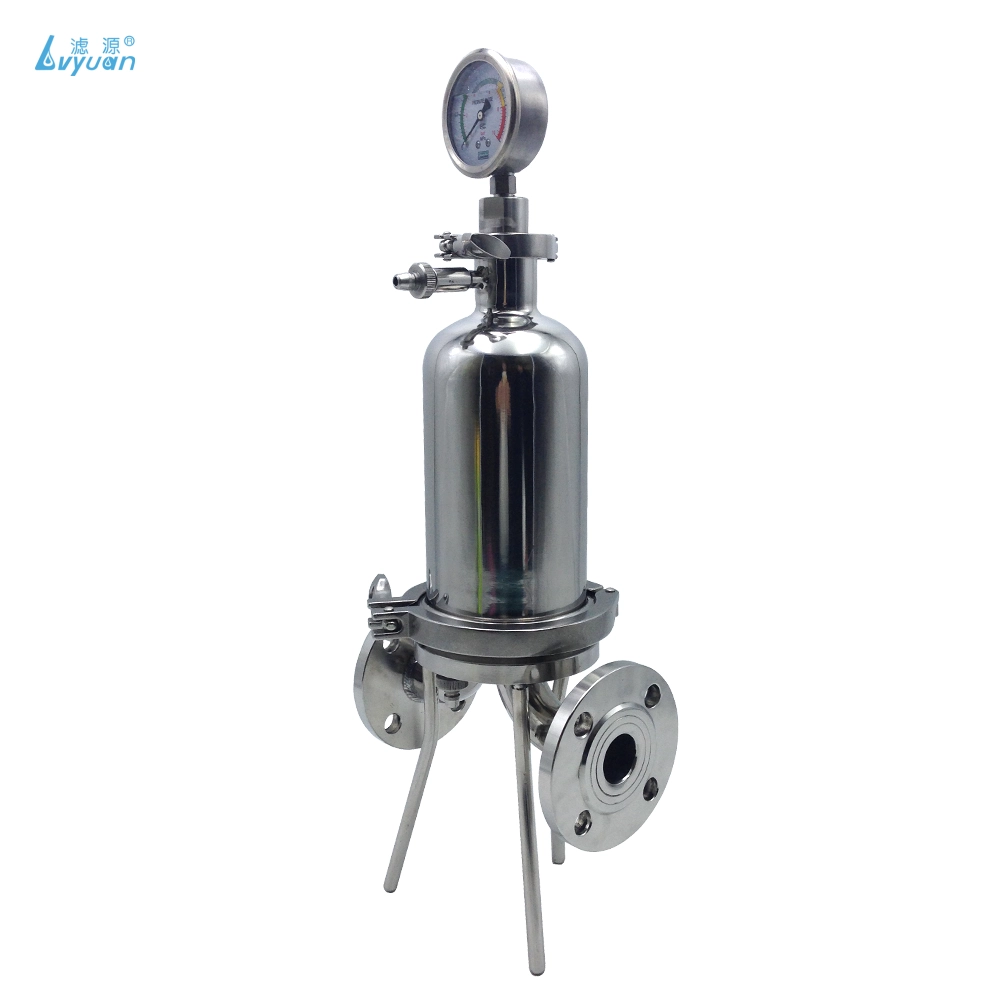
Sanitary filter housing
This filter housing will allow you to filter large volumes of nanoemulsion with ease. Sanitary vent and drain valves permit easy venting, draining, sampling, or integrity testing operations. The new cartridge locking design features additional cut-outs for traditional half-moon portions of the Code 7 bayonet locks, enhancing clean ability and drain ability.
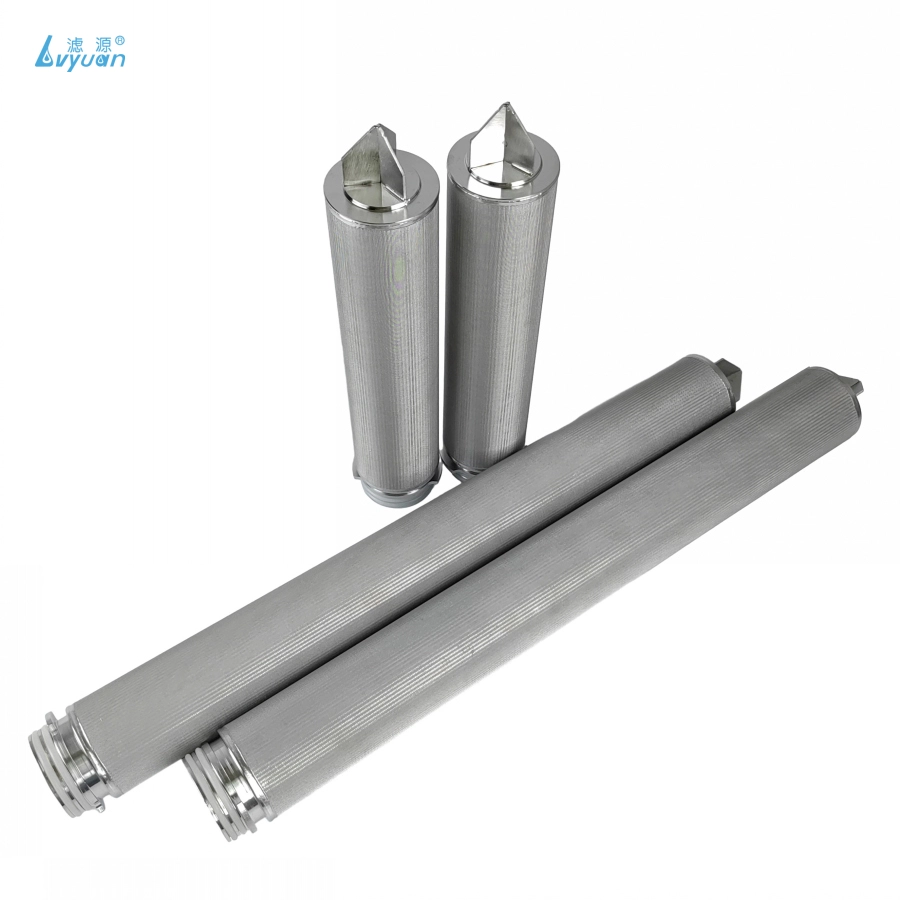
stainless steel filter water
Lvyuan’s sintered stainless steel filter stands as a pivotal filtration element crafted through a meticulous sintering process, with stainless steel serving as the core material.
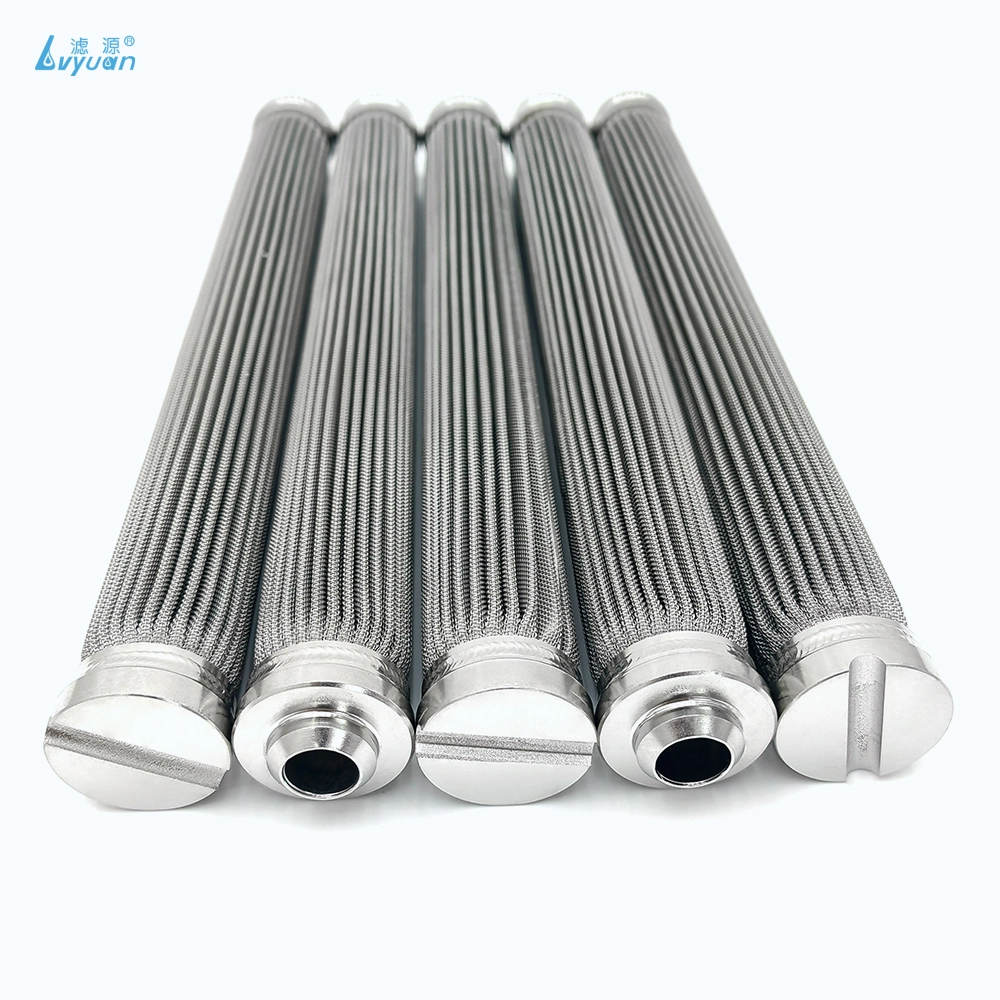
Stainless steel pleated filter cartridge
Lvyuan Stainless Steel Pleat Filter Cartridge constructed from high-quality SS 304 or SS 316L material, this filter exhibits exceptional resistance to high temperatures and rust.
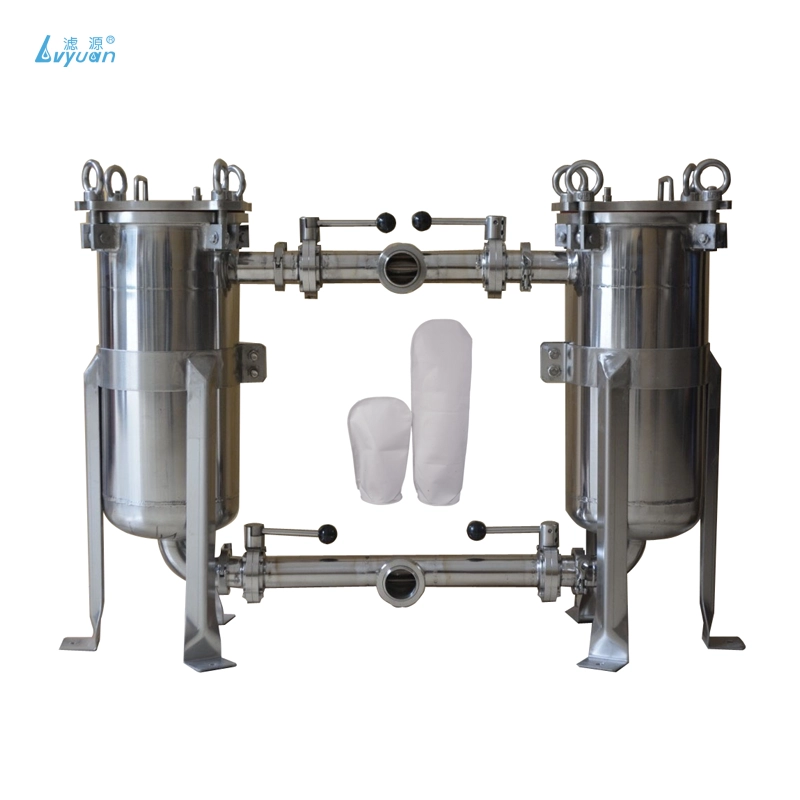
Stainless Steel Duplex filter housing
As the manufacturer, we offer a comprehensive range of Duplex Filter Housings designed to provide efficient and reliable filtration solutions for various industrial applications.
© 2024 Lvyuan All Rights Reserved. | Privacy policy • Terms and conditions


