
how to check oil filter for metal
This article teaches professionals how to check oil filters for metal particles. Visual inspection, careful dissection, and analysis of the filter media are key steps. Identifying the type and quantity of metal helps diagnose engine issues and prevent costly damage. Properly inspecting oil filters is crucial for preventative maintenance.
How to Check an Oil Filter for Metal Particles
Finding metal shavings in your oil filter is a serious issue indicating potential engine damage. This article guides professionals on effectively inspecting oil filters for metal particles, highlighting crucial steps and implications. Knowing how to properly check for metal contamination is vital for preventative maintenance and avoiding costly repairs.
Visual Inspection: The First Line of Defense
Before dismantling anything, carefully examine the oil filter's exterior. Look for any obvious signs of metal fragments clinging to the surface. A magnet can be helpful here; run it along the filter's exterior to see if any metallic particles adhere. Note the location and quantity of any findings.
Dissection and Analysis: A Closer Look
Once the visual inspection is complete, carefully cut open the oil filter using appropriate tools (following safety precautions). Be mindful of sharp edges and potentially pressurized remnants inside. A clean, well-lit workspace is crucial.
Analyzing the Filter Media
The filter media itself should be your primary focus. Gently spread the media to thoroughly examine it for any embedded metal particles. Using a strong magnet, carefully scan the filter media, paying close attention to any areas that appear discolored or unusual.
Identifying the Type of Metal
If metal particles are present, try to identify the type of metal. This can offer clues to the source of the contamination. A simple magnet test can distinguish between ferrous and non-ferrous metals. More advanced analysis might require specialized tools or laboratory testing.
Interpreting Your Findings
The presence of metal particles warrants immediate attention. The quantity, size, and type of metal will help determine the severity and potential source of the problem (e.g., bearing wear, piston ring failure). Always consult relevant service manuals and manufacturer specifications. Ignoring these signs can lead to catastrophic engine failure.
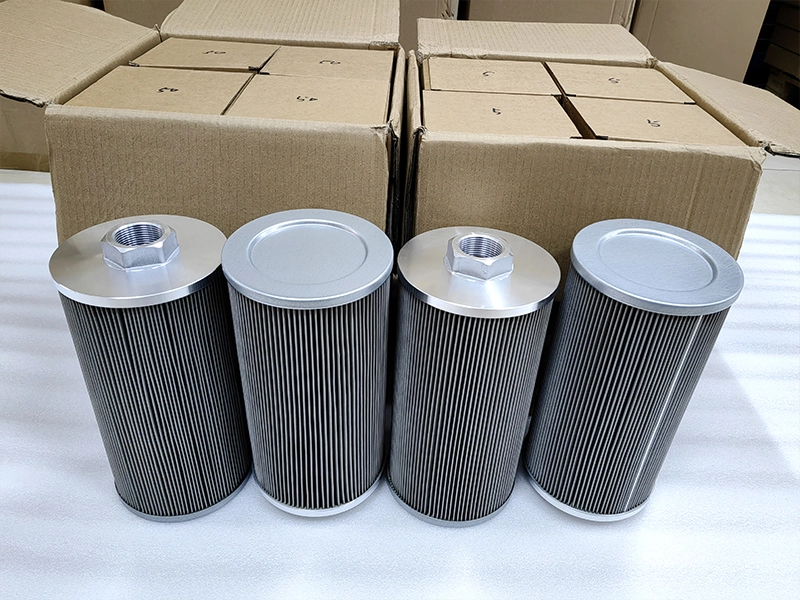
What is Sintered Metal Filter? Complete Guide
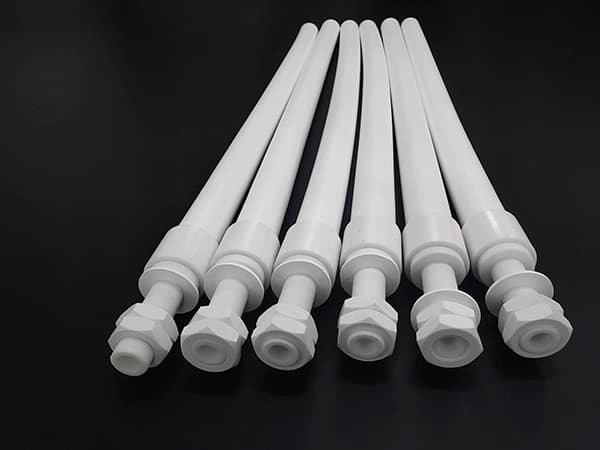
Sintered PTFE Filters: Advanced Filtration for Demanding Environments
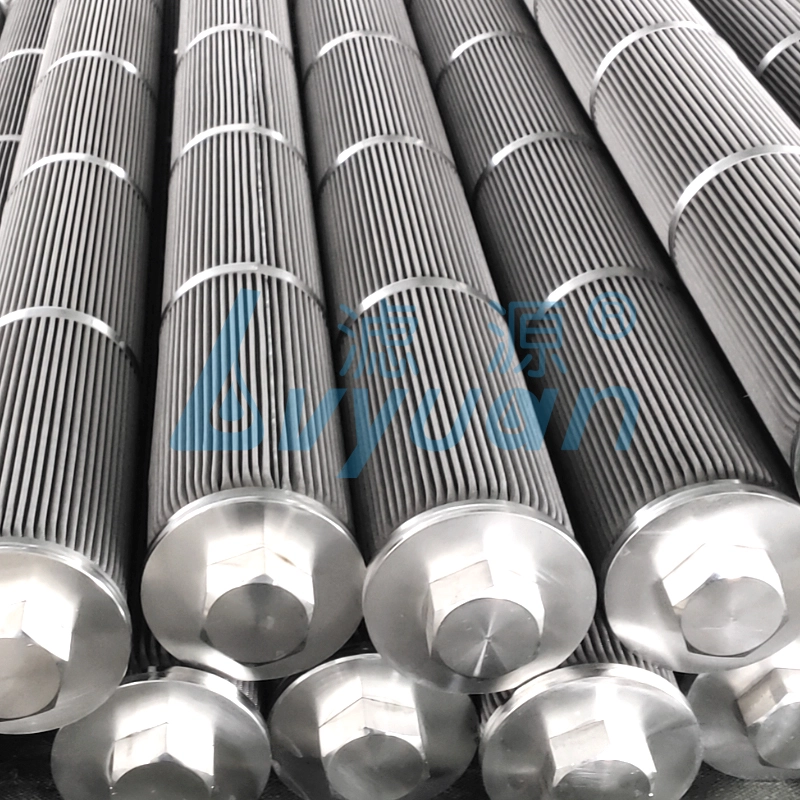
Metal Sintered Filters: Precision Filtering to Drive Industrial Upgrading
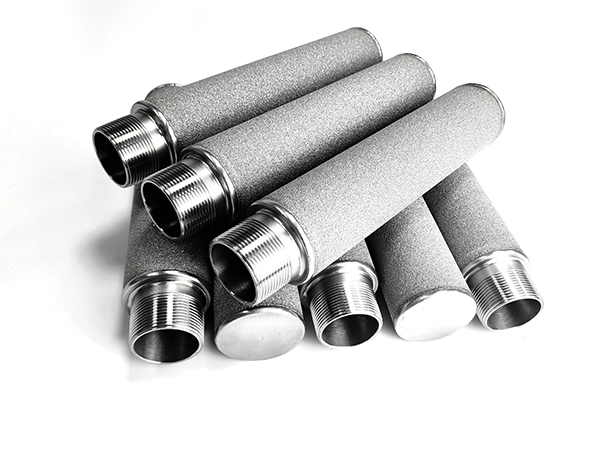
Choosing Sintered Filters: An Overview for Industrial Applications
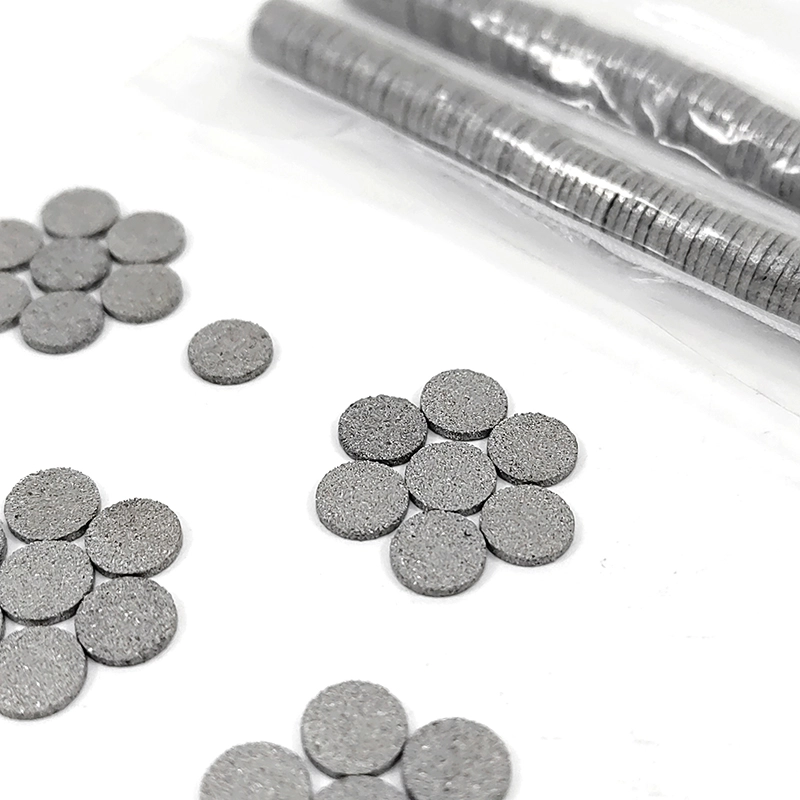
What is a Sintered Metal Filter Disc? A Comprehensive Guide
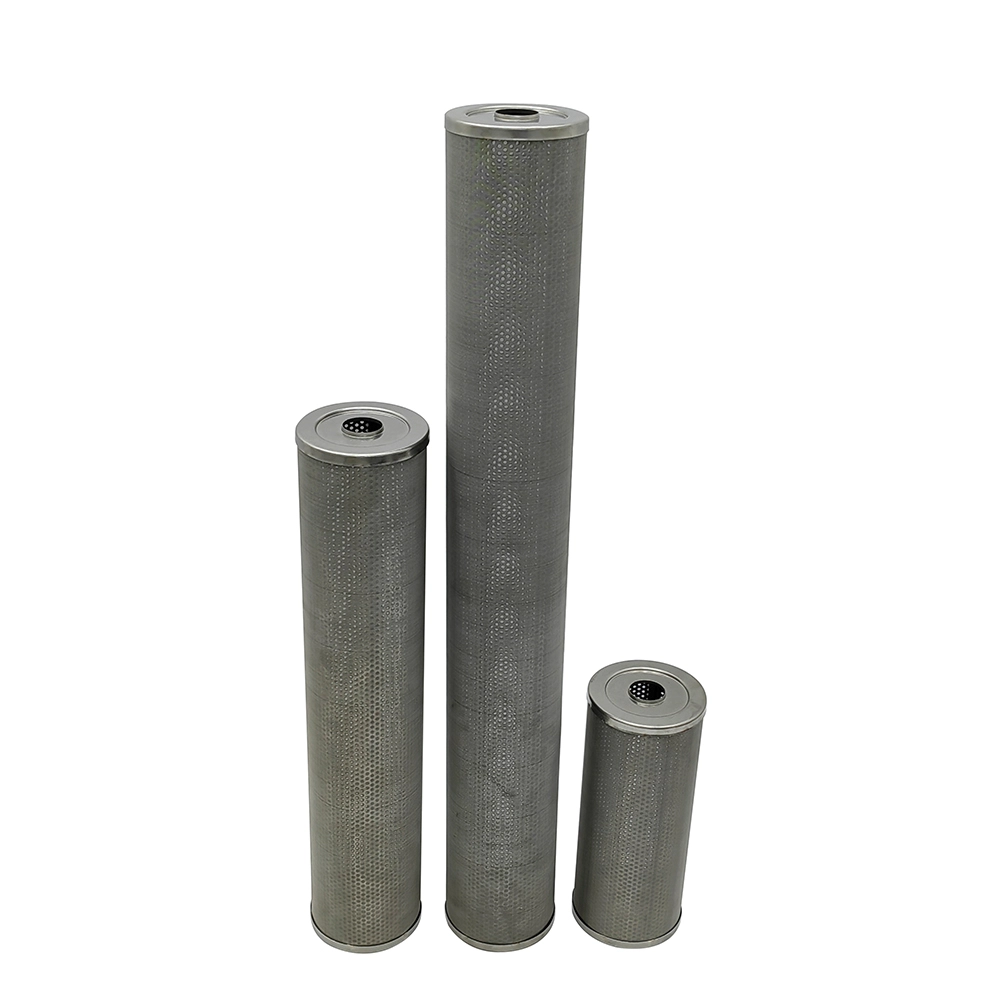
What Are Sintered Metal Filters and How Do They Work?
Stainless Steel Cartridge Filter Housing
What are the different configurations of stainless steel cartridge filter housings?
Stainless steel filter housings come in different configurations, such as single-cartridge, multi-cartridge, and multi-bag designs, as well as inline and side-entry styles, catering to different flow rates and filtration requirements.
What types of filter elements can be used with stainless steel cartridge filter housings?
Stainless steel filter housings are compatible with various types of filter elements, including cartridge filters, bag filters, membrane filters, and depth filters, allowing for flexibility in filtration applications.
Porous Plastic Filter
How to Calculate Filter Porosity?
Filter porosity is classified into three major types: Primary Porosity, Secondary Porosity, and Effective Porosity. The calculation involves determining the ratio of the volume of gaps in the filter to the total volume, expressed as a percentage.
Porosity = (Volume of Empty Gaps/Total Volume of Filter) x 100
Other methods include:
• Direct Methods: Calculate the entire volume of the porous filter and the volume of a skeletal filter (without pores) to find the porosity.
• Computed Methods: Use modern computer technology to obtain a 3D image of a porous filter and employ defect analysis techniques.
• Water Evaporation Technique: Calculate porosity by determining the difference in weight between the saturated filter in water and the dried filter.
Sintered Titanium Filters
Do Sintered Titanium Filters Offer High Flow Rates?
Yes, sintered titanium filters support high flow rates at low-pressure drops, optimizing efficiency and ensuring consistent filtration performance.
Sintered mesh filters
How does a sintered mesh filter work?
Sintered mesh filters work by trapping and retaining particles within the porous structure of the mesh. The sintering process fuses the mesh layers, creating a robust filter with uniform openings that allow controlled passage of fluids while capturing contaminants.
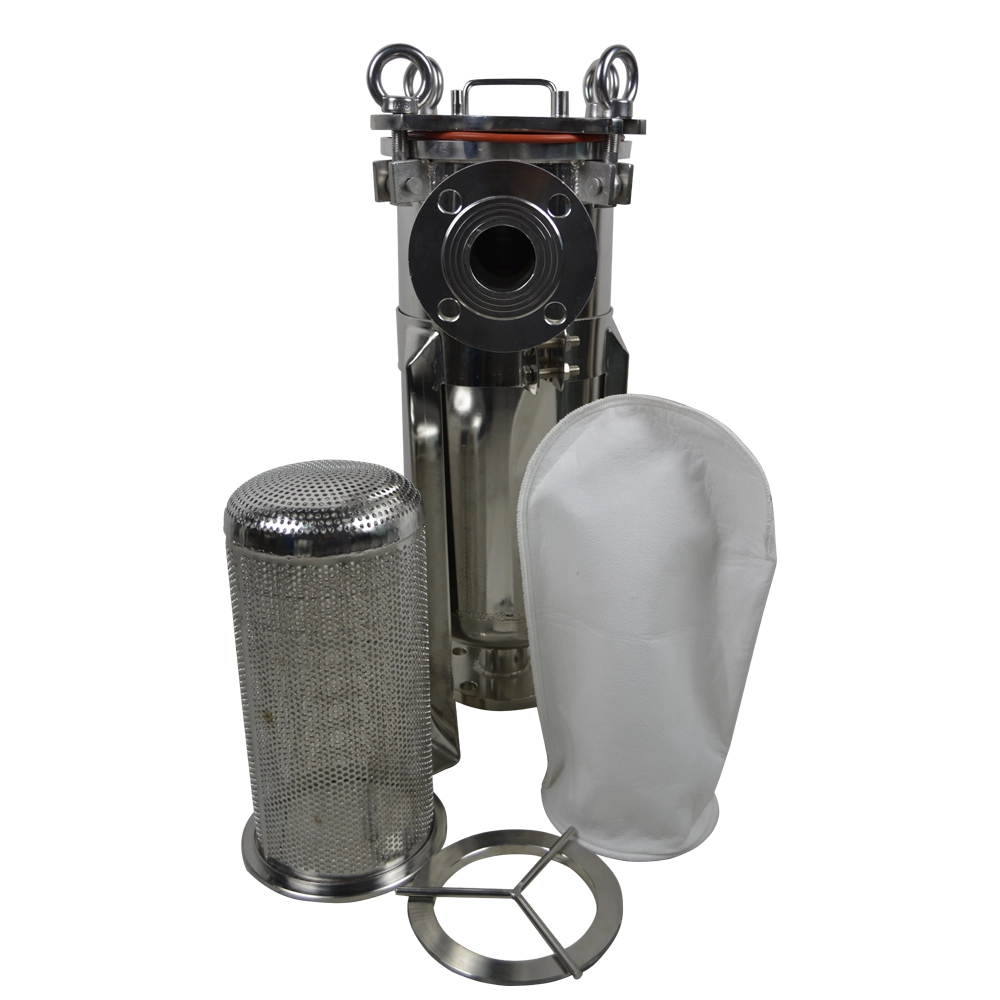
Bag filter housing
Bag filter housings are essential components in industrial filtration systems, designed to remove contaminants from liquids. To enhance the functionality and efficiency of bag filter housings, various features can be incorporated.
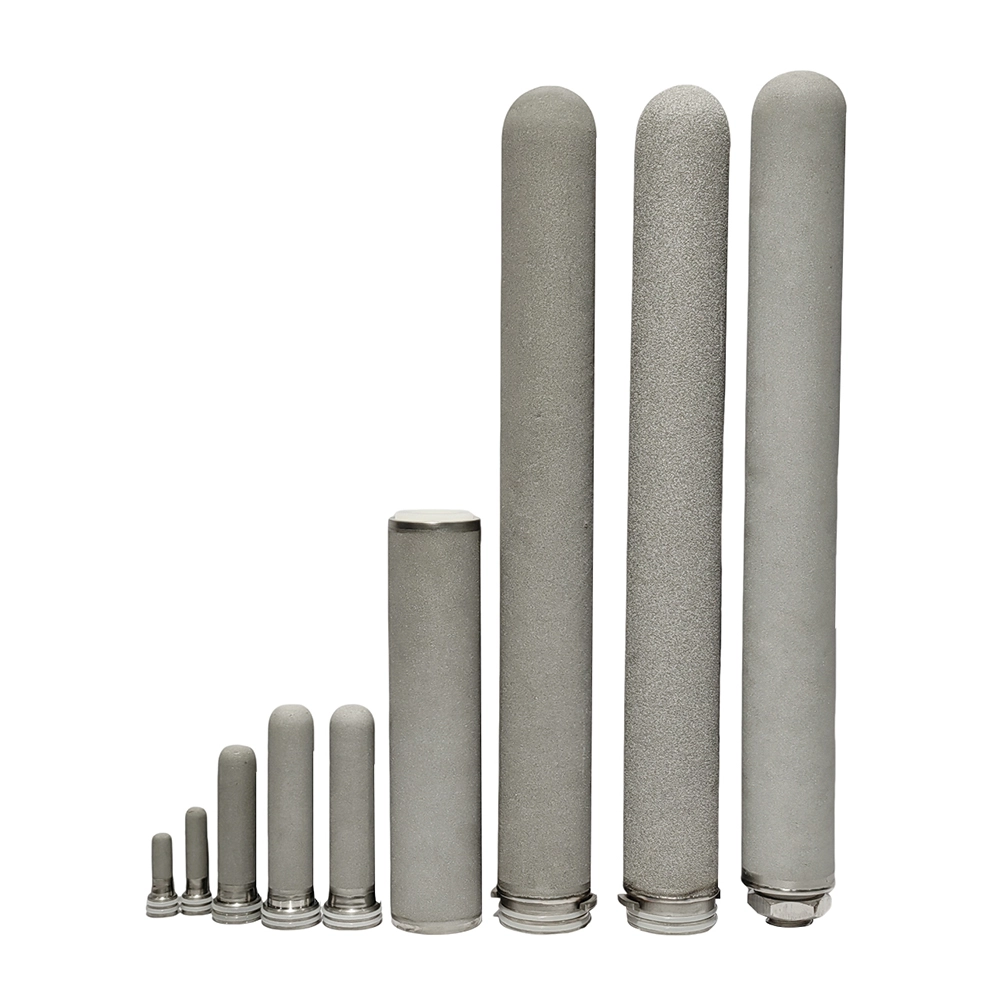
Sintered powder metal filters
Sintered powder metal filters are crafted from compressed and sintered metal powders, forming a porous structure. Porosity: 28%-50% Permeability: 0.02-20L/cm²minPa Pressure Resistance: 0.5Mpa Temperature Resistance: Less than 280℃
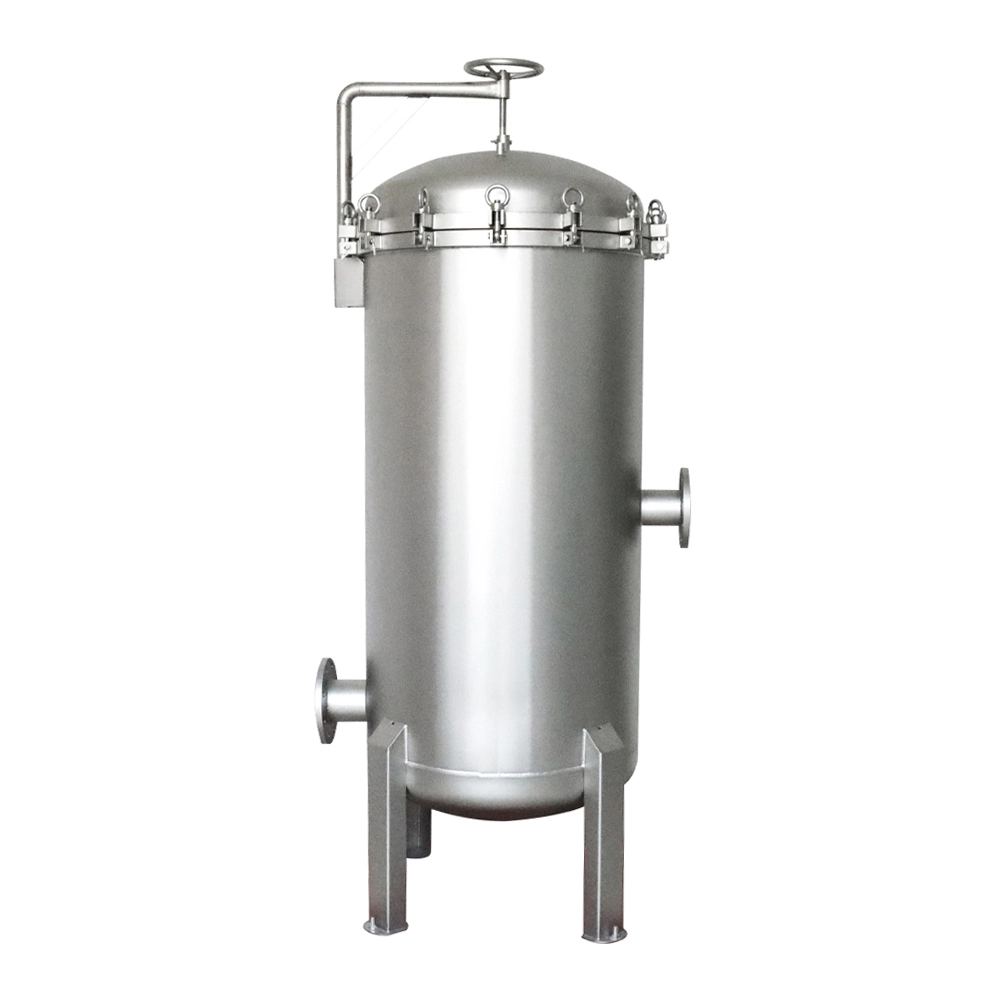
Stainless steel multi cartridge filter housing
Discover unparalleled filtration efficiency with our Stainless Steel Multi Cartridge Filter Housing – a testament to precision engineering and reliability.
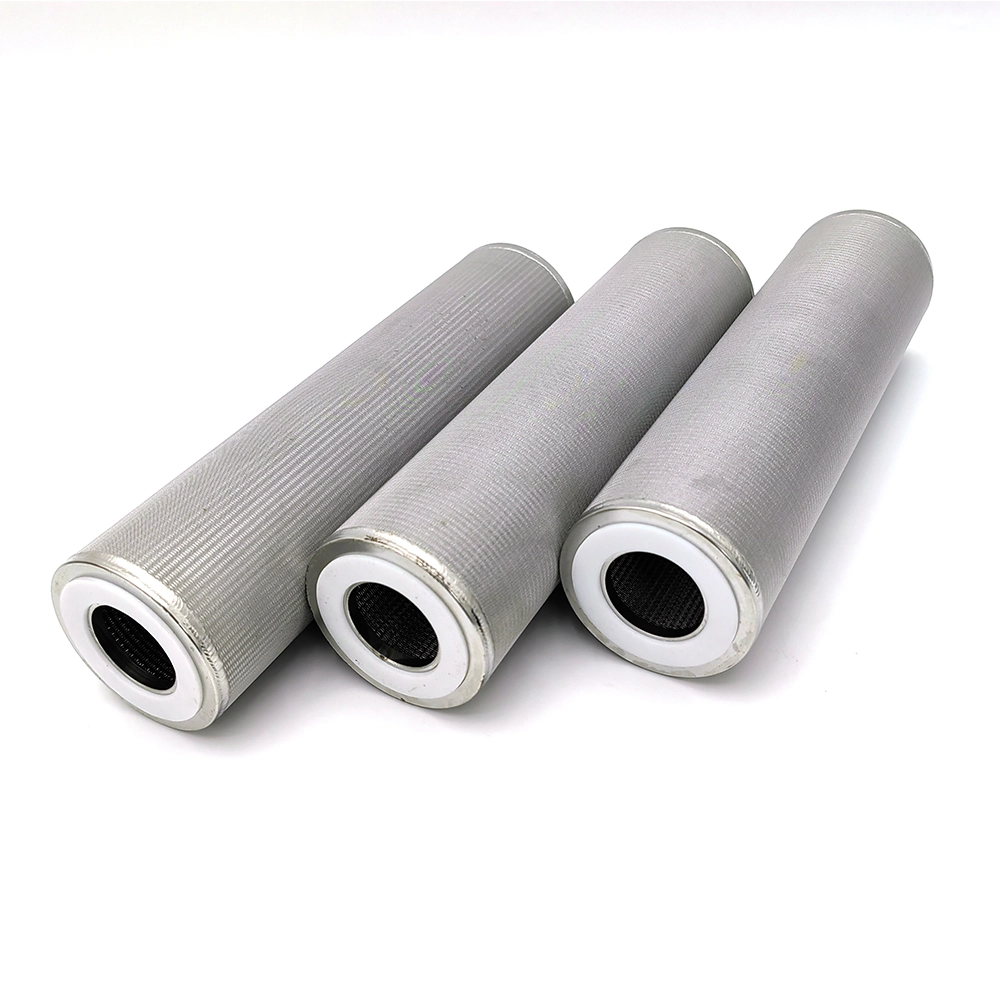
Sintered wire mesh filter
Benefit from outstanding high-pressure resistance and consistent filtration efficiency with our sintered metal mesh. Our sintered wire mesh finds versatile applications in diffuser screens, centrifuges, breather vents, fluidized beds, chromatography, polymer processing, petrochemical industries, hydraulic filters, and more.
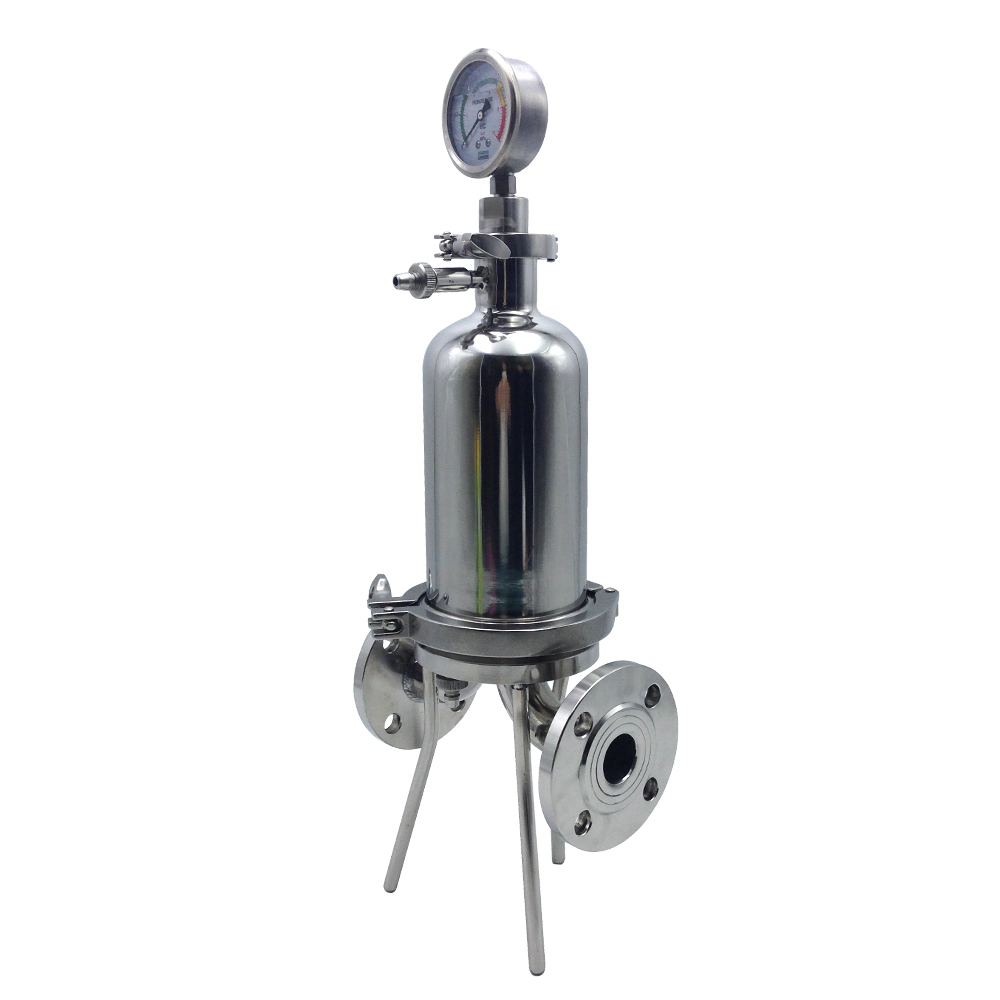
Sanitary filter housing
This filter housing will allow you to filter large volumes of nanoemulsion with ease. Sanitary vent and drain valves permit easy venting, draining, sampling, or integrity testing operations. The new cartridge locking design features additional cut-outs for traditional half-moon portions of the Code 7 bayonet locks, enhancing clean ability and drain ability.
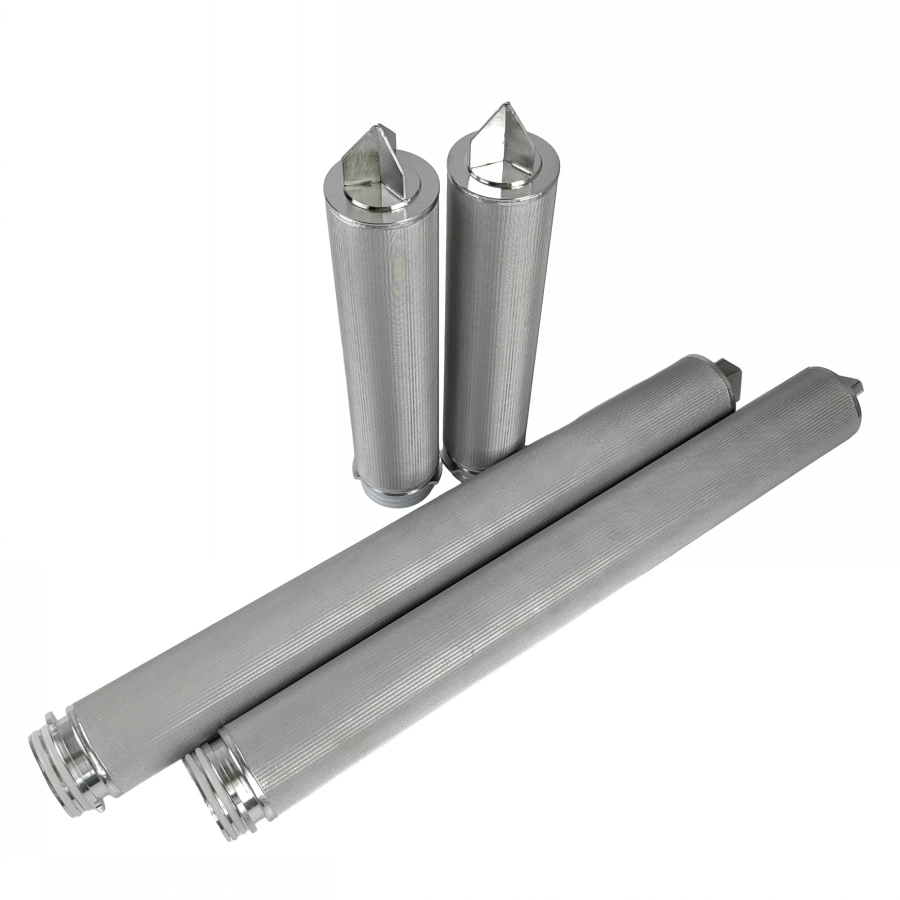
stainless steel filter water
Our sintered stainless steel filter stands as a pivotal filtration element crafted through a meticulous sintering process, with stainless steel serving as the core material.
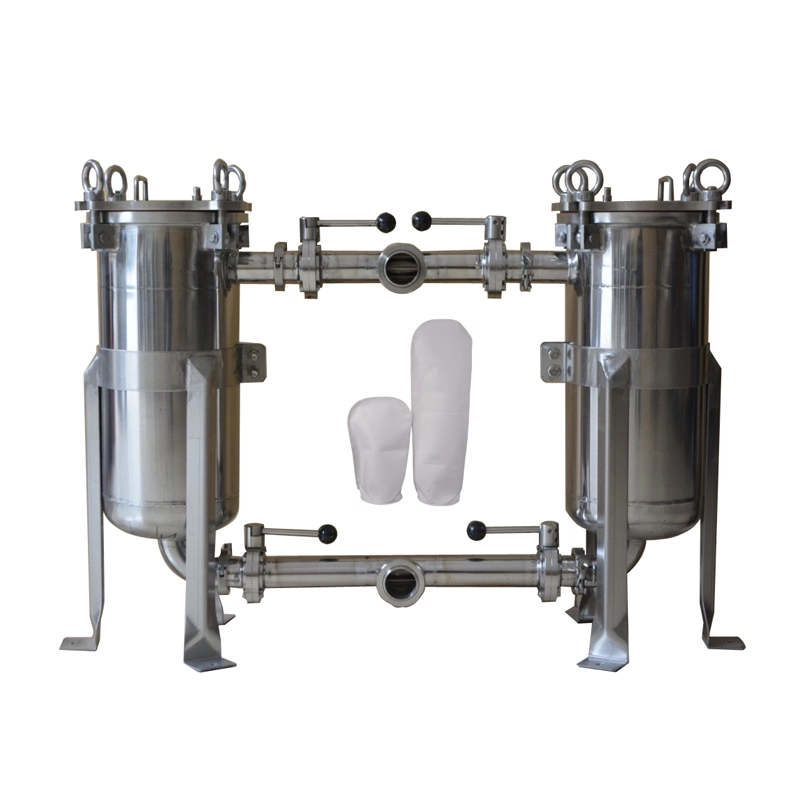
Stainless Steel Duplex filter housing
As the manufacturer, we offer a comprehensive range of Duplex Filter Housings designed to provide efficient and reliable filtration solutions for various industrial applications.
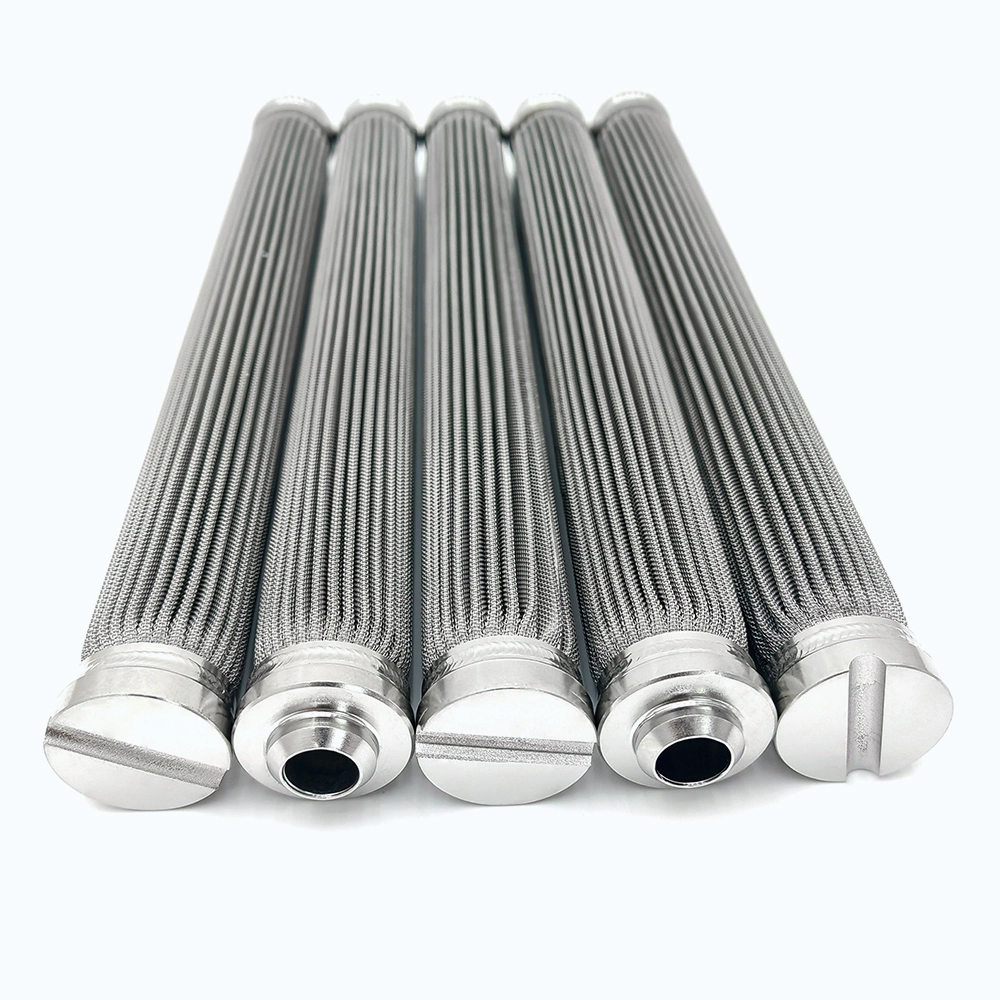
Stainless steel pleated filter cartridge
Our Stainless Steel Pleat Filter Cartridge constructed from high-quality SS 304 or SS 316L material, this filter exhibits exceptional resistance to high temperatures and rust.
© 2024 All Rights Reserved. | Privacy policy • Terms and conditions


