
how to clean metal filter cooker hood
This guide provides professionals with effective cleaning methods for sintered metal cooker hood filters. Learn how to clean your filters, from initial cleaning to ultrasonic cleaning, extending their lifespan and maintaining optimal performance. Proper cleaning is crucial for maintaining air quality and preventing kitchen fires.
How to Clean Your Metal Cooker Hood Filter: A Guide for Professionals
Maintaining the efficiency and longevity of sintered metal filters in cooker hoods is crucial. This guide provides professionals with effective cleaning methods for these vital components, addressing common challenges like grease buildup and clogging. Proper cleaning ensures optimal performance and extends the lifespan of your filters.
Understanding Sintered Metal Filters
Sintered metal filters, unlike their disposable counterparts, offer superior durability and are easily cleaned. Their porous structure effectively traps grease and other airborne particles, crucial for maintaining air quality and preventing kitchen fires. However, consistent cleaning is essential to maintain their efficacy.
Cleaning Methods for Cooker Hood Sintered Metal Filters
Several effective methods exist for cleaning sintered metal filters, each addressing varying degrees of soiling.
Method 1: Initial Cleaning (Light Soiling)
For lightly soiled filters, a simple wash with warm, soapy water is often sufficient. Use a mild detergent and a soft brush to gently remove grease and debris. Rinse thoroughly with clean water and allow to air dry completely before reinstalling.
Method 2: Deep Cleaning (Heavy Soiling)
Heavily soiled filters require a more intensive cleaning process. Consider using a degreasing agent specifically designed for kitchen applications. Immerse the filters in the solution, following the manufacturer's instructions carefully. After soaking, scrub with a brush and rinse thoroughly. A pressure washer can be beneficial for removing stubborn grease. Again, allow to air dry completely.
Method 3: Ultrasonic Cleaning (Extreme Soiling)
For extremely soiled or heavily clogged sintered metal filters, ultrasonic cleaning provides an effective solution. This method uses high-frequency sound waves to dislodge embedded particles. This method is particularly beneficial for restoring the porosity of the filter and removing microscopic contaminants. Always follow the manufacturer's instructions for your ultrasonic cleaning unit.
Maintaining Your Sintered Metal Filters
Regular cleaning is key to prolonging the life of your sintered metal cooker hood filters. A schedule of monthly cleaning for light soiling and quarterly deep cleaning for heavier use is recommended. Early detection and treatment of heavy soiling prevents damage and costly replacements.
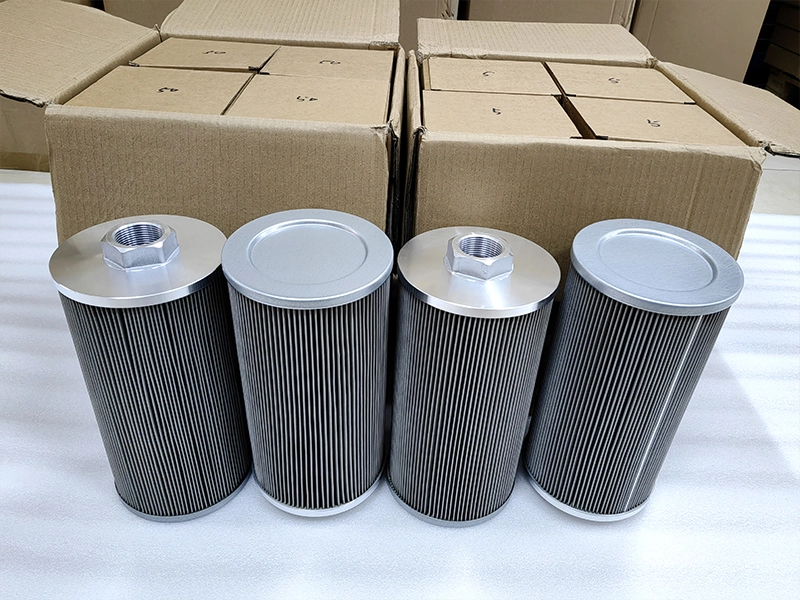
What is Sintered Metal Filter? Complete Guide
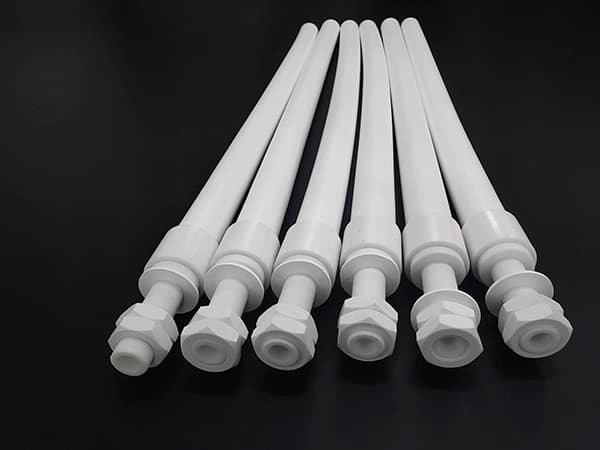
Sintered PTFE Filters: Advanced Filtration for Demanding Environments
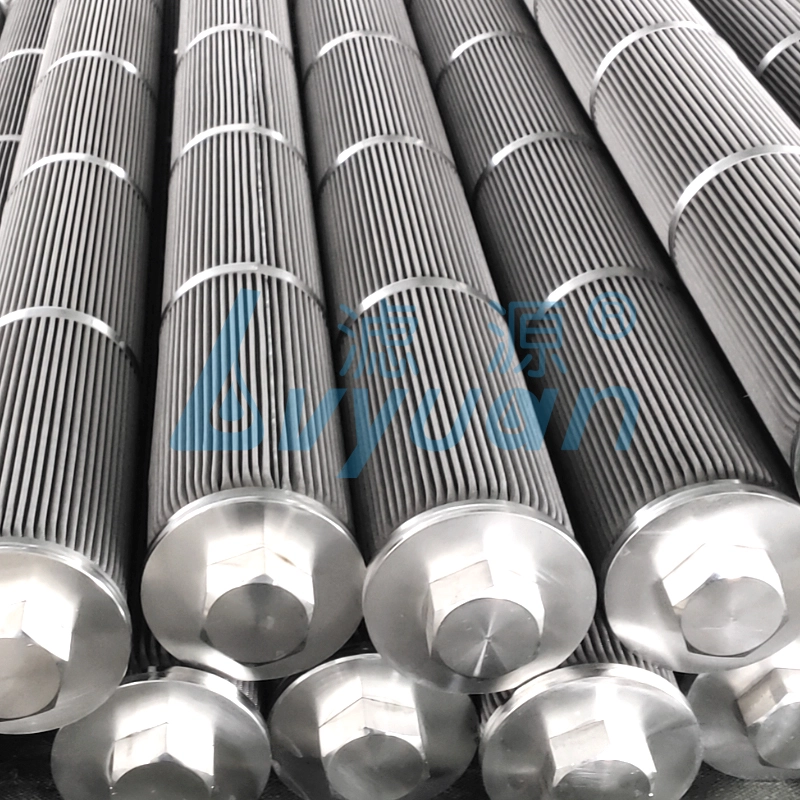
Metal Sintered Filters: Precision Filtering to Drive Industrial Upgrading
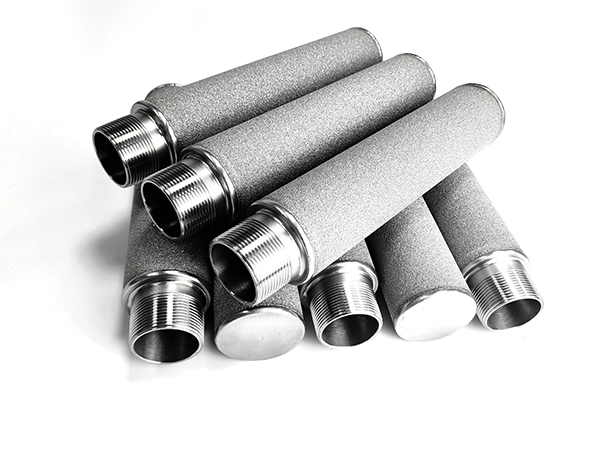
Choosing Sintered Filters: An Overview for Industrial Applications
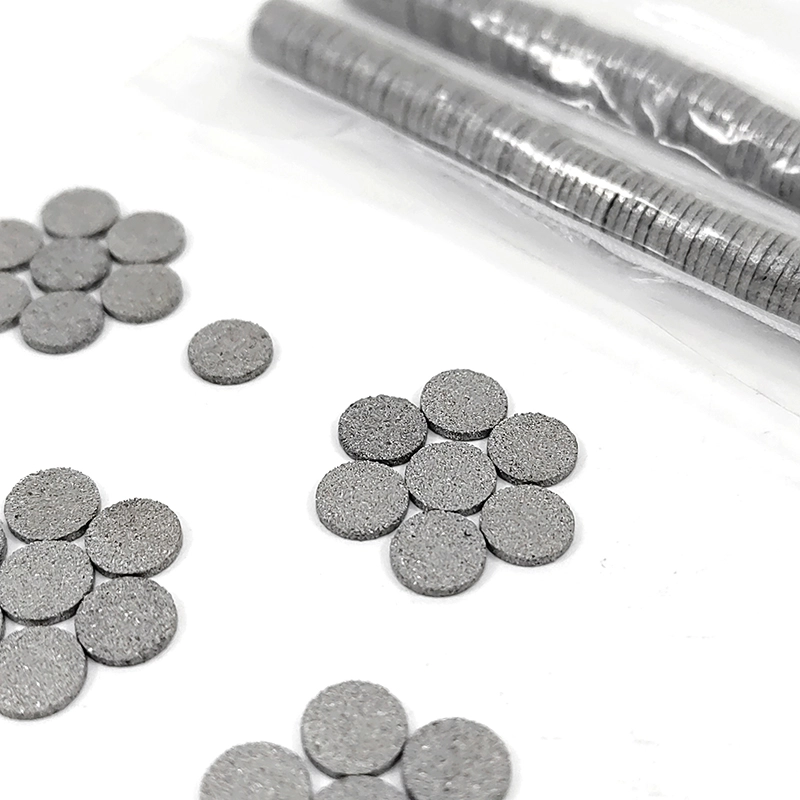
What is a Sintered Metal Filter Disc? A Comprehensive Guide
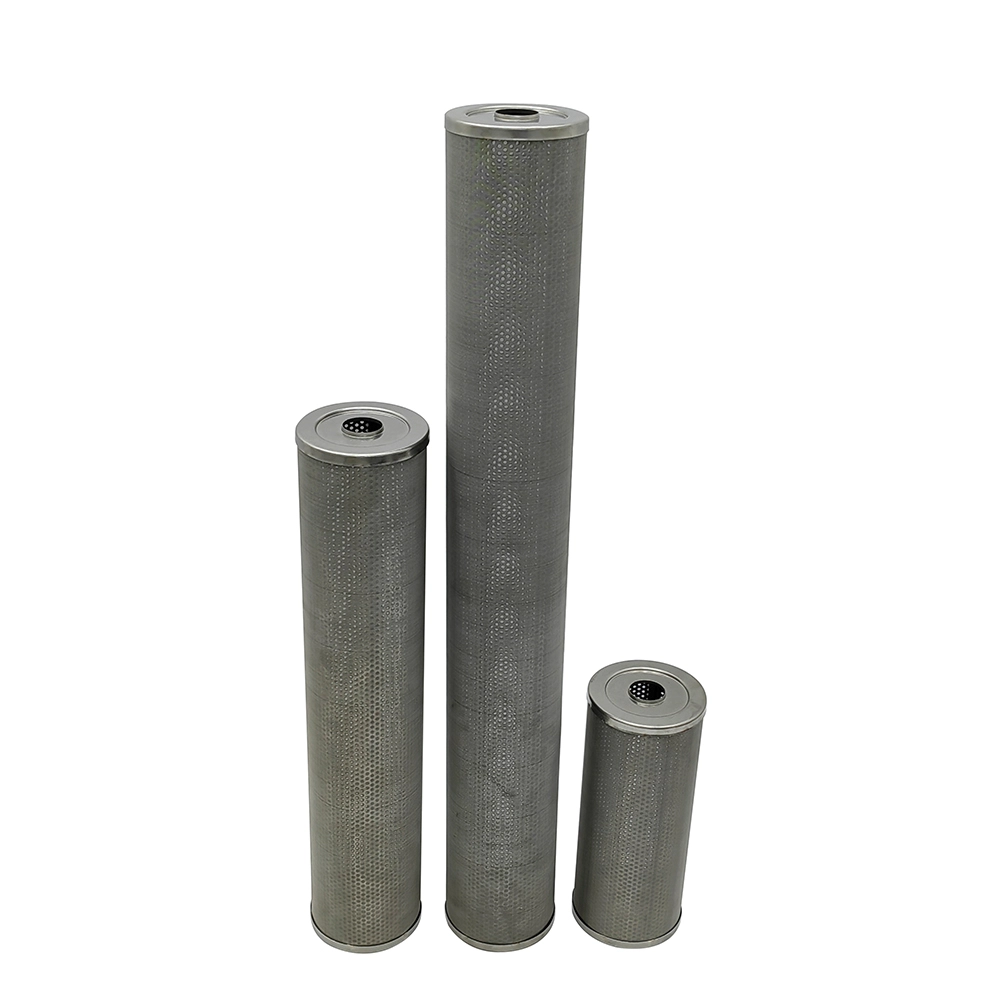
What Are Sintered Metal Filters and How Do They Work?
Sintered Titanium Filters
What Micron Ratings Are Available for Sintered Titanium Filters?
Sintered titanium filters are available in a wide range of micron ratings and configurations, offering tailored solutions for optimal performance across diverse applications.
Metal mesh filters
What maintenance is required for sintered wire mesh filter?
Regular cleaning is the primary maintenance for sintered wire mesh. The cleaning frequency depends on the application and the type of contaminants being filtered. Follow the manufacturer's guidelines for proper maintenance.
Porous Plastic Filter
What types of polymers are used to manufacture sintered plastic porous filters?
Common polymers used in the production of sintered plastic porous filters include polyethylene (PE), polypropylene (PP), polytetrafluoroethylene (PTFE), and polyvinylidene fluoride (PVDF), among others.
What is Porosity in Filtration?
Porosity, in the context of filtration, measures the pores on the filter surface, determining its efficiency and capabilities. Higher porosity indicates more open structures (pores), allowing maximum flow with minimal pressure drops.
However, it's crucial to note that a higher porosity rate doesn't necessarily guarantee greater efficiency. When selecting the right material for your porous metal filter, consider aspects such as pore size, pressure drop, temperature resistance, and strength.
• Size of Pores: Micron rating is crucial. A material rated at 5 microns will likely stop particles of 5 microns or larger.
• Pressure Drop: Choose a material with a minimum pressure drop for uniform flow.
• Temperature Resistance: Analyze the material's capability to perform efficiently under specific temperatures.
• Strength: Opt for a filter with the strength to withstand changing environmental conditions.
For company
How is production capacity?
• Sintered metal filters: 10,000 sets per month.
• Filter housings: 5000 sets/month.
• PE filters: 100000 pcs/month.
• And our production capacity is growing.
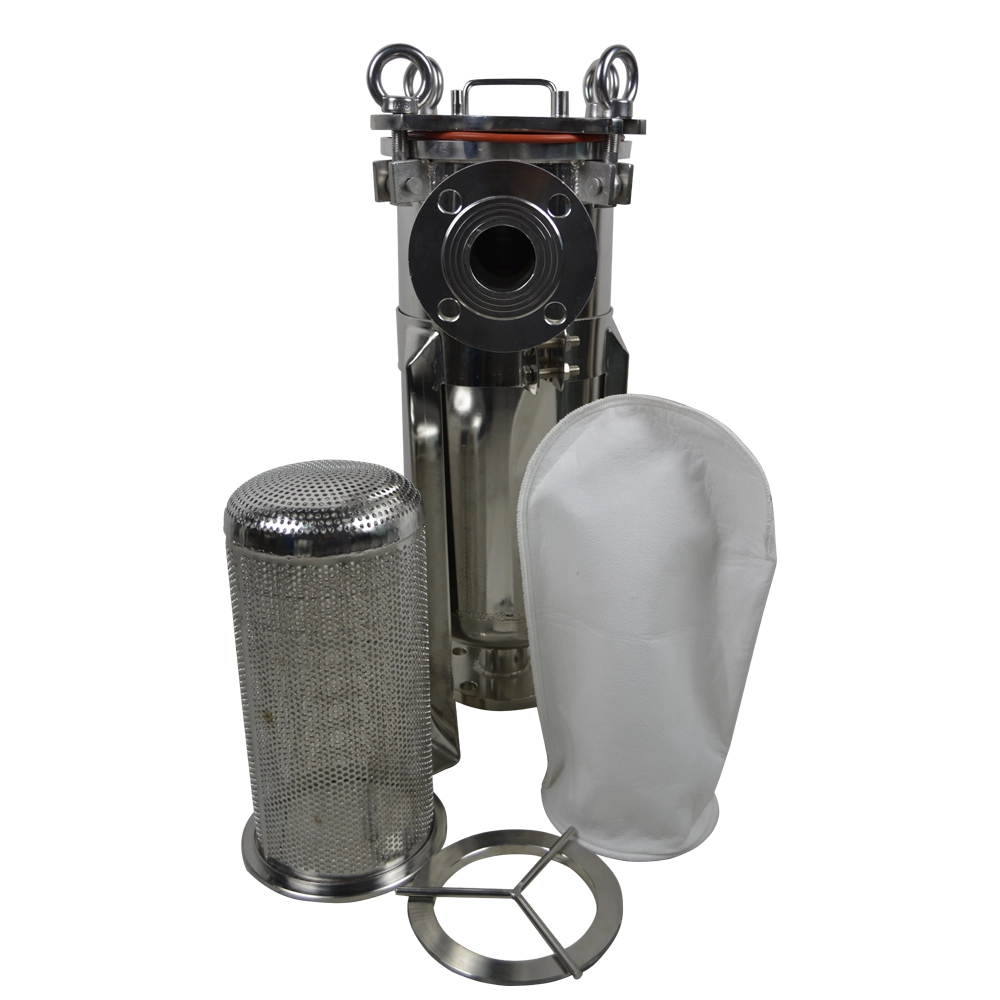
Bag filter housing
Bag filter housings are essential components in industrial filtration systems, designed to remove contaminants from liquids. To enhance the functionality and efficiency of bag filter housings, various features can be incorporated.
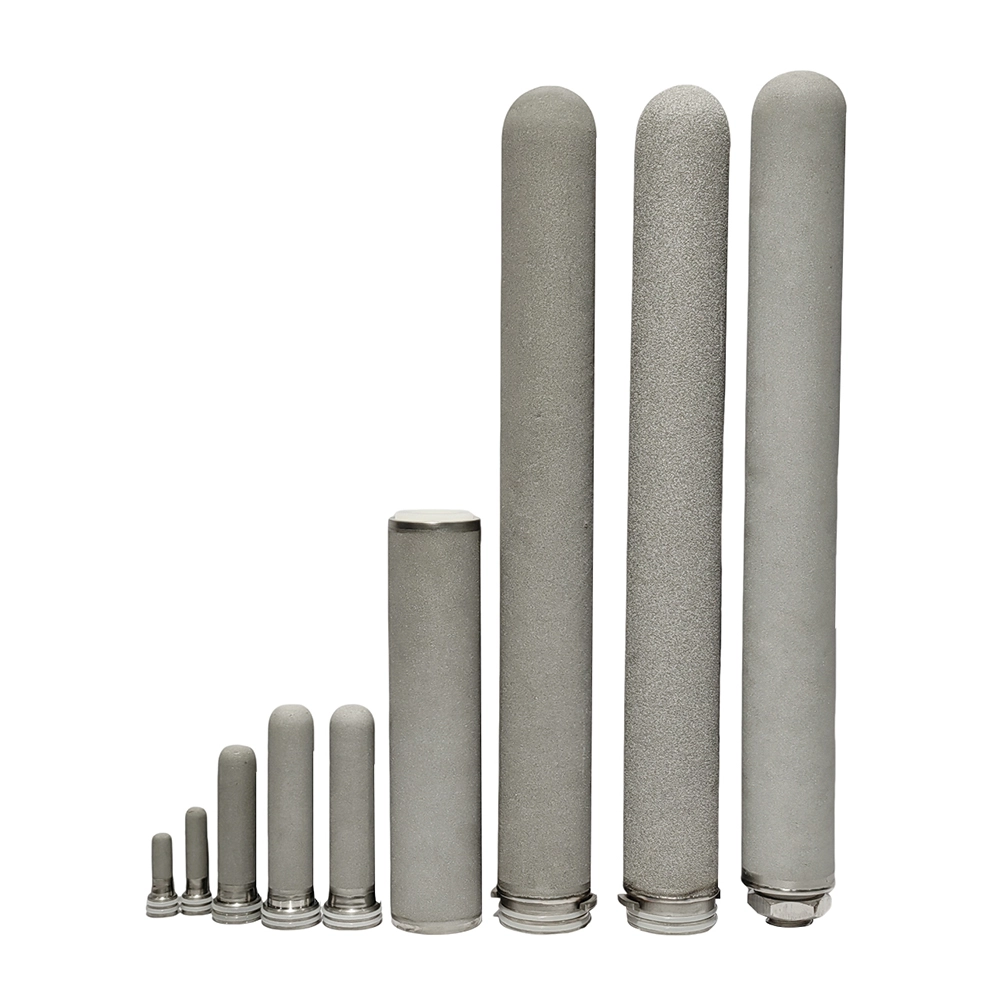
Sintered powder metal filters
Sintered powder metal filters are crafted from compressed and sintered metal powders, forming a porous structure. Porosity: 28%-50% Permeability: 0.02-20L/cm²minPa Pressure Resistance: 0.5Mpa Temperature Resistance: Less than 280℃
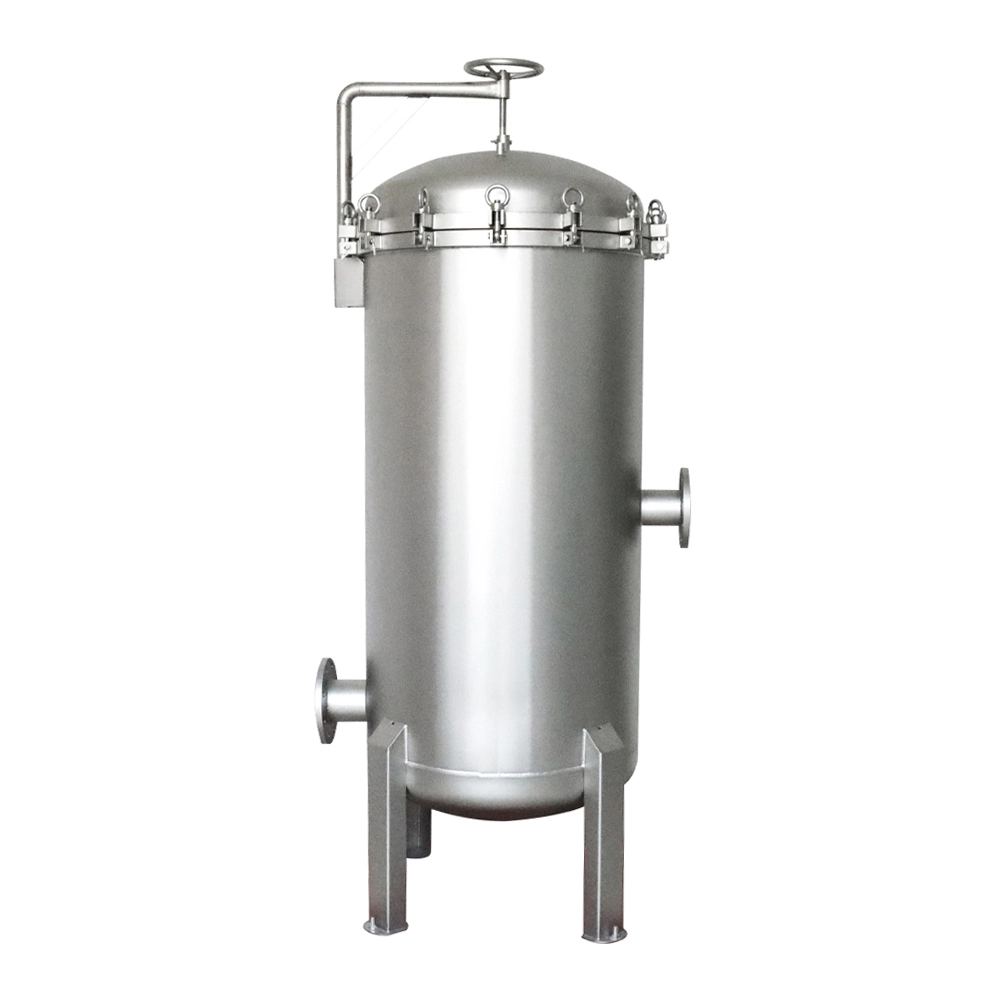
Stainless steel multi cartridge filter housing
Discover unparalleled filtration efficiency with our Stainless Steel Multi Cartridge Filter Housing – a testament to precision engineering and reliability.
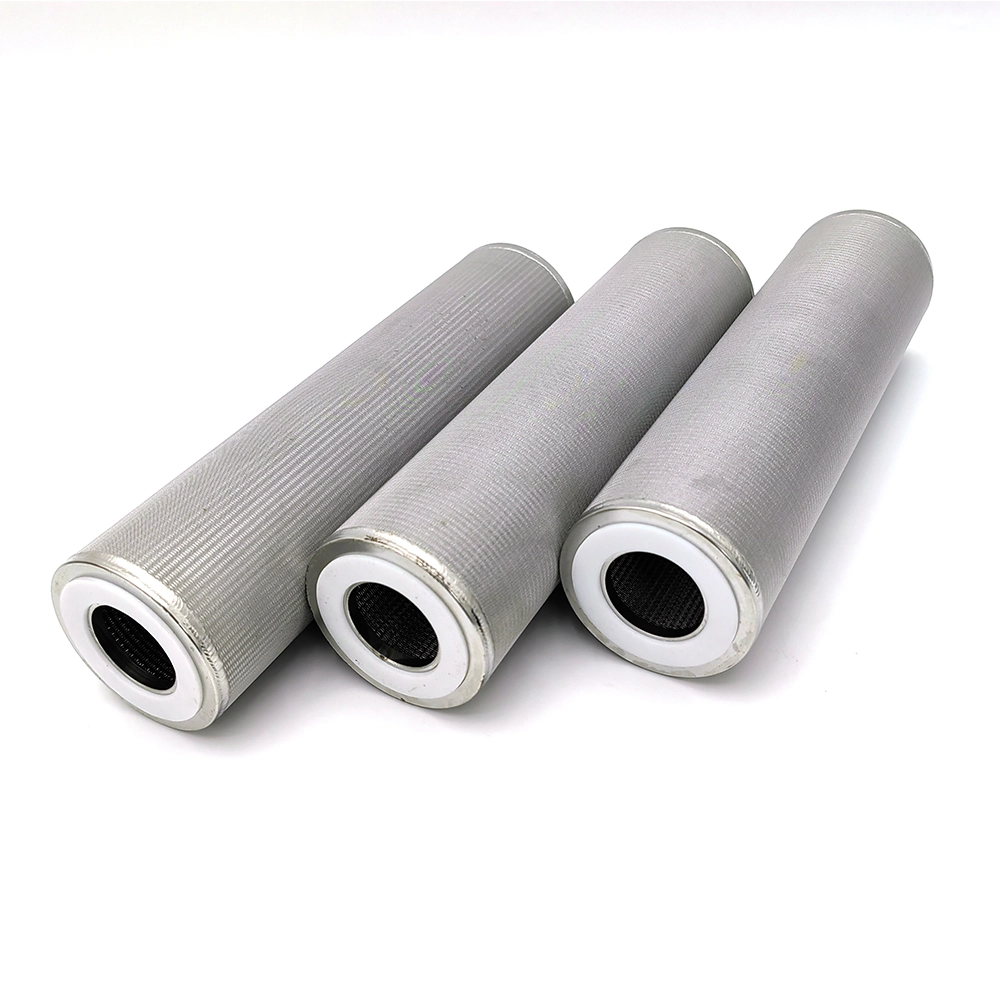
Sintered wire mesh filter
Benefit from outstanding high-pressure resistance and consistent filtration efficiency with our sintered metal mesh. Our sintered wire mesh finds versatile applications in diffuser screens, centrifuges, breather vents, fluidized beds, chromatography, polymer processing, petrochemical industries, hydraulic filters, and more.
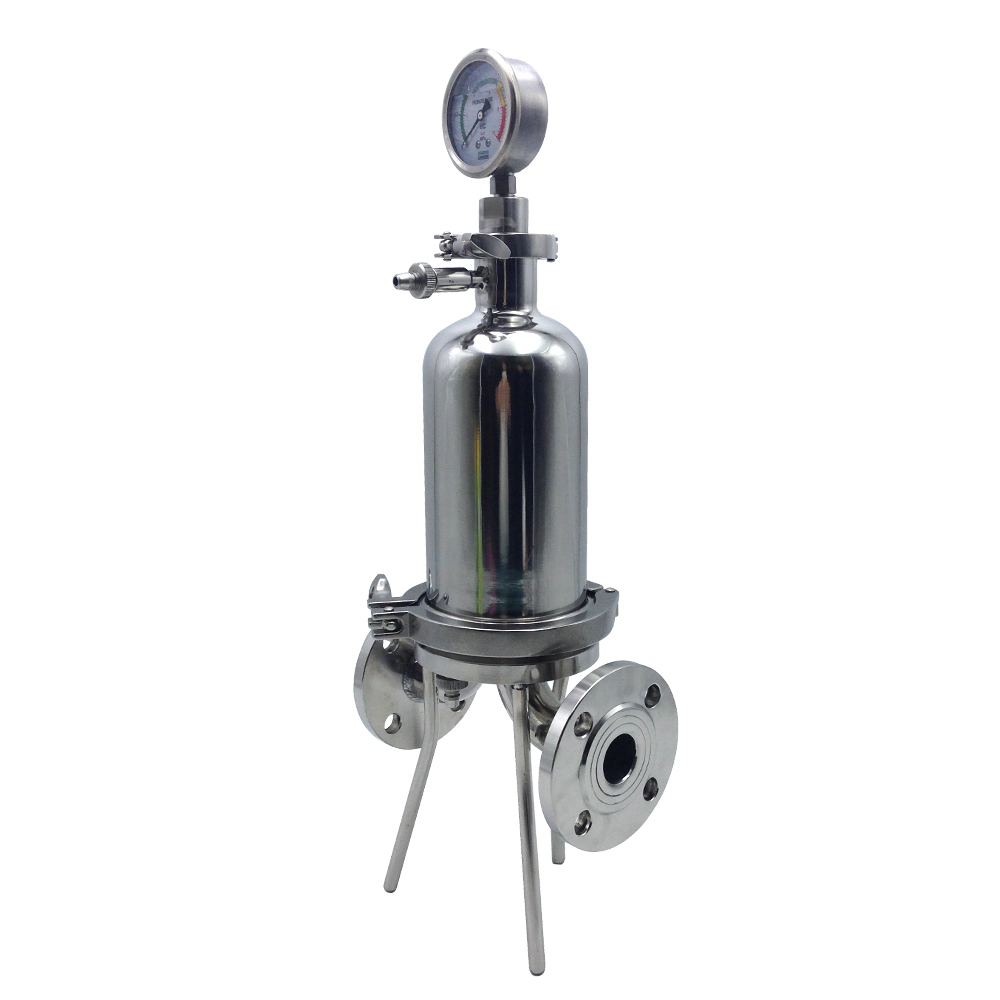
Sanitary filter housing
This filter housing will allow you to filter large volumes of nanoemulsion with ease. Sanitary vent and drain valves permit easy venting, draining, sampling, or integrity testing operations. The new cartridge locking design features additional cut-outs for traditional half-moon portions of the Code 7 bayonet locks, enhancing clean ability and drain ability.
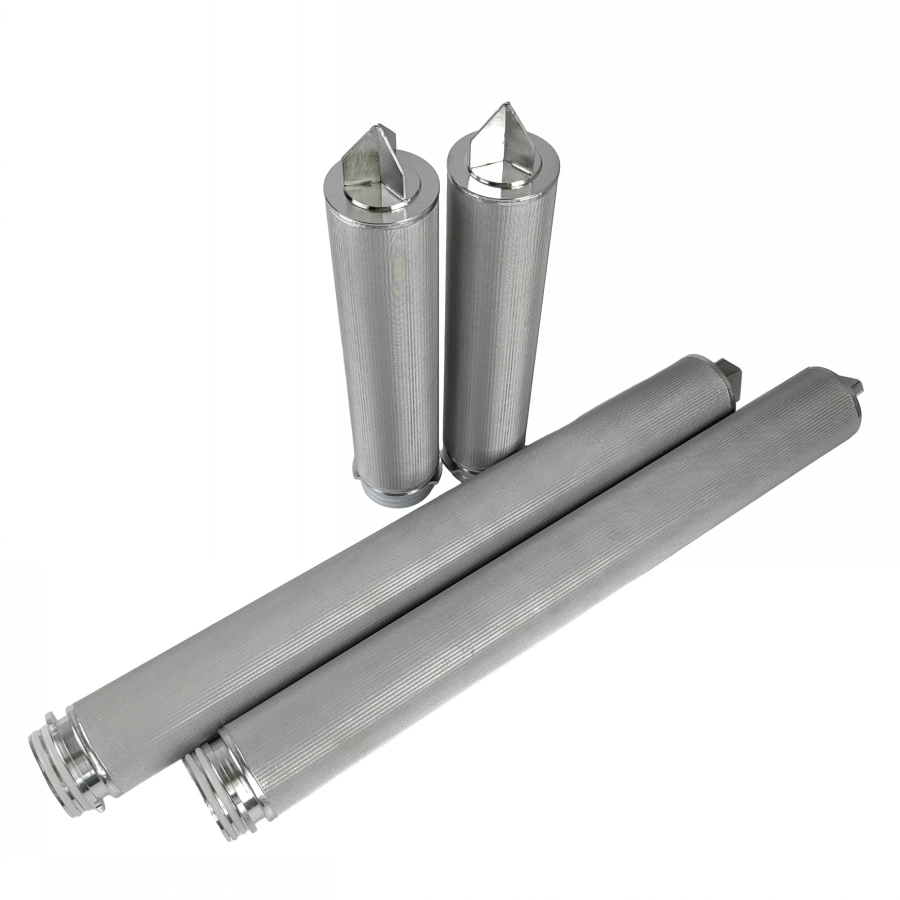
stainless steel filter water
Our sintered stainless steel filter stands as a pivotal filtration element crafted through a meticulous sintering process, with stainless steel serving as the core material.
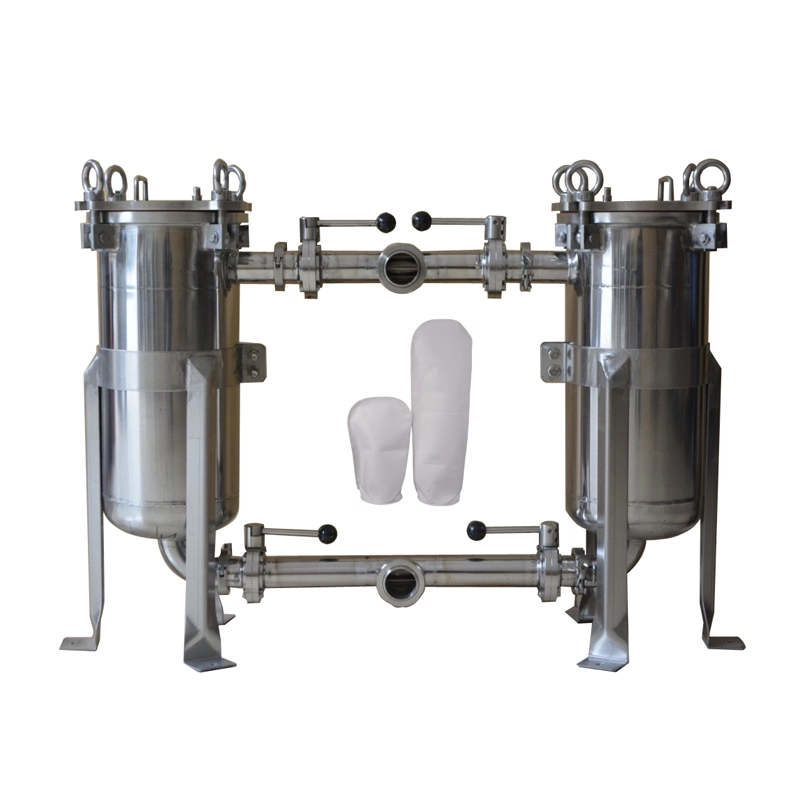
Stainless Steel Duplex filter housing
As the manufacturer, we offer a comprehensive range of Duplex Filter Housings designed to provide efficient and reliable filtration solutions for various industrial applications.
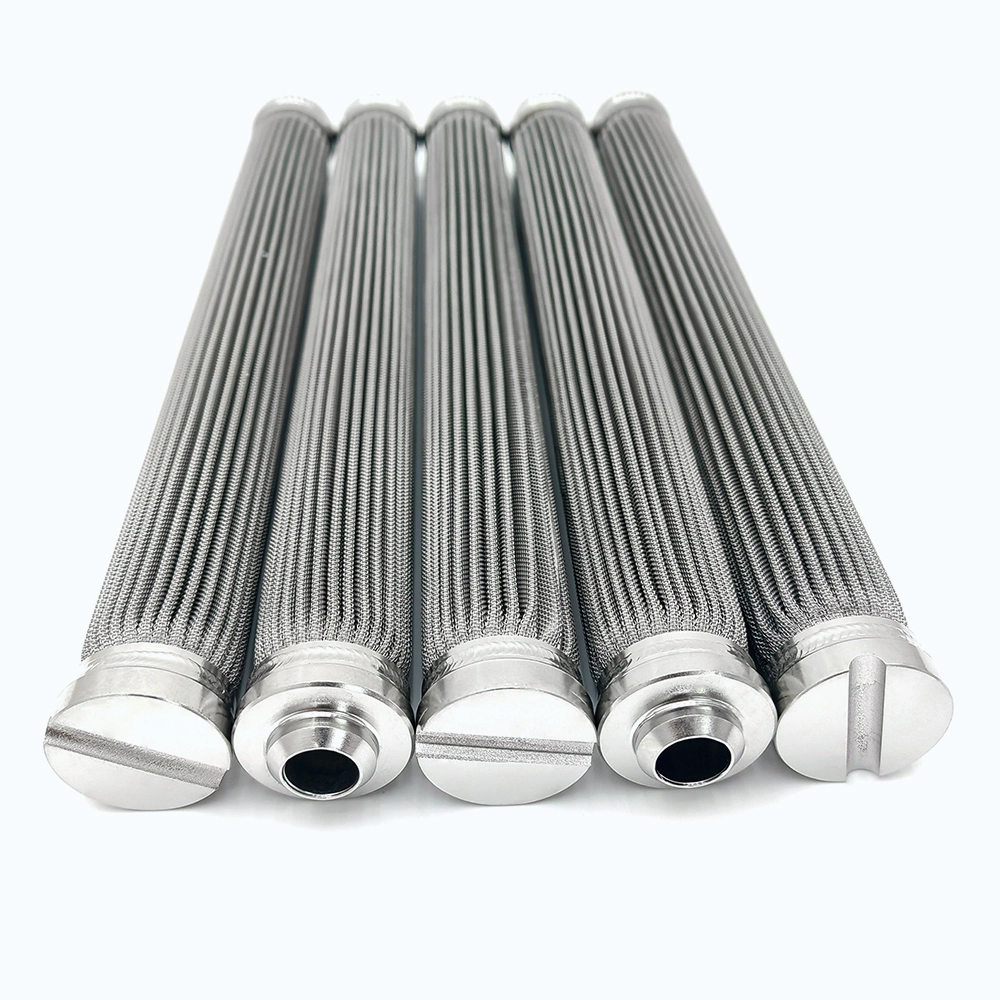
Stainless steel pleated filter cartridge
Our Stainless Steel Pleat Filter Cartridge constructed from high-quality SS 304 or SS 316L material, this filter exhibits exceptional resistance to high temperatures and rust.
© 2024 All Rights Reserved. | Privacy policy • Terms and conditions


