
how to clean metal mesh grease filter
Learn how to effectively clean metal mesh grease filters to maximize performance and extend filter life. This guide covers solvent, chemical, and mechanical cleaning methods for sintered metal filters, ensuring optimal filtration efficiency. #sinteredmetalfilters #greasefilters #filtercleaning
How to Clean Metal Mesh Grease Filters
Maintaining the efficiency of your sintered metal filters is crucial for optimal performance. This article addresses a common challenge: effectively cleaning metal mesh grease filters, specifically those used in demanding industrial applications. We'll explore safe and effective cleaning methods to prolong filter lifespan and maintain high filtration standards.
Understanding Sintered Metal Grease Filters
Sintered metal filters, unlike their fibrous counterparts, offer superior durability and resistance to harsh environments. Their robust construction, however, requires specific cleaning techniques to avoid damage. Grease buildup can significantly impact their performance, leading to reduced flow rates and potential equipment malfunction. Effective cleaning is essential to maintain their high filtration efficiency.
Cleaning Methods for Metal Mesh Grease Filters
The optimal cleaning method depends on the type and degree of contamination. For less severe grease buildup, a simple solvent cleaning might suffice. More heavily soiled filters may require more intensive methods.
Solvent Cleaning
This is the most common method for lightly soiled sintered metal grease filters.
* Solvent Selection: Choose a solvent compatible with the filter material. Consult the filter's specifications to ensure compatibility. Common solvents include isopropyl alcohol or specialized degreasers.
* Immersion: Immerse the filter in the solvent, ensuring complete coverage. Allow sufficient soak time for the grease to dissolve (typically 30-60 minutes).
* Ultrasonic Cleaning (Optional): For stubborn grease, ultrasonic cleaning can significantly improve the effectiveness of solvent cleaning. This method utilizes high-frequency sound waves to agitate the solvent and enhance grease removal.
* Rinsing: After soaking, thoroughly rinse the filter with clean solvent to remove residual grease and solvent. Air drying is preferred to prevent water spotting.
Chemical Cleaning
For heavier grease deposits, stronger chemical cleaning agents may be necessary. Always prioritize safety and wear appropriate personal protective equipment (PPE). Follow the manufacturer's instructions carefully. Neutralization steps may be required after chemical cleaning to prevent corrosion.
Mechanical Cleaning
In some cases, a gentle mechanical cleaning may be necessary in conjunction with chemical cleaning. Use soft brushes or non-abrasive materials to dislodge stubborn grease. Avoid harsh scrubbing that could damage the filter's delicate structure.
Maintaining Your Sintered Metal Grease Filters
Regular cleaning is crucial. Establish a preventative maintenance schedule based on your operating conditions and the level of grease accumulation. Regular inspection allows for early detection of issues, preventing costly downtime.
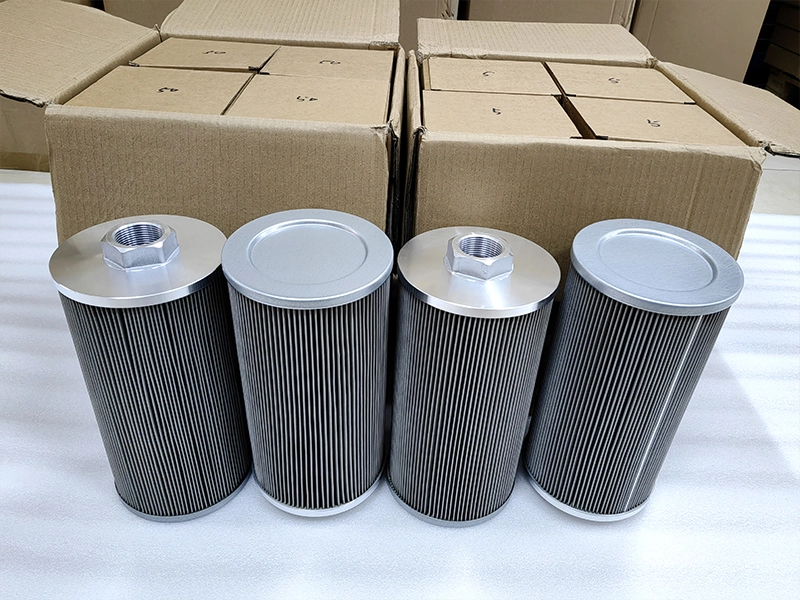
What is Sintered Metal Filter? Complete Guide
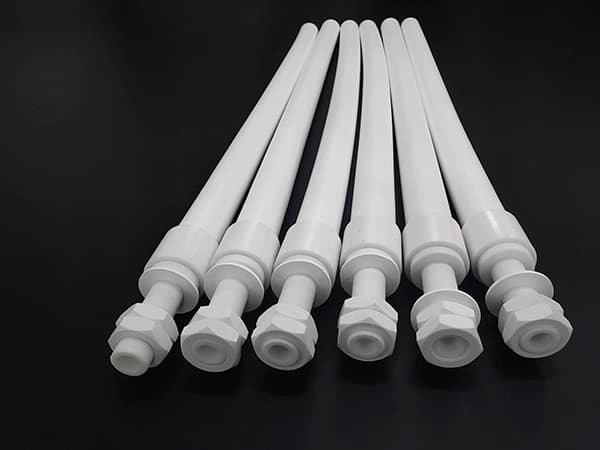
Sintered PTFE Filters: Advanced Filtration for Demanding Environments
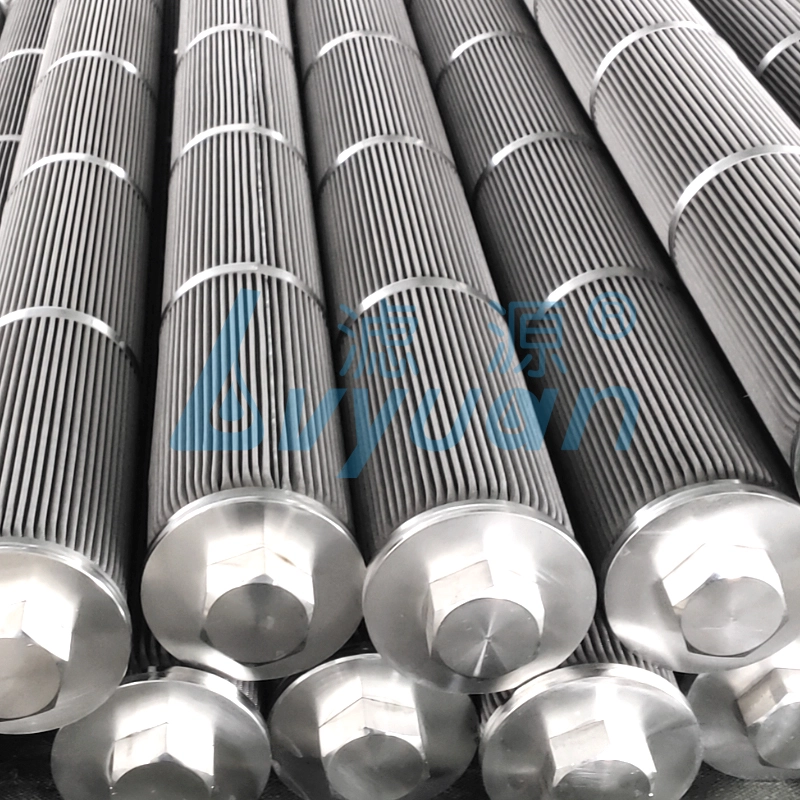
Metal Sintered Filters: Precision Filtering to Drive Industrial Upgrading
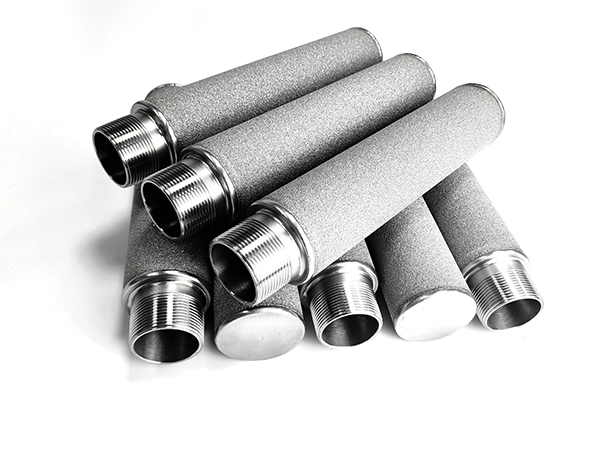
Choosing Sintered Filters: An Overview for Industrial Applications
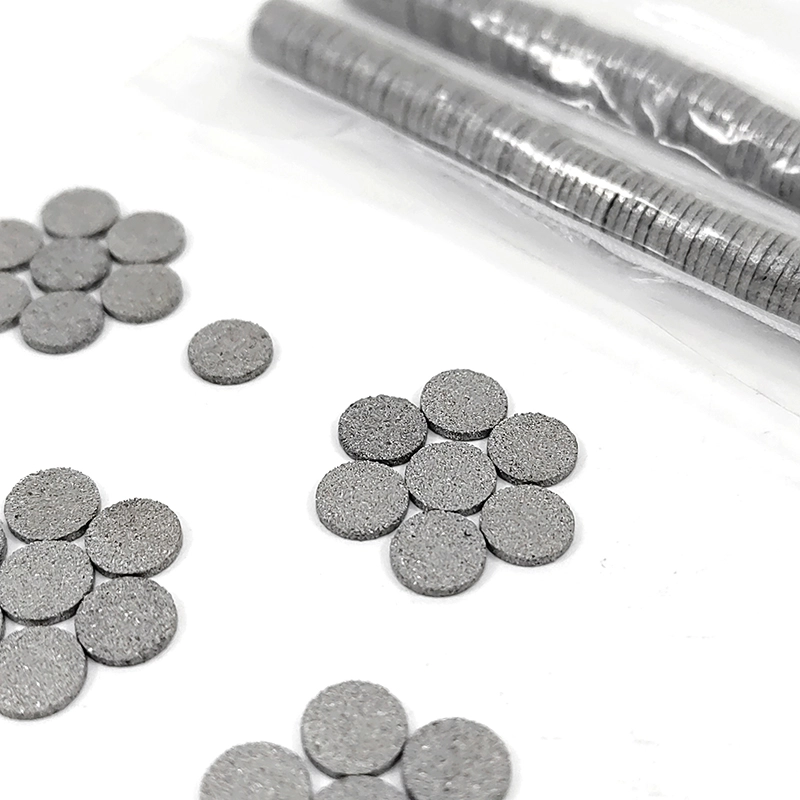
What is a Sintered Metal Filter Disc? A Comprehensive Guide
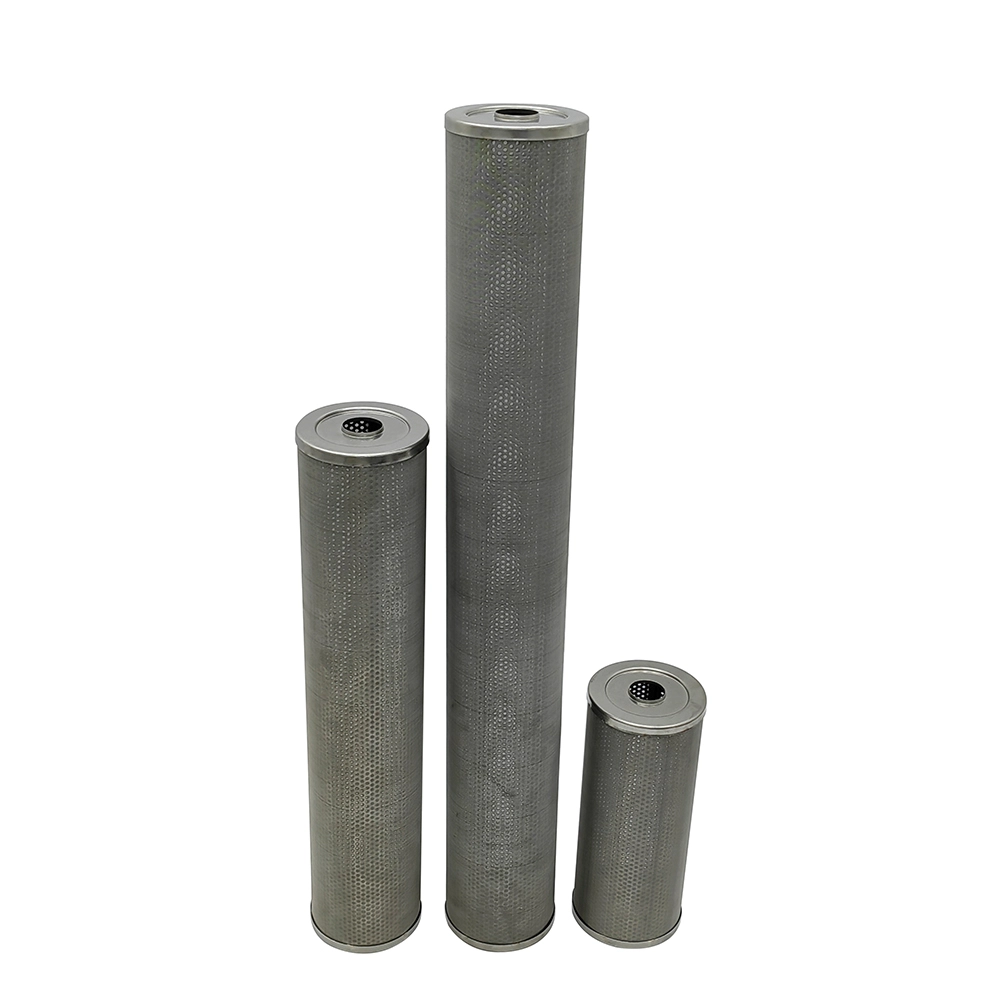
What Are Sintered Metal Filters and How Do They Work?
For company
When er founded?
We established on October 12, 2009
Sintered Powder Filters
What is a sintered powder filter?
A sintered powder filter is a porous filtration medium created by compacting and sintering metal powders. It is designed to provide efficient and precise filtration in various industrial applications.
Porous Plastic Filter
What types of polymers are used to manufacture sintered plastic porous filters?
Common polymers used in the production of sintered plastic porous filters include polyethylene (PE), polypropylene (PP), polytetrafluoroethylene (PTFE), and polyvinylidene fluoride (PVDF), among others.
Sintered mesh filters
How can I select the right sintered mesh filter for my application?
To select the right sintered mesh filter, consider factors such as filtration requirements, material compatibility, temperature and pressure conditions, and specific application needs. Consult with the manufacturer for guidance on customization options.
For customization
Do you test all your goods before delivery?
Yes, we have a 100% test before delivery.
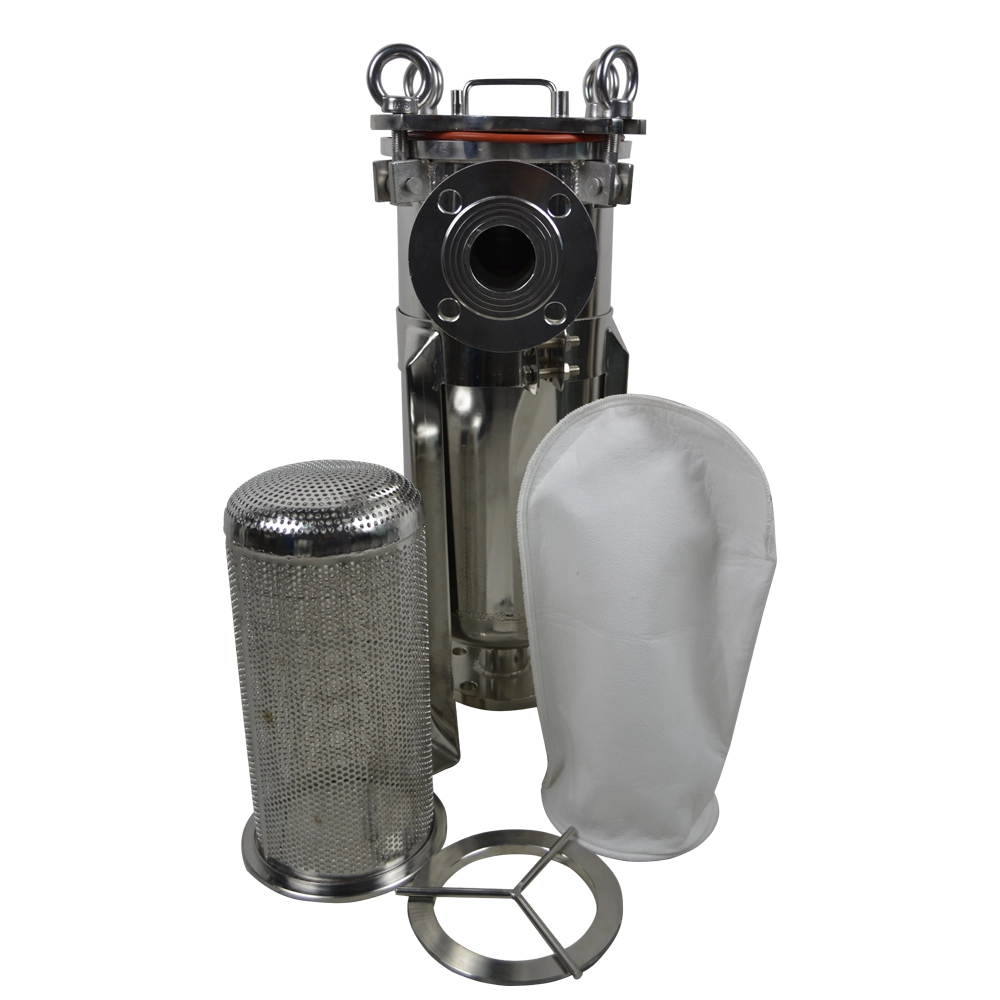
Bag filter housing
Bag filter housings are essential components in industrial filtration systems, designed to remove contaminants from liquids. To enhance the functionality and efficiency of bag filter housings, various features can be incorporated.
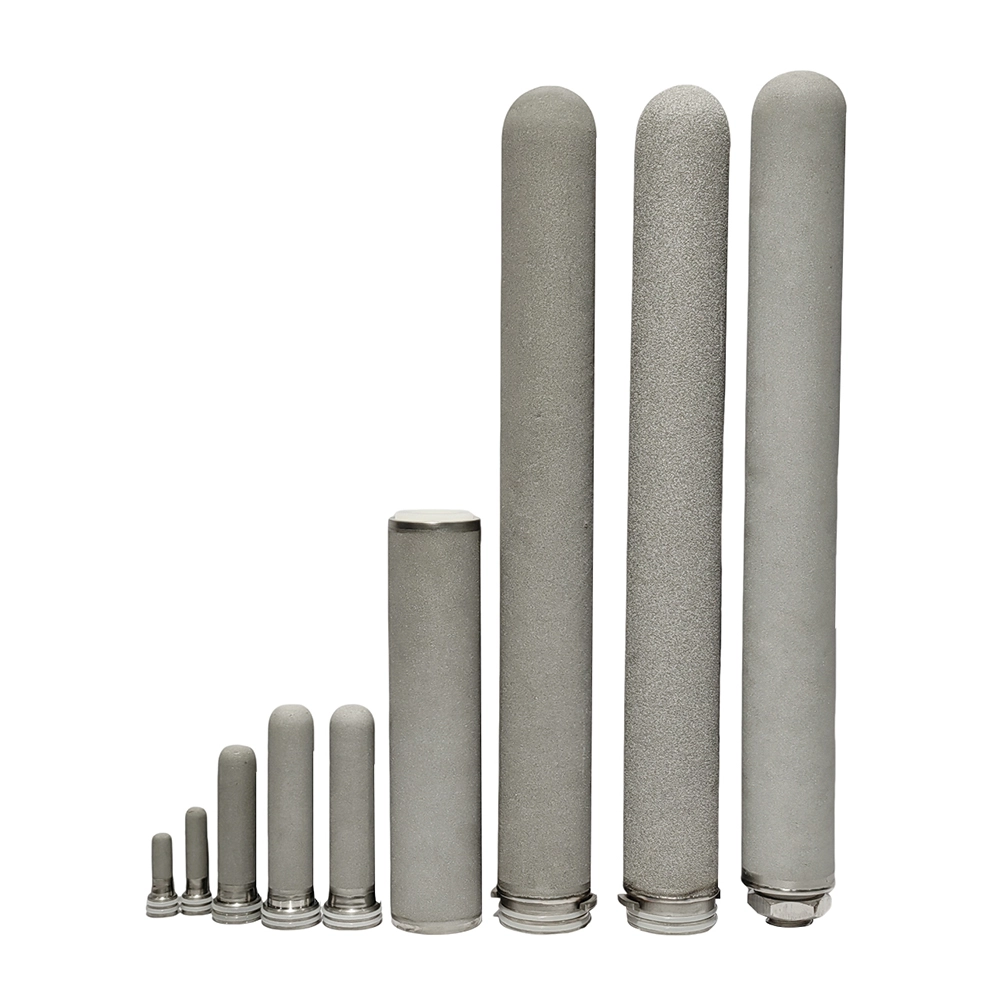
Sintered powder metal filters
Sintered powder metal filters are crafted from compressed and sintered metal powders, forming a porous structure. Porosity: 28%-50% Permeability: 0.02-20L/cm²minPa Pressure Resistance: 0.5Mpa Temperature Resistance: Less than 280℃
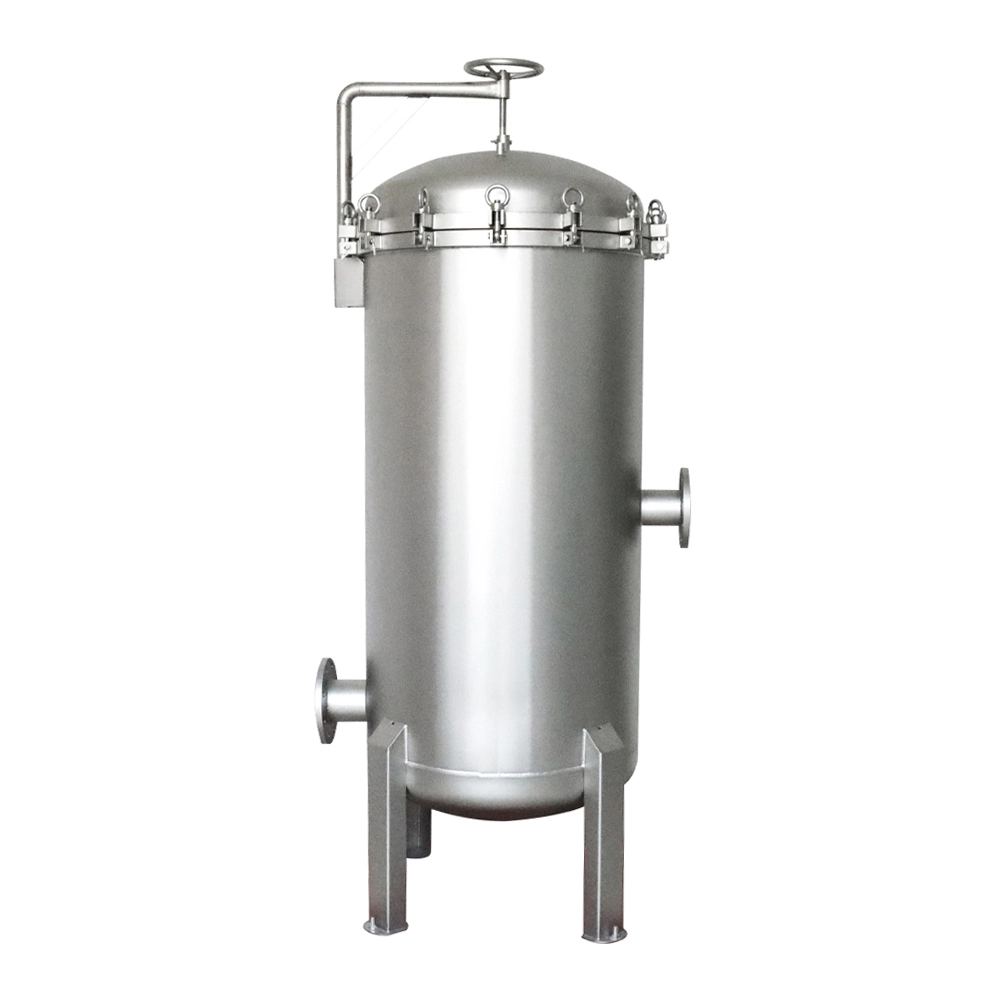
Stainless steel multi cartridge filter housing
Discover unparalleled filtration efficiency with our Stainless Steel Multi Cartridge Filter Housing – a testament to precision engineering and reliability.
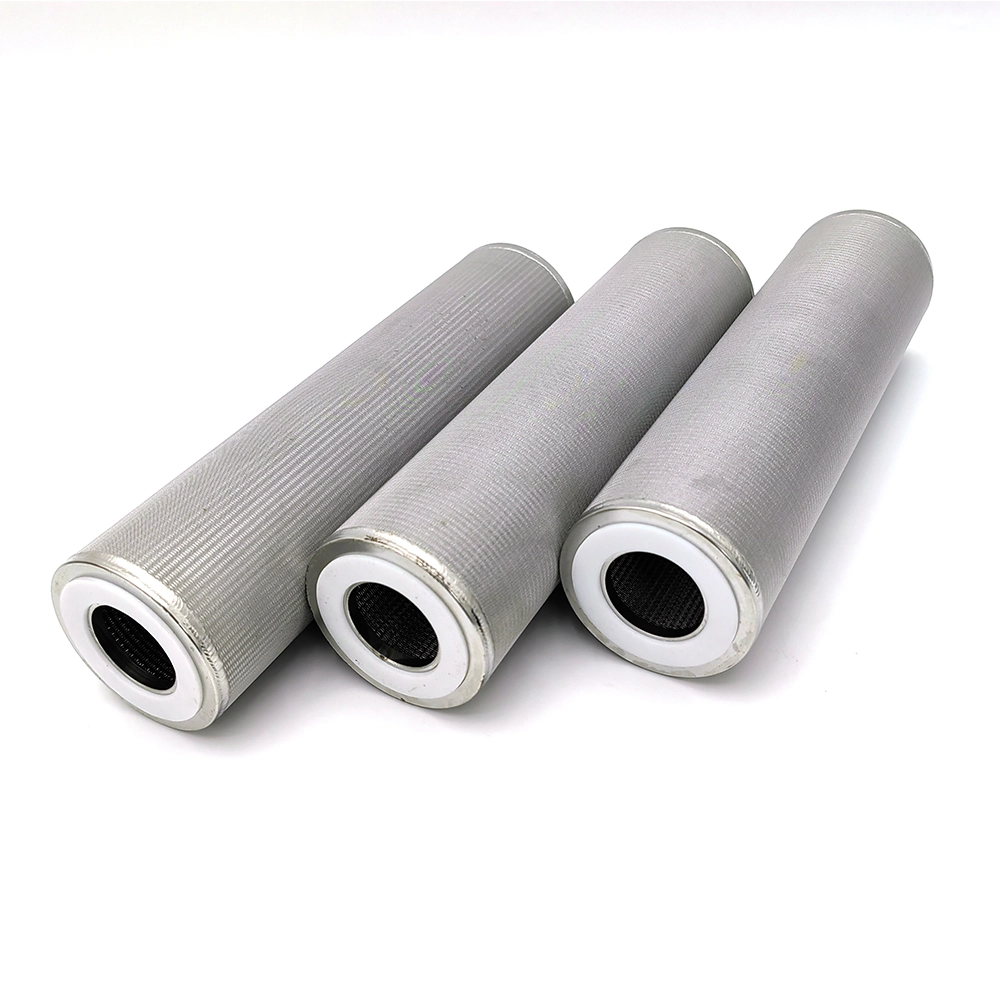
Sintered wire mesh filter
Benefit from outstanding high-pressure resistance and consistent filtration efficiency with our sintered metal mesh. Our sintered wire mesh finds versatile applications in diffuser screens, centrifuges, breather vents, fluidized beds, chromatography, polymer processing, petrochemical industries, hydraulic filters, and more.
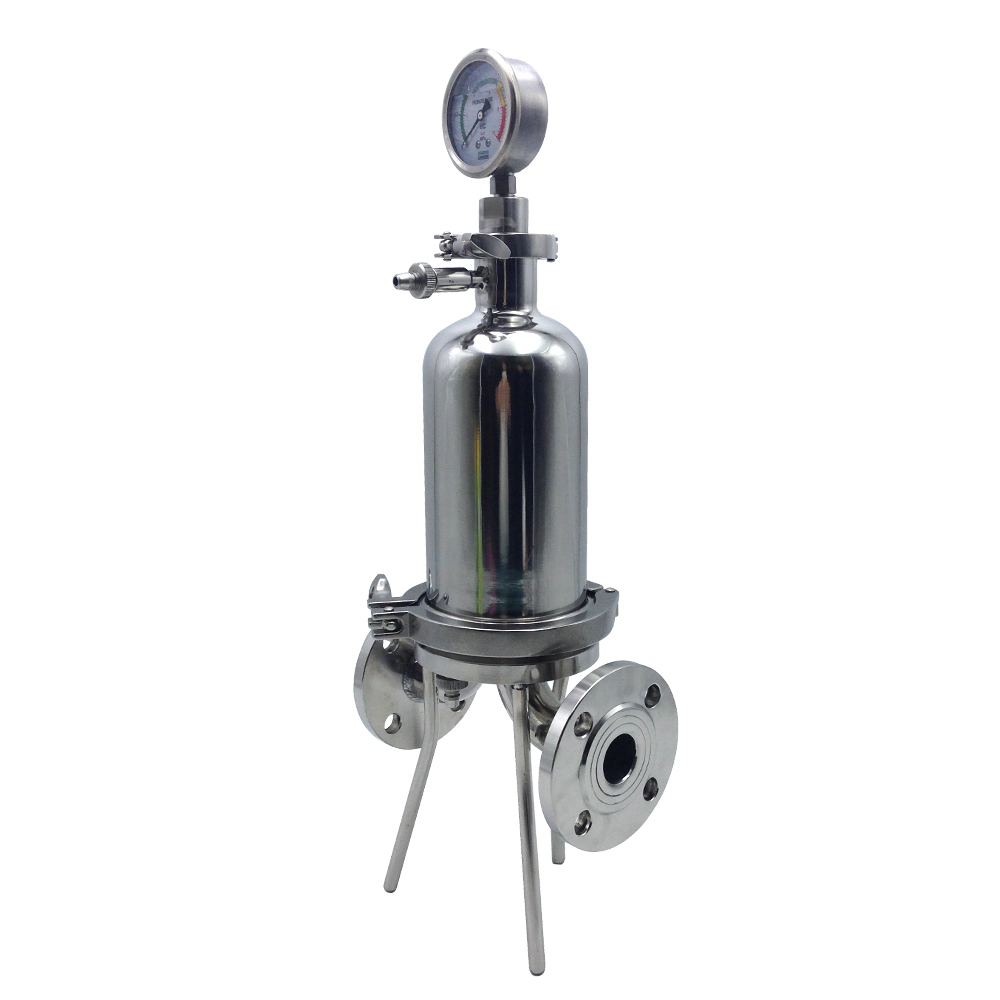
Sanitary filter housing
This filter housing will allow you to filter large volumes of nanoemulsion with ease. Sanitary vent and drain valves permit easy venting, draining, sampling, or integrity testing operations. The new cartridge locking design features additional cut-outs for traditional half-moon portions of the Code 7 bayonet locks, enhancing clean ability and drain ability.
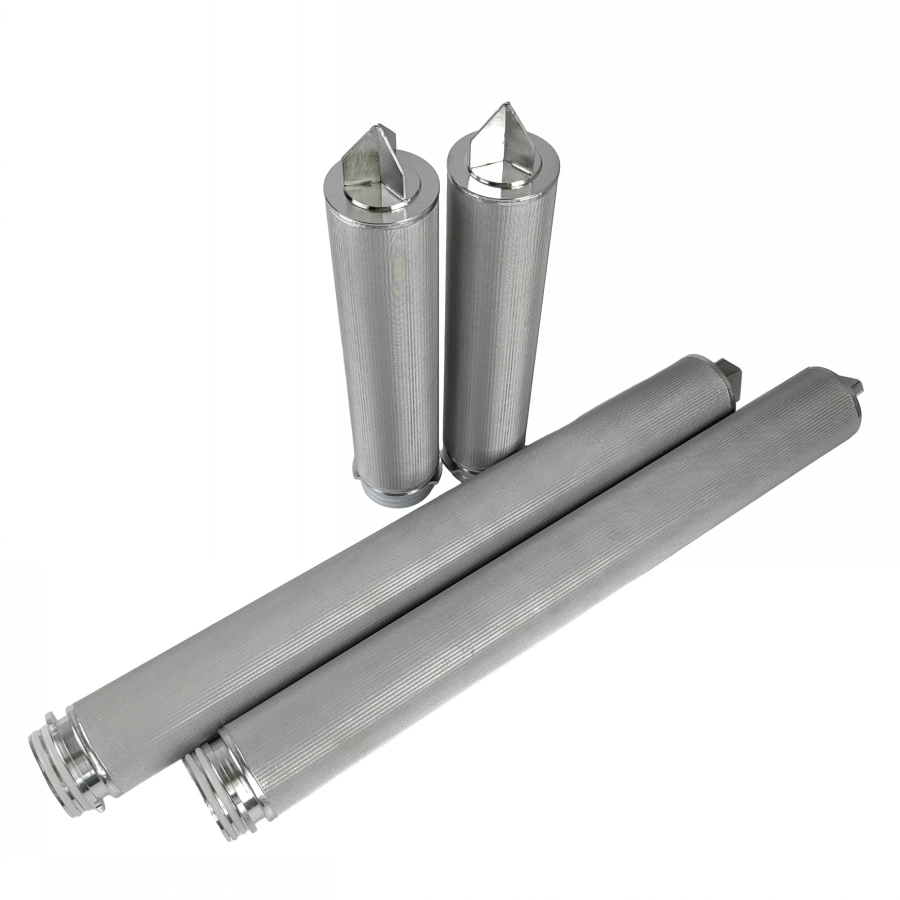
stainless steel filter water
Our sintered stainless steel filter stands as a pivotal filtration element crafted through a meticulous sintering process, with stainless steel serving as the core material.
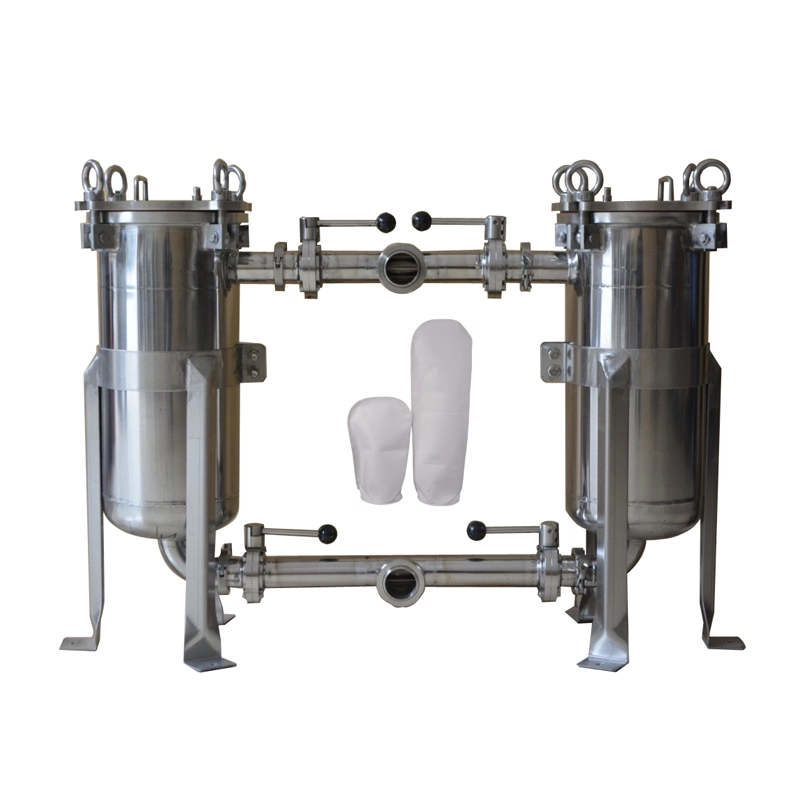
Stainless Steel Duplex filter housing
As the manufacturer, we offer a comprehensive range of Duplex Filter Housings designed to provide efficient and reliable filtration solutions for various industrial applications.
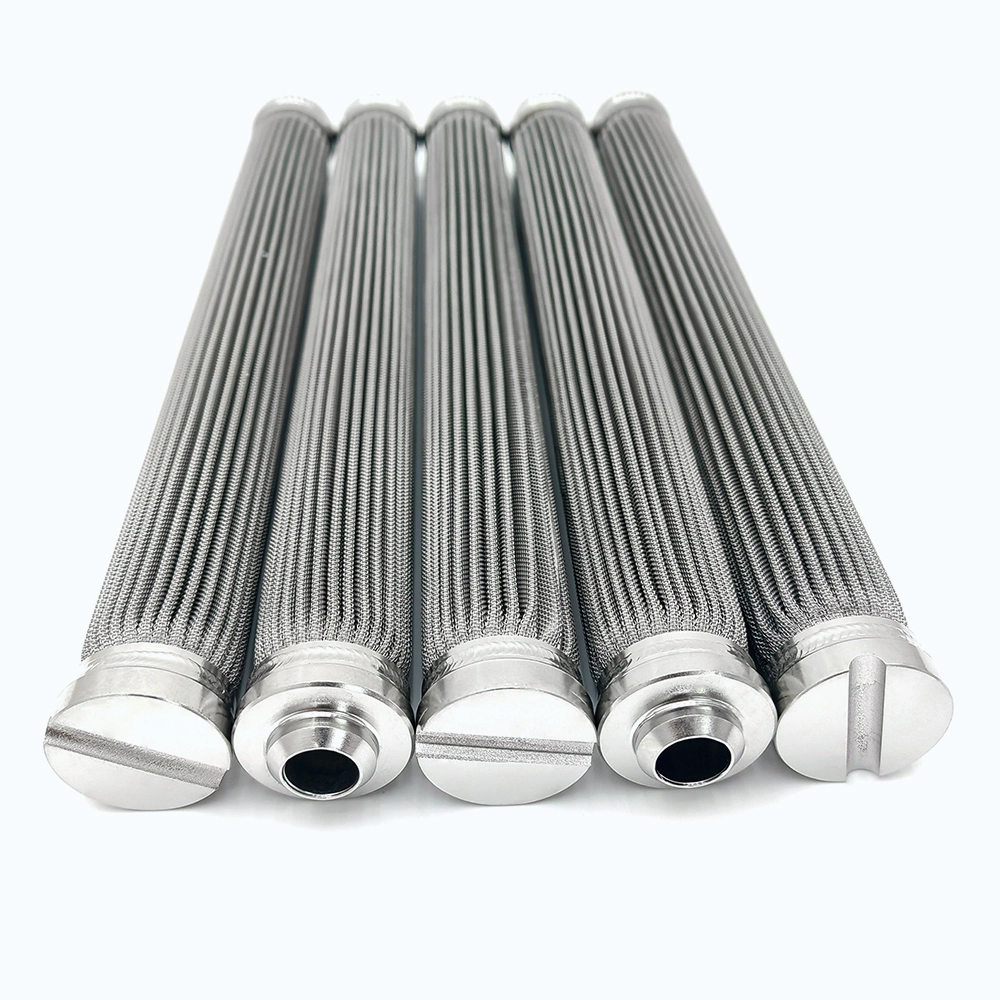
Stainless steel pleated filter cartridge
Our Stainless Steel Pleat Filter Cartridge constructed from high-quality SS 304 or SS 316L material, this filter exhibits exceptional resistance to high temperatures and rust.
© 2024 All Rights Reserved. | Privacy policy • Terms and conditions


