
how to clean sintered metal filter
Maintaining the cleanliness of your sintered metal filters is key to their effectiveness and longevity. This guide explores various cleaning methods, from simple rinsing to more intensive chemical treatments, outlining best practices for different applications and materials. Learn how to properly clean your filters to maximize their service life and avoid costly replacements.
How to Clean Sintered Metal Filters: A Guide for Professionals
This article addresses the crucial task of cleaning sintered metal filters, a critical step in maintaining their performance and extending their lifespan. We'll cover various cleaning methods, addressing common challenges and ensuring optimal filter longevity.
Choosing the Right Cleaning Method for Your Sintered Metal Filter
The optimal cleaning method depends heavily on the specific application, the type of contaminant, and the filter material. Factors to consider include:
* Type of Contaminant: Is it primarily particulate matter, oils, chemicals, or a combination? This dictates the cleaning approach.
* Filter Material: Different metals (stainless steel, bronze, etc.) have varying tolerances to different cleaning agents.
* Porosity: Highly porous filters may require gentler cleaning to avoid damage.
* Filter Geometry: The shape and size of the filter influence cleaning accessibility.
Common Cleaning Methods
* Backwashing: For loose particulate matter, reversing the flow of the filtered fluid can effectively remove accumulated debris. This is a simple and efficient method for routine maintenance.
* Ultrasonic Cleaning: This method uses high-frequency sound waves to dislodge contaminants from the filter pores. It's effective for removing fine particles and is suitable for intricate filter geometries. (Source: Numerous studies on ultrasonic cleaning effectiveness are available in materials science journals – a specific citation would require specifying the materials and contaminants).
* Chemical Cleaning: Solvents, acids, or alkalis can dissolve specific contaminants. *Careful selection is crucial*, as improper choice can damage the filter. Always consult the filter manufacturer's recommendations regarding compatible cleaning agents. (Source: Manufacturer's datasheets and Material Safety Data Sheets (MSDS) for specific chemicals)
* High-Pressure Water Jetting: This technique uses high-pressure water streams to remove stubborn deposits. It is effective but must be used cautiously to avoid filter damage. (Source: Industrial cleaning equipment manuals and industry best practices).
Post-Cleaning Procedures
Regardless of the cleaning method used:
* Thorough Rinsing: Completely remove all cleaning agents to prevent contamination of the filtered fluid.
* Drying: Proper drying is crucial to prevent corrosion or bacterial growth. Air drying, oven drying (at appropriate temperatures), or pressurized air drying may be used depending on the filter material and application.
* Inspection: Visually inspect the filter for any damage or signs of wear after cleaning.
Preventing Filter Clogging and Extending Lifespan
Proactive measures significantly impact filter longevity:
* Pre-filtration: Using a coarser pre-filter upstream can significantly reduce the load on the sintered metal filter, extending its lifespan.
* Regular Inspection and Maintenance: Frequent inspections allow for early detection of clogging, enabling timely cleaning and avoiding irreversible damage.
* Proper Installation: Ensure correct filter installation to optimize flow and prevent premature clogging.
Remember, always consult your filter's manufacturer's specifications and safety data sheets before undertaking any cleaning procedures. Properly maintained sintered metal filters guarantee optimal performance and a longer operational lifespan, saving costs and minimizing downtime.
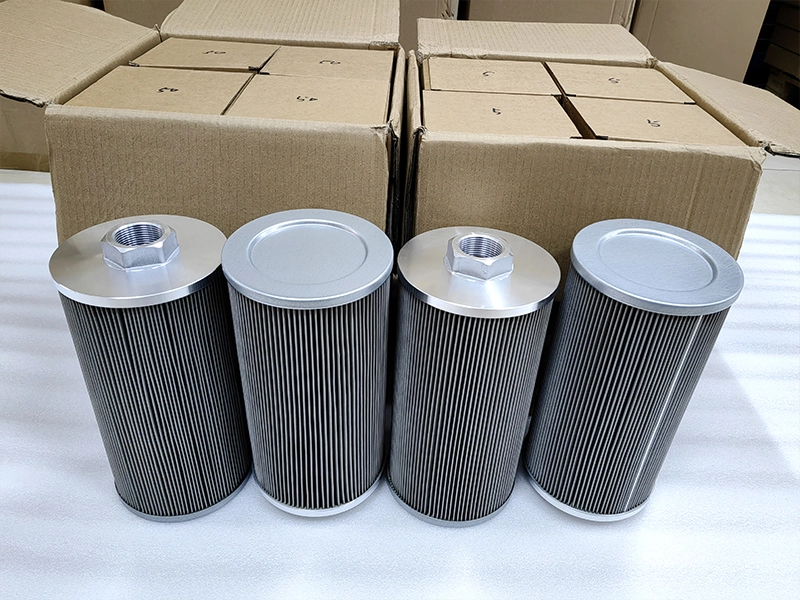
What is Sintered Metal Filter? Complete Guide
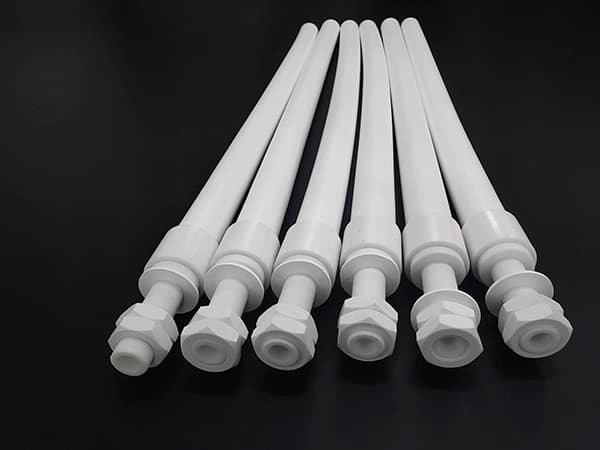
Sintered PTFE Filters: Advanced Filtration for Demanding Environments
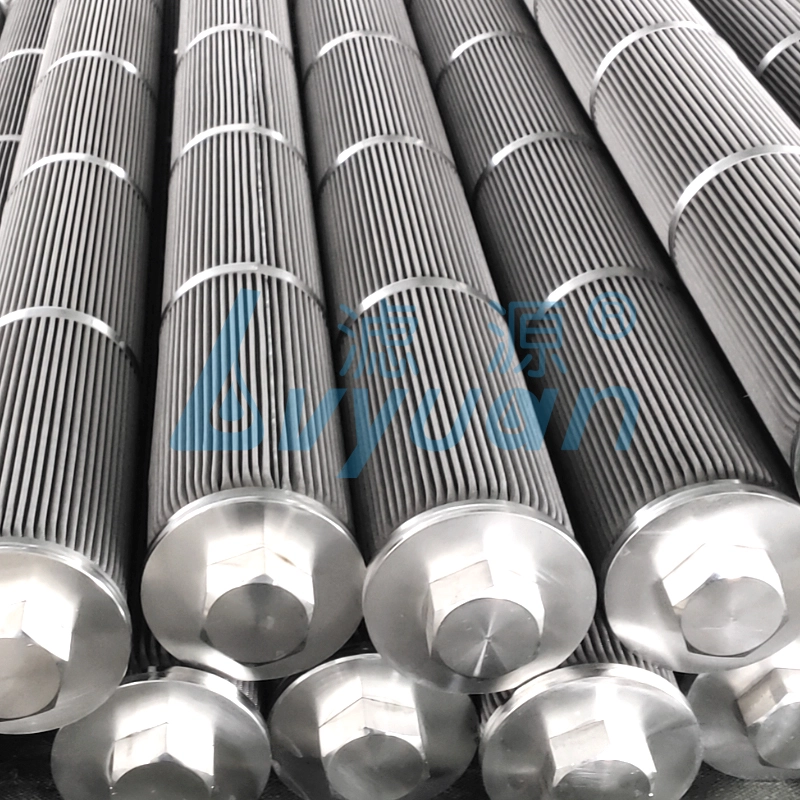
Metal Sintered Filters: Precision Filtering to Drive Industrial Upgrading
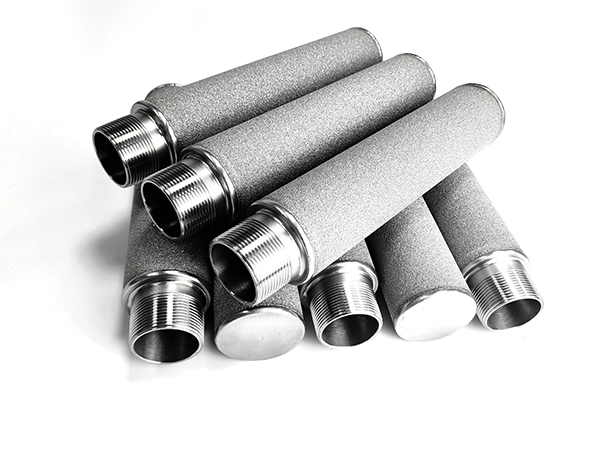
Choosing Sintered Filters: An Overview for Industrial Applications
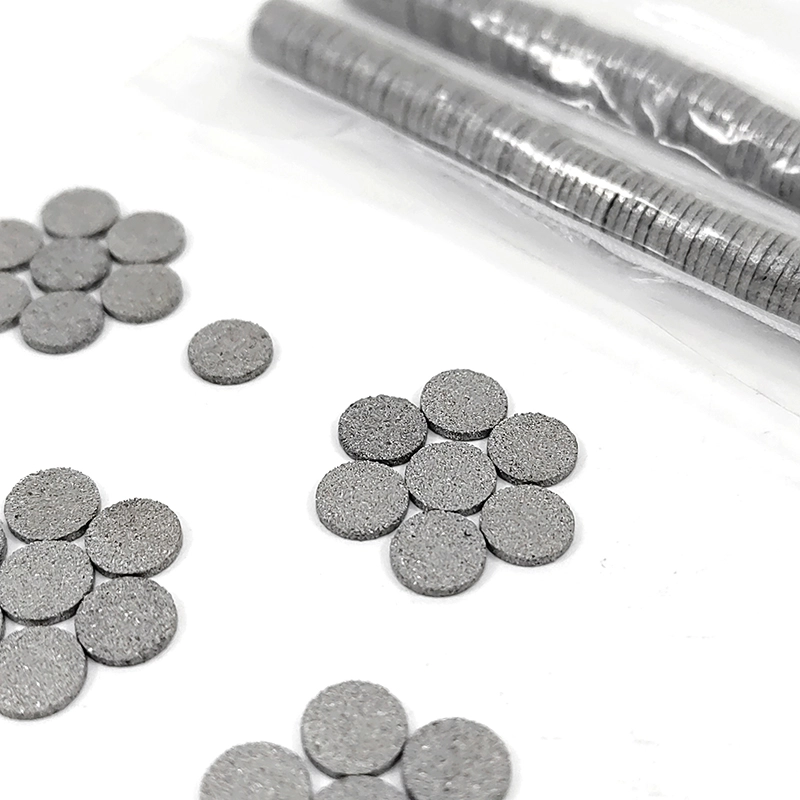
What is a Sintered Metal Filter Disc? A Comprehensive Guide
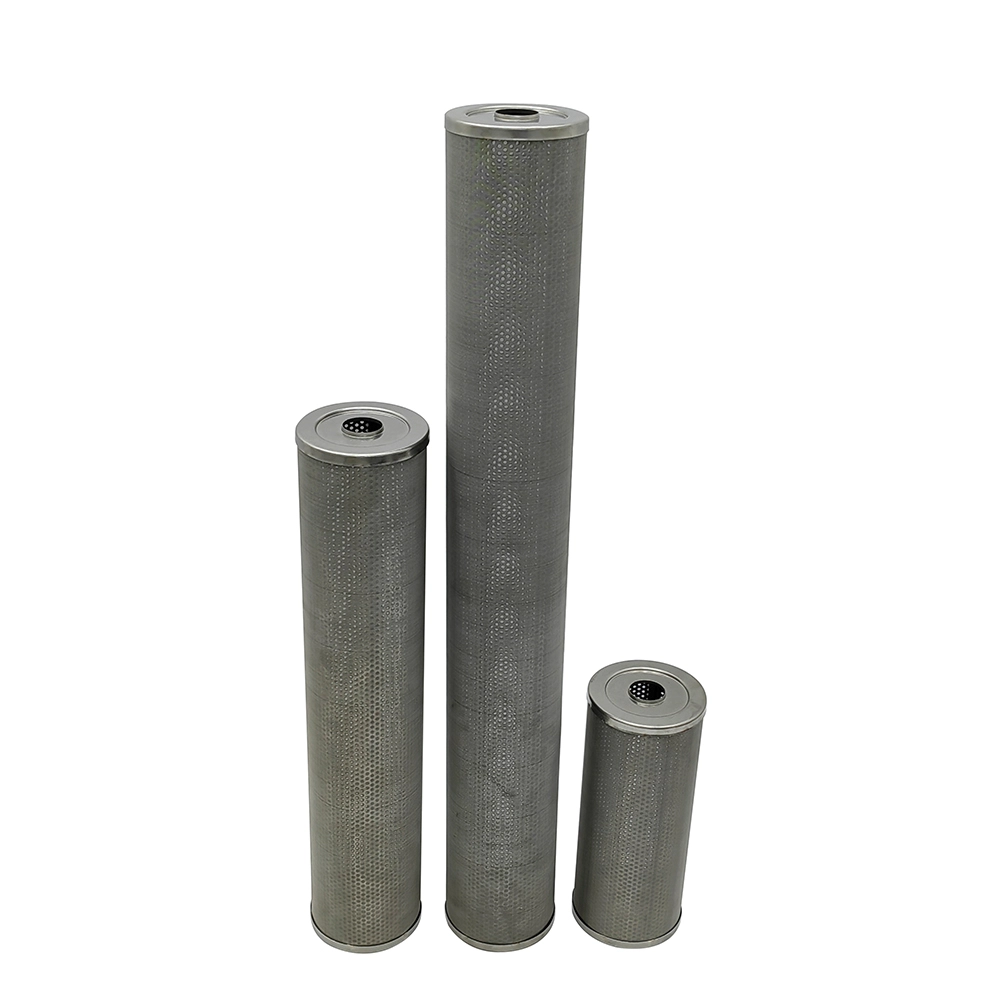
What Are Sintered Metal Filters and How Do They Work?
Porous Plastic Filter
How to Calculate Filter Porosity?
Filter porosity is classified into three major types: Primary Porosity, Secondary Porosity, and Effective Porosity. The calculation involves determining the ratio of the volume of gaps in the filter to the total volume, expressed as a percentage.
Porosity = (Volume of Empty Gaps/Total Volume of Filter) x 100
Other methods include:
• Direct Methods: Calculate the entire volume of the porous filter and the volume of a skeletal filter (without pores) to find the porosity.
• Computed Methods: Use modern computer technology to obtain a 3D image of a porous filter and employ defect analysis techniques.
• Water Evaporation Technique: Calculate porosity by determining the difference in weight between the saturated filter in water and the dried filter.
In what industries are sintered porous filter discs commonly used?
They are widely used in industries such as petrochemicals, pharmaceuticals, water treatment, food and beverage, automotive, and more, owing to their versatility and effective filtration capabilities.
Sintered Powder Filters
What materials are commonly used in sintered powder filters?
Common materials include stainless steel (316L, 304L), bronze, Inconel®, Nickel, Monel®, Titanium, and other alloys. The material choice depends on the specific application's requirements.
Sintered Titanium Filters
What is the Lifespan of Sintered Titanium Filters?
With proper care and maintenance, sintered titanium filters can last up to 30 years, providing a durable and cost-effective solution for filtration needs.
Stainless Steel Cartridge Filter Housing
How do stainless steel cartridge filter housings work?
Stainless steel filter housings operate by passing the process fluid through the filter element, where contaminants are captured on the filter media, allowing the clean fluid to pass through and exit the housing.
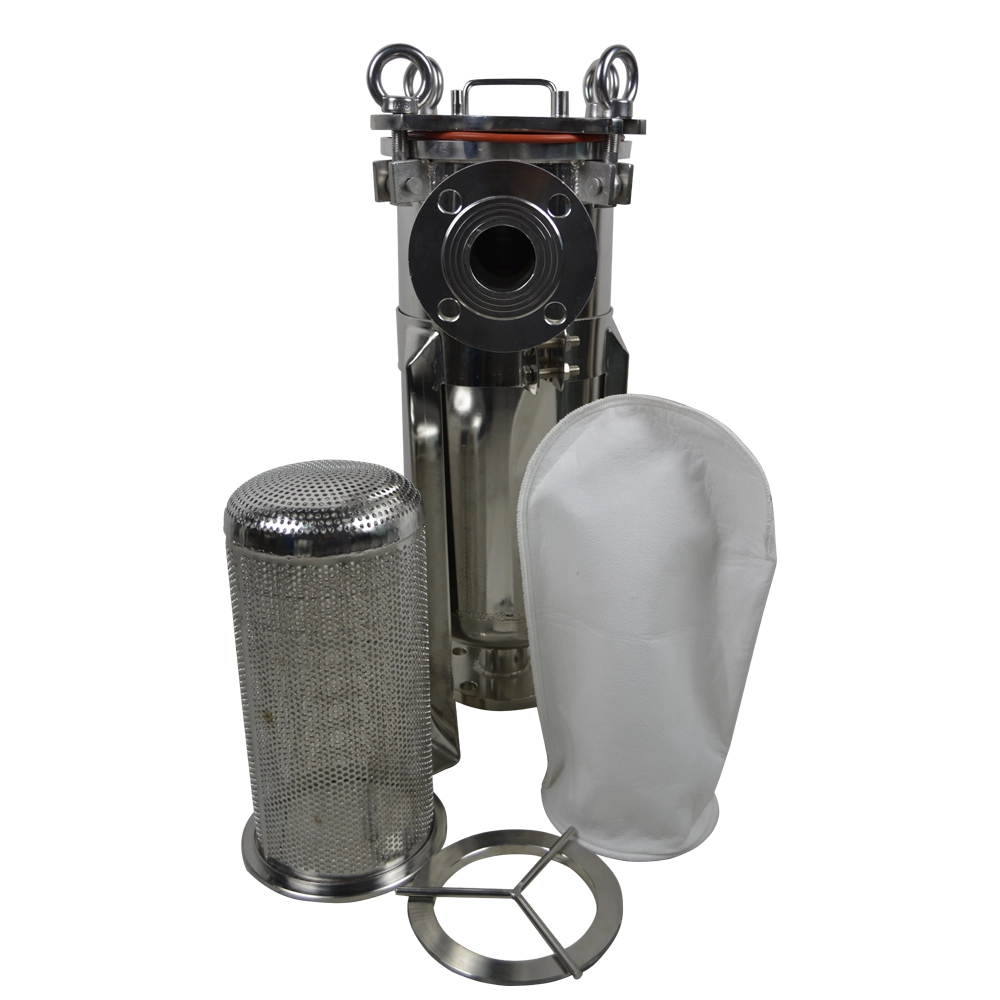
Bag filter housing
Bag filter housings are essential components in industrial filtration systems, designed to remove contaminants from liquids. To enhance the functionality and efficiency of bag filter housings, various features can be incorporated.
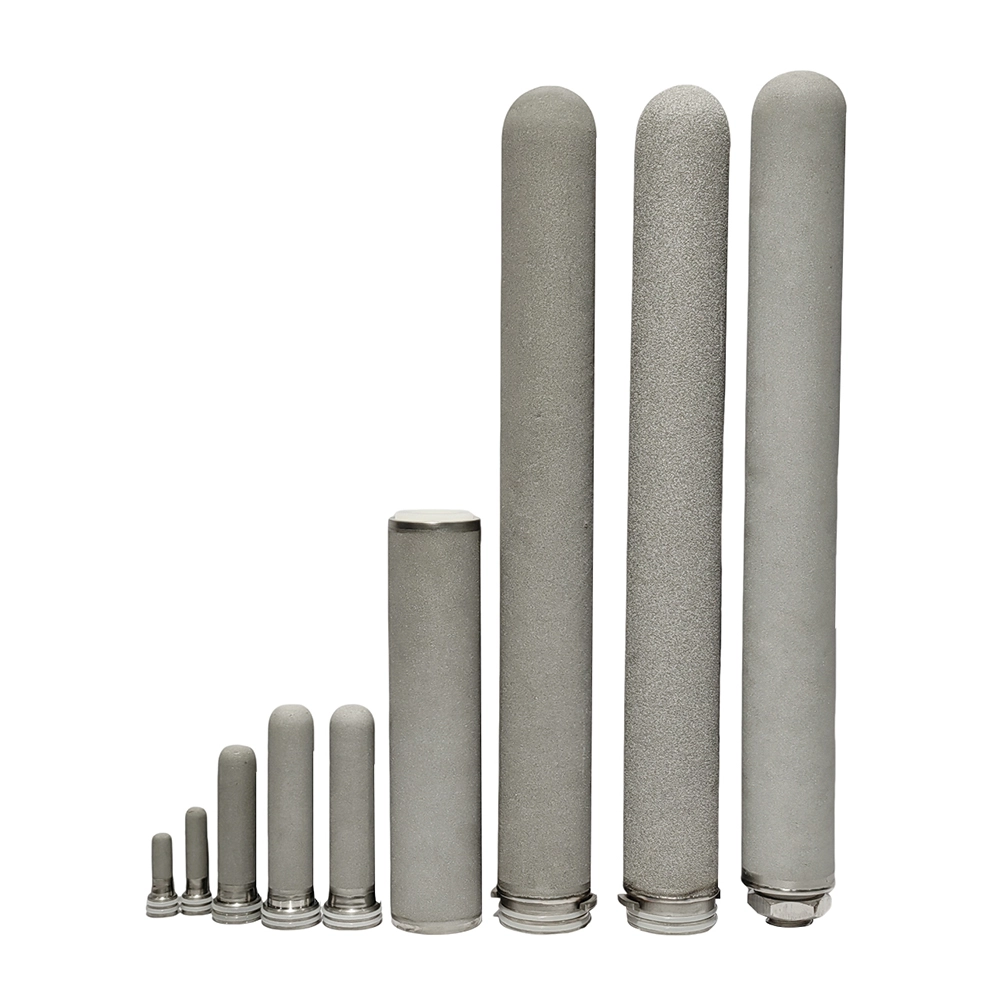
Sintered powder metal filters
Sintered powder metal filters are crafted from compressed and sintered metal powders, forming a porous structure. Porosity: 28%-50% Permeability: 0.02-20L/cm²minPa Pressure Resistance: 0.5Mpa Temperature Resistance: Less than 280℃
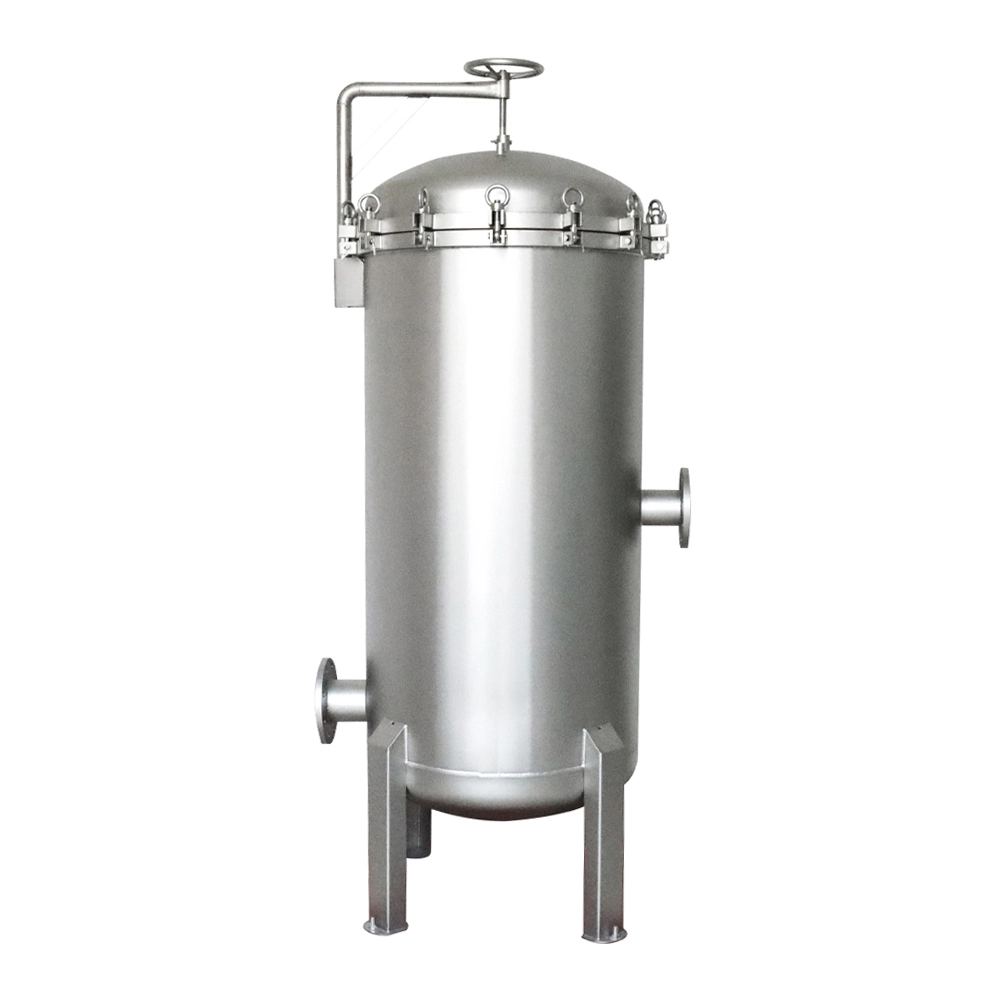
Stainless steel multi cartridge filter housing
Discover unparalleled filtration efficiency with our Stainless Steel Multi Cartridge Filter Housing – a testament to precision engineering and reliability.
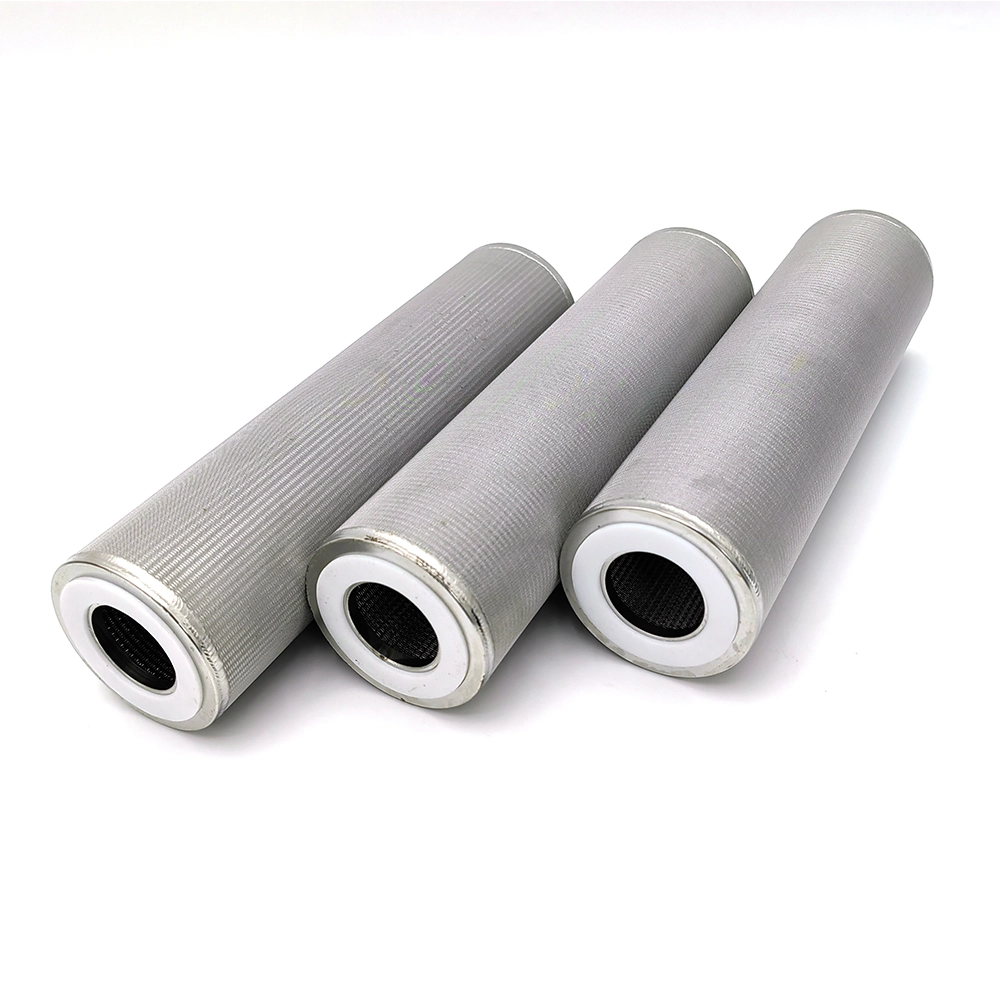
Sintered wire mesh filter
Benefit from outstanding high-pressure resistance and consistent filtration efficiency with our sintered metal mesh. Our sintered wire mesh finds versatile applications in diffuser screens, centrifuges, breather vents, fluidized beds, chromatography, polymer processing, petrochemical industries, hydraulic filters, and more.
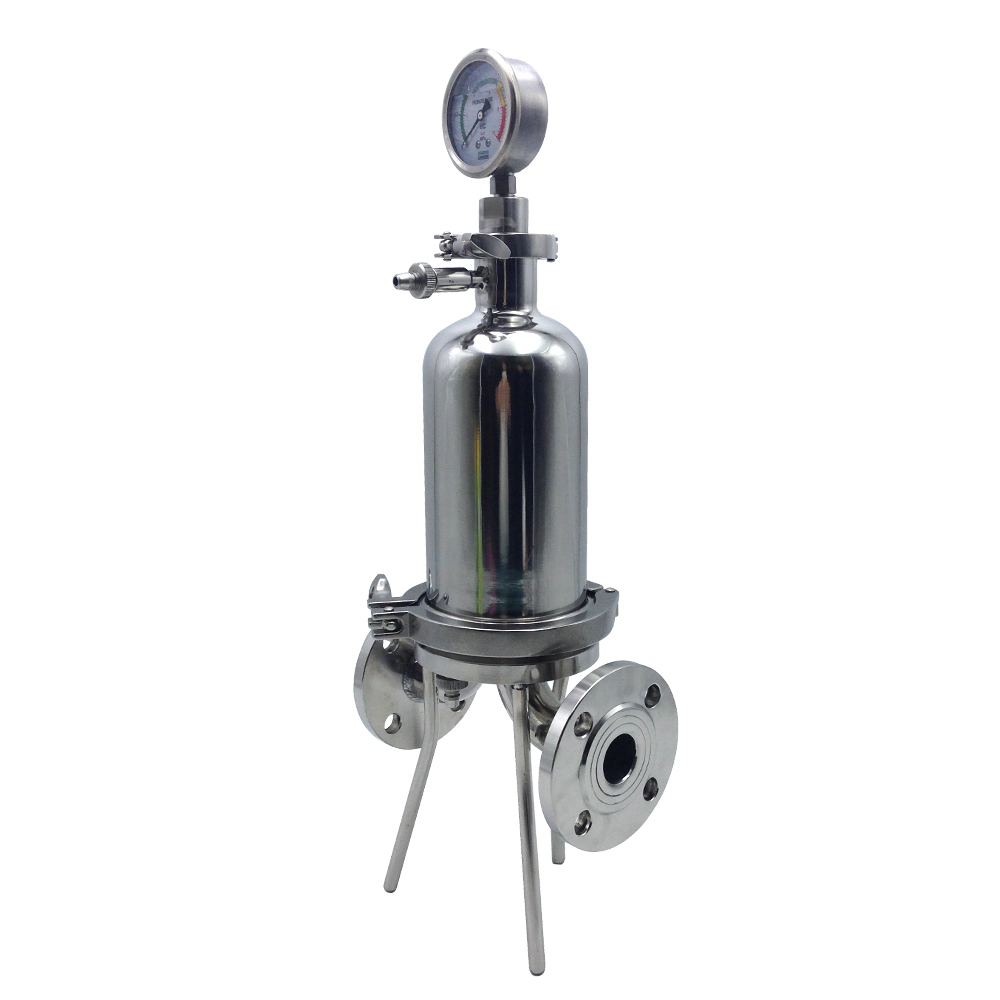
Sanitary filter housing
This filter housing will allow you to filter large volumes of nanoemulsion with ease. Sanitary vent and drain valves permit easy venting, draining, sampling, or integrity testing operations. The new cartridge locking design features additional cut-outs for traditional half-moon portions of the Code 7 bayonet locks, enhancing clean ability and drain ability.
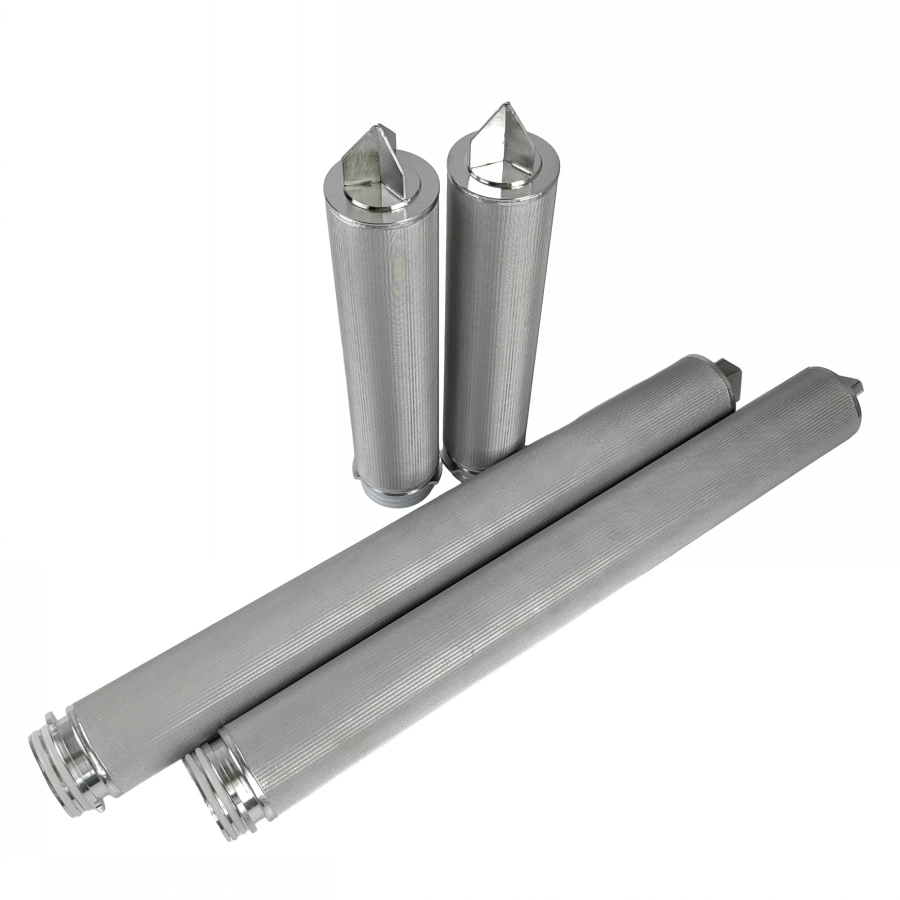
stainless steel filter water
Our sintered stainless steel filter stands as a pivotal filtration element crafted through a meticulous sintering process, with stainless steel serving as the core material.
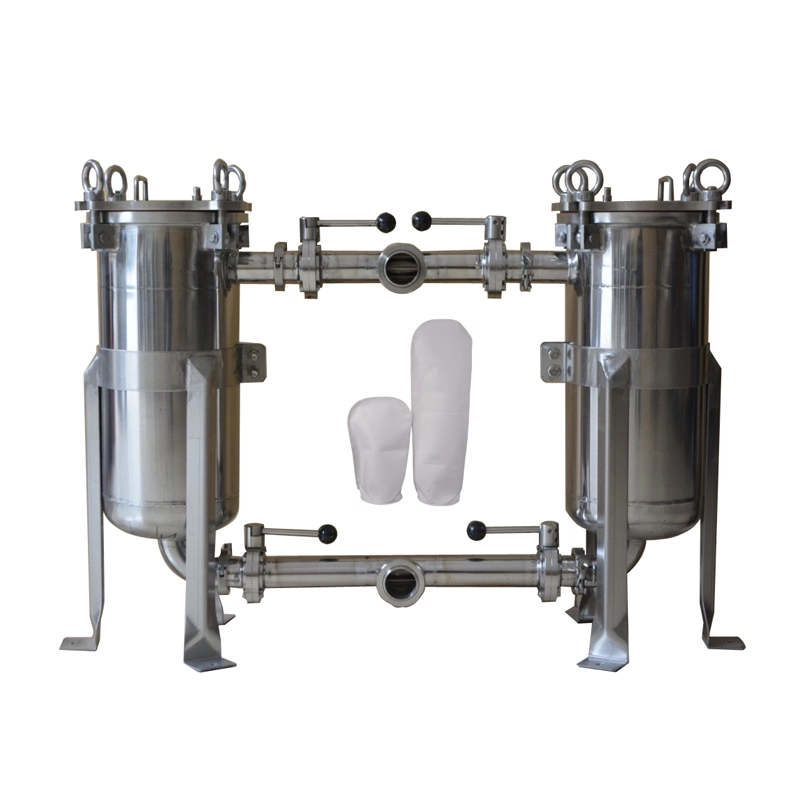
Stainless Steel Duplex filter housing
As the manufacturer, we offer a comprehensive range of Duplex Filter Housings designed to provide efficient and reliable filtration solutions for various industrial applications.
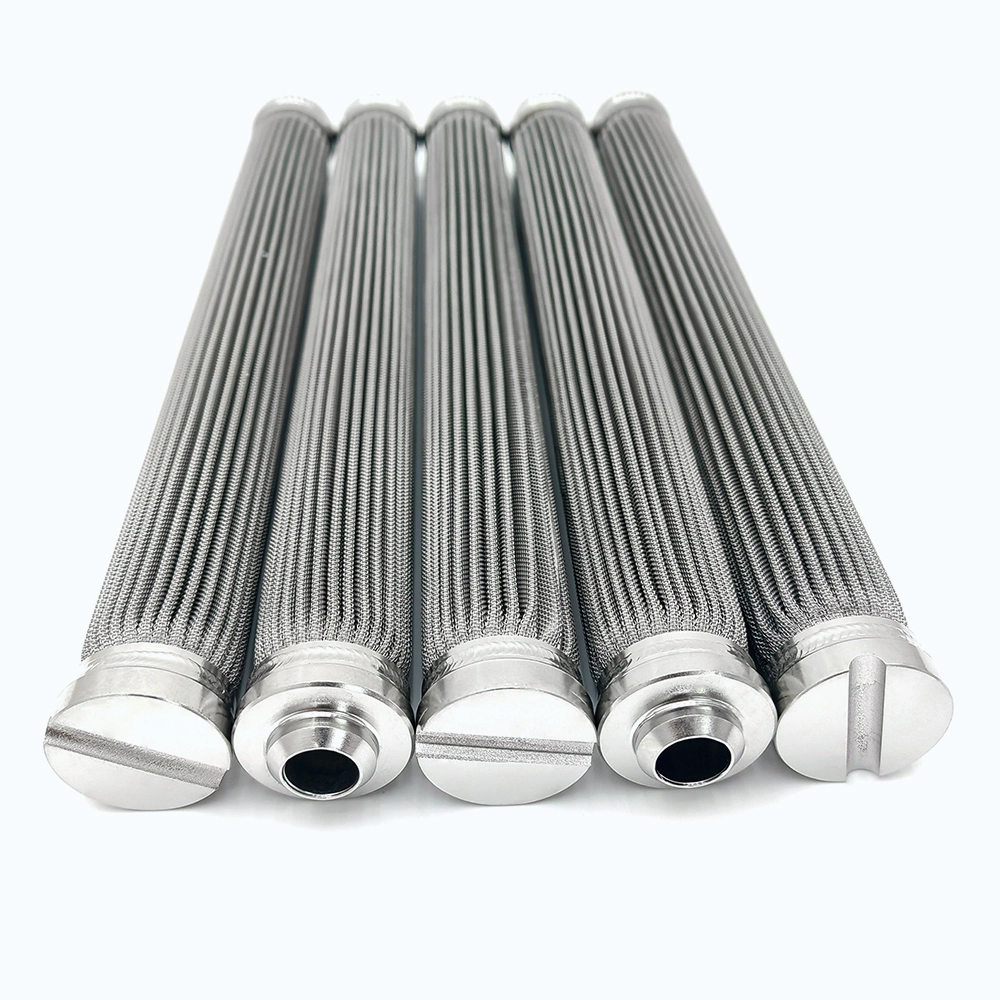
Stainless steel pleated filter cartridge
Our Stainless Steel Pleat Filter Cartridge constructed from high-quality SS 304 or SS 316L material, this filter exhibits exceptional resistance to high temperatures and rust.
© 2024 All Rights Reserved. | Privacy policy • Terms and conditions


