
how to clean sintered glass filter
Maintaining clean sintered glass filters is vital for accurate results. This guide from Lvyuan details effective cleaning methods for various contaminants, emphasizing safety and best practices to extend filter lifespan. Learn how to choose the right cleaning solution, the step-by-step process, and crucial considerations for maintaining your filters.
How to Clean Sintered Glass Filters: A Practical Guide
Maintaining the integrity and efficiency of your sintered glass filters is crucial for consistent results. This guide provides a straightforward, effective cleaning procedure to address common user challenges like clogged pores and reduced flow rates, ensuring your sintered glass filters remain in optimal condition.
Understanding Sintered Glass Filters
Sintered glass filters, also known as fritted glass filters, are essential tools in many laboratory and industrial settings. Their porous structure allows for precise filtration and separation of liquids and gases. However, their effectiveness depends heavily on proper maintenance and cleaning. Regular cleaning prevents clogging, prolongs filter lifespan, and maintains accuracy.
Choosing the Right Cleaning Method
The optimal cleaning method for your sintered glass filter depends on the type of contaminant. Consider the following:
Water-Soluble Contaminants: A simple rinse with distilled water often suffices. Sonication can enhance cleaning effectiveness.
Organic Contaminants: Solvents like ethanol or isopropanol, followed by thorough rinsing with distilled water, are usually effective.
Inorganic Contaminants: More aggressive cleaning methods might be necessary, such as using dilute acids or bases (always taking appropriate safety precautions). Consult the filter's material safety data sheet (MSDS) for compatibility.
Step-by-Step Cleaning Procedure
Regardless of the contaminant, follow these general steps for cleaning your sintered glass filter:
1. Pre-rinse: Gently rinse the filter with a suitable solvent to remove loose debris.
2. Cleaning Solution: Immerse the filter in the appropriate cleaning solution (water, solvent, or dilute acid/base). The soaking time will vary depending on the contaminant's nature.
3. Sonification (Optional): Sonication significantly enhances cleaning by dislodging stubborn particles.
4. Thorough Rinsing: Rinse the filter thoroughly with distilled water to remove all traces of the cleaning solution. Repeat this several times to ensure complete removal.
5. Drying: Allow the filter to air dry or use a clean, lint-free cloth to gently pat it dry. Avoid harsh scrubbing, which can damage the delicate glass structure.
Important Considerations
Safety First: Always wear appropriate personal protective equipment (PPE), including gloves and eye protection, when handling cleaning solutions. Work in a well-ventilated area.
Filter Material: Refer to the filter’s specifications and MSDS for compatibility with specific cleaning agents.
Avoid Abrasives: Never use abrasive materials or harsh scrubbing, as this can damage the filter’s porous structure.
By following these guidelines, you can effectively clean your sintered glass filters, ensuring their continued performance and longevity. Remember consistent cleaning is key to maximizing their lifespan and accuracy.
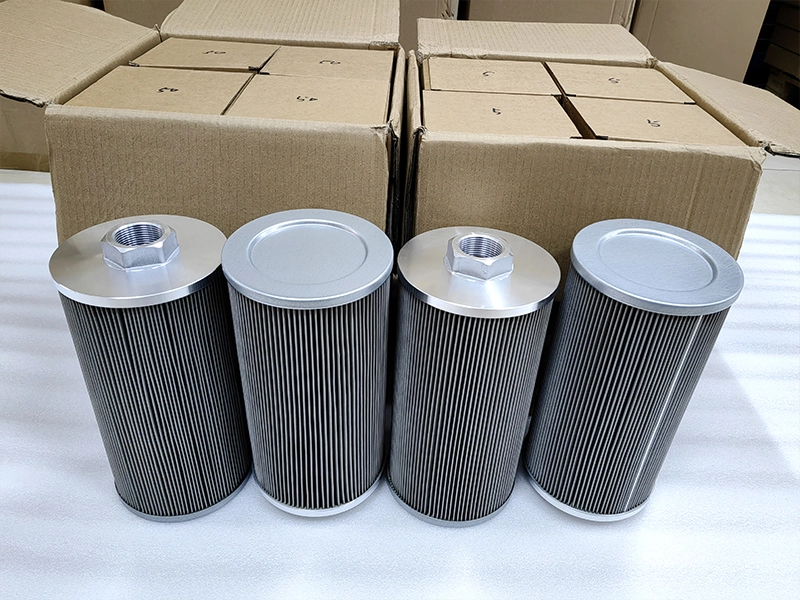
What is Sintered Metal Filter? Complete Guide
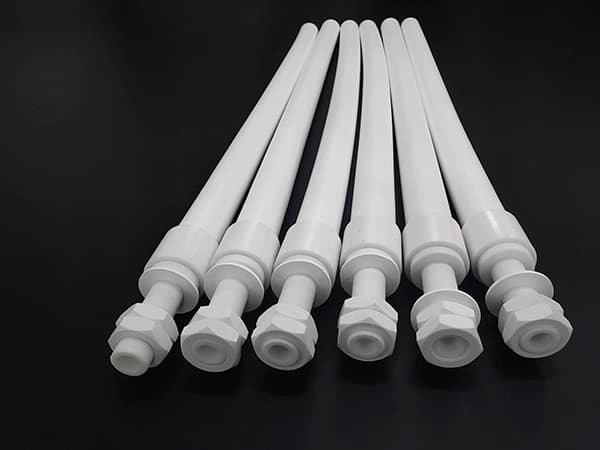
Sintered PTFE Filters: Advanced Filtration for Demanding Environments
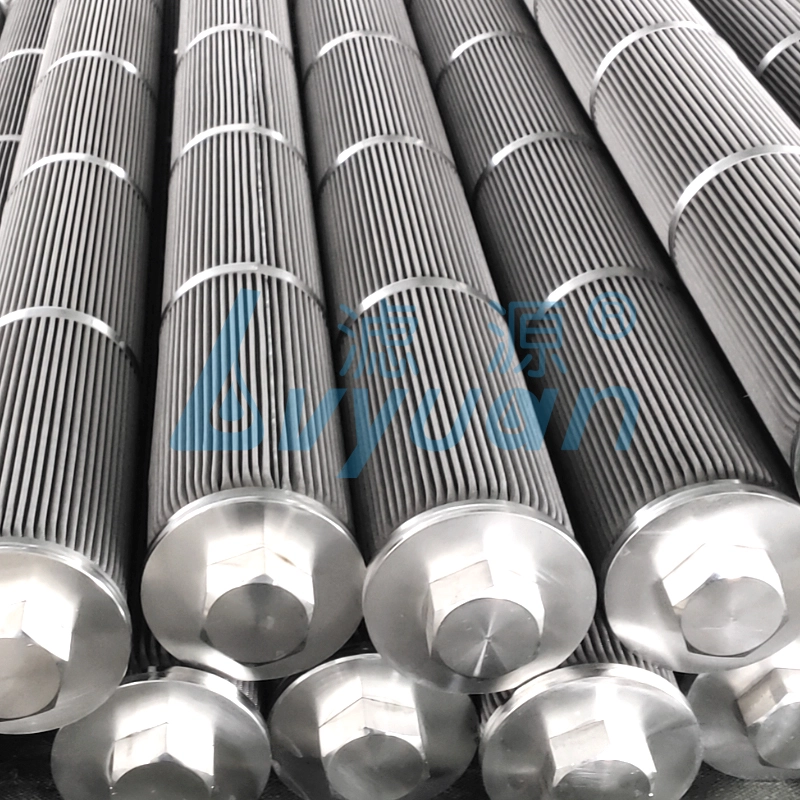
Metal Sintered Filters: Precision Filtering to Drive Industrial Upgrading
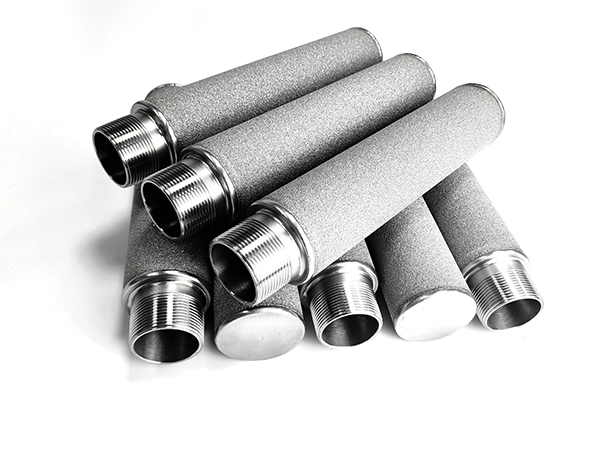
Choosing Sintered Filters: An Overview for Industrial Applications
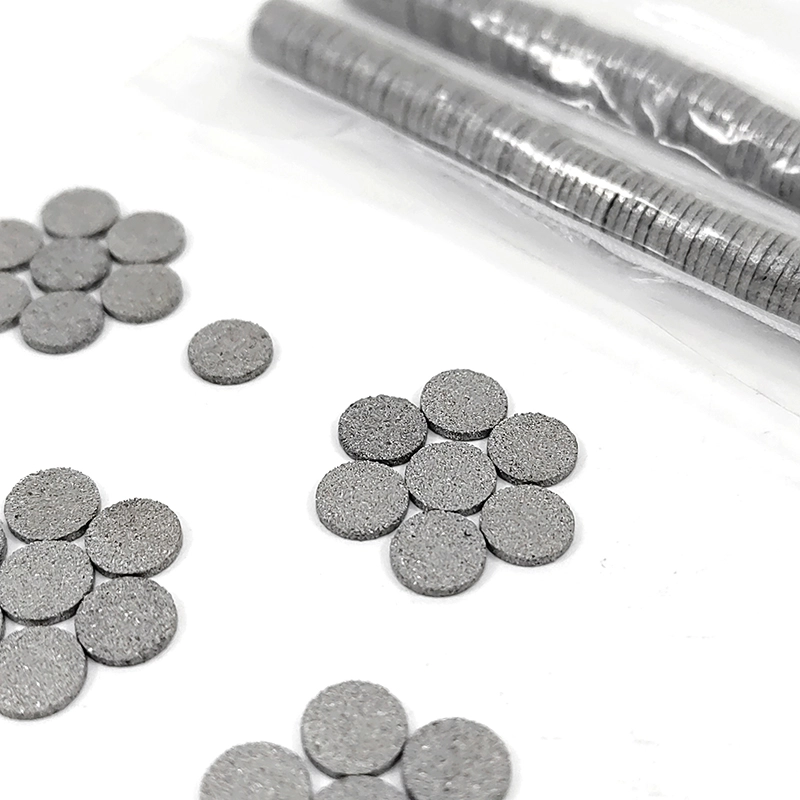
What is a Sintered Metal Filter Disc? A Comprehensive Guide
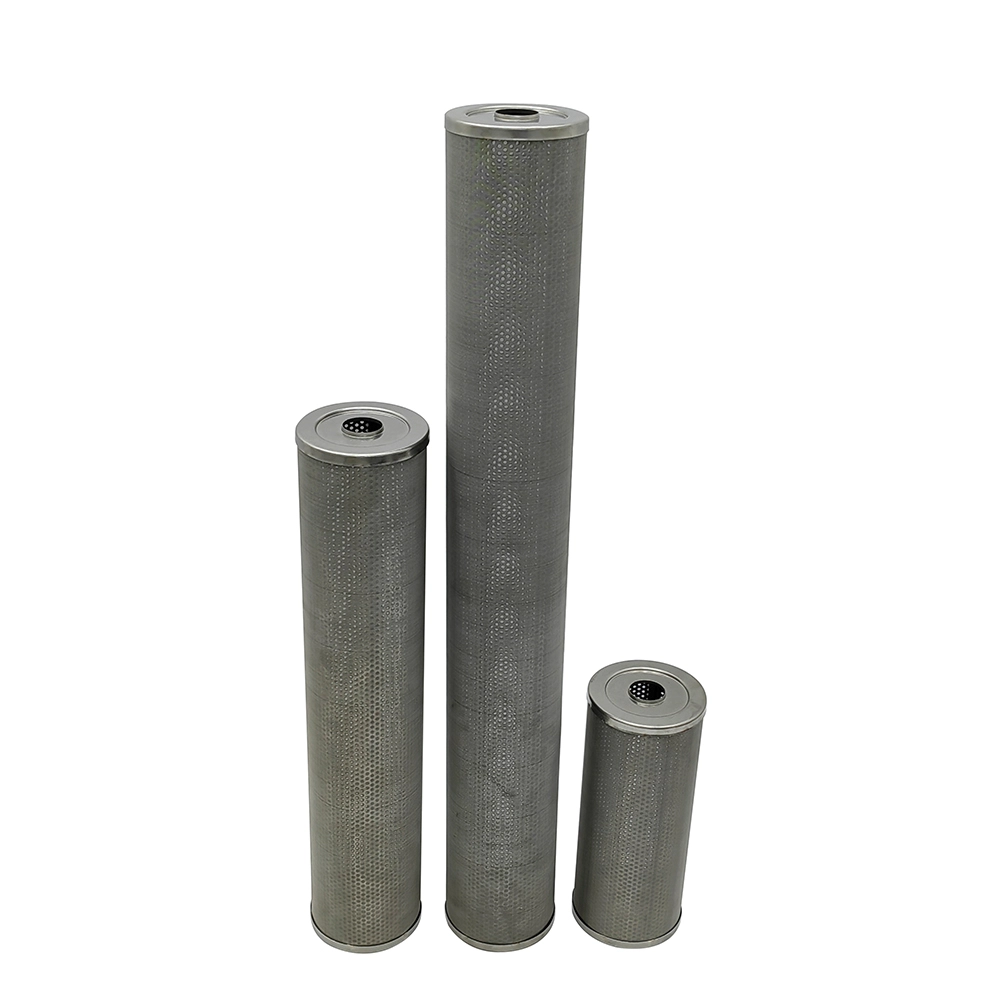
What Are Sintered Metal Filters and How Do They Work?
Sintered Powder Filters
How is the filtration accuracy of sintered powder filters determined?
The filtration accuracy is determined by the pore size and micron rating of the sintered powder filter. These parameters can be customized based on the application's particle filtration requirements.
Sintered Titanium Filters
Do Sintered Titanium Filters Offer High Flow Rates?
Yes, sintered titanium filters support high flow rates at low-pressure drops, optimizing efficiency and ensuring consistent filtration performance.
Stainless Steel Cartridge Filter Housing
How do stainless steel cartridge filter housings work?
Stainless steel filter housings operate by passing the process fluid through the filter element, where contaminants are captured on the filter media, allowing the clean fluid to pass through and exit the housing.
Stainless Steel Pleated Filter Cartridges
Are these pleat cartridges corrosion-resistant?
Yes, the use of stainless steel (SS 304 or SS 316L) provides excellent corrosion resistance, making the cartridges suitable for applications where exposure to corrosive substances is a concern.
Metal mesh filters
How is sintered wire mesh filter different from woven wire mesh filter?
While both types involve woven wires, sintered wire mesh undergoes an additional sintering process. This process fuses the wires together, creating a rigid and porous structure. Woven wire mesh relies on the mesh's openings for filtration, while sintered mesh utilizes the entire structure for efficient filtration.
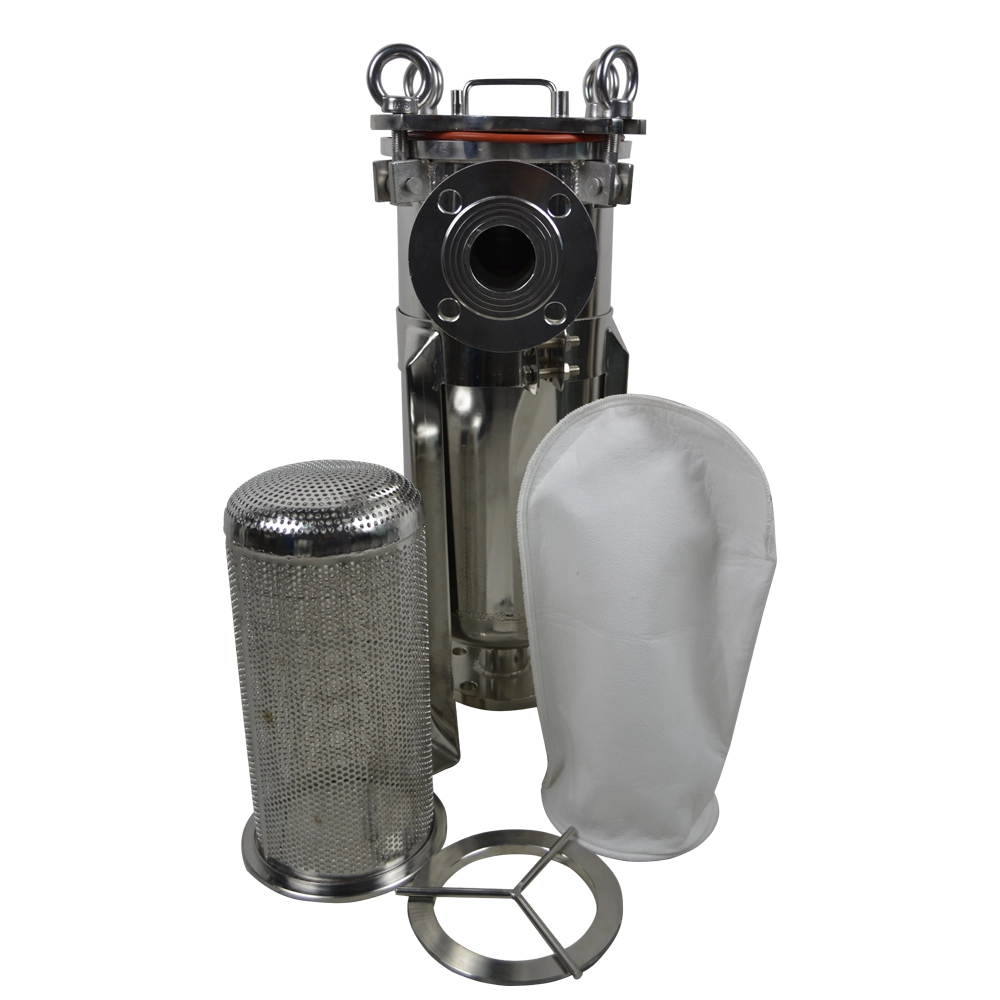
Bag filter housing
Bag filter housings are essential components in industrial filtration systems, designed to remove contaminants from liquids. To enhance the functionality and efficiency of bag filter housings, various features can be incorporated.
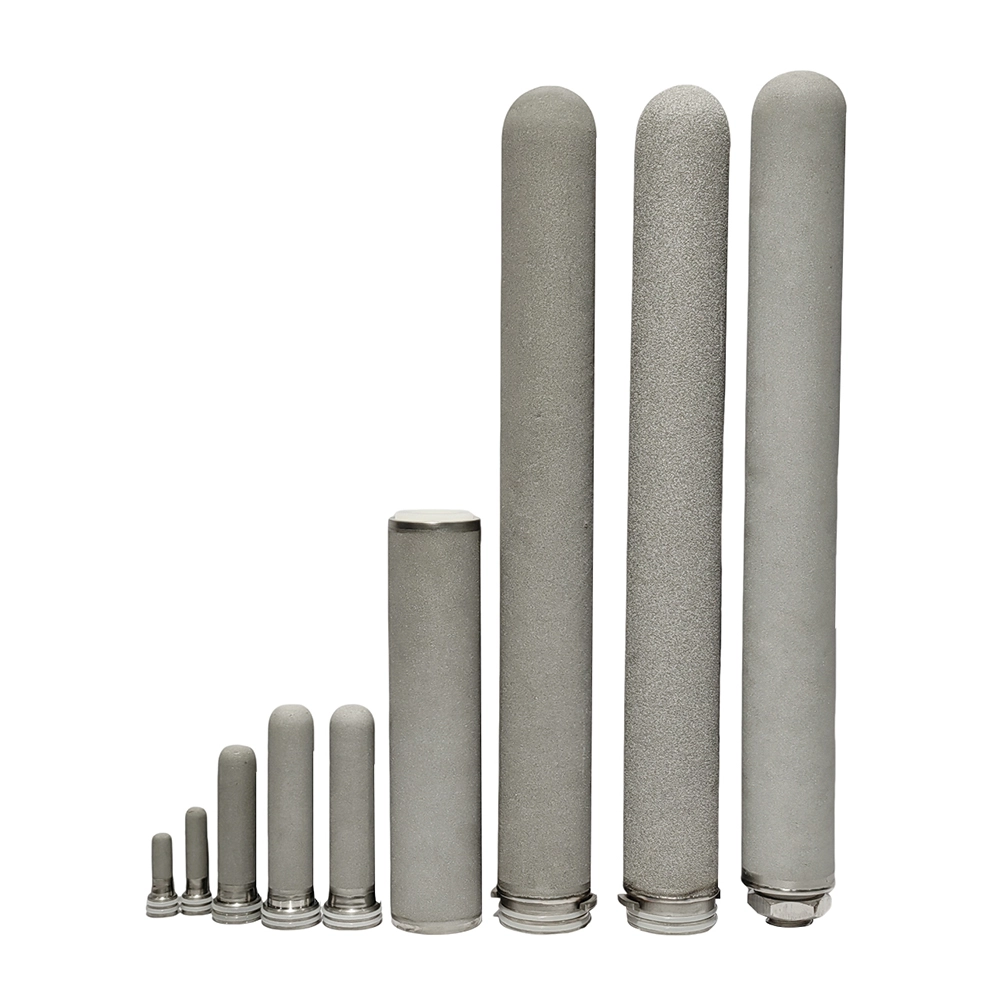
Sintered powder metal filters
Sintered powder metal filters are crafted from compressed and sintered metal powders, forming a porous structure. Porosity: 28%-50% Permeability: 0.02-20L/cm²minPa Pressure Resistance: 0.5Mpa Temperature Resistance: Less than 280℃
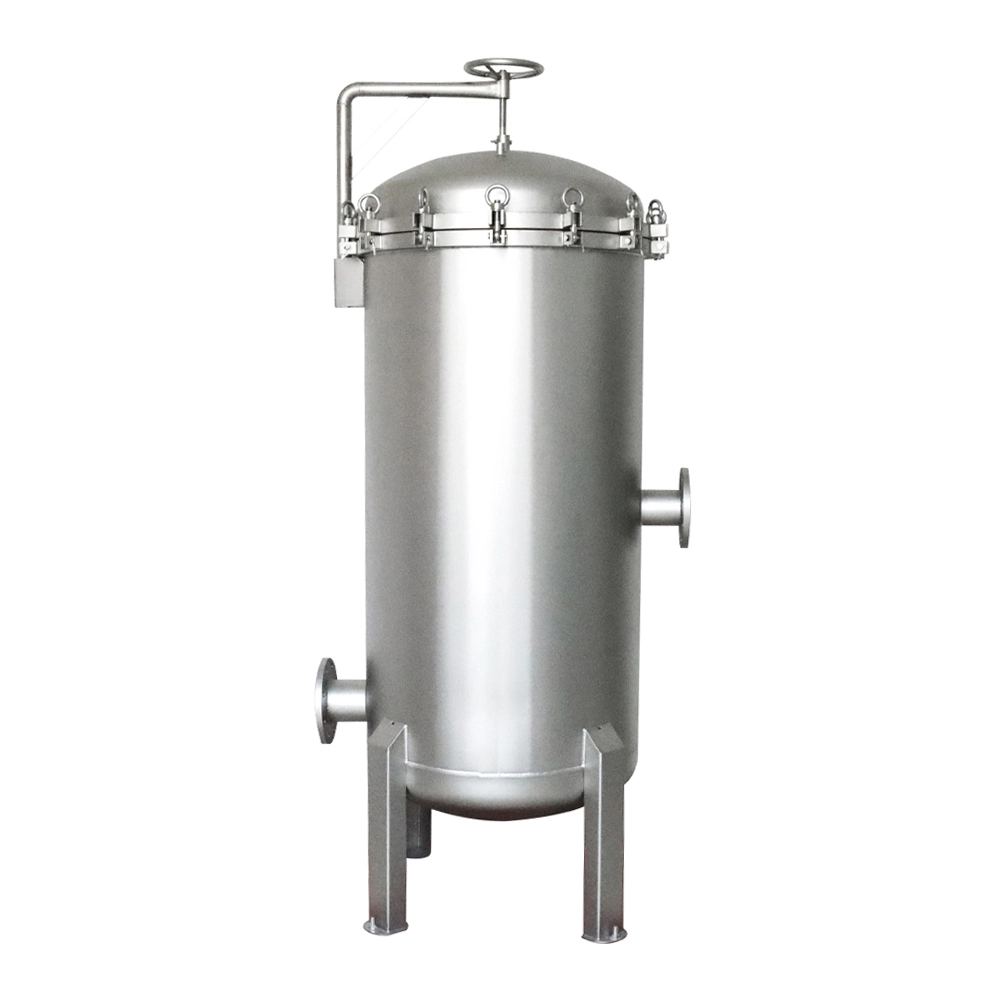
Stainless steel multi cartridge filter housing
Discover unparalleled filtration efficiency with our Stainless Steel Multi Cartridge Filter Housing – a testament to precision engineering and reliability.
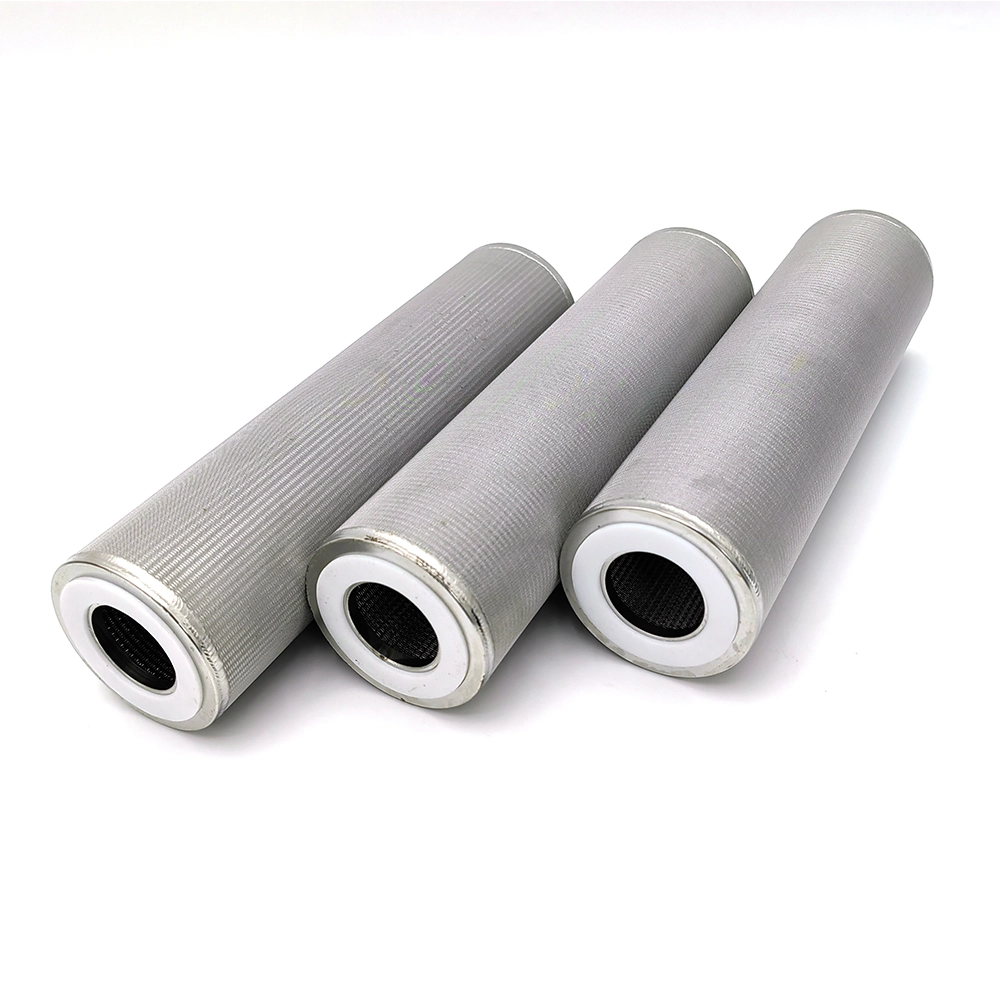
Sintered wire mesh filter
Benefit from outstanding high-pressure resistance and consistent filtration efficiency with our sintered metal mesh. Our sintered wire mesh finds versatile applications in diffuser screens, centrifuges, breather vents, fluidized beds, chromatography, polymer processing, petrochemical industries, hydraulic filters, and more.
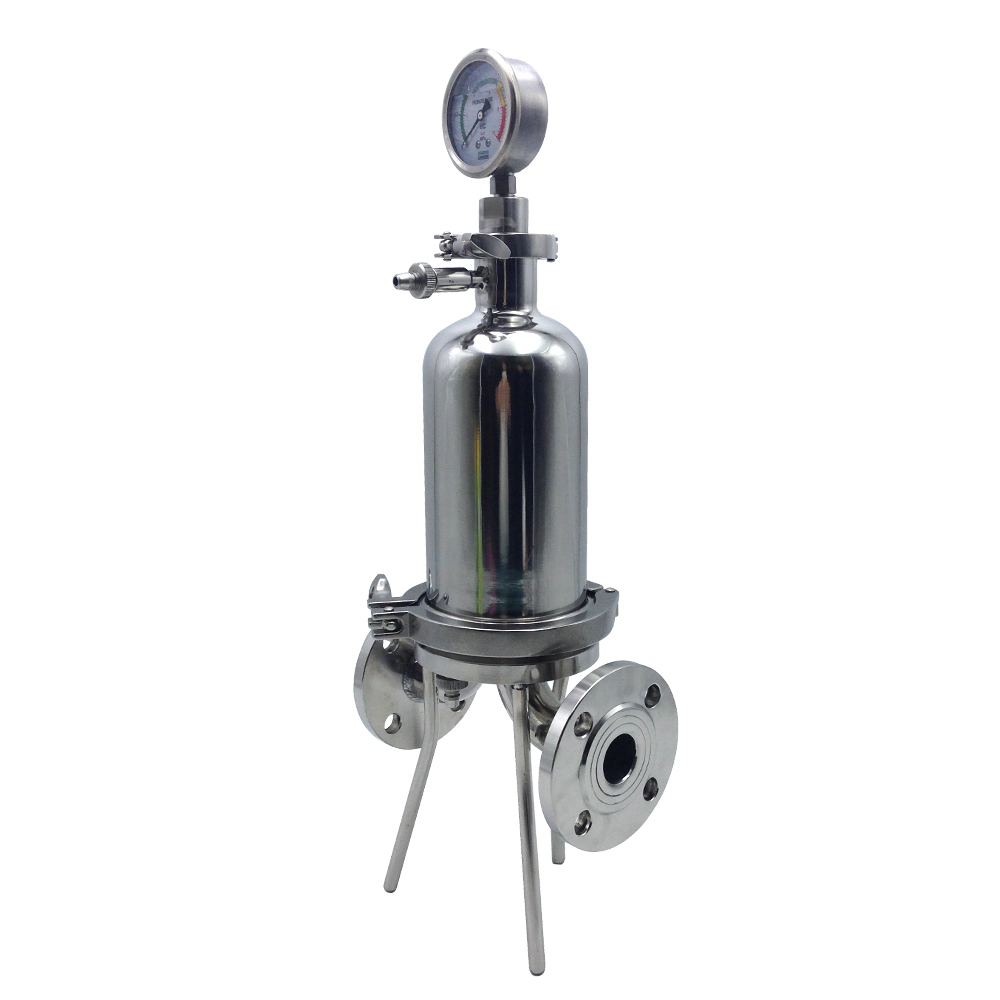
Sanitary filter housing
This filter housing will allow you to filter large volumes of nanoemulsion with ease. Sanitary vent and drain valves permit easy venting, draining, sampling, or integrity testing operations. The new cartridge locking design features additional cut-outs for traditional half-moon portions of the Code 7 bayonet locks, enhancing clean ability and drain ability.
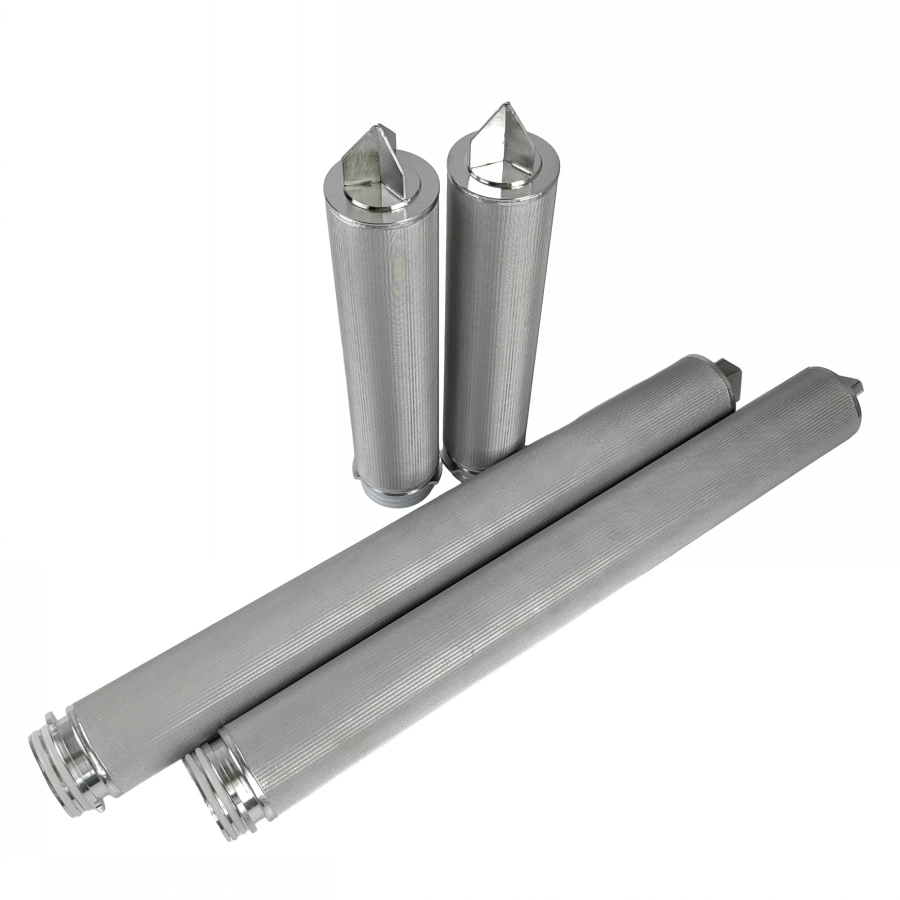
stainless steel filter water
Our sintered stainless steel filter stands as a pivotal filtration element crafted through a meticulous sintering process, with stainless steel serving as the core material.
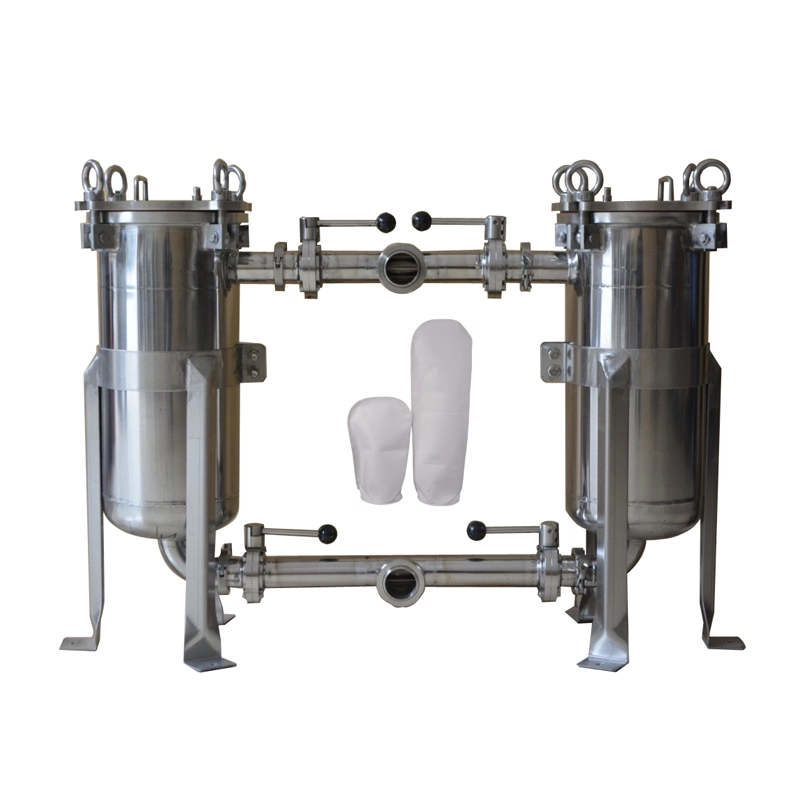
Stainless Steel Duplex filter housing
As the manufacturer, we offer a comprehensive range of Duplex Filter Housings designed to provide efficient and reliable filtration solutions for various industrial applications.
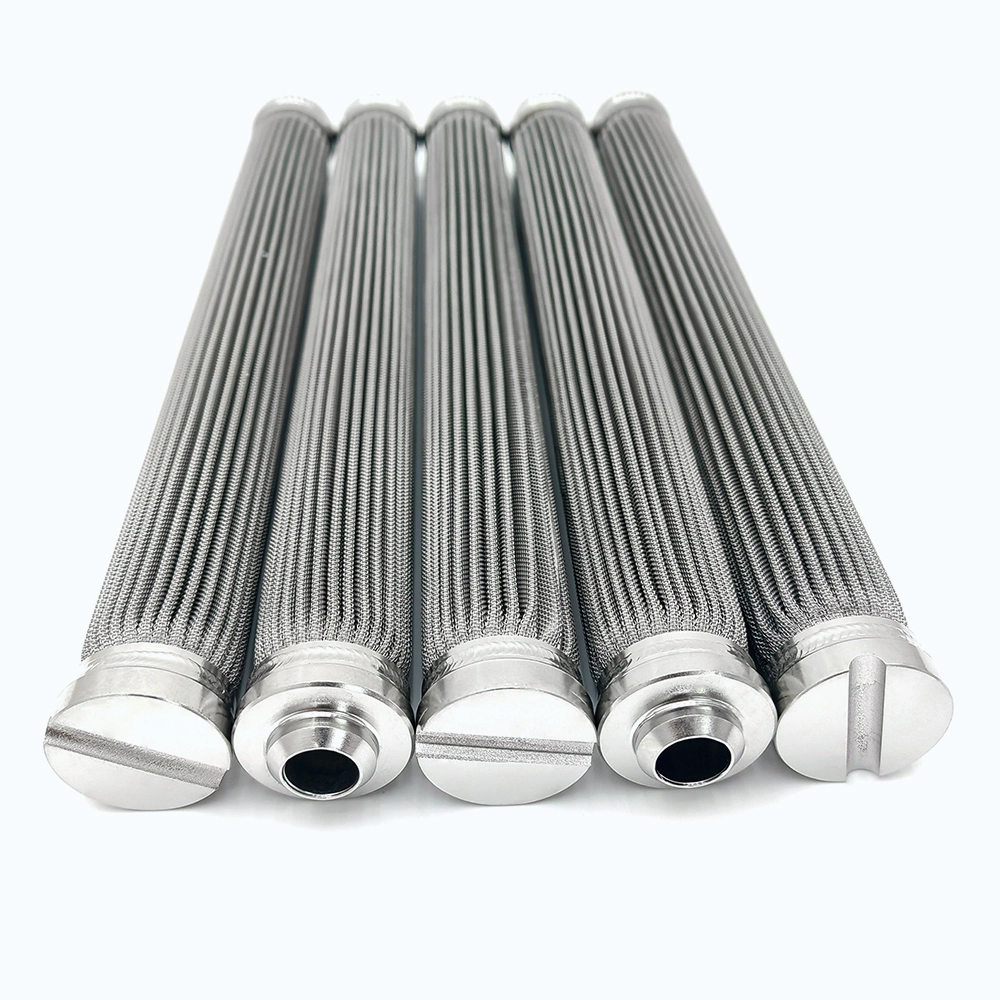
Stainless steel pleated filter cartridge
Our Stainless Steel Pleat Filter Cartridge constructed from high-quality SS 304 or SS 316L material, this filter exhibits exceptional resistance to high temperatures and rust.
© 2024 All Rights Reserved. | Privacy policy • Terms and conditions


