
how much metal in oil filter is normal
Determining the exact amount of metal in a sintered metal oil filter varies widely depending on design, application and material (e.g., bronze, stainless steel). This article clarifies typical metal content ranges (60-85% by weight), detailing factors influencing this, including porosity and manufacturing process. Accurate metal content is crucial for filter performance and Lvyuan ensures this through rigorous quality control.
* Filter Material: Bronze and stainless steel are common choices, each possessing different densities and thus affecting the overall weight.
* Porosity: The percentage of void space within the sintered structure. Higher porosity implies less metal.
* Filter Dimensions: Larger filters naturally contain more metal.
* Manufacturing Process: Variations in the sintering process can subtly affect the final metal density.
Typical Metal Content Ranges
Precise quantification is difficult without specific filter specifications. However, a general understanding can be achieved. For instance, a typical automotive oil filter employing sintered metal may have a metal content ranging from 60% to 85% by weight, the remaining percentage being mostly void space. This is a broad range; specific values depend heavily on factors outlined above. Consult the filter's technical specifications for precise details.
Importance of Accurate Metal Content Specifications
Precise control over metal content is crucial for filter performance. Insufficient metal leads to reduced structural integrity and potentially premature filter failure. Conversely, excessive metal might hinder flow rates. Therefore, rigorous quality control and precise manufacturing processes are essential. Lvyuan prioritizes these aspects in the production of our high-quality sintered metal filters.
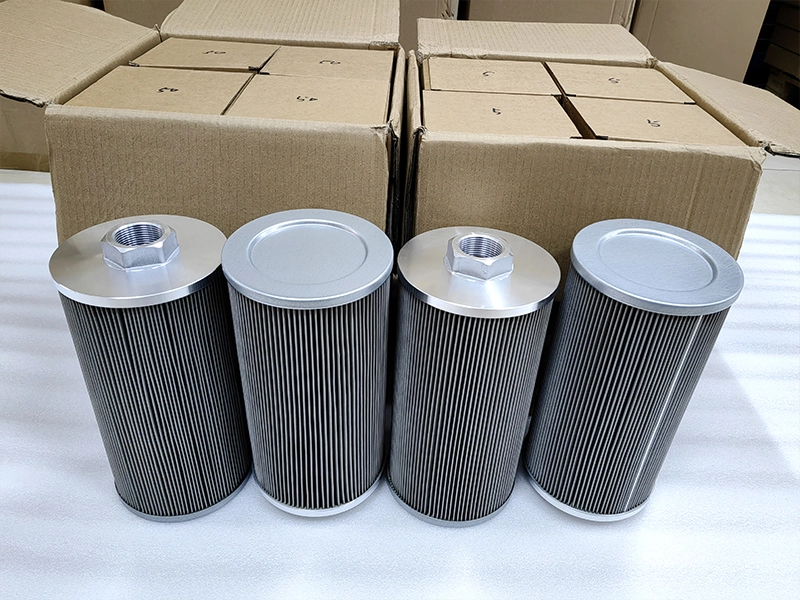
What is Sintered Metal Filter? Complete Guide
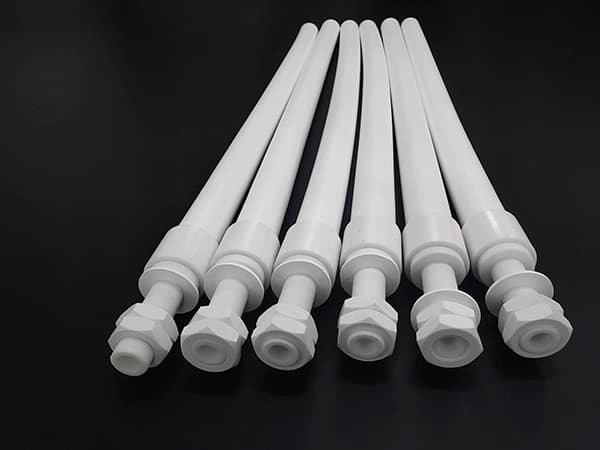
Sintered PTFE Filters: Advanced Filtration for Demanding Environments
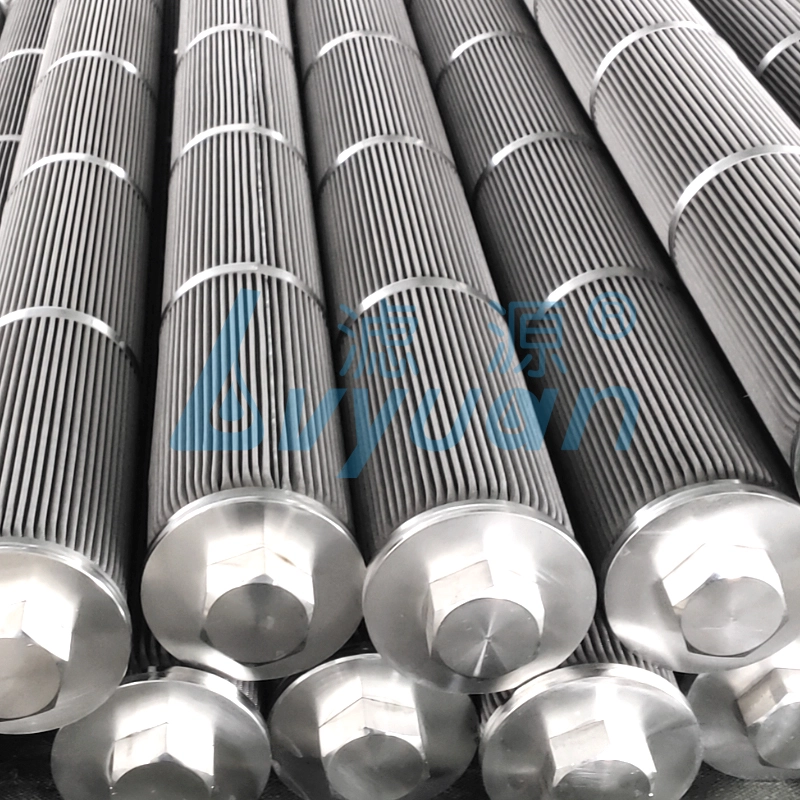
Metal Sintered Filters: Precision Filtering to Drive Industrial Upgrading
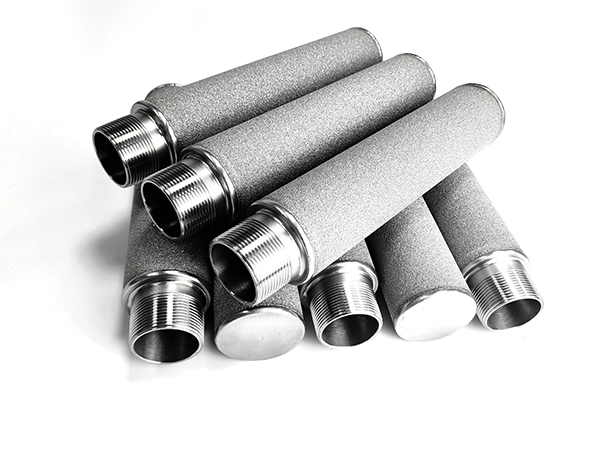
Choosing Sintered Filters: An Overview for Industrial Applications
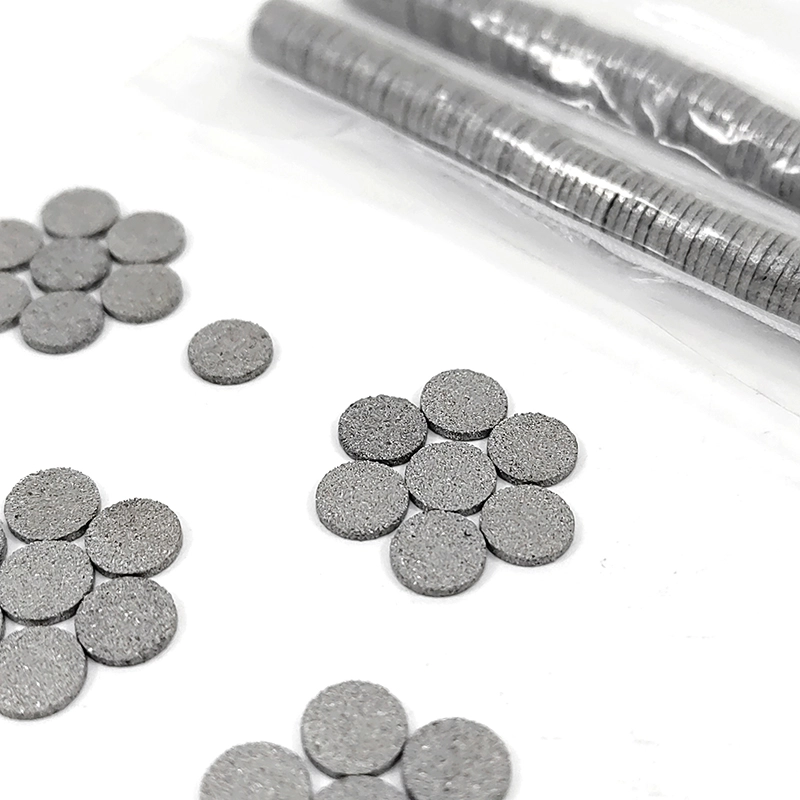
What is a Sintered Metal Filter Disc? A Comprehensive Guide
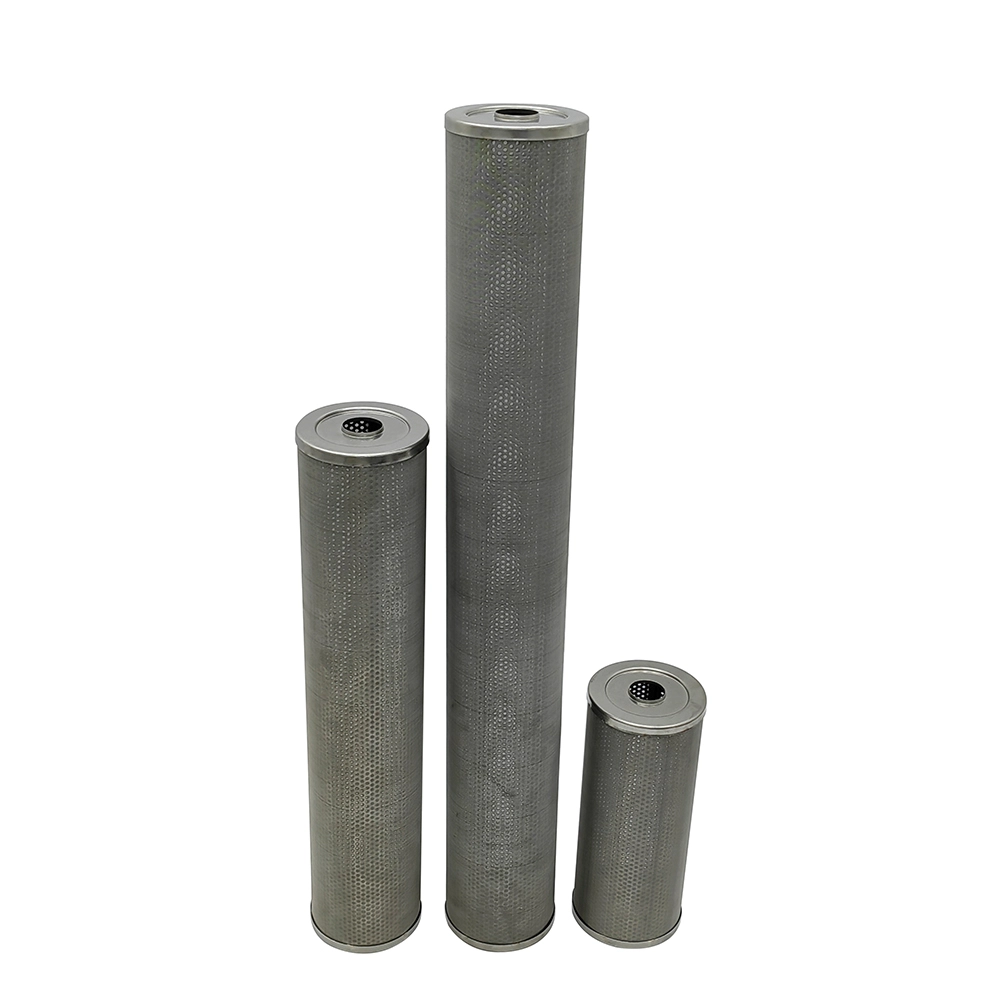
What Are Sintered Metal Filters and How Do They Work?
Porous Plastic Filter
Can sintered plastic porous filters be customized?
Yes, sintered plastic porous filters can be customized to meet specific application requirements, including pore size, shape, dimensions, and surface properties. Customizations may also include the addition of additives or reinforcements for enhanced performance.
Metal mesh filters
What applications is sintered wire mesh suitable for?
Sintered wire mesh filter finds applications in various industries, including:
• Filtration of liquids and gases.
• Polymer and chemical processing.
• Pharmaceutical and food processing.
• Aerospace and automotive industries.
• Environmental protection and water treatment.
Sintered Metal Filters
What is the filtration accuracy of sintered metal filters?
The filtration accuracy of sintered metal filters can vary. Common ranges include 1 to 200 microns, but customization allows for specific accuracy based on application needs.
What temperatures can sintered metal filters withstand?
Sintered metal filters are capable of withstanding a broad temperature range, often from -200°C to 1000°C, making them suitable for applications with extreme temperature variations.
Sintered mesh filters
How does a sintered mesh filter work?
Sintered mesh filters work by trapping and retaining particles within the porous structure of the mesh. The sintering process fuses the mesh layers, creating a robust filter with uniform openings that allow controlled passage of fluids while capturing contaminants.
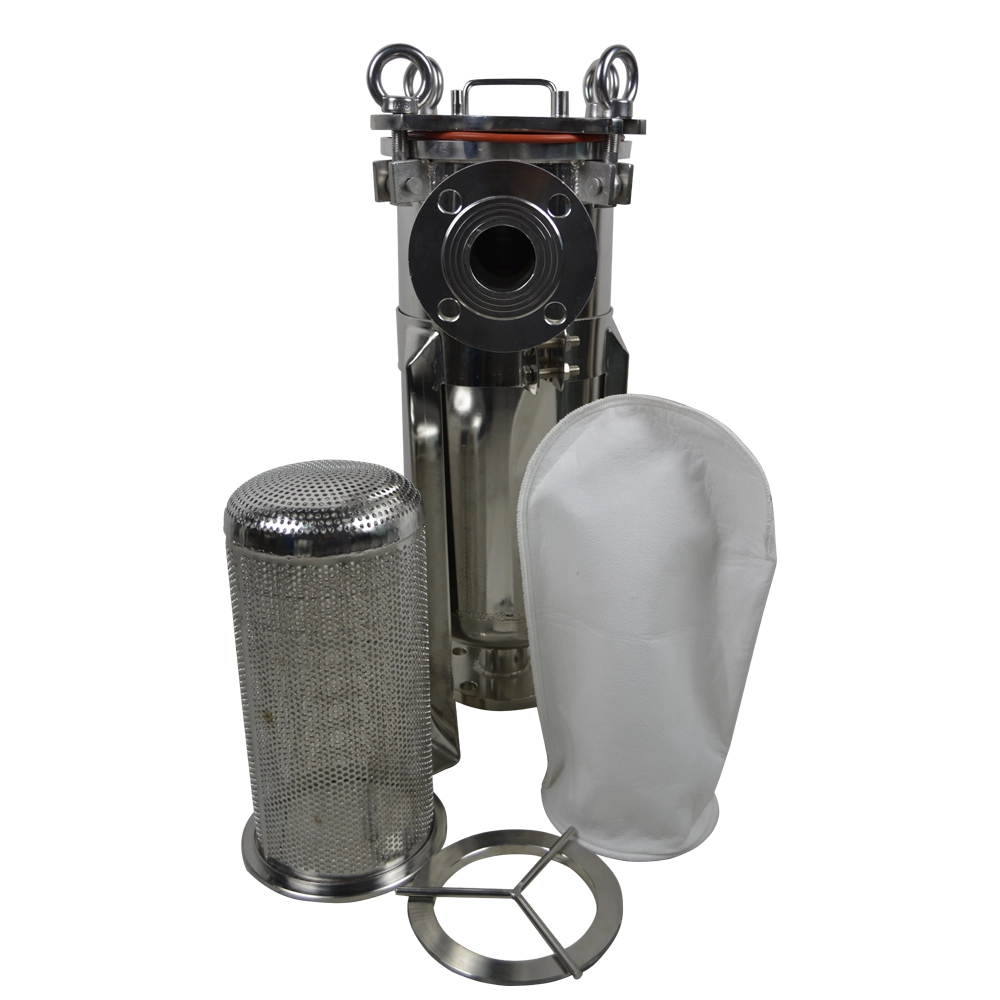
Bag filter housing
Bag filter housings are essential components in industrial filtration systems, designed to remove contaminants from liquids. To enhance the functionality and efficiency of bag filter housings, various features can be incorporated.
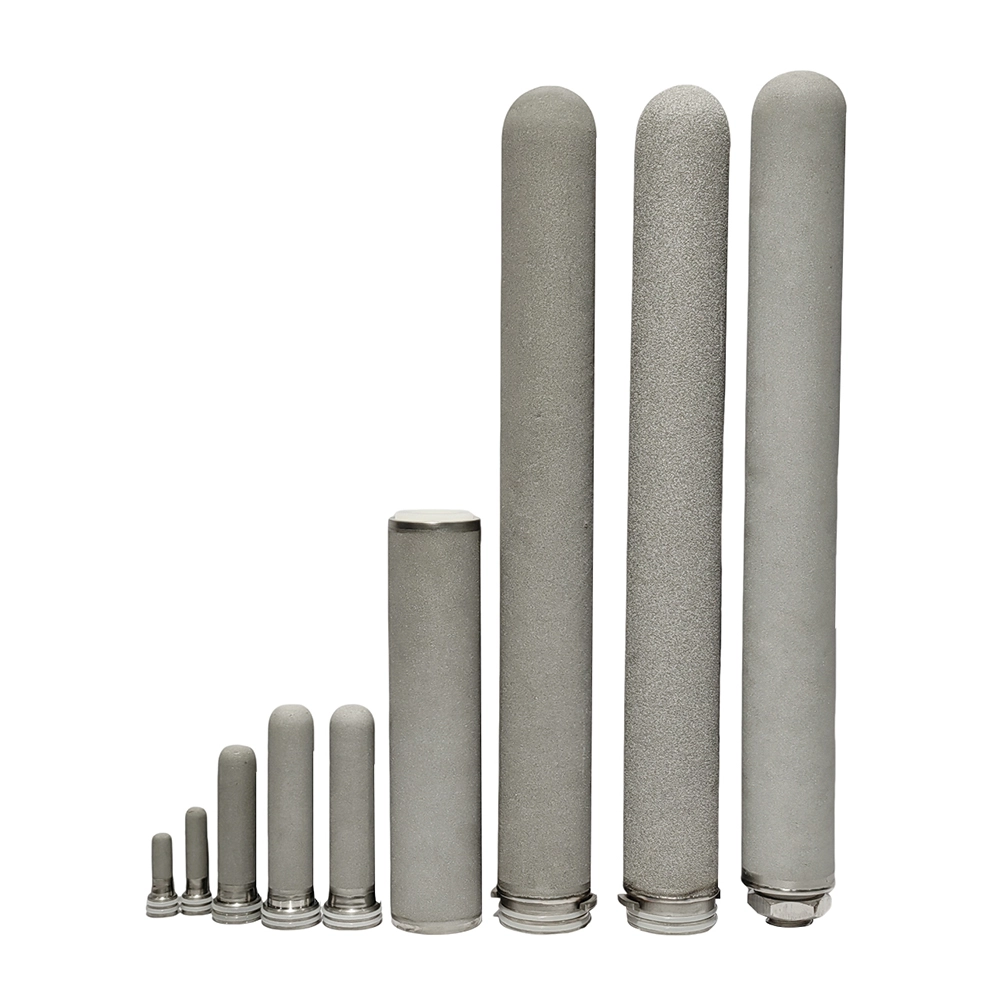
Sintered powder metal filters
Sintered powder metal filters are crafted from compressed and sintered metal powders, forming a porous structure. Porosity: 28%-50% Permeability: 0.02-20L/cm²minPa Pressure Resistance: 0.5Mpa Temperature Resistance: Less than 280℃
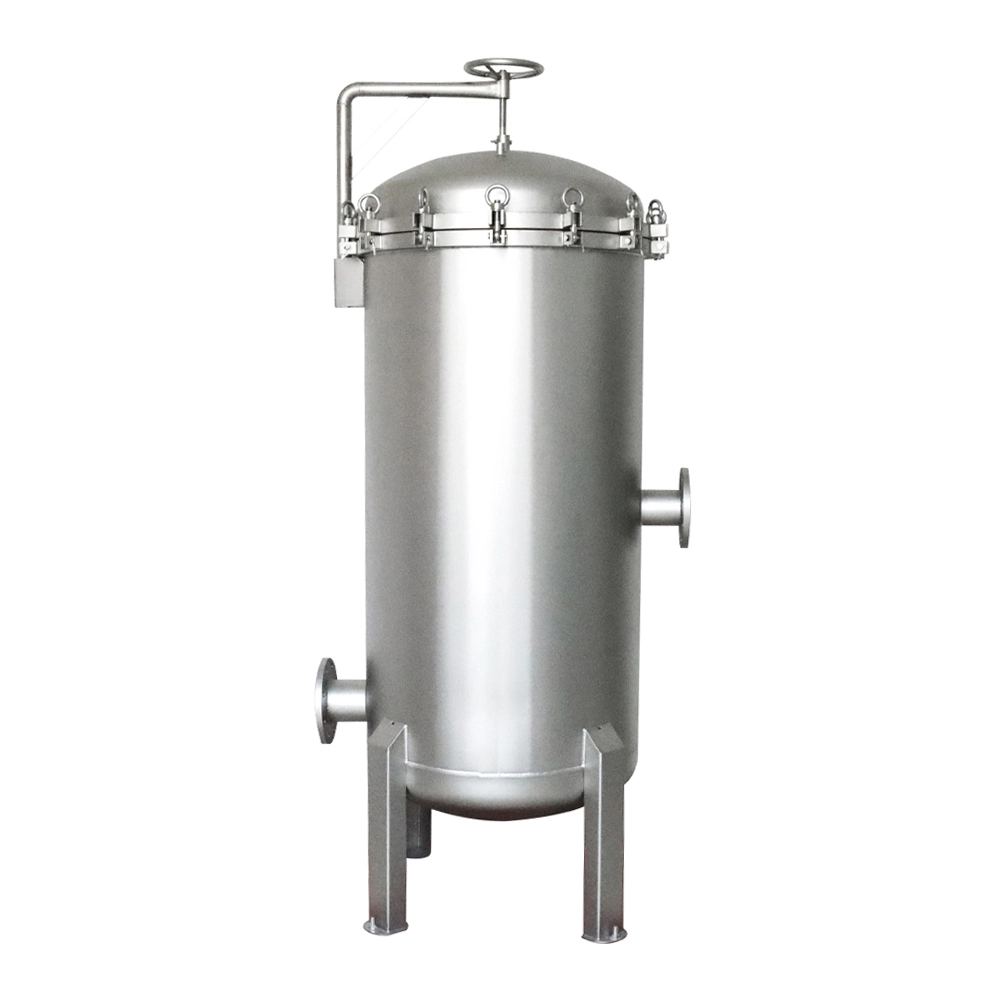
Stainless steel multi cartridge filter housing
Discover unparalleled filtration efficiency with our Stainless Steel Multi Cartridge Filter Housing – a testament to precision engineering and reliability.
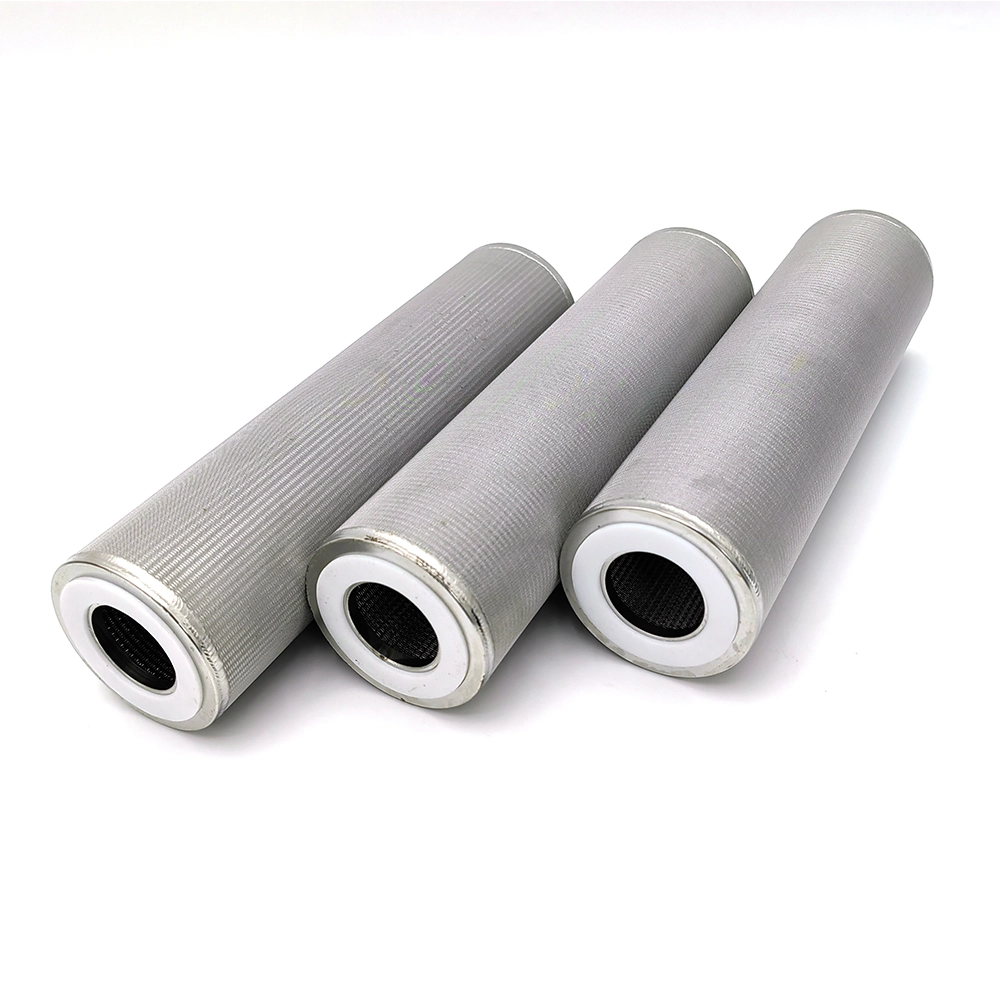
Sintered wire mesh filter
Benefit from outstanding high-pressure resistance and consistent filtration efficiency with our sintered metal mesh. Our sintered wire mesh finds versatile applications in diffuser screens, centrifuges, breather vents, fluidized beds, chromatography, polymer processing, petrochemical industries, hydraulic filters, and more.
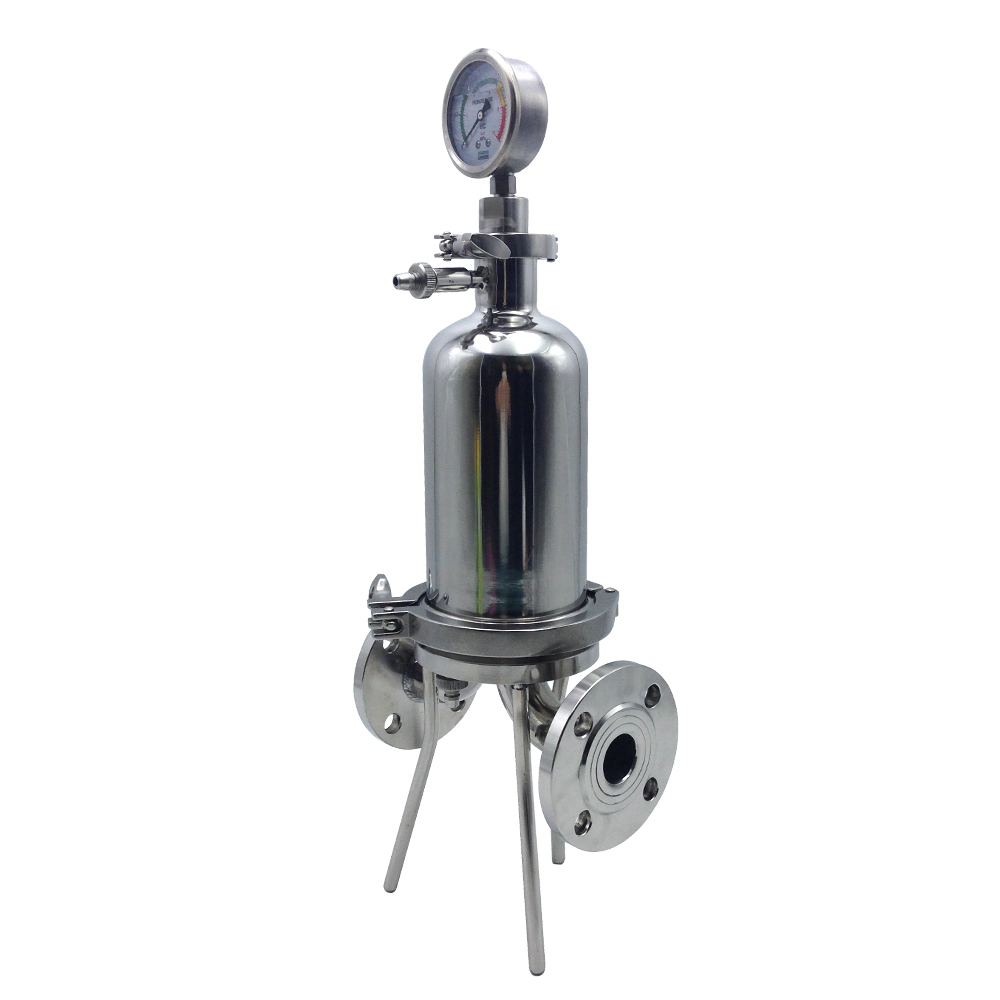
Sanitary filter housing
This filter housing will allow you to filter large volumes of nanoemulsion with ease. Sanitary vent and drain valves permit easy venting, draining, sampling, or integrity testing operations. The new cartridge locking design features additional cut-outs for traditional half-moon portions of the Code 7 bayonet locks, enhancing clean ability and drain ability.
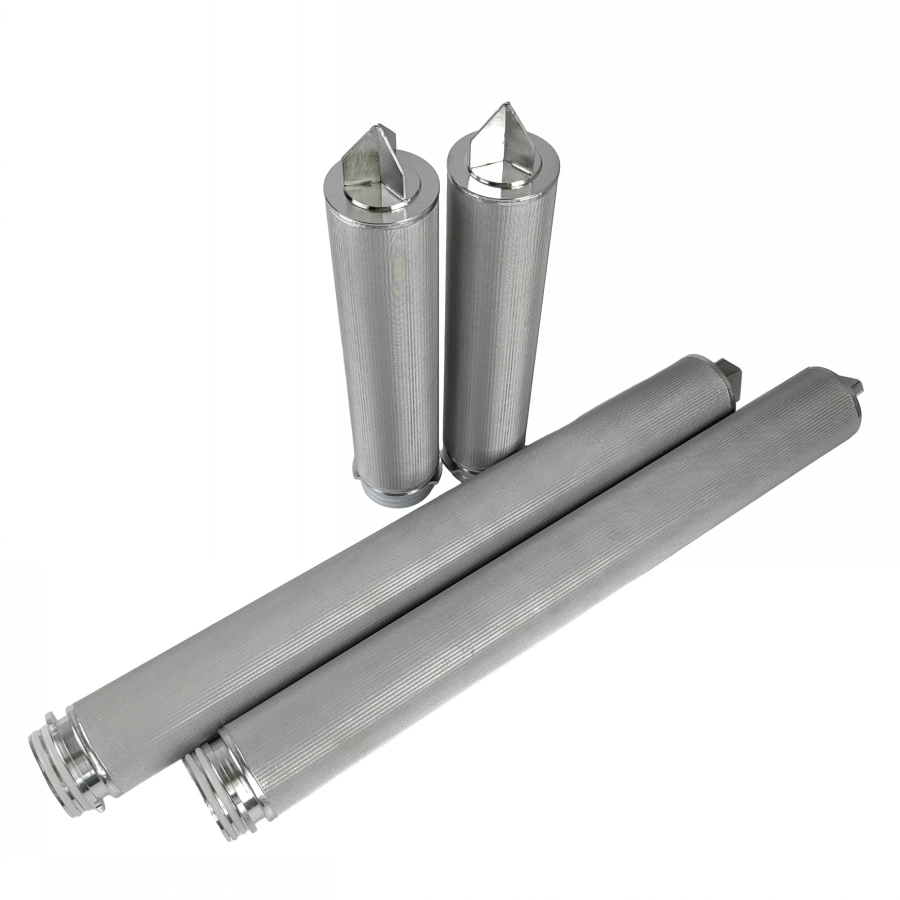
stainless steel filter water
Our sintered stainless steel filter stands as a pivotal filtration element crafted through a meticulous sintering process, with stainless steel serving as the core material.
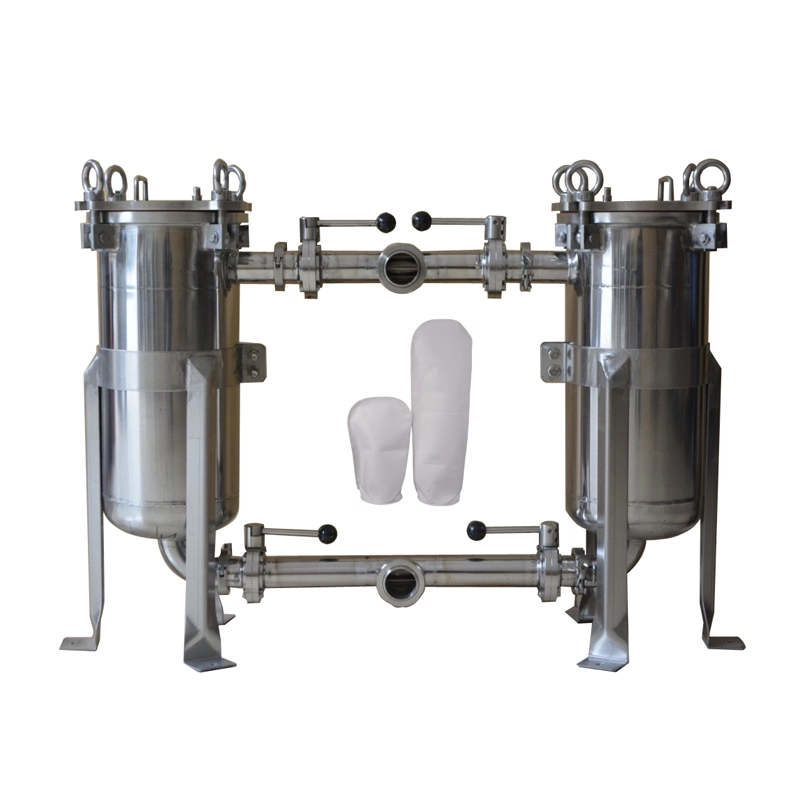
Stainless Steel Duplex filter housing
As the manufacturer, we offer a comprehensive range of Duplex Filter Housings designed to provide efficient and reliable filtration solutions for various industrial applications.
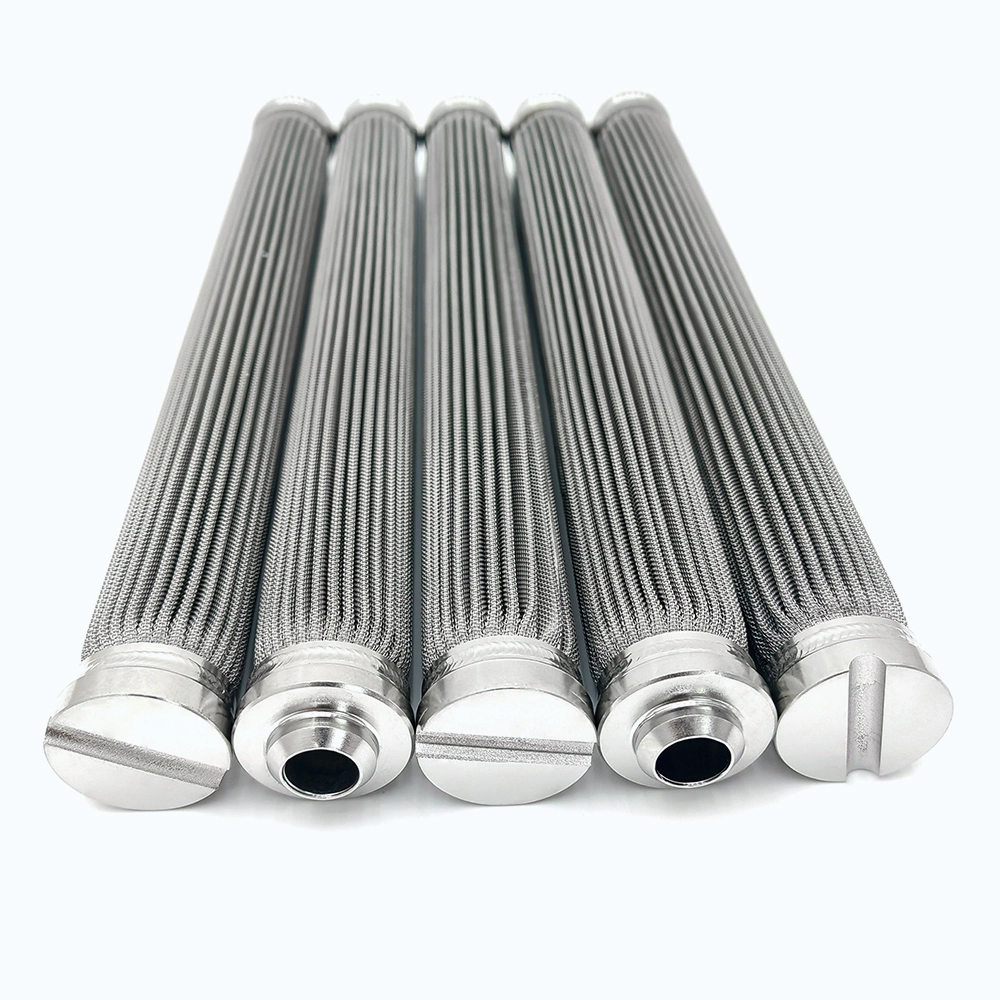
Stainless steel pleated filter cartridge
Our Stainless Steel Pleat Filter Cartridge constructed from high-quality SS 304 or SS 316L material, this filter exhibits exceptional resistance to high temperatures and rust.
© 2024 All Rights Reserved. | Privacy policy • Terms and conditions


