
is aluminum a porous metal
Gain clarity on whether aluminum is a porous metal, its engineered filtration applications, and best selection practices—trust us for industry expertise and support.
- Is Aluminum a Porous Metal?—Sintered Metal Filters Industry Insight
- Understanding Aluminum’s Porosity
- Aluminum in Sintered Metal Filter Applications
- Key Takeaways and Industry Recommendations
- Further Reading & Technical Data
- For consulting, design, or sourcing engineered sintered aluminum filters, contact us for expert assistance.
Is Aluminum a Porous Metal?—Sintered Metal Filters Industry Insight
Professionals in the sintered metal filters industry frequently ask, Is aluminum a porous metal? Understanding aluminum’s porosity characteristics is essential for filter design, production, and selection. This article explains aluminum’s inherent and engineered porosity, its behavior in filtration applications, and authoritative technical sources to address industry queries.
Understanding Aluminum’s Porosity
- Inherent Porosity
- Pure aluminum, in its naturally solid form, is *not* inherently porous.
- Bulk aluminum has a dense atomic structure, providing low permeability unless processed.
- Engineered Porosity
- Aluminum can be structured to become porous through processes such as powder metallurgy and sintering.
- Sintered aluminum filters are manufactured by pressing and heating aluminum powder, creating interconnected pores ideal for filtration.
- Porosity, pore size, and distribution can be precisely controlled during the sintering process.
*Reference*:
ASM International,“Metals Handbook Desk Edition, 2nd Edition”, p. 1186-1187.
Aluminum in Sintered Metal Filter Applications
- Advantages
- Lightweight: Aluminum’s density is approximately 2.7 g/cm³, significantly less than stainless steel.
- Corrosion Resistance: Aluminum forms a natural oxide layer, protecting it from many chemicals.
- High Thermal Conductivity: Suitable for heat-exchange filtration processes.
- Porous Aluminum Filters
- Typical pore sizes: 5–200 microns, designed for particulates, aerosols, or gas/liquid filtration.
- Used in chemical processing, environmental technology, medical devices, and aerospace industries.
*Reference*:
M. Gale, Porous Aluminum Filters for Industrial Filtration, *Journal of Filtration*, Vol. 19, 2021.
Key Takeaways and Industry Recommendations
- Is Aluminum a Porous Metal?
- In standard form, aluminum is not porous.
- When precisely engineered via powder metallurgy and sintering, aluminum becomes a reliable porous medium suitable for industrial filters.
- Selecting Aluminum Sintered Filters
- Ensure pore size specification matches end-use filtration requirements.
- Assess thermal, mechanical, and chemical compatibility for operational efficiency.
- Consult supplier technical datasheets and ISO standards for validated performance.
*Reference*:
ISO 2942:2021, Hydraulic filter elements—Verification of fabrication integrity and determination of the first bubble point.
Further Reading & Technical Data
- *Handbook of Porous Materials: Synthesis, Properties, Modeling and Key Applications* (Elsevier, 2020)
- *Powder Metallurgy and Sintered Materials for Filtration*—Materials Science & Engineering (Springer, 2022)
For consulting, design, or sourcing engineered sintered aluminum filters, contact us for expert assistance.
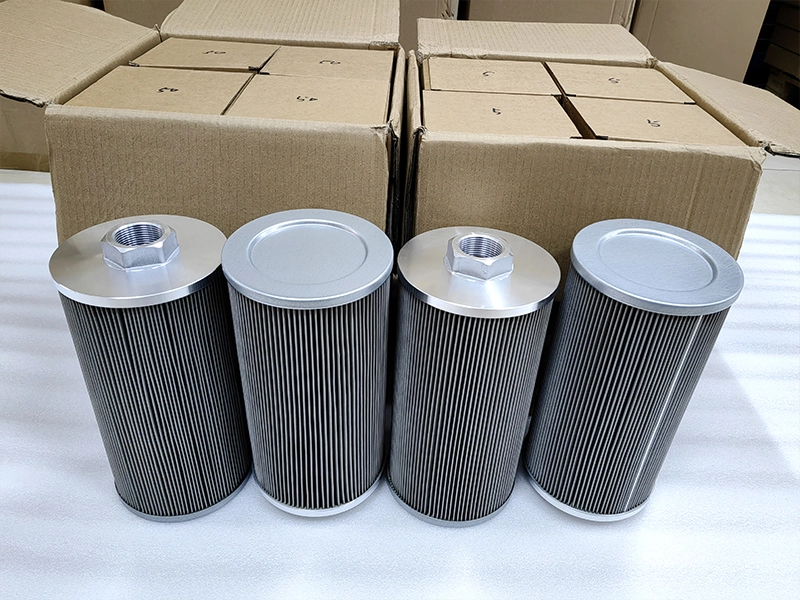
What is Sintered Metal Filter? Complete Guide
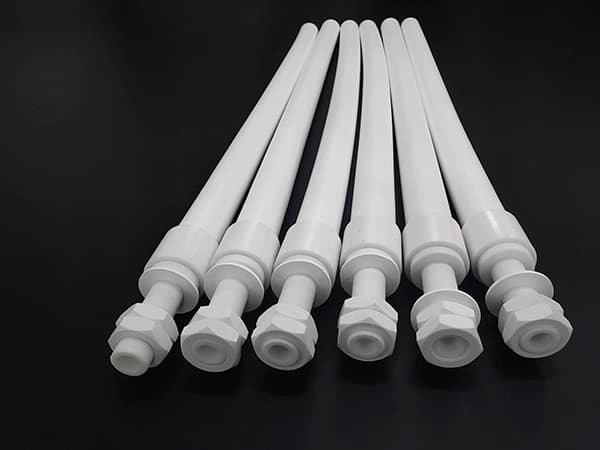
Sintered PTFE Filters: Advanced Filtration for Demanding Environments
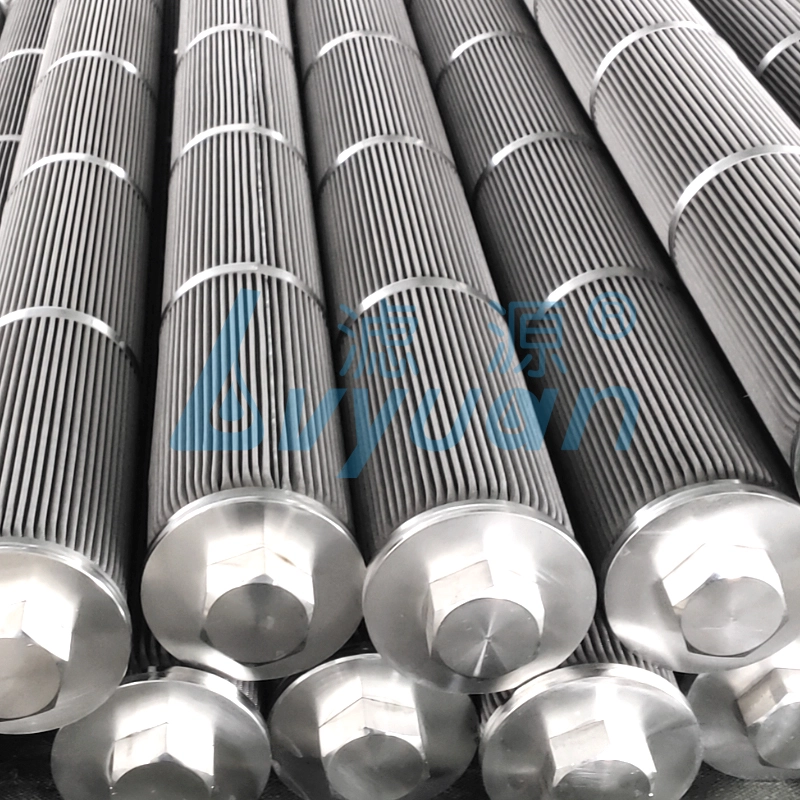
Metal Sintered Filters: Precision Filtering to Drive Industrial Upgrading
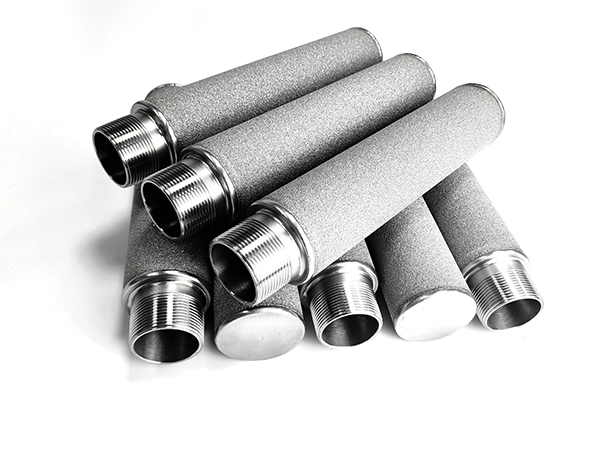
Choosing Sintered Filters: An Overview for Industrial Applications
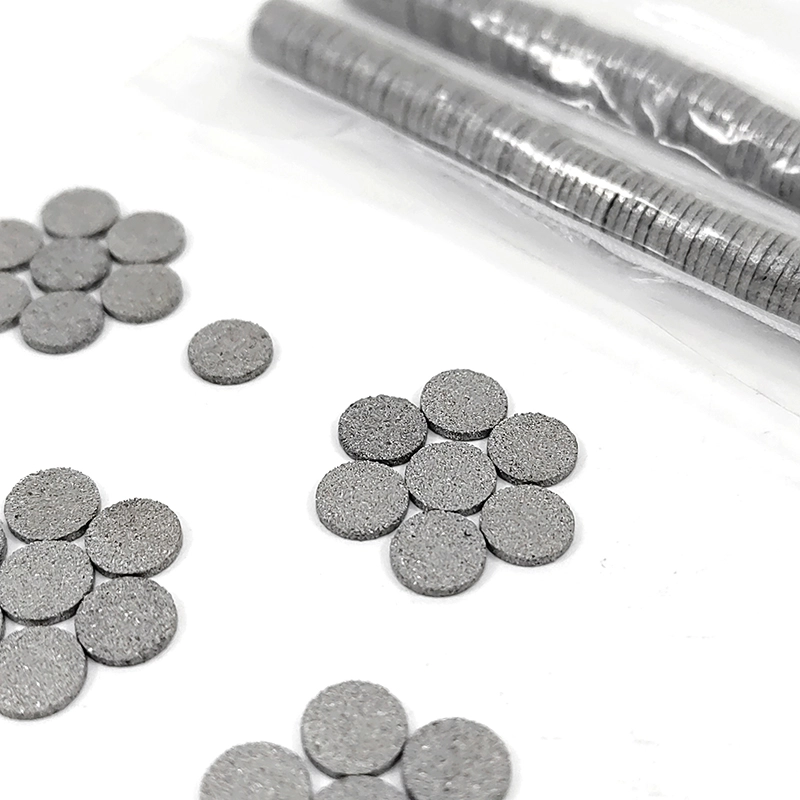
What is a Sintered Metal Filter Disc? A Comprehensive Guide
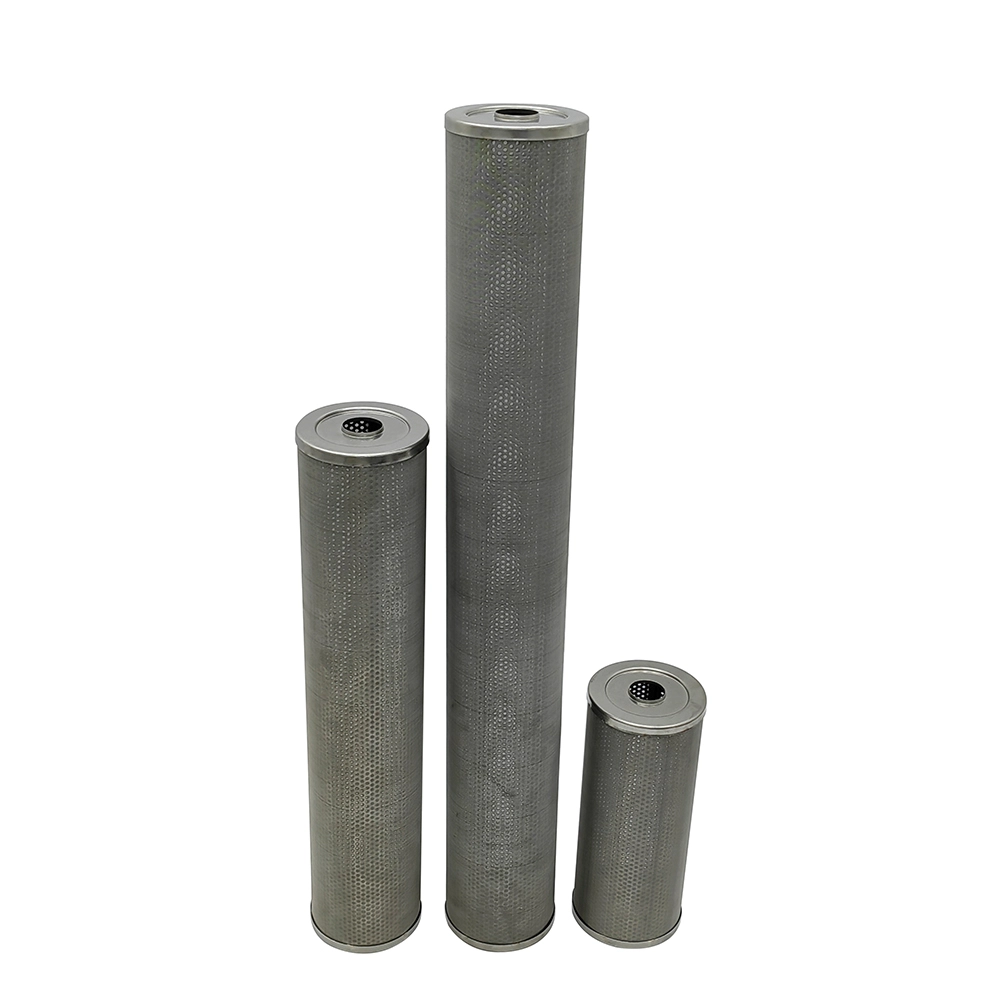
What Are Sintered Metal Filters and How Do They Work?
Sintered Metal Filters
What temperatures can sintered metal filters withstand?
Sintered metal filters are capable of withstanding a broad temperature range, often from -200°C to 1000°C, making them suitable for applications with extreme temperature variations.
Sintered Titanium Filters
How Can Machinability of Sintered Titanium Filters be improved?
Machinability can be enhanced by selecting high-speed machining tools, creating conducive cutting environments, and using high-quality cutting tools to optimize cost, surface finishing, and integrity.
Stainless Steel Pleated Filter Cartridges
How often do these stainless steel pleated cartridges need maintenance?
Maintenance frequency depends on the specific application and operating conditions. However, these cartridges are designed for easy installation and maintenance, with cleaning procedures that contribute to their longevity.
Stainless Steel Cartridge Filter Housing
Can stainless steel cartridge filter housings be customized?
Yes, stainless steel filter housings can be customized to meet specific application requirements, including size, material of construction, inlet/outlet connections, pressure ratings, and mounting options.
Porous Plastic Filter
What is Porosity in Filtration?
Porosity, in the context of filtration, measures the pores on the filter surface, determining its efficiency and capabilities. Higher porosity indicates more open structures (pores), allowing maximum flow with minimal pressure drops.
However, it's crucial to note that a higher porosity rate doesn't necessarily guarantee greater efficiency. When selecting the right material for your porous metal filter, consider aspects such as pore size, pressure drop, temperature resistance, and strength.
• Size of Pores: Micron rating is crucial. A material rated at 5 microns will likely stop particles of 5 microns or larger.
• Pressure Drop: Choose a material with a minimum pressure drop for uniform flow.
• Temperature Resistance: Analyze the material's capability to perform efficiently under specific temperatures.
• Strength: Opt for a filter with the strength to withstand changing environmental conditions.
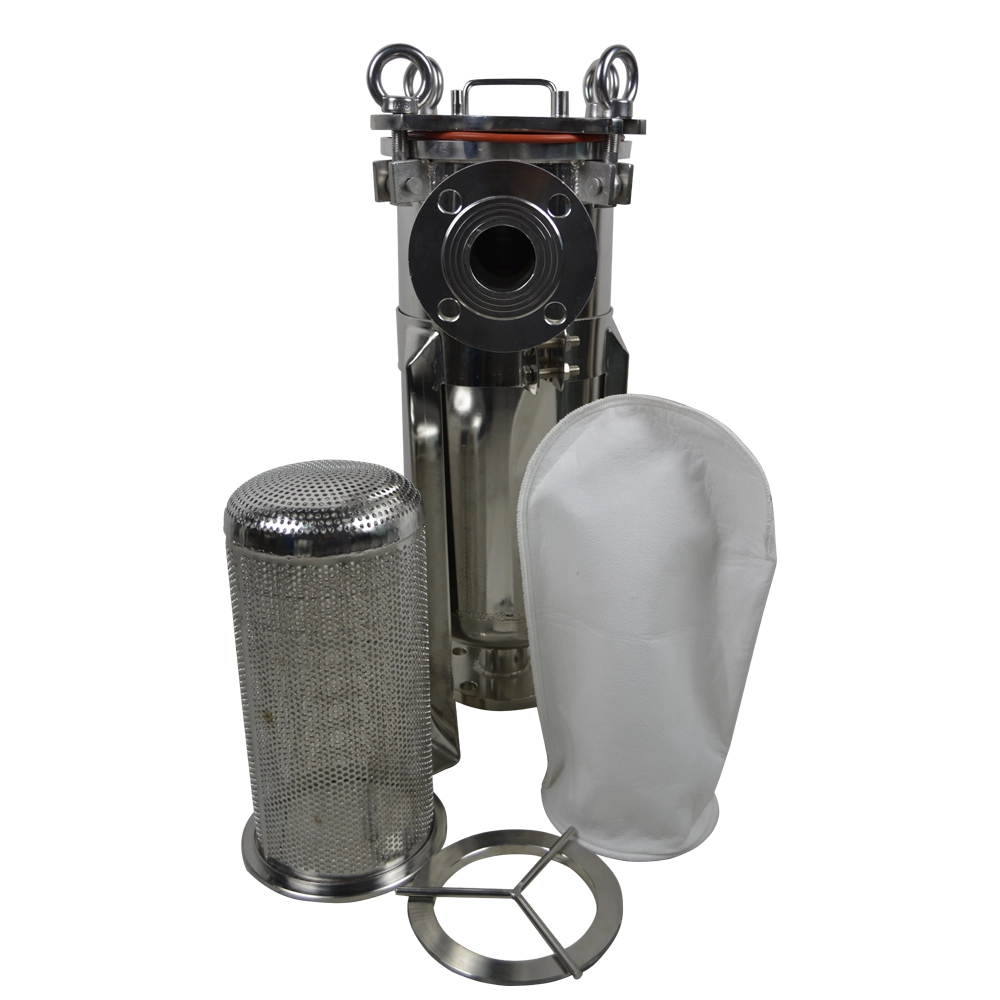
Bag filter housing
Bag filter housings are essential components in industrial filtration systems, designed to remove contaminants from liquids. To enhance the functionality and efficiency of bag filter housings, various features can be incorporated.
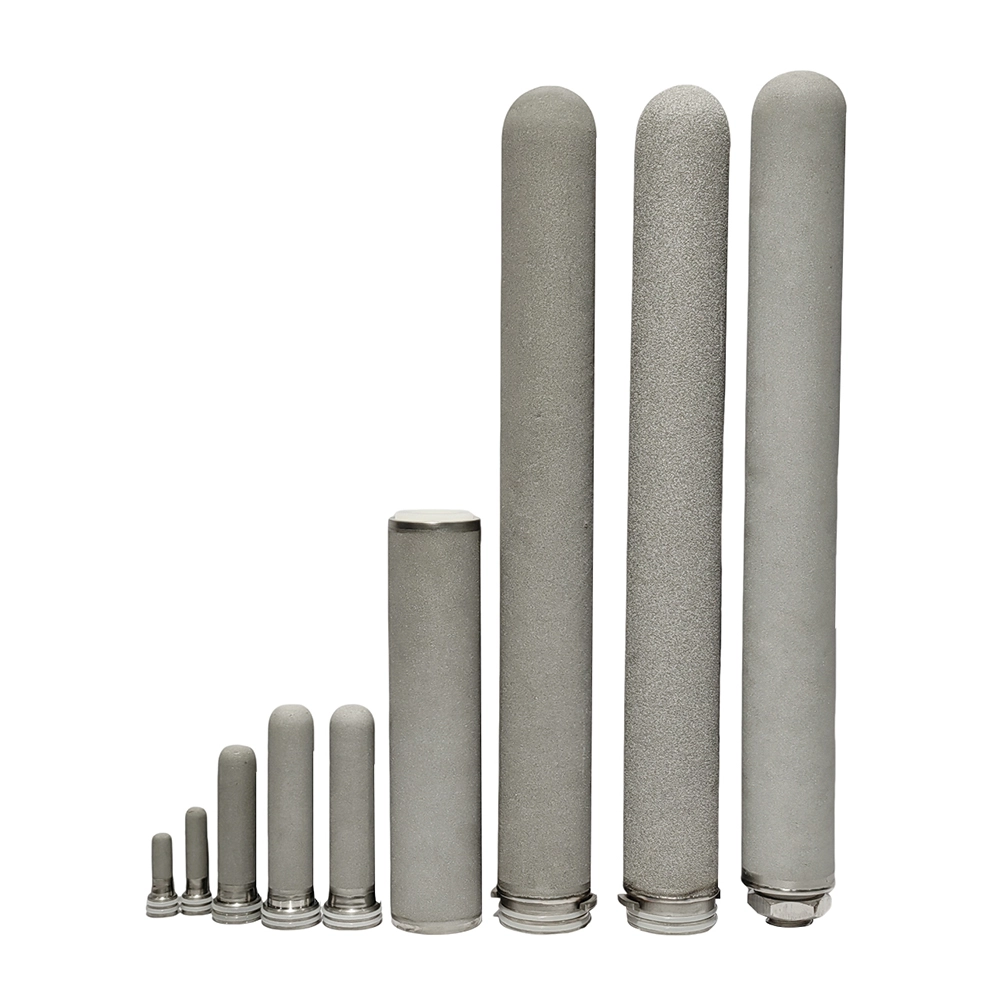
Sintered powder metal filters
Sintered powder metal filters are crafted from compressed and sintered metal powders, forming a porous structure. Porosity: 28%-50% Permeability: 0.02-20L/cm²minPa Pressure Resistance: 0.5Mpa Temperature Resistance: Less than 280℃
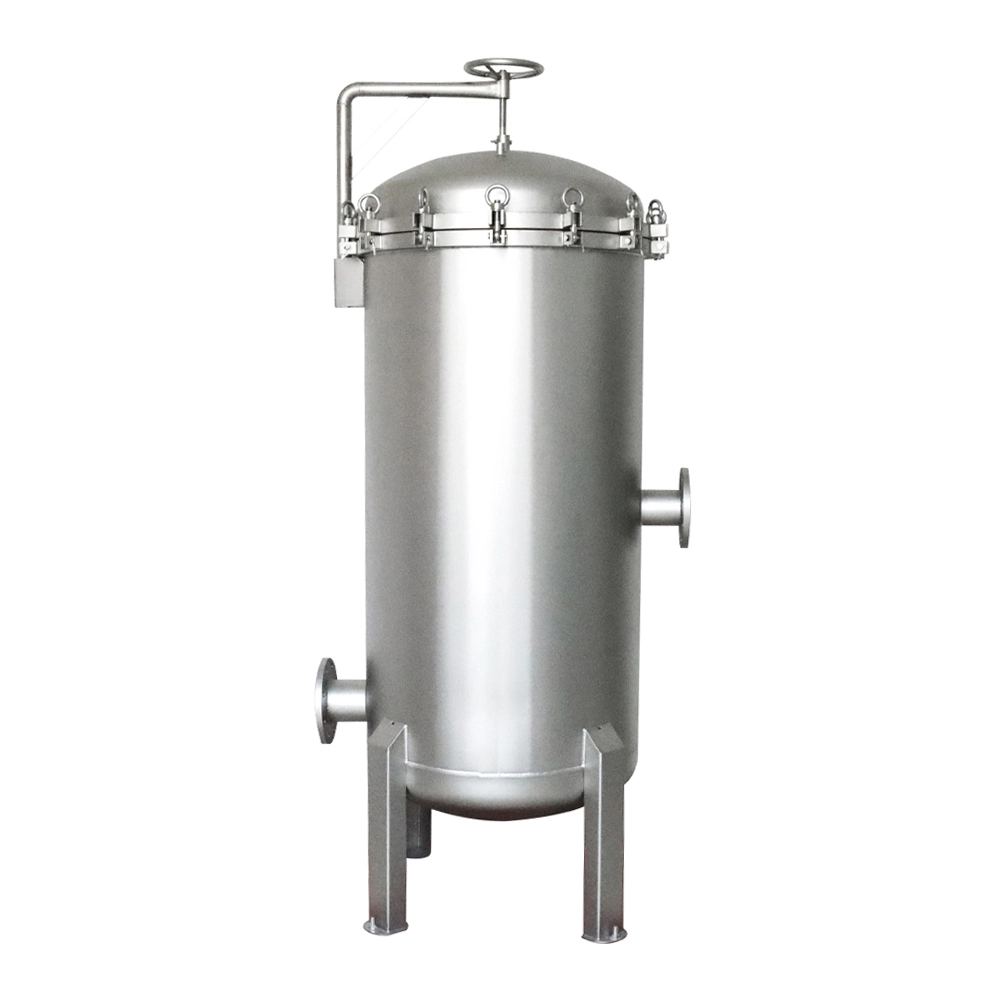
Stainless steel multi cartridge filter housing
Discover unparalleled filtration efficiency with our Stainless Steel Multi Cartridge Filter Housing – a testament to precision engineering and reliability.
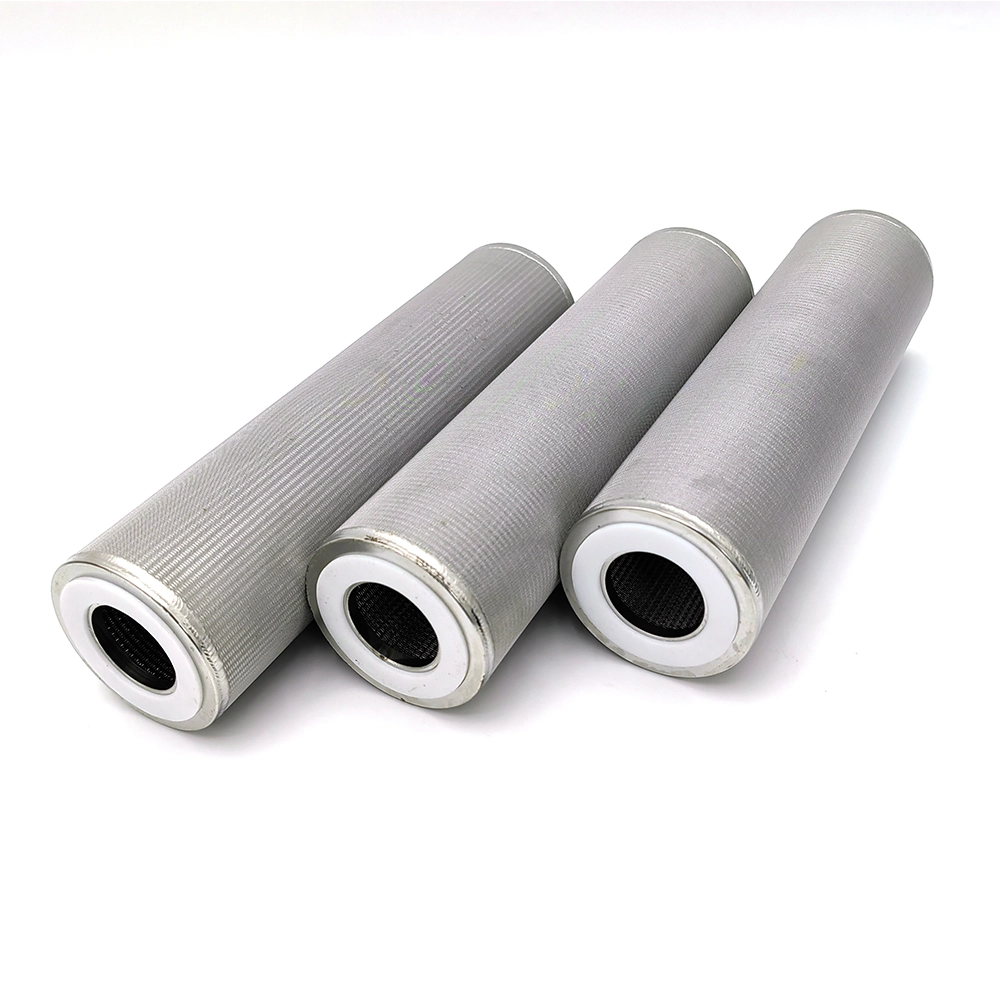
Sintered wire mesh filter
Benefit from outstanding high-pressure resistance and consistent filtration efficiency with our sintered metal mesh. Our sintered wire mesh finds versatile applications in diffuser screens, centrifuges, breather vents, fluidized beds, chromatography, polymer processing, petrochemical industries, hydraulic filters, and more.
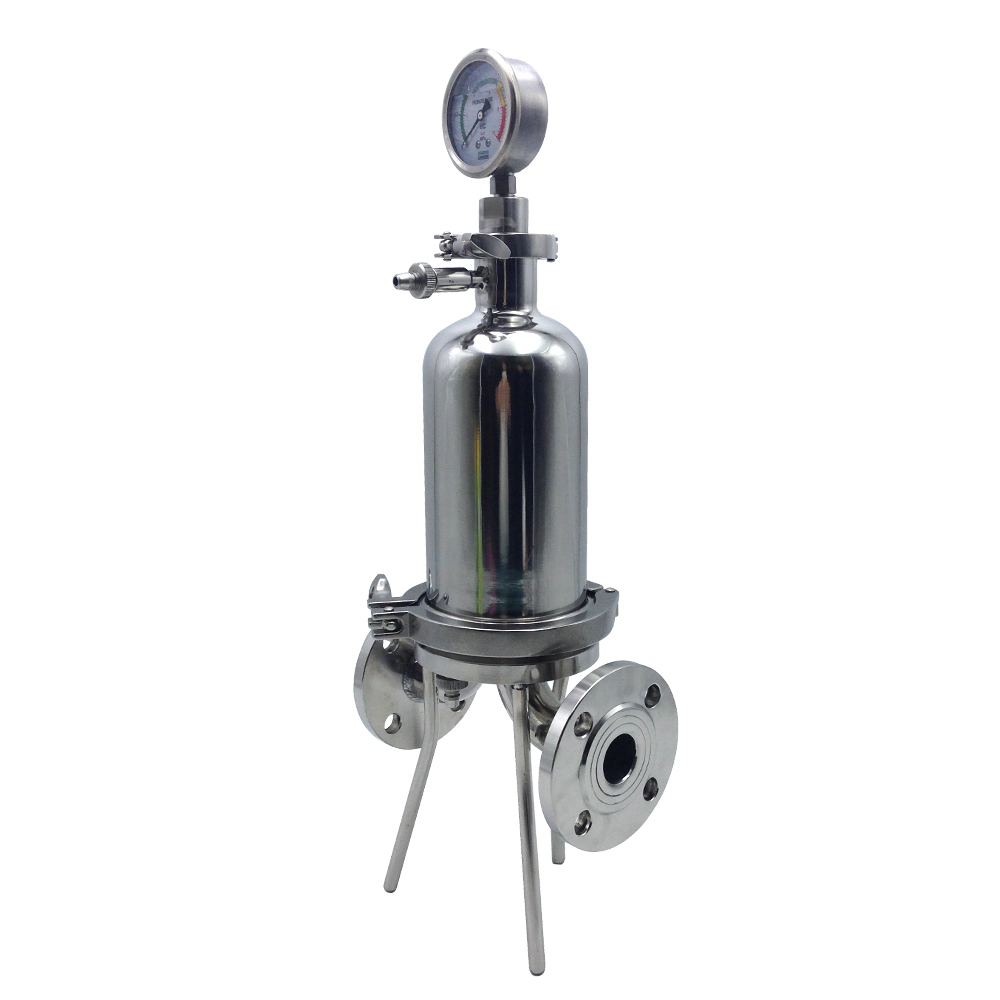
Sanitary filter housing
This filter housing will allow you to filter large volumes of nanoemulsion with ease. Sanitary vent and drain valves permit easy venting, draining, sampling, or integrity testing operations. The new cartridge locking design features additional cut-outs for traditional half-moon portions of the Code 7 bayonet locks, enhancing clean ability and drain ability.
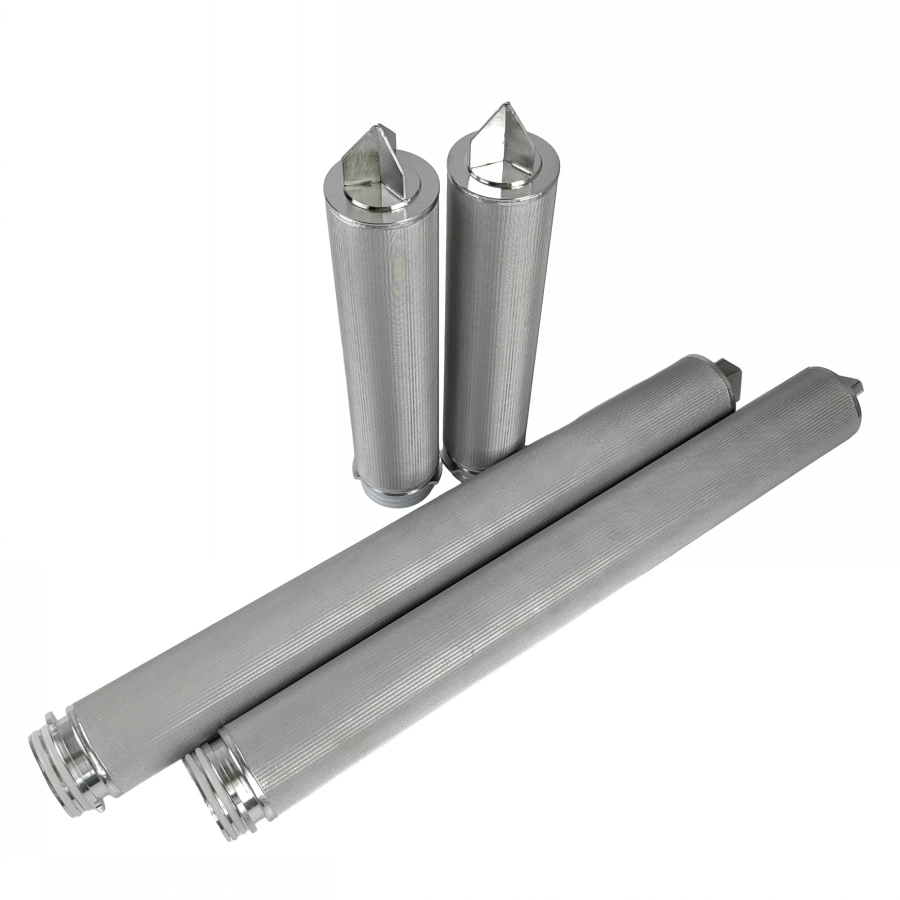
stainless steel filter water
Our sintered stainless steel filter stands as a pivotal filtration element crafted through a meticulous sintering process, with stainless steel serving as the core material.
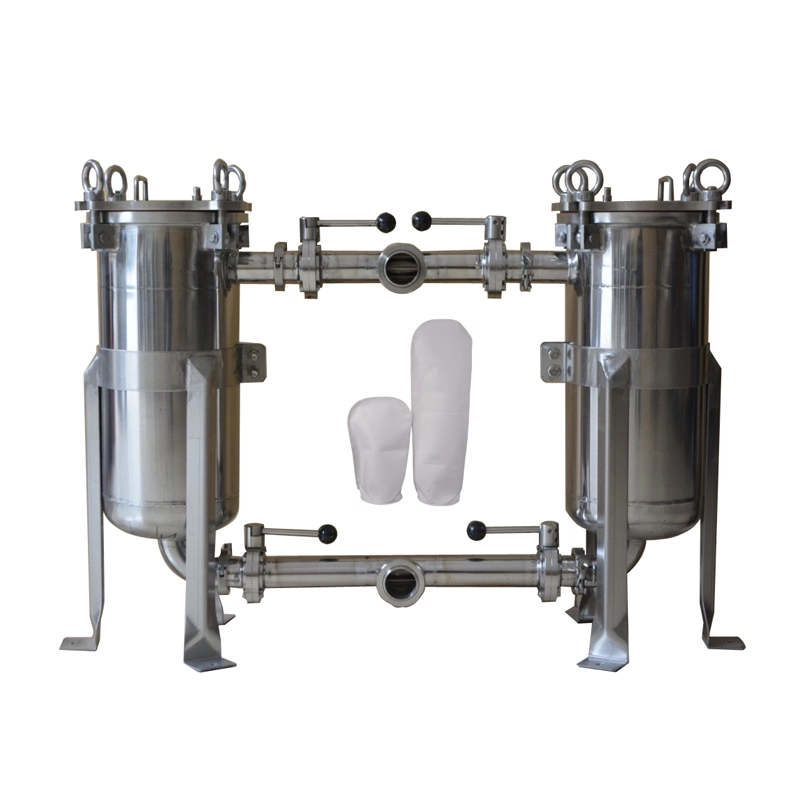
Stainless Steel Duplex filter housing
As the manufacturer, we offer a comprehensive range of Duplex Filter Housings designed to provide efficient and reliable filtration solutions for various industrial applications.
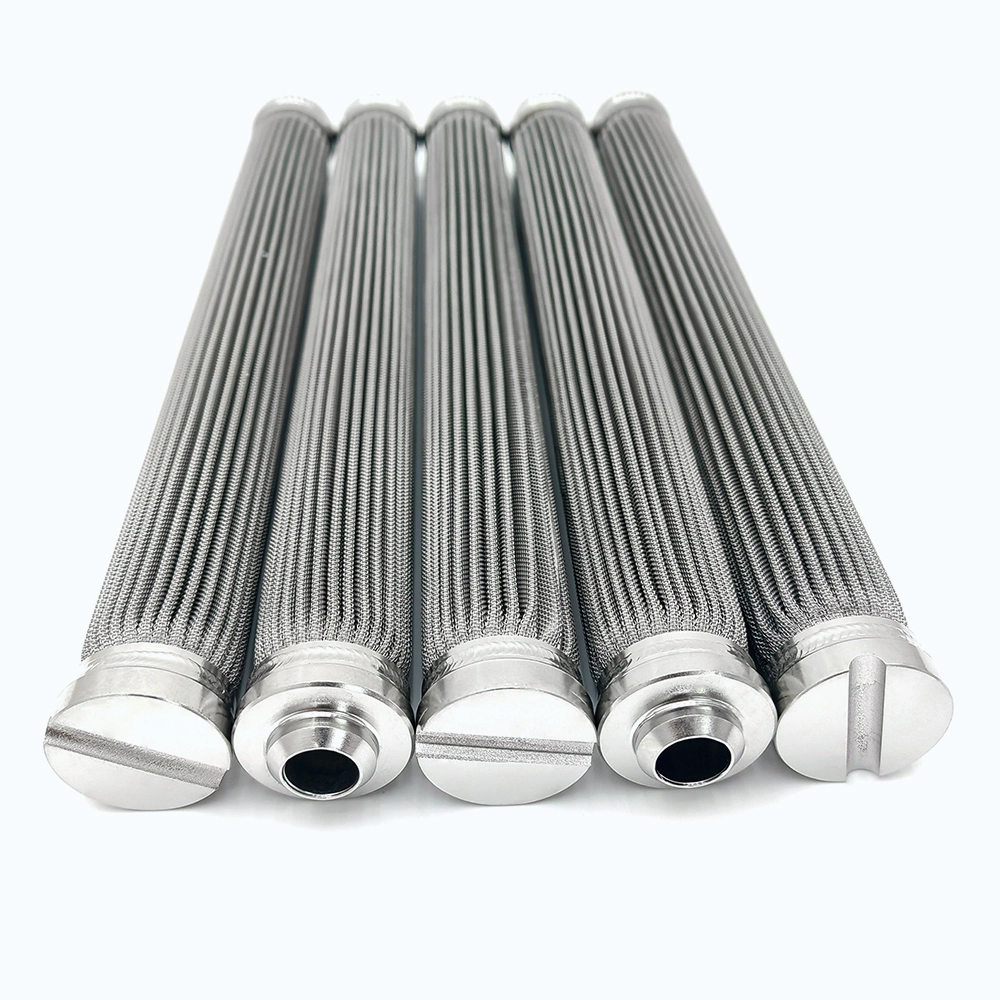
Stainless steel pleated filter cartridge
Our Stainless Steel Pleat Filter Cartridge constructed from high-quality SS 304 or SS 316L material, this filter exhibits exceptional resistance to high temperatures and rust.
© 2024 All Rights Reserved. | Privacy policy • Terms and conditions


