
does metal trap filter work Guide
This article explores the functionality of sintered metal filters, addressing their effectiveness as metal trap filters. We cover their working mechanism, advantages (high temperature resistance, chemical resistance, high flow rates, cleanability), limitations (cost, limited pore size, potential clogging), and diverse applications across various industries. We offers expert solutions for your filtration needs.
Does Metal Trap Filter Work? Understanding Sintered Metal Filters
This article addresses common questions regarding the effectiveness of metal trap filters, specifically sintered metal filters, focusing on their functionality, applications, and limitations. We’ll explore their capabilities in diverse industrial applications.
How Do Sintered Metal Filters Work?
* Porosity and Pore Size: Sintered metal filters are created by sintering metal powders, resulting in a porous structure. The pore size distribution is crucial to their filtering efficiency. Smaller pore sizes trap finer particles, while larger pore sizes allow for higher flow rates.
* Filtration Mechanism: Particles are trapped within the porous structure through several mechanisms including sieving (larger particles blocked by pores), interception (particles following fluid streamlines near pore walls), and diffusion (Brownian motion of small particles leading to capture).
* Material Selection: The choice of metal (stainless steel, bronze, nickel, etc.) impacts the filter's chemical compatibility, temperature resistance, and strength. This directly affects its long-term performance and suitability for specific applications.
What are the Advantages of Using Sintered Metal Filters?
* High Temperature Resistance: Sintered metal filters can withstand significantly higher temperatures compared to other filter types, making them suitable for high-temperature applications.
* Chemical Resistance: Many sintered metal filters offer excellent chemical resistance, extending their lifespan and suitability for corrosive environments.
* High Flow Rates: Depending on the porosity, sintered metal filters can handle high flow rates without significant pressure drops, crucial for many industrial processes.
* Cleanability and Reusability: Many sintered metal filters are easily cleaned and reused, reducing waste and operational costs. Backwashing or chemical cleaning methods can often restore their filtering capability.
* Long Service Life: Due to their robust construction and resistance to harsh conditions, they boast a significantly longer lifespan than other filter types.
What are the Limitations of Sintered Metal Filters?
* Cost: Sintered metal filters are generally more expensive than other filter types.
* Limited Pore Size Range: While offering a wide range of pore sizes, the achievable minimum pore size is limited compared to membrane filters.
* Potential for Clogging: Although cleanable, improper operation or filtration of heavily laden fluids can lead to clogging.
* Susceptibility to Abrasion (dependent on metal and application): In applications with highly abrasive particles, filter wear and tear may become a consideration.
Applications of Sintered Metal Filters
* Chemical Processing: Filtration of corrosive liquids and gases.
* Aerospace: Fuel filtration and gas purification.
* Pharmaceutical: Sterile filtration and product purification.
* Automotive: Lubricant filtration and fuel purification.
* Environmental: Water purification and wastewater treatment.
Conclusion:
Sintered metal filters are a robust and effective solution for various filtration needs. Understanding their mechanism, advantages, and limitations allows for informed selection and optimal application, maximizing their efficiency and lifespan. Choosing the right filter requires considering factors like pore size, material, and the specific application requirements. Contact for expert advice on selecting the optimal sintered metal filter for your application.
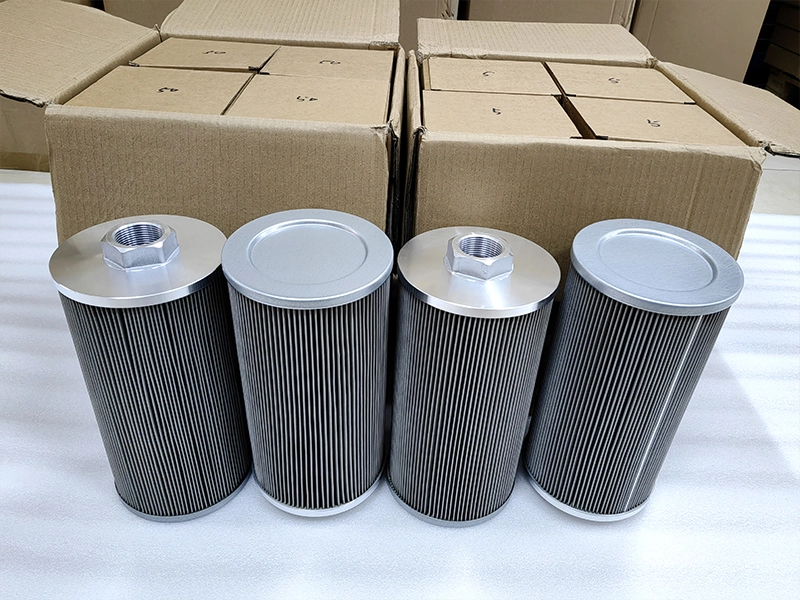
What is Sintered Metal Filter? Complete Guide
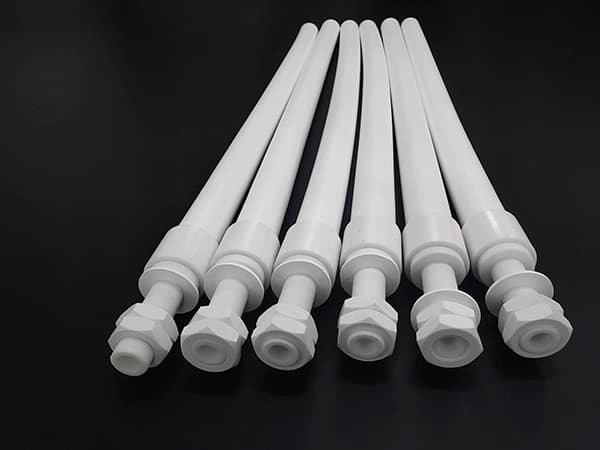
Sintered PTFE Filters: Advanced Filtration for Demanding Environments
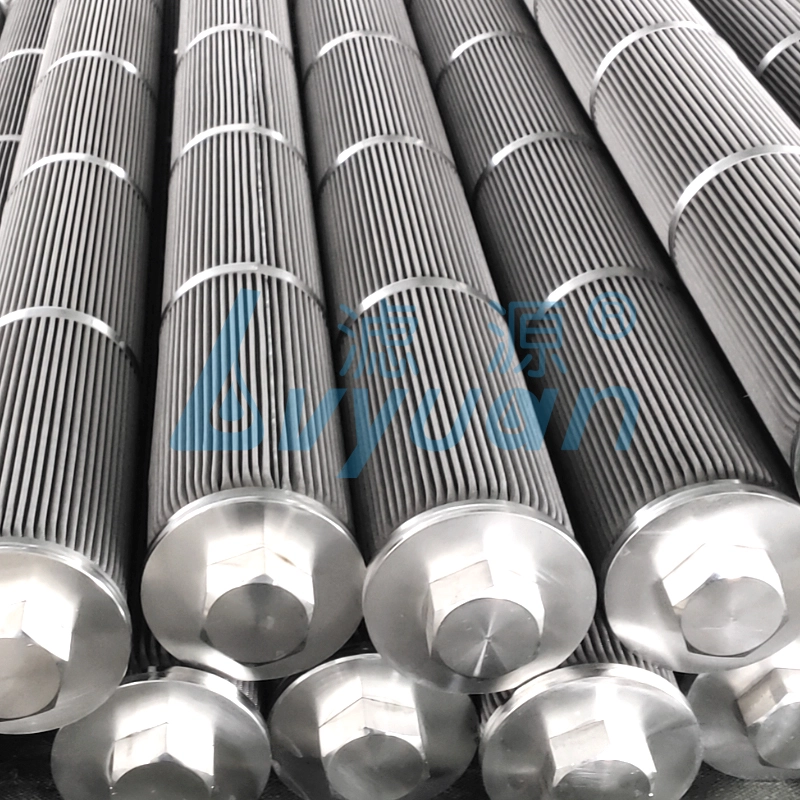
Metal Sintered Filters: Precision Filtering to Drive Industrial Upgrading
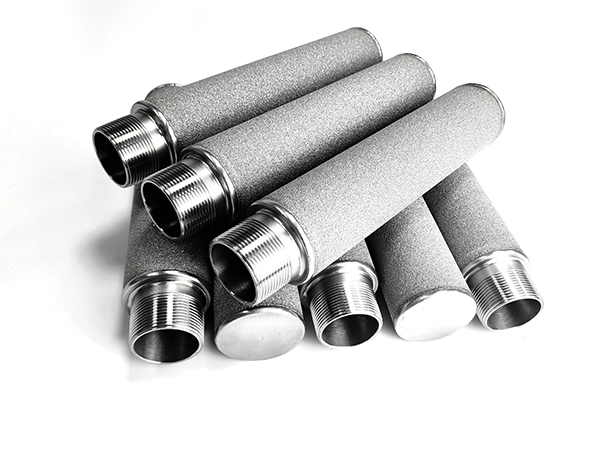
Choosing Sintered Filters: An Overview for Industrial Applications
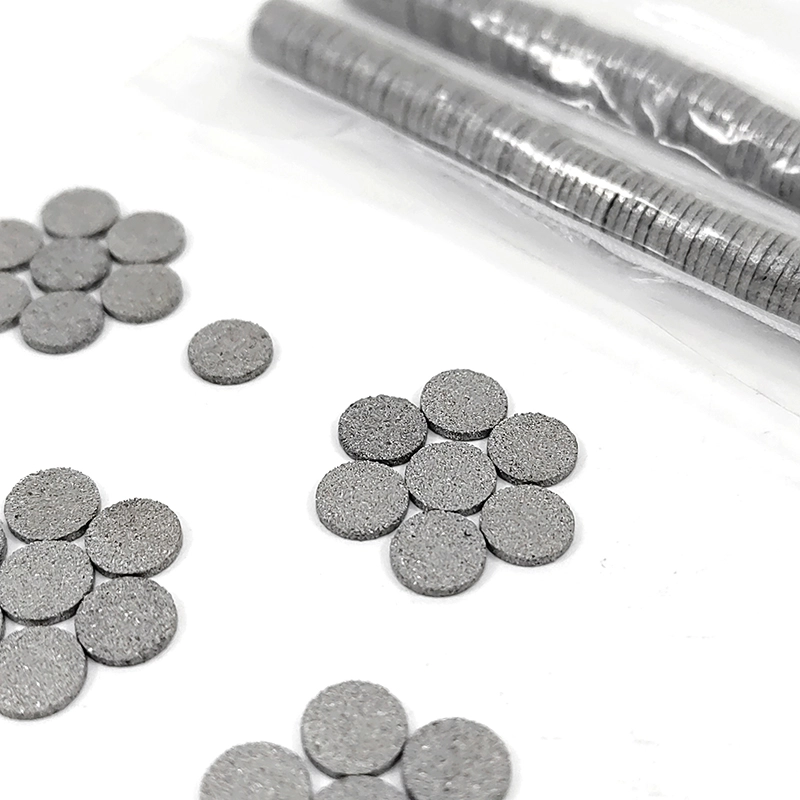
What is a Sintered Metal Filter Disc? A Comprehensive Guide
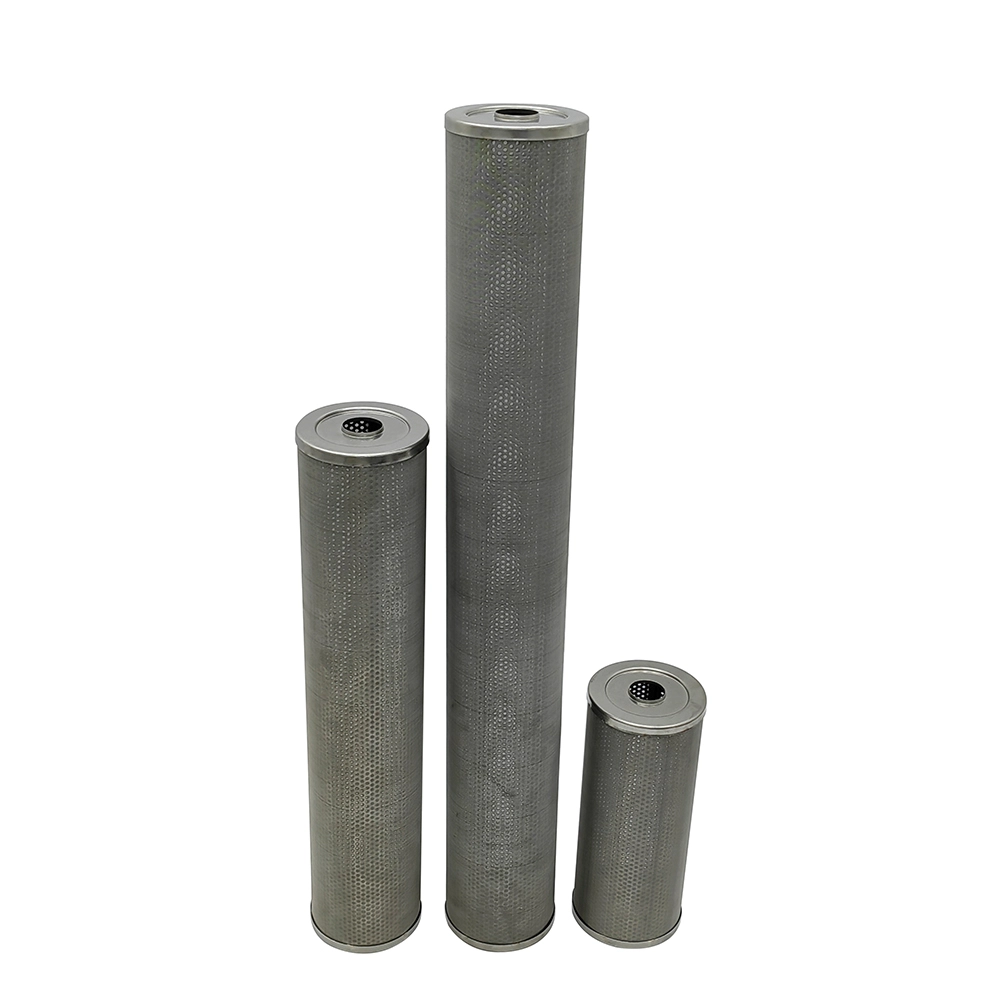
What Are Sintered Metal Filters and How Do They Work?
Sintered Metal Filters
Can sintered metal filters be customized for specific applications?
Yes, sintered metal filters can be customized based on shape, size, material, filtration accuracy, and other specifications to meet the unique requirements of different applications.
For customization
Can you produce according to the samples or drawings?
Yes, we can produce your samples or technical drawings. We can build the molds and fixtures.
Do you supply OEM/ODM service?
Certainly, we have the capability to customize filter housing and filter elements according to your specific application. Our customization process adheres completely to your provided drawings, requirements, logo, and any other specifications you may have.
Sintered Powder Filters
Can sintered powder filters be customized for specific applications?
Yes, sintered powder filters can be customized based on factors such as material, shape, pore size, micron rating, and filtration requirements to suit the unique needs of different applications.
Porous Plastic Filter
How do I clean and maintain sintered porous filter discs?
Cleaning methods depend on the material used. For metal discs, methods may include backwashing, ultrasonic cleaning, or chemical cleaning. Polyethylene discs are often cleaned with mild detergents. Regular maintenance ensures a prolonged operational life.
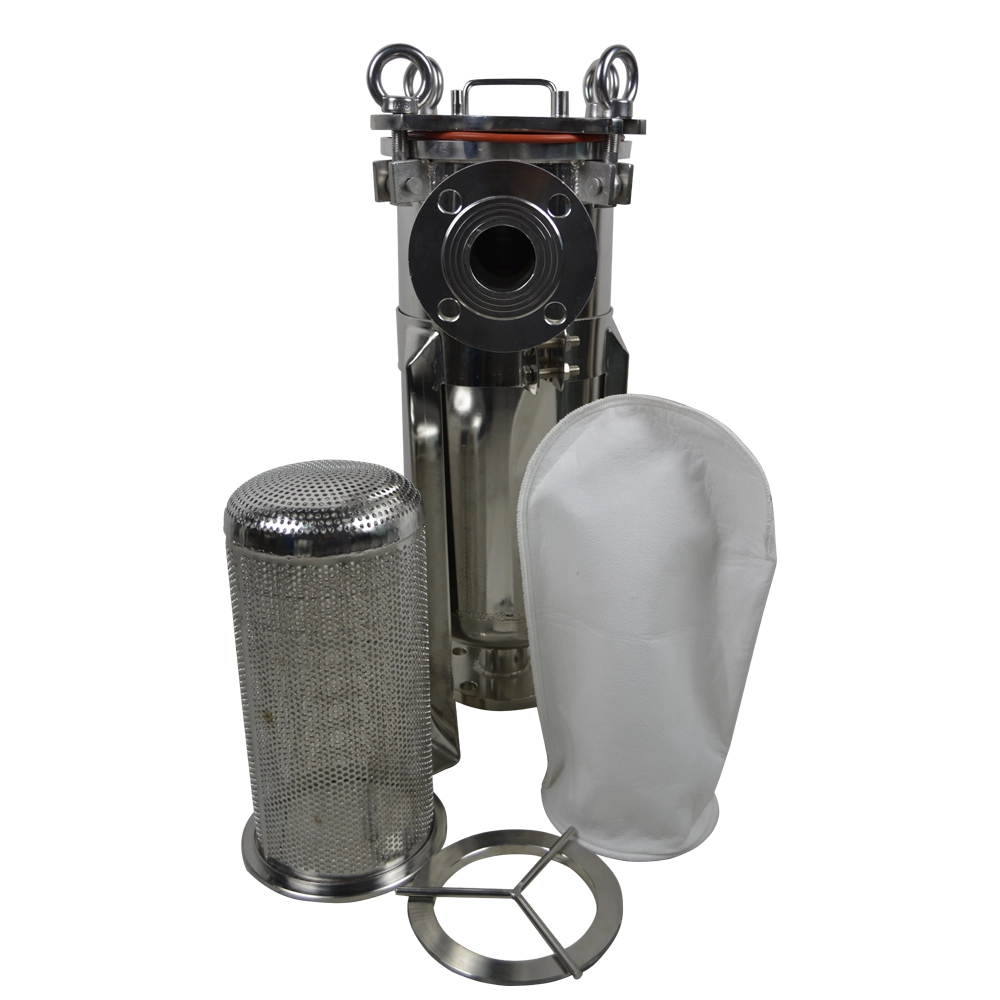
Bag filter housing
Bag filter housings are essential components in industrial filtration systems, designed to remove contaminants from liquids. To enhance the functionality and efficiency of bag filter housings, various features can be incorporated.
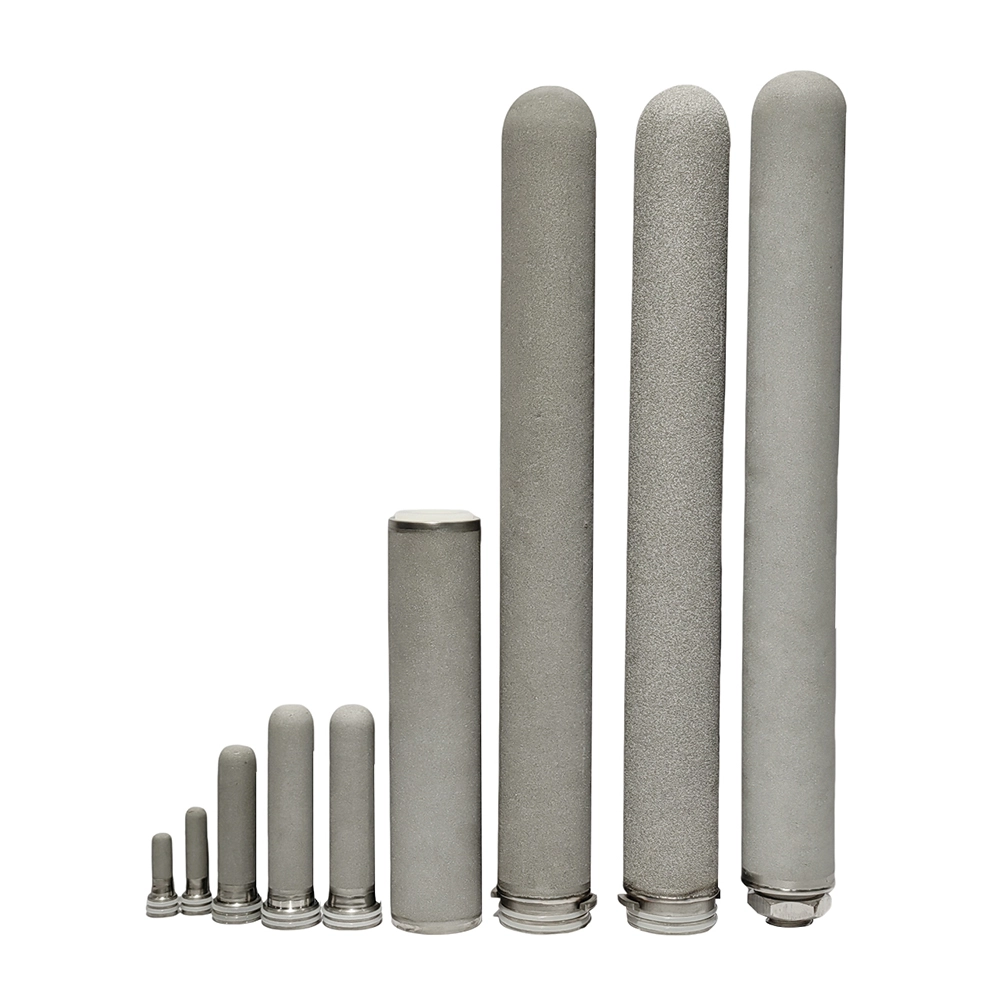
Sintered powder metal filters
Sintered powder metal filters are crafted from compressed and sintered metal powders, forming a porous structure. Porosity: 28%-50% Permeability: 0.02-20L/cm²minPa Pressure Resistance: 0.5Mpa Temperature Resistance: Less than 280℃
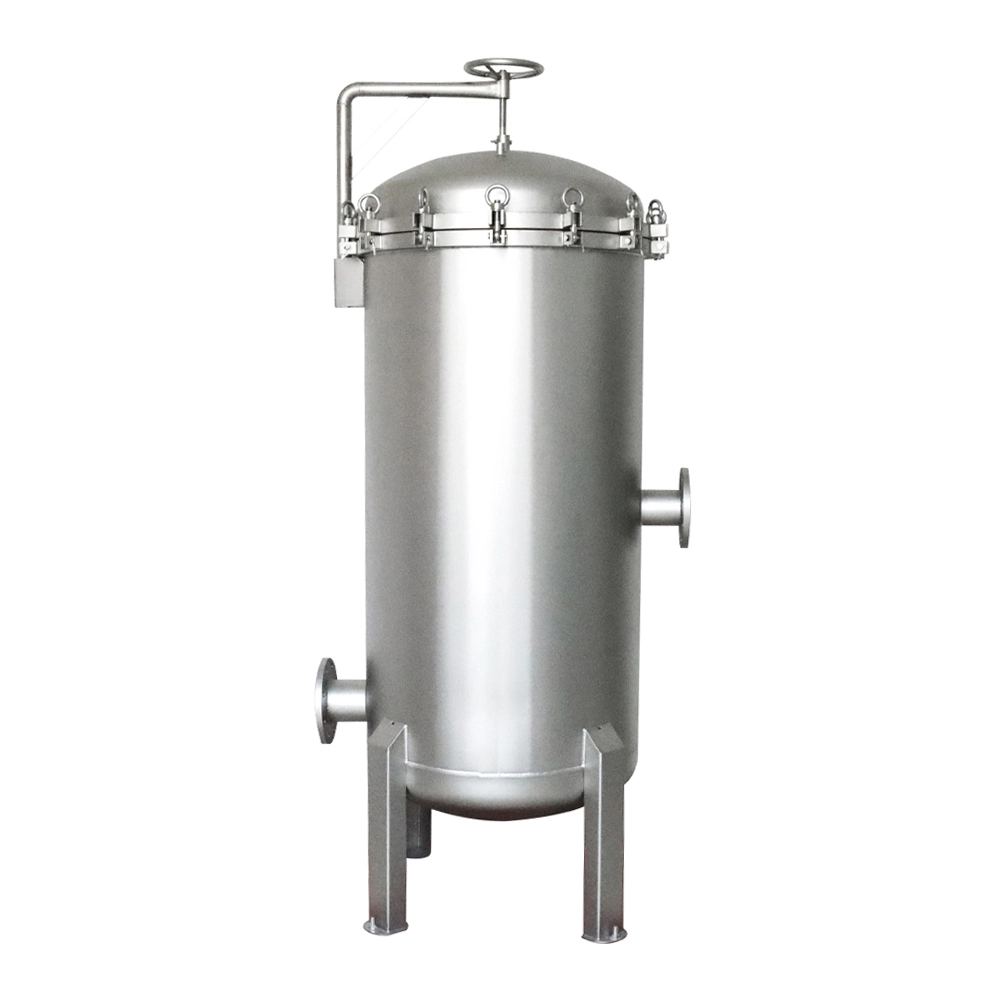
Stainless steel multi cartridge filter housing
Discover unparalleled filtration efficiency with our Stainless Steel Multi Cartridge Filter Housing – a testament to precision engineering and reliability.
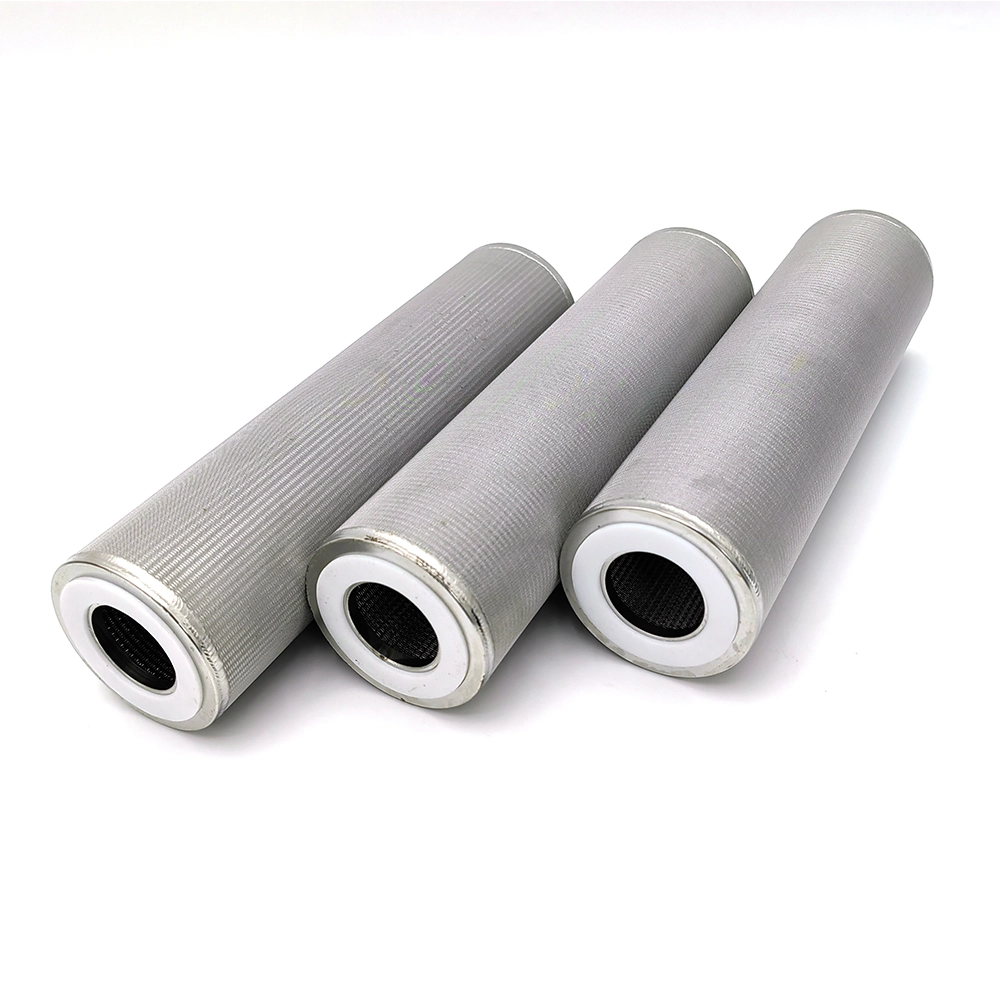
Sintered wire mesh filter
Benefit from outstanding high-pressure resistance and consistent filtration efficiency with our sintered metal mesh. Our sintered wire mesh finds versatile applications in diffuser screens, centrifuges, breather vents, fluidized beds, chromatography, polymer processing, petrochemical industries, hydraulic filters, and more.
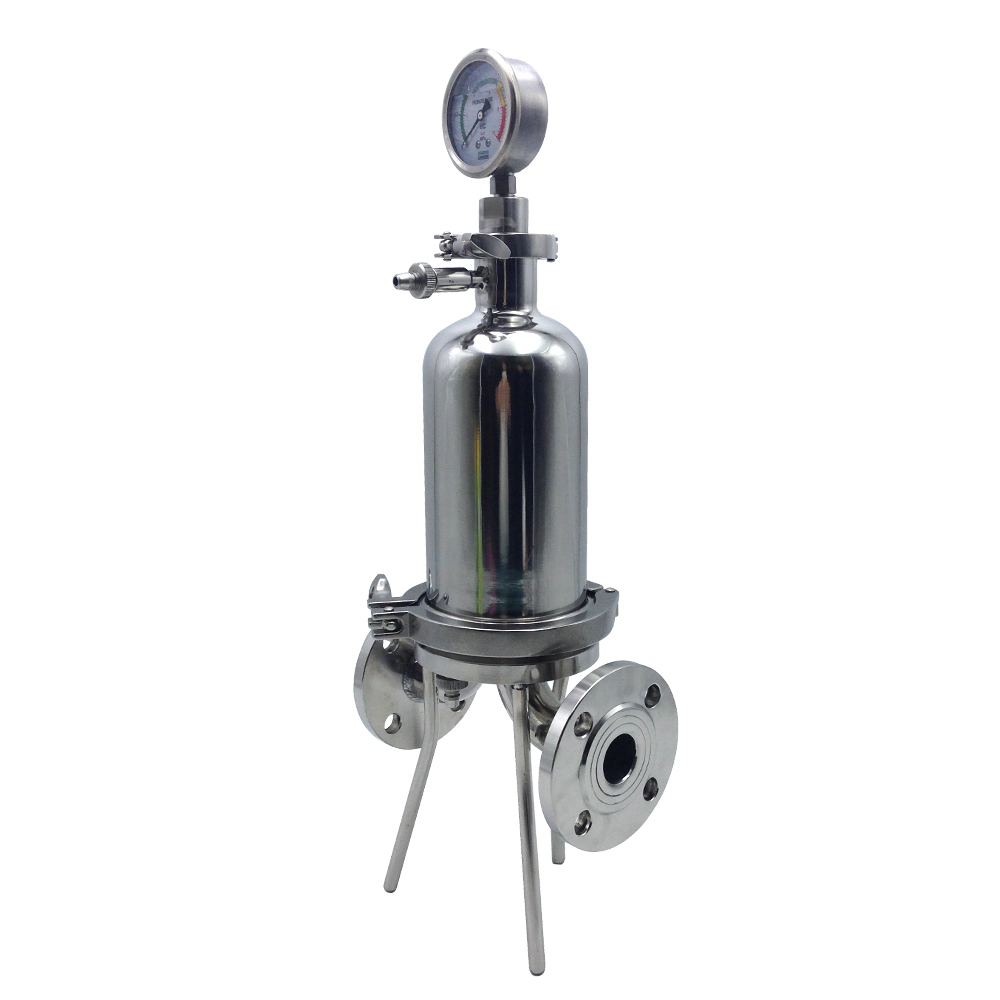
Sanitary filter housing
This filter housing will allow you to filter large volumes of nanoemulsion with ease. Sanitary vent and drain valves permit easy venting, draining, sampling, or integrity testing operations. The new cartridge locking design features additional cut-outs for traditional half-moon portions of the Code 7 bayonet locks, enhancing clean ability and drain ability.
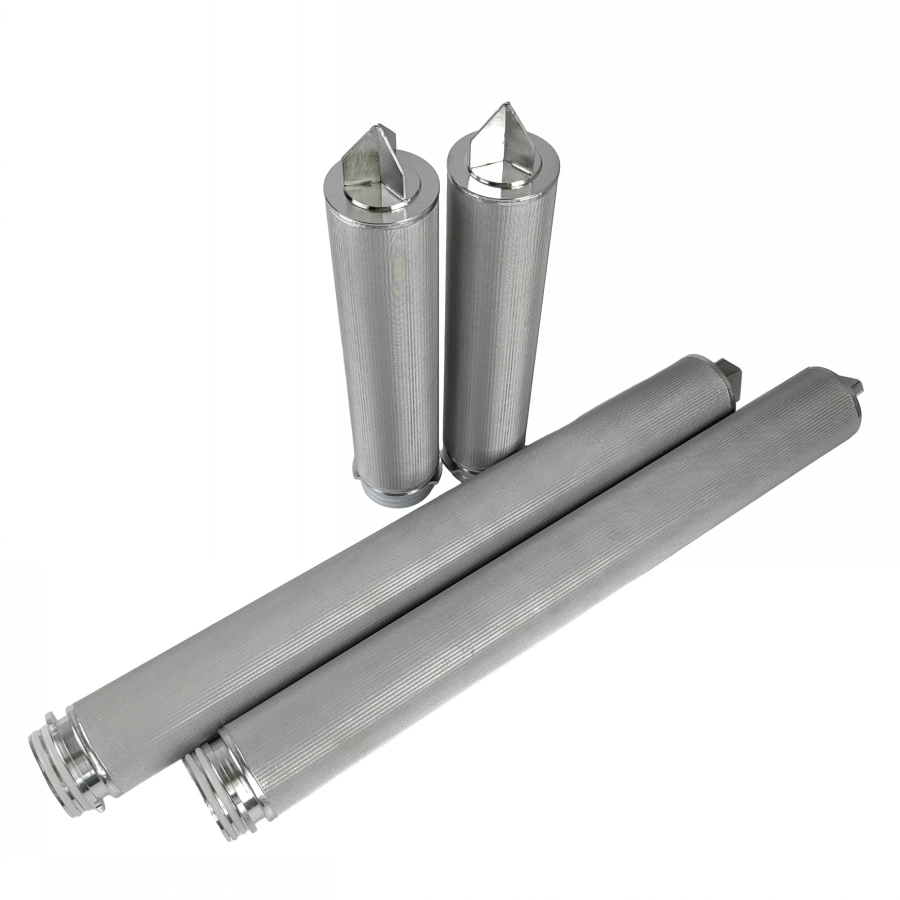
stainless steel filter water
Our sintered stainless steel filter stands as a pivotal filtration element crafted through a meticulous sintering process, with stainless steel serving as the core material.
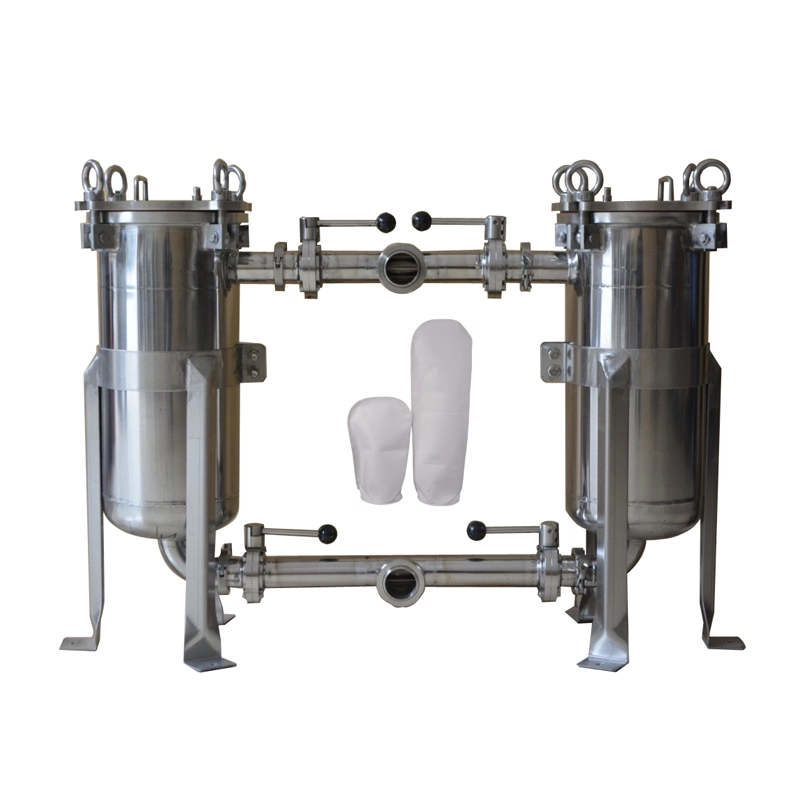
Stainless Steel Duplex filter housing
As the manufacturer, we offer a comprehensive range of Duplex Filter Housings designed to provide efficient and reliable filtration solutions for various industrial applications.
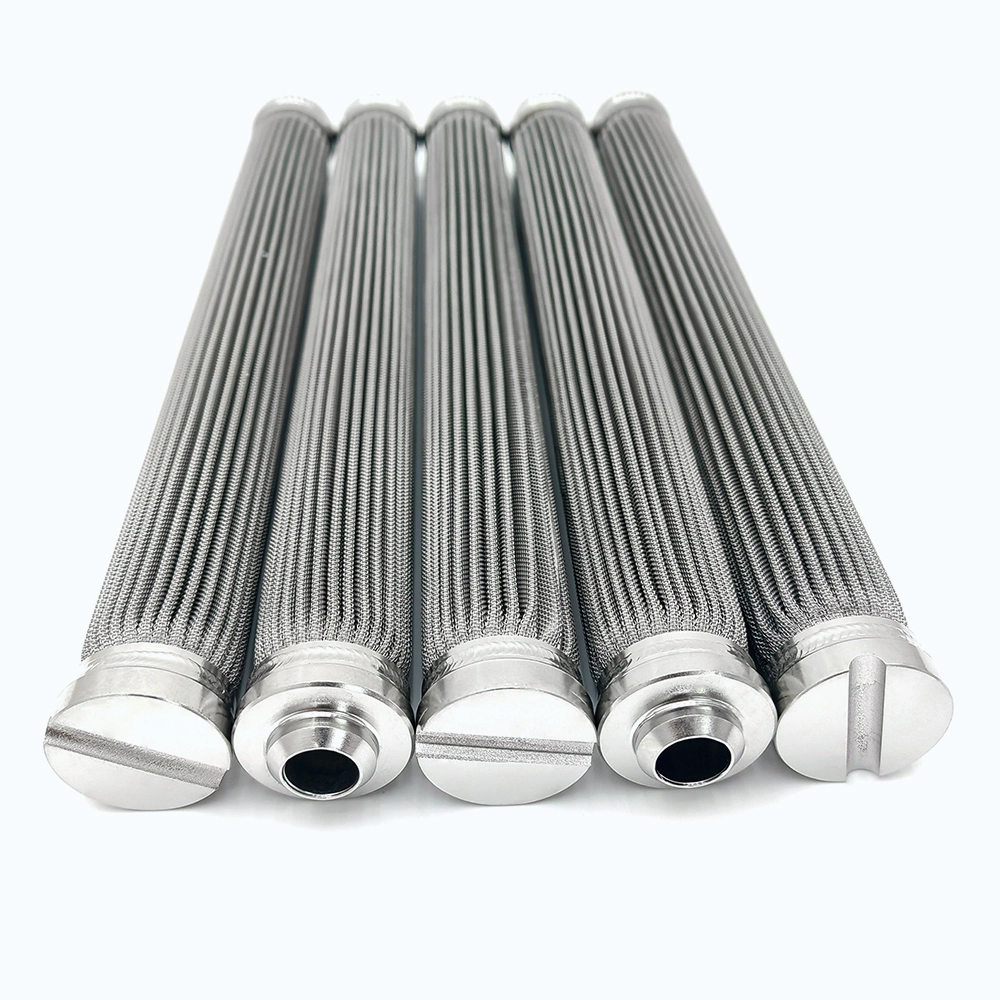
Stainless steel pleated filter cartridge
Our Stainless Steel Pleat Filter Cartridge constructed from high-quality SS 304 or SS 316L material, this filter exhibits exceptional resistance to high temperatures and rust.
© 2024 All Rights Reserved. | Privacy policy • Terms and conditions


