
how to change oil filter adapter gasket
This guide shows professionals how to easily change an oil filter adapter gasket. Learn how to properly prepare, remove the old gasket, install a new one, and check for leaks, preventing costly engine damage. Follow this step-by-step guide for a successful replacement. Remember to always consult your vehicle's repair manual.
How to Change an Oil Filter Adapter Gasket: A Step-by-Step Guide
Replacing an oil filter adapter gasket might seem like a small task, but a faulty gasket can lead to significant oil leaks, engine damage, and costly repairs. This guide provides a clear, concise approach to replacing your oil filter adapter gasket efficiently and effectively. We'll cover the process, necessary tools, and important precautions.
Preparing for the Replacement
Before beginning, ensure you have the correct replacement gasket for your specific oil filter adapter. Cross-referencing your vehicle's specifications is crucial. Gather the necessary tools: a socket wrench (the correct size for your oil filter adapter), a drain pan, rags, gloves, and of course, the new oil filter adapter gasket. Consult your vehicle's repair manual for precise torque specifications.
Removing the Old Gasket
Carefully drain the engine oil completely. Once drained, use the appropriate socket wrench to remove the oil filter adapter. Inspect the old gasket for any damage or wear. This will help determine the cause of the leak and highlight potential issues with the adapter itself. Note the orientation of the gasket before removing it – this will help with correct installation of the new one. Clean the mating surfaces of both the oil filter adapter and the engine block thoroughly using a clean rag. Removing any residual oil or gasket material is critical to ensure a proper seal.
Installing the New Gasket
Carefully place the new oil filter adapter gasket onto the oil filter adapter, ensuring it's seated correctly. The gasket should sit evenly, preventing any potential leaks. Then, carefully install the oil filter adapter back onto the engine block. Tighten the adapter using your socket wrench according to the manufacturer’s torque specifications found in your vehicle’s repair manual. Over-tightening can damage the adapter or gasket, leading to future problems.
Post-Installation Check
Once the oil filter adapter is tightened correctly, re-fill the engine with the correct type and amount of oil. Check for leaks around the adapter. Start the engine and let it run for a few minutes, carefully checking for any signs of oil leakage. If a leak is present, gently retighten the adapter (within the recommended torque specifications) and check again.
Important Note: If you encounter difficulty during any step, or are unsure about any procedure, consult a qualified mechanic. Incorrect installation can result in serious engine damage.
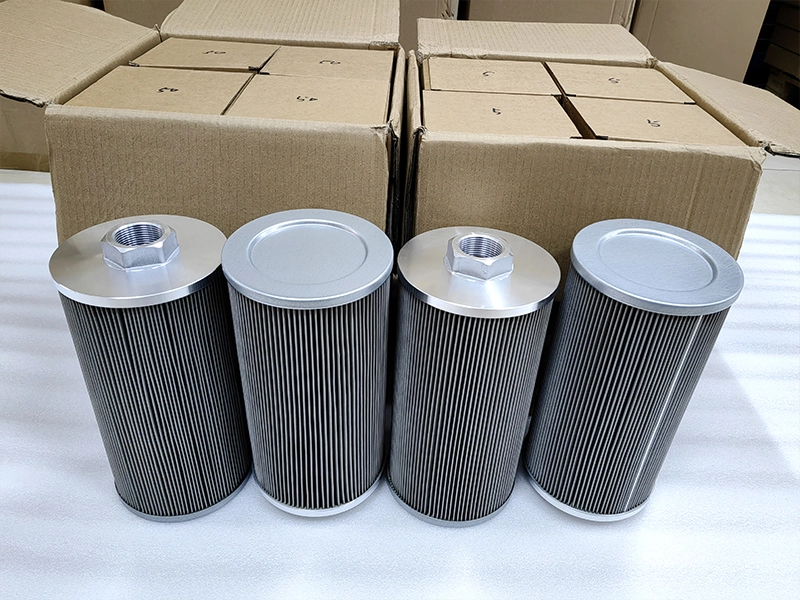
What is Sintered Metal Filter? Complete Guide
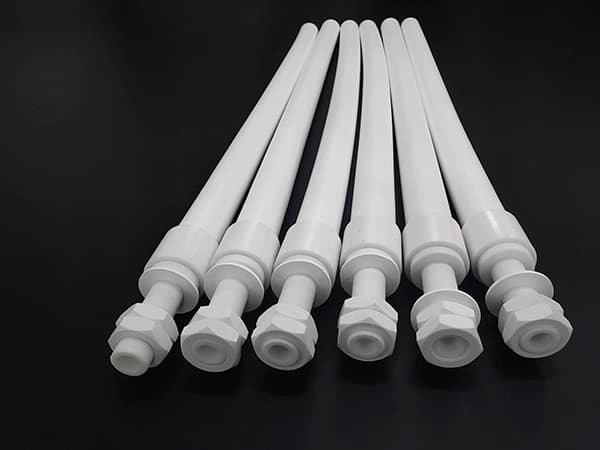
Sintered PTFE Filters: Advanced Filtration for Demanding Environments
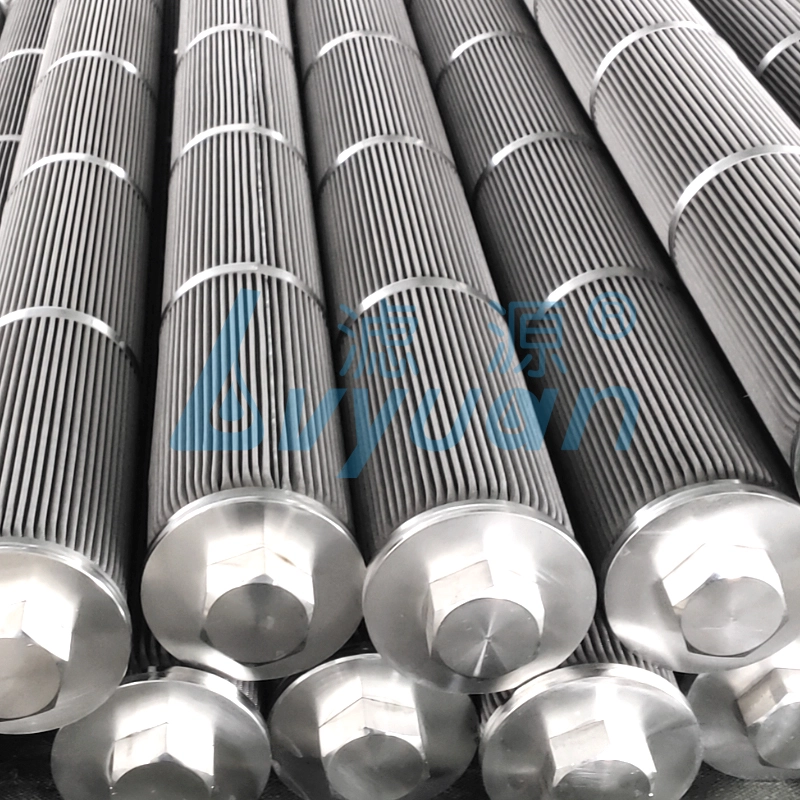
Metal Sintered Filters: Precision Filtering to Drive Industrial Upgrading
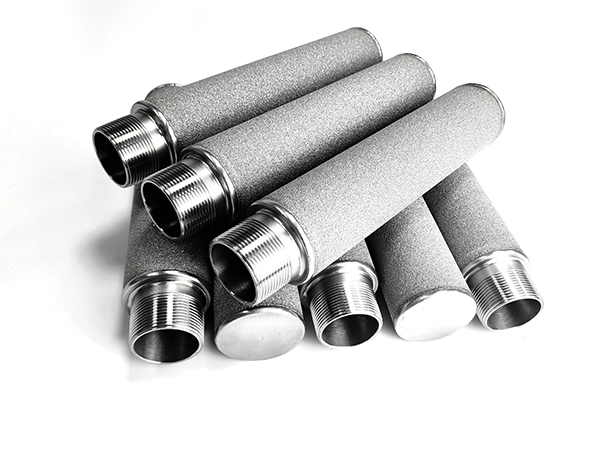
Choosing Sintered Filters: An Overview for Industrial Applications
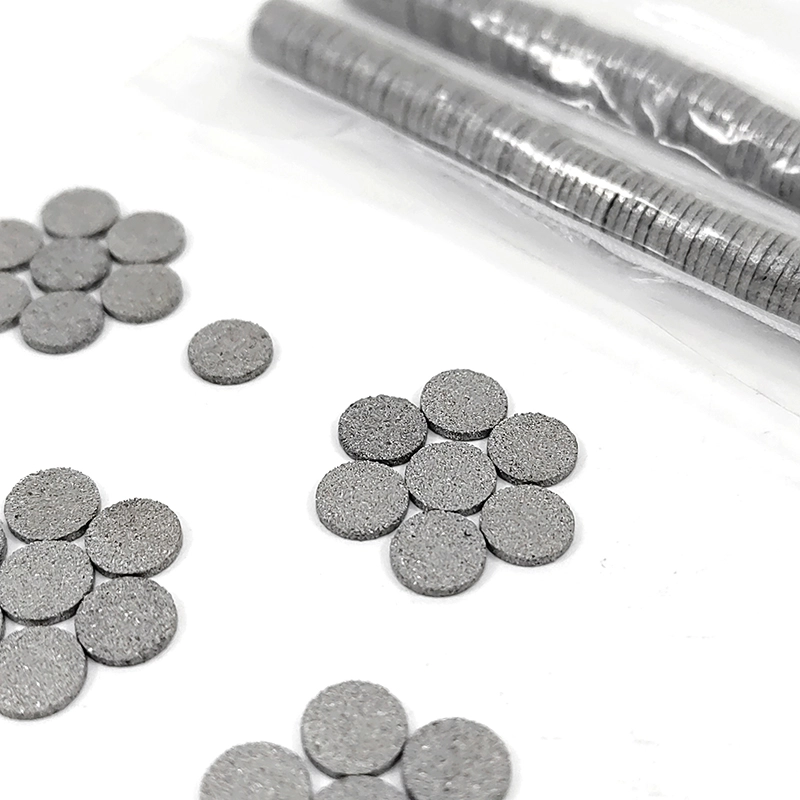
What is a Sintered Metal Filter Disc? A Comprehensive Guide
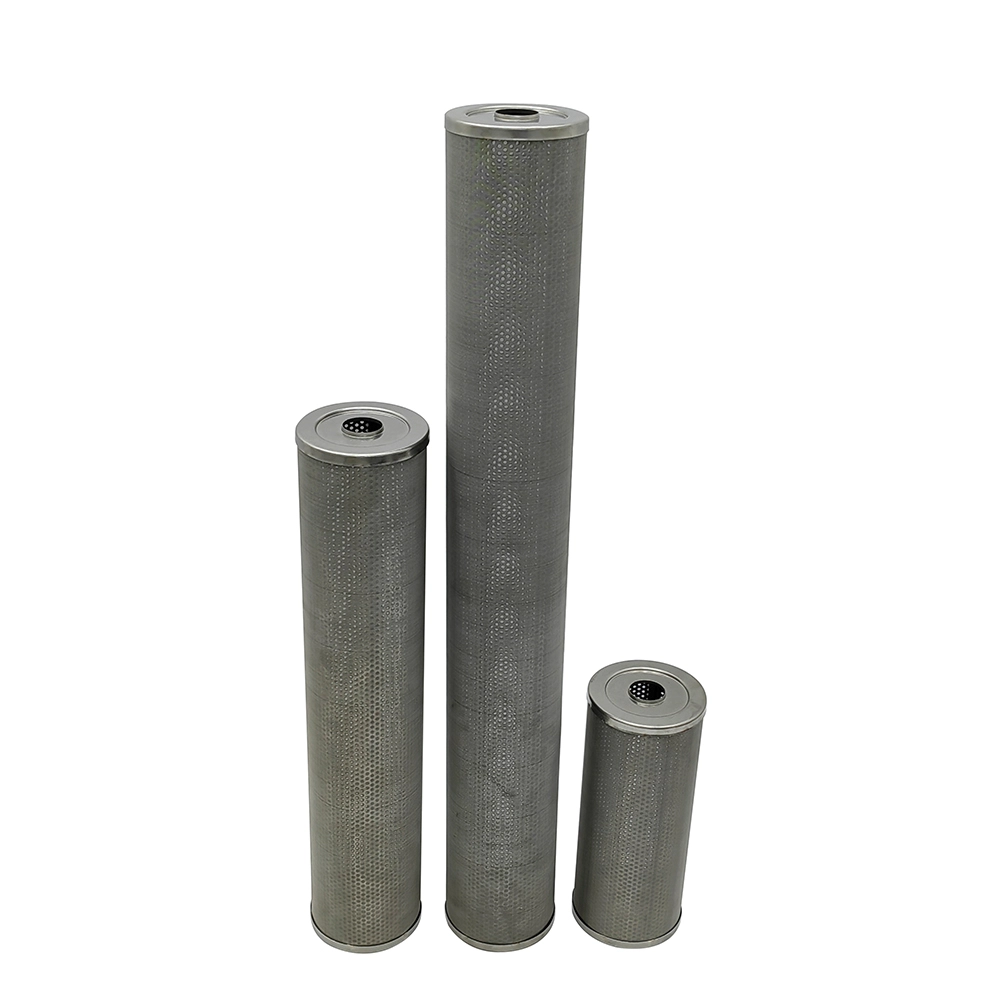
What Are Sintered Metal Filters and How Do They Work?
Porous Plastic Filter
How are sintered plastic porous filters manufactured?
Sintered plastic porous filters are manufactured through a process of molding, sintering, and machining. This involves compacting the polymer particles into a desired shape, heating them to a specific temperature to fuse the particles together, and then machining the filter to achieve the desired dimensions and surface finish.
What is Porosity in Filtration?
Porosity, in the context of filtration, measures the pores on the filter surface, determining its efficiency and capabilities. Higher porosity indicates more open structures (pores), allowing maximum flow with minimal pressure drops.
However, it's crucial to note that a higher porosity rate doesn't necessarily guarantee greater efficiency. When selecting the right material for your porous metal filter, consider aspects such as pore size, pressure drop, temperature resistance, and strength.
• Size of Pores: Micron rating is crucial. A material rated at 5 microns will likely stop particles of 5 microns or larger.
• Pressure Drop: Choose a material with a minimum pressure drop for uniform flow.
• Temperature Resistance: Analyze the material's capability to perform efficiently under specific temperatures.
• Strength: Opt for a filter with the strength to withstand changing environmental conditions.
Sintered Titanium Filters
How Do Sintered Titanium Filters Work?
Sintered titanium filters function by allowing fluid or gas to pass through their porous structure, capturing particles and impurities, resulting in effective filtration.
Sintered mesh filters
What advantages do sintered mesh filters offer over other filtration methods?
Sintered mesh filters provide advantages such as high filtration efficiency, strength, durability, and the ability to withstand challenging conditions. They offer a reliable and long-lasting solution for diverse filtration needs.
Sintered Metal Filter
In which industries are industrial sintered metal filter cartridges commonly used?
These cartridges find applications in petrochemicals, pharmaceuticals, water treatment, food processing, automotive, aerospace, and many other industries where precise and reliable filtration is essential.
What is the temperature range that industrial sintered metal filter cartridges can handle?
The temperature range varies based on the material used, but they can typically withstand temperatures from -200°C to 1000°C or even higher for certain alloys.
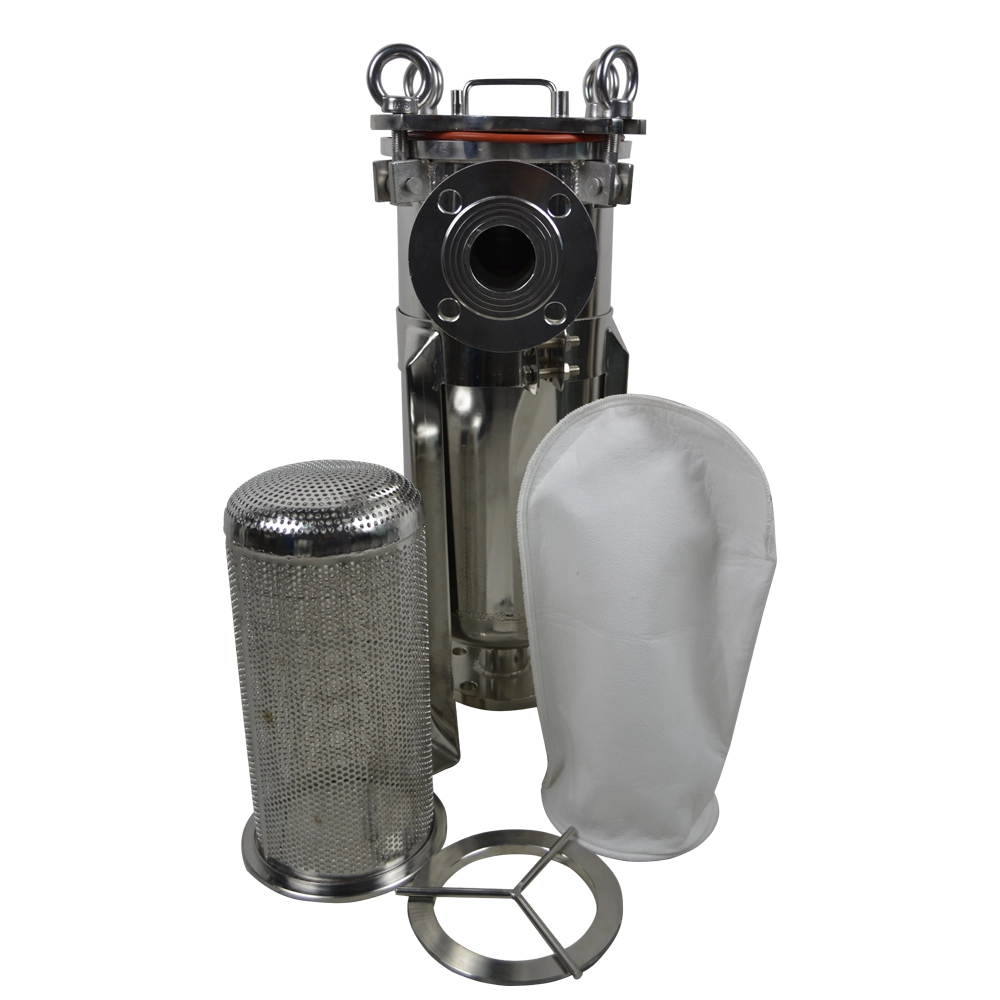
Bag filter housing
Bag filter housings are essential components in industrial filtration systems, designed to remove contaminants from liquids. To enhance the functionality and efficiency of bag filter housings, various features can be incorporated.
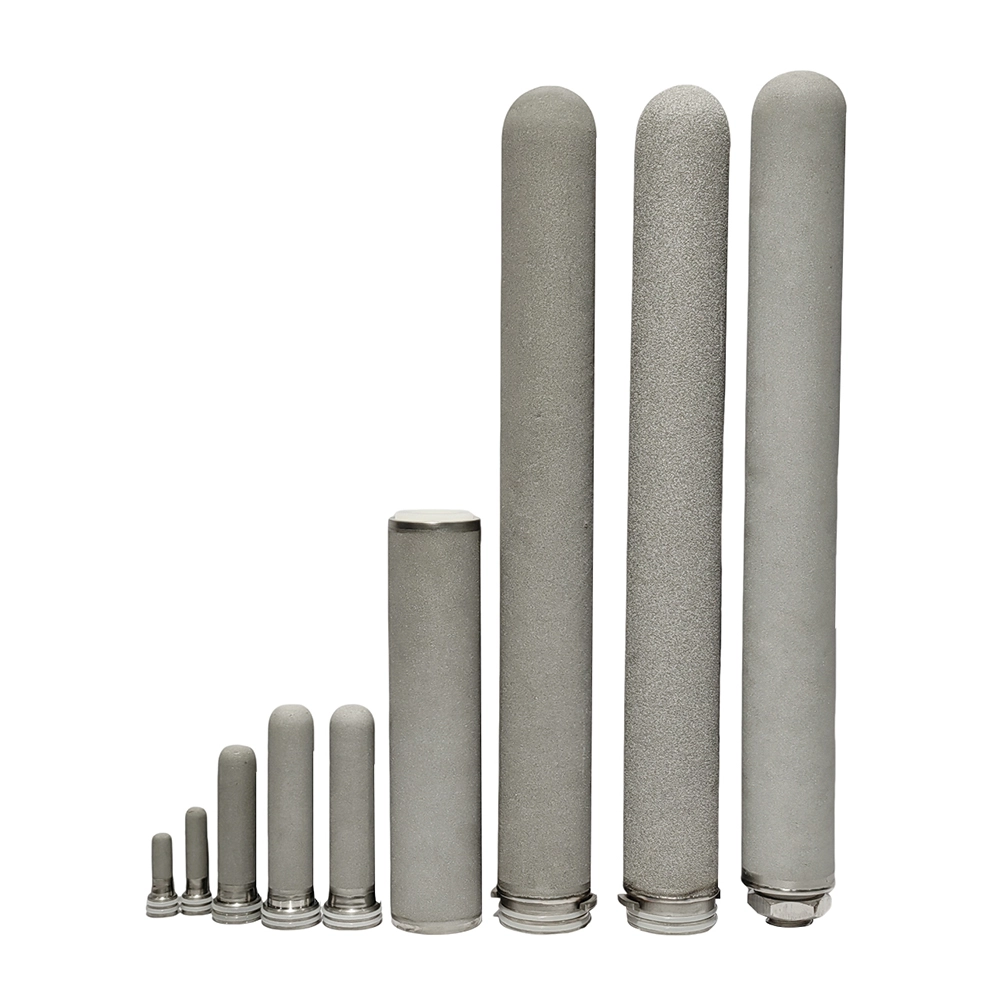
Sintered powder metal filters
Sintered powder metal filters are crafted from compressed and sintered metal powders, forming a porous structure. Porosity: 28%-50% Permeability: 0.02-20L/cm²minPa Pressure Resistance: 0.5Mpa Temperature Resistance: Less than 280℃
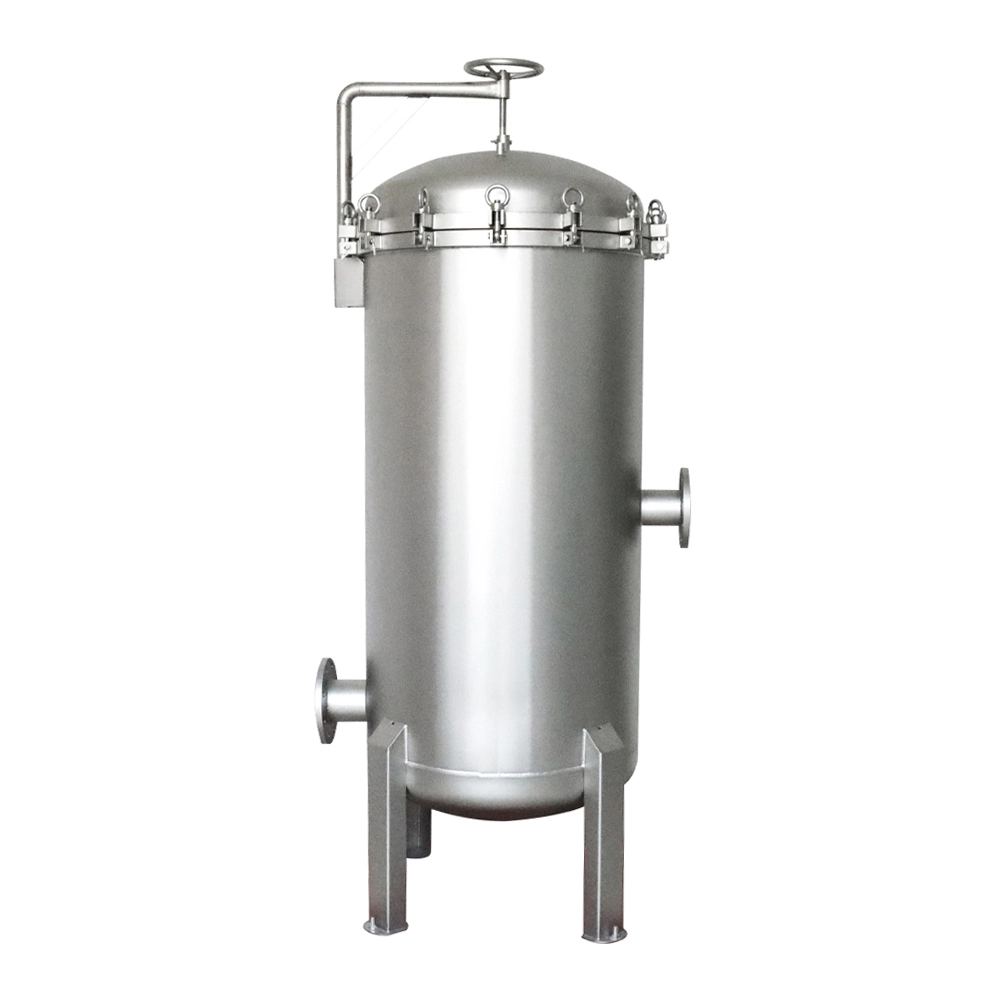
Stainless steel multi cartridge filter housing
Discover unparalleled filtration efficiency with our Stainless Steel Multi Cartridge Filter Housing – a testament to precision engineering and reliability.
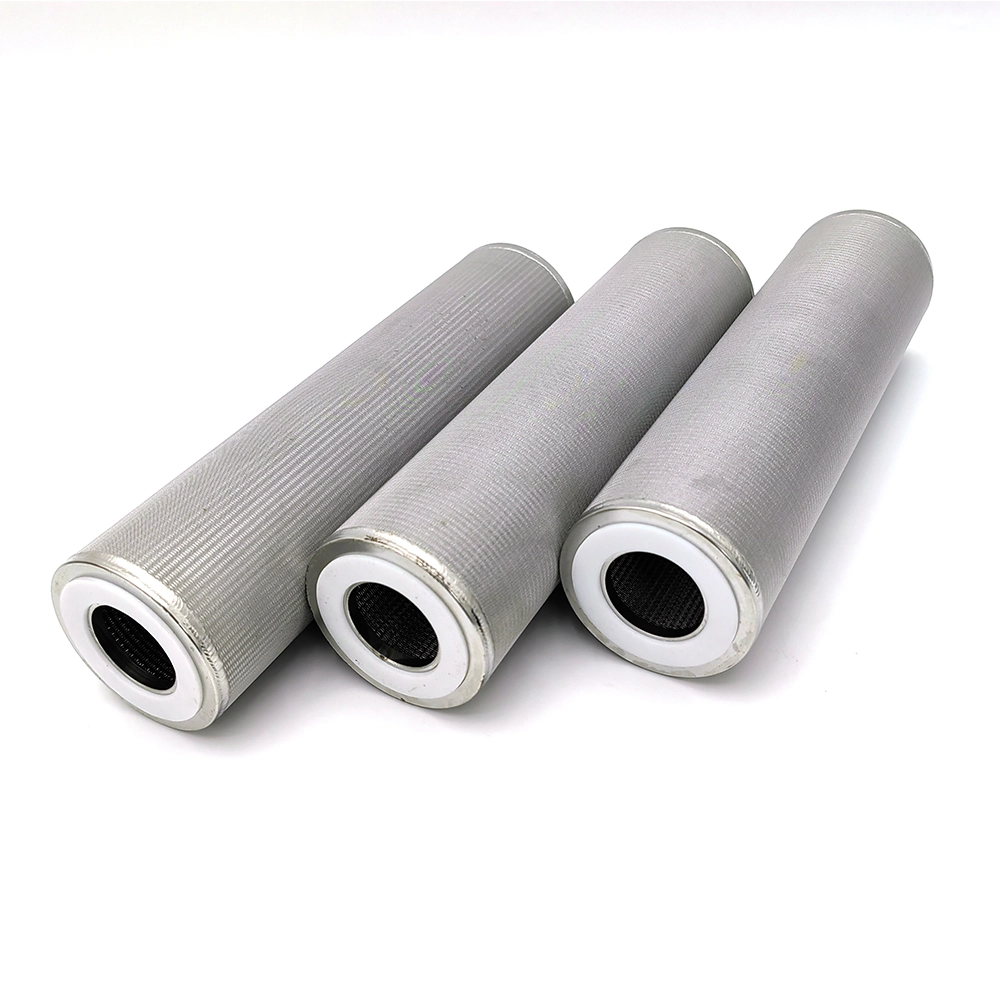
Sintered wire mesh filter
Benefit from outstanding high-pressure resistance and consistent filtration efficiency with our sintered metal mesh. Our sintered wire mesh finds versatile applications in diffuser screens, centrifuges, breather vents, fluidized beds, chromatography, polymer processing, petrochemical industries, hydraulic filters, and more.
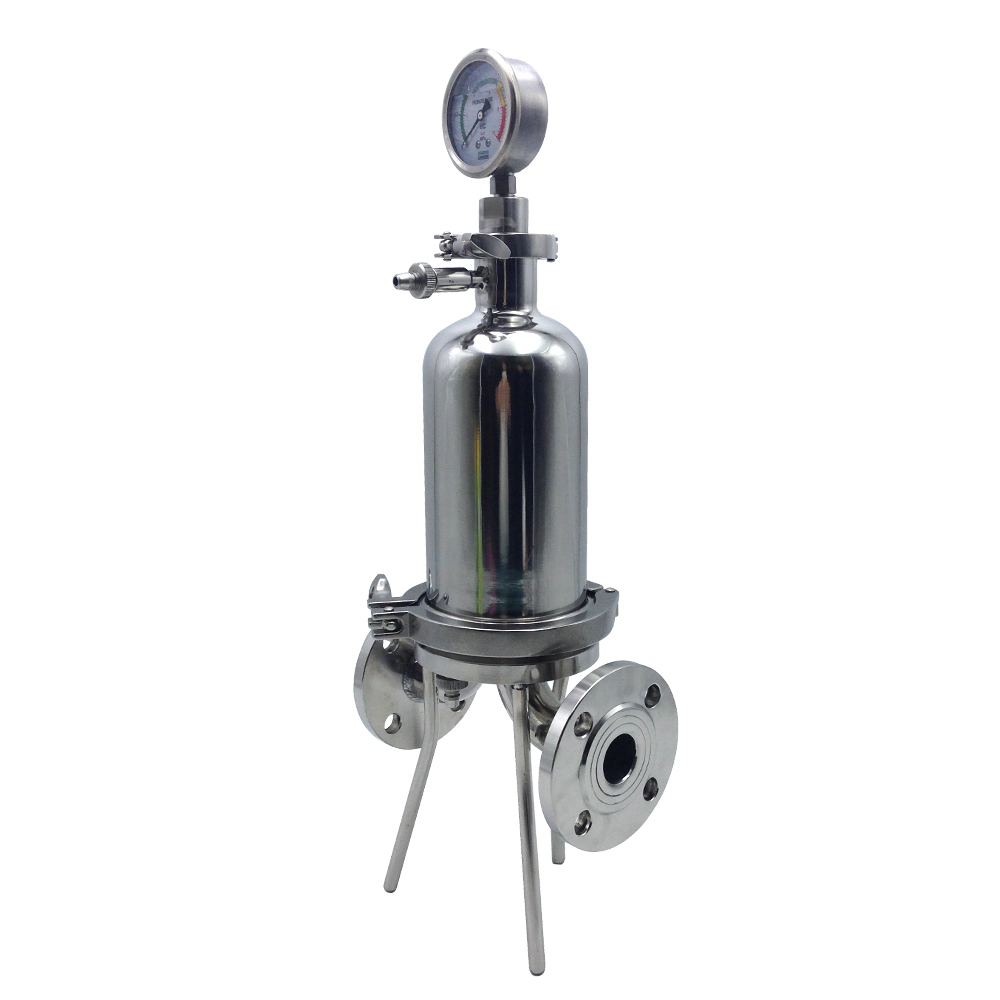
Sanitary filter housing
This filter housing will allow you to filter large volumes of nanoemulsion with ease. Sanitary vent and drain valves permit easy venting, draining, sampling, or integrity testing operations. The new cartridge locking design features additional cut-outs for traditional half-moon portions of the Code 7 bayonet locks, enhancing clean ability and drain ability.
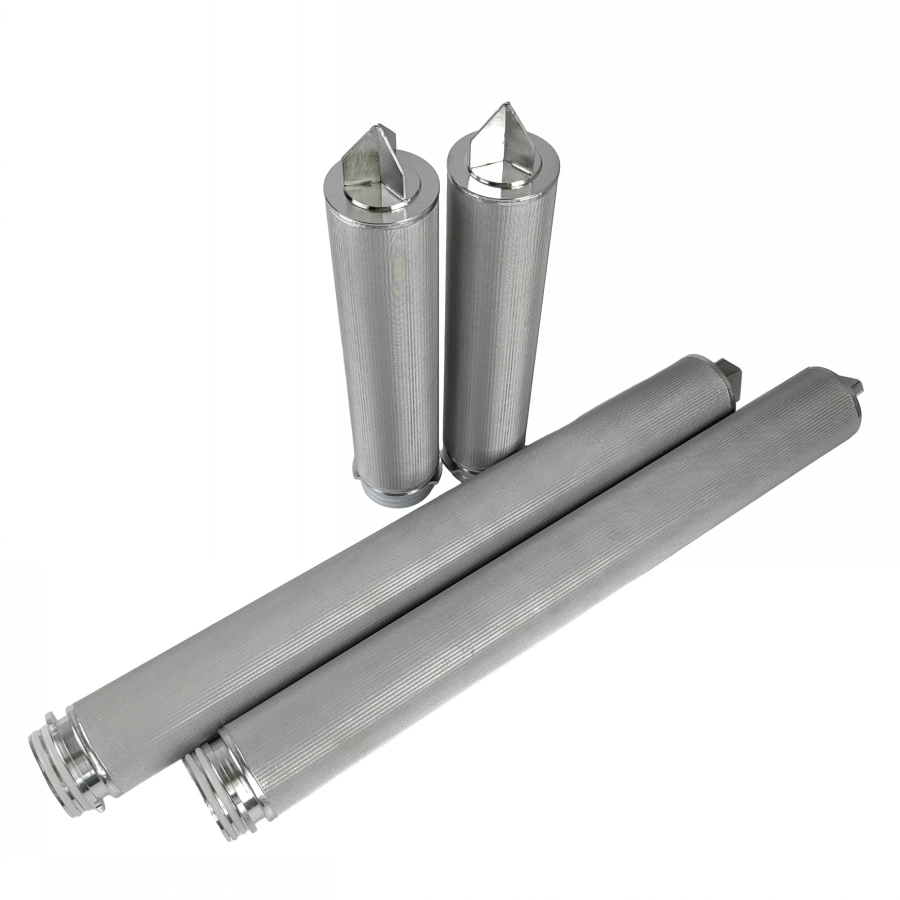
stainless steel filter water
Our sintered stainless steel filter stands as a pivotal filtration element crafted through a meticulous sintering process, with stainless steel serving as the core material.
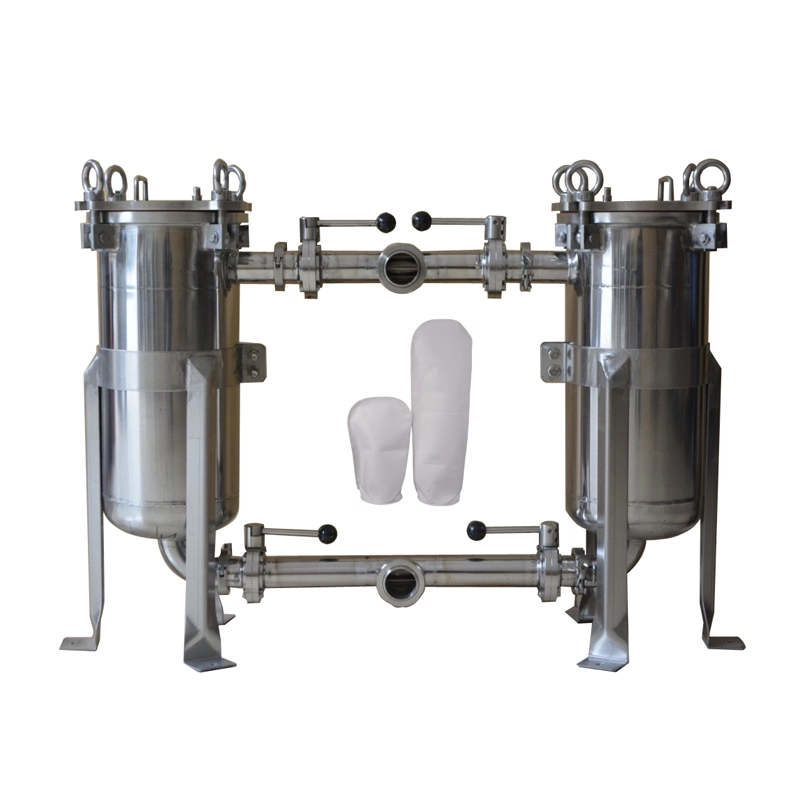
Stainless Steel Duplex filter housing
As the manufacturer, we offer a comprehensive range of Duplex Filter Housings designed to provide efficient and reliable filtration solutions for various industrial applications.
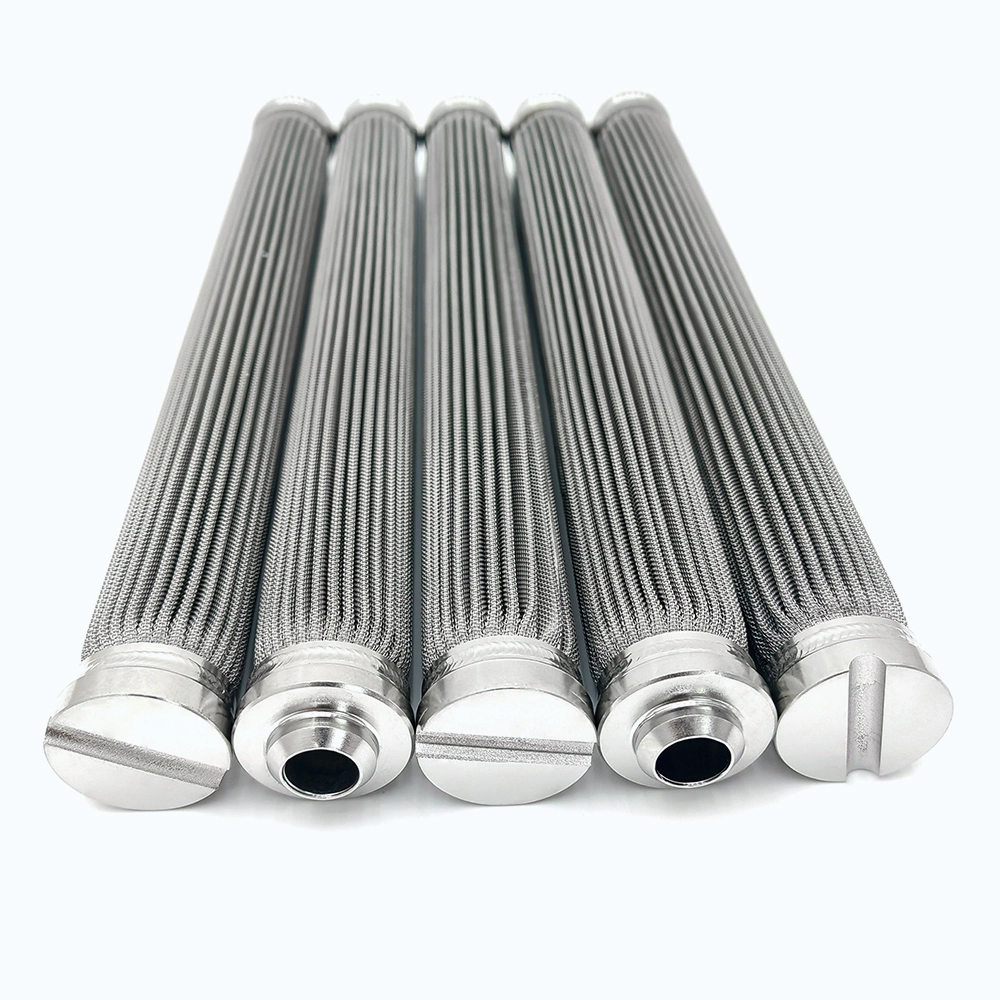
Stainless steel pleated filter cartridge
Our Stainless Steel Pleat Filter Cartridge constructed from high-quality SS 304 or SS 316L material, this filter exhibits exceptional resistance to high temperatures and rust.
© 2024 All Rights Reserved. | Privacy policy • Terms and conditions


