
what is a sintered bronze filter
Sintered bronze filters are porous metal components made by compacting and sintering bronze powder. They offer high temperature and corrosion resistance, high flow rates, and precise pore size control. Applications include fluid and gas filtration across various industries like chemical processing, pharmaceuticals, and aerospace. Choose us for high-quality sintered bronze filters.
What is a Sintered Bronze Filter?
Choosing the right filtration solution can be challenging. This article clarifies the properties and applications of sintered bronze filters, helping you determine if they're the right fit for your needs. We'll explore their manufacturing, benefits, and common uses.
Manufacturing Process of Sintered Bronze Filters
Sintered bronze filters are porous metal components created through powder metallurgy. Bronze powder (typically a copper-tin alloy) is compacted under high pressure into the desired shape. This compacted preform is then sintered – heated to a high temperature in a controlled atmosphere – causing the bronze particles to bond, forming a rigid, porous structure. The resulting porosity determines the filter's performance characteristics.
Properties and Benefits of Sintered Bronze Filters
Sintered bronze filters offer several key advantages:
High Temperature Resistance: They can withstand high temperatures, making them suitable for demanding applications.
Corrosion Resistance: Bronze's inherent corrosion resistance ensures longevity in various environments.
High Flow Rates: Their porous structure allows for high flow rates, minimizing pressure drops.
High Strength and Durability: Sintered bronze filters are robust and durable, withstanding significant pressure and wear.
Precise Pore Size Control: The manufacturing process allows for precise control over pore size, ensuring consistent filtration performance.
Cleanability: Many can be cleaned and reused, reducing waste and cost.
Applications of Sintered Bronze Filters
These versatile filters find use in numerous industries and applications:
Fluid Filtration: Removing particles from hydraulic fluids, lubricating oils, and other liquids.
Gas Filtration: Cleaning gases in various industrial processes.
Chemical Processing: Filtering chemicals and solvents.
Pharmaceutical Industry: Sterile filtration of solutions and gases.
Aerospace: Filtration in aircraft systems.
Choosing the Right Sintered Bronze Filter
Selecting the appropriate sintered bronze filter requires careful consideration of several factors, including:
Required Pore Size: This dictates the size of particles that will be removed.
Flow Rate Requirements: The necessary flow rate impacts filter design and dimensions.
Operating Pressure and Temperature: These parameters must be compatible with the filter material.
Chemical Compatibility: Ensuring the filter material is compatible with the fluids or gases being filtered is crucial.
Contact us to discuss your specific requirements and find the perfect sintered bronze filter for your application.
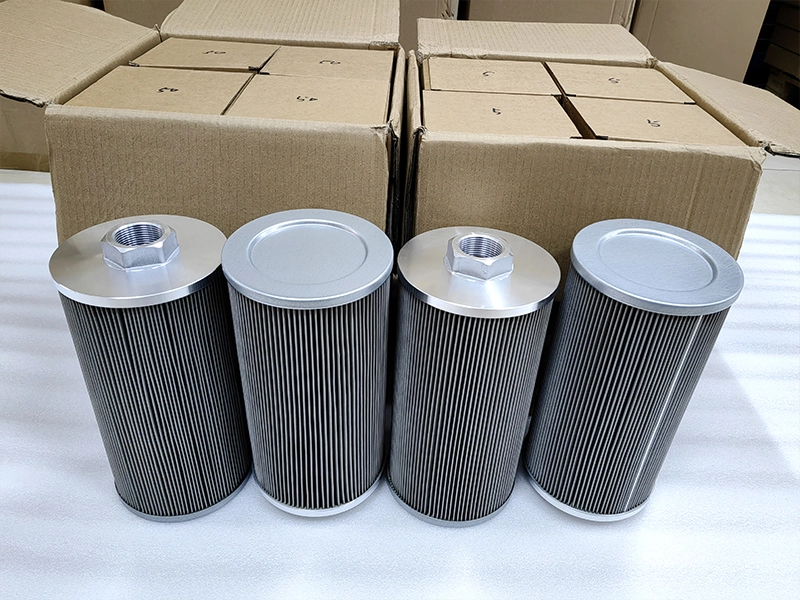
What is Sintered Metal Filter? Complete Guide
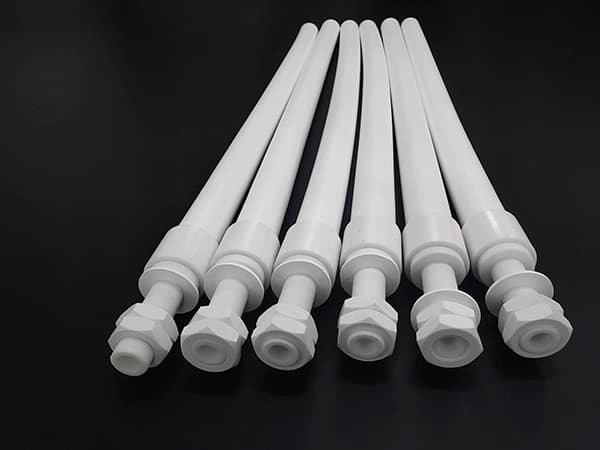
Sintered PTFE Filters: Advanced Filtration for Demanding Environments
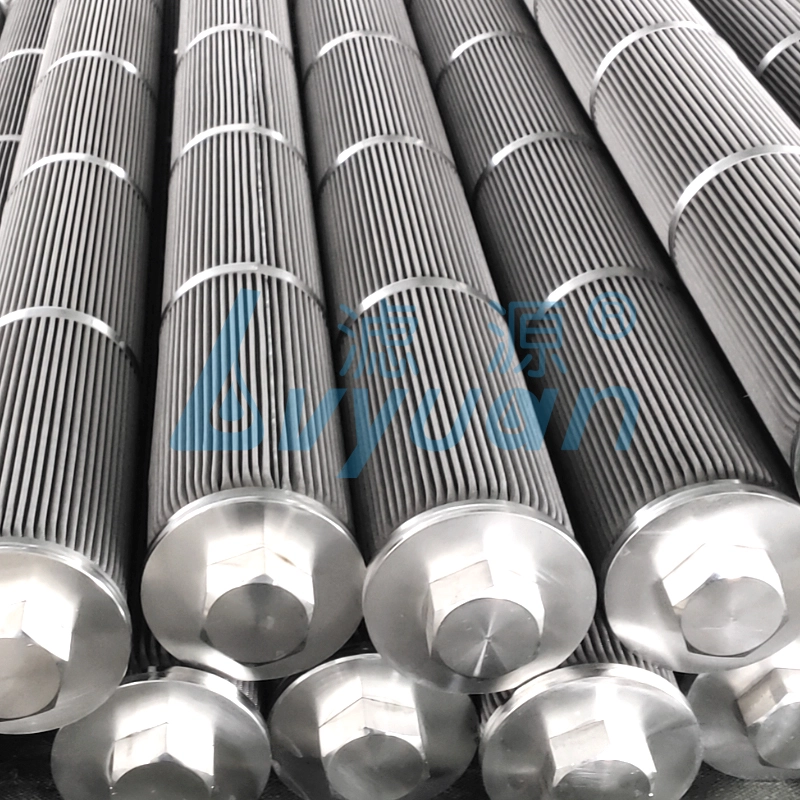
Metal Sintered Filters: Precision Filtering to Drive Industrial Upgrading
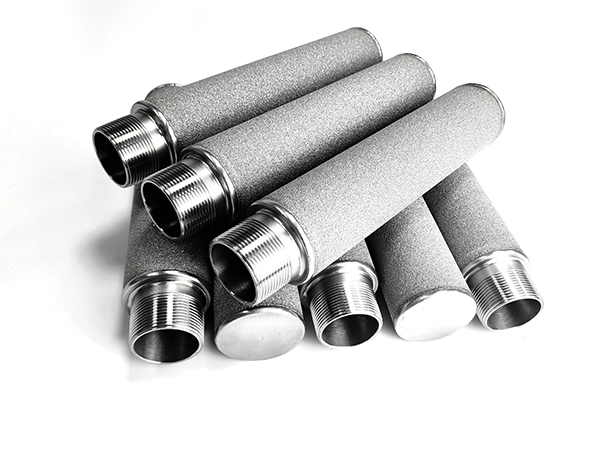
Choosing Sintered Filters: An Overview for Industrial Applications
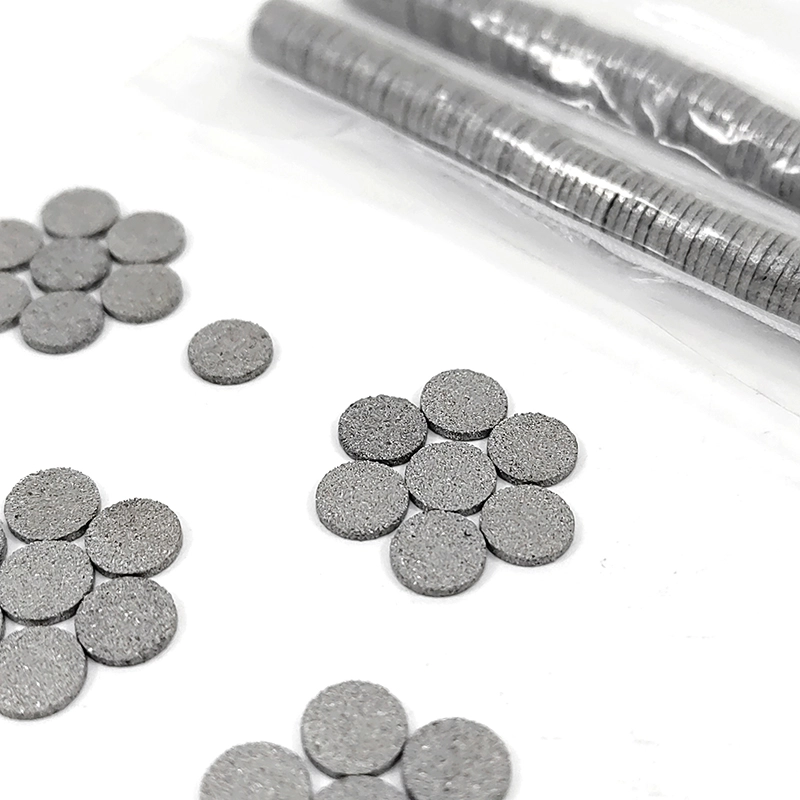
What is a Sintered Metal Filter Disc? A Comprehensive Guide
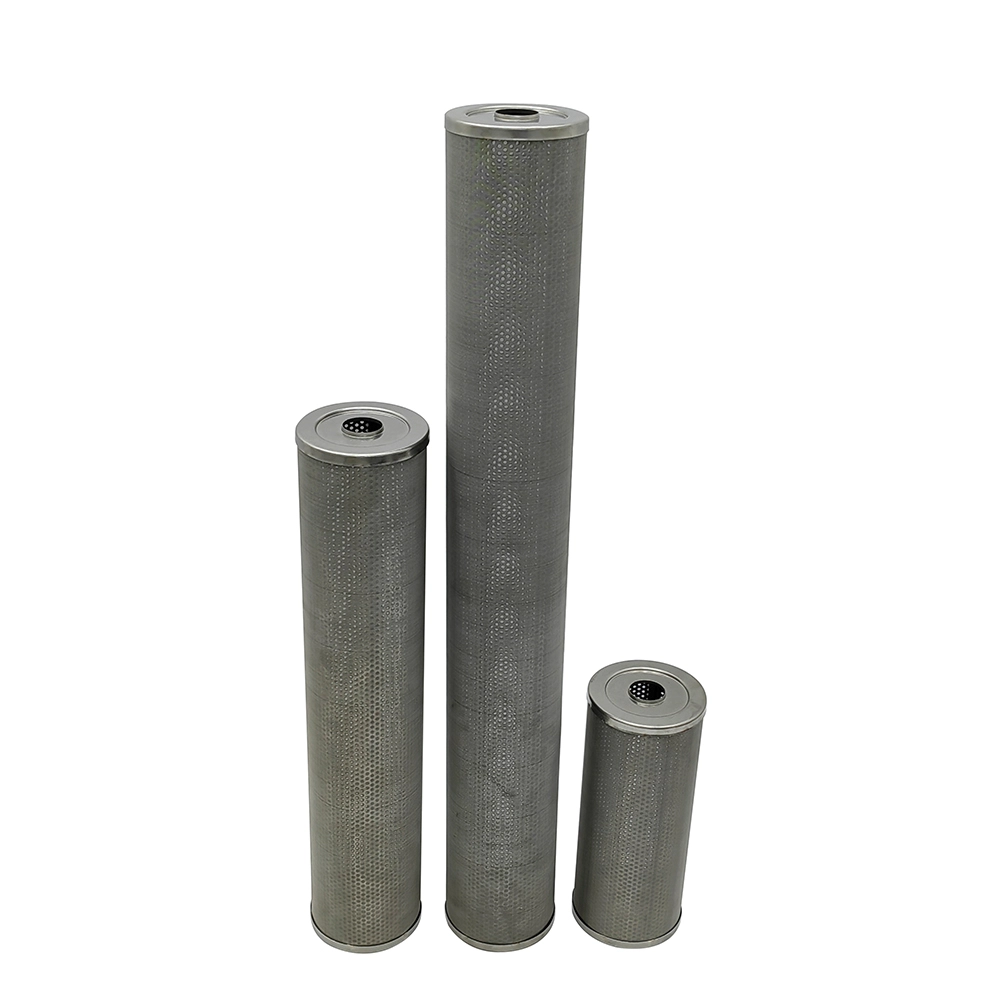
What Are Sintered Metal Filters and How Do They Work?
Sintered Metal Filter
In which industries are industrial sintered metal filter cartridges commonly used?
These cartridges find applications in petrochemicals, pharmaceuticals, water treatment, food processing, automotive, aerospace, and many other industries where precise and reliable filtration is essential.
What is the temperature range that industrial sintered metal filter cartridges can handle?
The temperature range varies based on the material used, but they can typically withstand temperatures from -200°C to 1000°C or even higher for certain alloys.
For products
Are your sintered metal filters compliant with industry standards?
Yes, our sintered metal filters conform to industry standards, and we ensure compliance with quality management systems such as ISO9001. This commitment reflects our dedication to delivering high-quality filtration solutions.
Porous Plastic Filter
How to Calculate Filter Porosity?
Filter porosity is classified into three major types: Primary Porosity, Secondary Porosity, and Effective Porosity. The calculation involves determining the ratio of the volume of gaps in the filter to the total volume, expressed as a percentage.
Porosity = (Volume of Empty Gaps/Total Volume of Filter) x 100
Other methods include:
• Direct Methods: Calculate the entire volume of the porous filter and the volume of a skeletal filter (without pores) to find the porosity.
• Computed Methods: Use modern computer technology to obtain a 3D image of a porous filter and employ defect analysis techniques.
• Water Evaporation Technique: Calculate porosity by determining the difference in weight between the saturated filter in water and the dried filter.
Metal mesh filters
What applications is sintered wire mesh suitable for?
Sintered wire mesh filter finds applications in various industries, including:
• Filtration of liquids and gases.
• Polymer and chemical processing.
• Pharmaceutical and food processing.
• Aerospace and automotive industries.
• Environmental protection and water treatment.
Stainless Steel Cartridge Filter Housing
What maintenance is required for stainless steel cartridge filter housings?
Regular maintenance tasks for stainless steel filter housings may include replacing filter elements, cleaning or replacing gaskets and seals, inspecting for leaks or corrosion, and ensuring proper operation of valves and controls.
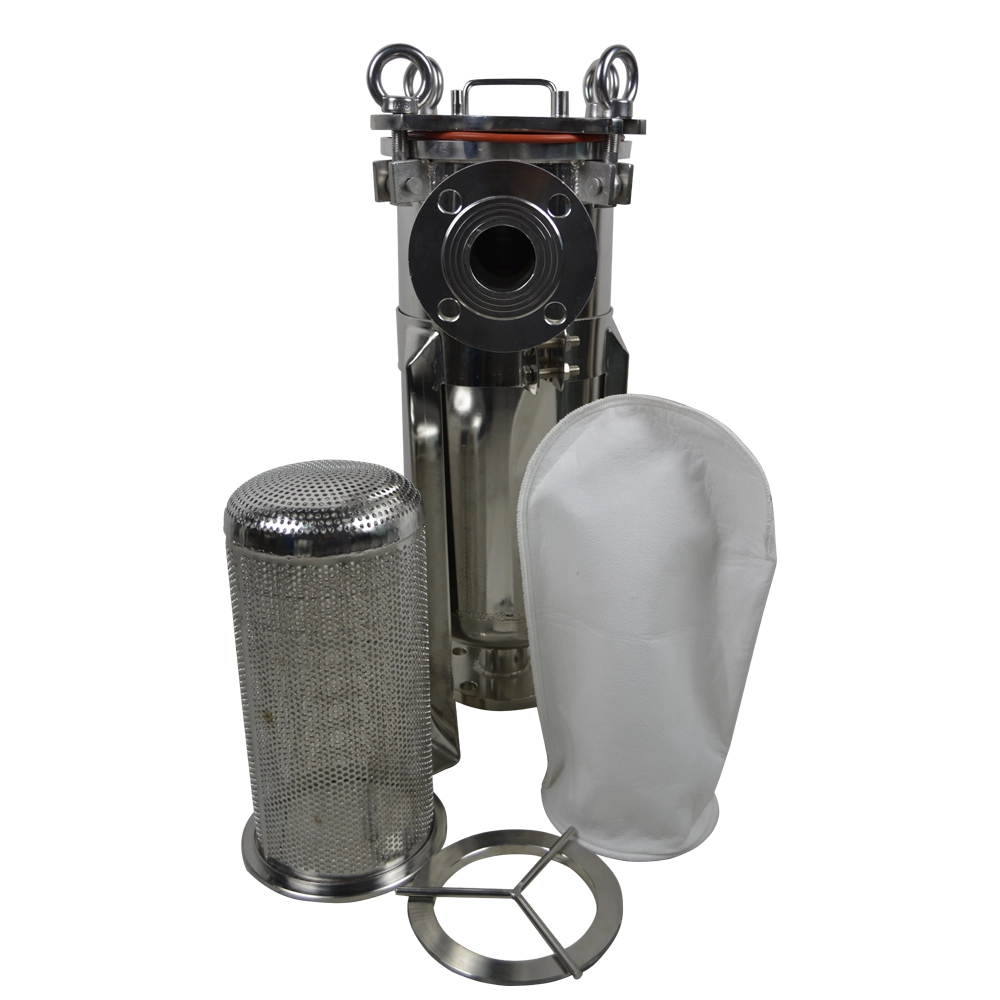
Bag filter housing
Bag filter housings are essential components in industrial filtration systems, designed to remove contaminants from liquids. To enhance the functionality and efficiency of bag filter housings, various features can be incorporated.
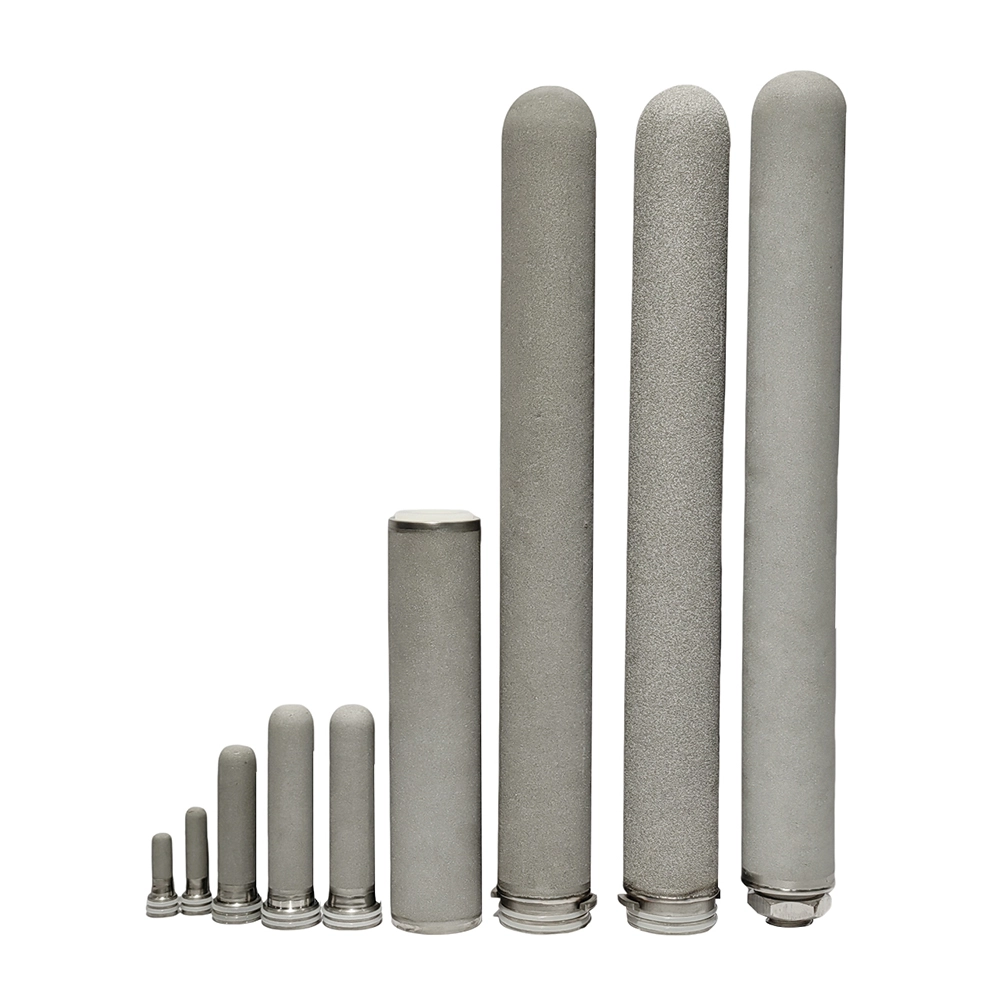
Sintered powder metal filters
Sintered powder metal filters are crafted from compressed and sintered metal powders, forming a porous structure. Porosity: 28%-50% Permeability: 0.02-20L/cm²minPa Pressure Resistance: 0.5Mpa Temperature Resistance: Less than 280℃
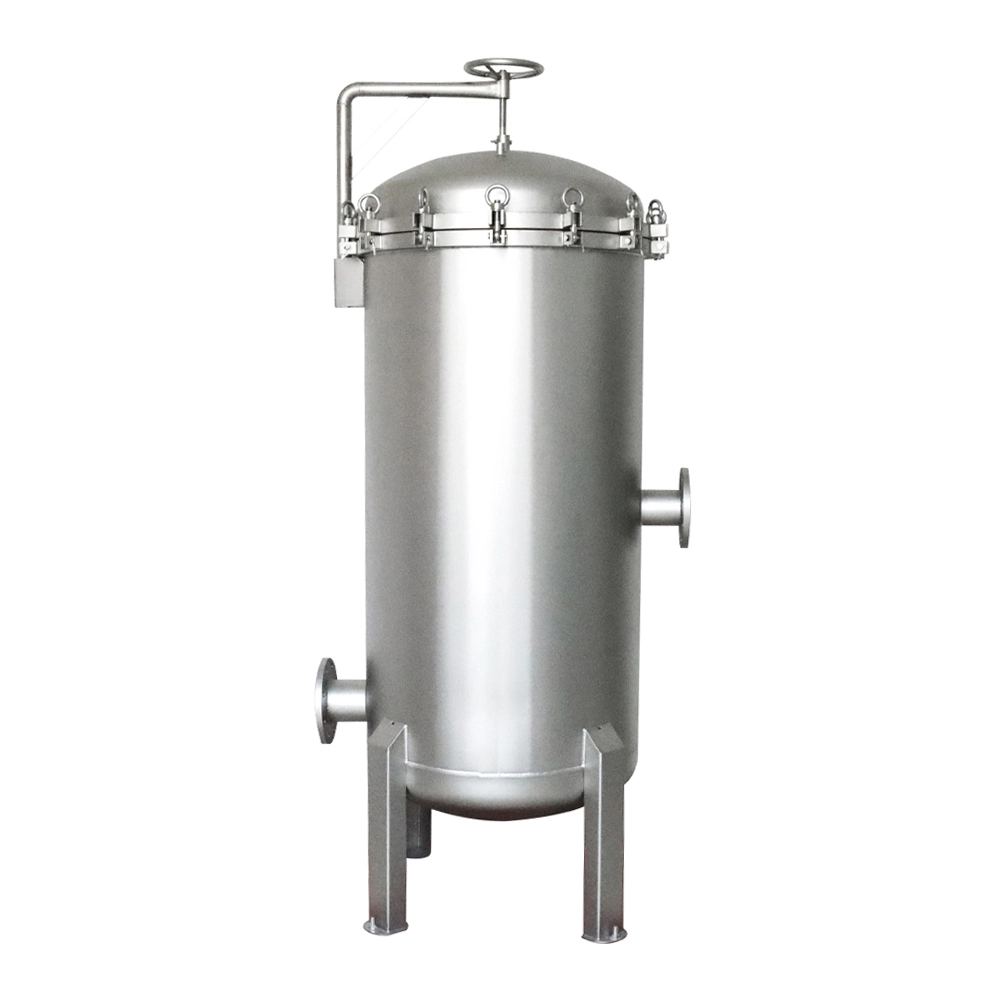
Stainless steel multi cartridge filter housing
Discover unparalleled filtration efficiency with our Stainless Steel Multi Cartridge Filter Housing – a testament to precision engineering and reliability.
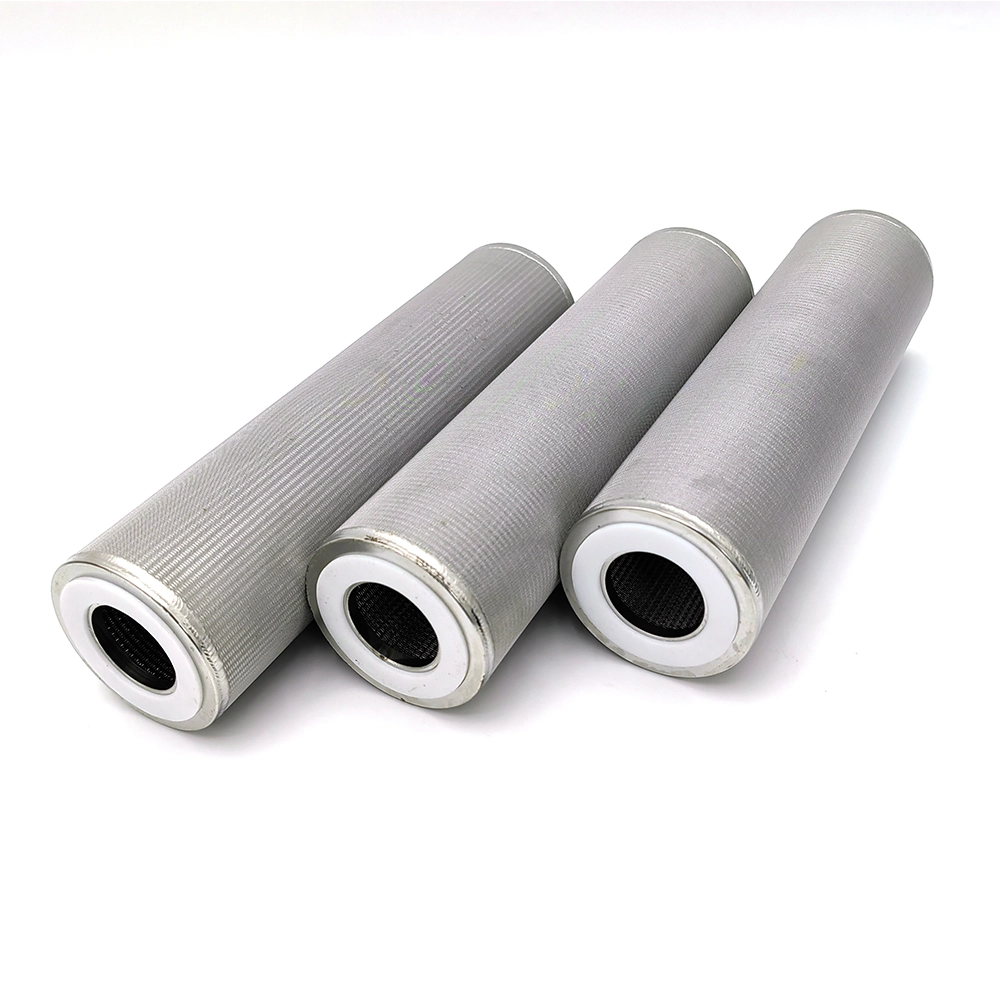
Sintered wire mesh filter
Benefit from outstanding high-pressure resistance and consistent filtration efficiency with our sintered metal mesh. Our sintered wire mesh finds versatile applications in diffuser screens, centrifuges, breather vents, fluidized beds, chromatography, polymer processing, petrochemical industries, hydraulic filters, and more.
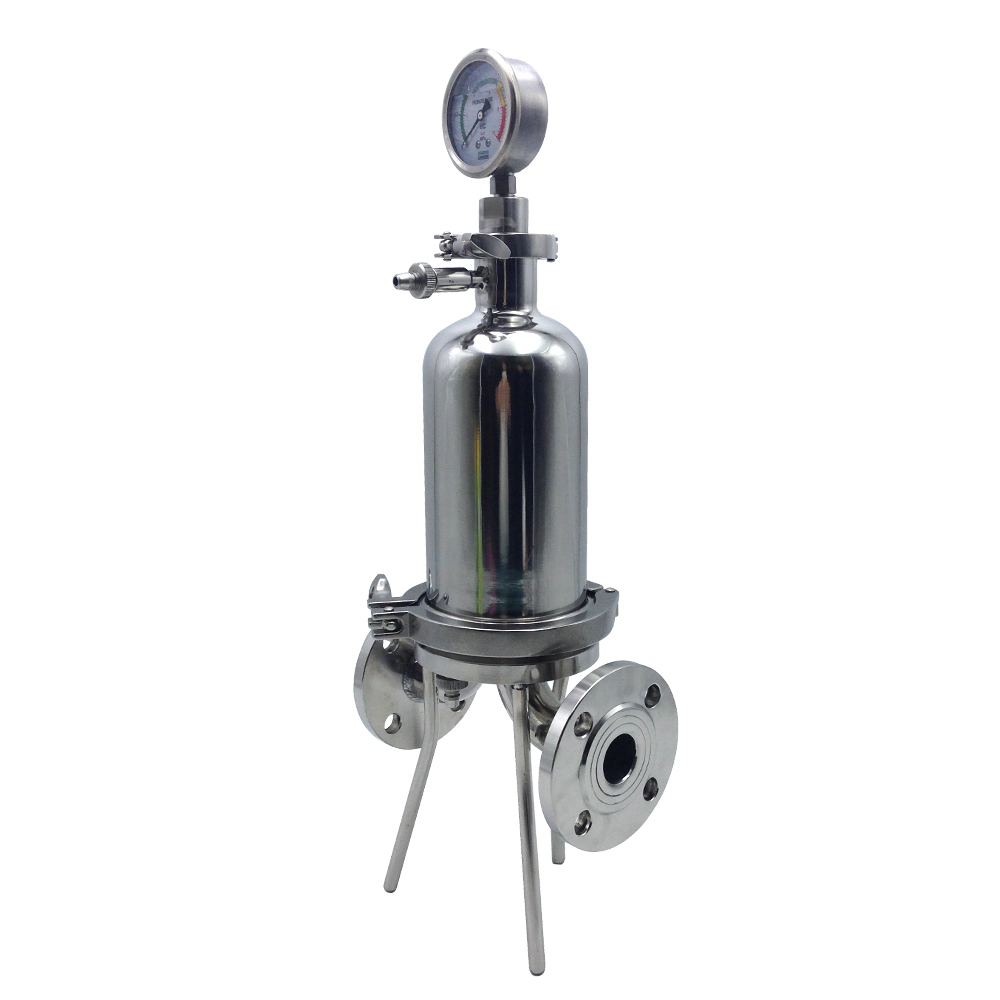
Sanitary filter housing
This filter housing will allow you to filter large volumes of nanoemulsion with ease. Sanitary vent and drain valves permit easy venting, draining, sampling, or integrity testing operations. The new cartridge locking design features additional cut-outs for traditional half-moon portions of the Code 7 bayonet locks, enhancing clean ability and drain ability.
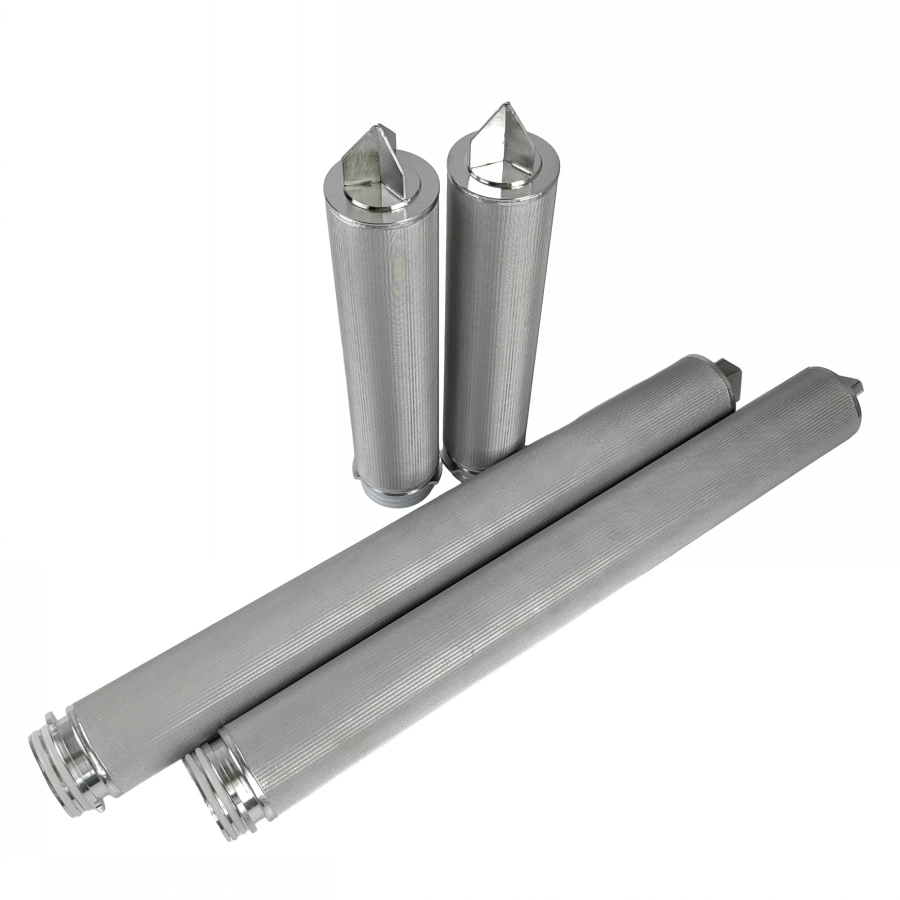
stainless steel filter water
Our sintered stainless steel filter stands as a pivotal filtration element crafted through a meticulous sintering process, with stainless steel serving as the core material.
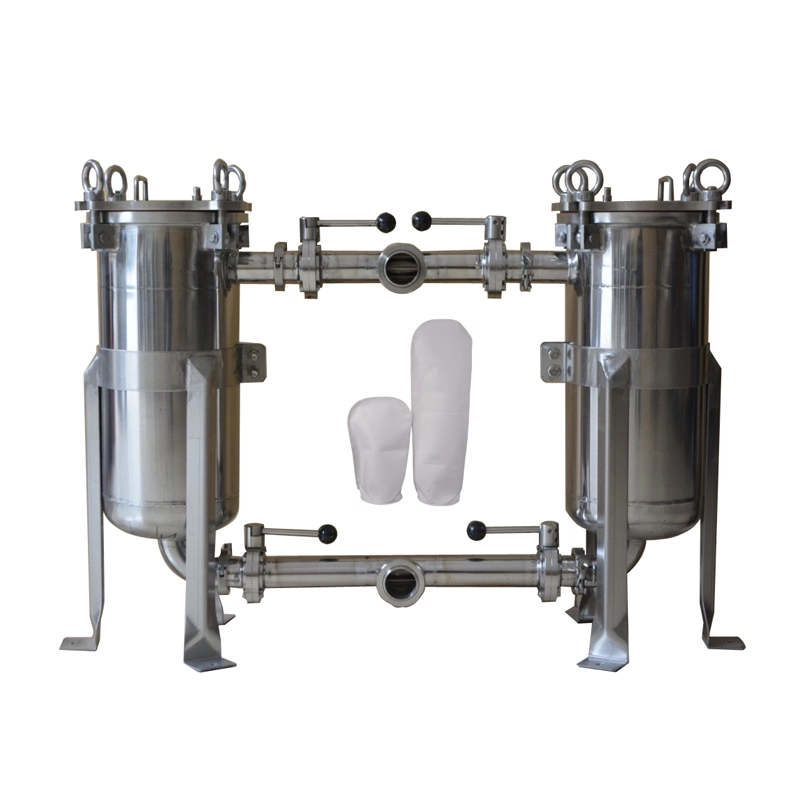
Stainless Steel Duplex filter housing
As the manufacturer, we offer a comprehensive range of Duplex Filter Housings designed to provide efficient and reliable filtration solutions for various industrial applications.
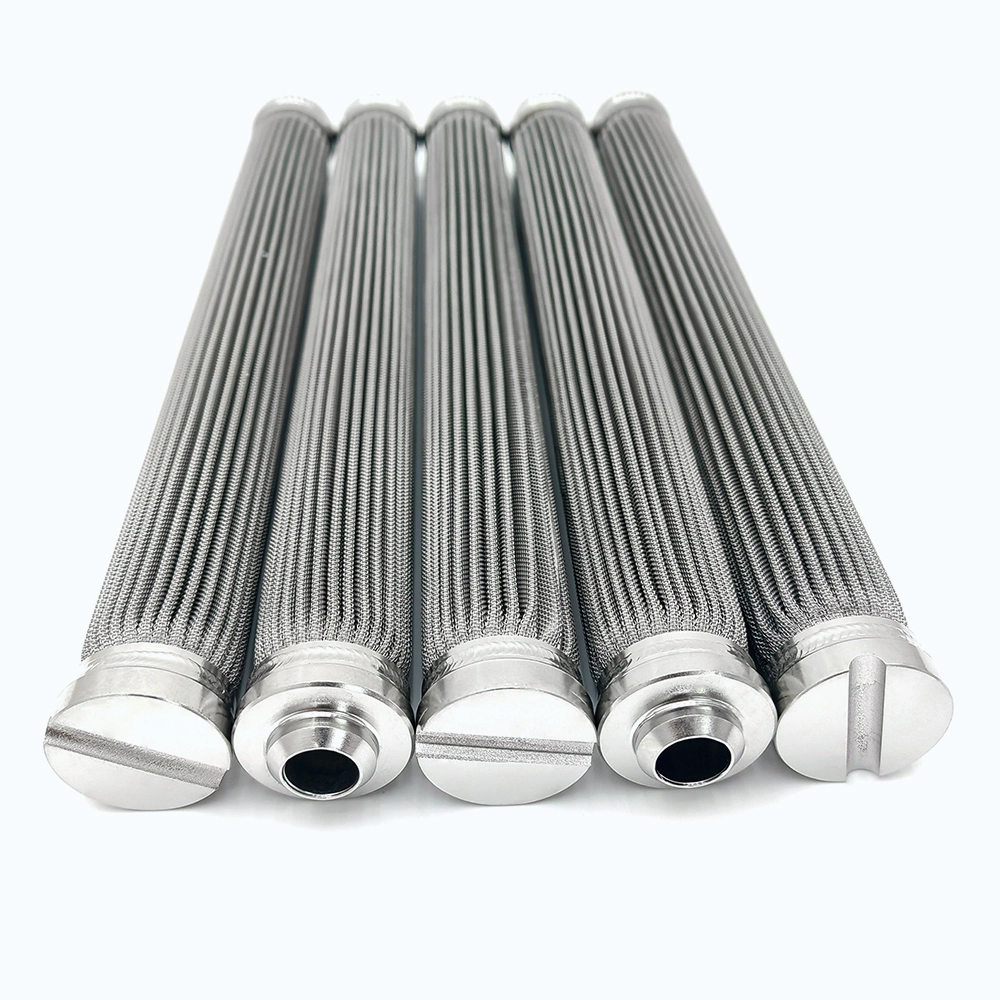
Stainless steel pleated filter cartridge
Our Stainless Steel Pleat Filter Cartridge constructed from high-quality SS 304 or SS 316L material, this filter exhibits exceptional resistance to high temperatures and rust.
© 2024 All Rights Reserved. | Privacy policy • Terms and conditions


