
How often does a filter need to be cleaned?
Determining the cleaning frequency of your sintered metal filter depends on several key factors. This article clarifies these factors, helping you optimize filter performance and longevity. Learn about the impact of fluid type, particle loading, operating pressure, and filter material on cleaning schedules. Discover best practices for extending filter life and minimizing downtime.
How Often Does a Sintered Metal Filter Need Cleaning?
Determining how often to clean your sintered metal filter is crucial for maintaining optimal system performance and extending filter lifespan. The frequency isn't fixed; it depends on several interacting factors.
Factors Affecting Sintered Metal Filter Cleaning Frequency
* Fluid Type and Viscosity: Highly viscous fluids or those containing sticky substances will foul filters faster than clean, low-viscosity fluids. Regular cleaning intervals are vital in these scenarios. (Source: Industrial Filtration Handbook, 3rd Edition)
* Particle Loading and Size: High particle concentrations or large particle sizes lead to rapid filter clogging. More frequent cleaning is necessary to prevent pressure drop increases and maintain flow rates. (Source: Fundamentals of Filtration, Second Edition by Anthony J. Groh)
* Operating Pressure and Temperature: Higher operating pressures and temperatures can accelerate filter fouling. The increased stress can lead to faster pore clogging and necessitate more frequent cleaning.
* Filter Material and Pore Size: The filter material (e.g., stainless steel, bronze) and pore size significantly impact clogging rates. Filters with smaller pores clog faster. Stainless steel filters, while durable, may require more frequent cleaning depending on the application compared to some other materials.
* Application Specifics: The specific application dictates cleaning frequency. A filter in a high-purity process requires far more frequent cleaning than one in a less demanding application.
Establishing a Cleaning Schedule
* Regular Monitoring: Regularly monitor pressure differential across the filter. A significant increase indicates increasing filter fouling and the need for cleaning.
* Visual Inspection: Periodic visual inspection can reveal the extent of fouling. This is particularly helpful for identifying localized clogging.
* Start with Conservative Intervals: Begin with more frequent cleaning intervals and adjust based on monitoring data. It's better to err on the side of caution, avoiding premature filter failure.
* Develop a Cleaning Procedure: A standardized cleaning procedure will maintain consistency and optimize the cleaning process. This includes selecting appropriate cleaning methods (backwashing, chemical cleaning, ultrasonic cleaning) and solvents. (Source: Best Practices for Industrial Filter Cleaning, )
Cleaning Methods for Sintered Metal Filters
* Backwashing: Effective for removing loosely held particles. Requires proper backwash pressure and flow rate.
* Chemical Cleaning: Necessary for removing strongly adhering contaminants. Requires selecting the appropriate chemicals to avoid filter damage.
* Ultrasonic Cleaning: A highly effective method for removing stubborn contaminants from complex filter geometries.
By carefully considering these factors and implementing a proactive monitoring and cleaning strategy, you can significantly extend the life of your sintered metal filters and optimize the performance of your filtration system. Contact Lvyuan for further assistance in selecting the right filter for your application and optimizing your cleaning schedule.
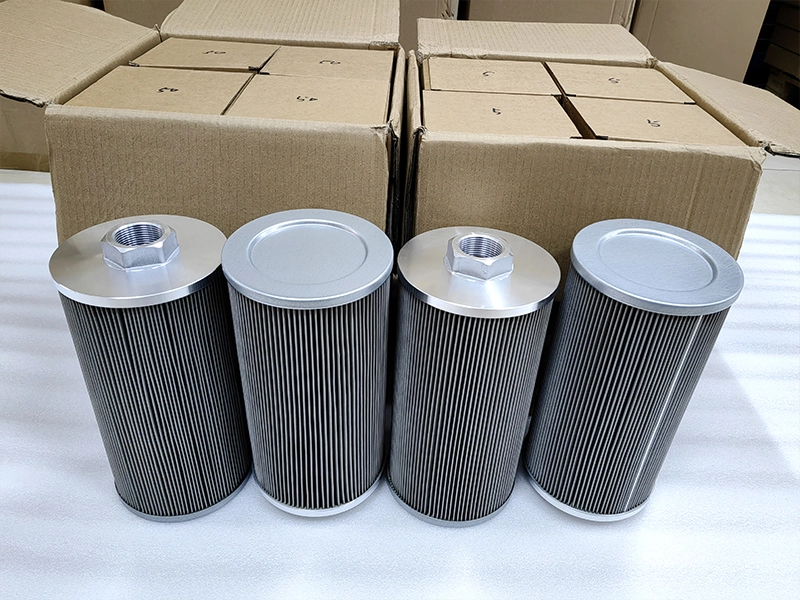
What is Sintered Metal Filter? Complete Guide
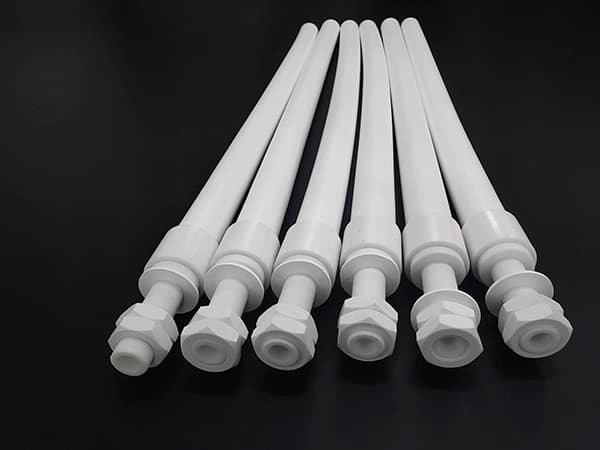
Sintered PTFE Filters: Advanced Filtration for Demanding Environments
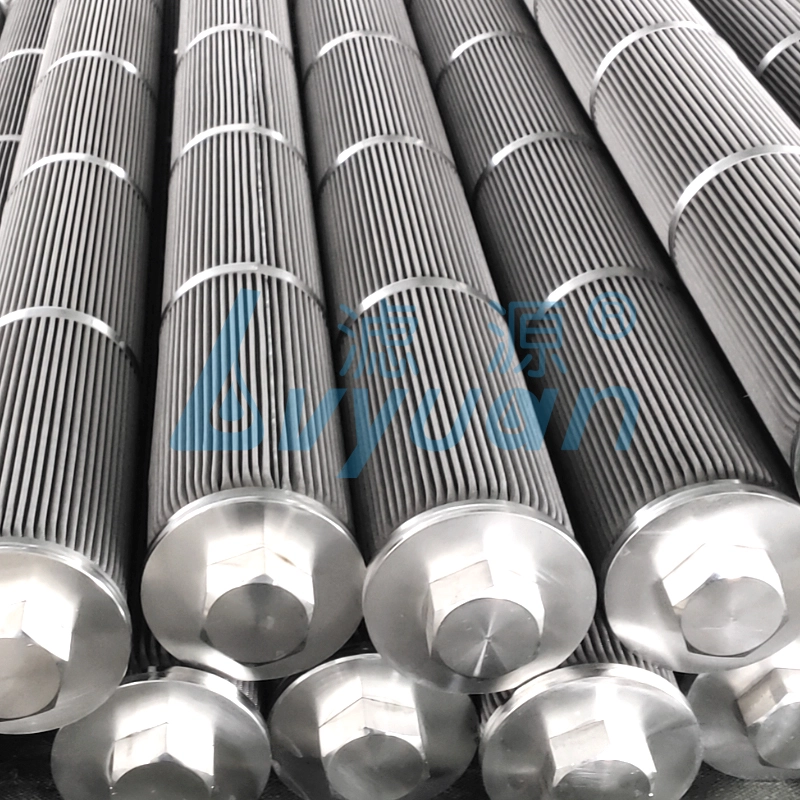
Metal Sintered Filters: Precision Filtering to Drive Industrial Upgrading
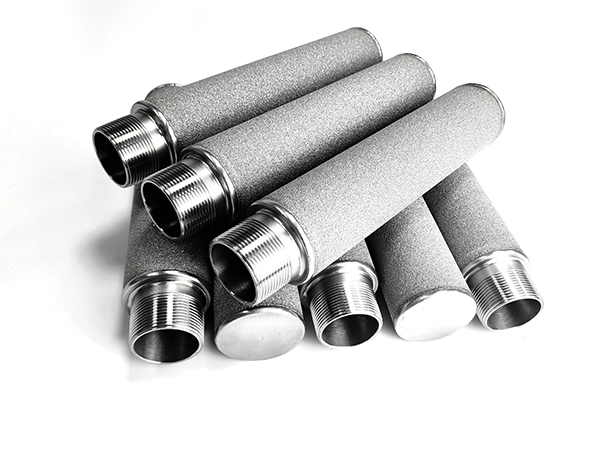
Choosing Sintered Filters: An Overview for Industrial Applications
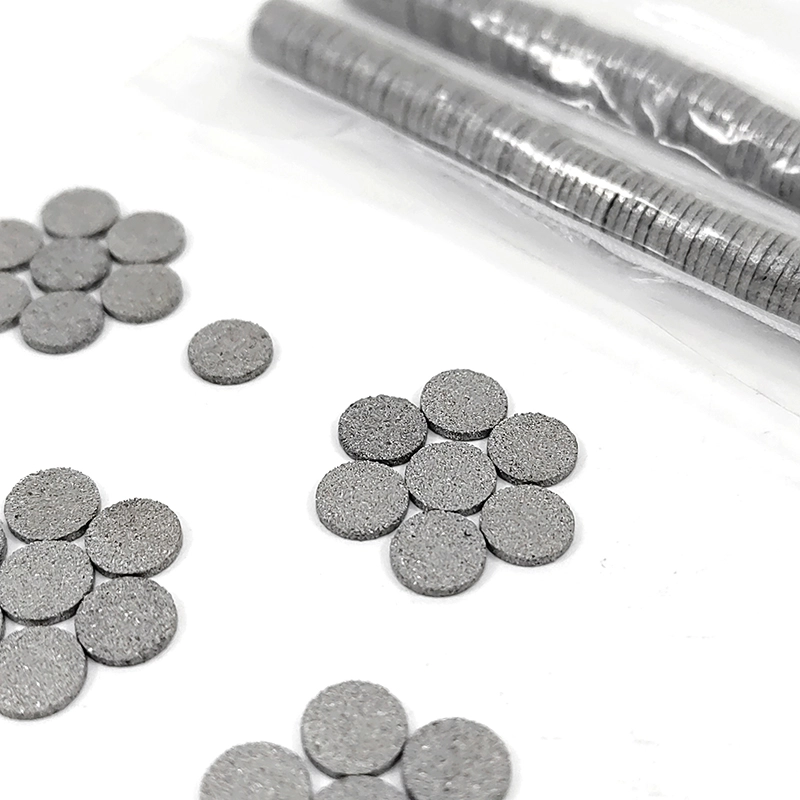
What is a Sintered Metal Filter Disc? A Comprehensive Guide
What Are Sintered Metal Filters and How Do They Work?
Metal mesh filters
Can sintered wire mesh filter be customized?
Yes, sintered wire mesh can be customized in terms of material, pore size, thickness, and dimensions to suit specific filtration requirements. Customization allows for optimal performance in diverse applications.
What types of contaminants can sintered wire mesh filter?
Sintered wire mesh can filter a wide range of contaminants, including particles, solids, and impurities from liquids and gases. The filtration efficiency depends on factors such as pore size and material selection.
How is sintered wire mesh filter different from woven wire mesh filter?
While both types involve woven wires, sintered wire mesh undergoes an additional sintering process. This process fuses the wires together, creating a rigid and porous structure. Woven wire mesh relies on the mesh's openings for filtration, while sintered mesh utilizes the entire structure for efficient filtration.
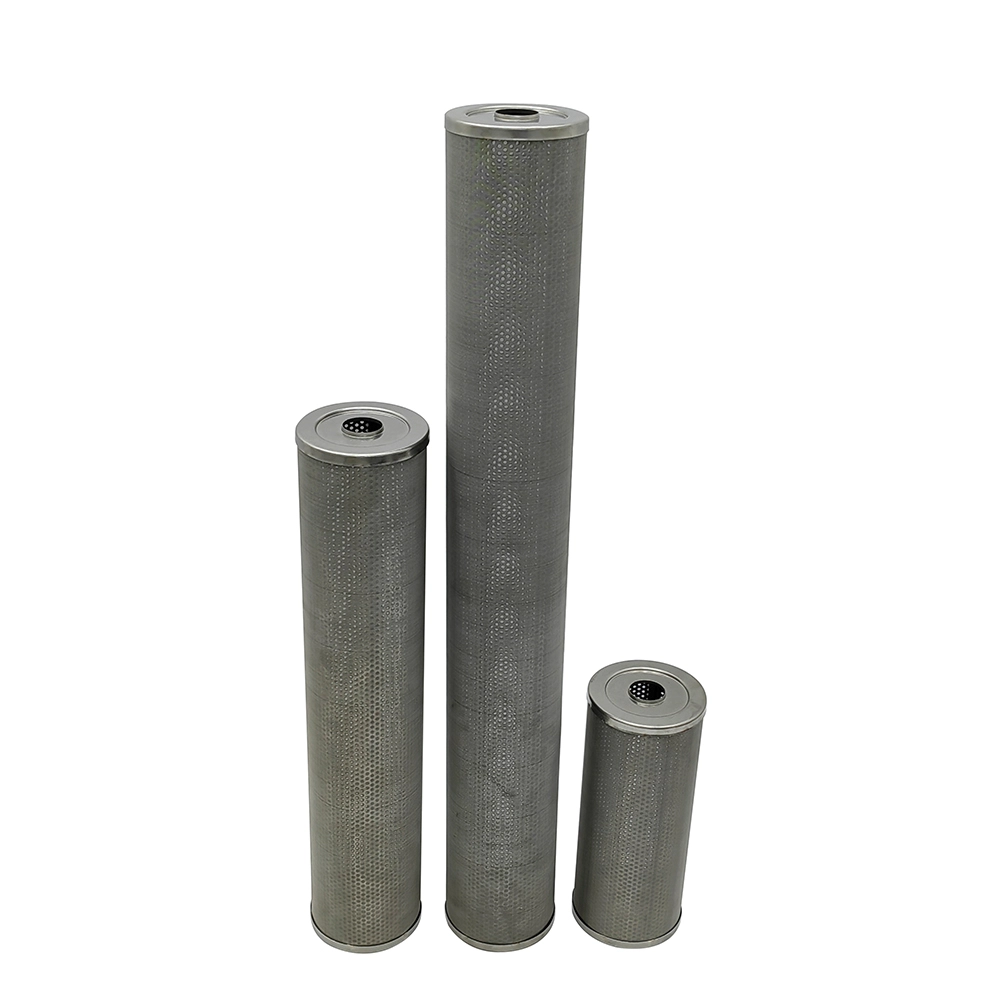
Stainless Steel Pleated Filter Cartridges
Can these Stainless Steel Pleated Filter Cartridges be customized?
Yes, Stainless Steel Pleated Filter Cartridges are available in various sizes, materials, and filtration ratings, allowing for customization to meet specific application requirements.
For products
How are sintered metal filters cleaned?
Cleaning methods for sintered metal filters include backwashing, ultrasonic cleaning, and chemical cleaning. The method depends on the type of contaminants and the filter's specifications.
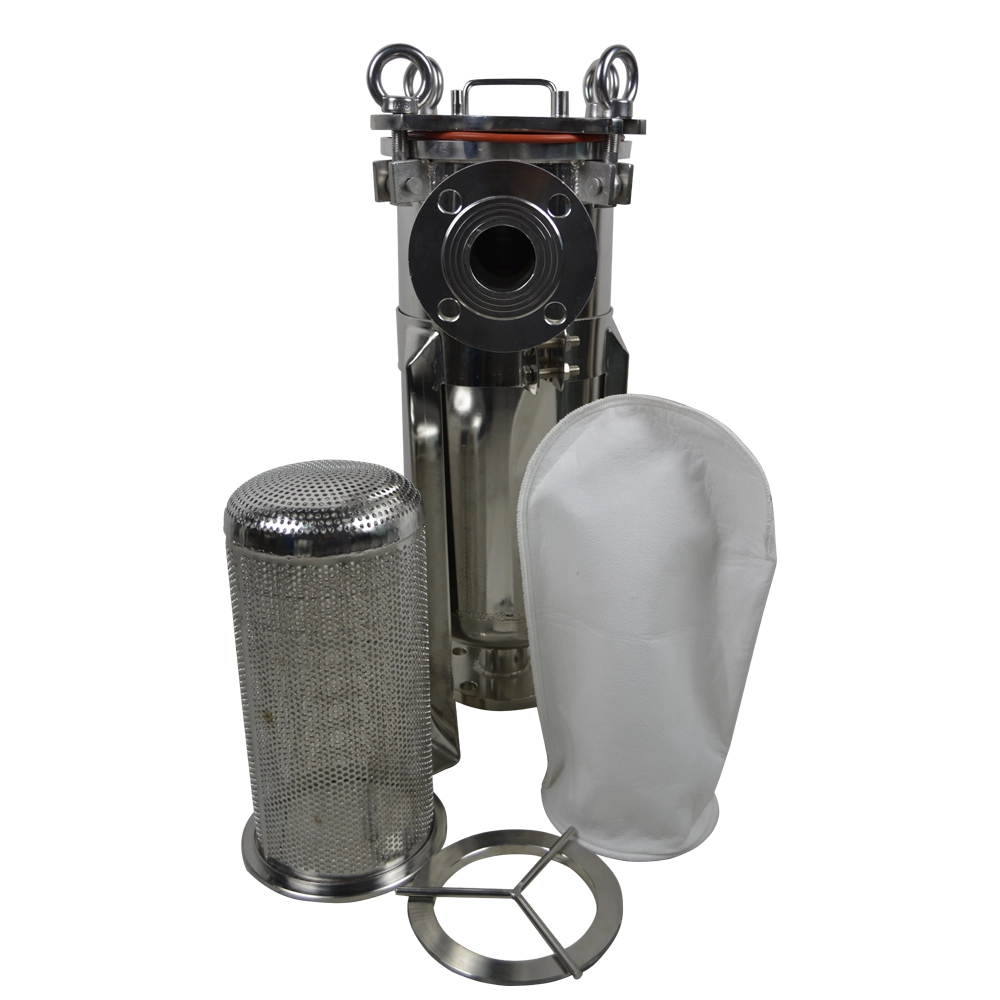
Bag filter housing
Bag filter housings are essential components in industrial filtration systems, designed to remove contaminants from liquids. To enhance the functionality and efficiency of bag filter housings, various features can be incorporated.
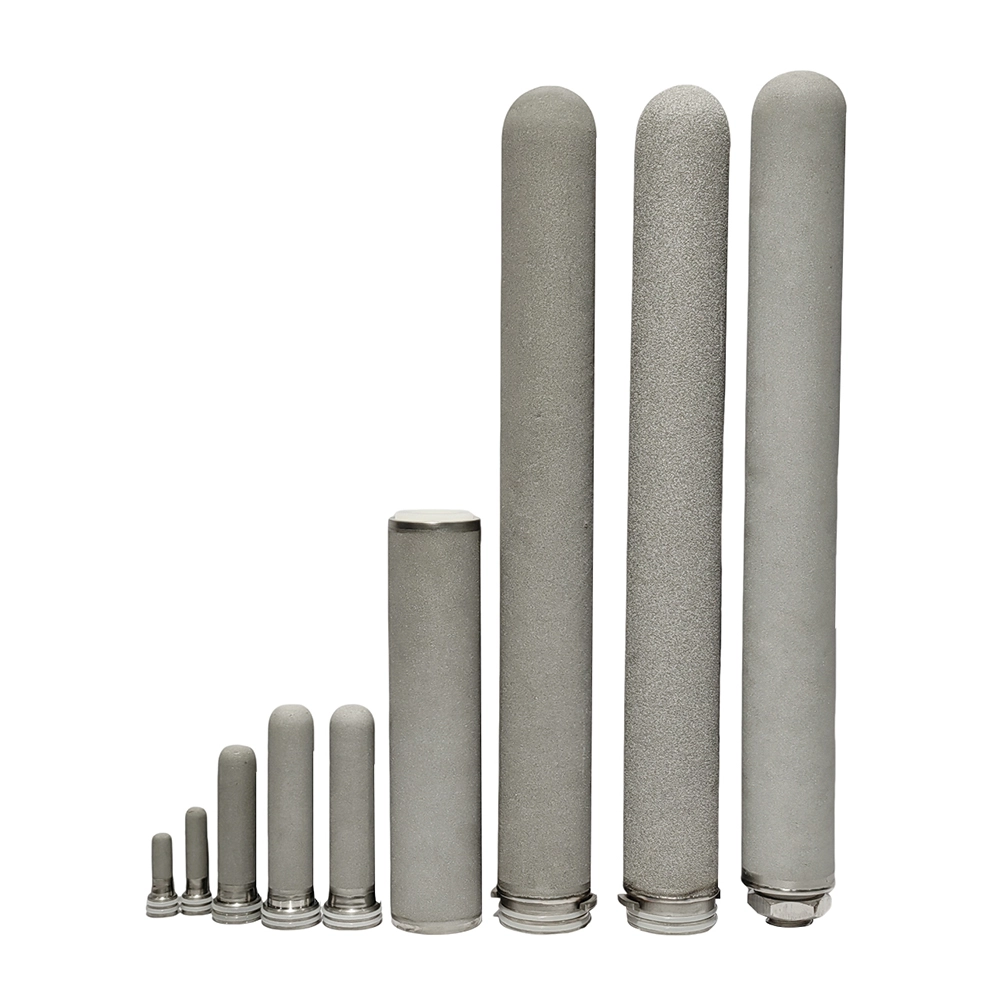
Sintered powder metal filters
Sintered powder metal filters are crafted from compressed and sintered metal powders, forming a porous structure. Porosity: 28%-50% Permeability: 0.02-20L/cm²minPa Pressure Resistance: 0.5Mpa Temperature Resistance: Less than 280℃
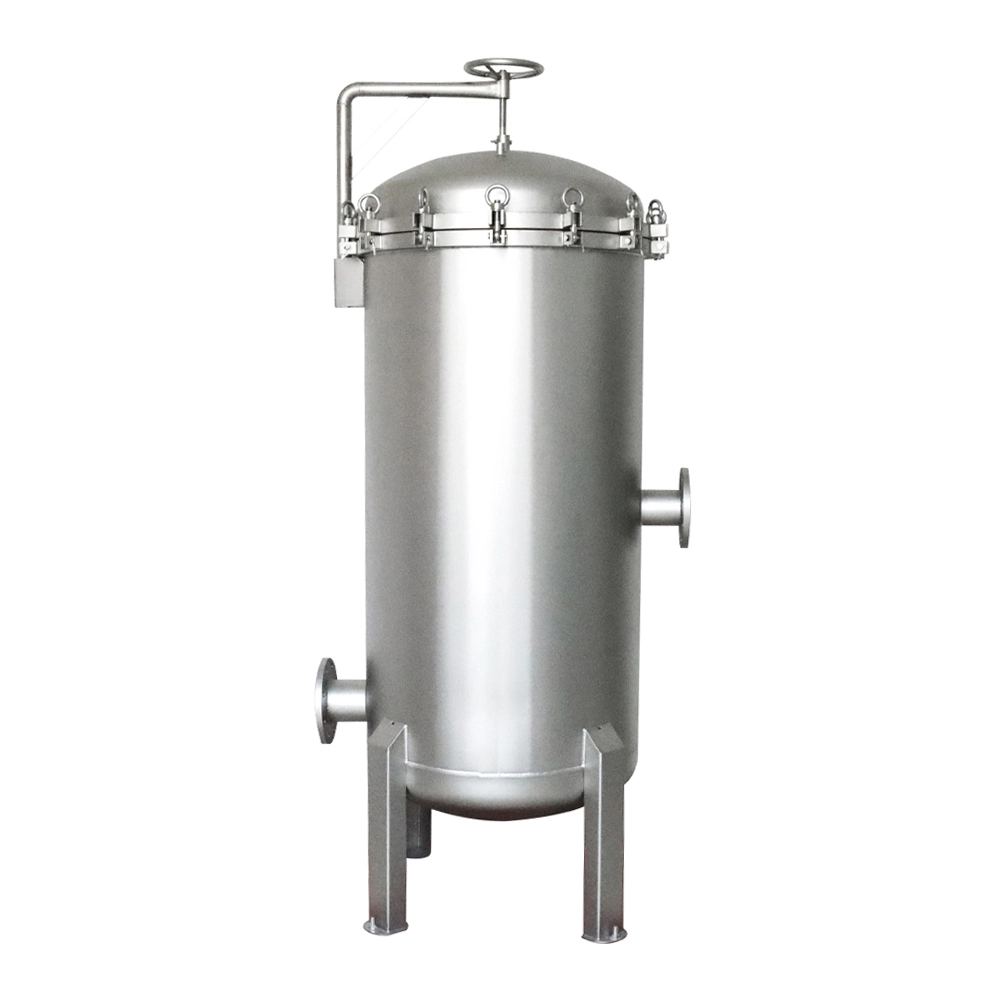
Stainless steel multi cartridge filter housing
Discover unparalleled filtration efficiency with our Stainless Steel Multi Cartridge Filter Housing – a testament to precision engineering and reliability.
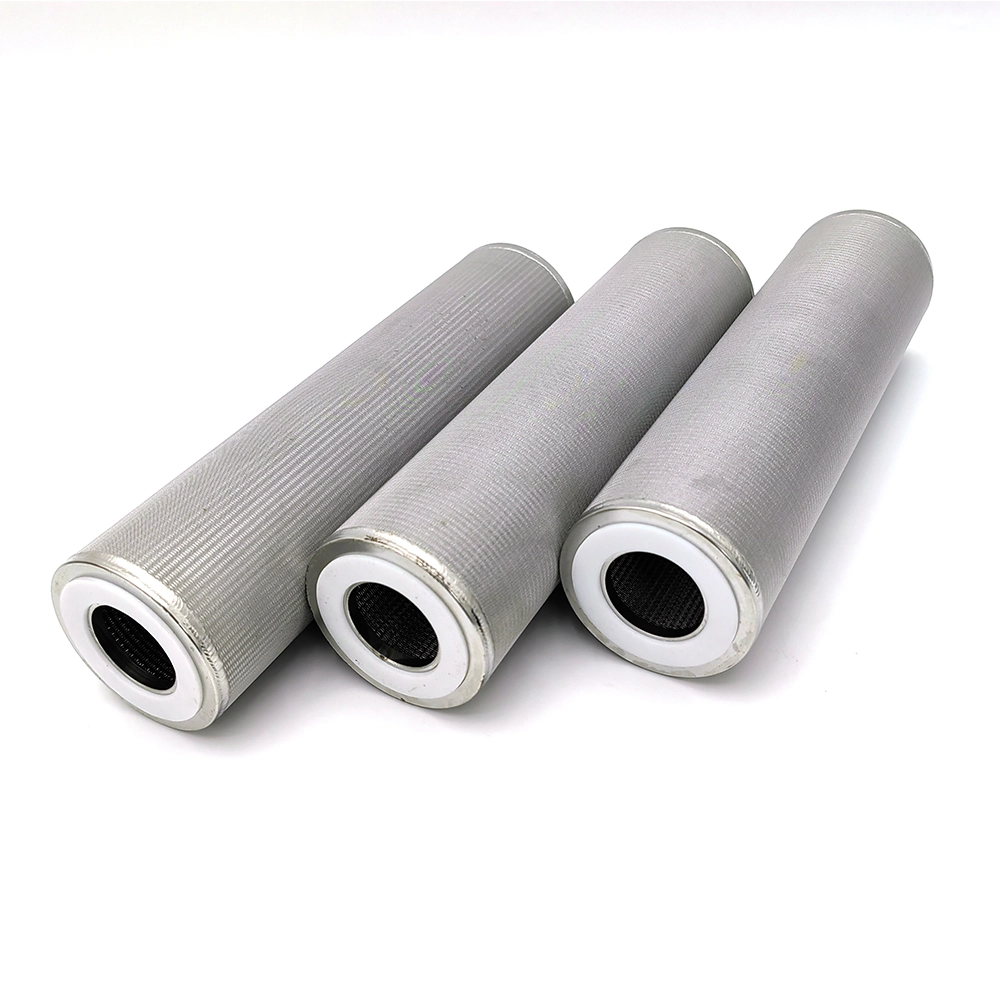
Sintered wire mesh filter
Benefit from outstanding high-pressure resistance and consistent filtration efficiency with our sintered metal mesh. Our sintered wire mesh finds versatile applications in diffuser screens, centrifuges, breather vents, fluidized beds, chromatography, polymer processing, petrochemical industries, hydraulic filters, and more.
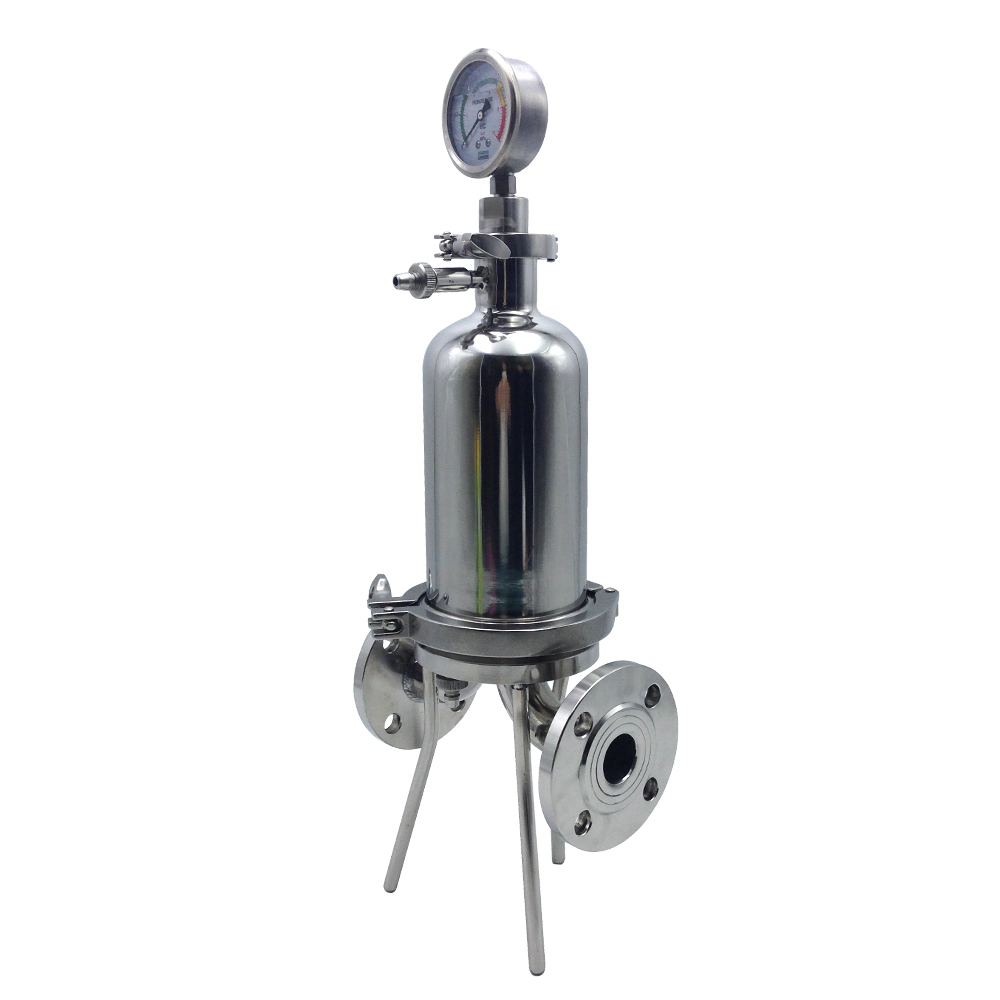
Sanitary filter housing
This filter housing will allow you to filter large volumes of nanoemulsion with ease. Sanitary vent and drain valves permit easy venting, draining, sampling, or integrity testing operations. The new cartridge locking design features additional cut-outs for traditional half-moon portions of the Code 7 bayonet locks, enhancing clean ability and drain ability.
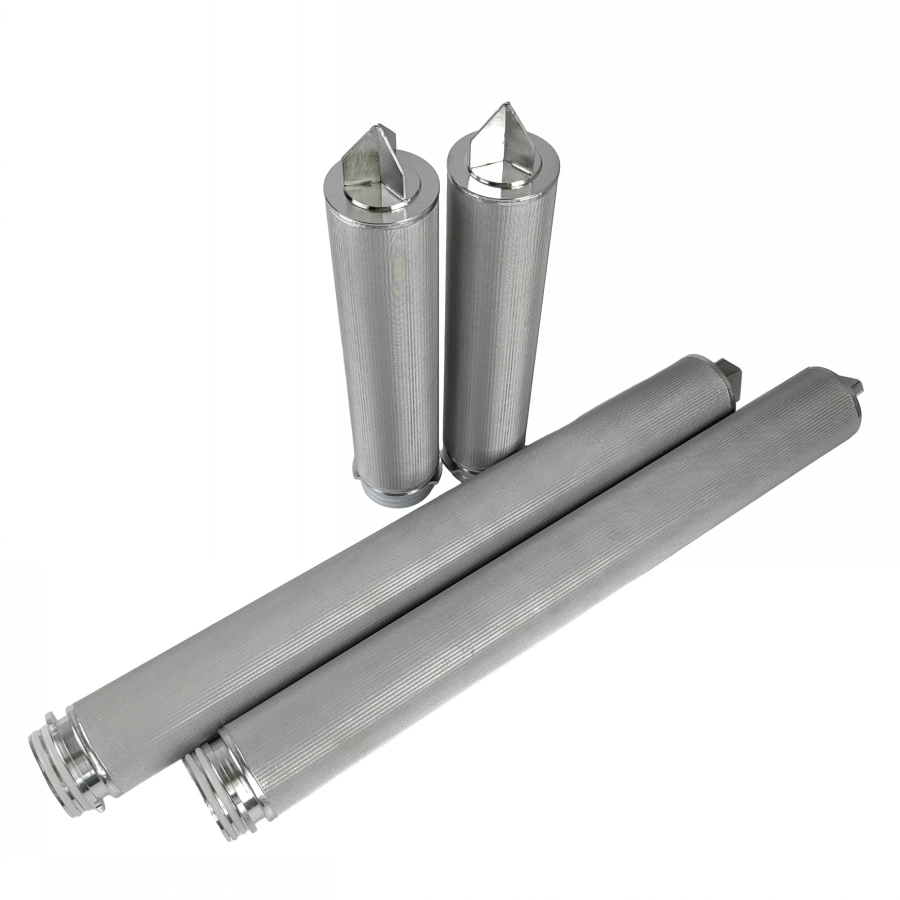
stainless steel filter water
Our sintered stainless steel filter stands as a pivotal filtration element crafted through a meticulous sintering process, with stainless steel serving as the core material.
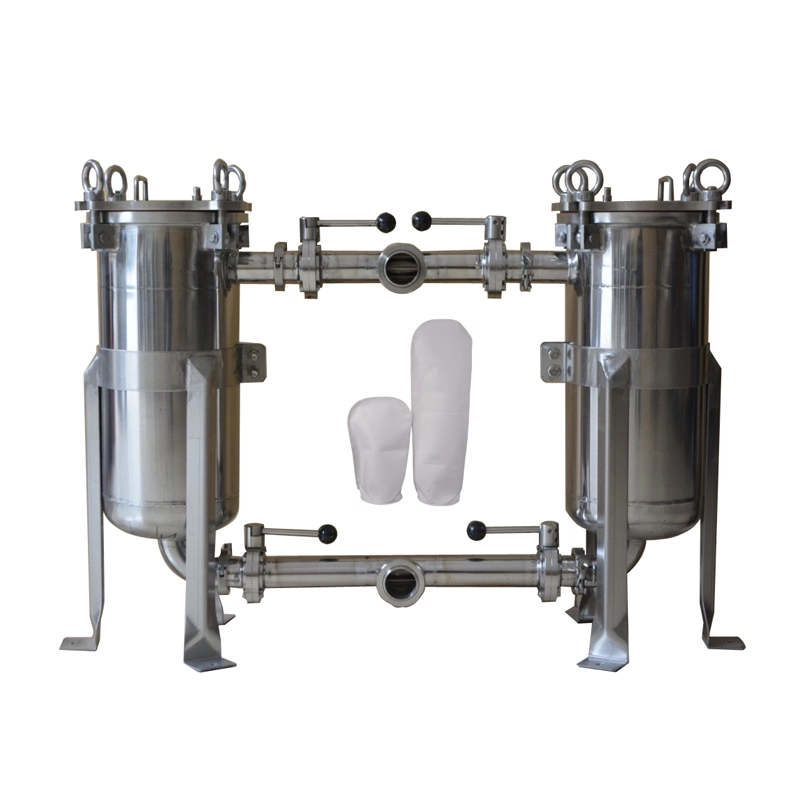
Stainless Steel Duplex filter housing
As the manufacturer, we offer a comprehensive range of Duplex Filter Housings designed to provide efficient and reliable filtration solutions for various industrial applications.
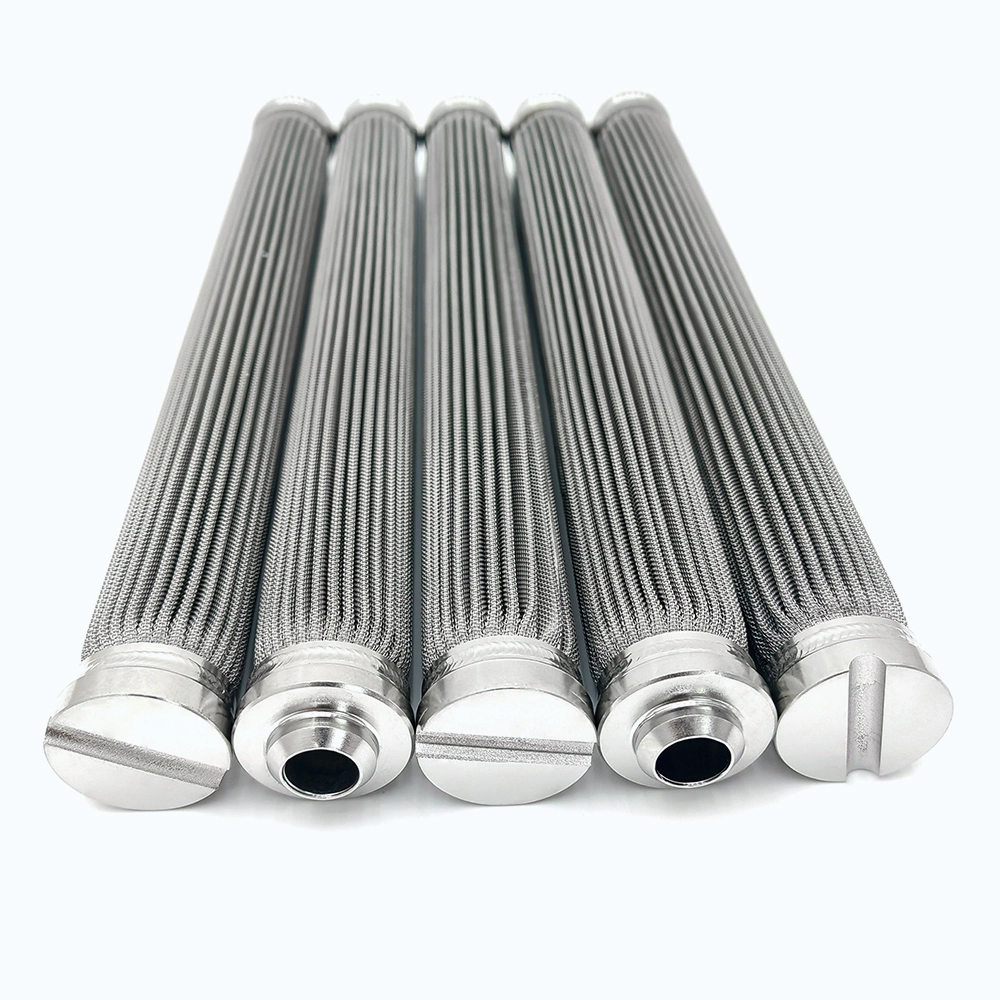
Stainless steel pleated filter cartridge
Our Stainless Steel Pleat Filter Cartridge constructed from high-quality SS 304 or SS 316L material, this filter exhibits exceptional resistance to high temperatures and rust.
© 2024 All Rights Reserved. | Privacy policy • Terms and conditions


