
what is sintered metals
Sintered metals, created via powder metallurgy, offer unique properties like high strength-to-weight ratio and controlled porosity. This process enables complex shapes & cost-effective mass production, making them ideal for automotive, aerospace, medical, and filtration applications. We offers expertise in this field.
What are Sintered Metals?
Understanding sintered metals is crucial for engineers and designers working with high-performance materials. This article clarifies the process, properties, and applications of these unique components, addressing common questions and challenges.
The Sintering Process
Sintering is a powder metallurgy process that involves compacting metal powders under high pressure and then heating them to a temperature below their melting point. This process allows the particles to bond together, forming a solid, porous structure. The final density and properties of the sintered metal are highly dependent on factors such as powder characteristics, compaction pressure, and sintering temperature. Different metal powders, such as steel, bronze, and iron, can be used in this manufacturing process.
Properties of Sintered Metals
The properties of sintered metals differ significantly from those of conventionally produced components. The controlled porosity of sintered metals offers unique advantages.
Advantages:
* High Strength-to-Weight Ratio: Sintered metals often possess a favorable strength-to-weight ratio, making them ideal for lightweight applications.
* Porosity Control: Precise control over porosity enables the creation of components with specific permeability and filtration capabilities.
* Complex Shapes: The process allows for the creation of intricate and complex shapes that are difficult or impossible to achieve using other manufacturing methods.
* Cost-Effectiveness: Sintering can be a cost-effective method for mass production of small and medium-sized components.
Disadvantages:
* Lower Density: Compared to wrought metals, sintered metals usually have a lower density due to their porous structure.
* Dimensional Limitations: Slight shrinkage during sintering can impact the final dimensions of the component.
* Brittleness (in some cases): Depending on the material and process parameters, some sintered metals may exhibit higher brittleness than their wrought counterparts.
Applications of Sintered Metals
The unique properties of sintered metals lead to a wide range of applications across various industries:
* Automotive: Components like gears, bearings, and brake pads often utilize sintered metals for their durability and performance.
* Aerospace: Lightweight yet strong sintered components are vital in aerospace applications where weight reduction is critical.
* Medical: Sintered metals find applications in implants and surgical tools due to their biocompatibility in some formulations.
* Filtration: Porous sintered metals are excellent for filtration applications, removing impurities from liquids and gases.
Conclusion
Sintered metals provide a versatile and adaptable solution for various engineering challenges. Understanding the manufacturing process, properties, and applications is critical for successful implementation in diverse industries. By carefully selecting materials and controlling the sintering parameters, engineers can optimize the performance of sintered metal components.
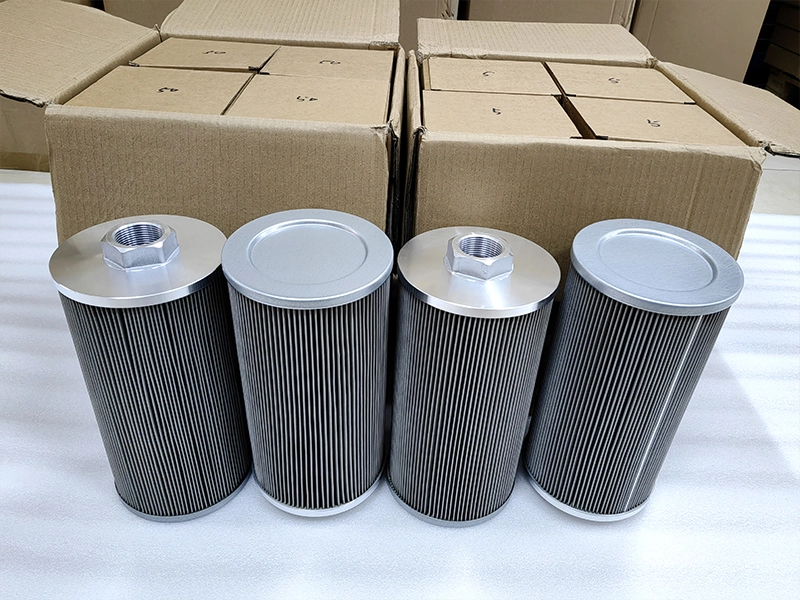
What is Sintered Metal Filter? Complete Guide
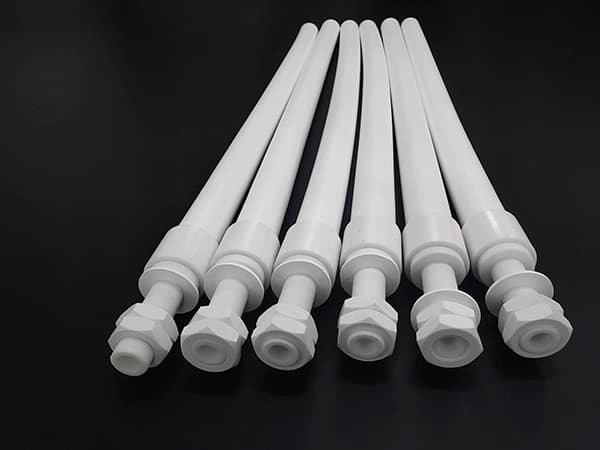
Sintered PTFE Filters: Advanced Filtration for Demanding Environments
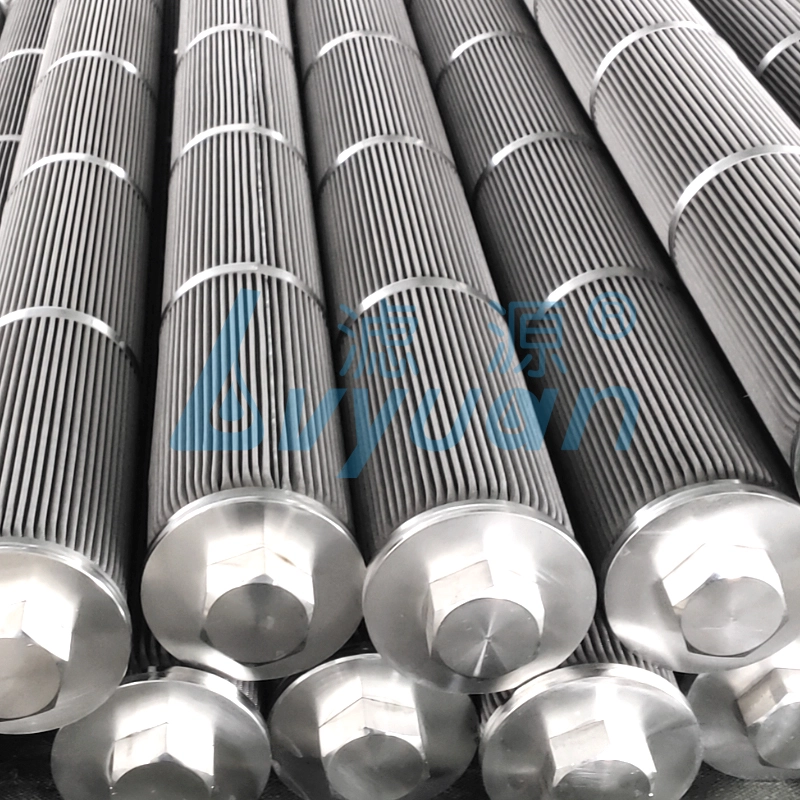
Metal Sintered Filters: Precision Filtering to Drive Industrial Upgrading
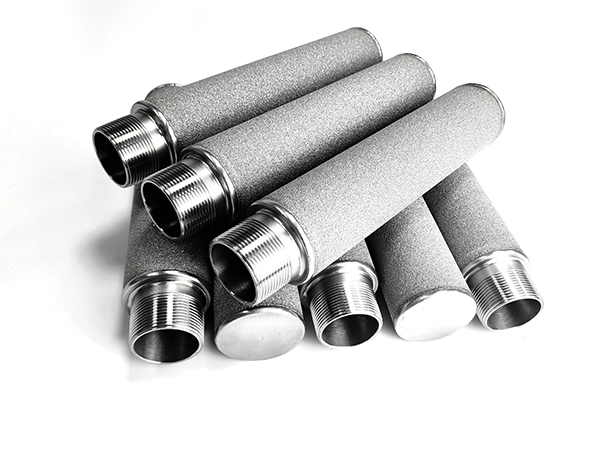
Choosing Sintered Filters: An Overview for Industrial Applications
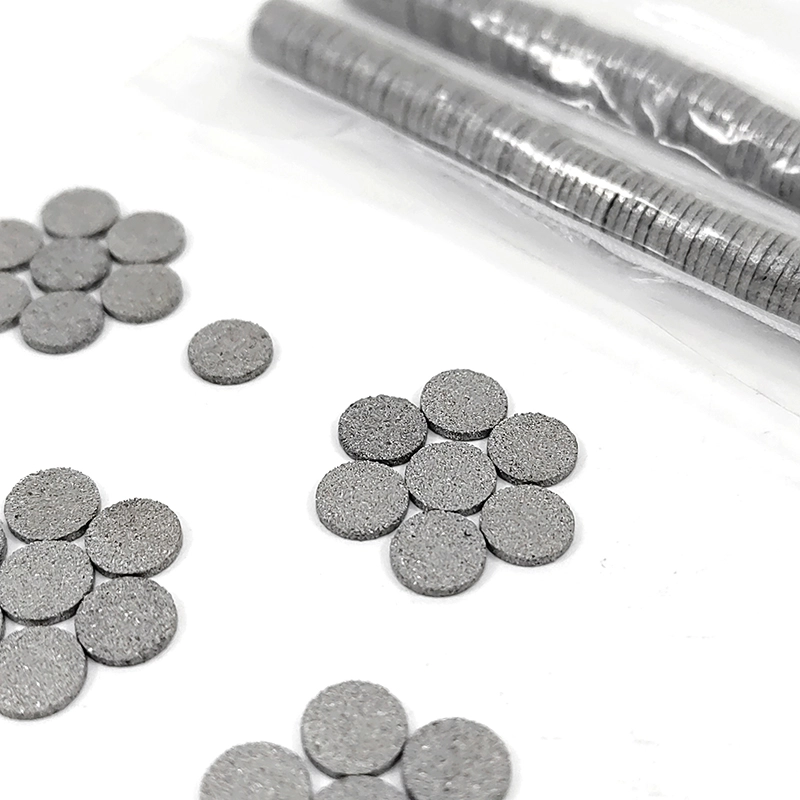
What is a Sintered Metal Filter Disc? A Comprehensive Guide
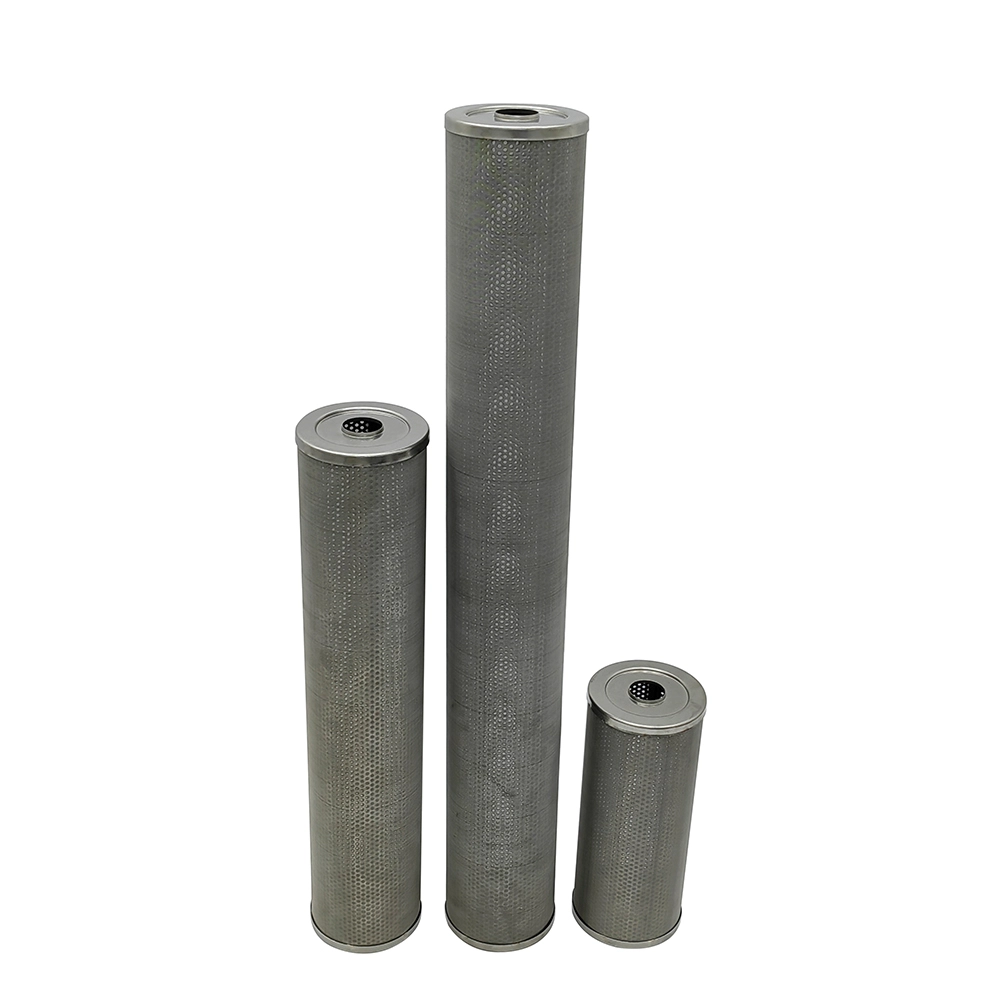
What Are Sintered Metal Filters and How Do They Work?
Sintered Powder Filters
What materials are commonly used in sintered powder filters?
Common materials include stainless steel (316L, 304L), bronze, Inconel®, Nickel, Monel®, Titanium, and other alloys. The material choice depends on the specific application's requirements.
Sintered Metal Filter
How can I select the right industrial sintered filter cartridge for my application?
Consult with the manufacturer or supplier, providing details about your specific requirements, such as filtration needs, operating conditions, and industry standards, to receive guidance on selecting the most suitable cartridge for your application.
Metal mesh filters
Can sintered wire mesh filter be used in high-pressure applications?
Yes, sintered wire mesh is suitable for high-pressure applications due to its high strength and durable structure. However, specific pressure ratings may vary based on the material and design, so it's essential to consider these factors.
Sintered mesh filters
Can sintered mesh filters be used in corrosive environments?
Yes, sintered mesh filters can be manufactured from corrosion-resistant materials such as stainless steel, making them suitable for use in corrosive environments.
For customization
Can you produce according to the samples or drawings?
Yes, we can produce your samples or technical drawings. We can build the molds and fixtures.
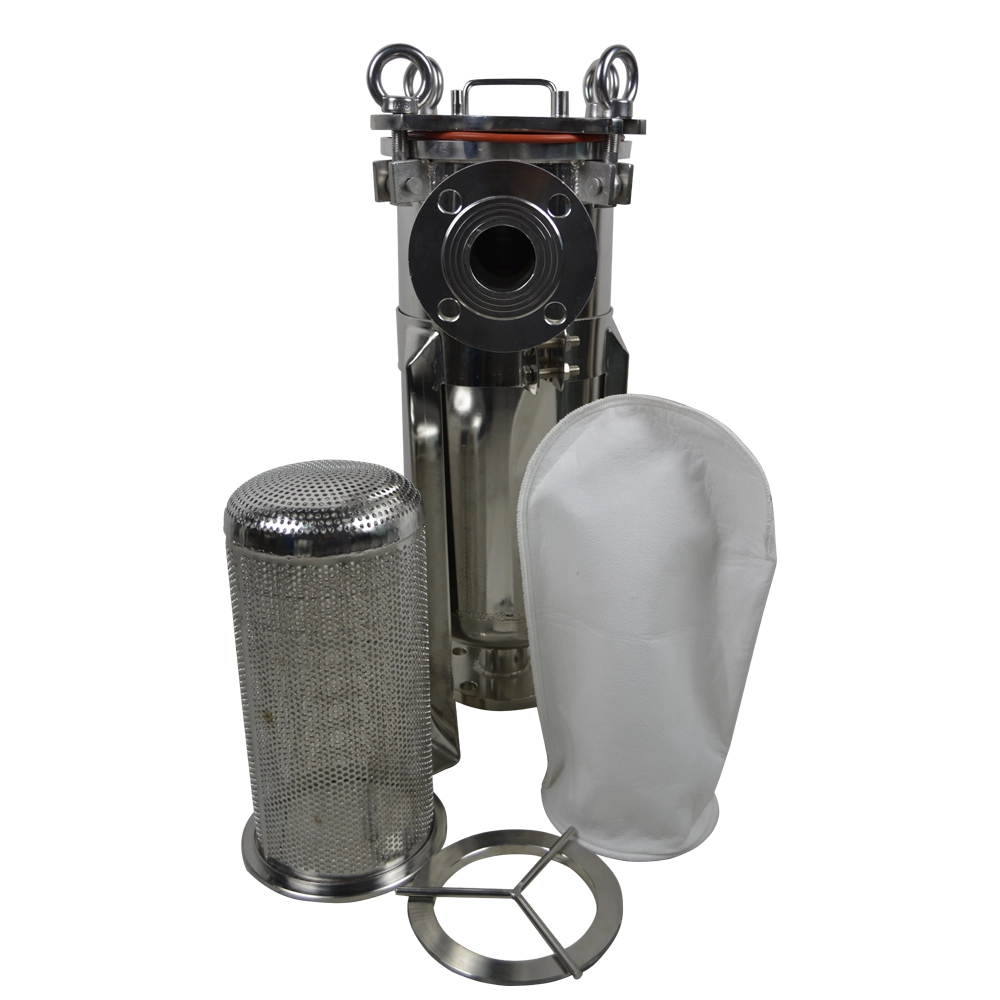
Bag filter housing
Bag filter housings are essential components in industrial filtration systems, designed to remove contaminants from liquids. To enhance the functionality and efficiency of bag filter housings, various features can be incorporated.
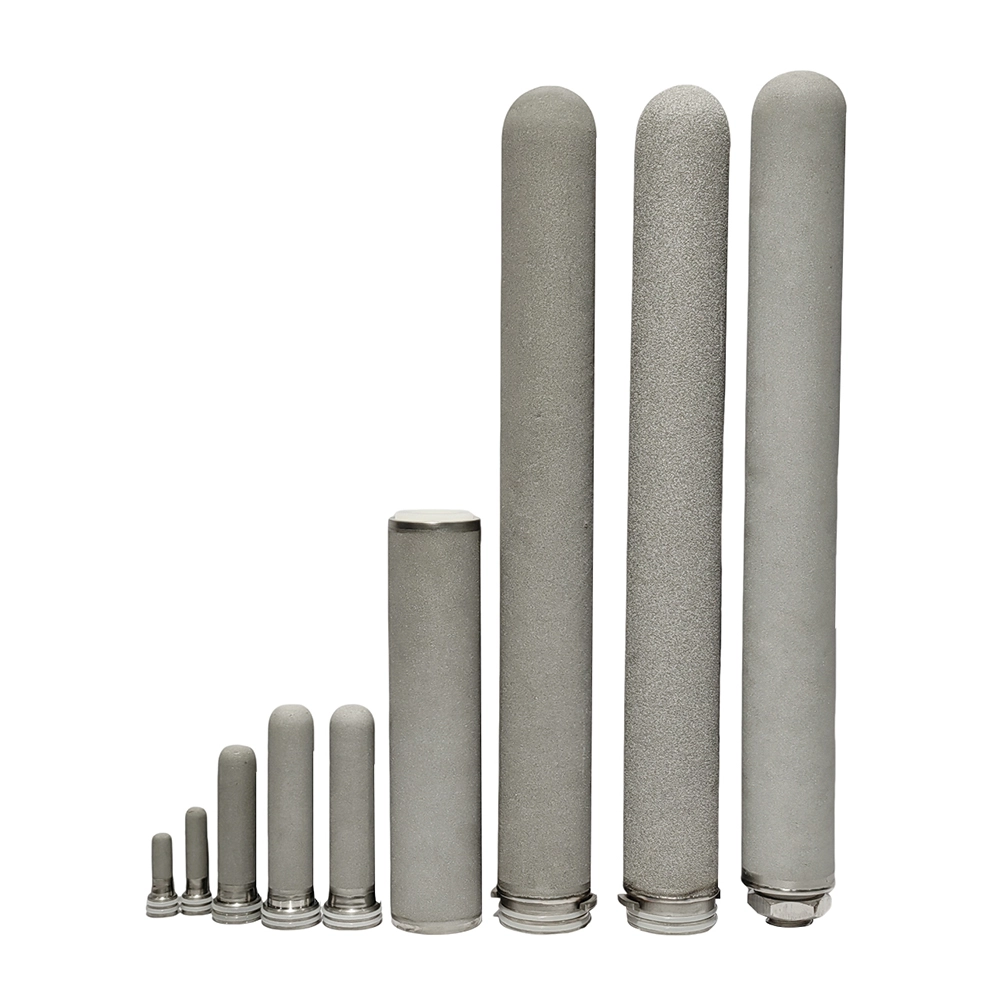
Sintered powder metal filters
Sintered powder metal filters are crafted from compressed and sintered metal powders, forming a porous structure. Porosity: 28%-50% Permeability: 0.02-20L/cm²minPa Pressure Resistance: 0.5Mpa Temperature Resistance: Less than 280℃
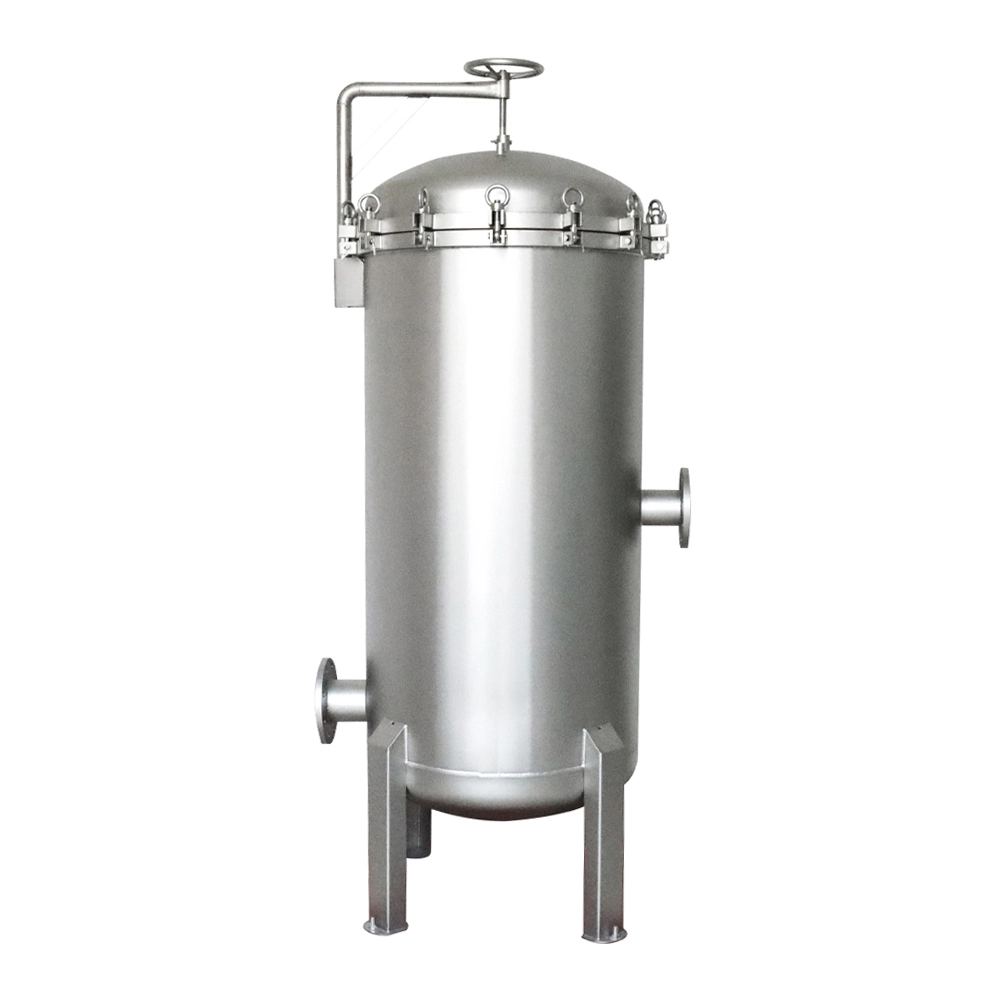
Stainless steel multi cartridge filter housing
Discover unparalleled filtration efficiency with our Stainless Steel Multi Cartridge Filter Housing – a testament to precision engineering and reliability.
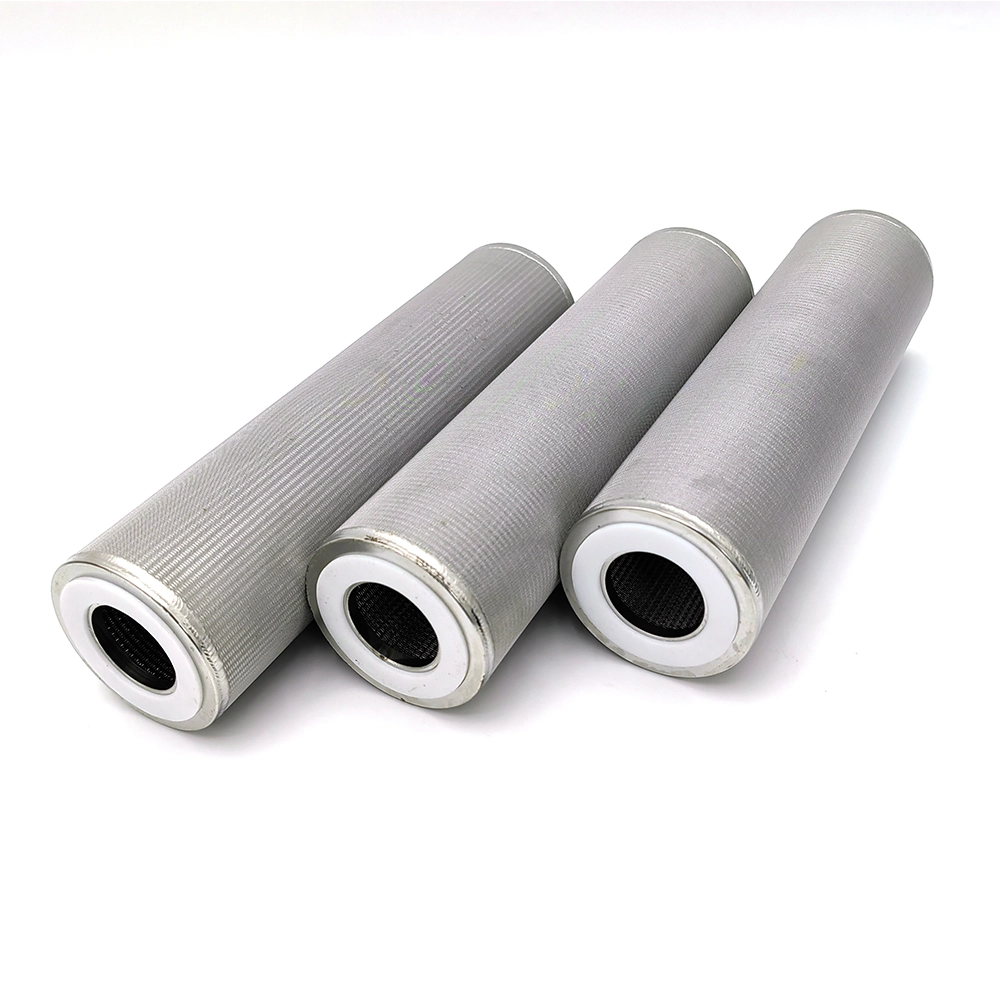
Sintered wire mesh filter
Benefit from outstanding high-pressure resistance and consistent filtration efficiency with our sintered metal mesh. Our sintered wire mesh finds versatile applications in diffuser screens, centrifuges, breather vents, fluidized beds, chromatography, polymer processing, petrochemical industries, hydraulic filters, and more.
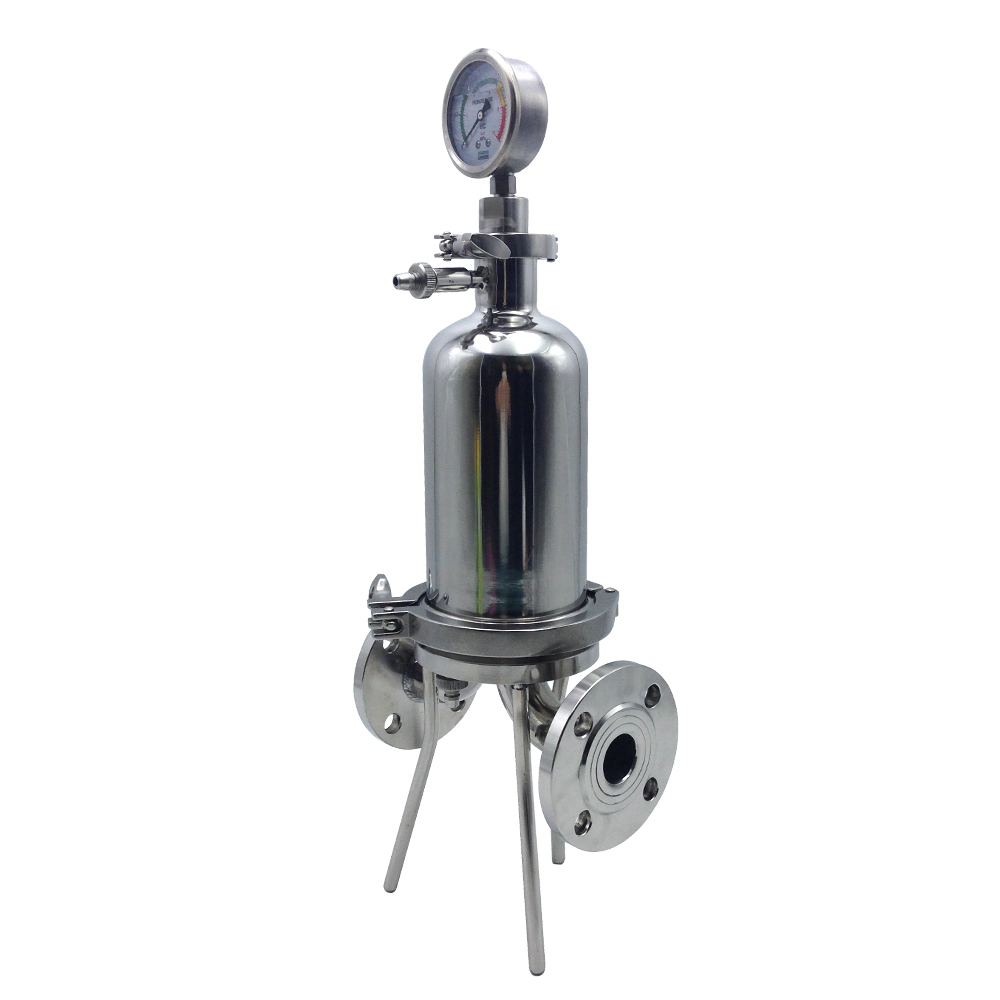
Sanitary filter housing
This filter housing will allow you to filter large volumes of nanoemulsion with ease. Sanitary vent and drain valves permit easy venting, draining, sampling, or integrity testing operations. The new cartridge locking design features additional cut-outs for traditional half-moon portions of the Code 7 bayonet locks, enhancing clean ability and drain ability.
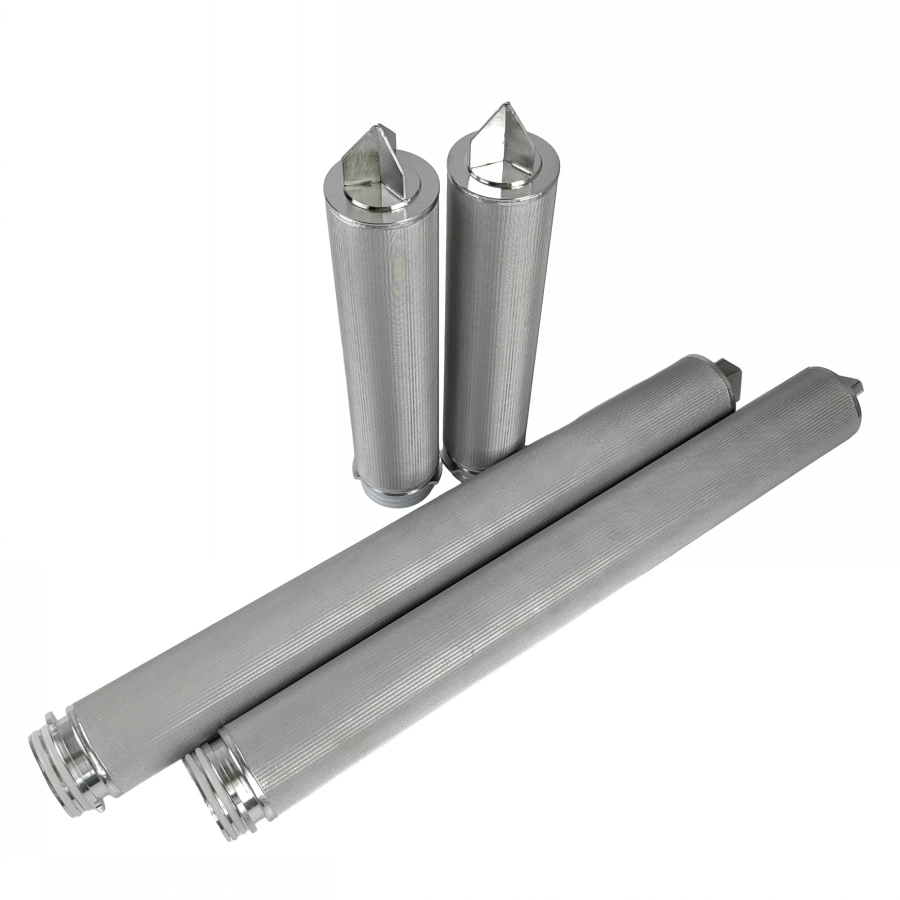
stainless steel filter water
Our sintered stainless steel filter stands as a pivotal filtration element crafted through a meticulous sintering process, with stainless steel serving as the core material.
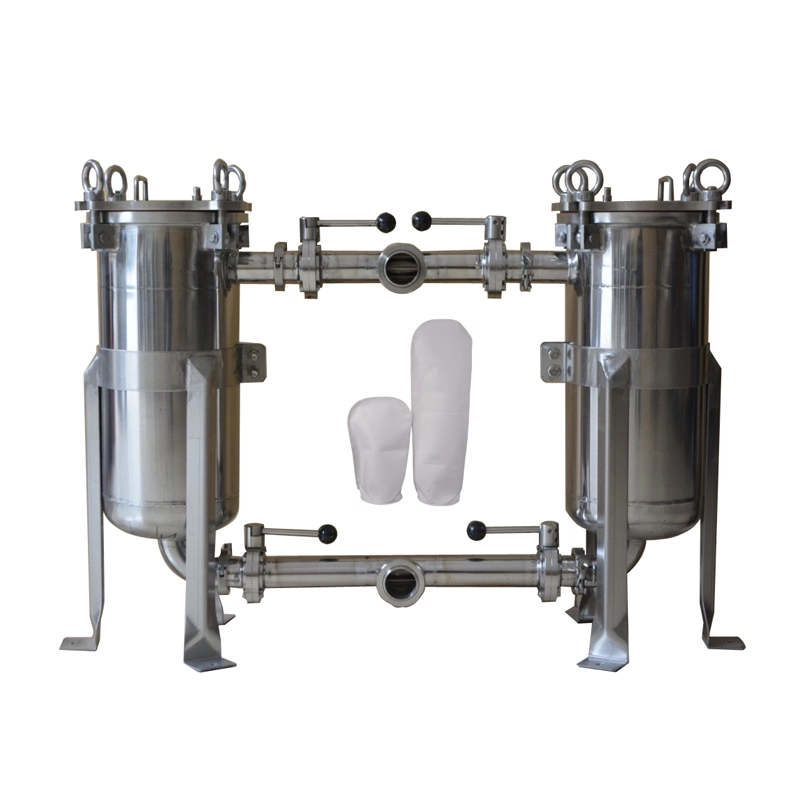
Stainless Steel Duplex filter housing
As the manufacturer, we offer a comprehensive range of Duplex Filter Housings designed to provide efficient and reliable filtration solutions for various industrial applications.
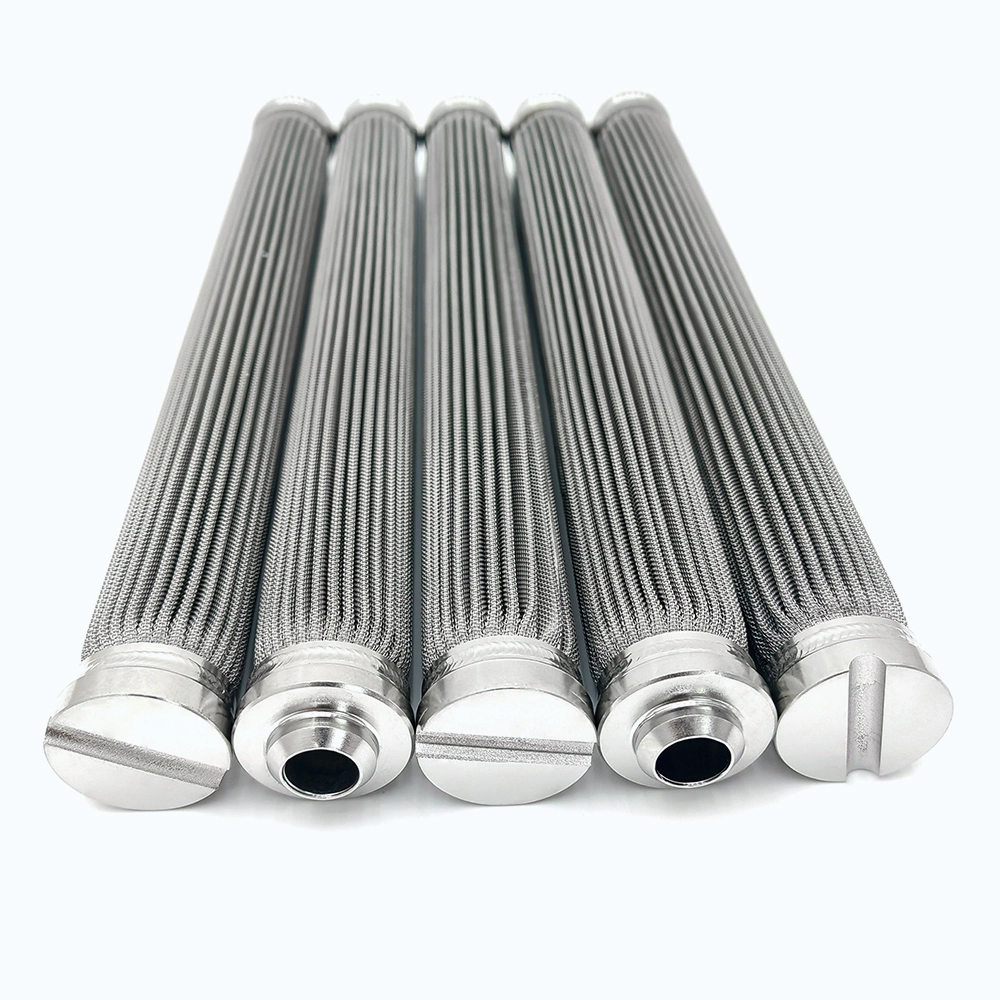
Stainless steel pleated filter cartridge
Our Stainless Steel Pleat Filter Cartridge constructed from high-quality SS 304 or SS 316L material, this filter exhibits exceptional resistance to high temperatures and rust.
© 2024 All Rights Reserved. | Privacy policy • Terms and conditions


