
What is a sintered glass filter used for and the advantages?
Discover the unique benefits of the our sintered glass filter in our latest article. Explore how this exceptional filtration solution enhances industrial and laboratory processes by offering superior chemical resistance, high temperature durability, and efficient particle retention. Perfect for challenging environments, the glass sintered filter ensures reliable performance and longevity. Dive into the advantages and applications of using our sintered glass filter to optimize your filtration needs. Unlock the potential of cutting-edge filtration technology today.
A sintered glass filter is used primarily for filtration and separation in various laboratory and industrial applications. Made from finely ground glass particles that are fused together through a sintering process, these filters have a porous structure that allows fluids to pass through while trapping solid particles.
Common Uses of Sintered Glass Filters:
1. Chemical Filtration: Sintered glass filters are often used to filter out solid impurities from chemical solutions, ensuring the purity of the liquid.
2. Vacuum Filtration: In laboratory settings, they are used in vacuum filtration systems to remove particulate matter from liquids, such as during the preparation of samples for analysis.
3. Gas Filtration: Sintered glass filters can be used to remove particulate contaminants from gases in both laboratory and industrial processes.
5. Crystallization: They are employed in crystallization processes to separate crystals from the mother liquor.
Environmental Testing: Sintered glass filters are used to filter out particulate matter from water, air, and soil samples in environmental monitoring.
6. Sterilization: These filters can be used to sterilize liquids and gases by removing microorganisms when fine enough pores are used.
Solvent Filtration: In organic synthesis and other chemical processes, they help in filtering solvents to remove any impurities that could affect the reaction.
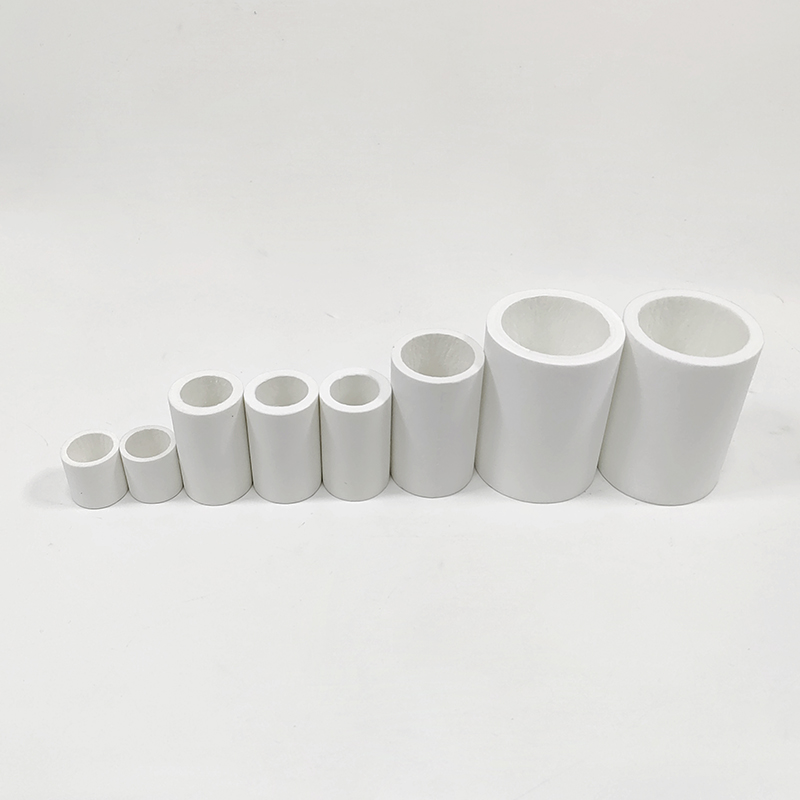
The advantages of sintered glass
Sintered glass offers several advantages, making it a popular choice in various applications, particularly in laboratory and industrial settings. Here are some of the key benefits:
1. High Chemical Resistance
Sintered glass is highly resistant to chemical corrosion, making it suitable for use with a wide range of acids, bases, and solvents. This property is particularly valuable in chemical laboratories and industries where exposure to harsh chemicals is common.
2. Precise Filtration
The sintering process creates a uniform and consistent pore structure in the glass, allowing for precise filtration. This makes sintered glass filters ideal for applications requiring the separation of fine particles from liquids or gases, ensuring high filtration accuracy.
3. High Thermal Stability
Sintered glass can withstand high temperatures without degrading or losing its structural integrity. This makes it suitable for use in processes that involve heating or where temperature fluctuations are common.
4. Reusability and Longevity
Sintered glass filters are durable and can be cleaned and reused multiple times without losing their effectiveness. This reusability not only reduces waste but also makes them a cost-effective option over time.
5. Mechanical Strength
The sintering process enhances the mechanical strength of the glass, making it less prone to breakage compared to traditional glass. This increased strength allows sintered glass to withstand higher pressures during filtration processes.
6. Inertness
Sintered glass is chemically inert, meaning it does not react with the substances it comes into contact with. This property is essential in applications where maintaining the purity of the filtered material is critical.
7. Versatility
Sintered glass can be used in a wide range of applications, from chemical filtration and gas purification to environmental testing and laboratory analysis. Its versatility makes it a valuable material in both scientific and industrial contexts.
8. Easy to Clean
Sintered glass filters are relatively easy to clean, often requiring just a simple rinse or backwash to remove trapped particles. This ease of maintenance further contributes to their long-term usability.
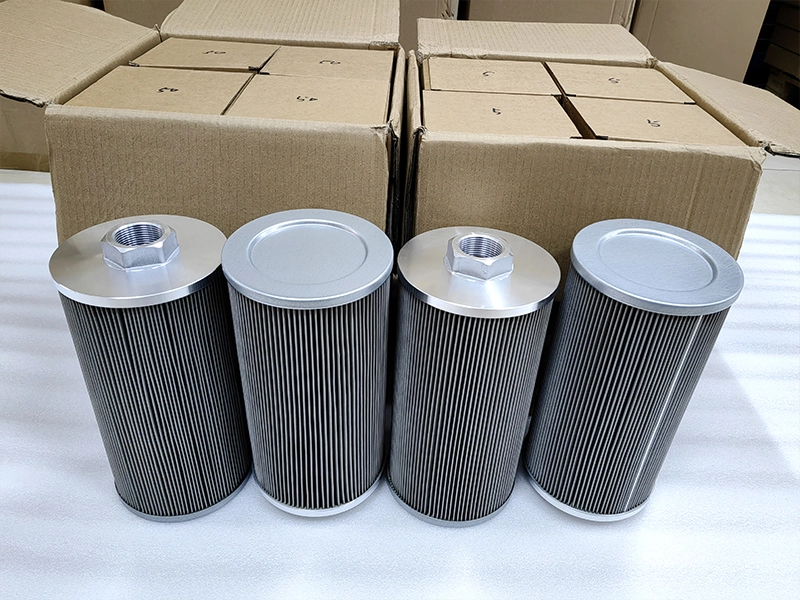
What is Sintered Metal Filter? Complete Guide
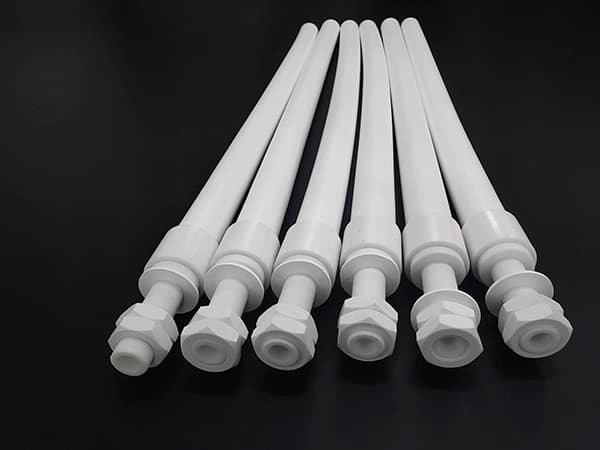
Sintered PTFE Filters: Advanced Filtration for Demanding Environments
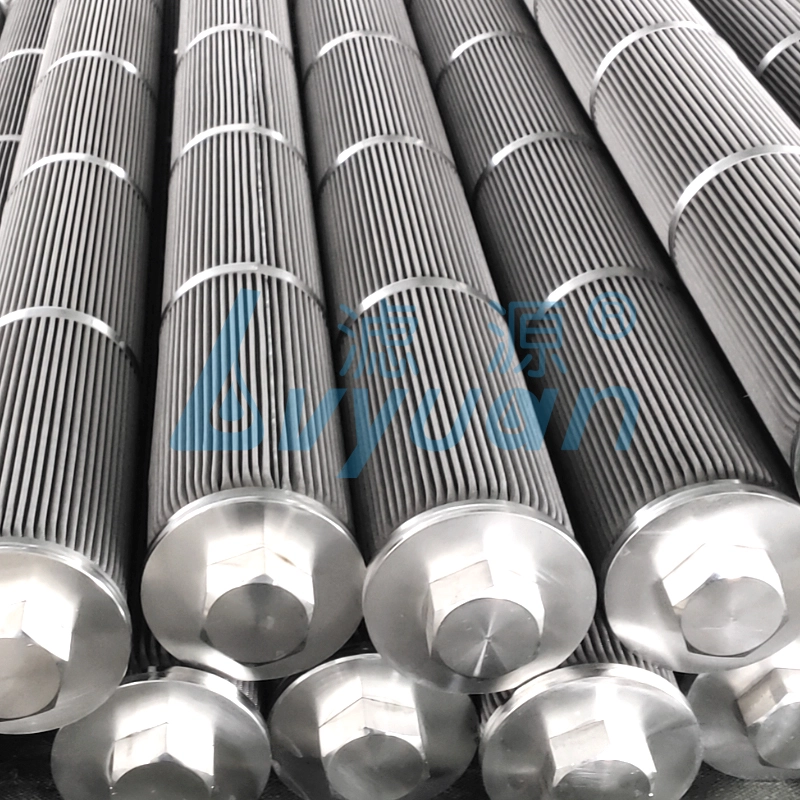
Metal Sintered Filters: Precision Filtering to Drive Industrial Upgrading
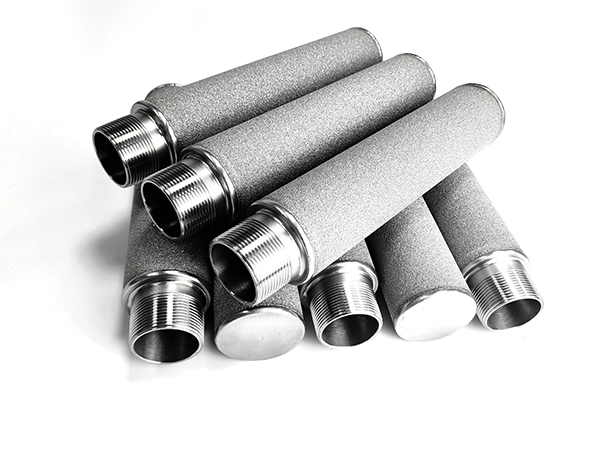
Choosing Sintered Filters: An Overview for Industrial Applications
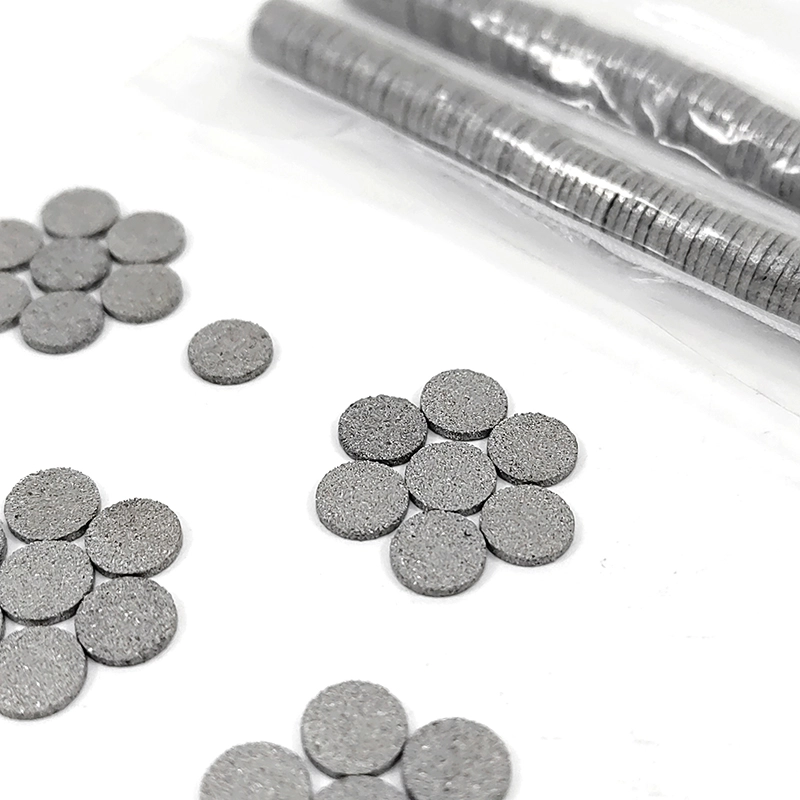
What is a Sintered Metal Filter Disc? A Comprehensive Guide
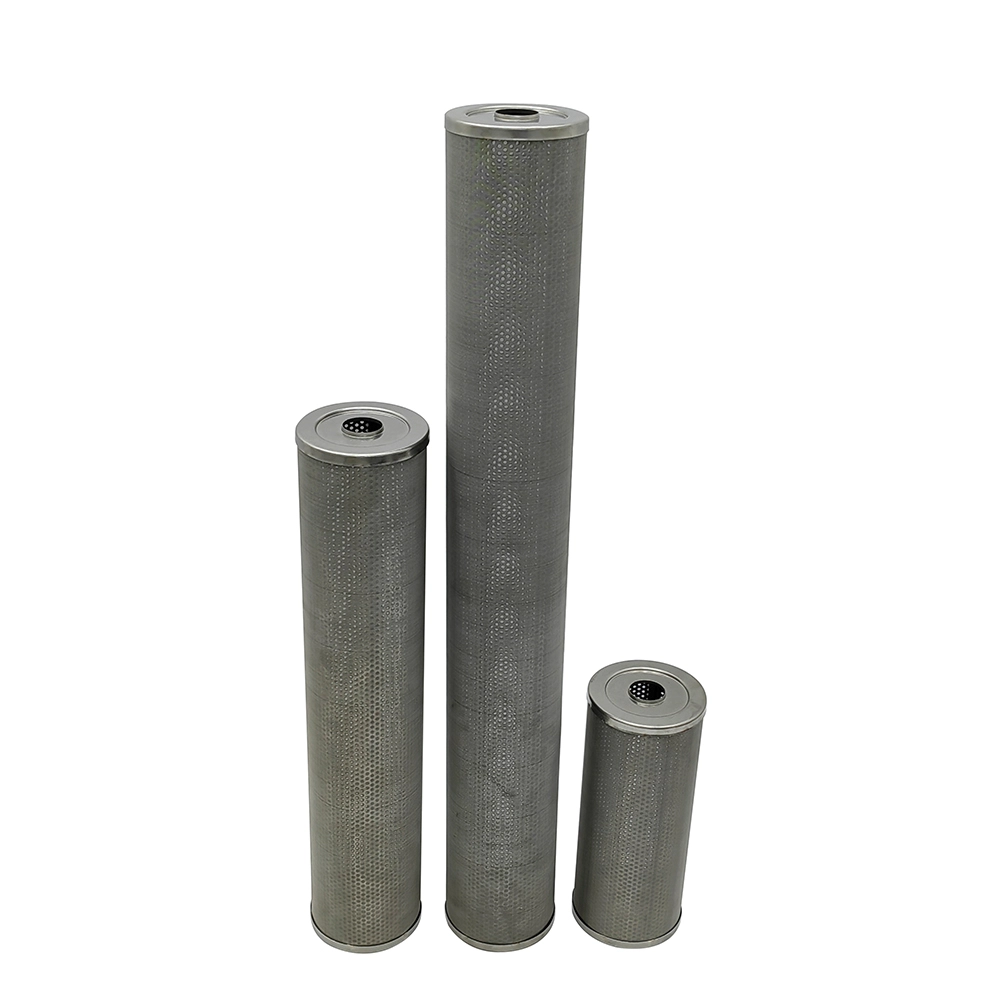
What Are Sintered Metal Filters and How Do They Work?
Sintered mesh filters
What is the temperature range for sintered mesh filters?
Sintered mesh filters can withstand a broad temperature range, typically from -200°C to 600°C. The temperature resistance depends on the material used in the filter construction.
Can sintered mesh filters be used in corrosive environments?
Yes, sintered mesh filters can be manufactured from corrosion-resistant materials such as stainless steel, making them suitable for use in corrosive environments.
For products
What is the filtration efficiency of your sintered metal filters?
The filtration efficiency depends on the micron rating and the type of material chosen. We offer a range of micron ratings to accommodate different filtration needs, ensuring the efficient removal of particles and contaminants.
Sintered Powder Filters
How is the filtration accuracy of sintered powder filters determined?
The filtration accuracy is determined by the pore size and micron rating of the sintered powder filter. These parameters can be customized based on the application's particle filtration requirements.
Stainless Steel Cartridge Filter Housing
What is a stainless steel cartridge filter housing?
The 304 or 316 stainless steel cartridge filter housing is a durable enclosure designed to hold filter cartridges or filter bags for the filtration of liquids or gases in industrial processes.
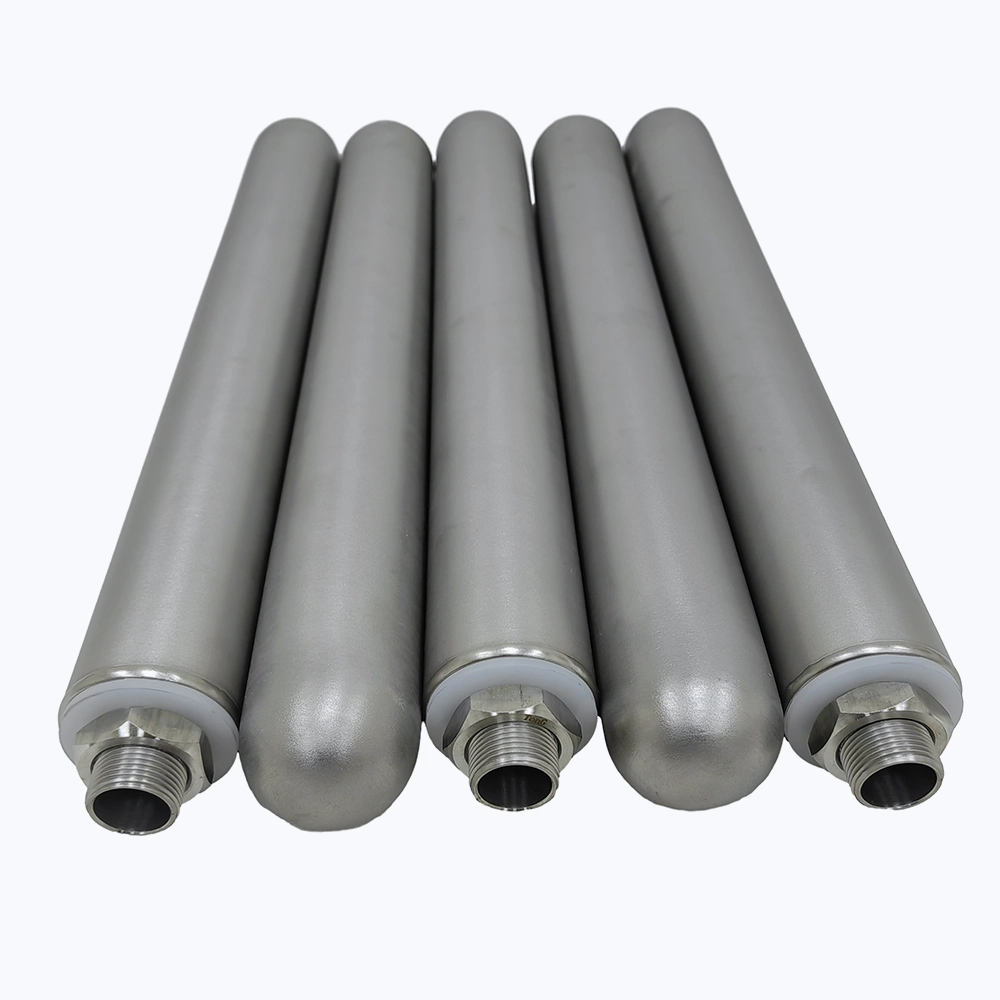
Sintered metal tube
Our Sintered Metal Tube stands as a hallmark of excellence in industrial filtration, offering a robust and efficient solution for various applications.
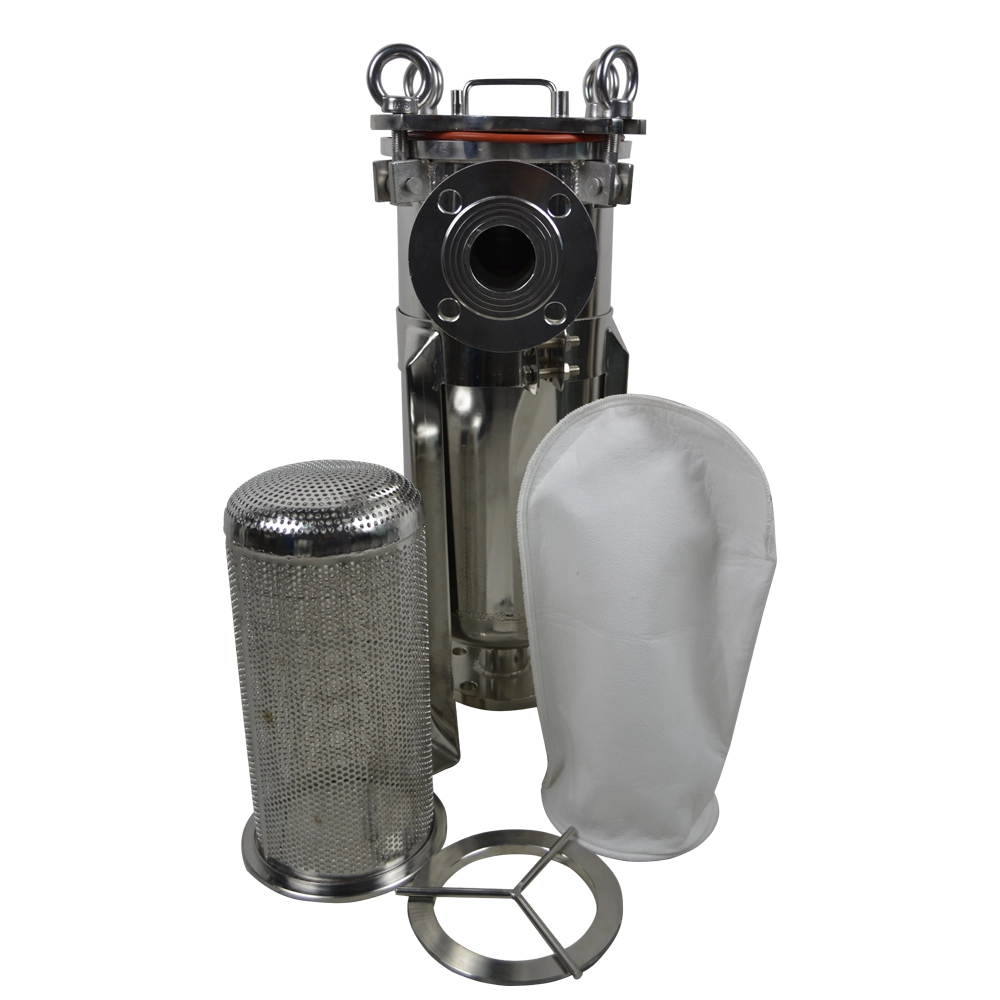
Bag filter housing
Bag filter housings are essential components in industrial filtration systems, designed to remove contaminants from liquids. To enhance the functionality and efficiency of bag filter housings, various features can be incorporated.
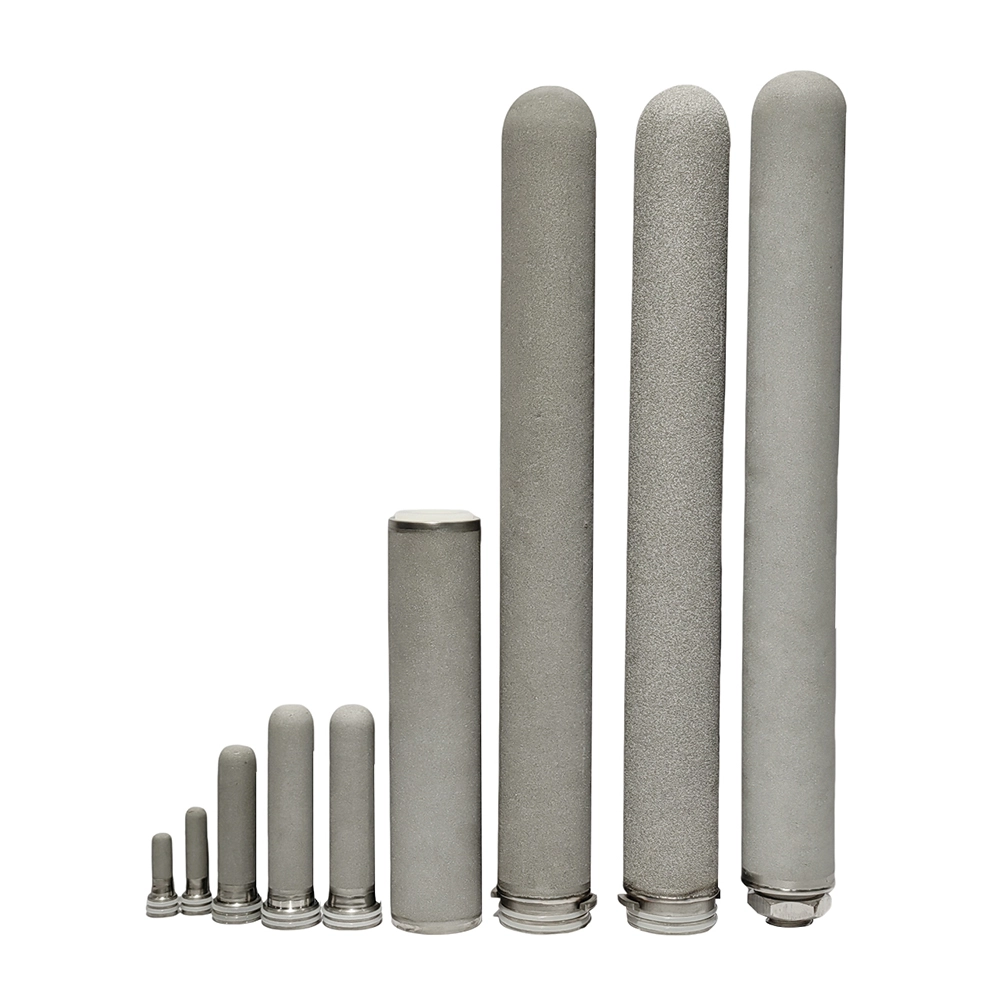
Sintered powder metal filters
Sintered powder metal filters are crafted from compressed and sintered metal powders, forming a porous structure. Porosity: 28%-50% Permeability: 0.02-20L/cm²minPa Pressure Resistance: 0.5Mpa Temperature Resistance: Less than 280℃
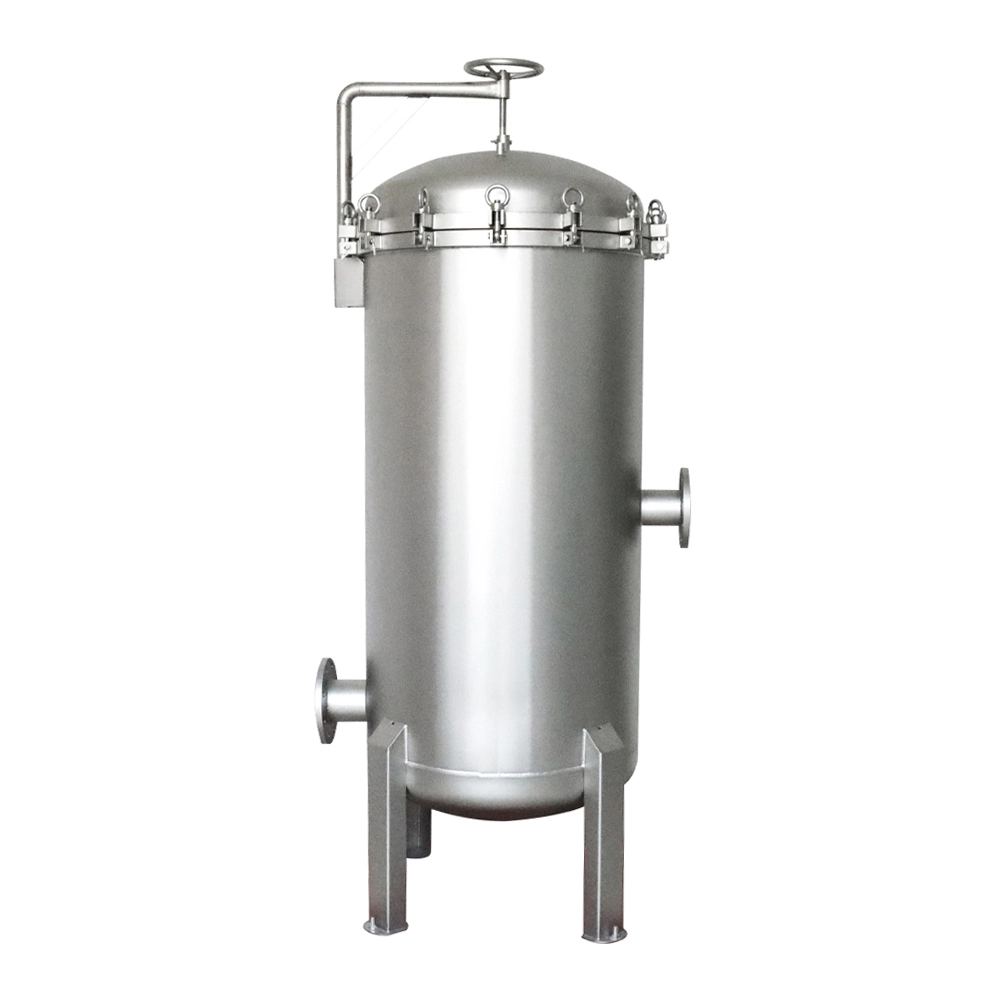
Stainless steel multi cartridge filter housing
Discover unparalleled filtration efficiency with our Stainless Steel Multi Cartridge Filter Housing – a testament to precision engineering and reliability.
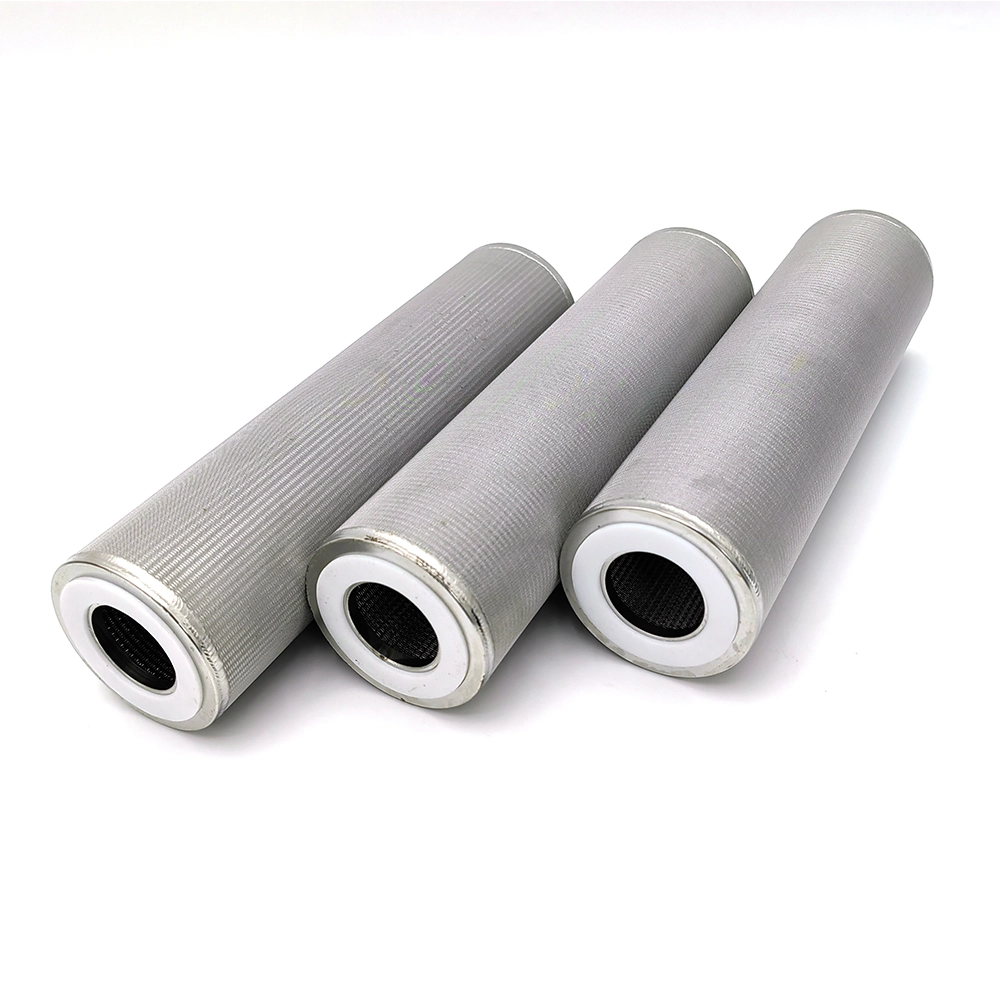
Sintered wire mesh filter
Benefit from outstanding high-pressure resistance and consistent filtration efficiency with our sintered metal mesh. Our sintered wire mesh finds versatile applications in diffuser screens, centrifuges, breather vents, fluidized beds, chromatography, polymer processing, petrochemical industries, hydraulic filters, and more.
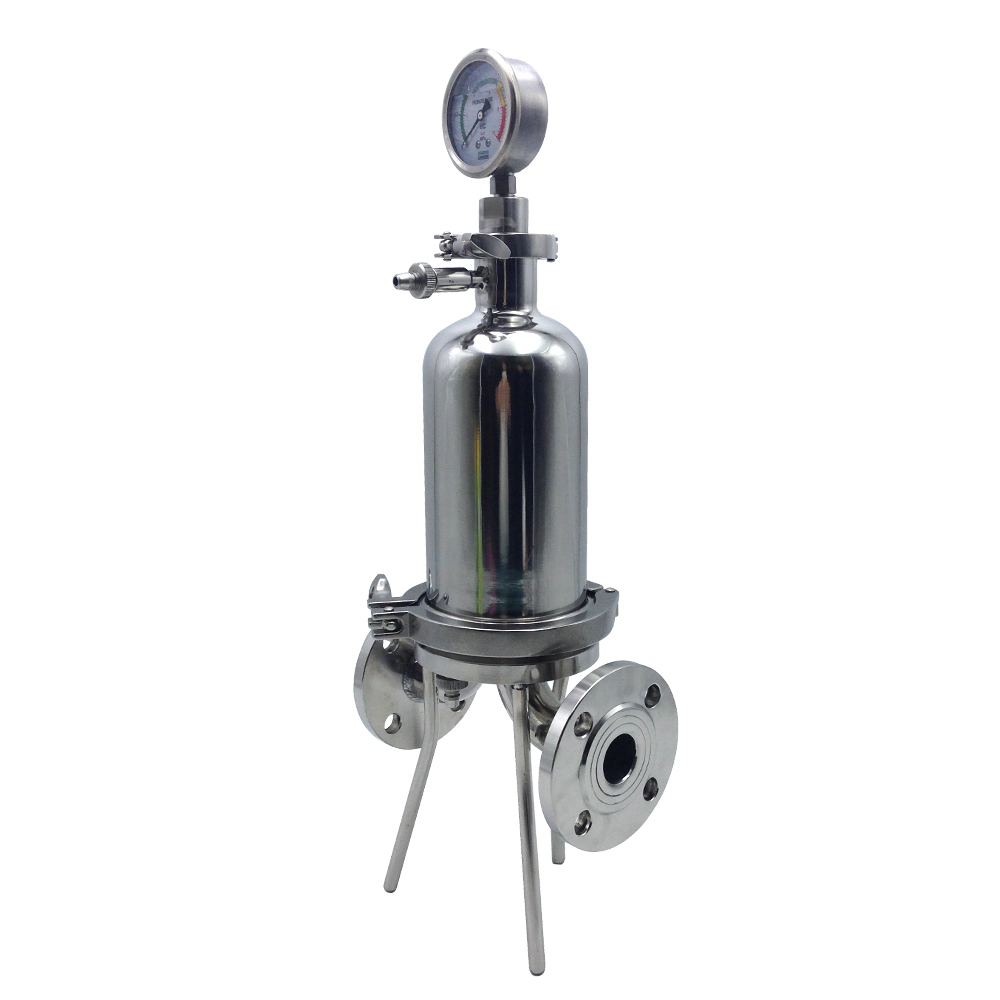
Sanitary filter housing
This filter housing will allow you to filter large volumes of nanoemulsion with ease. Sanitary vent and drain valves permit easy venting, draining, sampling, or integrity testing operations. The new cartridge locking design features additional cut-outs for traditional half-moon portions of the Code 7 bayonet locks, enhancing clean ability and drain ability.
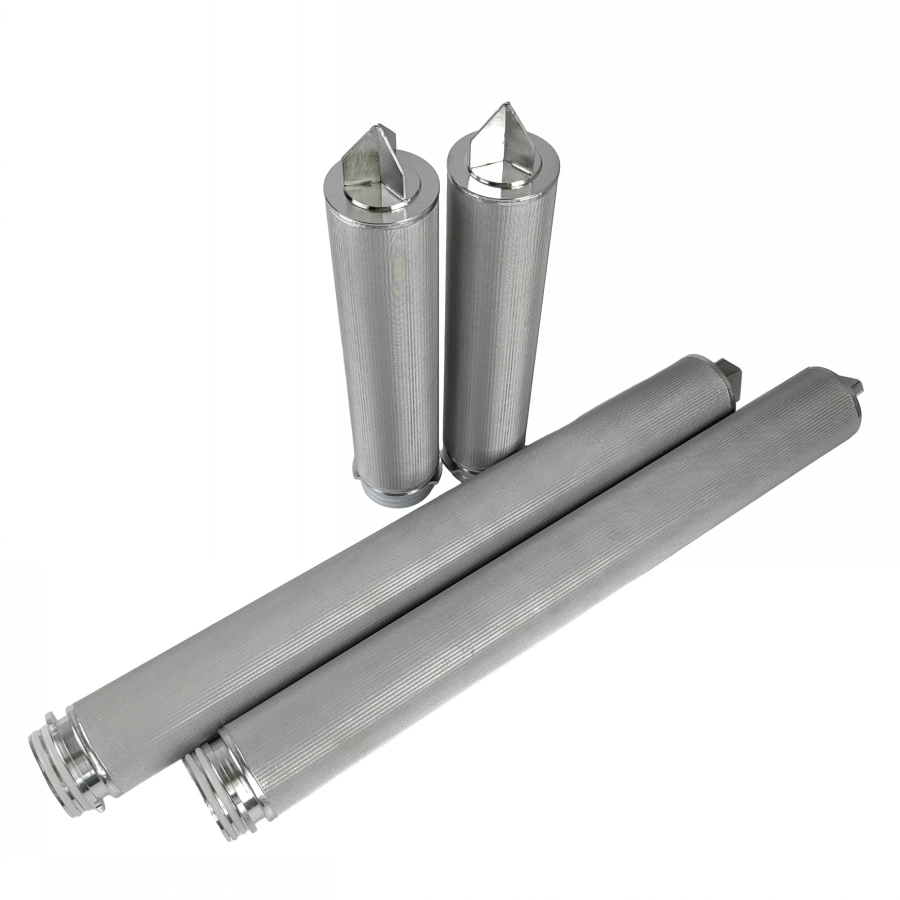
stainless steel filter water
Our sintered stainless steel filter stands as a pivotal filtration element crafted through a meticulous sintering process, with stainless steel serving as the core material.
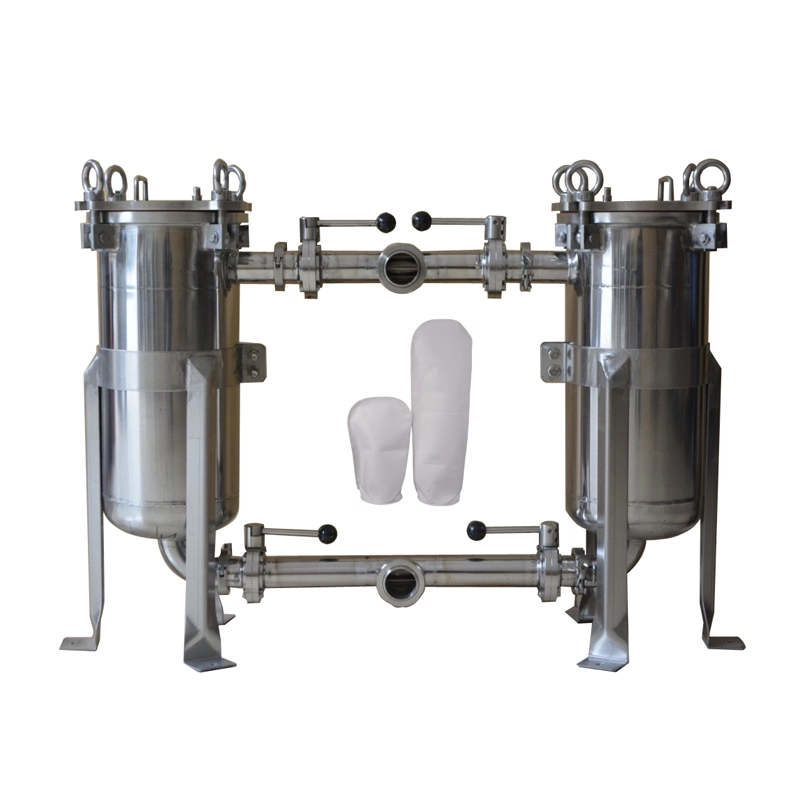
Stainless Steel Duplex filter housing
As the manufacturer, we offer a comprehensive range of Duplex Filter Housings designed to provide efficient and reliable filtration solutions for various industrial applications.
© 2024 All Rights Reserved. | Privacy policy • Terms and conditions


