
What is a sintered metal filter and benefits
Discover the innovative world of sintered metal filters with us. Our sintered metal filter technology offers superior durability, high filtration efficiency, and exceptional resistance to temperature and pressure. Ideal for a wide range of industrial applications, these metal sintered filters provide reliable performance and long-lasting service life. Experience the benefits of enhanced fluid purity and reduced maintenance costs. Trust us for cutting-edge filtration solutions. Explore more about our sintered metal filters today.
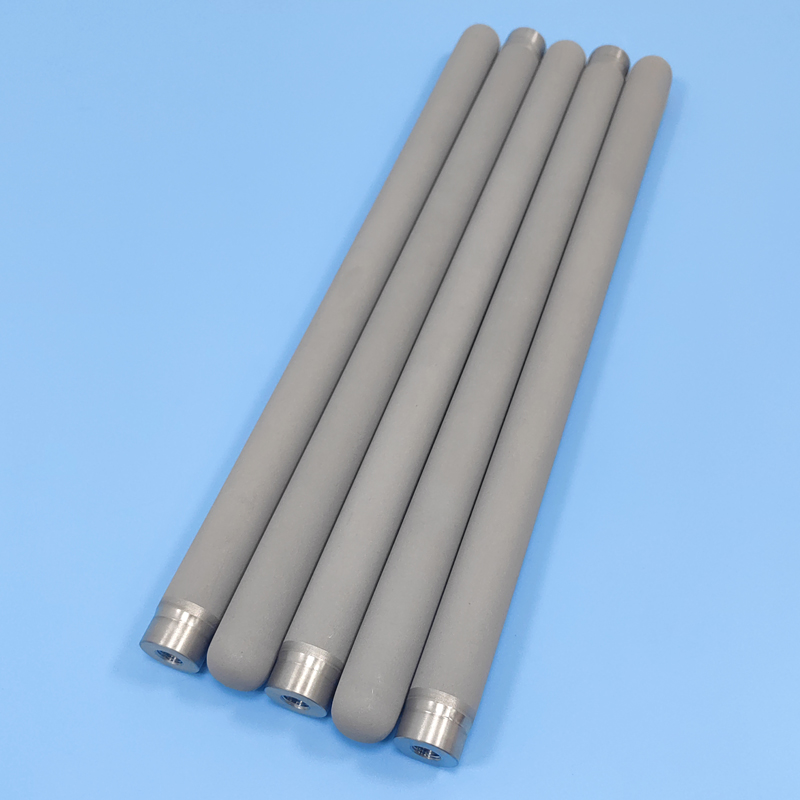
Sintered metal filters are advanced filtration components widely used in various industries for their durability, efficiency, and ability to withstand extreme conditions. This article explores what sintered metal filters are, their benefits, applications, and how they are manufactured.
Definition and Structure
A sintered metal filter is a porous filter made from metal powders that are fused together using a process called sintering. This process involves heating the metal powders to a temperature below their melting point until they bond to form a rigid, porous structure. The resulting filter has a high degree of structural integrity and excellent filtration properties.
Benefits of Sintered Metal Filters
Durability and Strength
High Mechanical Strength: Sintered metal filters are robust and can withstand high pressures and mechanical stresses, making them suitable for demanding applications.
Resistance to Wear: These filters are highly resistant to wear and tear, ensuring a long service life even in harsh conditions.
Superior Filtration Efficiency
Fine Filtration:The controlled pore size of sintered metal filters allows for precise filtration of particles, providing high filtration efficiency.
Consistency: The uniform pore structure ensures consistent filtration performance over time.
Chemical and Thermal Resistance
Corrosion Resistance: Sintered metal filters are resistant to corrosion, making them suitable for use with aggressive chemicals and corrosive environments.
High Temperature Tolerance: These filters can operate at high temperatures, making them ideal for applications involving extreme heat.
Ease of Maintenance and Cleaning
Reusability: Sintered metal filters can be cleaned and reused multiple times, reducing replacement costs.
Backwashing Capability: Many sintered metal filters can be cleaned through backwashing, which involves reversing the flow of fluid to dislodge trapped particles.
Applications of Sintered Metal Filters
Industrial Filtration
Chemical Processing: Used to filter aggressive chemicals and corrosive fluids in the chemical processing industry.
Petrochemical Industry: Employed in the filtration of oils, gases, and other fluids in the petrochemical sector.
Water Treatment
Drinking Water Filtration: Used in water treatment plants to remove impurities and contaminants from drinking water.
Wastewater Treatment: Applied in wastewater treatment facilities to filter solids and pollutants from wastewater.
Pharmaceutical and Food Industries
Sterile Filtration: Used in the pharmaceutical industry for sterile filtration of drugs and biologics.
Food and Beverage Filtration: Employed in the food and beverage industry to ensure product purity and safety.
Automotive and Aerospace
Fuel and Oil Filtration: Used in automotive and aerospace applications to filter fuel, oil, and hydraulic fluids.
Air Filtration: Applied in air filtration systems to remove contaminants from intake and exhaust air.
Manufacturing Process of Sintered Metal Filters
Powder Preparation
Selection of Metal Powders: High-purity metal powders, such as stainless steel, bronze, or nickel, are selected based on the desired properties of the filter.
Mixing: The metal powders are mixed to achieve a uniform distribution of particle sizes.
Compaction
Molding: The metal powder mixture is placed in a mold and compacted under high pressure to form a green (unsintered) shape.
Pre-Sintering: The green shape may undergo a pre-sintering step to enhance its mechanical strength.
Sintering
Heating: The compacted shape is heated in a sintering furnace at a temperature below the melting point of the metal powders. This causes the particles to bond together.
Controlled Atmosphere: The sintering process is carried out in a controlled atmosphere to prevent oxidation and ensure the desired properties of the filter.
Post-Sintering Operations
Machining: The sintered filter may undergo machining to achieve the final dimensions and specifications.
Surface Treatment: Surface treatments, such as polishing or coating, may be applied to enhance the filter's performance.
Conclusion
Sintered metal filters are versatile and durable filtration solutions used across various industries for their superior filtration efficiency, mechanical strength, and resistance to harsh conditions. Their ability to be cleaned and reused makes them cost-effective and environmentally friendly. Understanding the benefits and applications of sintered metal filters can help in selecting the right filter for specific needs, ensuring efficient and reliable filtration.
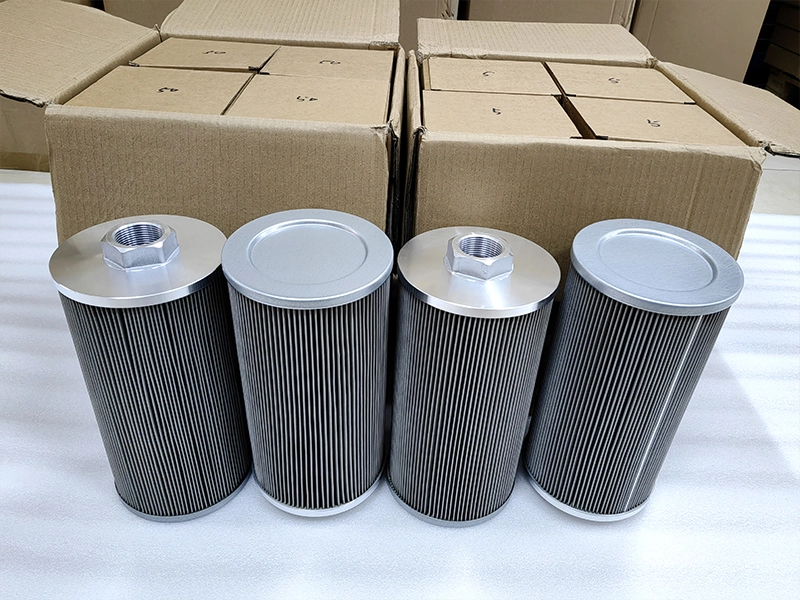
What is Sintered Metal Filter? Complete Guide
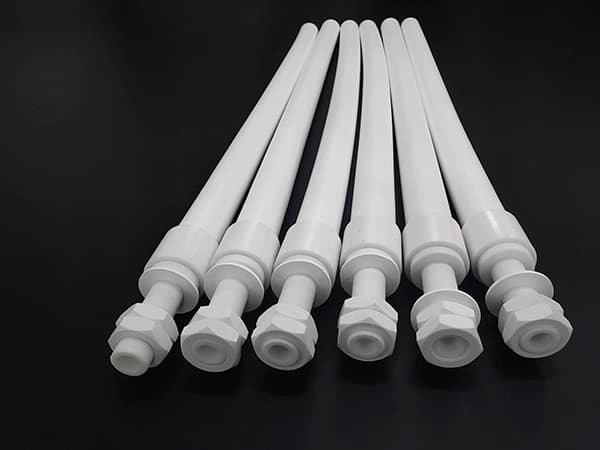
Sintered PTFE Filters: Advanced Filtration for Demanding Environments
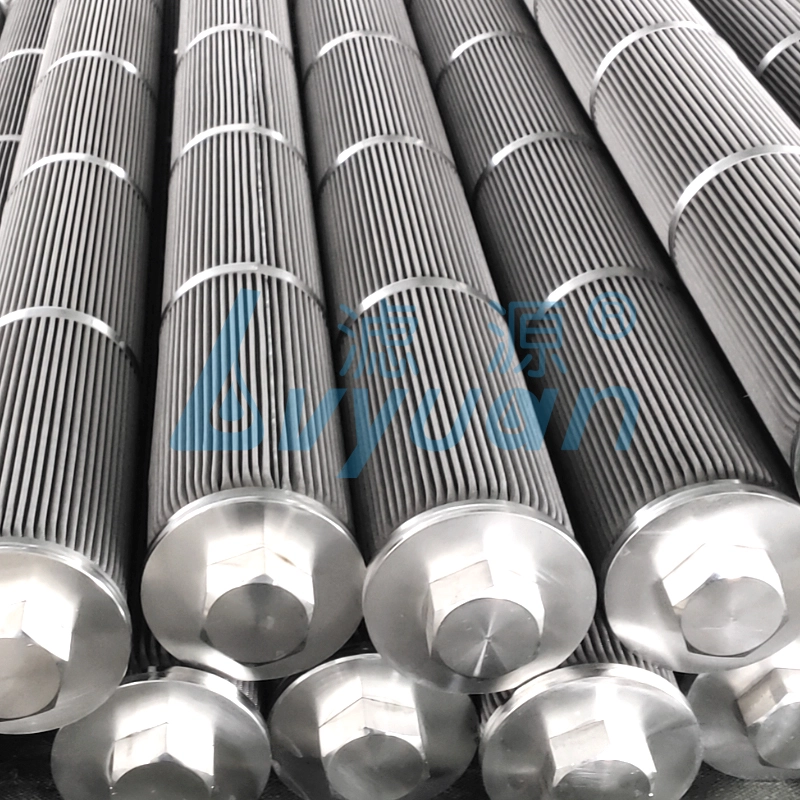
Metal Sintered Filters: Precision Filtering to Drive Industrial Upgrading
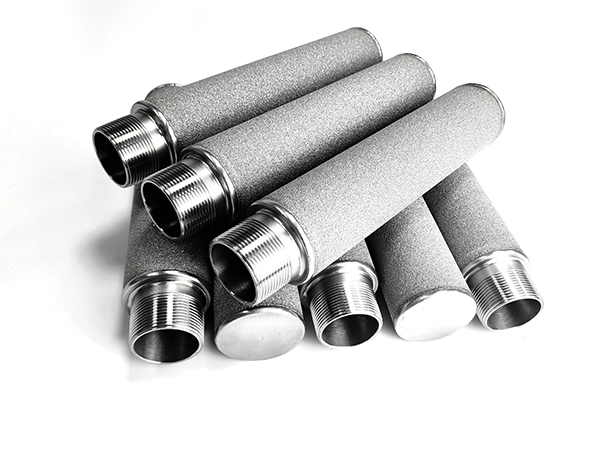
Choosing Sintered Filters: An Overview for Industrial Applications
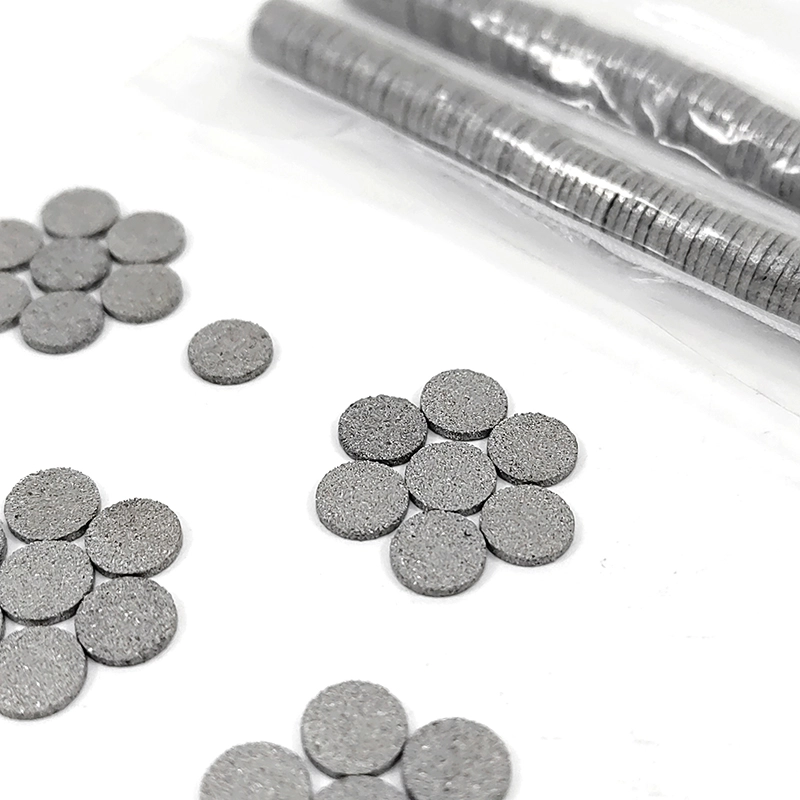
What is a Sintered Metal Filter Disc? A Comprehensive Guide
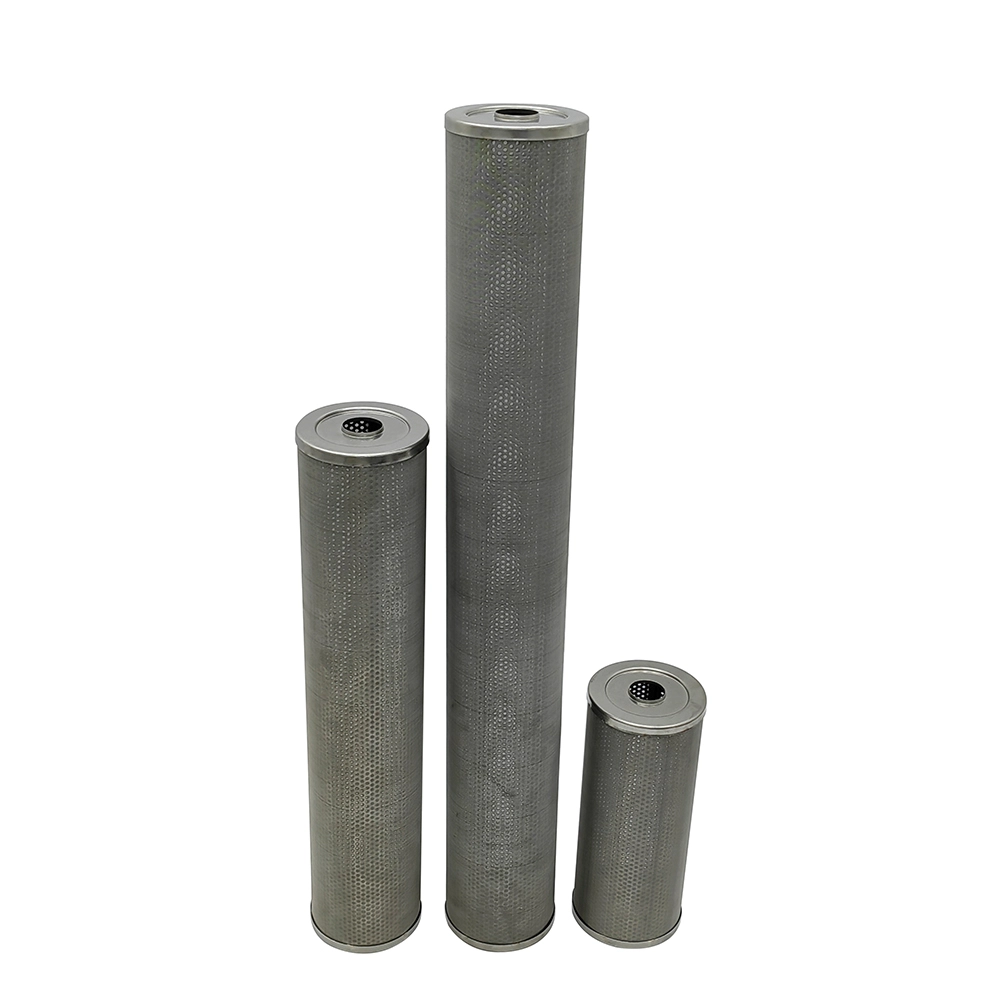
What Are Sintered Metal Filters and How Do They Work?
Sintered mesh filters
What is the temperature range for sintered mesh filters?
Sintered mesh filters can withstand a broad temperature range, typically from -200°C to 600°C. The temperature resistance depends on the material used in the filter construction.
What are the main applications of sintered mesh filters?
Sintered mesh filters find applications in industries such as petrochemicals, pharmaceuticals, food and beverage, aerospace, and water treatment. They are used for filtration, dispersion, fluidization, and separation processes.
What advantages do sintered mesh filters offer over other filtration methods?
Sintered mesh filters provide advantages such as high filtration efficiency, strength, durability, and the ability to withstand challenging conditions. They offer a reliable and long-lasting solution for diverse filtration needs.
Porous Plastic Filter
What types of polymers are used to manufacture sintered plastic porous filters?
Common polymers used in the production of sintered plastic porous filters include polyethylene (PE), polypropylene (PP), polytetrafluoroethylene (PTFE), and polyvinylidene fluoride (PVDF), among others.
How do I clean and maintain sintered porous filter discs?
Cleaning methods depend on the material used. For metal discs, methods may include backwashing, ultrasonic cleaning, or chemical cleaning. Polyethylene discs are often cleaned with mild detergents. Regular maintenance ensures a prolonged operational life.
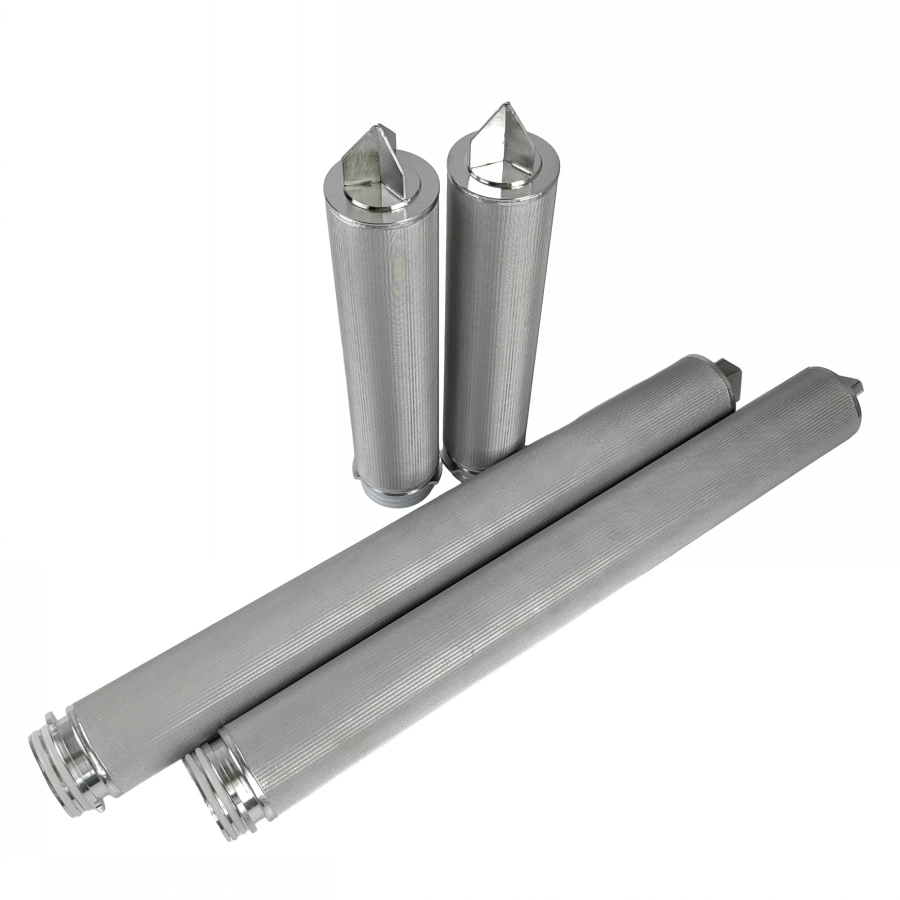
stainless steel filter water
Our sintered stainless steel filter stands as a pivotal filtration element crafted through a meticulous sintering process, with stainless steel serving as the core material.
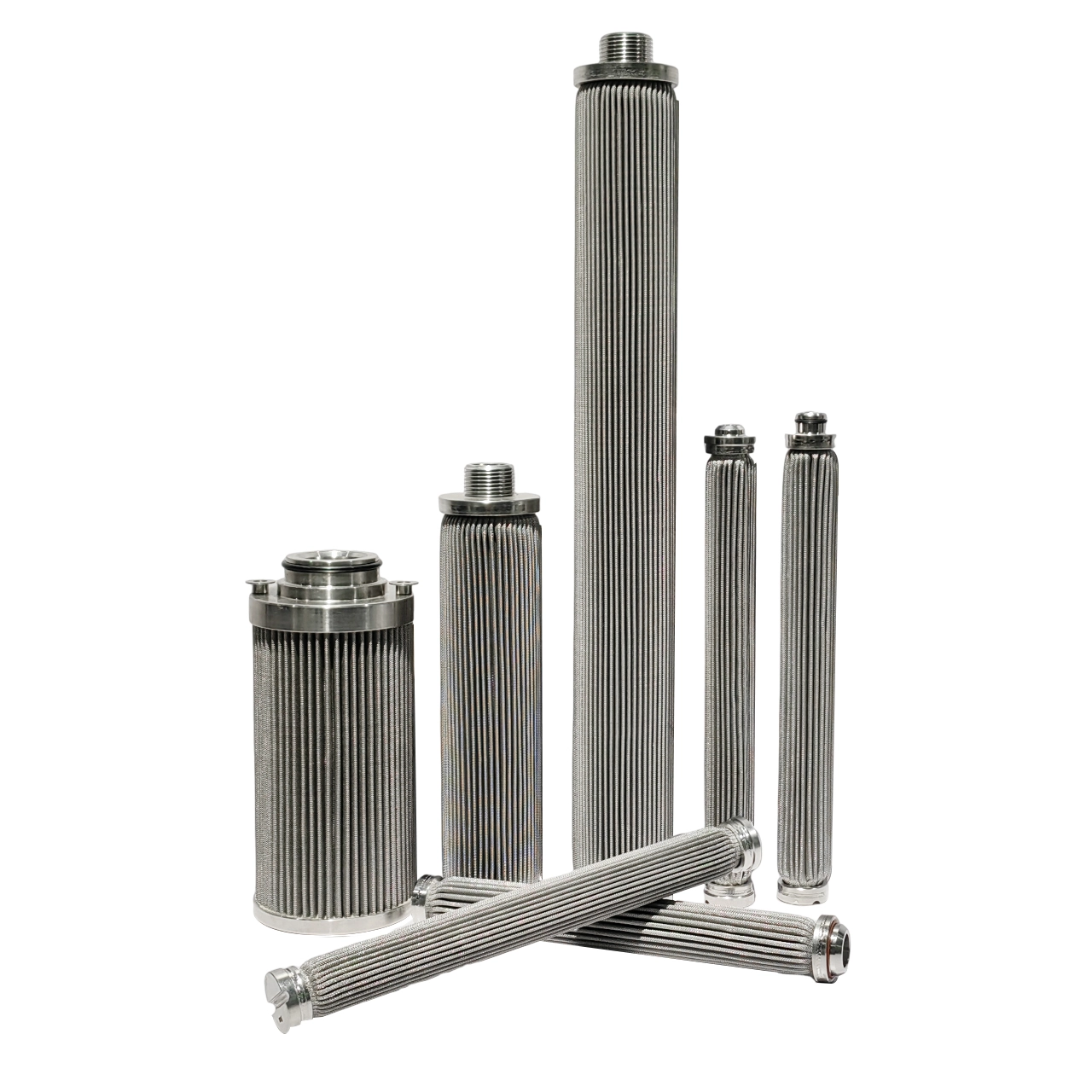
Sintered felt filter cartridge
Sintered felt filter cartridge is processed using stainless steel fiber sintered felt, with the standard material being 316L. The finished felt is formed by different pore size layers to create a gradient density, allowing for controlled high filtration precision and dirt holding capacity.
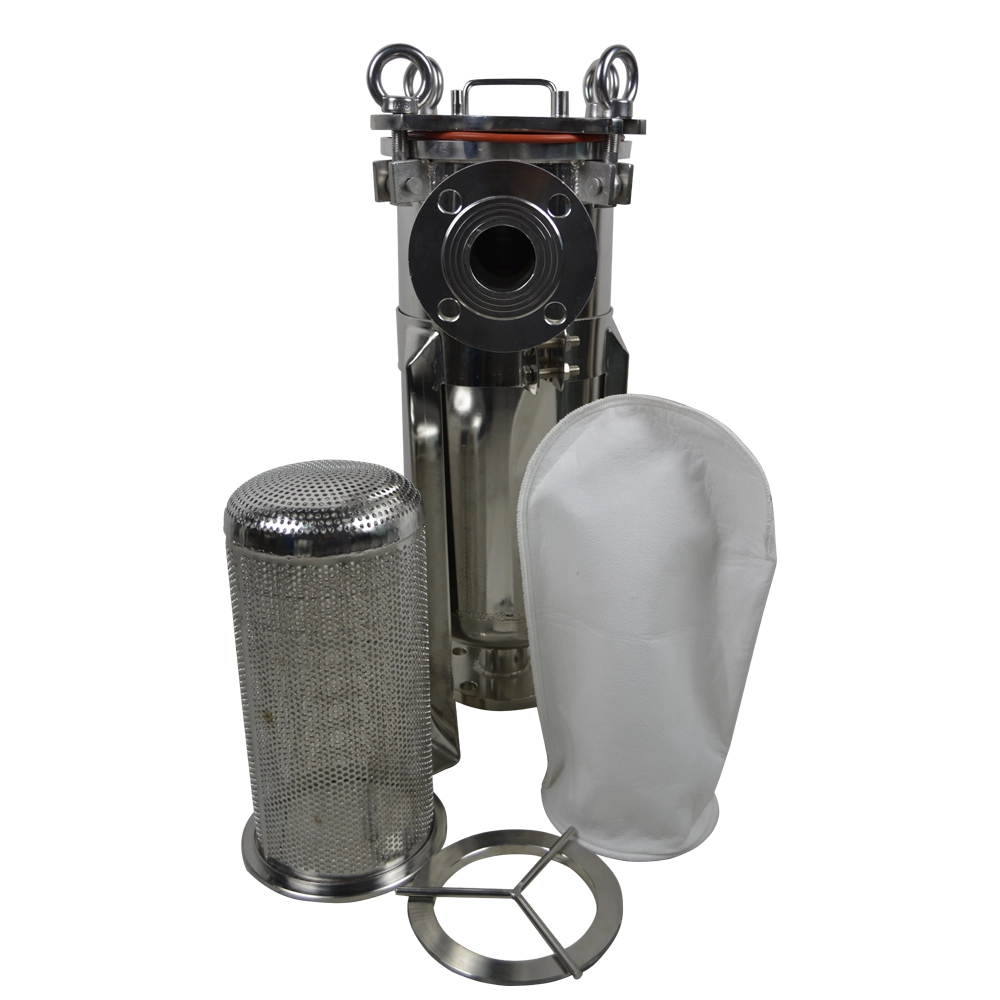
Bag filter housing
Bag filter housings are essential components in industrial filtration systems, designed to remove contaminants from liquids. To enhance the functionality and efficiency of bag filter housings, various features can be incorporated.
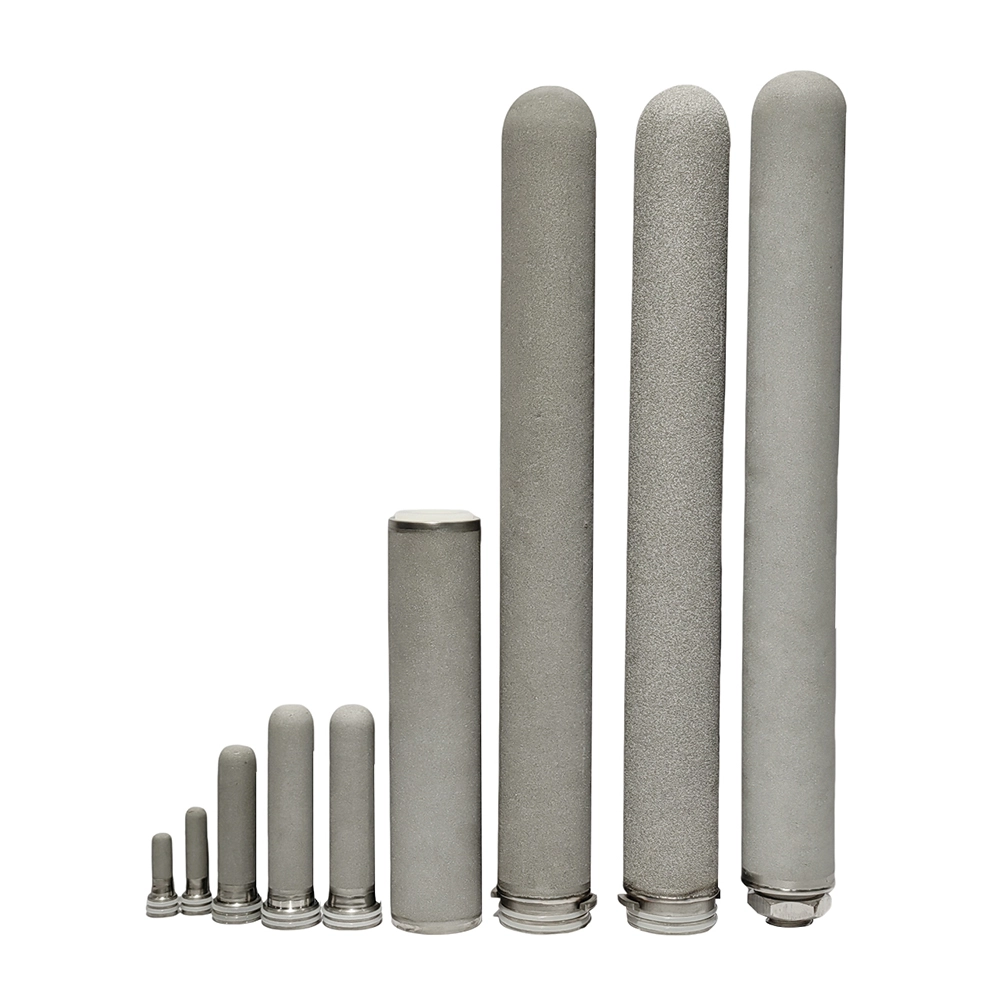
Sintered powder metal filters
Sintered powder metal filters are crafted from compressed and sintered metal powders, forming a porous structure. Porosity: 28%-50% Permeability: 0.02-20L/cm²minPa Pressure Resistance: 0.5Mpa Temperature Resistance: Less than 280℃
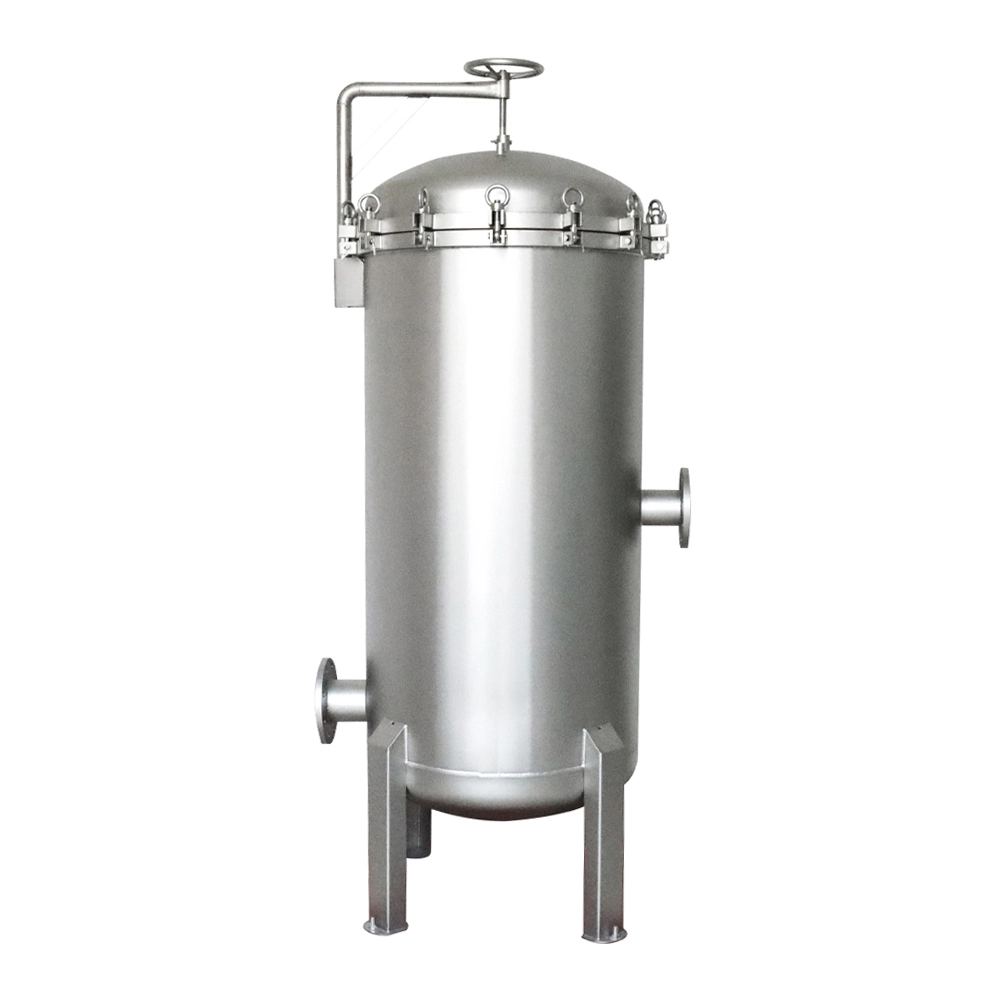
Stainless steel multi cartridge filter housing
Discover unparalleled filtration efficiency with our Stainless Steel Multi Cartridge Filter Housing – a testament to precision engineering and reliability.
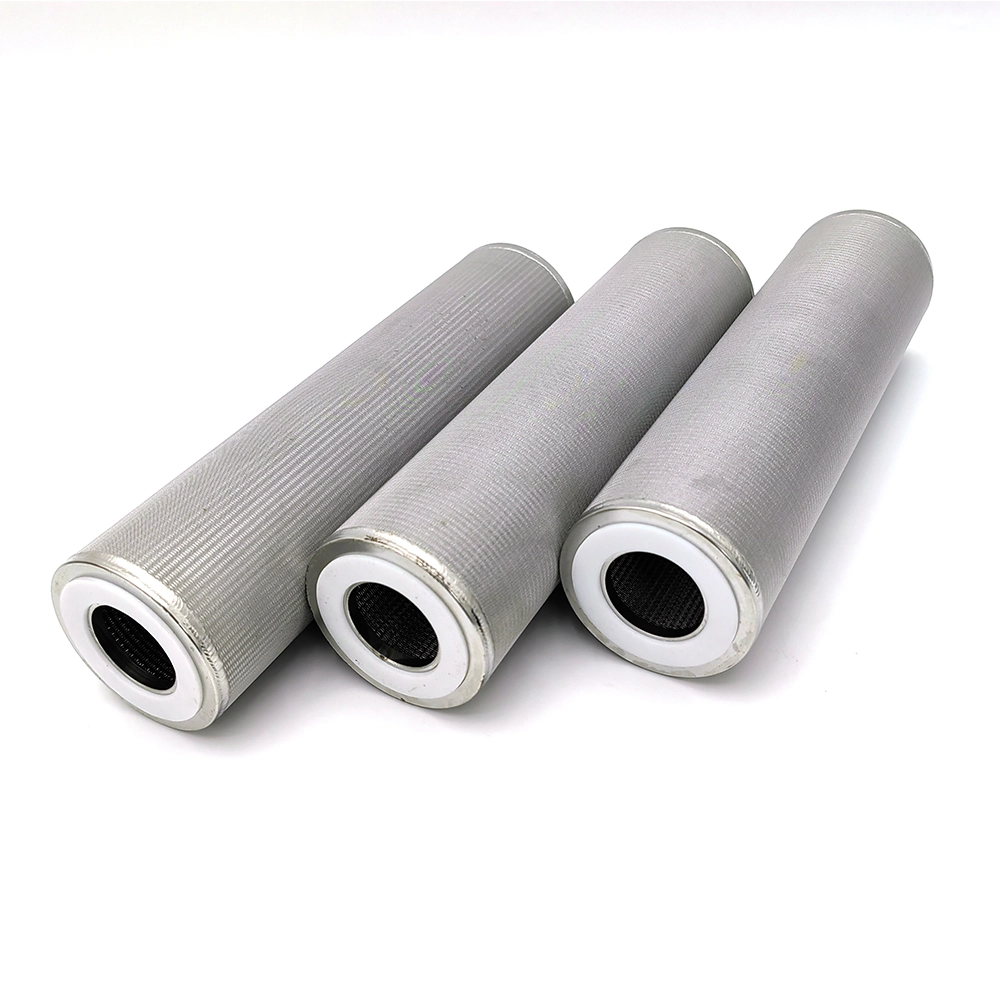
Sintered wire mesh filter
Benefit from outstanding high-pressure resistance and consistent filtration efficiency with our sintered metal mesh. Our sintered wire mesh finds versatile applications in diffuser screens, centrifuges, breather vents, fluidized beds, chromatography, polymer processing, petrochemical industries, hydraulic filters, and more.
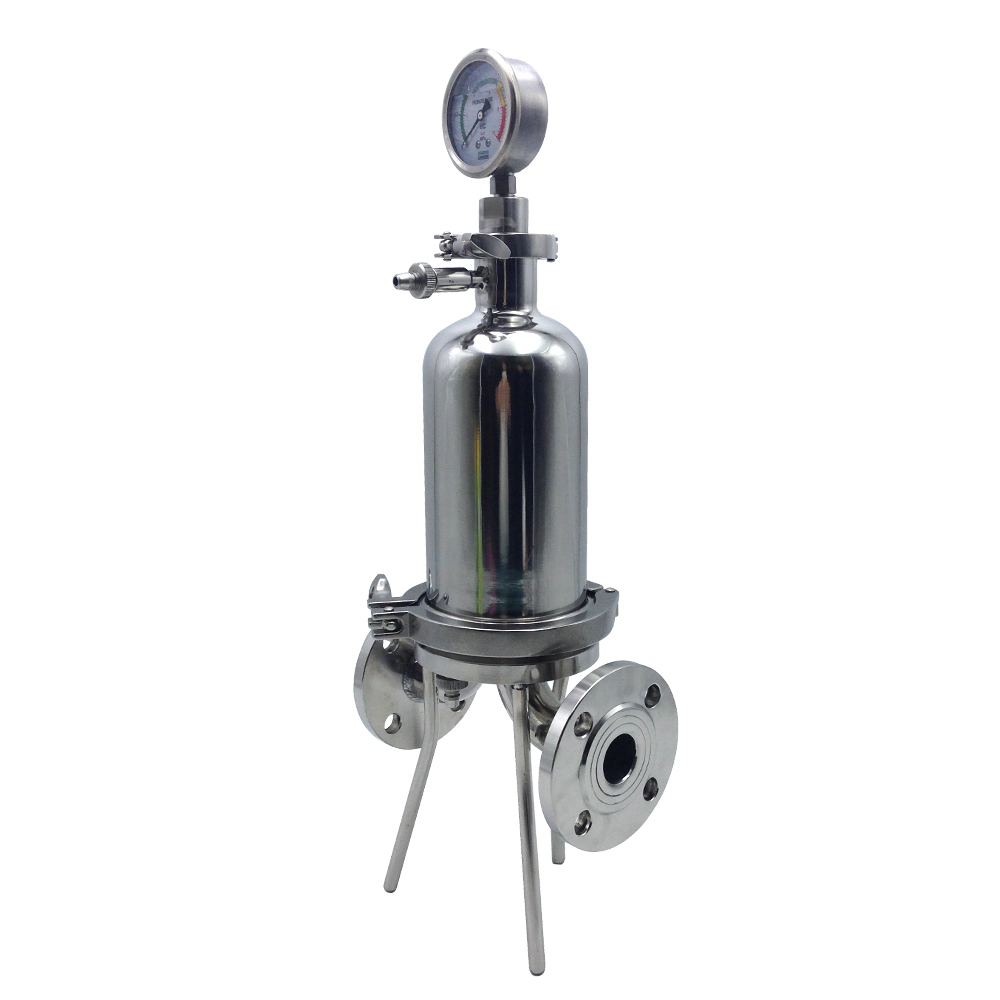
Sanitary filter housing
This filter housing will allow you to filter large volumes of nanoemulsion with ease. Sanitary vent and drain valves permit easy venting, draining, sampling, or integrity testing operations. The new cartridge locking design features additional cut-outs for traditional half-moon portions of the Code 7 bayonet locks, enhancing clean ability and drain ability.
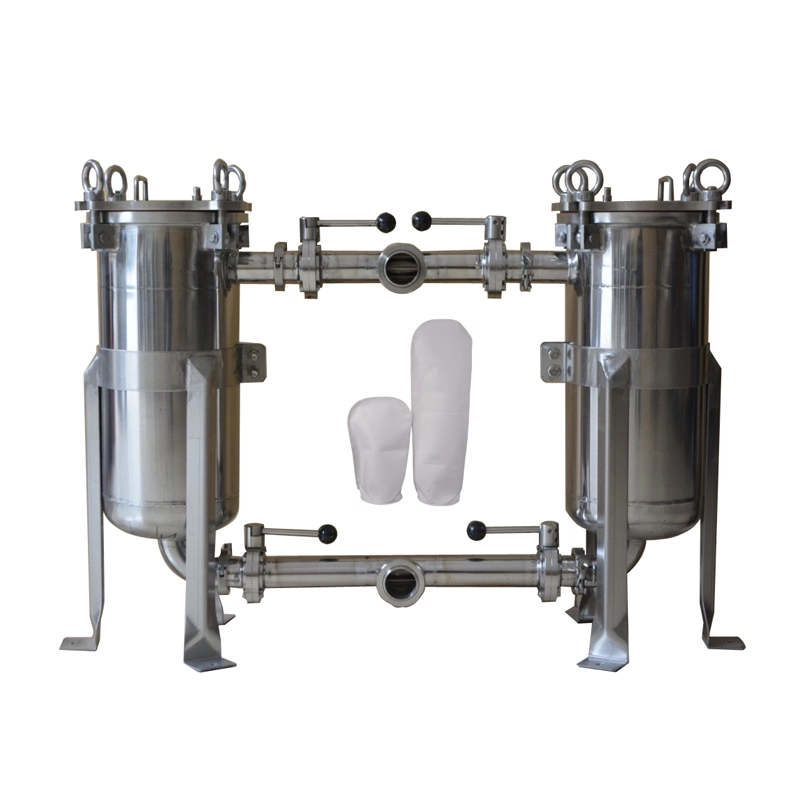
Stainless Steel Duplex filter housing
As the manufacturer, we offer a comprehensive range of Duplex Filter Housings designed to provide efficient and reliable filtration solutions for various industrial applications.
© 2024 All Rights Reserved. | Privacy policy • Terms and conditions


