
how to check oil filter for metal
This article guides professionals on inspecting sintered metal oil filters for metal contamination. We cover visual inspection techniques, particle analysis methods, and the importance of identifying the source of contamination. Learn to efficiently assess filter integrity and prevent costly equipment downtime.
How to Check an Oil Filter for Metal Contamination: A Guide for Professionals
This article addresses the critical need for effective inspection methods to ensure the quality and performance of sintered metal oil filters, a crucial component in many industrial applications. Identifying metal contamination early is key to preventing costly equipment damage and downtime.
Visual Inspection of Sintered Metal Oil Filters
* Pre-Inspection: Before handling, ensure proper safety precautions, including PPE (Personal Protective Equipment).
* External Examination: Carefully examine the filter housing for any signs of damage, such as dents, cracks, or leaks. Note any unusual discoloration or buildup.
* Visual Assessment of Media: If possible, carefully inspect the filter media (with appropriate safety measures) for visible metal particles or debris. This can sometimes be done with a borescope. (Note: Direct visual inspection is limited depending on filter design).
Advanced Analysis Techniques for Metal Contamination
* Particle Counting: Employ particle counting techniques, such as microscopy or laser particle counters, to quantify the number and size of metallic particles present in the filtered oil sample. (Source: ASTM D4177 – Standard Practice for Particle Count of Hydraulic Fluids)
* Spectrographic Oil Analysis: Send an oil sample to a laboratory for spectrographic analysis to identify the type and concentration of metallic contaminants present. (Source: ASTM D5185 – Standard Test Methods for Elemental Analysis of Lubricating Oils by Inductively Coupled Plasma Atomic Emission Spectroscopy)
* Scanning Electron Microscopy (SEM): Use SEM for detailed analysis of filter media and contaminants, providing high-resolution images and elemental composition. (Source: Various SEM manufacturer publications and academic literature)
Identifying the Source of Metal Contamination
* System Review: Trace potential sources of metal contamination within the system. This could include worn bearings, pumps, or other components.
* Filter Media Integrity: Assess if the contamination is due to defects in the sintered metal filter media itself.
* Contamination Control: Implement appropriate preventative measures to control metal contamination, such as improved filtration systems, regular maintenance, and effective lubrication practices.
Interpreting Results and Corrective Actions
* Threshold Limits: Establish acceptable limits for metal contamination based on equipment specifications and industry best practices.
* Corrective Maintenance: Implement necessary corrective actions to address the source of contamination. This may involve replacing worn components, implementing improved filtration, or modifying the system design.
* Documentation: Maintain thorough records of inspections, analyses, and corrective actions.
By implementing these procedures, professionals can effectively assess the condition of sintered metal oil filters and take appropriate steps to prevent equipment damage and ensure optimal system performance. Remember to always prioritize safety and follow relevant industry standards and regulations.
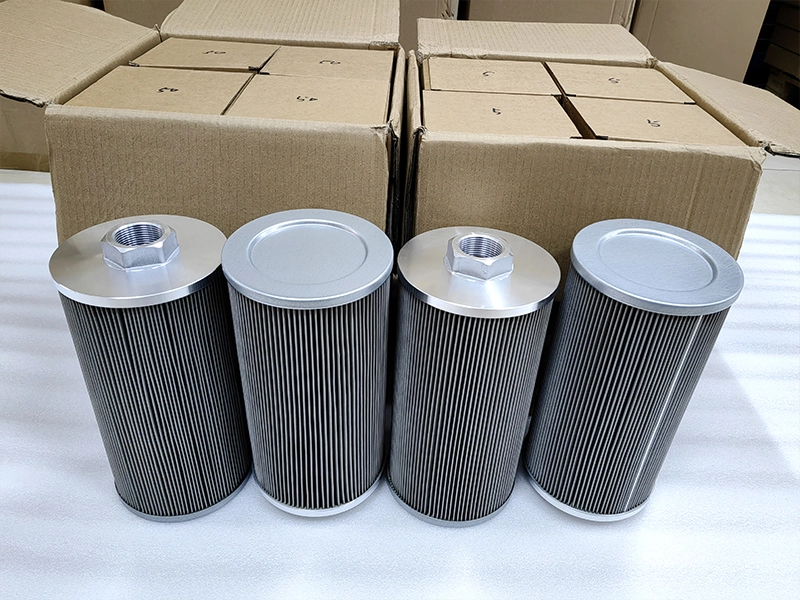
What is Sintered Metal Filter? Complete Guide
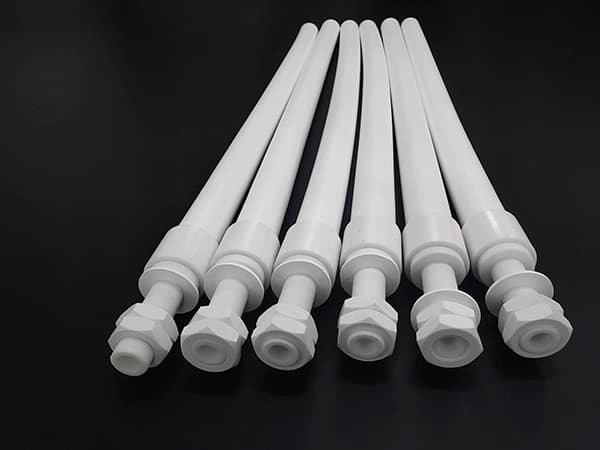
Sintered PTFE Filters: Advanced Filtration for Demanding Environments
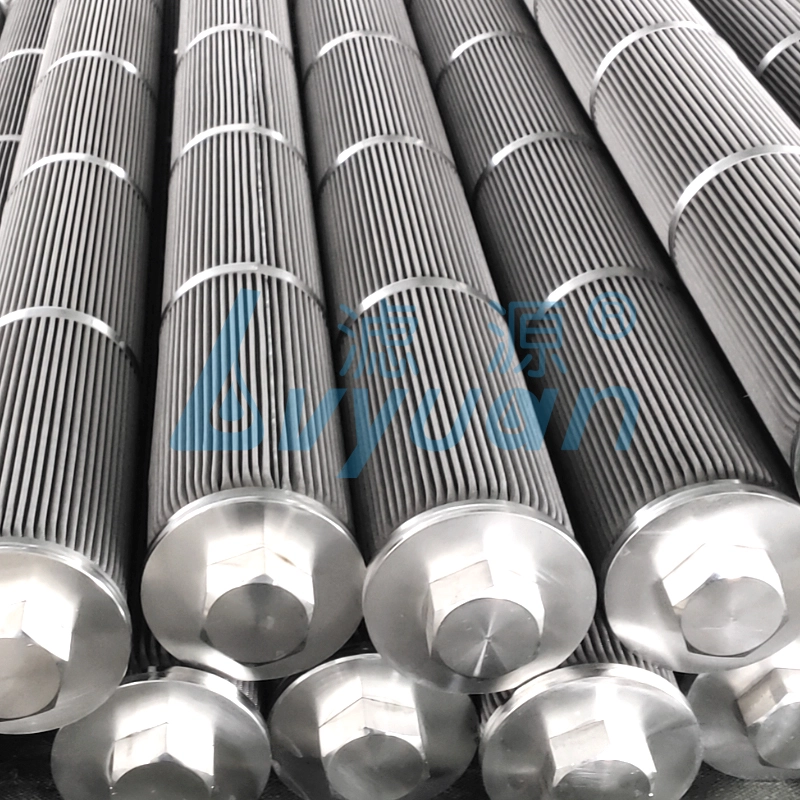
Metal Sintered Filters: Precision Filtering to Drive Industrial Upgrading
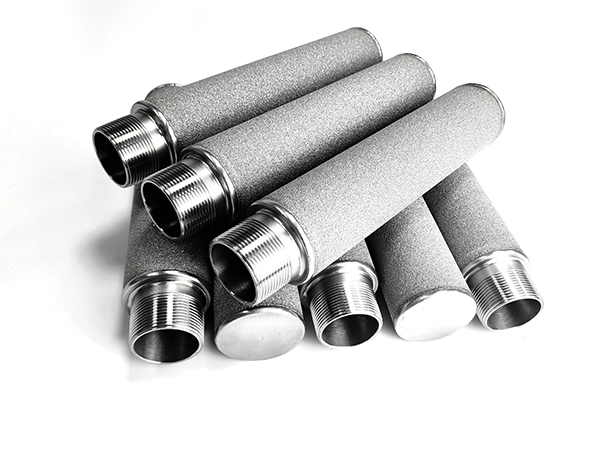
Choosing Sintered Filters: An Overview for Industrial Applications
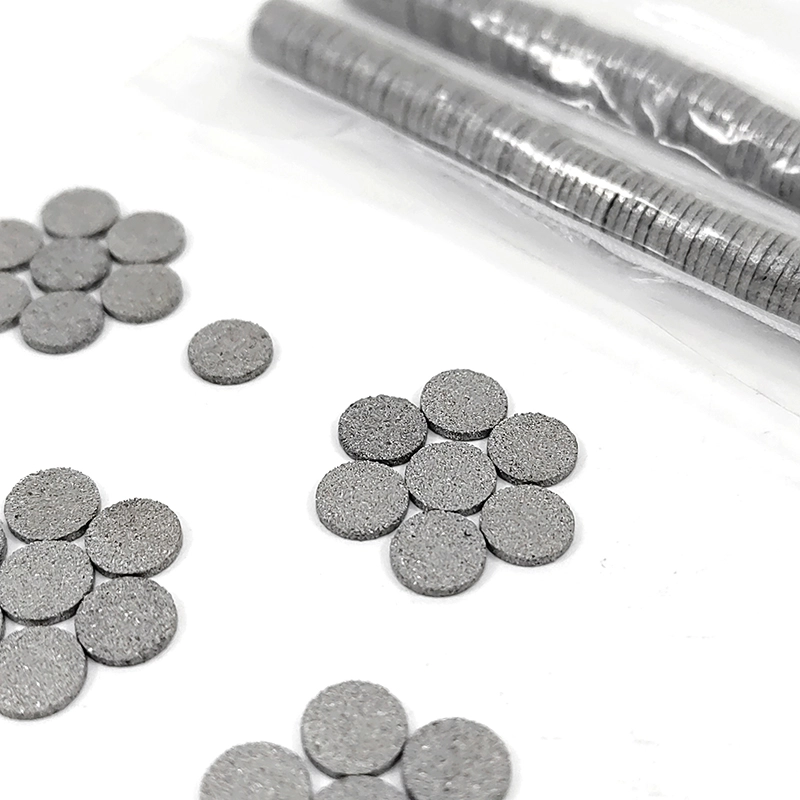
What is a Sintered Metal Filter Disc? A Comprehensive Guide
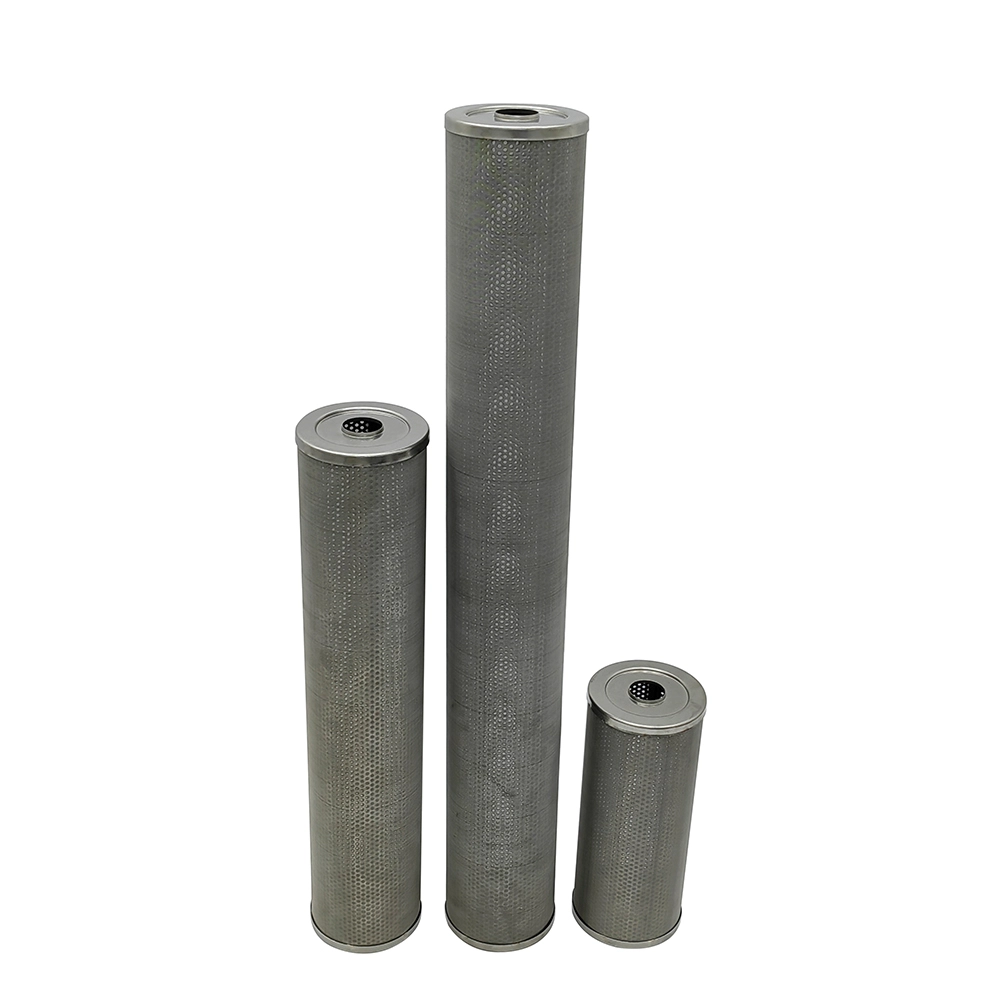
What Are Sintered Metal Filters and How Do They Work?
Metal mesh filters
What applications is sintered wire mesh suitable for?
Sintered wire mesh filter finds applications in various industries, including:
• Filtration of liquids and gases.
• Polymer and chemical processing.
• Pharmaceutical and food processing.
• Aerospace and automotive industries.
• Environmental protection and water treatment.
Is sintered wire mesh filter reusable?
Yes, sintered wire mesh is reusable. Its robust construction allows for cleaning and regeneration, making it a cost-effective and sustainable choice for filtration applications.
For products
What sizes and shapes are available?
Our sintered metal filters come in a variety of sizes and shapes to meet different application needs. Common configurations include cylindrical, disc, and tube shapes, with customizable dimensions to fit specific requirements.
Porous Plastic Filter
What is a sintered plastic porous filter?
A sintered plastic porous filter is a filtration device made from polymeric materials that are compressed and heated to form a porous structure with controlled pore sizes and distribution.
How do I integrate sintered porous filter discs into my filtration system?
They are designed for easy integration into existing filtration systems. The compact design allows for straightforward installation and replacement.
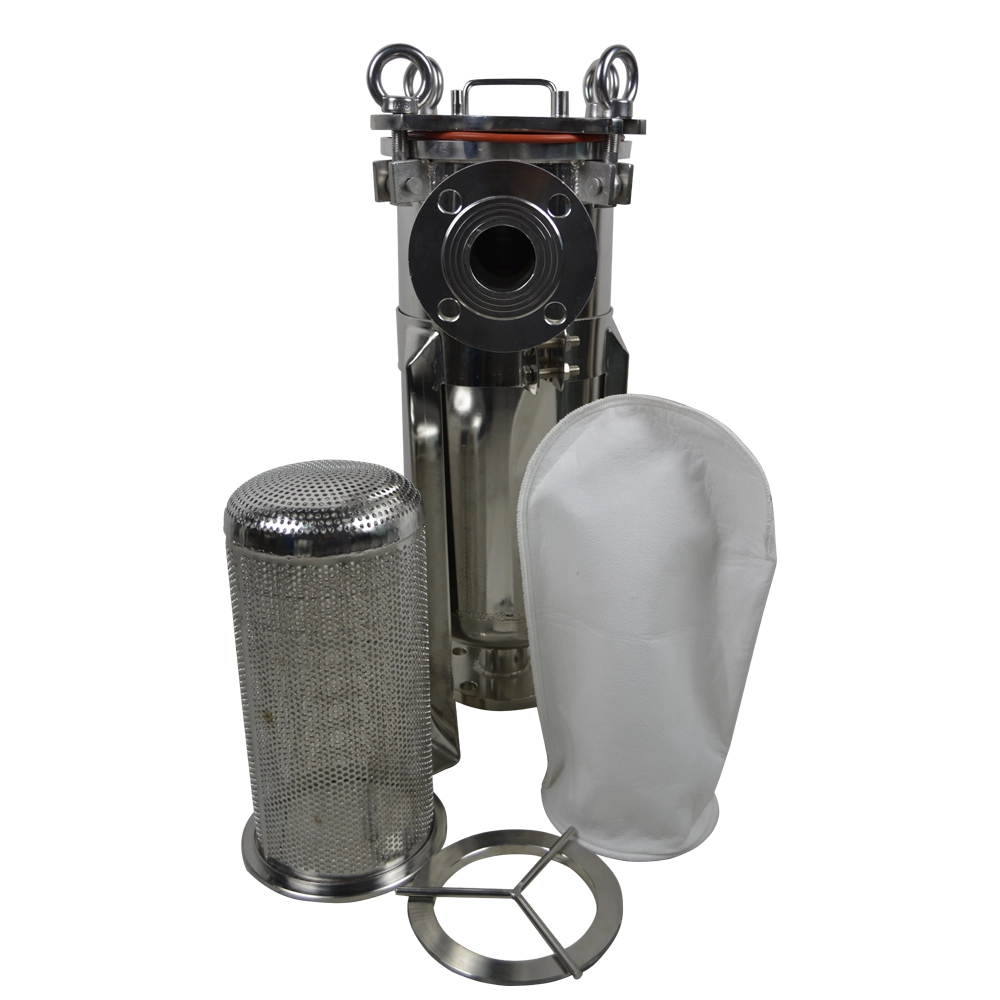
Bag filter housing
Bag filter housings are essential components in industrial filtration systems, designed to remove contaminants from liquids. To enhance the functionality and efficiency of bag filter housings, various features can be incorporated.
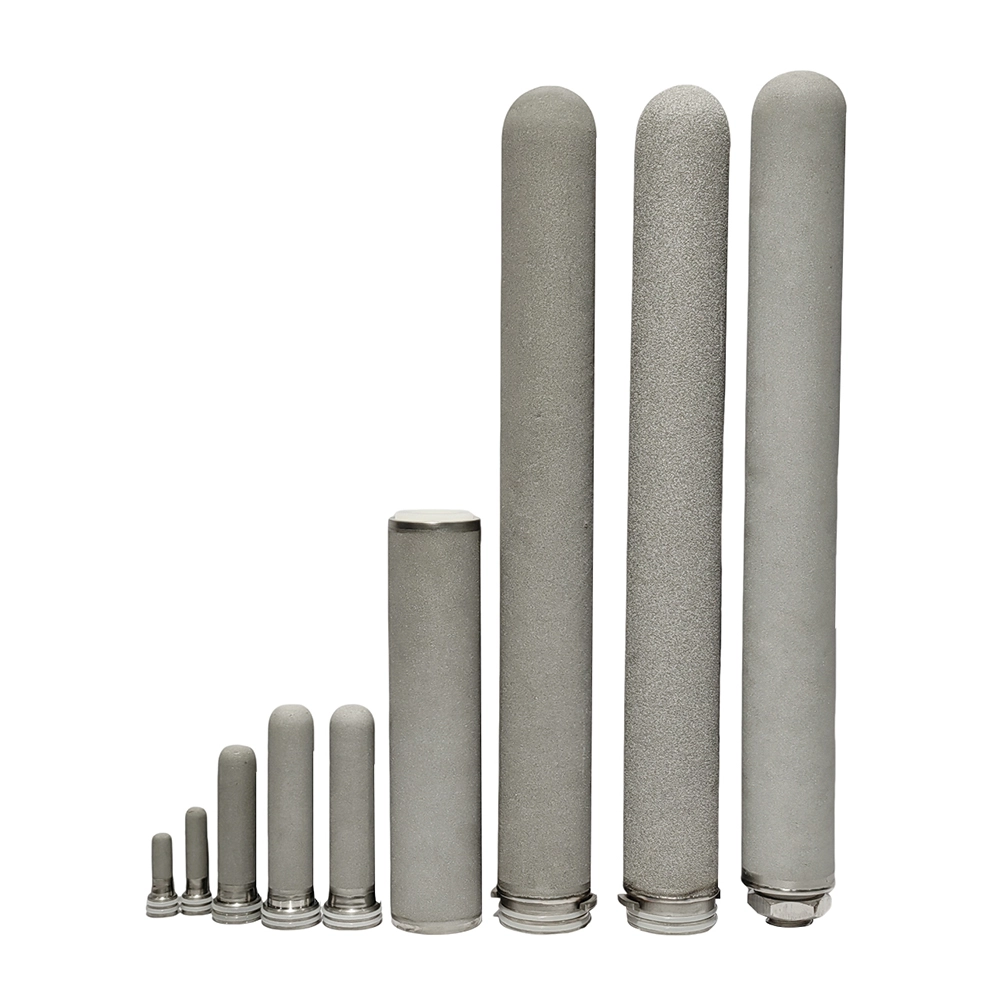
Sintered powder metal filters
Sintered powder metal filters are crafted from compressed and sintered metal powders, forming a porous structure. Porosity: 28%-50% Permeability: 0.02-20L/cm²minPa Pressure Resistance: 0.5Mpa Temperature Resistance: Less than 280℃
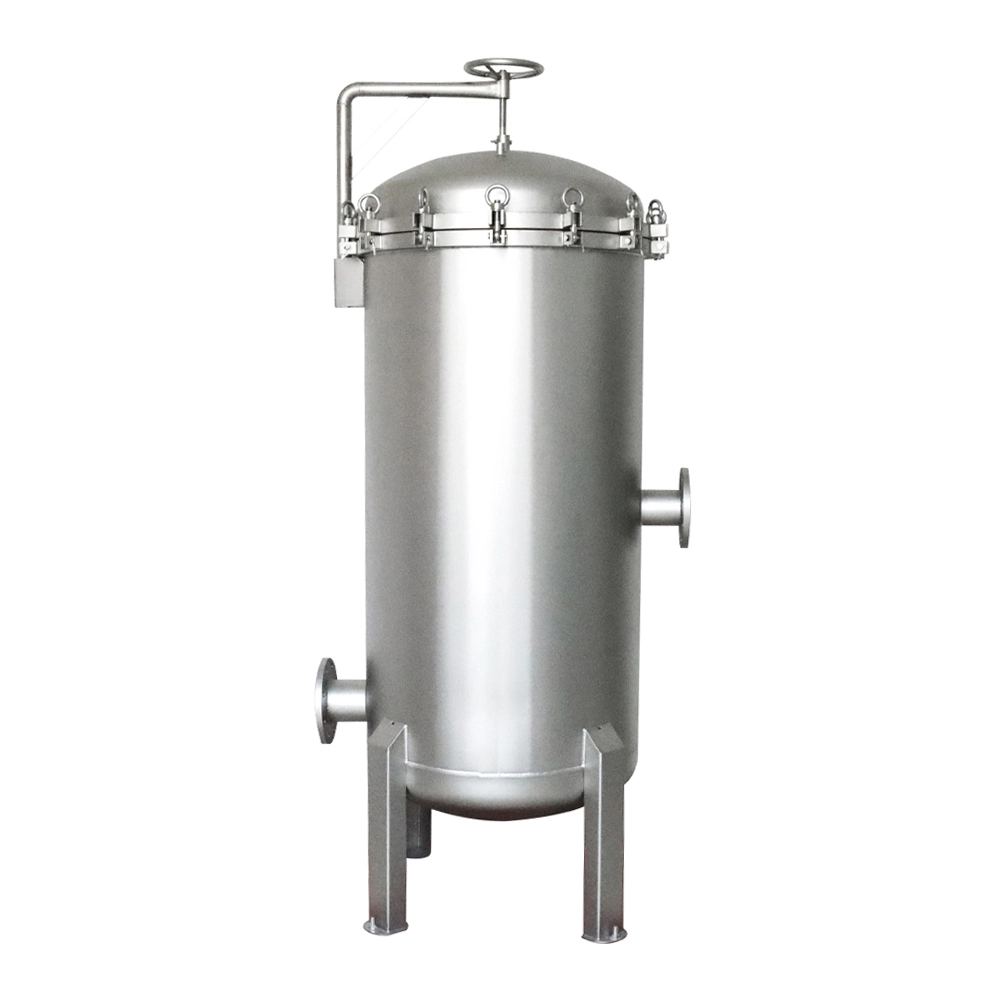
Stainless steel multi cartridge filter housing
Discover unparalleled filtration efficiency with our Stainless Steel Multi Cartridge Filter Housing – a testament to precision engineering and reliability.
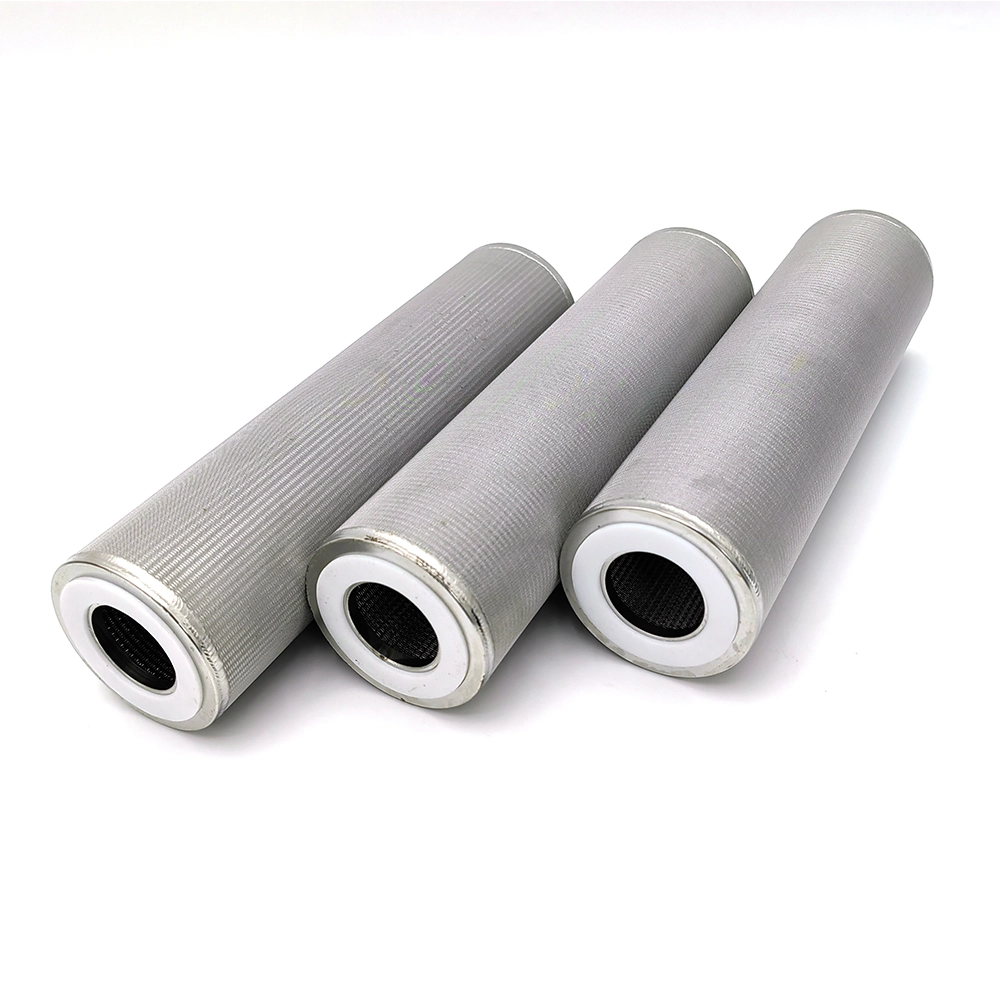
Sintered wire mesh filter
Benefit from outstanding high-pressure resistance and consistent filtration efficiency with our sintered metal mesh. Our sintered wire mesh finds versatile applications in diffuser screens, centrifuges, breather vents, fluidized beds, chromatography, polymer processing, petrochemical industries, hydraulic filters, and more.
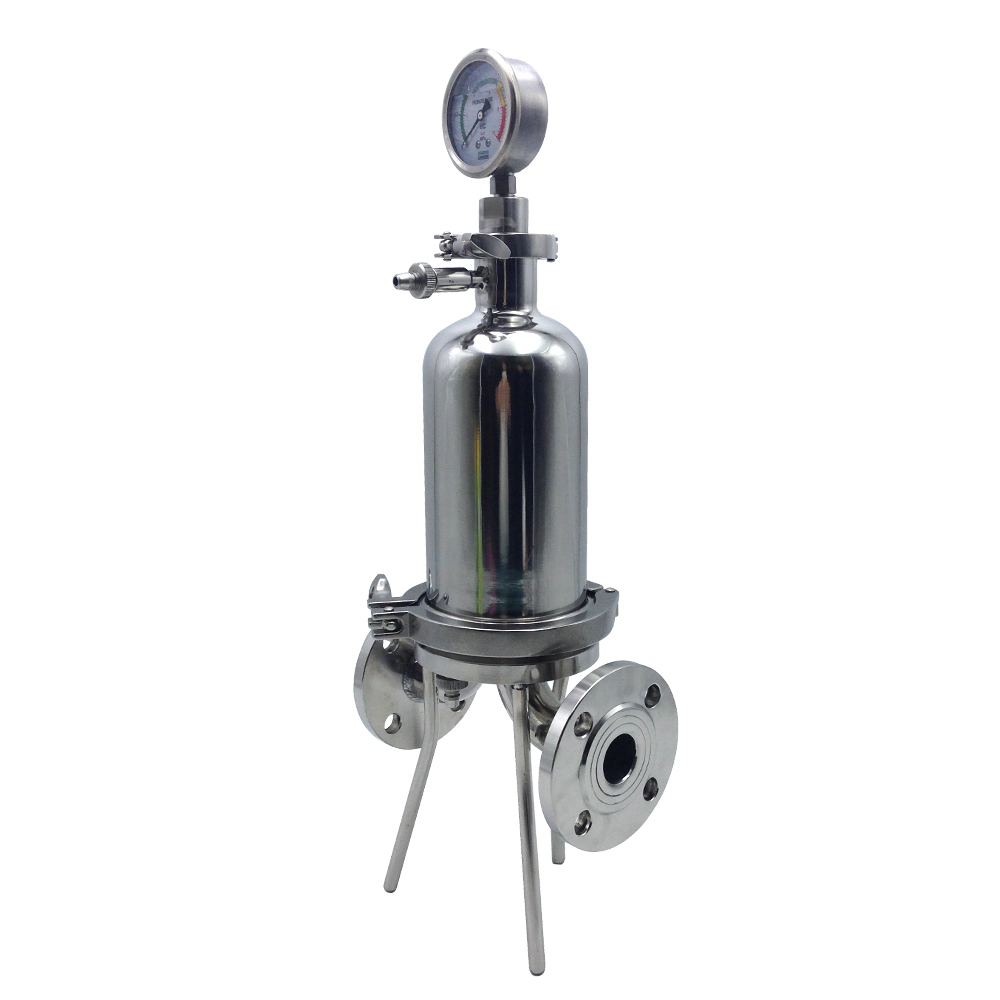
Sanitary filter housing
This filter housing will allow you to filter large volumes of nanoemulsion with ease. Sanitary vent and drain valves permit easy venting, draining, sampling, or integrity testing operations. The new cartridge locking design features additional cut-outs for traditional half-moon portions of the Code 7 bayonet locks, enhancing clean ability and drain ability.
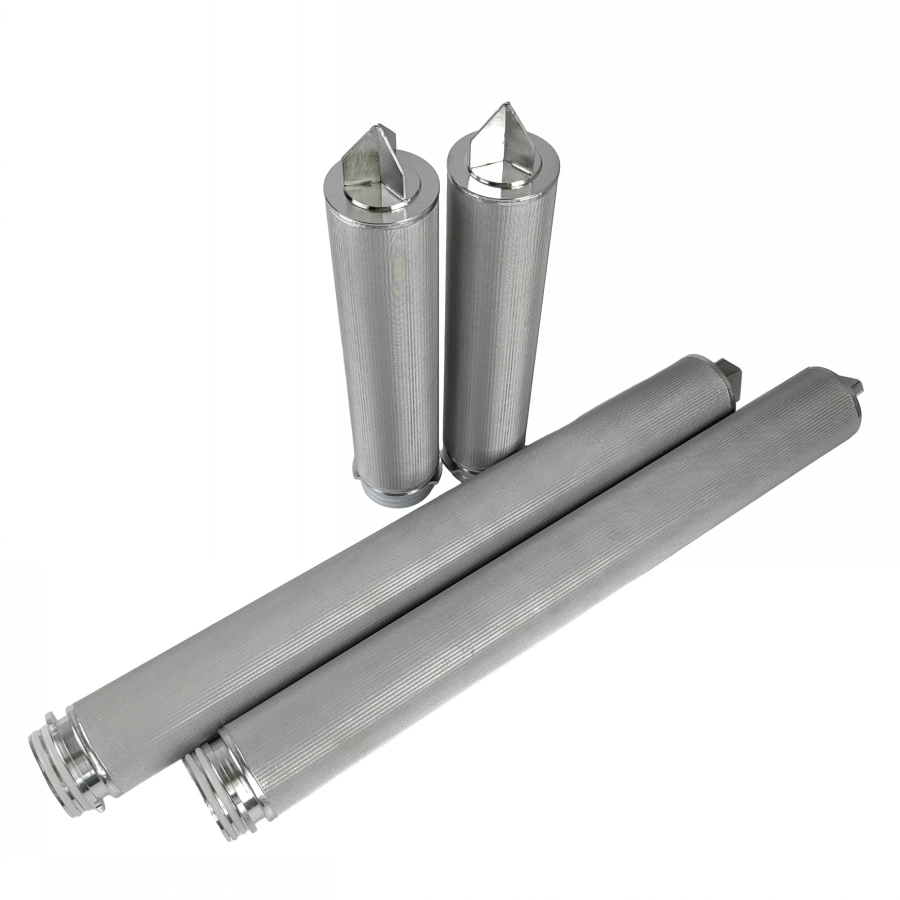
stainless steel filter water
Our sintered stainless steel filter stands as a pivotal filtration element crafted through a meticulous sintering process, with stainless steel serving as the core material.
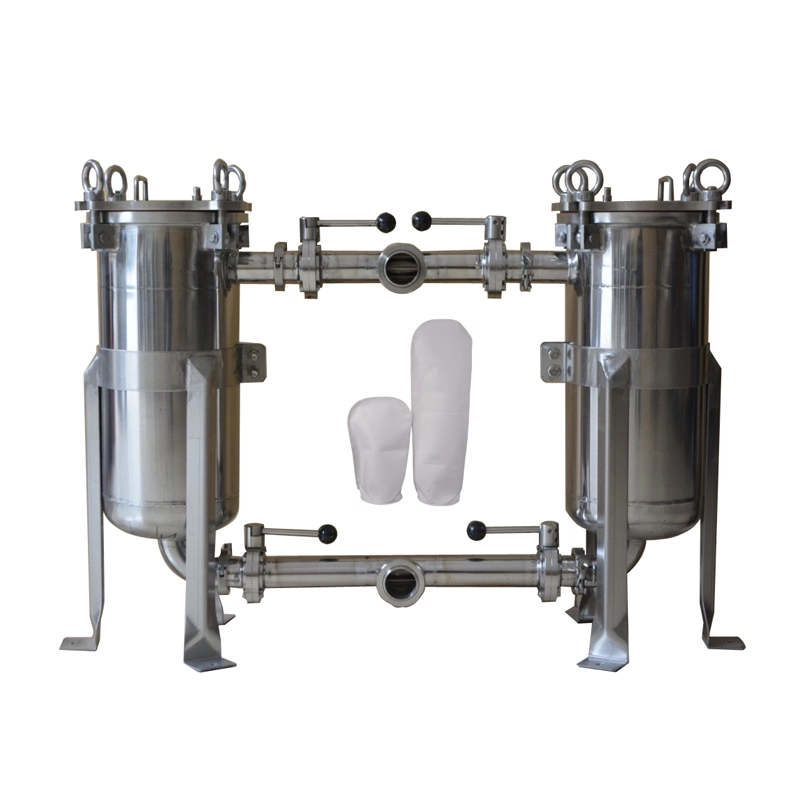
Stainless Steel Duplex filter housing
As the manufacturer, we offer a comprehensive range of Duplex Filter Housings designed to provide efficient and reliable filtration solutions for various industrial applications.
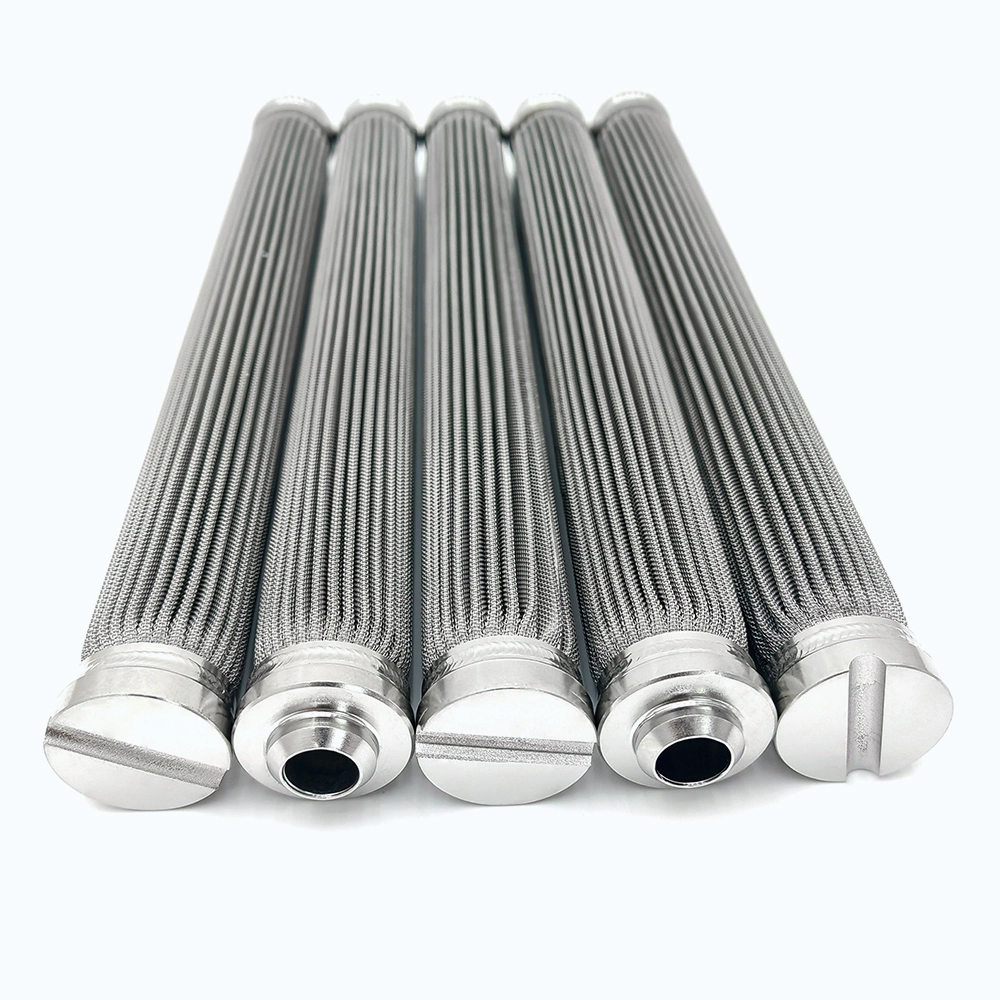
Stainless steel pleated filter cartridge
Our Stainless Steel Pleat Filter Cartridge constructed from high-quality SS 304 or SS 316L material, this filter exhibits exceptional resistance to high temperatures and rust.
© 2024 All Rights Reserved. | Privacy policy • Terms and conditions


