
How to maintain stainless steel filter?
Proper maintenance is crucial for extending the service life of your stainless steel sintered metal filters. This guide provides essential steps for cleaning, inspecting, and storing your filters to optimize performance and prevent premature failure. Learn about appropriate cleaning agents, inspection techniques, and storage considerations to maximize your investment. Contact us for expert advice.
How to Maintain Your Stainless Steel Sintered Metal Filter
Maintaining stainless steel sintered metal filters is crucial for optimal performance and longevity. Improper maintenance can lead to reduced filtration efficiency, premature failure, and costly replacements. This article provides practical guidance for professionals.
Cleaning Your Stainless Steel Filter
* Choose the right cleaning method: The optimal cleaning method depends on the type of contaminant. Common methods include backwashing, chemical cleaning, and ultrasonic cleaning. .
* Select appropriate cleaning agents: Use cleaning agents compatible with stainless steel to avoid corrosion. Avoid harsh chemicals or abrasives. .
* Backwashing procedures: For particulate removal, backwashing with appropriate pressure and flow rate can effectively clean the filter. Refer to the manufacturer's instructions for specific parameters. .
* Chemical cleaning: For stubborn contaminants, chemical cleaning may be necessary. Always pre-test a small section to assess compatibility and effectiveness. .
* Ultrasonic cleaning: This method is effective for removing fine particles from intricate filter structures. Ensure the cleaning solution and frequency are appropriate for stainless steel. .
* Post-cleaning rinse: Always thoroughly rinse the filter with deionized water to remove any residual cleaning agents.
Inspecting Your Stainless Steel Filter
* Regular visual inspection: Regularly inspect the filter for signs of damage, such as cracks, pitting, or deformation. .
* Pressure drop monitoring: Monitor the pressure drop across the filter. A significant increase indicates filter clogging and the need for cleaning or replacement. .
* Flow rate measurement: Measure the flow rate to assess filtration efficiency. A decrease indicates reduced permeability and requires maintenance. .
* Microscopic examination (if necessary): For critical applications, microscopic examination can identify subtle damage or fouling. .
Storing Your Stainless Steel Filter
* Clean and dry storage: Store cleaned filters in a clean, dry environment to prevent contamination and corrosion.
* Protection from damage: Protect filters from physical damage during storage by using appropriate packaging or containers.
* Avoid extreme temperatures and humidity: Excessive temperature fluctuations and humidity can negatively impact the filter's integrity.
By following these maintenance procedures, you can significantly extend the lifespan of your stainless steel sintered metal filters, optimizing performance and minimizing downtime. Remember to always consult the manufacturer's specifications for your specific filter model.
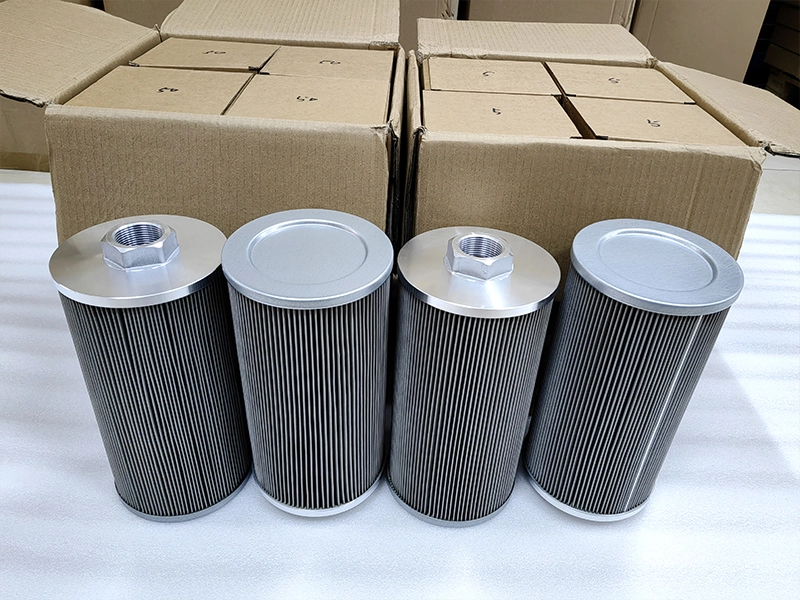
What is Sintered Metal Filter? Complete Guide
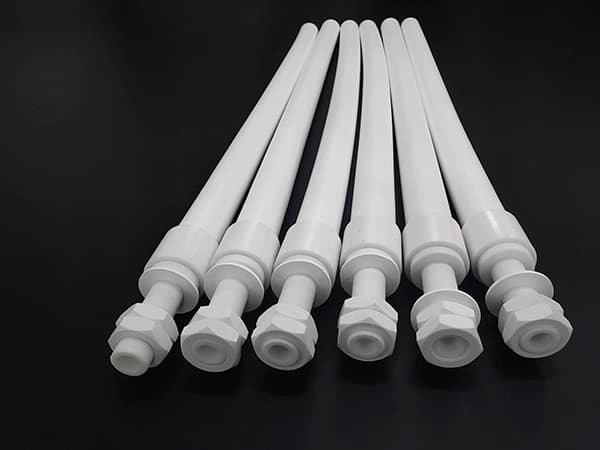
Sintered PTFE Filters: Advanced Filtration for Demanding Environments
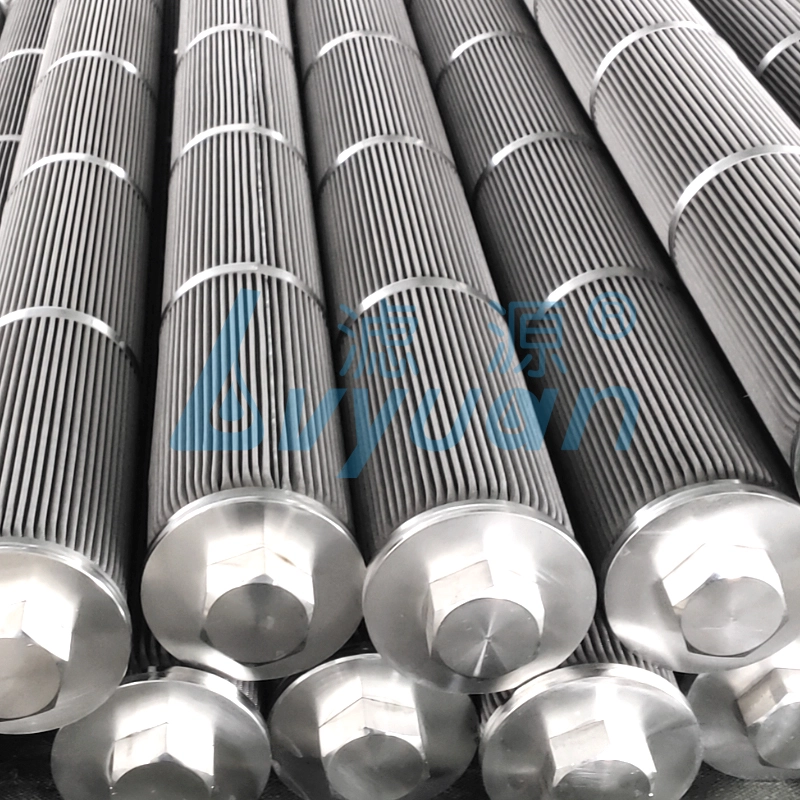
Metal Sintered Filters: Precision Filtering to Drive Industrial Upgrading
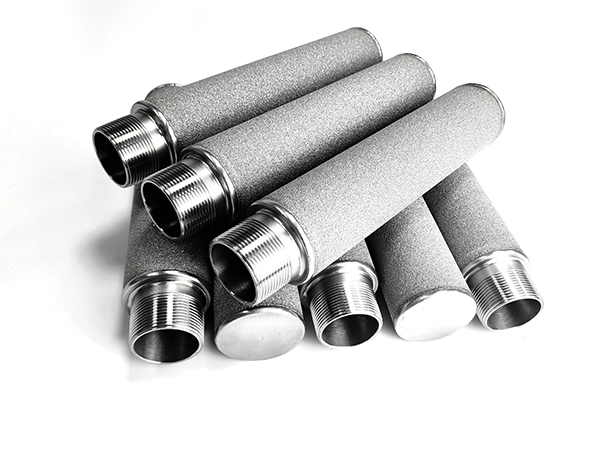
Choosing Sintered Filters: An Overview for Industrial Applications
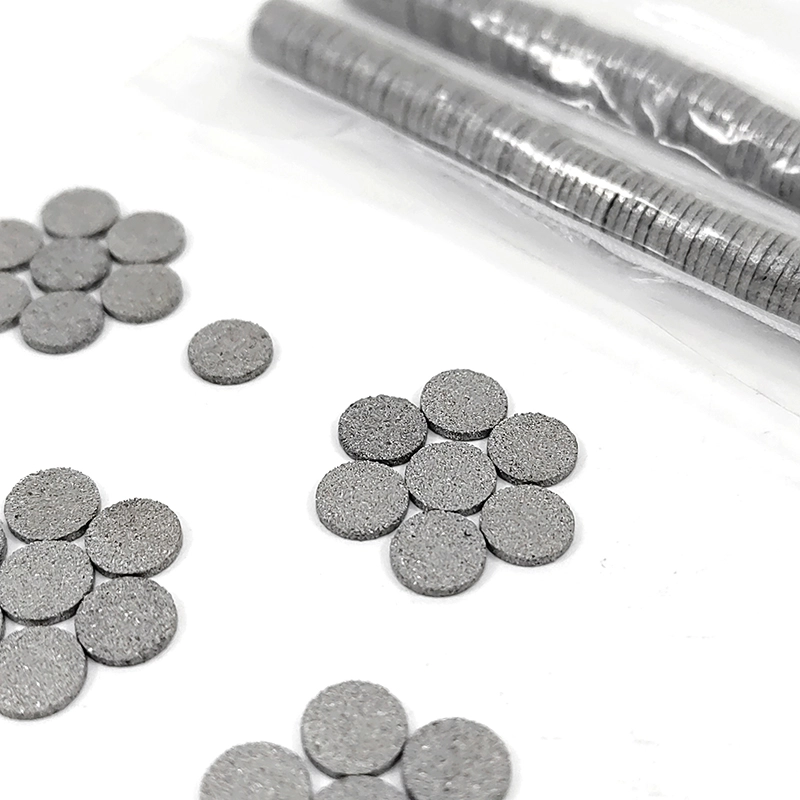
What is a Sintered Metal Filter Disc? A Comprehensive Guide
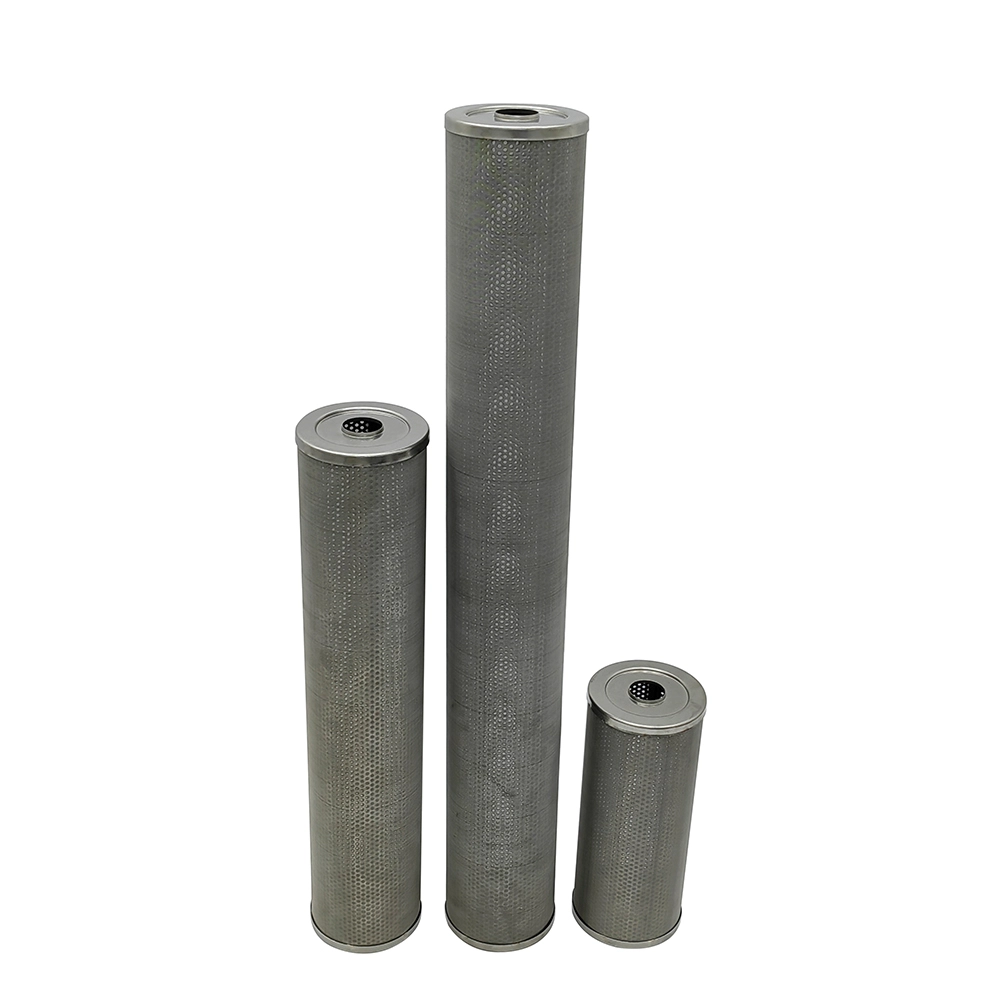
What Are Sintered Metal Filters and How Do They Work?
Porous Plastic Filter
What is Porosity in Filtration?
Porosity, in the context of filtration, measures the pores on the filter surface, determining its efficiency and capabilities. Higher porosity indicates more open structures (pores), allowing maximum flow with minimal pressure drops.
However, it's crucial to note that a higher porosity rate doesn't necessarily guarantee greater efficiency. When selecting the right material for your porous metal filter, consider aspects such as pore size, pressure drop, temperature resistance, and strength.
• Size of Pores: Micron rating is crucial. A material rated at 5 microns will likely stop particles of 5 microns or larger.
• Pressure Drop: Choose a material with a minimum pressure drop for uniform flow.
• Temperature Resistance: Analyze the material's capability to perform efficiently under specific temperatures.
• Strength: Opt for a filter with the strength to withstand changing environmental conditions.
Sintered Titanium Filters
What Micron Ratings Are Available for Sintered Titanium Filters?
Sintered titanium filters are available in a wide range of micron ratings and configurations, offering tailored solutions for optimal performance across diverse applications.
Sintered Powder Filters
Are sintered powder filters reusable?
Many sintered powder filters are designed to be reusable. They can be cleaned through backwashing or other methods, contributing to their cost-effectiveness and sustainability.
Sintered Metal Filters
What are the advantages of sintered metal filters?
Sintered metal filters offer high strength, durability, and resistance to temperature and corrosion. They provide precise filtration, are reusable, and suitable for diverse applications.
Metal mesh filters
What applications is sintered wire mesh suitable for?
Sintered wire mesh filter finds applications in various industries, including:
• Filtration of liquids and gases.
• Polymer and chemical processing.
• Pharmaceutical and food processing.
• Aerospace and automotive industries.
• Environmental protection and water treatment.
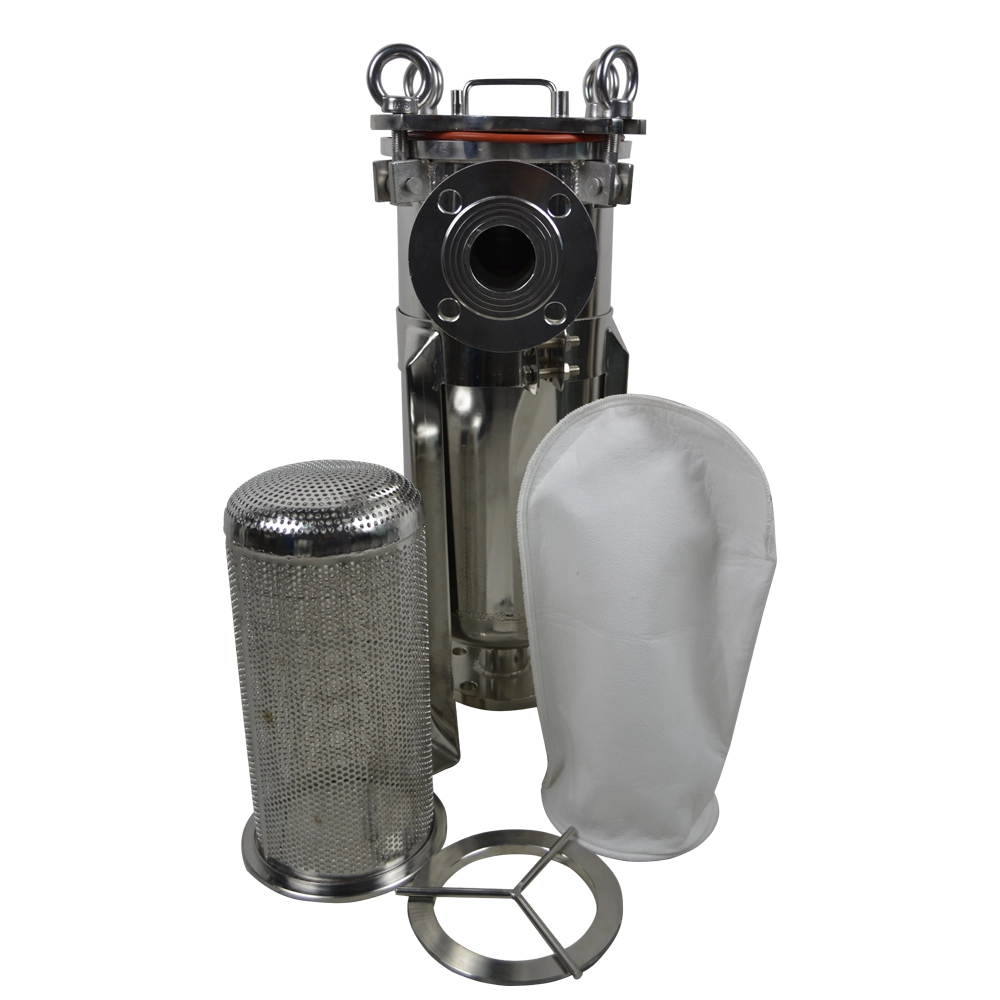
Bag filter housing
Bag filter housings are essential components in industrial filtration systems, designed to remove contaminants from liquids. To enhance the functionality and efficiency of bag filter housings, various features can be incorporated.
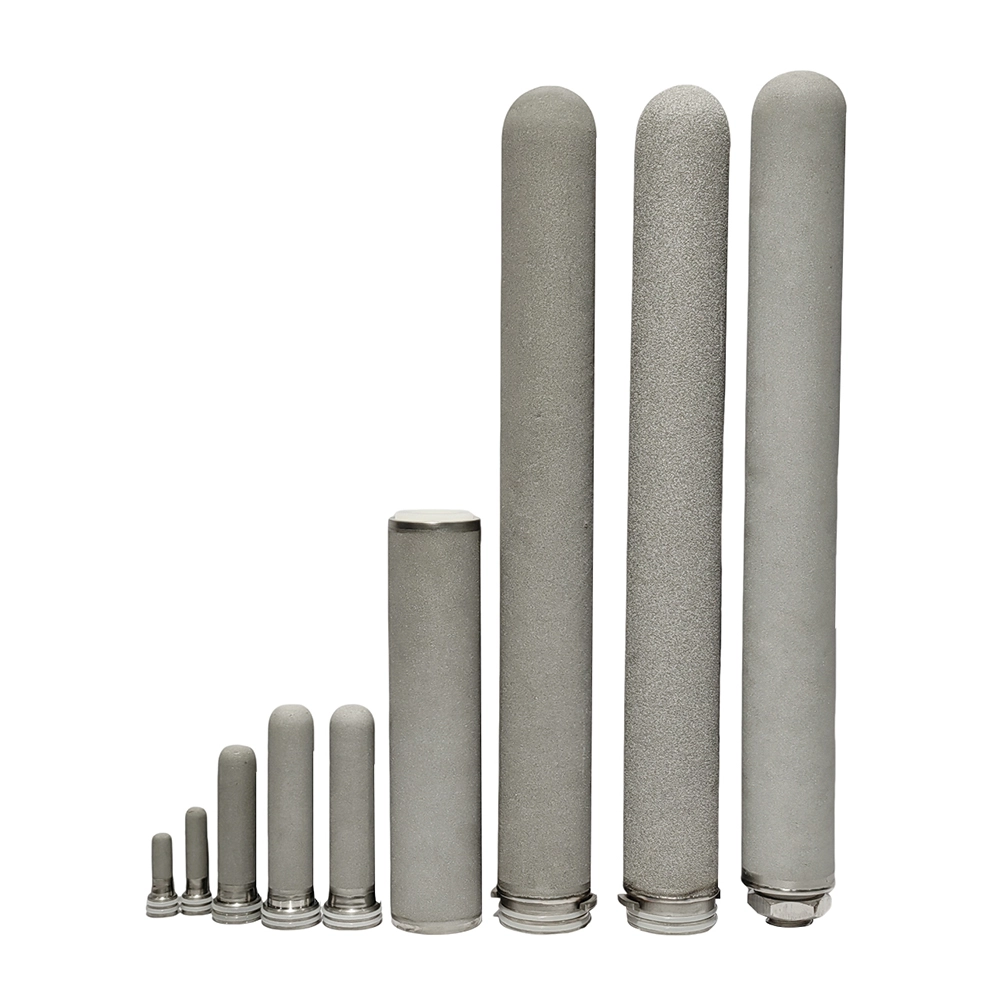
Sintered powder metal filters
Sintered powder metal filters are crafted from compressed and sintered metal powders, forming a porous structure. Porosity: 28%-50% Permeability: 0.02-20L/cm²minPa Pressure Resistance: 0.5Mpa Temperature Resistance: Less than 280℃
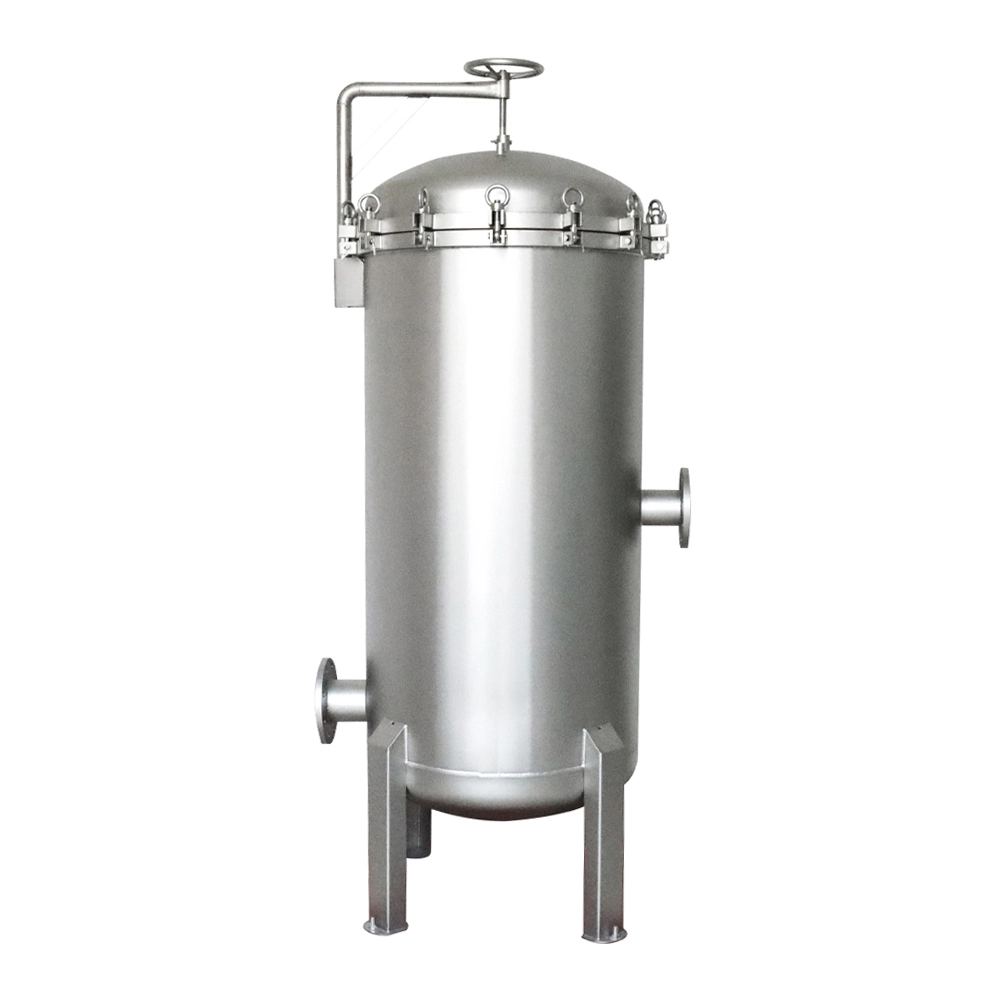
Stainless steel multi cartridge filter housing
Discover unparalleled filtration efficiency with our Stainless Steel Multi Cartridge Filter Housing – a testament to precision engineering and reliability.
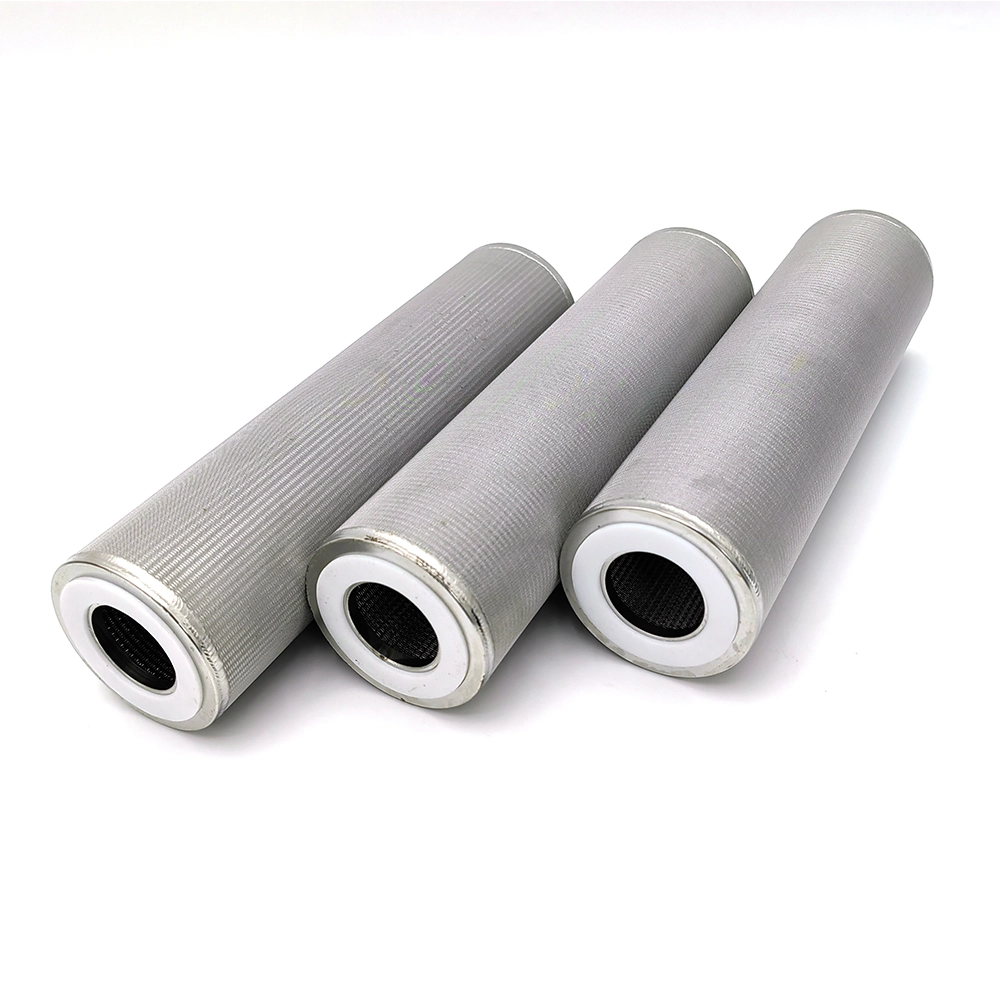
Sintered wire mesh filter
Benefit from outstanding high-pressure resistance and consistent filtration efficiency with our sintered metal mesh. Our sintered wire mesh finds versatile applications in diffuser screens, centrifuges, breather vents, fluidized beds, chromatography, polymer processing, petrochemical industries, hydraulic filters, and more.
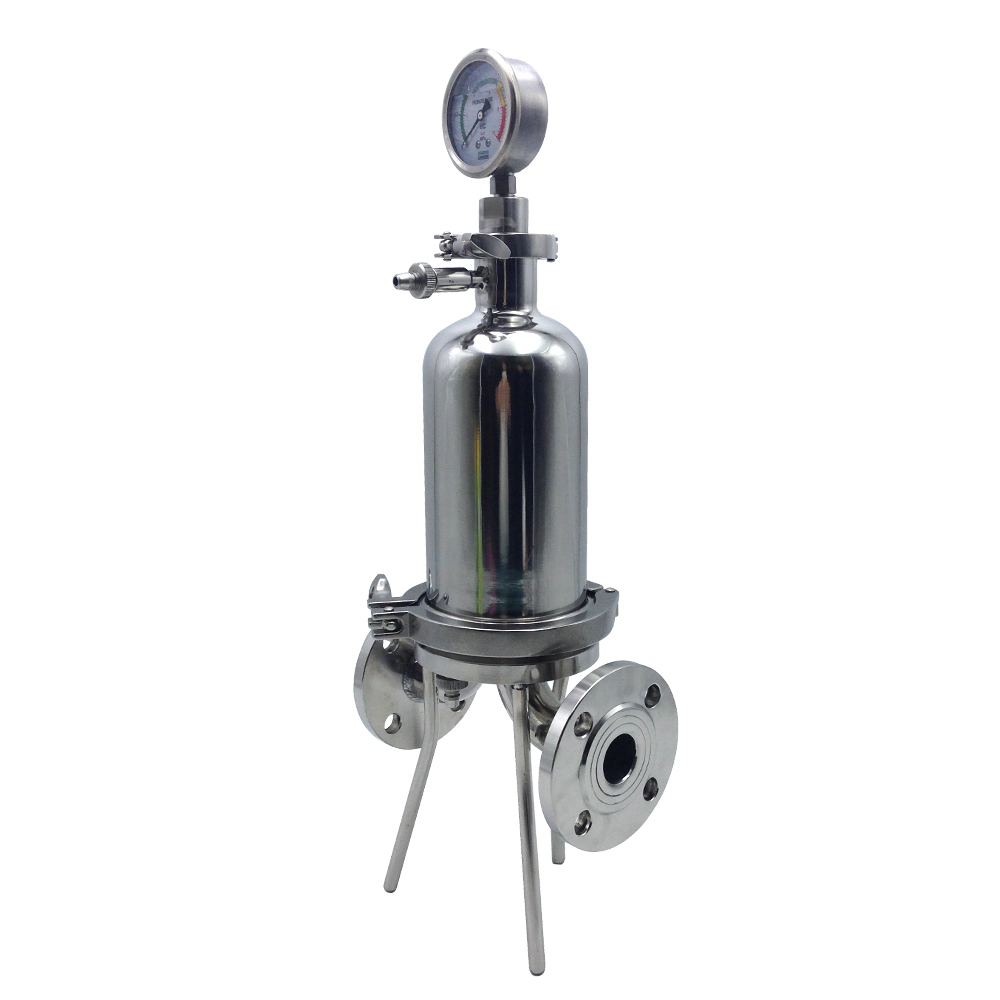
Sanitary filter housing
This filter housing will allow you to filter large volumes of nanoemulsion with ease. Sanitary vent and drain valves permit easy venting, draining, sampling, or integrity testing operations. The new cartridge locking design features additional cut-outs for traditional half-moon portions of the Code 7 bayonet locks, enhancing clean ability and drain ability.
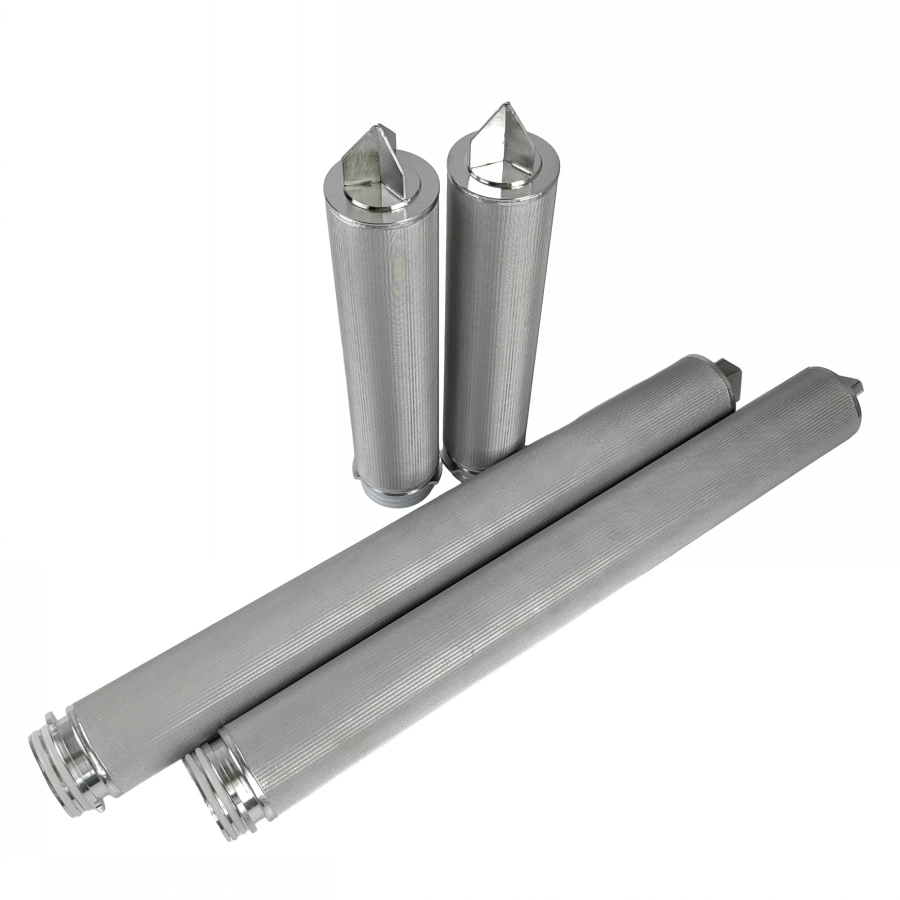
stainless steel filter water
Our sintered stainless steel filter stands as a pivotal filtration element crafted through a meticulous sintering process, with stainless steel serving as the core material.
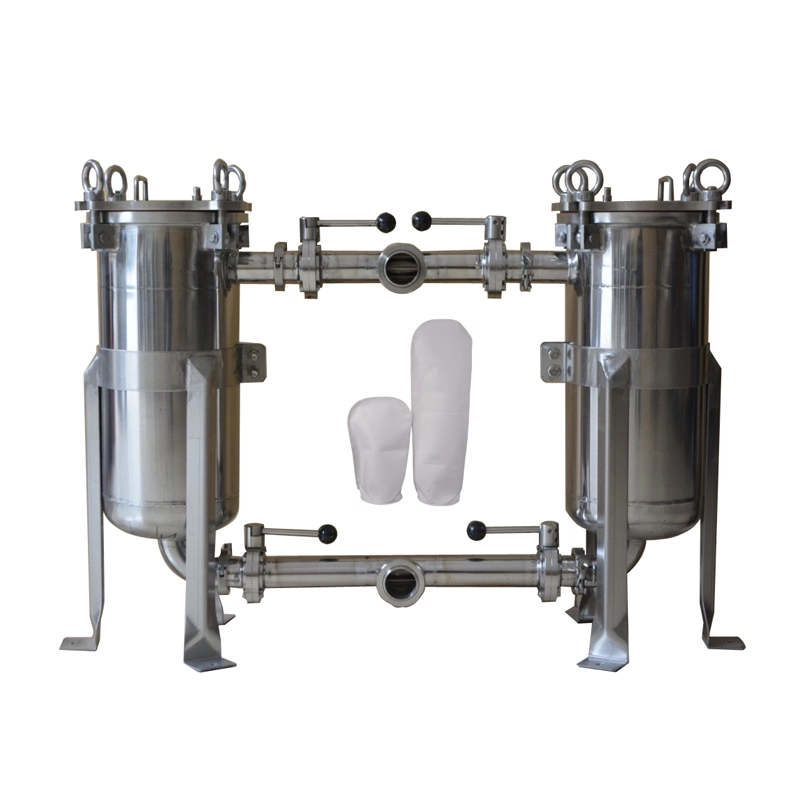
Stainless Steel Duplex filter housing
As the manufacturer, we offer a comprehensive range of Duplex Filter Housings designed to provide efficient and reliable filtration solutions for various industrial applications.
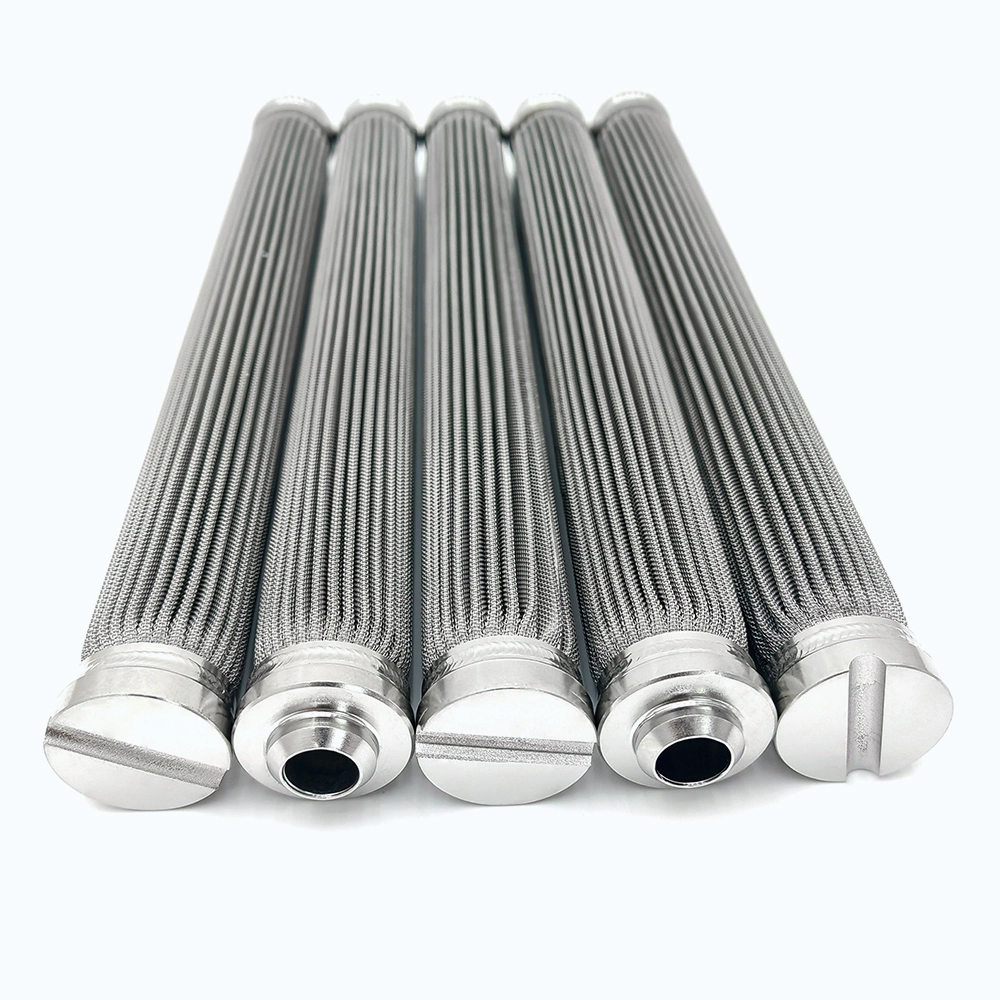
Stainless steel pleated filter cartridge
Our Stainless Steel Pleat Filter Cartridge constructed from high-quality SS 304 or SS 316L material, this filter exhibits exceptional resistance to high temperatures and rust.
© 2024 All Rights Reserved. | Privacy policy • Terms and conditions


