
how to clean aquarium filter tubes
Clogged aquarium filter tubes reduce filtration efficiency, harming fish. This guide provides step-by-step instructions on how to clean filter tubes, maintaining healthy water parameters and a thriving aquarium. Learn how often to clean and protect beneficial bacteria.
How to Clean Aquarium Filter Tubes: A Professional's Guide
Keeping your aquarium's filter tubes clean is crucial for maintaining water quality and the health of your aquatic inhabitants. Clogged filter tubes restrict water flow, reducing filtration efficiency and potentially leading to harmful ammonia build-up. This guide provides a step-by-step process for effective aquarium filter tube cleaning.
Understanding the Importance of Clean Filter Tubes
Dirty filter tubes are a common source of aquarium problems. Accumulated debris restricts water flow through your filter, decreasing its overall performance. This can result in:
* Reduced filtration: Leading to higher levels of harmful waste products like ammonia and nitrites.
* Increased maintenance: Requiring more frequent water changes to compensate for poor filtration.
* Compromised fish health: Exposing your fish to a less-than-ideal aquatic environment.
Regular cleaning of your aquarium filter tubes is preventative maintenance that saves you time and ensures the well-being of your aquatic life.
Step-by-Step Cleaning Process
1. Preparation: Before you begin, turn off your aquarium filter and disconnect it from the power source. Prepare a bucket of dechlorinated aquarium water. This is essential to avoid shocking the beneficial bacteria crucial for biological filtration.
2. Removing the Filter Tubes: Carefully remove the filter tubes from your aquarium filter system. The specific method will depend on your filter's design; consult your filter's instruction manual if needed.
3. Cleaning the Tubes: Gently rinse the filter tubes under a stream of dechlorinated aquarium water. Avoid using harsh chemicals or hot water, as these can damage the tubes and kill beneficial bacteria. Use a soft brush to remove stubborn debris from the inside and outside of the tubes.
4. Replacing the Filter Tubes: Once clean, carefully reinstall the filter tubes into your aquarium filter system, ensuring a tight seal to prevent leaks.
5. Restarting the Filter: Reconnect the filter to the power source and monitor water flow to confirm proper functionality.
Frequency of Cleaning
The frequency of cleaning depends on factors such as tank size, fish load, and type of filter media. As a general rule, inspect your filter tubes weekly and clean them every 2-4 weeks, or more often if necessary. Visible clogging or reduced water flow indicates a need for cleaning.
Pro Tip: Maintaining Beneficial Bacteria
When cleaning aquarium filter tubes, avoid completely replacing the filter media or excessively scrubbing the filter tubes. Beneficial bacteria responsible for biological filtration colonize these areas, and their removal can disrupt the nitrogen cycle, leading to potentially harmful ammonia spikes.
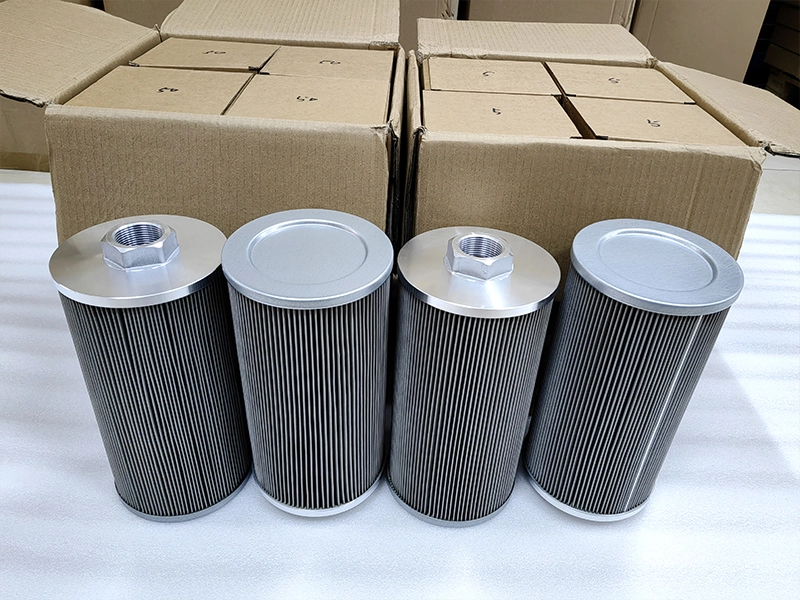
What is Sintered Metal Filter? Complete Guide
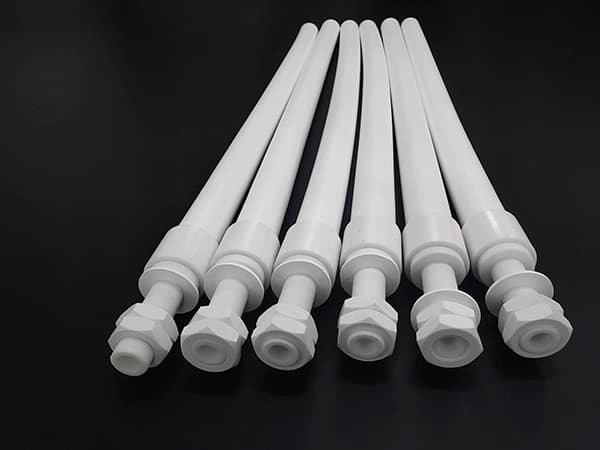
Sintered PTFE Filters: Advanced Filtration for Demanding Environments
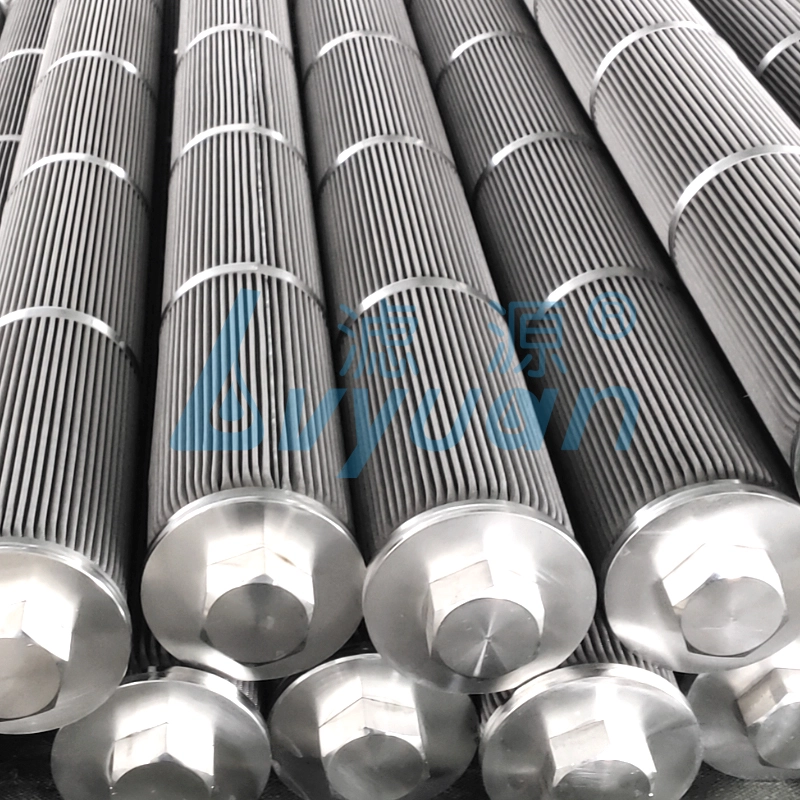
Metal Sintered Filters: Precision Filtering to Drive Industrial Upgrading
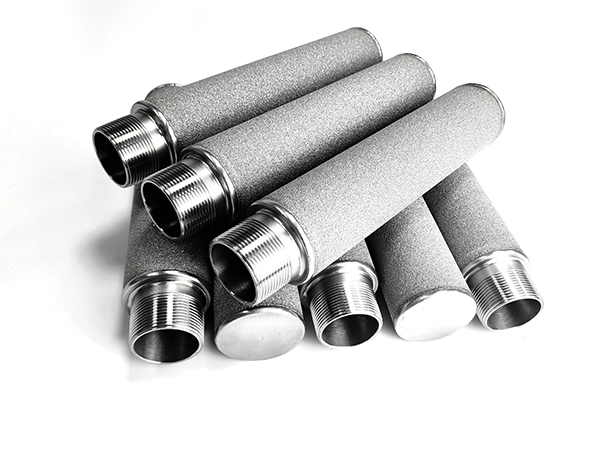
Choosing Sintered Filters: An Overview for Industrial Applications
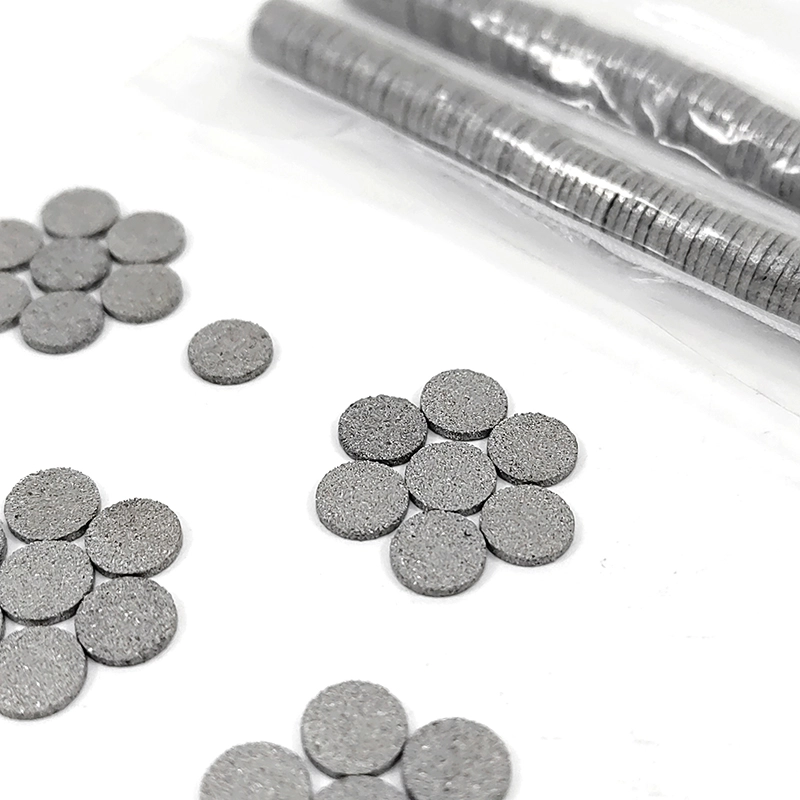
What is a Sintered Metal Filter Disc? A Comprehensive Guide
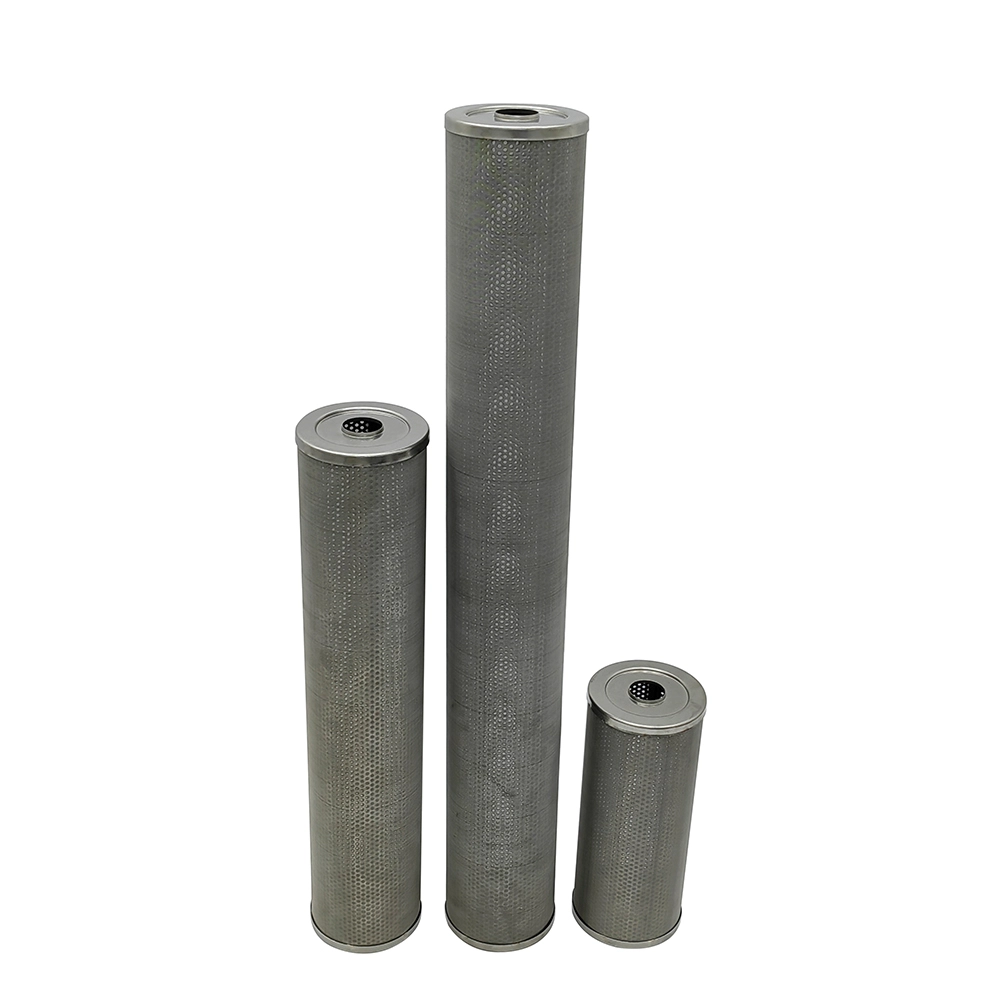
What Are Sintered Metal Filters and How Do They Work?
For products
What applications are suitable for sintered metal filters?
Sintered metal filters are versatile and find applications in various industries such as pharmaceuticals, petrochemicals, food and beverage, water treatment, and more. They are commonly used for gas and liquid filtration.
For customization
Can you produce according to the samples or drawings?
Yes, we can produce your samples or technical drawings. We can build the molds and fixtures.
Metal mesh filters
How is sintered wire mesh filter different from woven wire mesh filter?
While both types involve woven wires, sintered wire mesh undergoes an additional sintering process. This process fuses the wires together, creating a rigid and porous structure. Woven wire mesh relies on the mesh's openings for filtration, while sintered mesh utilizes the entire structure for efficient filtration.
Sintered mesh filters
How can I select the right sintered mesh filter for my application?
To select the right sintered mesh filter, consider factors such as filtration requirements, material compatibility, temperature and pressure conditions, and specific application needs. Consult with the manufacturer for guidance on customization options.
Stainless Steel Pleated Filter Cartridges
How often do these stainless steel pleated cartridges need maintenance?
Maintenance frequency depends on the specific application and operating conditions. However, these cartridges are designed for easy installation and maintenance, with cleaning procedures that contribute to their longevity.
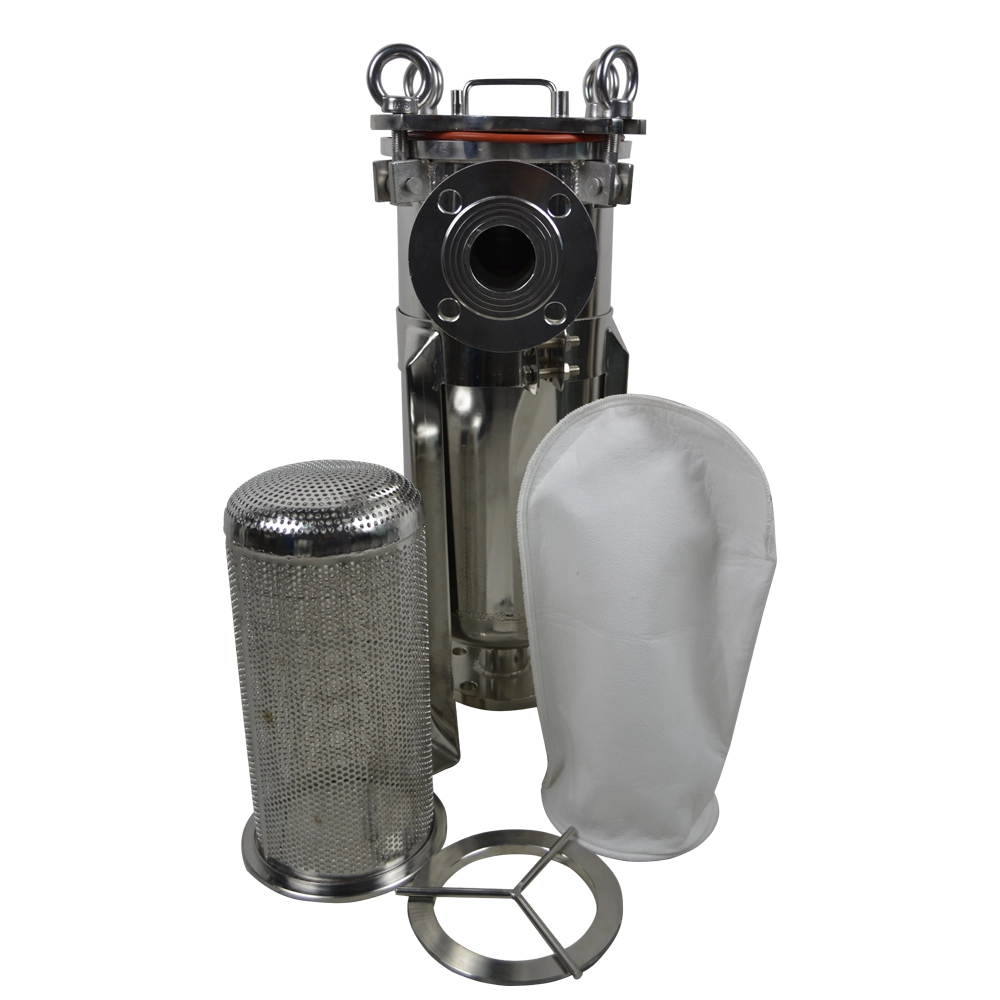
Bag filter housing
Bag filter housings are essential components in industrial filtration systems, designed to remove contaminants from liquids. To enhance the functionality and efficiency of bag filter housings, various features can be incorporated.
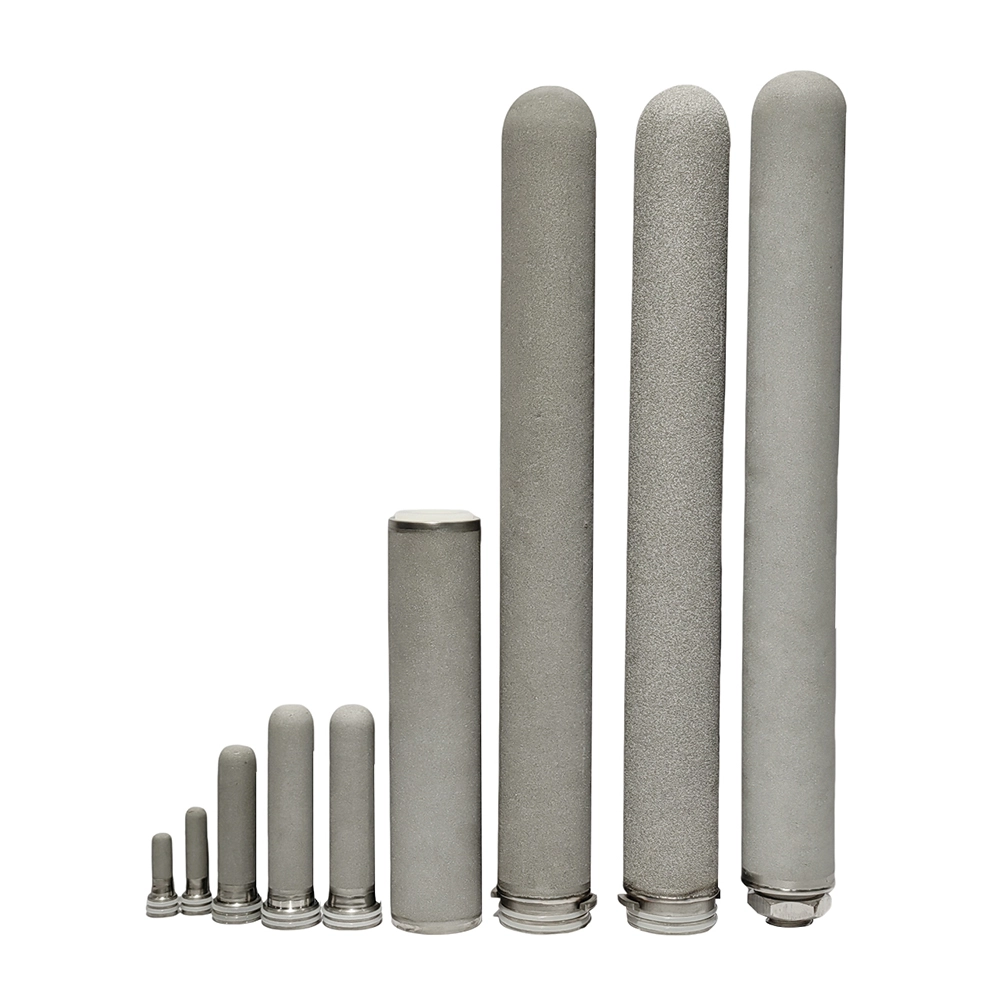
Sintered powder metal filters
Sintered powder metal filters are crafted from compressed and sintered metal powders, forming a porous structure. Porosity: 28%-50% Permeability: 0.02-20L/cm²minPa Pressure Resistance: 0.5Mpa Temperature Resistance: Less than 280℃
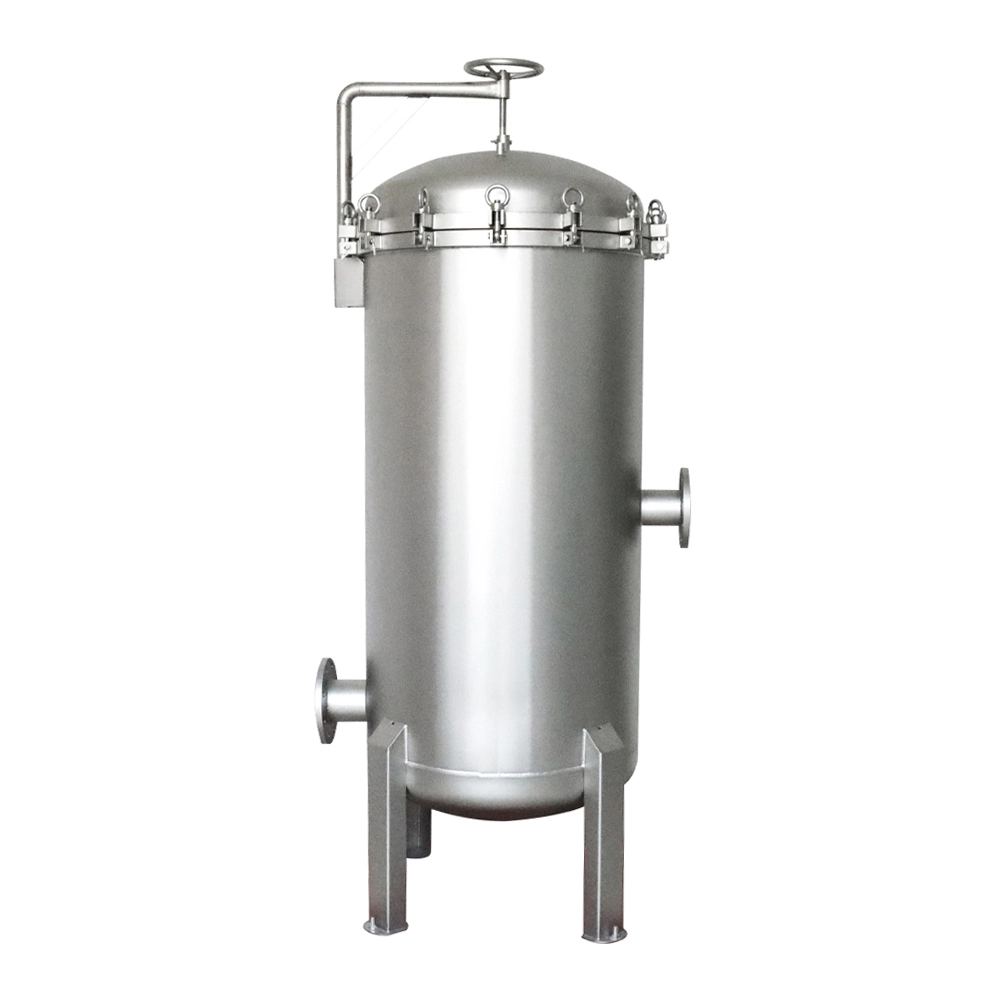
Stainless steel multi cartridge filter housing
Discover unparalleled filtration efficiency with our Stainless Steel Multi Cartridge Filter Housing – a testament to precision engineering and reliability.
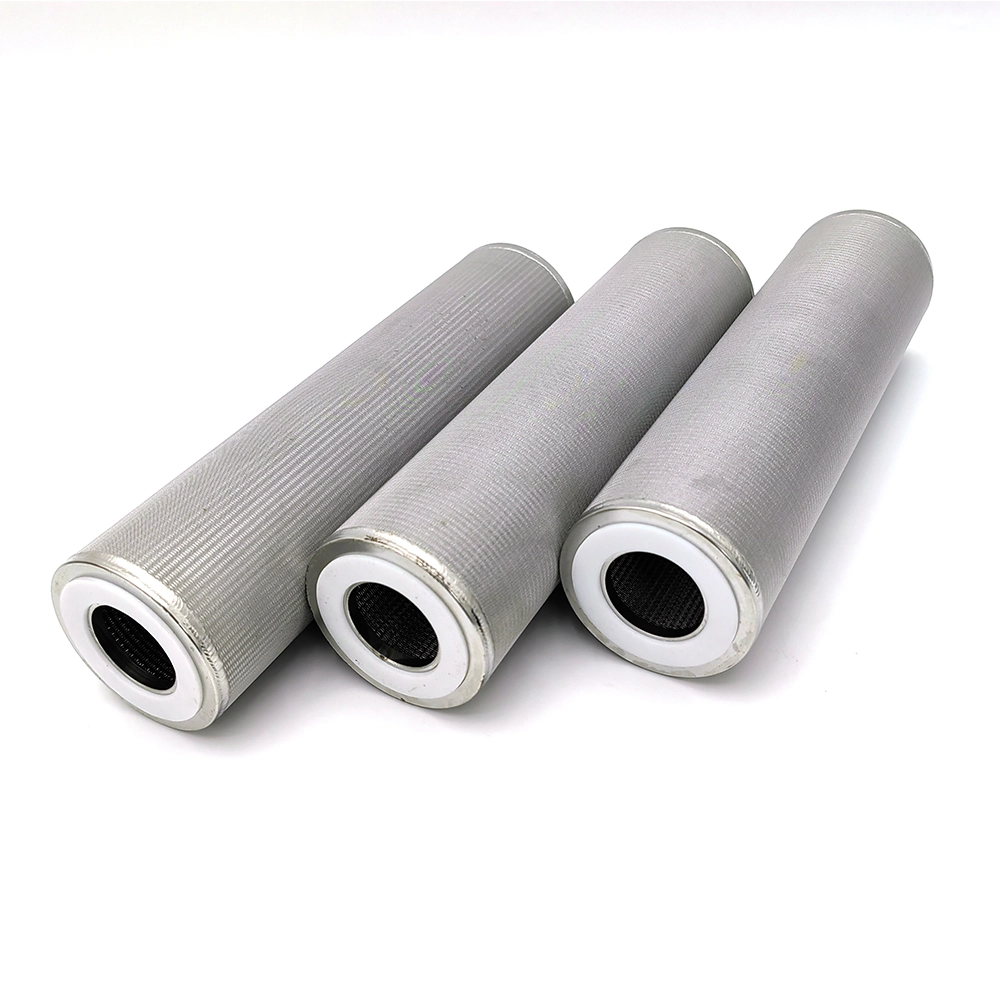
Sintered wire mesh filter
Benefit from outstanding high-pressure resistance and consistent filtration efficiency with our sintered metal mesh. Our sintered wire mesh finds versatile applications in diffuser screens, centrifuges, breather vents, fluidized beds, chromatography, polymer processing, petrochemical industries, hydraulic filters, and more.
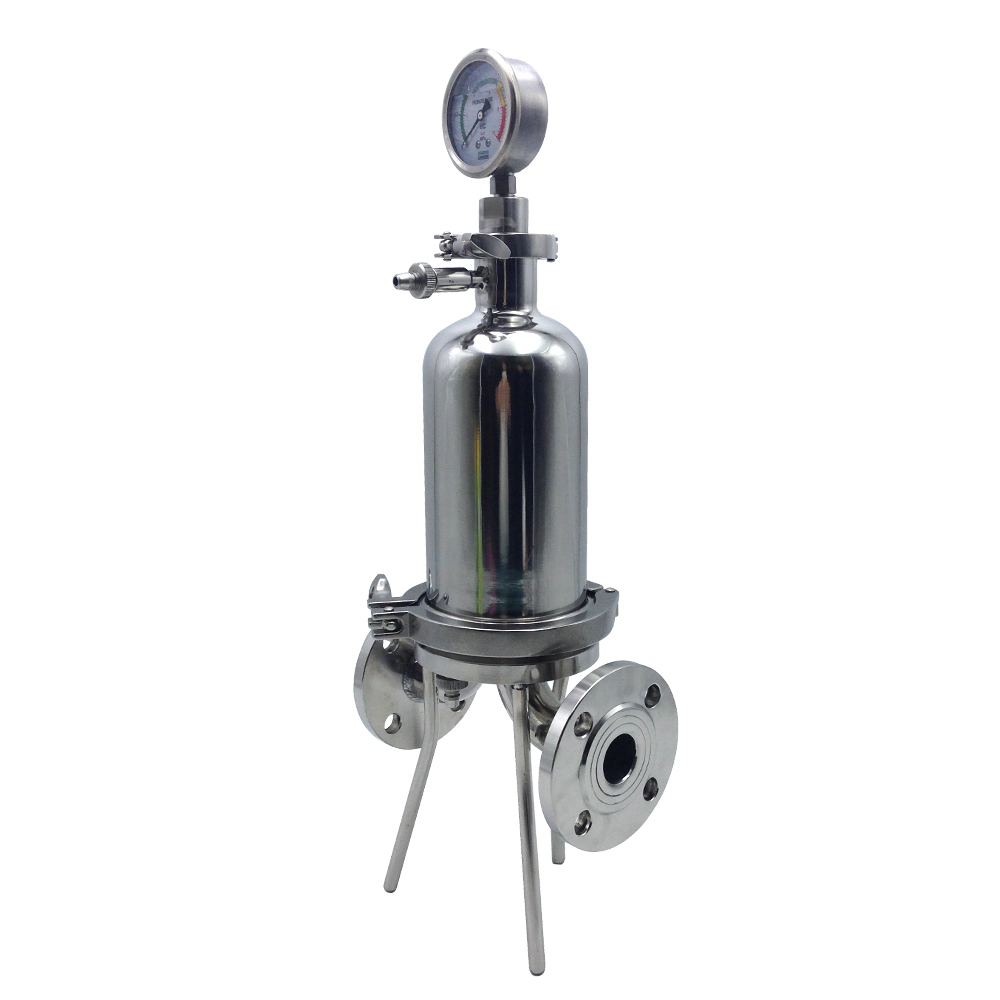
Sanitary filter housing
This filter housing will allow you to filter large volumes of nanoemulsion with ease. Sanitary vent and drain valves permit easy venting, draining, sampling, or integrity testing operations. The new cartridge locking design features additional cut-outs for traditional half-moon portions of the Code 7 bayonet locks, enhancing clean ability and drain ability.
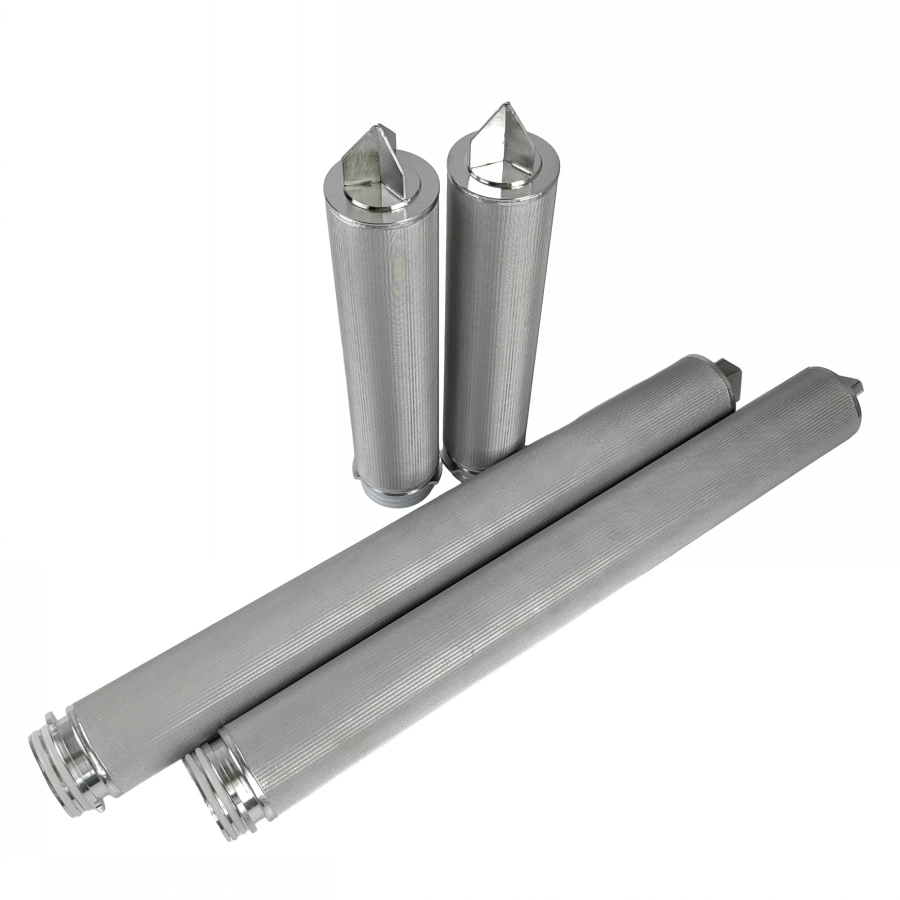
stainless steel filter water
Our sintered stainless steel filter stands as a pivotal filtration element crafted through a meticulous sintering process, with stainless steel serving as the core material.
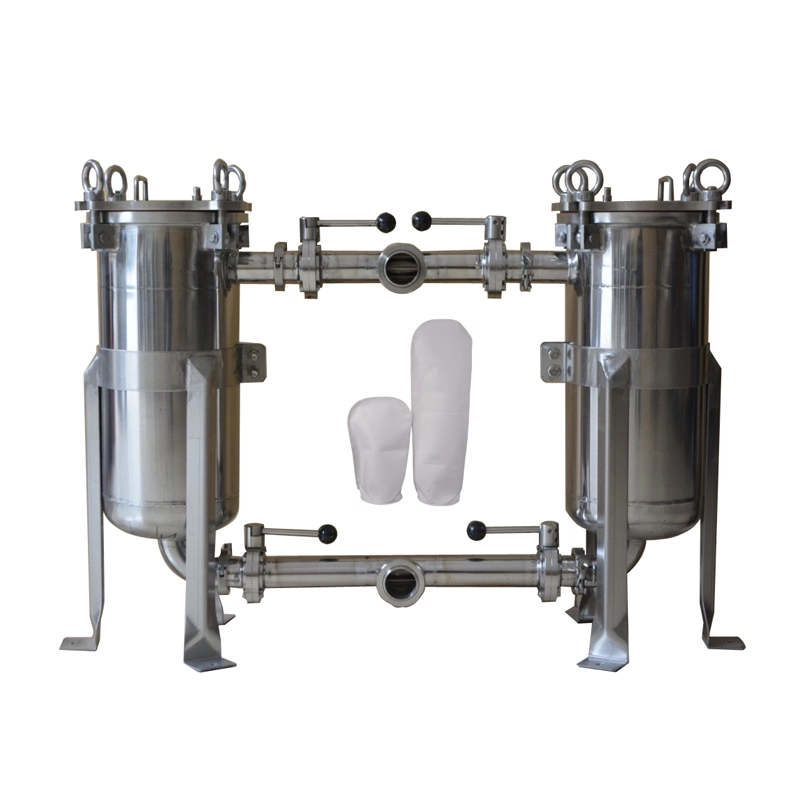
Stainless Steel Duplex filter housing
As the manufacturer, we offer a comprehensive range of Duplex Filter Housings designed to provide efficient and reliable filtration solutions for various industrial applications.
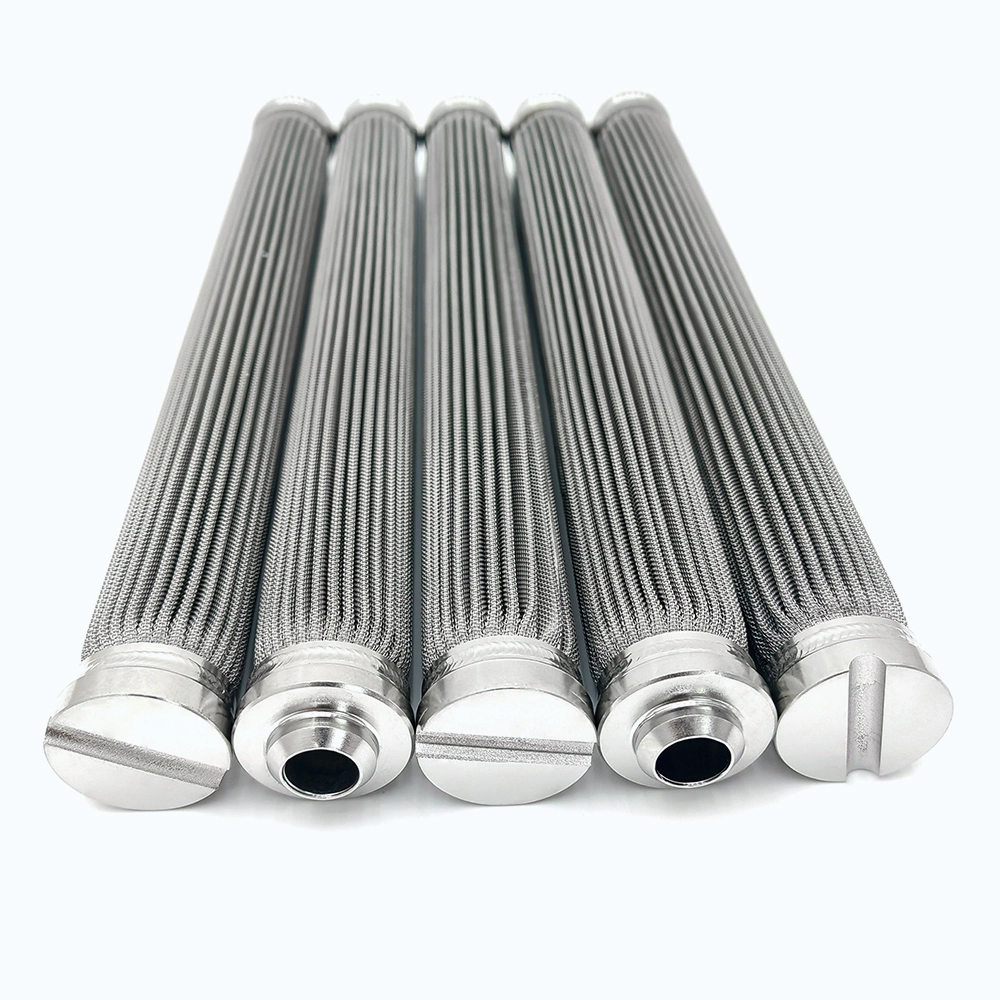
Stainless steel pleated filter cartridge
Our Stainless Steel Pleat Filter Cartridge constructed from high-quality SS 304 or SS 316L material, this filter exhibits exceptional resistance to high temperatures and rust.
© 2024 All Rights Reserved. | Privacy policy • Terms and conditions


