
what metals are used in sintering
This guide explores the various metals used in the sintering process, including iron, copper, nickel, and more. Learn how material properties and sintering parameters influence the selection process, ensuring optimal results for your application. #sintering #powdermetallurgy #metals
What Metals Are Used in Sintering?
Understanding which metals are suitable for sintering is crucial for successful powder metallurgy. This article clarifies the common metals used and their properties, addressing challenges professionals face in selecting the right material for their application.
Common Metals Used in Sintering
Sintering, a heat treatment process, bonds metal powders together without melting them completely. A wide range of metals lend themselves to this process, each with specific advantages and limitations. The choice depends on the desired properties of the final product.
Iron-Based Powders: These are the most widely used, offering good strength and ductility at a relatively low cost. Different alloys can be tailored to achieve specific mechanical properties. Steel powders, for instance, are common in sintering, allowing for controlled levels of carbon and alloying elements.
Copper-Based Powders: Copper and its alloys are popular choices due to their excellent electrical and thermal conductivity. They are often used in applications requiring high conductivity, such as electrical contacts and heat sinks. The sintering of copper can produce parts with high density and excellent performance.
Nickel-Based Powders: These possess exceptional corrosion resistance and high-temperature strength, making them suitable for demanding environments. Superalloys, often nickel-based, are frequently processed via powder metallurgy techniques like sintering.
Other Metals and Alloys: Other metals used in sintering include aluminum, tungsten, molybdenum, and titanium. These metals, or alloys incorporating them, offer unique properties, such as high strength-to-weight ratios (titanium) or high melting points (tungsten and molybdenum). The specific alloy composition significantly influences the outcome of the sintering process.
Factors Affecting Metal Choice in Sintering
Selecting the appropriate metal for sintering is a multifaceted decision. Key factors include:
* Desired Properties: The final part's required mechanical, physical, and chemical properties (strength, hardness, conductivity, corrosion resistance) heavily influence the metal selection.
* Sintering Parameters: The temperature, time, and atmosphere used during sintering directly affect the density and microstructure of the final product. Some metals require specific conditions to achieve optimal results.
* Cost and Availability: Economic considerations are always important. The cost of the metal powder and the overall processing costs must be factored into the decision.
Conclusion
The choice of metal for sintering depends on a complex interplay of factors. Understanding the properties of different metals and their behavior during sintering is essential for achieving optimal results. Careful consideration of these factors allows engineers and materials scientists to select the ideal material for their specific application.
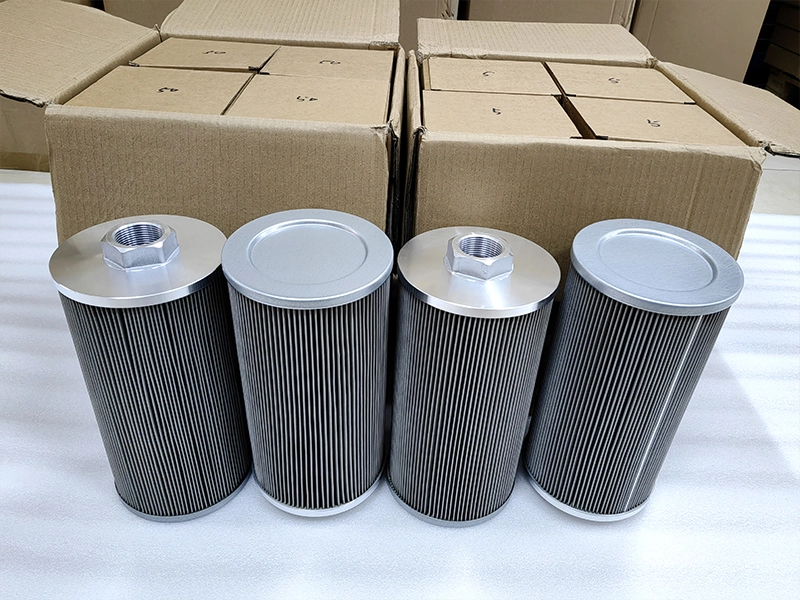
What is Sintered Metal Filter? Complete Guide
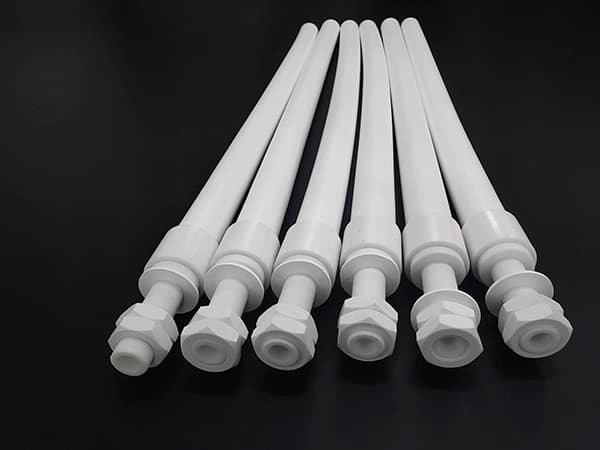
Sintered PTFE Filters: Advanced Filtration for Demanding Environments
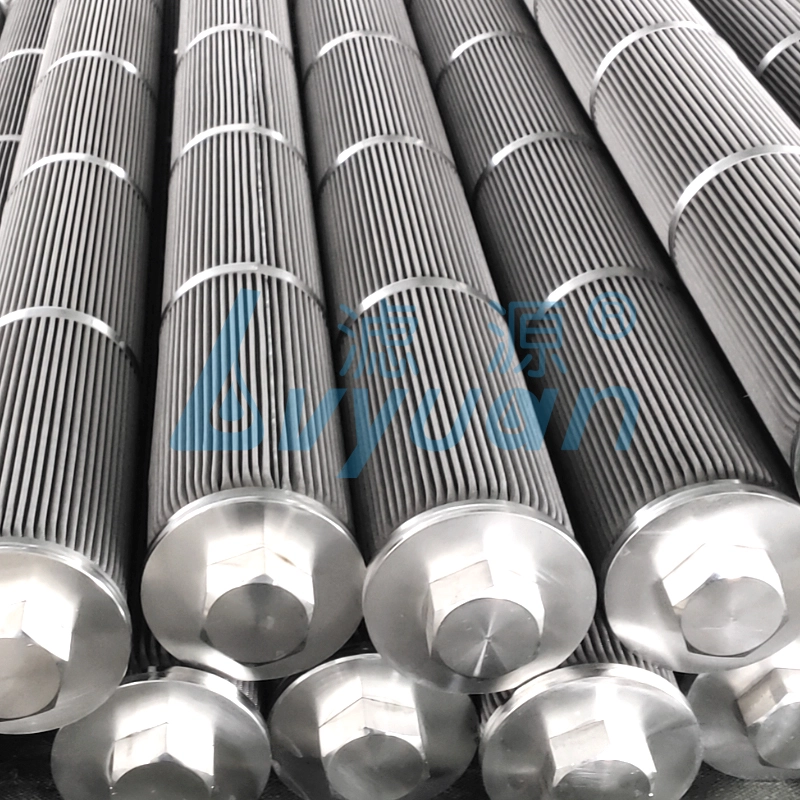
Metal Sintered Filters: Precision Filtering to Drive Industrial Upgrading
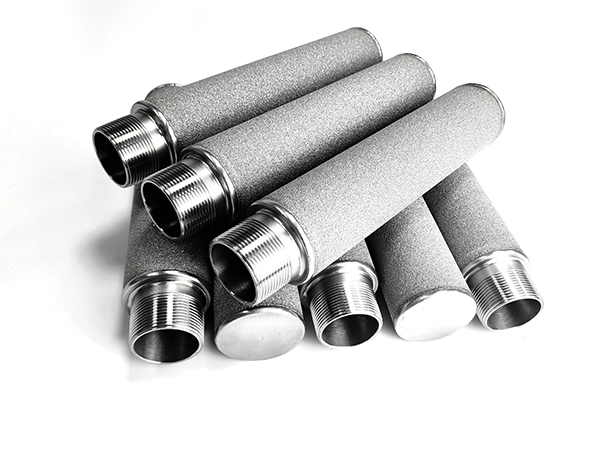
Choosing Sintered Filters: An Overview for Industrial Applications
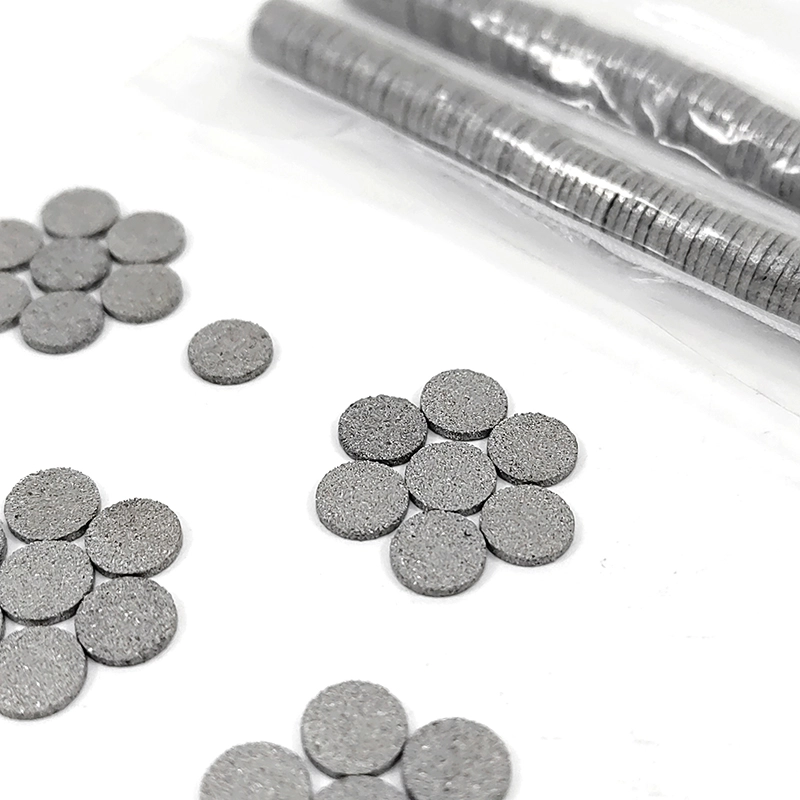
What is a Sintered Metal Filter Disc? A Comprehensive Guide
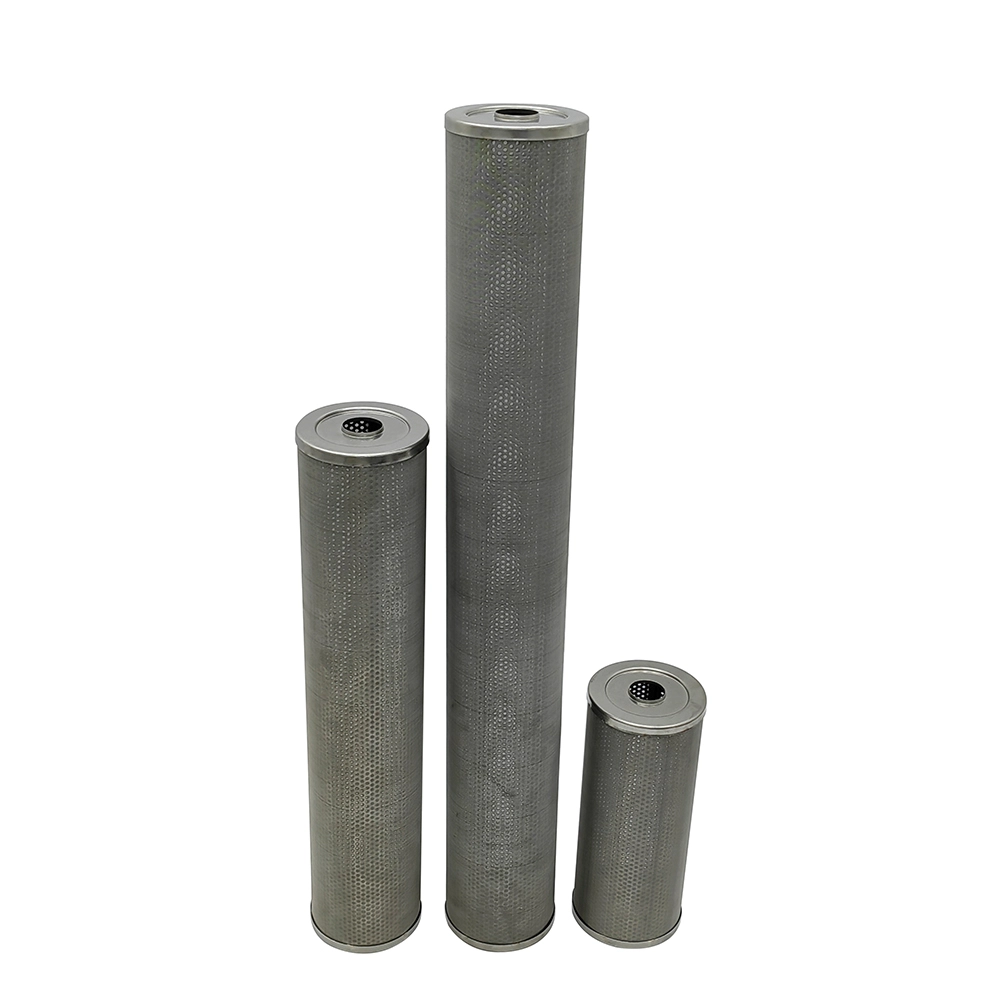
What Are Sintered Metal Filters and How Do They Work?
Porous Plastic Filter
How do I clean and maintain sintered porous filter discs?
Cleaning methods depend on the material used. For metal discs, methods may include backwashing, ultrasonic cleaning, or chemical cleaning. Polyethylene discs are often cleaned with mild detergents. Regular maintenance ensures a prolonged operational life.
For products
What are sintered metal filters?
Sintered metal filters are porous materials made by compacting and heating metal powders without melting them completely. The process results in a rigid structure with interconnected pores, offering filtration capabilities for various applications.
Sintered Metal Filter
Can industrial sintered metal filter cartridges be customized?
Yes, these cartridges can be customized in terms of dimensions, filtration ratings, materials, and end connections to suit the specific needs of different industrial processes.
How often should industrial-sintered metal filter cartridges be replaced?
The replacement frequency depends on the operating conditions and the level of contaminants in the process. Regular inspection and monitoring help determine the optimal replacement schedule.
Metal mesh filters
Can sintered wire mesh filter be customized?
Yes, sintered wire mesh can be customized in terms of material, pore size, thickness, and dimensions to suit specific filtration requirements. Customization allows for optimal performance in diverse applications.
For company
When er founded?
We established on October 12, 2009
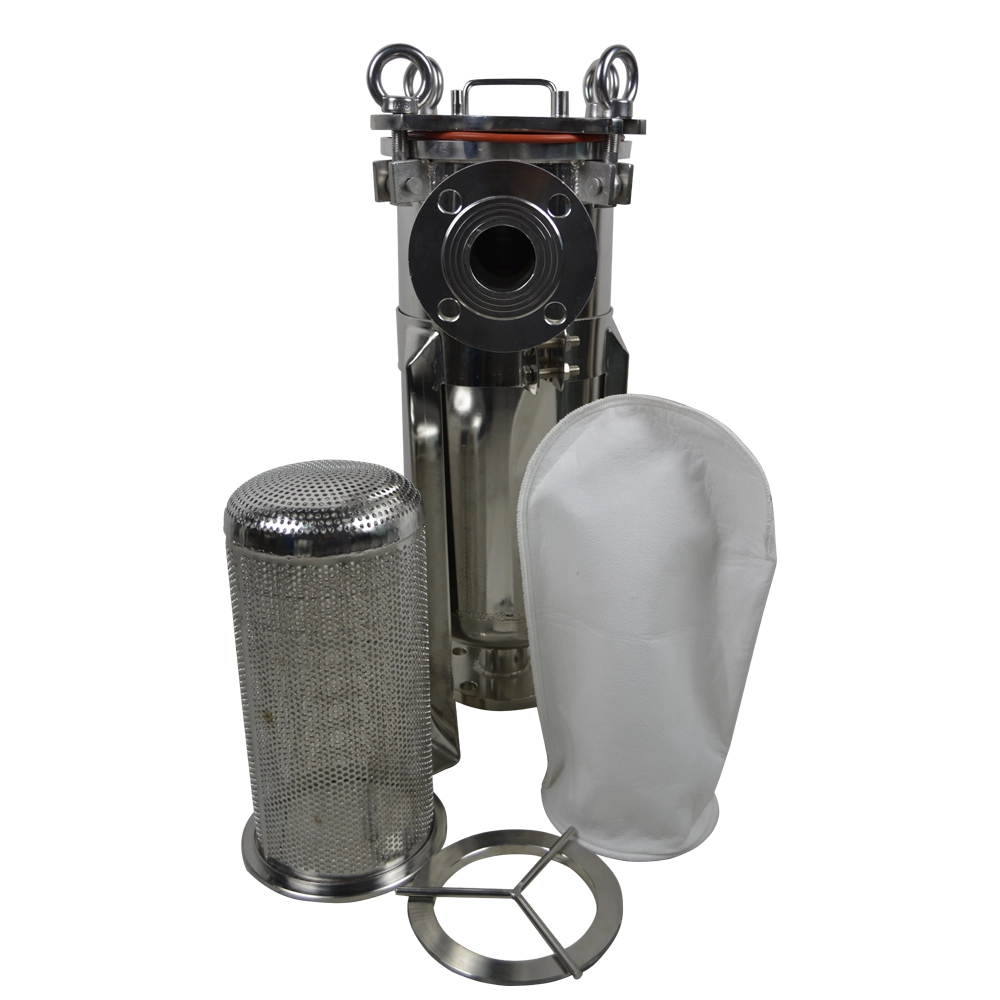
Bag filter housing
Bag filter housings are essential components in industrial filtration systems, designed to remove contaminants from liquids. To enhance the functionality and efficiency of bag filter housings, various features can be incorporated.
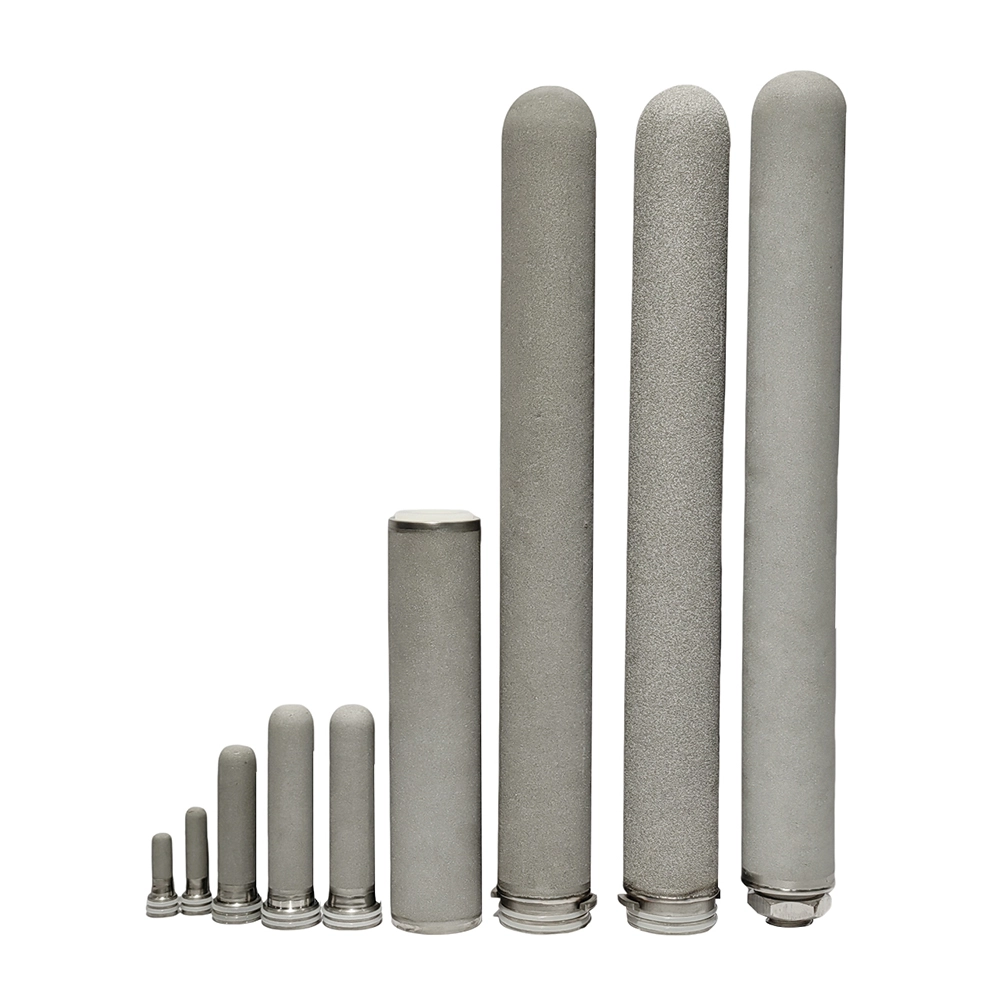
Sintered powder metal filters
Sintered powder metal filters are crafted from compressed and sintered metal powders, forming a porous structure. Porosity: 28%-50% Permeability: 0.02-20L/cm²minPa Pressure Resistance: 0.5Mpa Temperature Resistance: Less than 280℃
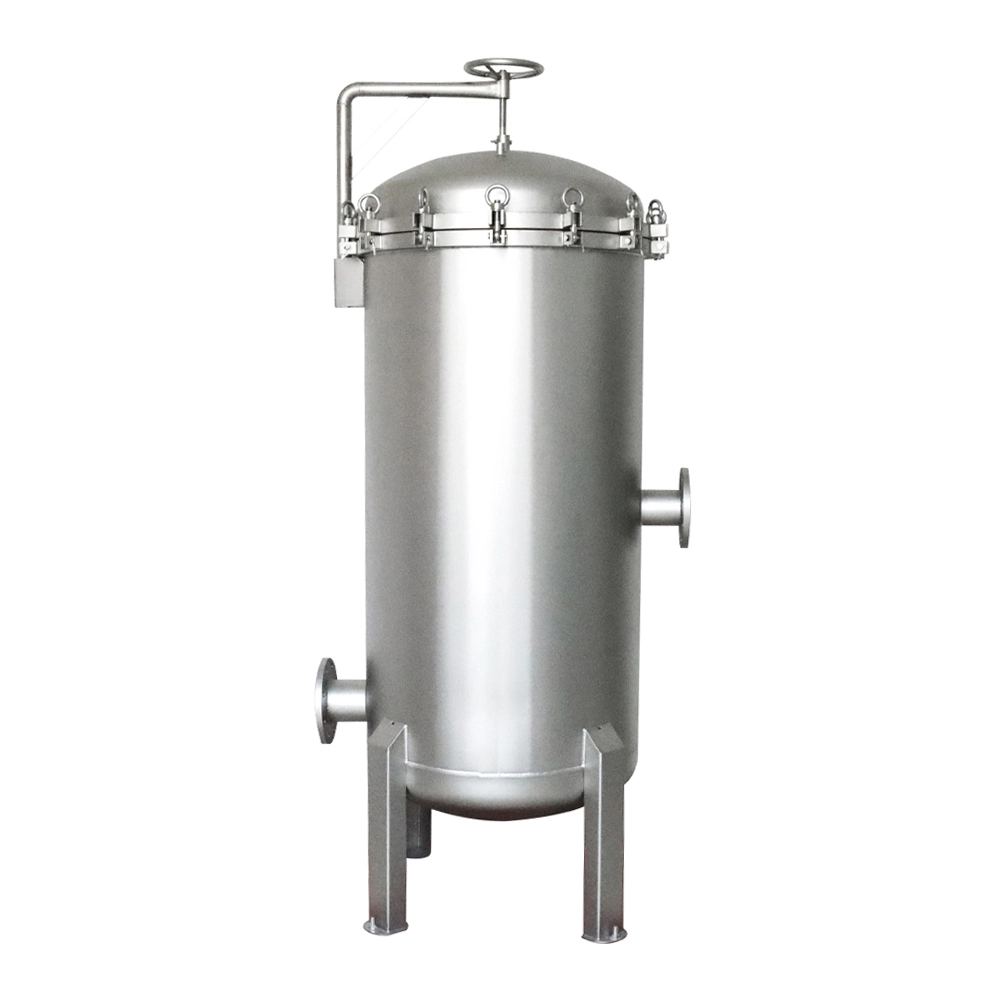
Stainless steel multi cartridge filter housing
Discover unparalleled filtration efficiency with our Stainless Steel Multi Cartridge Filter Housing – a testament to precision engineering and reliability.
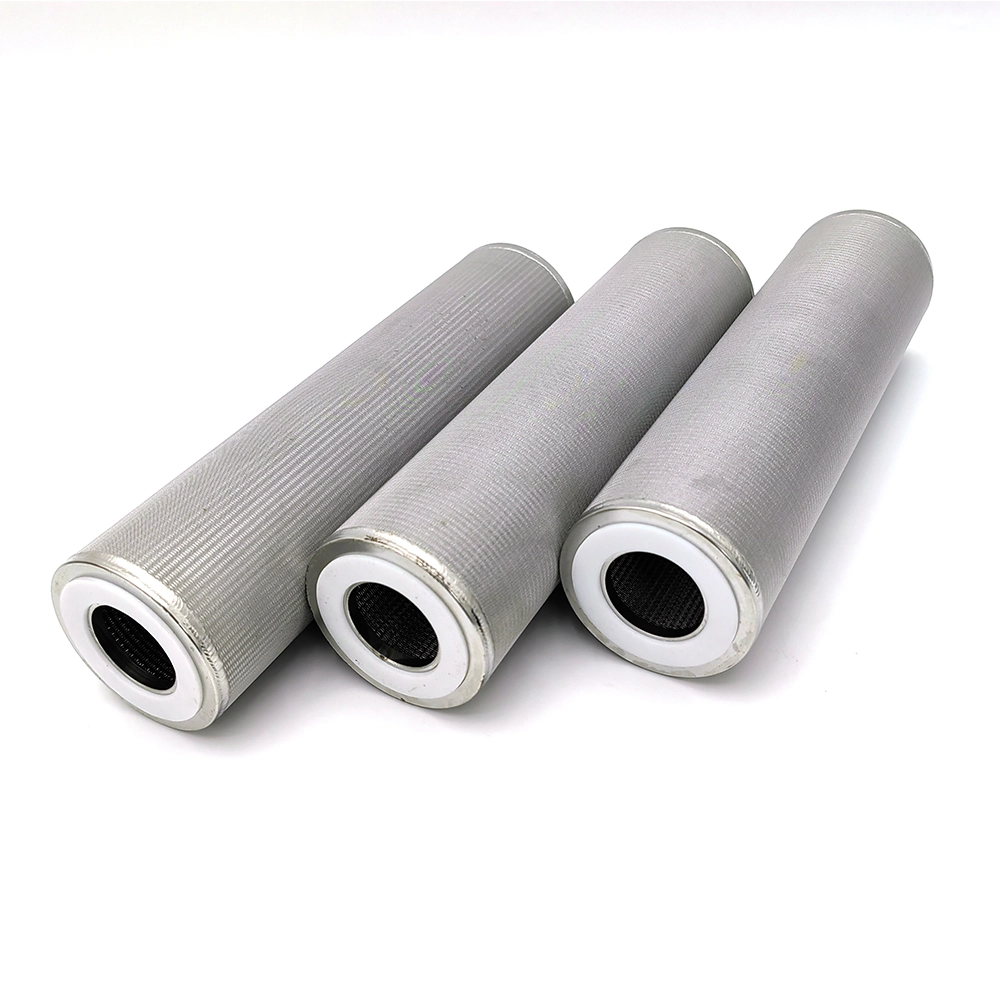
Sintered wire mesh filter
Benefit from outstanding high-pressure resistance and consistent filtration efficiency with our sintered metal mesh. Our sintered wire mesh finds versatile applications in diffuser screens, centrifuges, breather vents, fluidized beds, chromatography, polymer processing, petrochemical industries, hydraulic filters, and more.
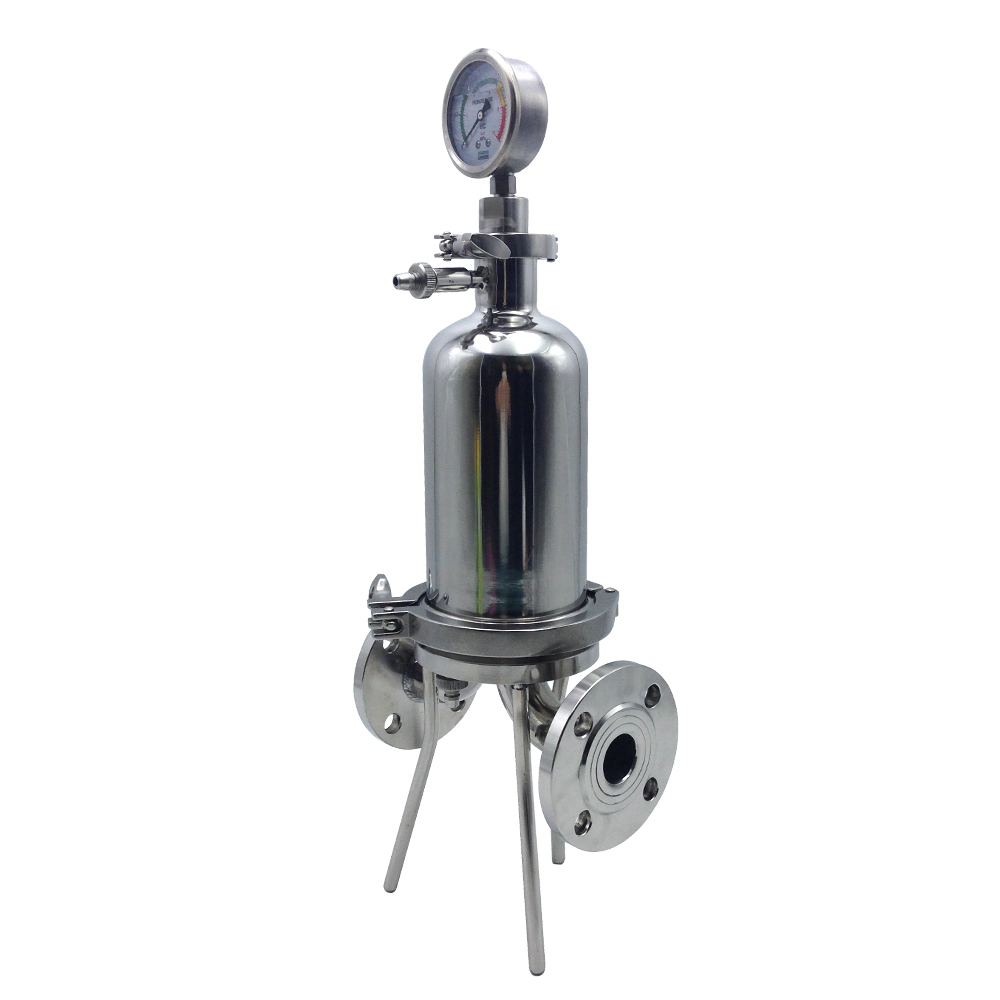
Sanitary filter housing
This filter housing will allow you to filter large volumes of nanoemulsion with ease. Sanitary vent and drain valves permit easy venting, draining, sampling, or integrity testing operations. The new cartridge locking design features additional cut-outs for traditional half-moon portions of the Code 7 bayonet locks, enhancing clean ability and drain ability.
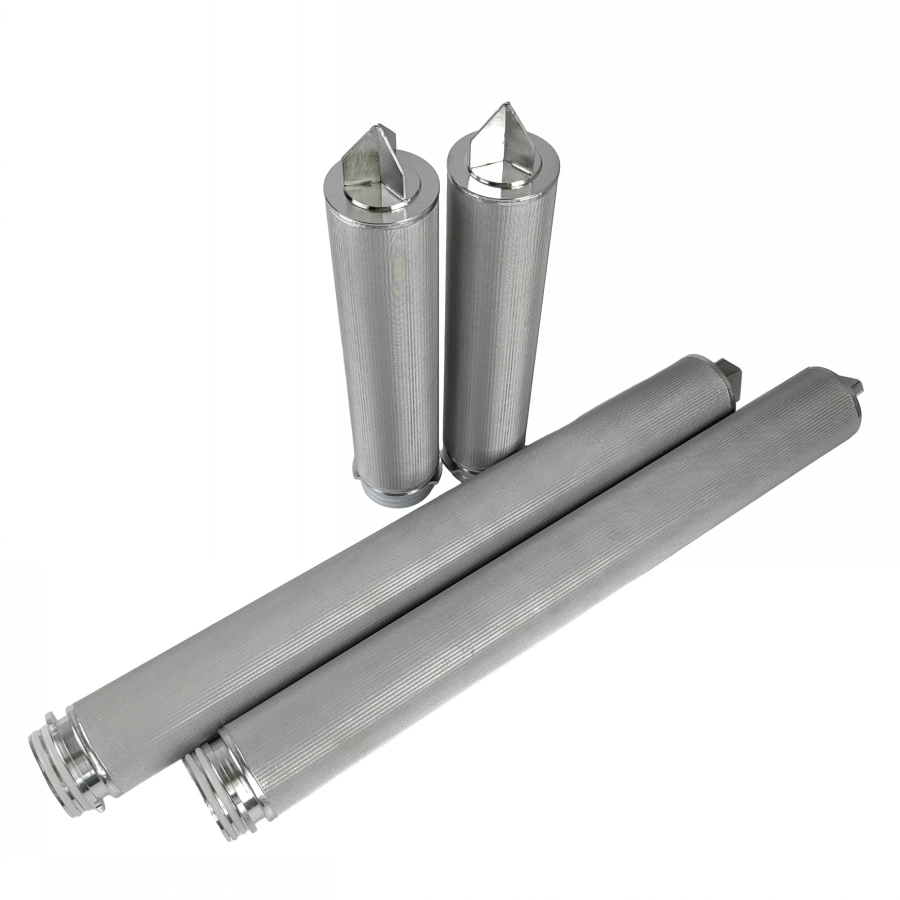
stainless steel filter water
Our sintered stainless steel filter stands as a pivotal filtration element crafted through a meticulous sintering process, with stainless steel serving as the core material.
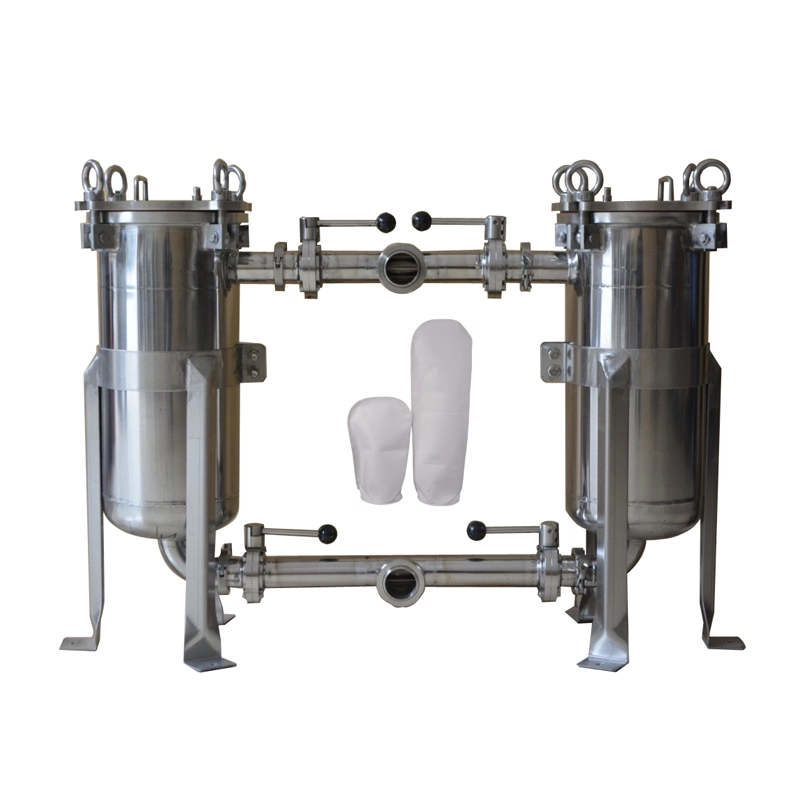
Stainless Steel Duplex filter housing
As the manufacturer, we offer a comprehensive range of Duplex Filter Housings designed to provide efficient and reliable filtration solutions for various industrial applications.
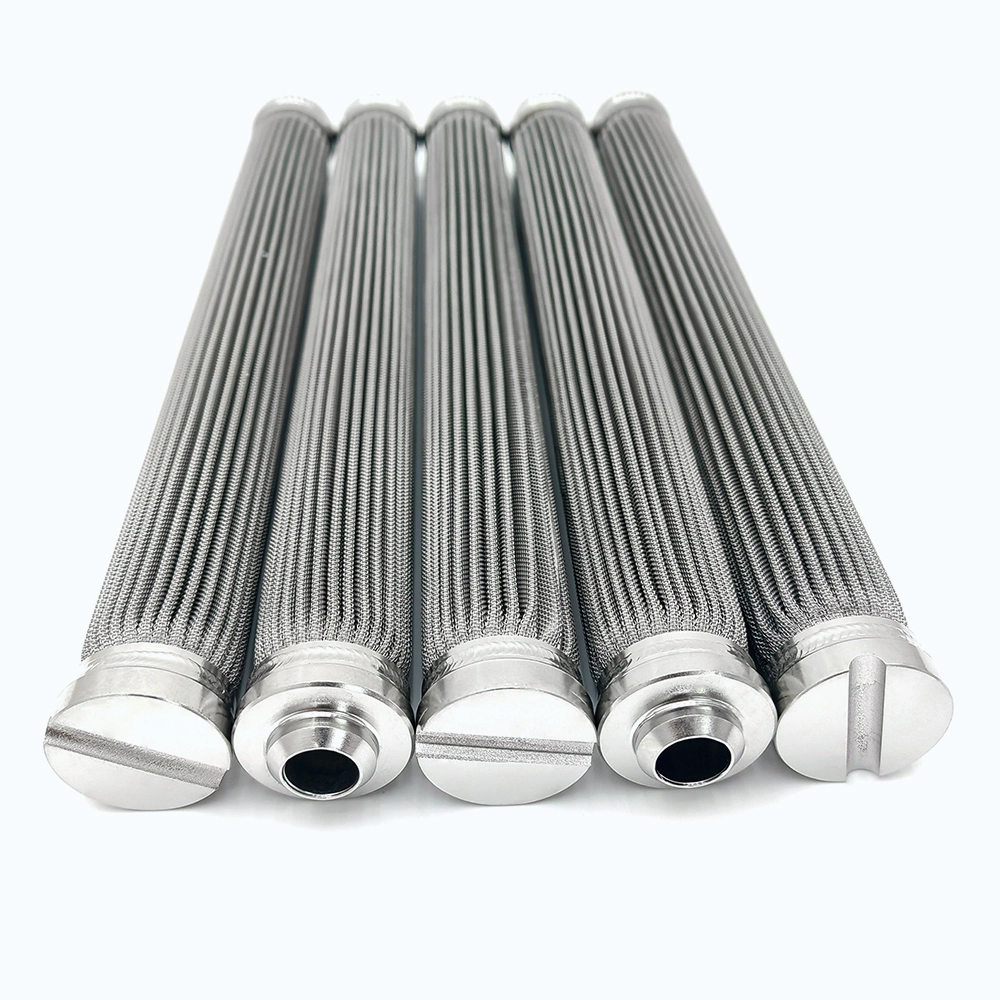
Stainless steel pleated filter cartridge
Our Stainless Steel Pleat Filter Cartridge constructed from high-quality SS 304 or SS 316L material, this filter exhibits exceptional resistance to high temperatures and rust.
© 2024 All Rights Reserved. | Privacy policy • Terms and conditions


