
how to choose filtration mesh size
Learn how to choose the right filtration mesh size for sintered metal filters with expert tips. Improve filtration performance and process reliability.
How to Choose Filtration Mesh Size in Sintered Metal Filters
Choosing the correct filtration mesh size is crucial in sintered metal filter applications. This decision impacts performance, product integrity, and operational costs. This guide addresses how to choose filtration mesh size to achieve optimal results in varied industrial environments.
Factors Influencing Mesh Size Selection
- Particle Size Distribution
- Base mesh size on the minimum particle size to be retained (refer to ASTM E11 standards).
- Use laser diffraction or dynamic image analysis for accurate particle sizing.
- Process Fluid Properties
- Consider viscosity, temperature, and chemical compatibility before selecting mesh aperture.
- Higher viscosities often require larger mesh openings to avoid clogging.
- Desired Filtration Efficiency
- Define removal efficiency targets (nominal vs. absolute rating).
- Select mesh sizes ensuring critical contaminants are captured per operational standards.
- Flow Rate Requirements
- Smaller mesh sizes reduce flow; align mesh selection with system pressure drop limitations (refer to Darcy’s Law).
- Use manufacturer-supplied flow charts for precise sizing guidance.
- Cleanability and Service Life
- Finer meshes require more frequent cleaning and maintenance.
- Choose mesh grade balancing performance with ease of regeneration (backwash capability).
- Industry Compliance
- Ensure mesh size meets regulatory or process requirements (e.g., food, pharma, or ASME codes).
Common Mesh Size Specifications
- Micron Ratings (μm)
- Sintered metal filters are available in 1–200 μm; select based on process needs.
- Shape and Uniformity
- Uniform pore geometry ensures consistent filtration and prevents channeling (source: ISO 2738).
- Material Selection
- Stainless steel, bronze, and titanium are common; pick materials per chemical resistance and mechanical strength needs.
Steps to Determine the Ideal Mesh Size
- Step 1: Analyze feed stream to determine contaminant profile and size.
- Step 2: Review process performance targets (clarity, purity, flow).
- Step 3: Consult filter manufacturer technical data for recommended mesh ranges.
- Step 4: Assess compatibility with cleaning protocols (chemical, thermal, or mechanical).
- Step 5: Perform pilot or laboratory testing where feasible.
Reference Data and Standards
- ASTM E11: Standard specification for wire cloth and mesh sizes.
- ISO 16889: Evaluates filter performance under multi-pass testing.
- Industry Case Studies: Studies such as “Optimizing Filtration Mesh for Chemical Reactors” (Filtration+Separation Journal, 2021) affirm performance correlates directly with precise mesh size selection.
Quick Tips for Professionals
- Request a particle size analysis to inform mesh selection precisely.
- Confirm mesh tolerances and pore distribution specifications with the supplier.
- Ensure all sintered metal filter components maintain consistent mesh integrity.
- Reassess mesh size if process or regulatory conditions change.
By systematically considering these mesh size selection parameters, sintered metal filter professionals can guarantee optimal system performance and integrity.
Sources:
1. ASTM International – Standard E11
2. ISO 2738 & 16889
3. Filtration+Separation Journal, 2021
4. Manufacturer technical datasheets
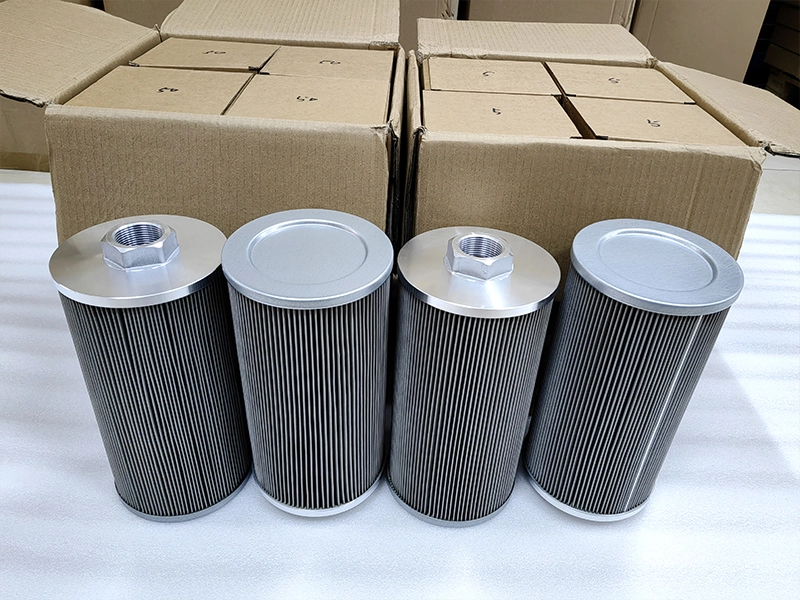
What is Sintered Metal Filter? Complete Guide
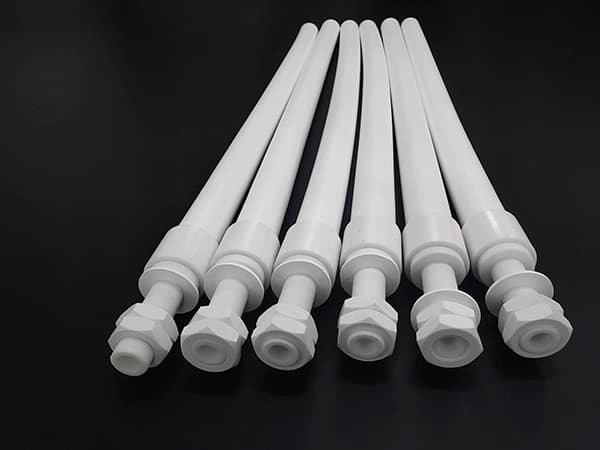
Sintered PTFE Filters: Advanced Filtration for Demanding Environments
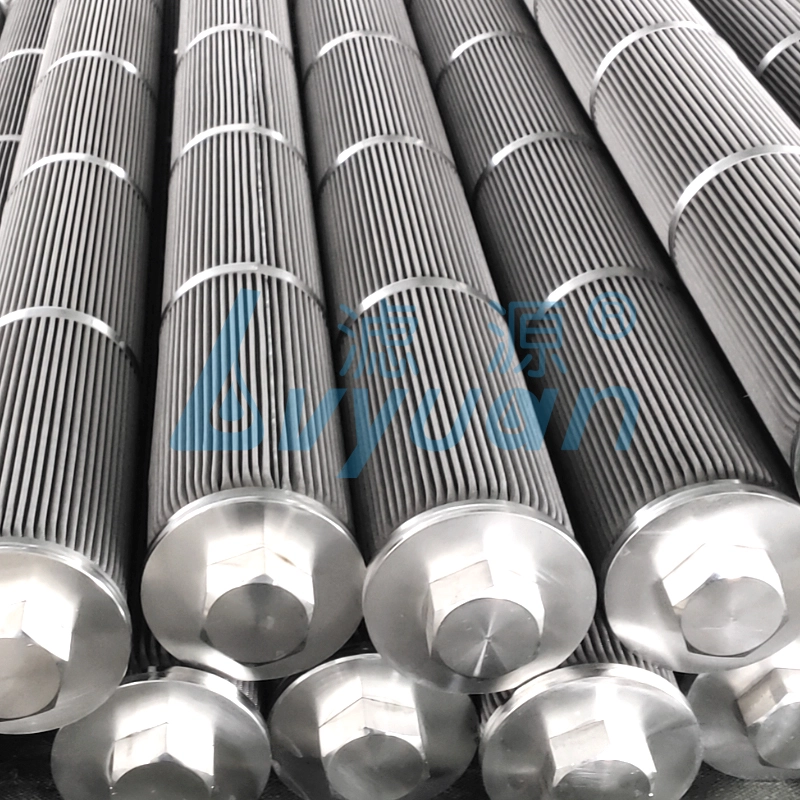
Metal Sintered Filters: Precision Filtering to Drive Industrial Upgrading
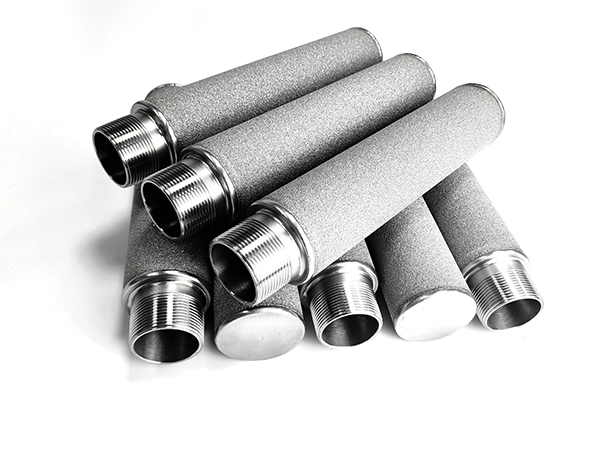
Choosing Sintered Filters: An Overview for Industrial Applications
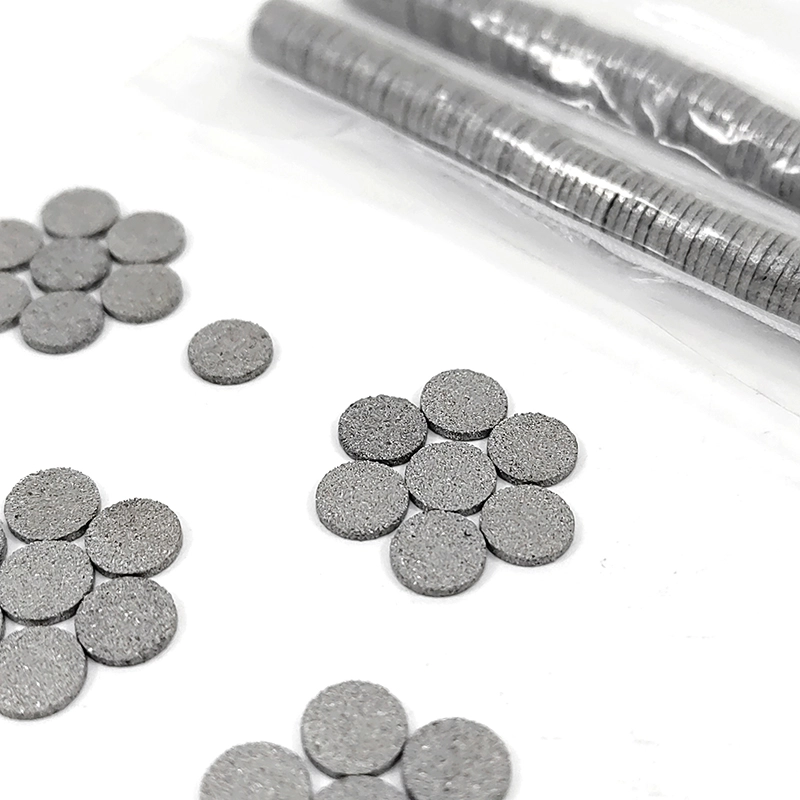
What is a Sintered Metal Filter Disc? A Comprehensive Guide
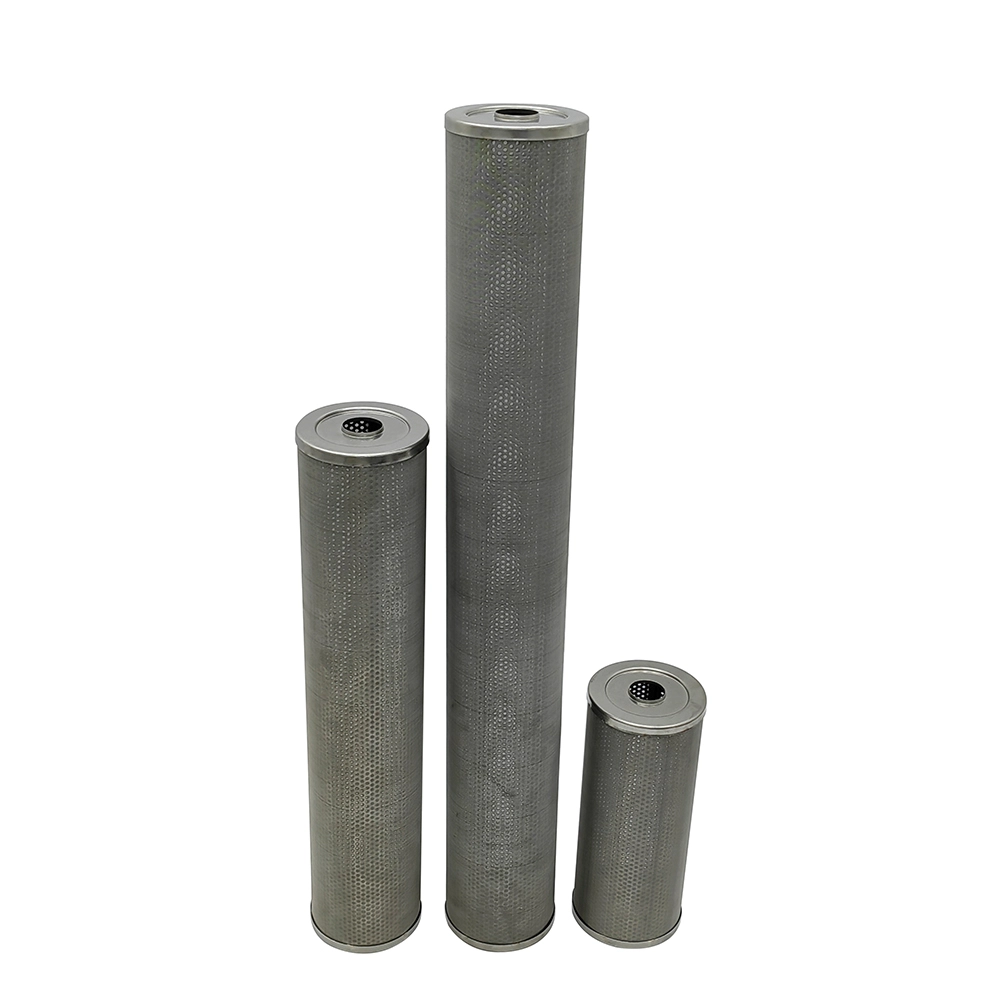
What Are Sintered Metal Filters and How Do They Work?
Porous Plastic Filter
Are sintered porous filter discs suitable for sterile filtration?
Yes, sintered porous filter discs can be designed for sterile filtration applications, especially when made from materials suitable for high-temperature and chemical sterilization methods.
How do I clean and maintain sintered plastic porous filters?
Sintered plastic porous filters can be cleaned using various methods, such as backwashing, ultrasonic cleaning, chemical cleaning, and steam sterilization, depending on the type of contaminants and the filter's compatibility with cleaning agents. Regular maintenance, such as inspection and replacement of filters, is essential to ensuring optimal performance.
Sintered mesh filters
What is the temperature range for sintered mesh filters?
Sintered mesh filters can withstand a broad temperature range, typically from -200°C to 600°C. The temperature resistance depends on the material used in the filter construction.
Metal mesh filters
What applications is sintered wire mesh suitable for?
Sintered wire mesh filter finds applications in various industries, including:
• Filtration of liquids and gases.
• Polymer and chemical processing.
• Pharmaceutical and food processing.
• Aerospace and automotive industries.
• Environmental protection and water treatment.
For customization
How about your delivery time?
Generally, it will take 10 to 15 days after receiving your advance payment. The specific delivery time depends on the items and the quantity of your order, and if the item is nonstandard, we have to consider an extra 10-15 days for tooling.
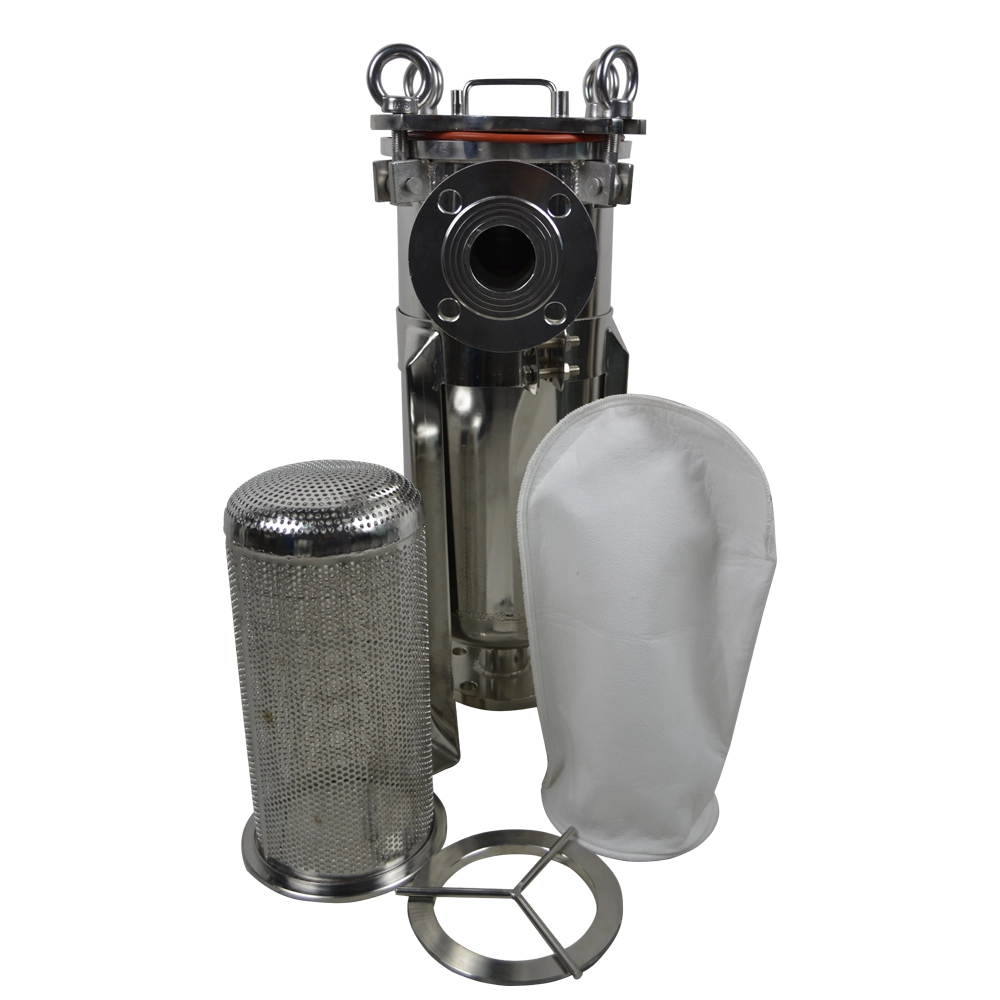
Bag filter housing
Bag filter housings are essential components in industrial filtration systems, designed to remove contaminants from liquids. To enhance the functionality and efficiency of bag filter housings, various features can be incorporated.
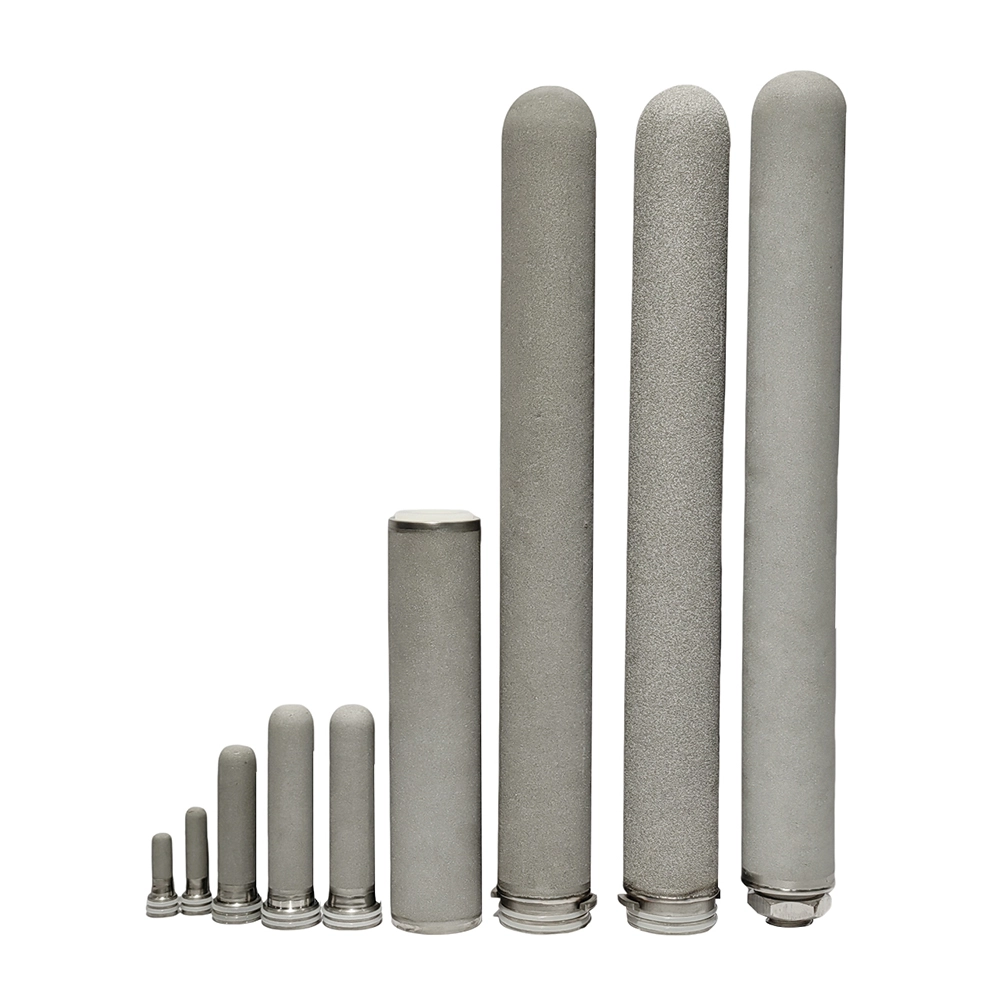
Sintered powder metal filters
Sintered powder metal filters are crafted from compressed and sintered metal powders, forming a porous structure. Porosity: 28%-50% Permeability: 0.02-20L/cm²minPa Pressure Resistance: 0.5Mpa Temperature Resistance: Less than 280℃
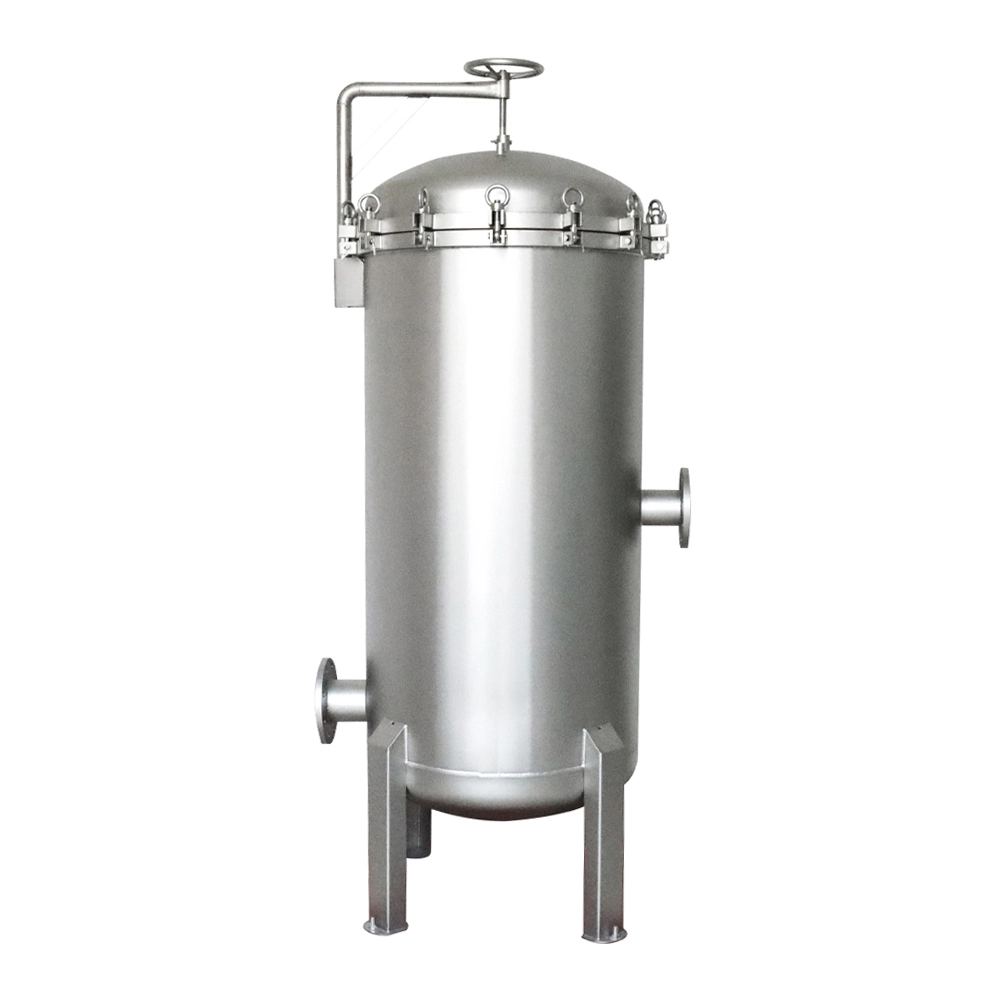
Stainless steel multi cartridge filter housing
Discover unparalleled filtration efficiency with our Stainless Steel Multi Cartridge Filter Housing – a testament to precision engineering and reliability.
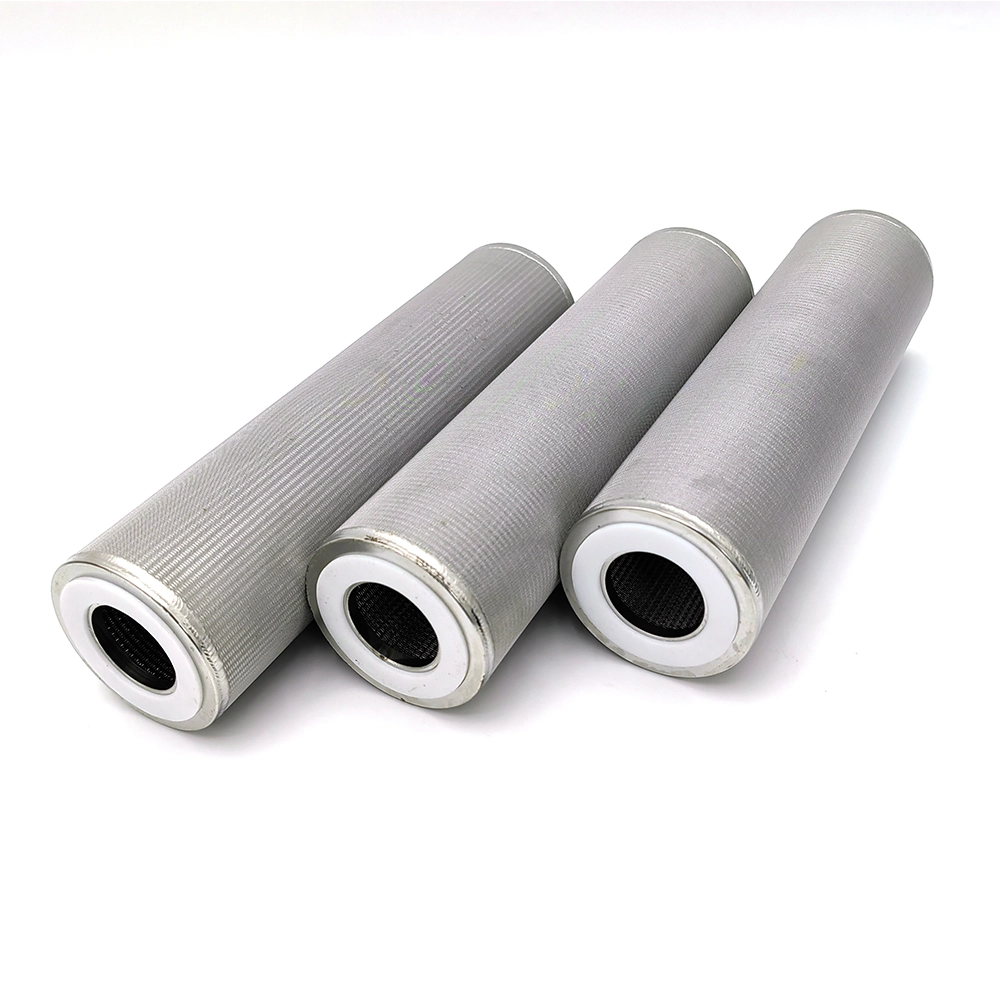
Sintered wire mesh filter
Benefit from outstanding high-pressure resistance and consistent filtration efficiency with our sintered metal mesh. Our sintered wire mesh finds versatile applications in diffuser screens, centrifuges, breather vents, fluidized beds, chromatography, polymer processing, petrochemical industries, hydraulic filters, and more.
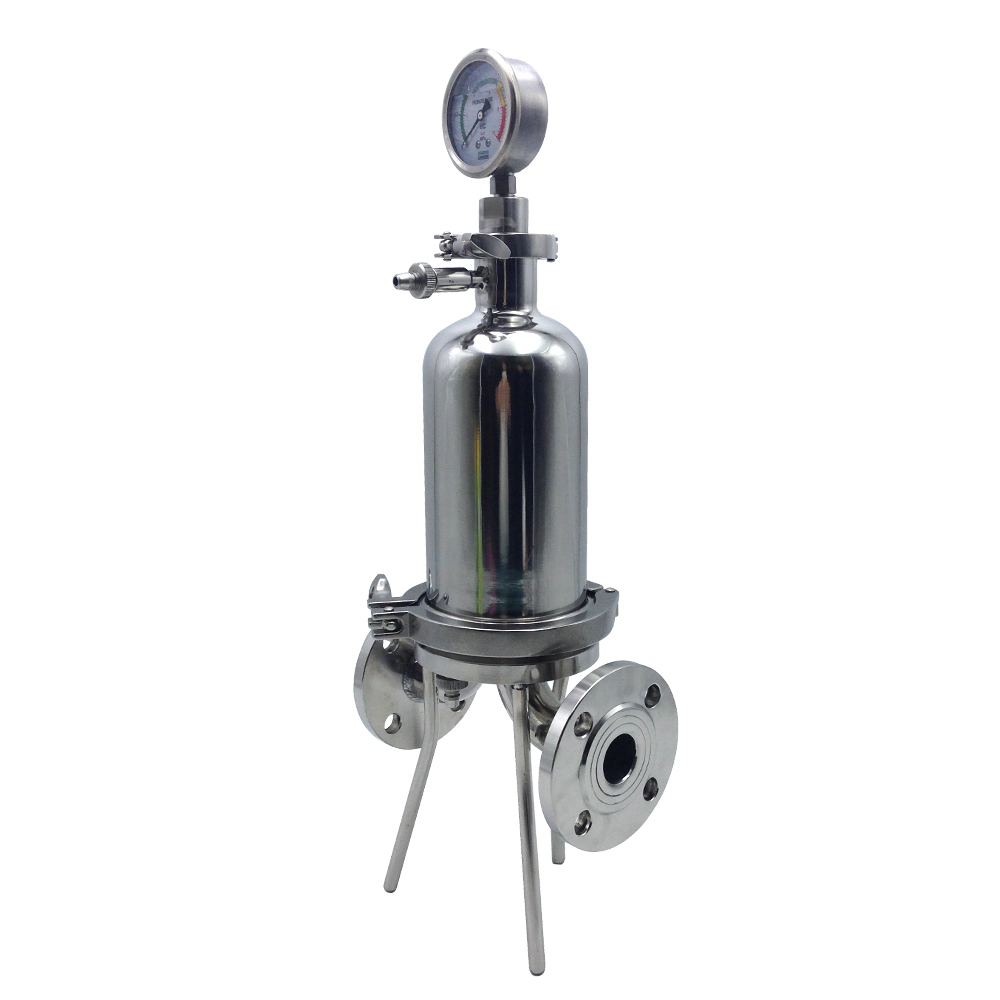
Sanitary filter housing
This filter housing will allow you to filter large volumes of nanoemulsion with ease. Sanitary vent and drain valves permit easy venting, draining, sampling, or integrity testing operations. The new cartridge locking design features additional cut-outs for traditional half-moon portions of the Code 7 bayonet locks, enhancing clean ability and drain ability.
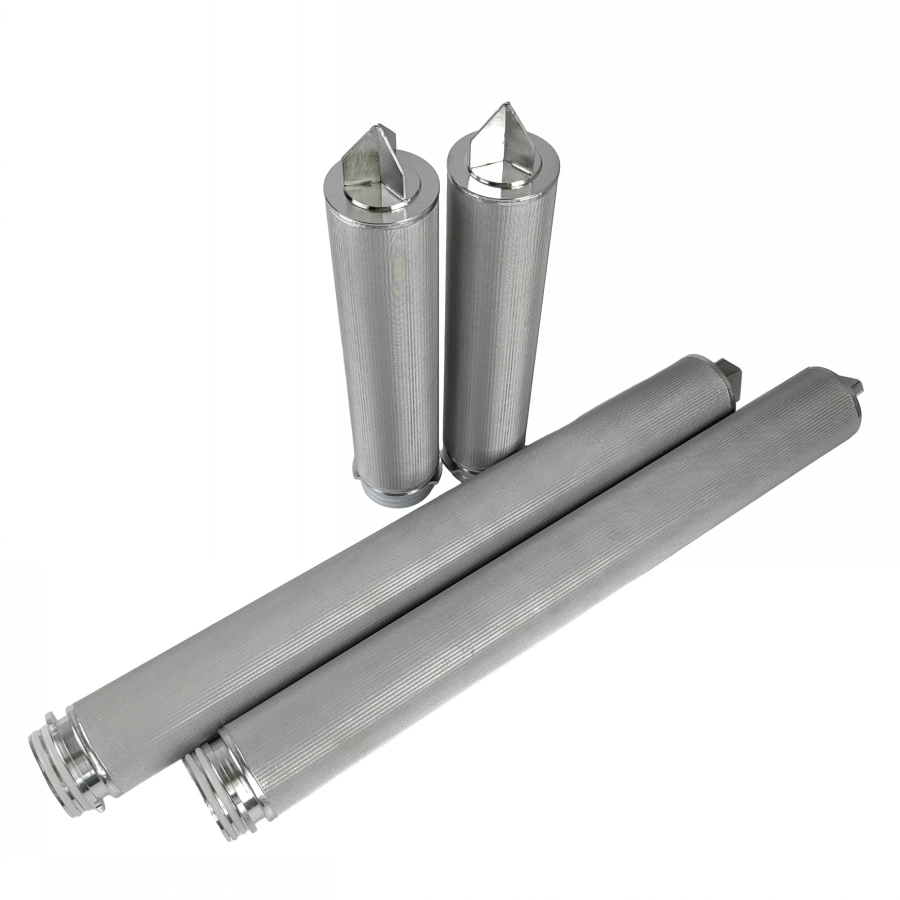
stainless steel filter water
Our sintered stainless steel filter stands as a pivotal filtration element crafted through a meticulous sintering process, with stainless steel serving as the core material.
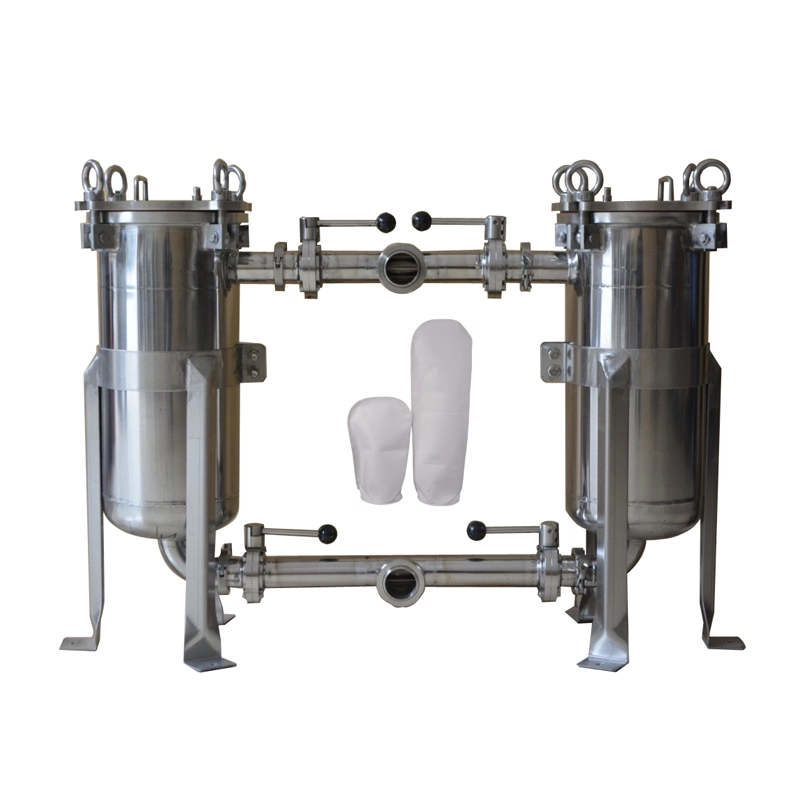
Stainless Steel Duplex filter housing
As the manufacturer, we offer a comprehensive range of Duplex Filter Housings designed to provide efficient and reliable filtration solutions for various industrial applications.
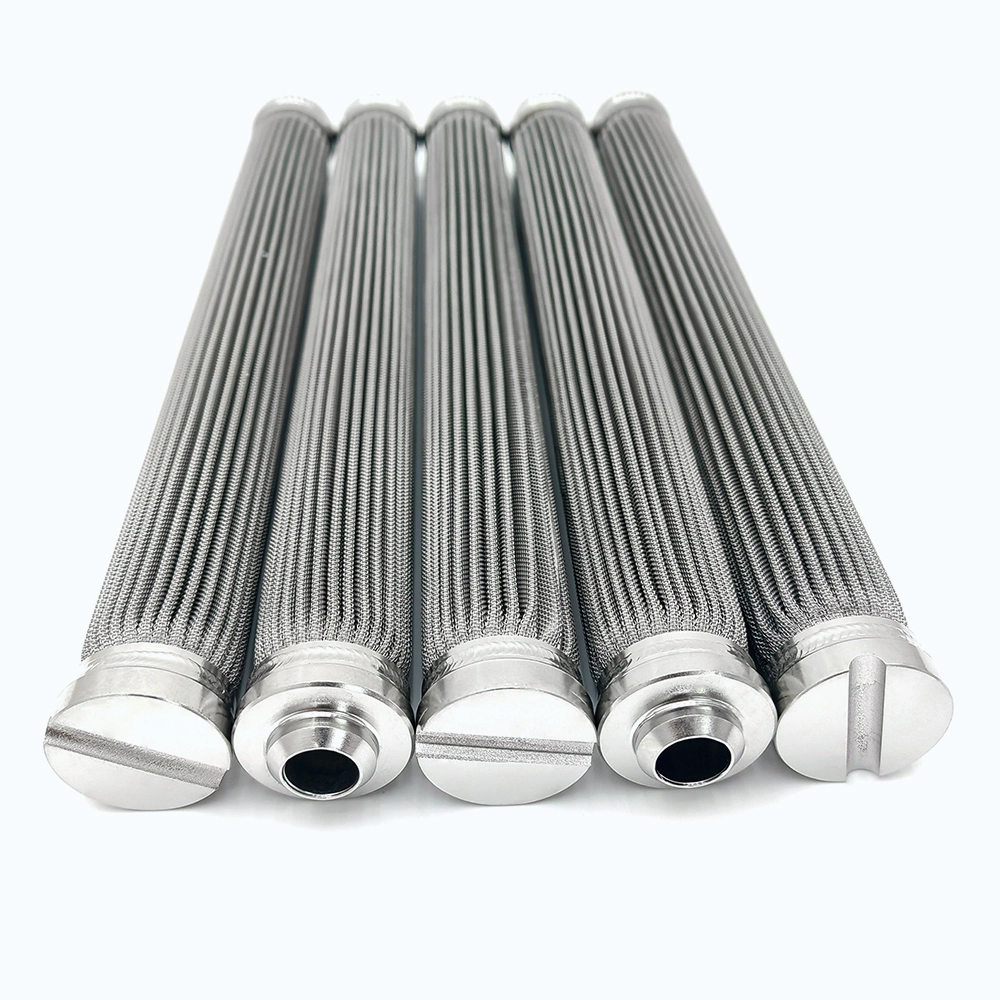
Stainless steel pleated filter cartridge
Our Stainless Steel Pleat Filter Cartridge constructed from high-quality SS 304 or SS 316L material, this filter exhibits exceptional resistance to high temperatures and rust.
© 2024 All Rights Reserved. | Privacy policy • Terms and conditions


