
what is metal sintering
Metal sintering delivers unparalleled control, durability, and material options for sintered metal filter manufacturing, serving critical applications in demanding industrial environments.
What is Metal Sintering? Comprehensive Insights for Sintered Metal Filter Professionals
Metal sintering is a fundamental process in the production of sintered metal filters—crucial for various industries requiring precise and reliable filtration solutions. This article explores the core principles of metal sintering, addressing common professional inquiries such as material selection, process control, and the benefits for sintered metal filter performance.
What is Metal Sintering?
- Definition:
Metal sintering is a powder metallurgy process where metal powders are bonded together through heat (beneath their melting point) to form a solid, porous structure.
- Core Process Steps:
- Metal powders are carefully selected based on the application.
- The powder is shaped in a mold or compacted under pressure.
- Sintering occurs in a controlled atmosphere furnace at high temperature, just below the material’s melting point.
- Resulting components have a strong, interconnected pore structure.
- Why Use Sintering in Filter Manufacturing?
- Consistent porosity for tailored permeability and particle retention.
- Enhanced mechanical strength and corrosion resistance compared to other filters.
- Compatibility with multiple metals (stainless steel, bronze, nickel alloys) for versatility.
Advantages of Metal Sintering for Filter Applications
- Precise Pore Size Control
- Crucial for industries needing accurate filtration (pharma, aerospace, food processing).
- Pore size adjustability allows for advanced filtering applications (source: ASM International).
- Robustness and Durability
- Sintered filters withstand high operating pressures, differential pressure, and elevated temperatures.
- Enables backwashing and regeneration for extended service life (source: Powder Metallurgy: Science, Technology and Applications, P.C. Angelo).
- Chemical and Thermal Resistance
- Stainless steel and other alloys provide superior resistance against aggressive chemicals and solvents.
- Stable performance in high-temperature processes.
- Eco-friendly Production
- Sintered filter manufacturing creates minimal waste.
- Energy-efficient relative to other fabrication methods.
Key Materials for Metal Sintering
- Stainless Steel
- Most common in filtration for corrosion resistance and longevity.
- Bronze & Nickel-Alloys
- Ideal for specific compatibility and anti-microbial requirements.
- Specialty Metals
- Hastelloy, titanium, and other alloys for niche applications.
Critical Factors in Sintered Metal Filter Design
- Particle Size Distribution
- Impacts pore uniformity and flow rates.
- Sintering Temperature & Time
- Govern the strength-to-porosity ratio.
- Atmosphere Control
- Prevents oxidation, ensures material purity.
Industry Applications
- Pharmaceutical & Biotech: Sterile filtration, media clarity.
- Food & Beverage: Contaminant retention, taste and odor preservation.
- Chemical Processing: Corrosive media filtration.
- Hydraulic Systems: Fluid cleanliness for sensitive machinery.
Notable References
- ASM International: (https://www.asminternational.org/)
- “Powder Metallurgy: Science, Technology and Applications”, P.C. Angelo & R. Subramanian
Summary
Clear insights on what is metal sintering for sintered metal filter professionals: process, advantages, materials, and applications.
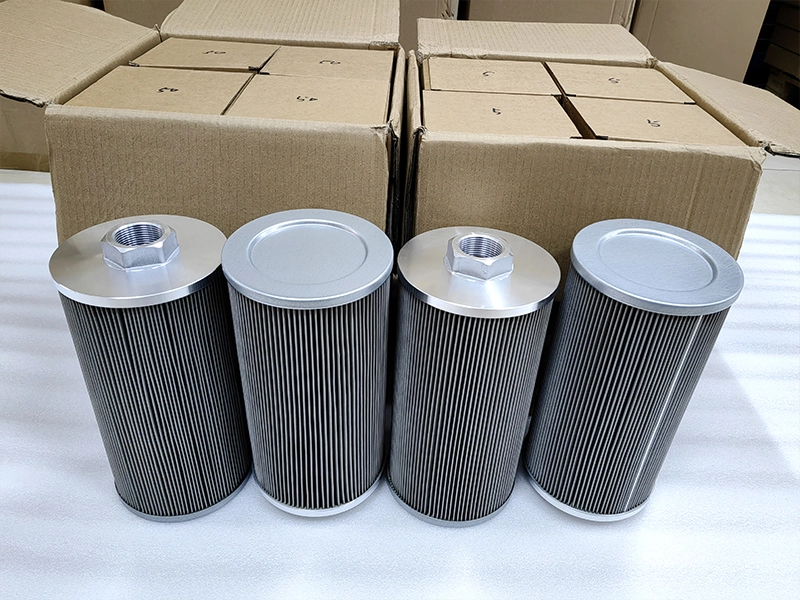
What is Sintered Metal Filter? Complete Guide
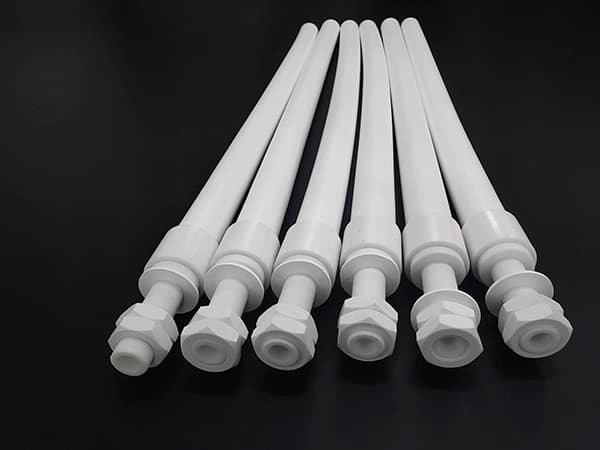
Sintered PTFE Filters: Advanced Filtration for Demanding Environments
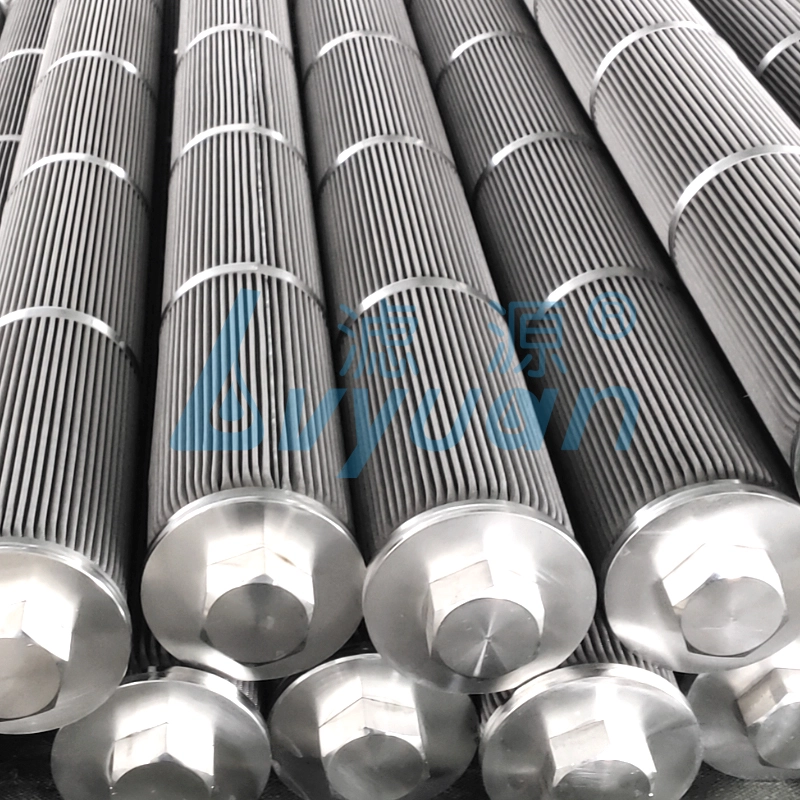
Metal Sintered Filters: Precision Filtering to Drive Industrial Upgrading
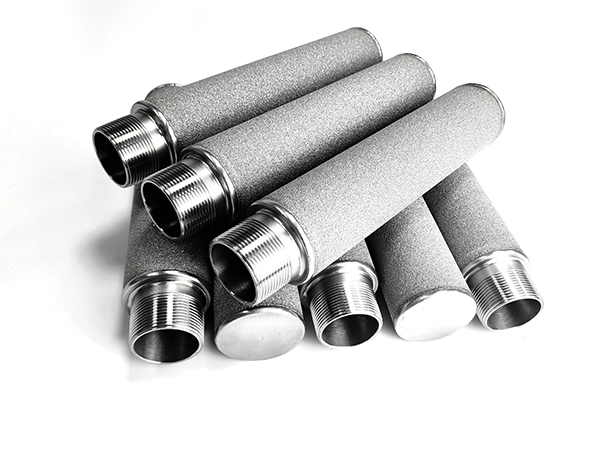
Choosing Sintered Filters: An Overview for Industrial Applications
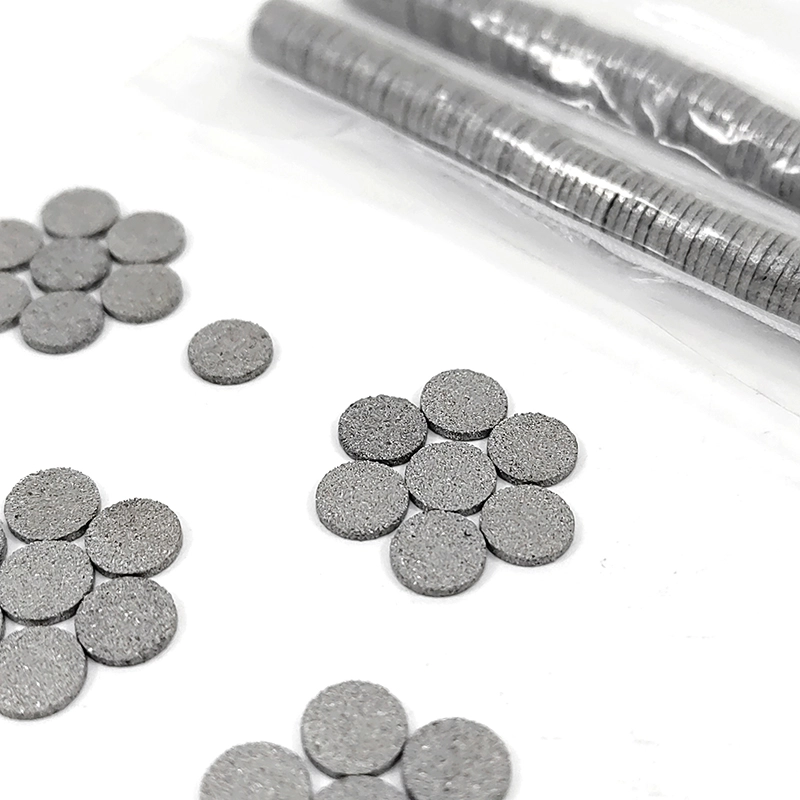
What is a Sintered Metal Filter Disc? A Comprehensive Guide
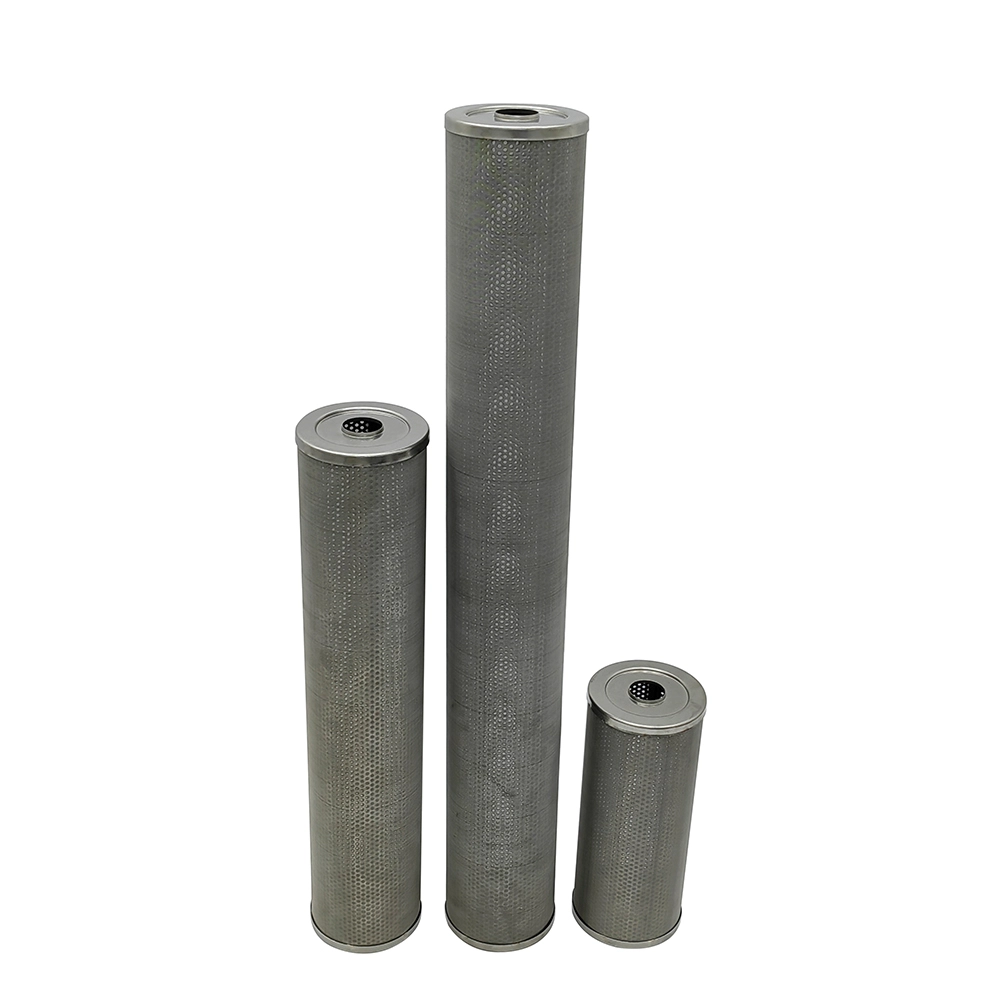
What Are Sintered Metal Filters and How Do They Work?
Sintered mesh filters
What advantages do sintered mesh filters offer over other filtration methods?
Sintered mesh filters provide advantages such as high filtration efficiency, strength, durability, and the ability to withstand challenging conditions. They offer a reliable and long-lasting solution for diverse filtration needs.
Sintered Powder Filters
Can sintered powder filters be used in corrosive environments?
Yes, sintered powder filters can be manufactured from corrosion-resistant materials, such as stainless steel or alloys like Inconel® and Monel®, making them suitable for use in corrosive environments.
For customization
What is your sample policy?
We can supply the sample if we have ready parts in stock, but the customers have to pay the sample cost and the courier cost.
Porous Plastic Filter
Can sintered porous filter discs be customized?
Yes, sintered porous filter discs are highly customizable. You can specify pore sizes, material preferences, disc diameter, and other parameters to meet the unique requirements of your application.
For products
How are sintered metal filters cleaned?
Cleaning methods for sintered metal filters include backwashing, ultrasonic cleaning, and chemical cleaning. The method depends on the type of contaminants and the filter's specifications.
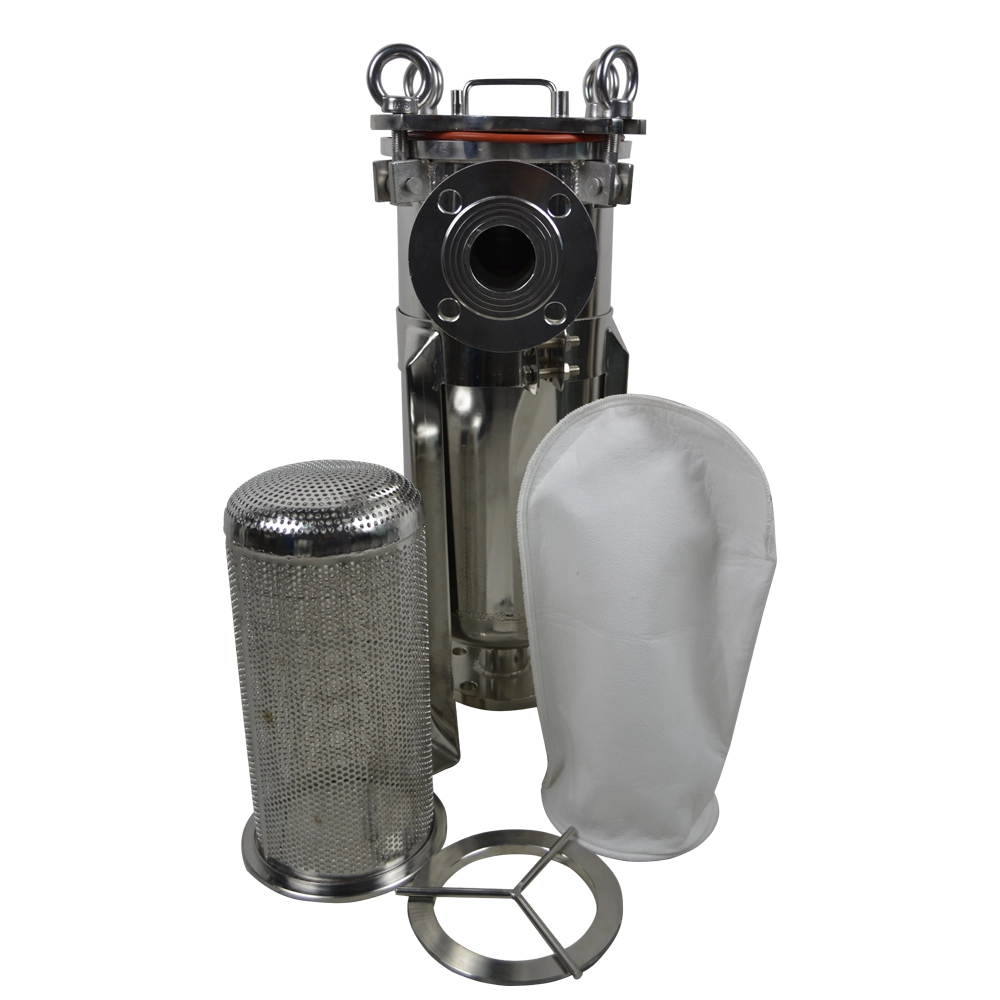
Bag filter housing
Bag filter housings are essential components in industrial filtration systems, designed to remove contaminants from liquids. To enhance the functionality and efficiency of bag filter housings, various features can be incorporated.
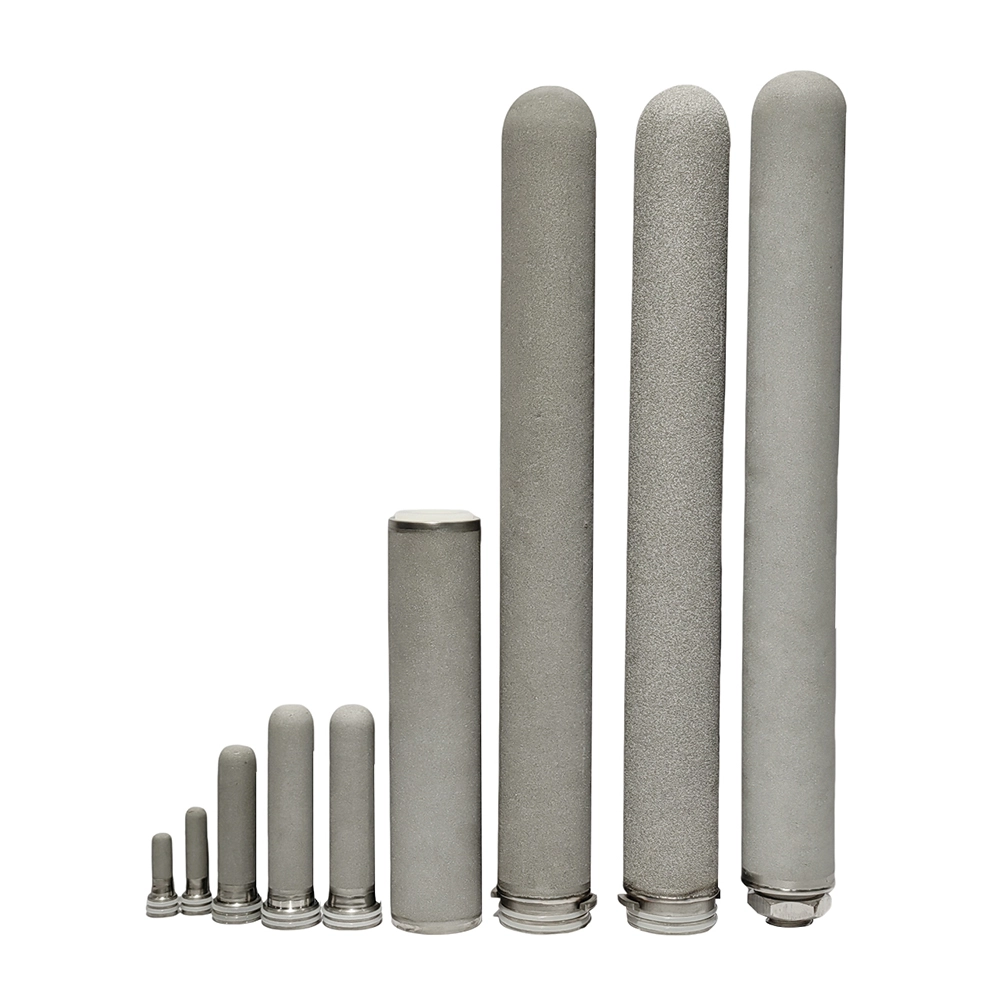
Sintered powder metal filters
Sintered powder metal filters are crafted from compressed and sintered metal powders, forming a porous structure. Porosity: 28%-50% Permeability: 0.02-20L/cm²minPa Pressure Resistance: 0.5Mpa Temperature Resistance: Less than 280℃
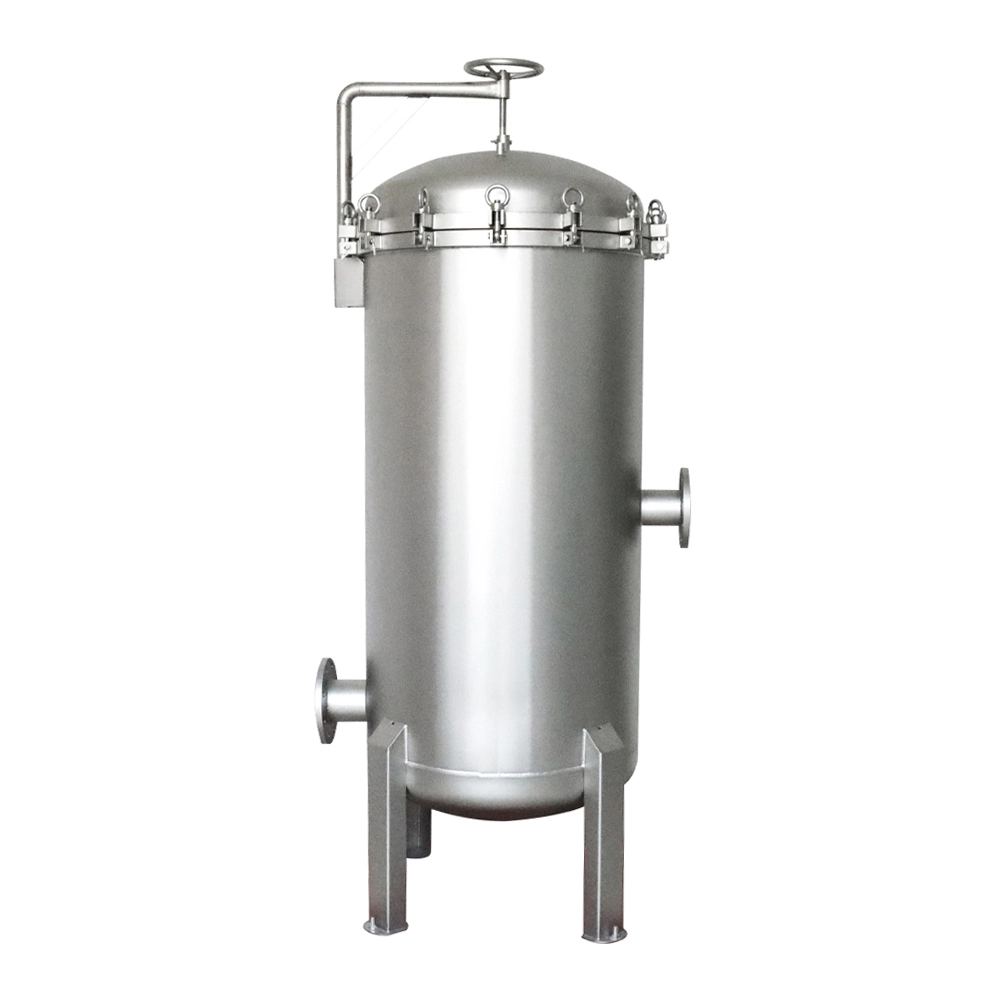
Stainless steel multi cartridge filter housing
Discover unparalleled filtration efficiency with our Stainless Steel Multi Cartridge Filter Housing – a testament to precision engineering and reliability.
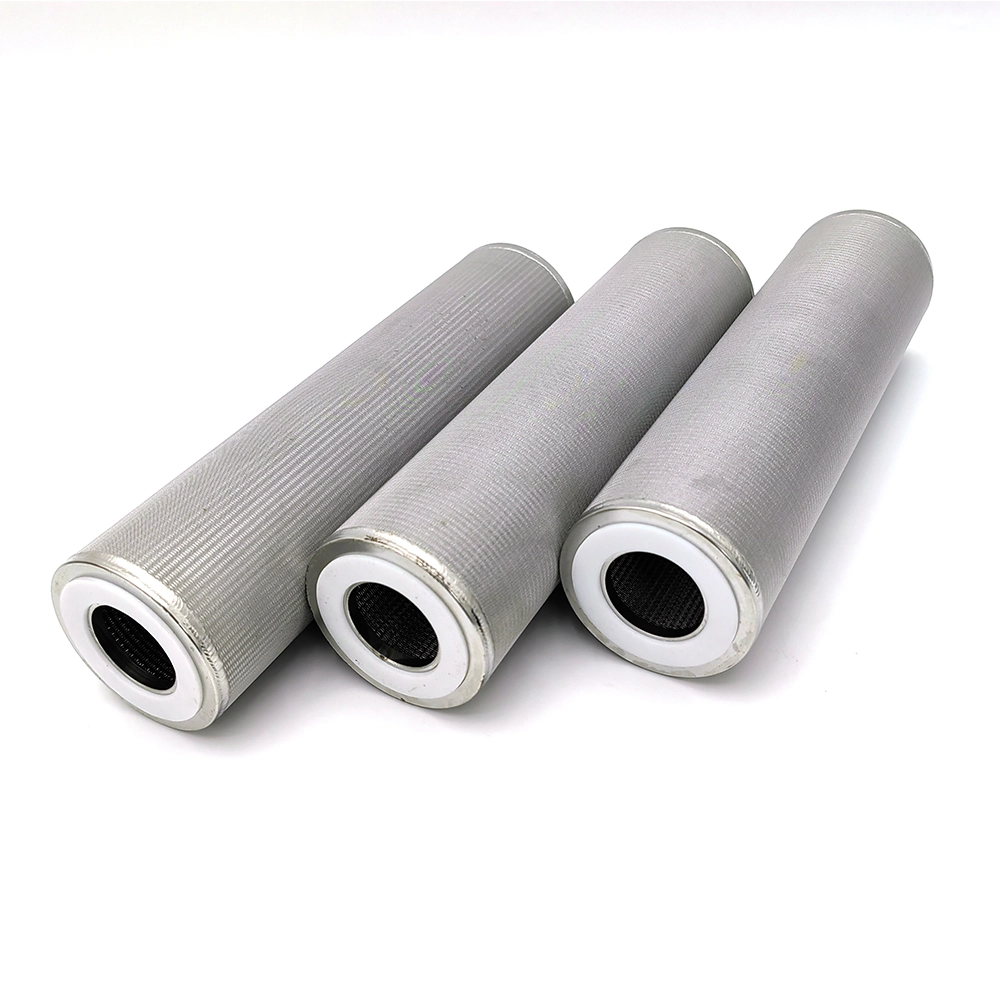
Sintered wire mesh filter
Benefit from outstanding high-pressure resistance and consistent filtration efficiency with our sintered metal mesh. Our sintered wire mesh finds versatile applications in diffuser screens, centrifuges, breather vents, fluidized beds, chromatography, polymer processing, petrochemical industries, hydraulic filters, and more.
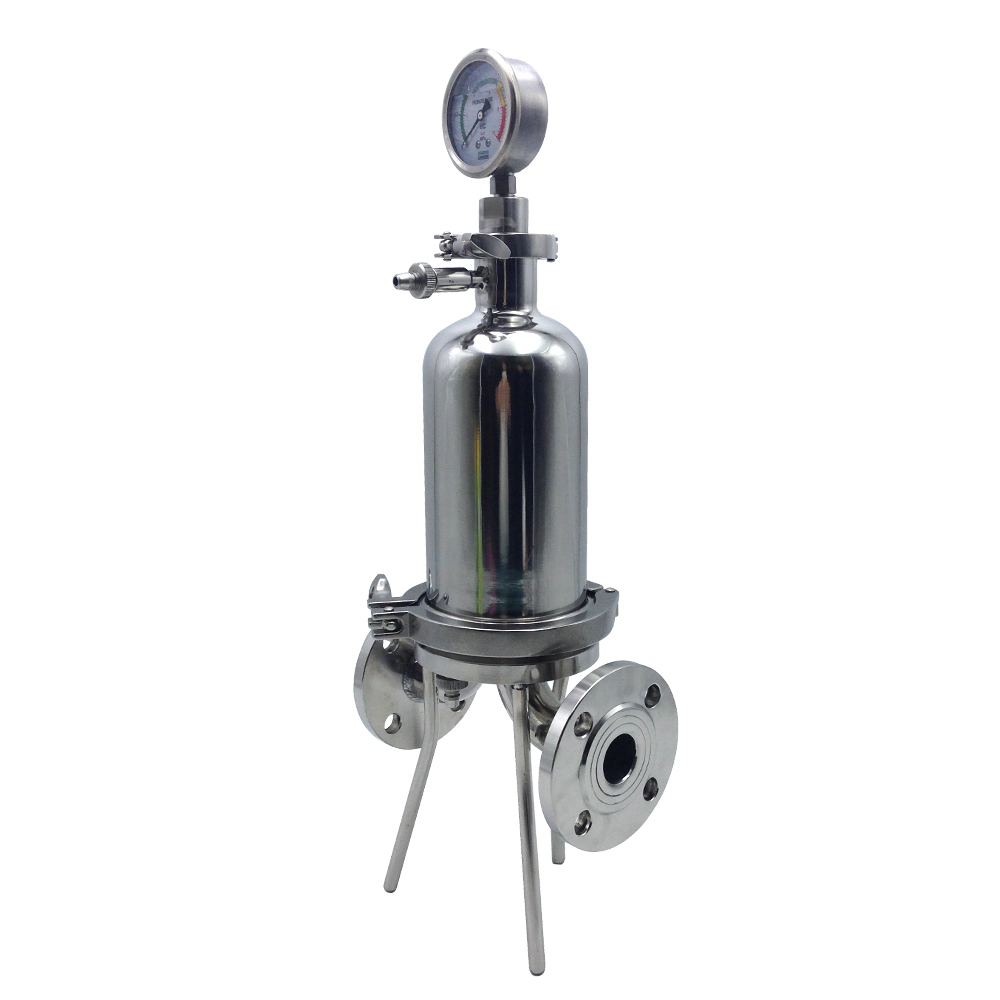
Sanitary filter housing
This filter housing will allow you to filter large volumes of nanoemulsion with ease. Sanitary vent and drain valves permit easy venting, draining, sampling, or integrity testing operations. The new cartridge locking design features additional cut-outs for traditional half-moon portions of the Code 7 bayonet locks, enhancing clean ability and drain ability.
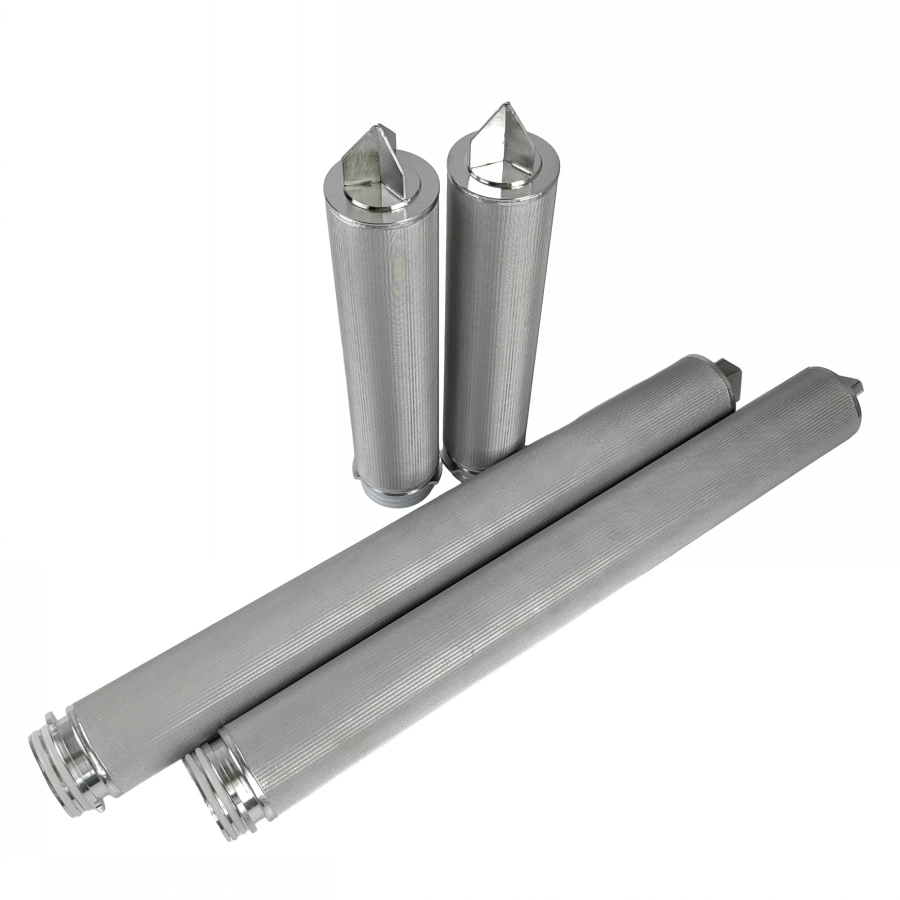
stainless steel filter water
Our sintered stainless steel filter stands as a pivotal filtration element crafted through a meticulous sintering process, with stainless steel serving as the core material.
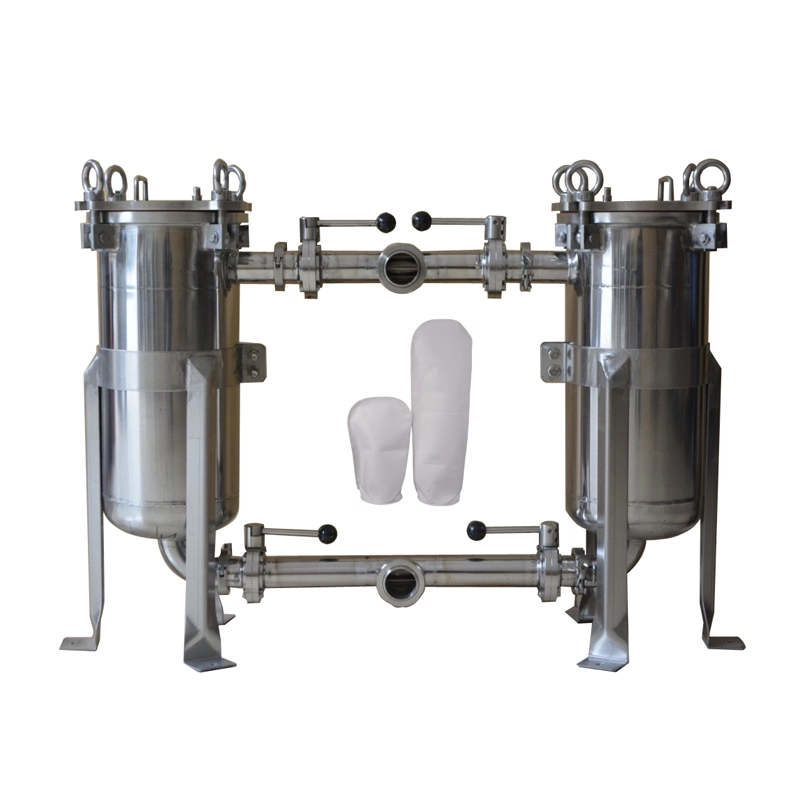
Stainless Steel Duplex filter housing
As the manufacturer, we offer a comprehensive range of Duplex Filter Housings designed to provide efficient and reliable filtration solutions for various industrial applications.
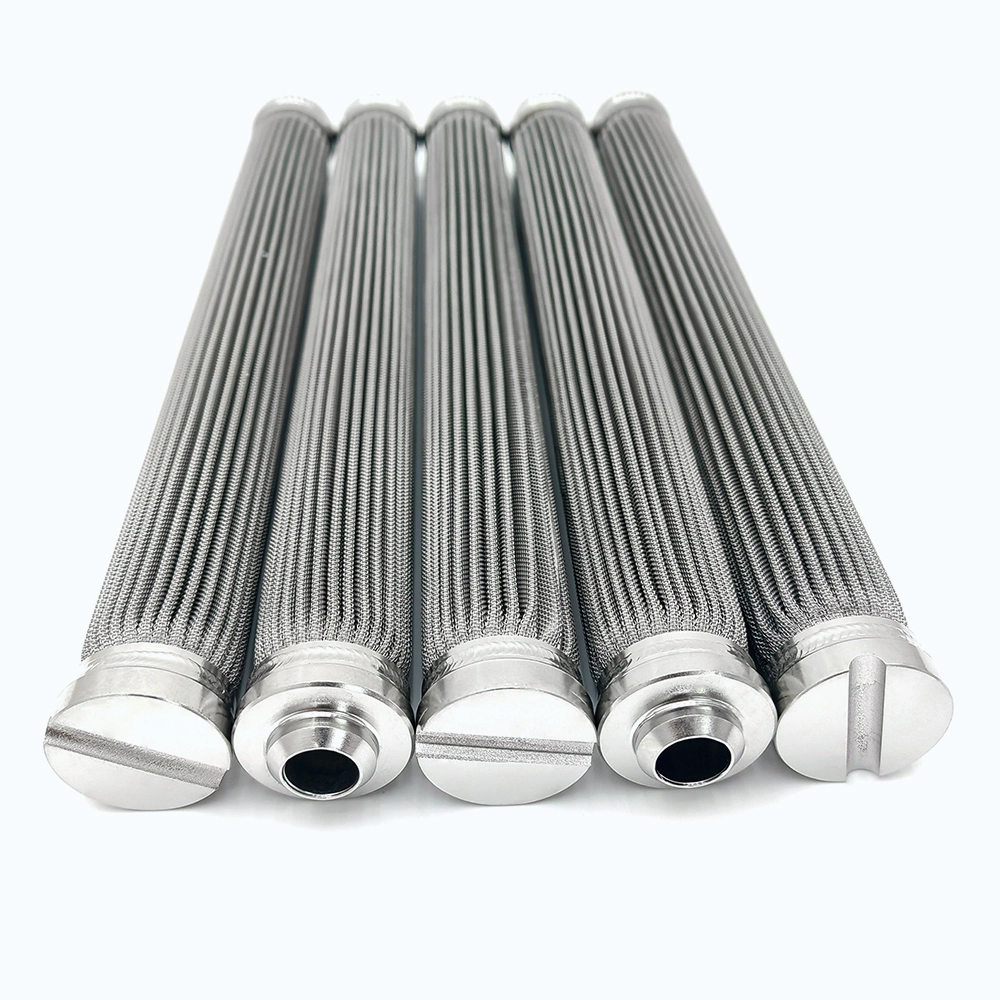
Stainless steel pleated filter cartridge
Our Stainless Steel Pleat Filter Cartridge constructed from high-quality SS 304 or SS 316L material, this filter exhibits exceptional resistance to high temperatures and rust.
© 2024 All Rights Reserved. | Privacy policy • Terms and conditions


