
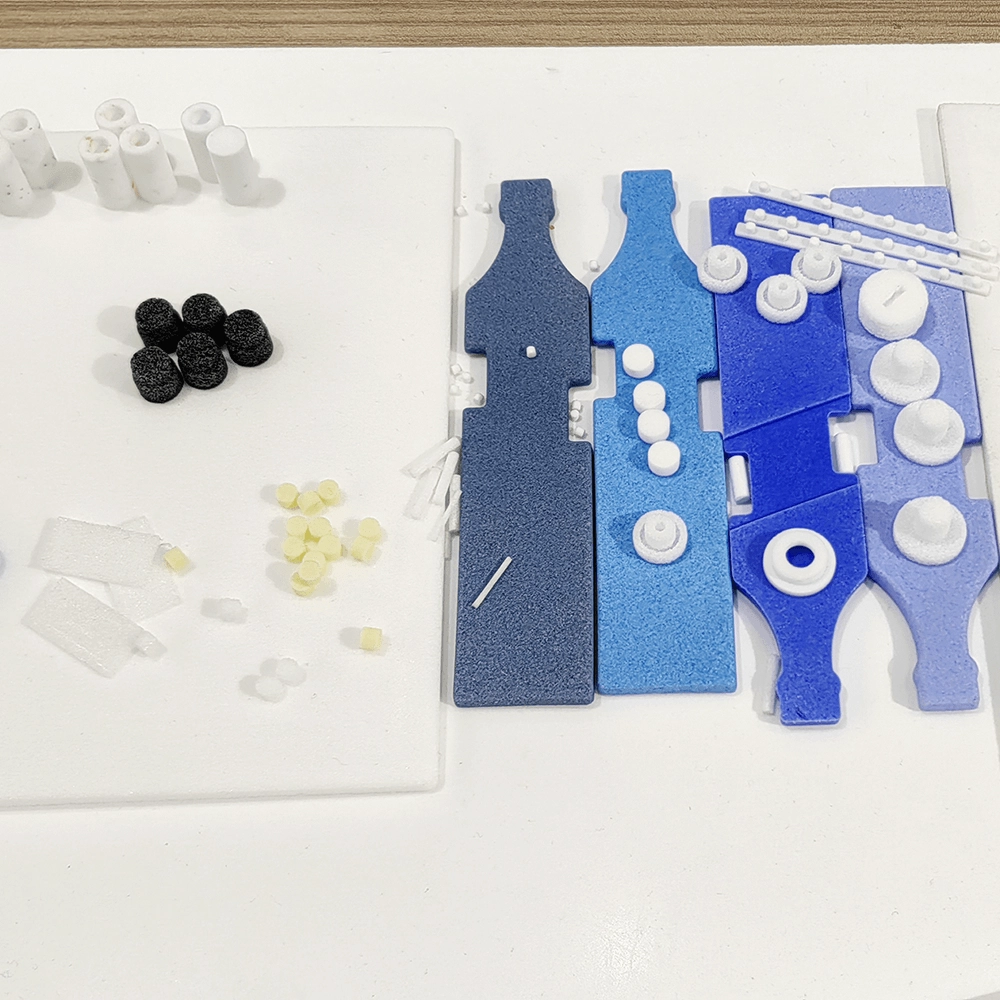
Sintered PE Filter
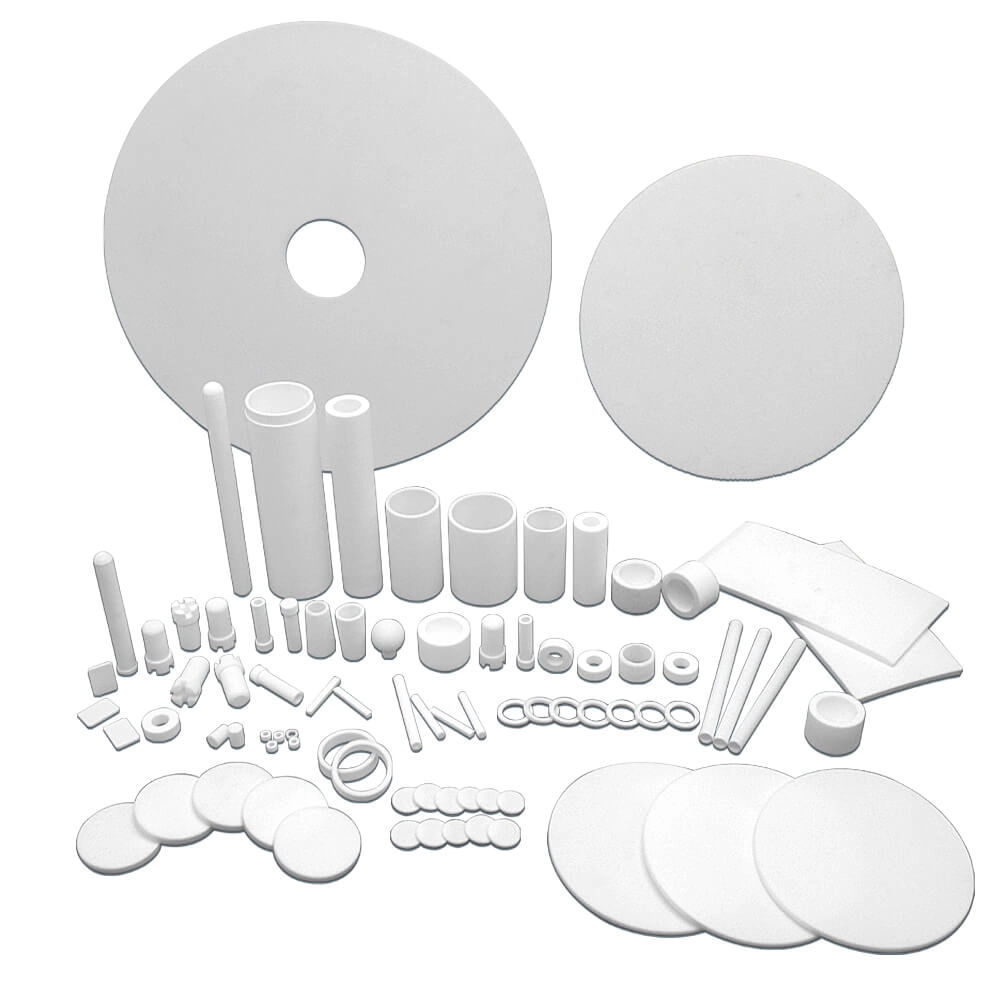
Sintered polyethylene PE pipe or plate can be used for vacuum filtration, pressure filtration or gravity filtration.
 Personalized customization:
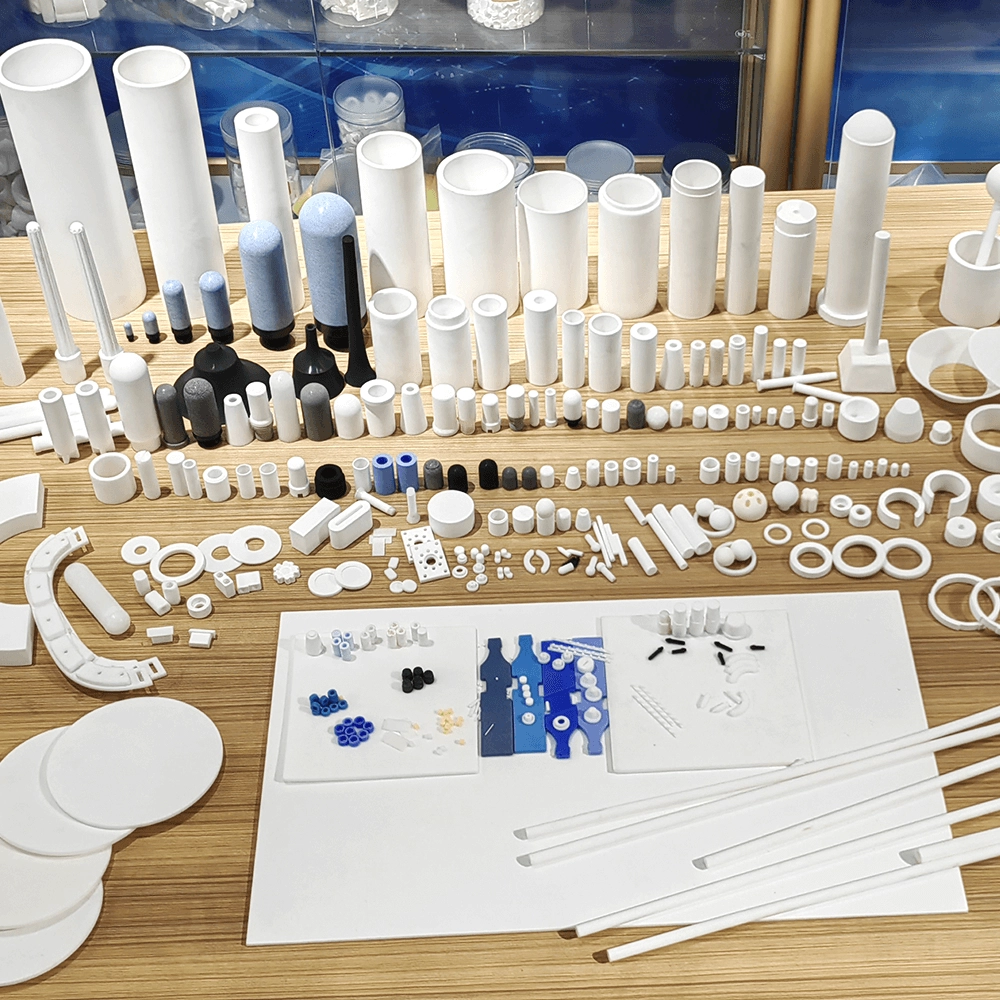
Whether choosing from these specifications or presenting your unique requirements, we ensures a tailored approach to meet your specific needs.
 After-Sales Service and Warranty:
We offer comprehensive after-sales services, including installation guidance and technical support. Our products also come with a specified warranty period to ensure a worry-free experience for our customers.
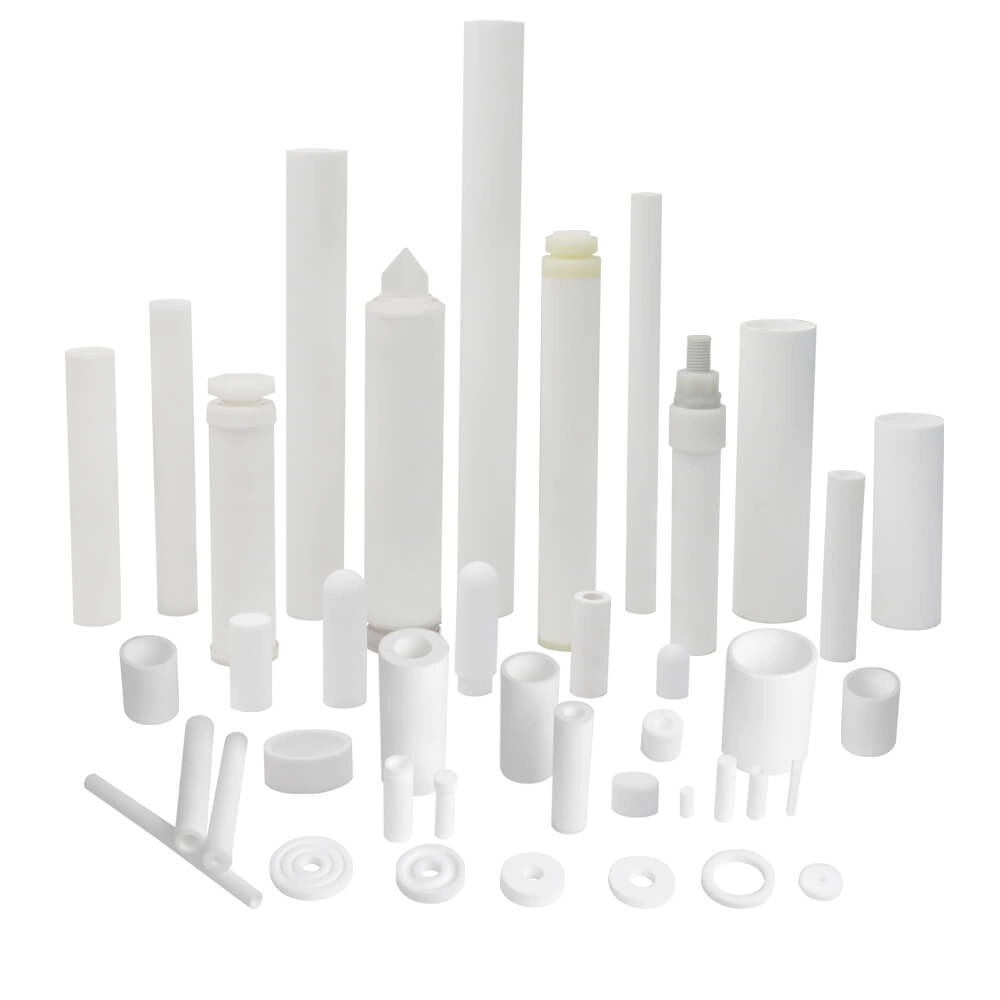
Product description
Sintered pe filters use a sinter material with a molecular weight of 3 million or more. After being sieved, the pressure inside the mold with internal and external mirrors is placed in the sintering furnace at a certain temperature.
A certain sintering holding time, made from baked out, baked, and film, ultra-high-molecular-weight polyethylene has better acid and alkali resistance than ordinary polyethylene.
Below 80 °C, its acid and alkali resistance is comparable to PTFE, and its rigidity and flexibility are better than those of ordinary polyethylene. Hole forming mechanism: Similar to powder metallurgy porous materials, microspores are formed by bridging between particles.
The micro-diameter structure is a labyrinth structure with multiple holes superimposed to form the final filter aperture.
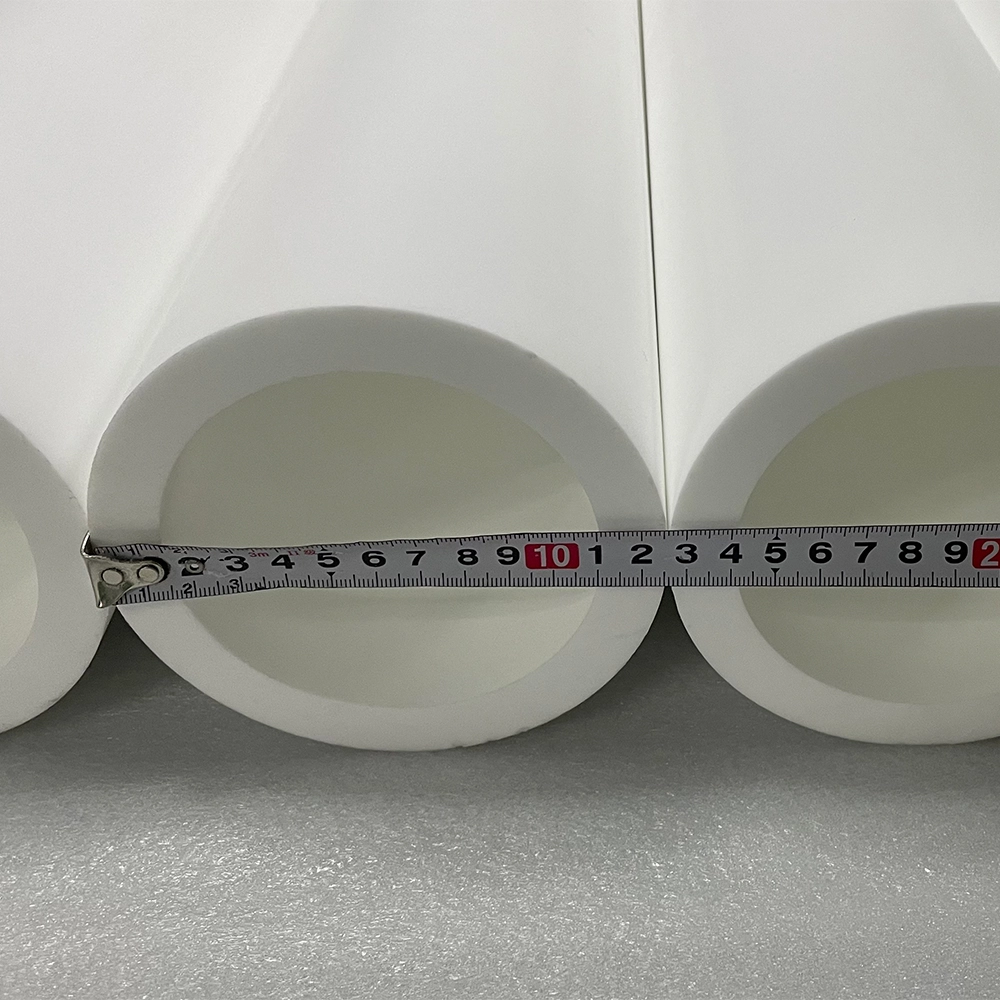
Specification
Regular size (mm):
31x12x1000, 31x20x1000, 38x20x1000, 38x18x1000, 38x20x1200, 38x20x1300, 38x20x150, 38x20x500, 38x20x400, 38x20x250, 38x20x200, 38x20x180, 38x20x150, 50x20x1000, 50x31x1000, 50x38x1000, 65x31x1000, 65x38x1000, 65x44x1000, 78x62x750
Outer diameter:
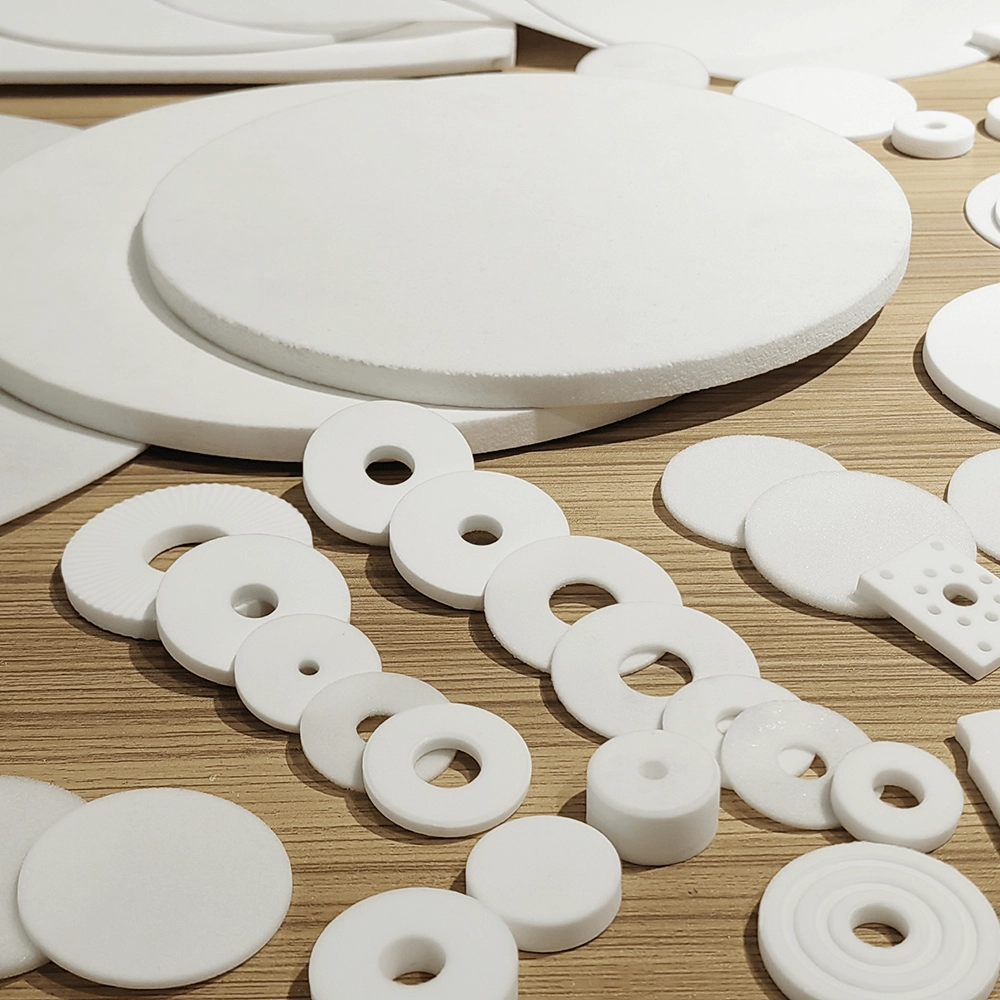
10mm, 20mm, 30mm, 40mm, 50mm, 60mm, 70mm, 80mm, 90mm, 100mm, 110mm, 120mm, 200mm, or customized by customer's request.
Inner diameter:
1.1"(28mm), or customized by customer's request.
Sintered porous PE Filter Features
Material of constructions
*Filter media: PE (Polyethylene)
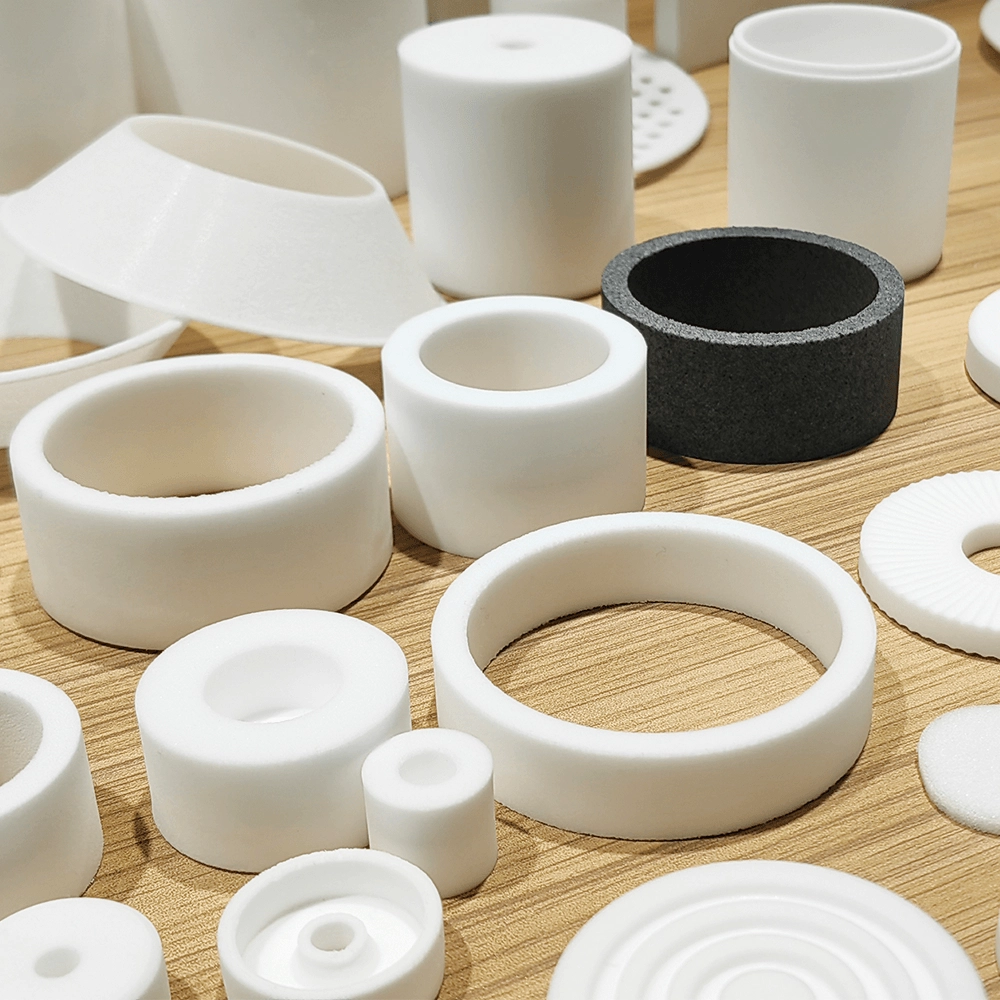
Connector type: Flat, Insert type, thread type, Fin
*End caps: PP, M36, M30, M25, M22, M14, and M12
Performance
*Removal rating: 0,3um 0,45um 1um 3um 5um 10um 20um 30um 40um 50um*
Maximum Operating Temperature: ≤80℃
Maximum Operating Pressure: 6.0bar
Sintered Pe Filter Proper usage or Effective application
Sintered polyethylene PE pipe or plate can be used for vacuum filtration, pressure filtration, or gravity filtration. In order to use this product well, the following points must be mastered:
Size chart
| Existing sizes as follows (micron rate and joints can be customized) | |||||||||||
| OD(mm) | ID(mm) | L(mm) | OD(mm) | ID(mm) | L(mm) | OD(mm) | ID(mm) | L(mm) | |||
| 01 | 14 | 10 | 11 | 19 | 35.7 | 6 | 114 | 37 | 78 | 60 | 750 |
| 02 | 15.9 | 9.7 | 30 | 20 | 38 | 20 | 1000 | 38 | 78 | 64 | 1200 |
| 03 | 16.6 | 12.6 | 17.4 | 21 | 38 | 25 | 1000 | 39 | 78 | 70 | 1000 |
| 04 | 18 | 10 | 67.5 | 22 | 40 | 33 | 1000 | 40 | 80 | 69 | 1000 |
| 05 | 19 | 15 | 450 | 23 | 45.5 | 39 | 96 | 41 | 100 | 80 | 1000 |
| 06 | 19.5 | 12.5 | 2000 | 24 | 47 | 33 | 1200 | 42 | 118 | 83 | 1030 |
| 07 | 20 | 10 | 1000 | 25 | 50 | 20 | 200 | 43 | 125 | 105 | 600 |
| 08 | 20 | 16.5 | 211 | 26 | 50 | 35 | 1000 | 44 | 125 | 105 | 900 |
| 09 | 20 | 16.5 | 1000 | 27 | 50 | 38 | 1000 | 45 | 142 | 100 | 1000 |
| 10 | 25.4 | 19 | 1100 | 28 | 50 | 40 | 1000 | 46 | 142 | 120 | 1000 |
| 11 | 26 | 16 | 350 | 29 | 57 | 43 | 1200 | 47 | 150 | 125 | 1000 |
| 12 | 27 | 22 | 120 | 30 | 60 | 35 | 1000 | 48 | 165 | 125 | 1000 |
| 13 | 30 | 15 | 1000 | 31 | 61 | 50 | 70.5 | 49 | 180 | 150 | 1000 |
| 14 | 30 | 20 | 1000 | 32 | 63 | 35 | 1000 | 50 | 195 | 155 | 1000 |
| 15 | 30 | 24 | 70 | 33 | 63 | 55 | 254 | 51 | 200 | 160 | 1000 |
| 16 | 31.5 | 10.5 | 500 | 34 | 65 | 35 | 1000 | 52 | 240 | 210 | 1000 |
| 17 | 32.6 | 25 | 60.5 | 35 | 70 | 58 | 500 | 53 | 300 | 270 | 1000 |
| 18 | 34 | 27 | 28 | 36 | 70 | 56 | 1200 | ||||
We’ve got answers.
Browse some answers to our most common questions, or you can drop us a line to ask something else.
Porous Plastic Filter
What is a sintered plastic porous filter?
A sintered plastic porous filter is a filtration device made from polymeric materials that are compressed and heated to form a porous structure with controlled pore sizes and distribution.
How to Calculate Filter Porosity?
Filter porosity is classified into three major types: Primary Porosity, Secondary Porosity, and Effective Porosity. The calculation involves determining the ratio of the volume of gaps in the filter to the total volume, expressed as a percentage.
Porosity = (Volume of Empty Gaps/Total Volume of Filter) x 100
Other methods include:
• Direct Methods: Calculate the entire volume of the porous filter and the volume of a skeletal filter (without pores) to find the porosity.
• Computed Methods: Use modern computer technology to obtain a 3D image of a porous filter and employ defect analysis techniques.
• Water Evaporation Technique: Calculate porosity by determining the difference in weight between the saturated filter in water and the dried filter.
Are sintered porous filter discs suitable for sterile filtration?
Yes, sintered porous filter discs can be designed for sterile filtration applications, especially when made from materials suitable for high-temperature and chemical sterilization methods.
In what industries are sintered porous filter discs commonly used?
They are widely used in industries such as petrochemicals, pharmaceuticals, water treatment, food and beverage, automotive, and more, owing to their versatility and effective filtration capabilities.
What types of polymers are used to manufacture sintered plastic porous filters?
Common polymers used in the production of sintered plastic porous filters include polyethylene (PE), polypropylene (PP), polytetrafluoroethylene (PTFE), and polyvinylidene fluoride (PVDF), among others.
What pore sizes are available for sintered plastic porous filters?
Sintered plastic porous filters are available in a wide range of pore sizes, typically ranging from submicron to several hundred microns, allowing for precise control of filtration performance and particle retention.
Want to talk to us
Get in touch
Please fill in the form below. We aim to reply within 1 business day.
Sintered PE Filter
Sintered polyethylene PE pipe or plate can be used for vacuum filtration, pressure filtration or gravity filtration.
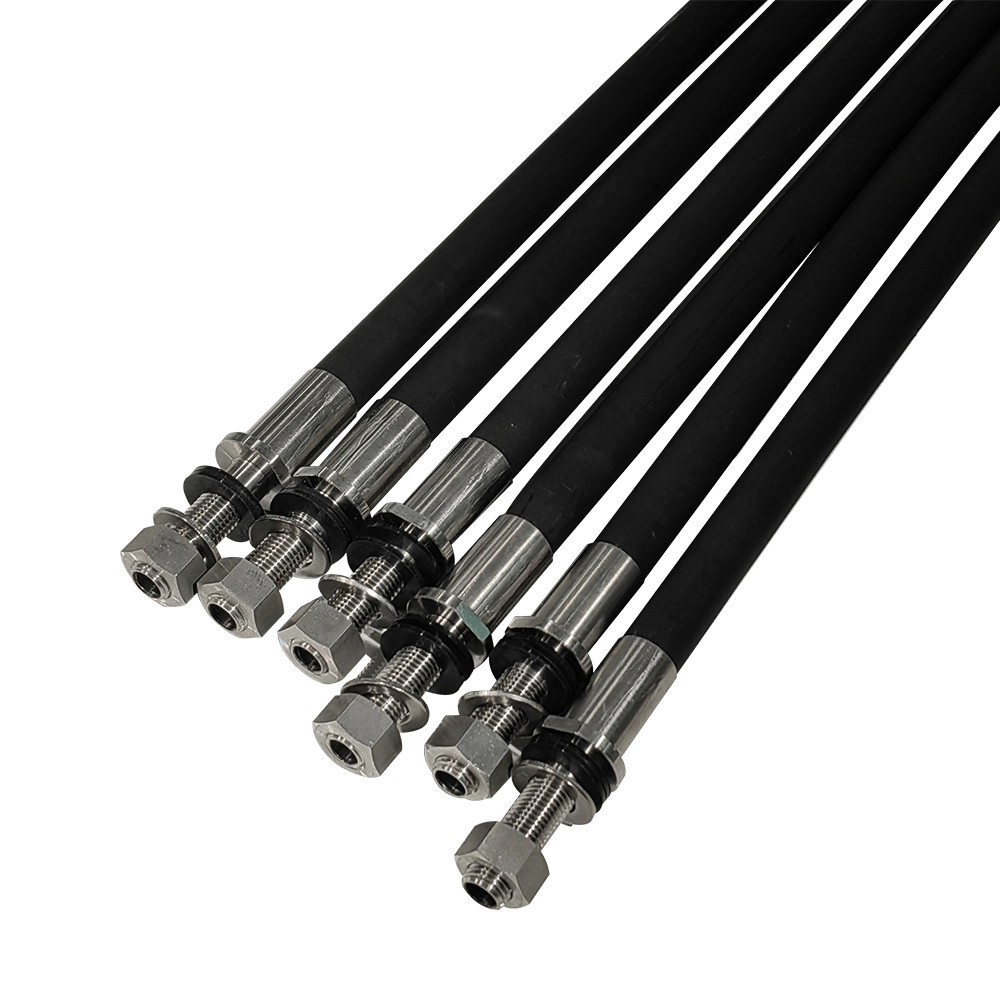
PA Filter
Sintered PA filter cartridge is made of high quality polymer polyethylene as the main raw material and carbon fiber sintered by scientific formula. It is compact, sturdy, light and can withstand high pressure, non-toxic and tasteless, and has good corrosion resistance to acid and alkali.
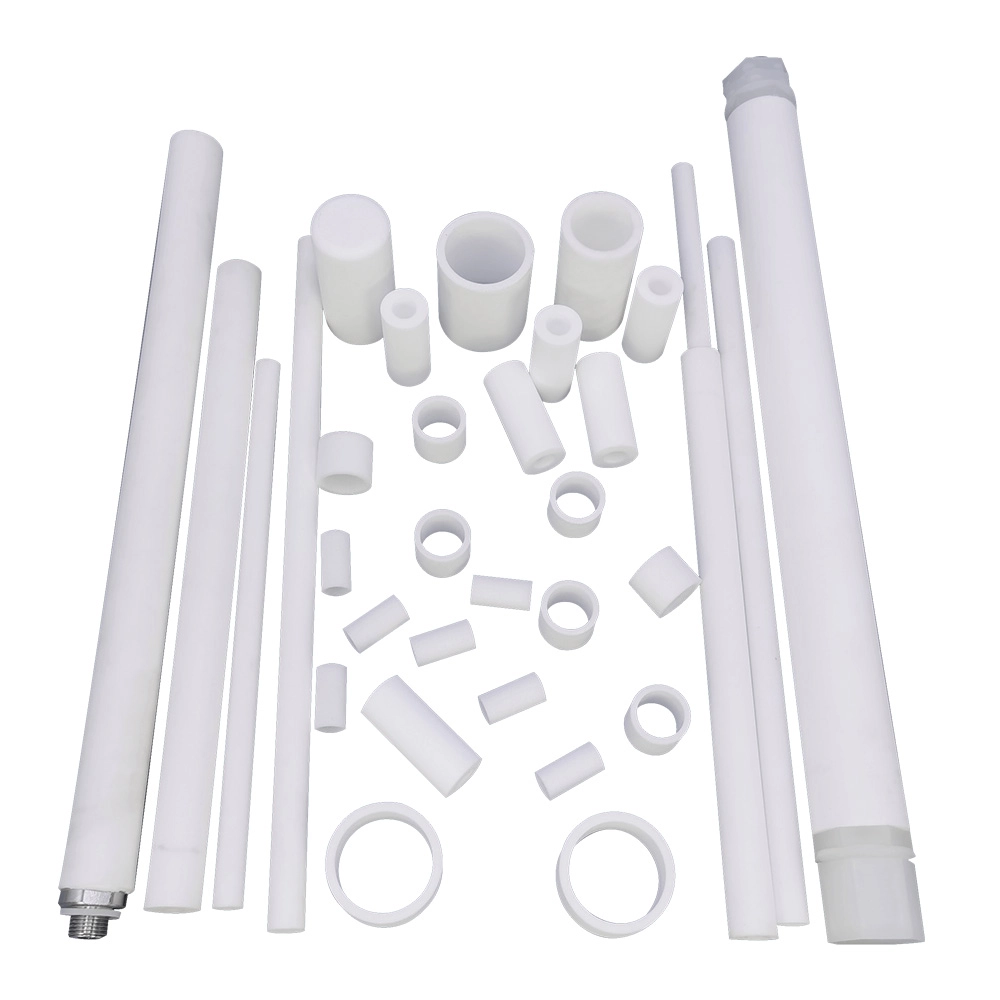
Sintered PTFE Filter
The sintered PTFE filter is a high-performance filtration solution designed to effectively remove impurities and contaminants from fluids, offering exceptional chemical resistance and durability in various industrial applications.
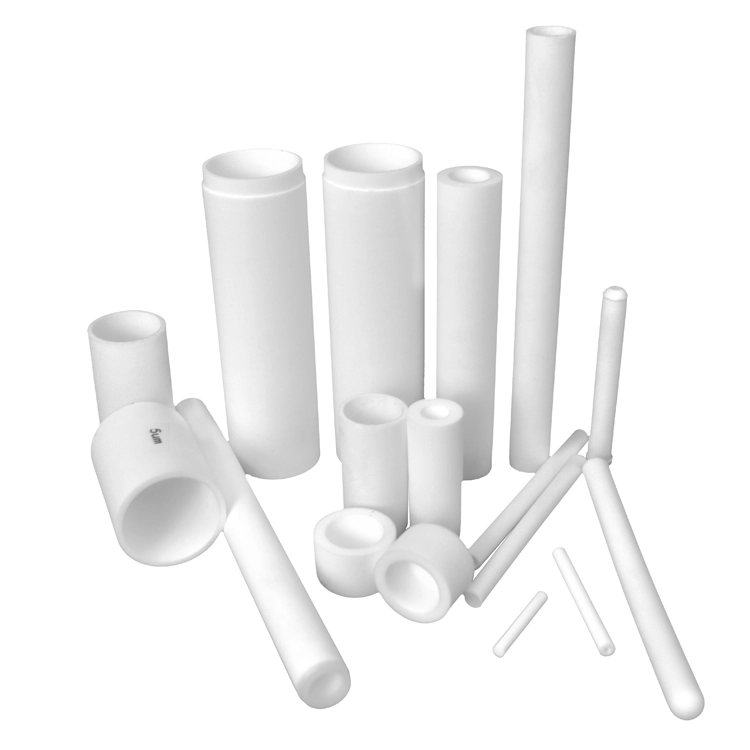
Sintered PP Filter
High-quality polypropylene(PP) is used as the main raw material and sintered by scientific formula, which is compact, strong, light and can withstand high filtration pressure, and the aperture of the cartridge is the same inside and outside, so it is easy to blow back and de-flow, and has good corrosion resistance to acid and broken solvent.
© 2024 All Rights Reserved. | Privacy policy • Terms and conditions


