
what are sintered metals used for | Lvyuan Guide
Sintered metal filters offer unique advantages due to their high porosity, strength, and corrosion resistance. They find applications in automotive, aerospace, chemical processing, pharmaceutical, and hydraulic systems for efficient filtration and fluid handling. Choose the right sintered metal filter based on fluid properties, particle size, flow rate, and operating conditions. Lvyuan provides high-quality sintered metal filters for diverse industry needs.
What Are Sintered Metals Used For? Lvyuan
This article explores the diverse applications of sintered metal filters, addressing common questions and highlighting their unique properties that make them ideal for various industries. Understanding these applications is crucial for professionals seeking high-performance filtration solutions.
Key Properties Driving Sintered Metal Filter Applications
* High Porosity & Permeability: Sintered metals offer a wide range of controllable porosities, allowing for precise tailoring of flow rates and filtration efficiency. This is crucial for applications demanding specific fluid handling characteristics.
* Excellent Strength & Durability: Their inherent strength ensures longevity even under harsh operating conditions, including high pressures and temperatures. This translates to reduced maintenance and replacement costs.
* Corrosion Resistance: Depending on the metal powder used (e.g., stainless steel, bronze), sintered filters offer excellent resistance to corrosion, extending their lifespan in aggressive environments.
* High Temperature Resistance: Many sintered metal alloys can withstand extremely high temperatures, making them suitable for demanding applications in the aerospace and chemical processing industries.
* Cleanability and Reusability: Sintered metal filters are often easily cleaned, allowing for reuse and reducing waste. This contrasts with disposable filter media, offering significant cost advantages.
Industry-Specific Applications of Sintered Metal Filters
* Automotive: Fuel filtration, oil filtration, air filtration, and lubrication systems rely on sintered metal filters for efficient contaminant removal and engine protection.
* Aerospace: Critical filtration in hydraulic systems, fuel systems, and environmental control systems require the high reliability and performance offered by sintered metals.
* Chemical Processing: Sintered filters are vital in removing particulates from chemicals, gases, and other process fluids, ensuring product purity and equipment protection.
* Pharmaceutical & Biotech: Sterile filtration and purification processes in the pharmaceutical industry often utilize sintered metals to meet stringent regulatory requirements.
* Hydraulic & Pneumatic Systems: These filters protect sensitive components from contamination, preventing equipment failure and downtime.
* Water Treatment: Sintered metal filters are employed in various water treatment applications, including pre-filtration and purification processes.
Choosing the Right Sintered Metal Filter
The selection of the appropriate sintered metal filter depends on various factors, including:
* Fluid Properties: Viscosity, temperature, and chemical compatibility are critical considerations.
* Particle Size: The filter's pore size must be selected to effectively remove the target particle size.
* Flow Rate Requirements: The required flow rate influences the choice of porosity and filter geometry.
* Operating Pressure & Temperature: The filter material must withstand the operating conditions.
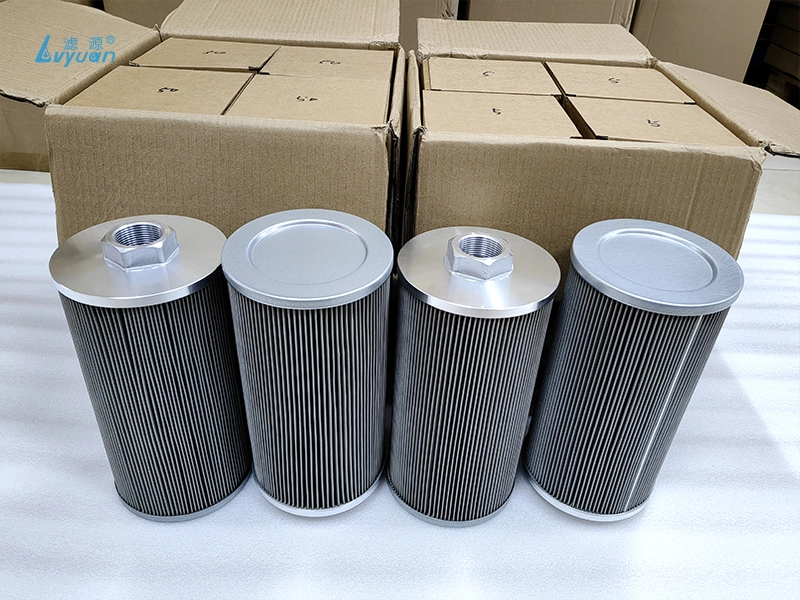
What is Sintered Metal Filter? Complete Guide by Lvyuan
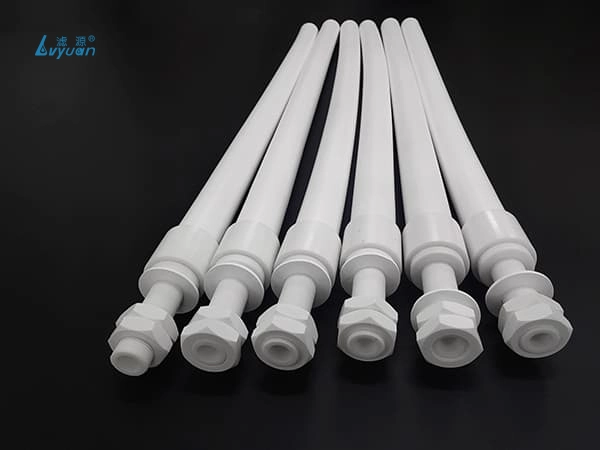
Sintered PTFE Filters: Advanced Filtration for Demanding Environments
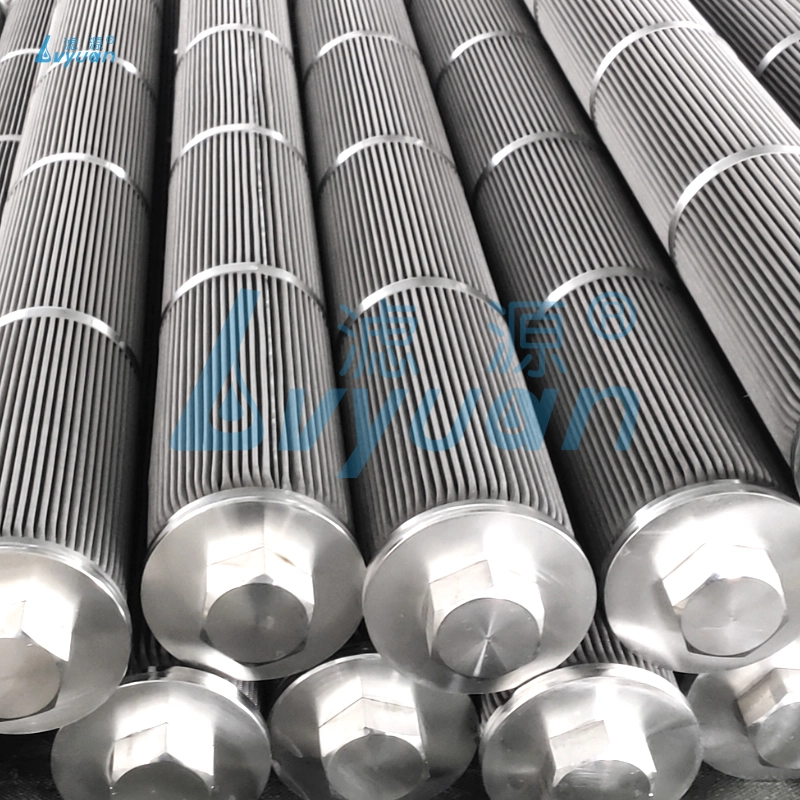
Metal Sintered Filters: Precision Filtering to Drive Industrial Upgrading
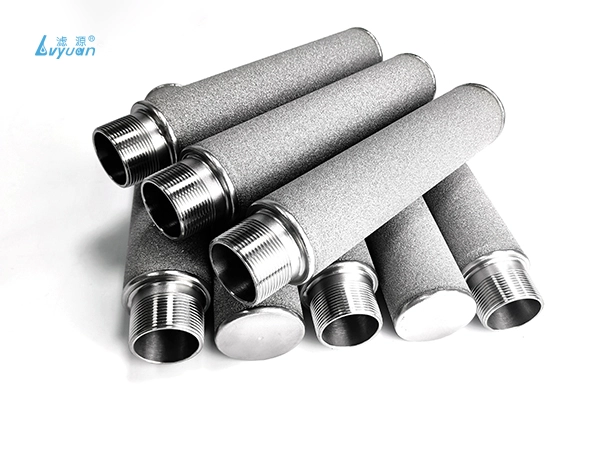
Choosing Sintered Filters: An Overview for Industrial Applications
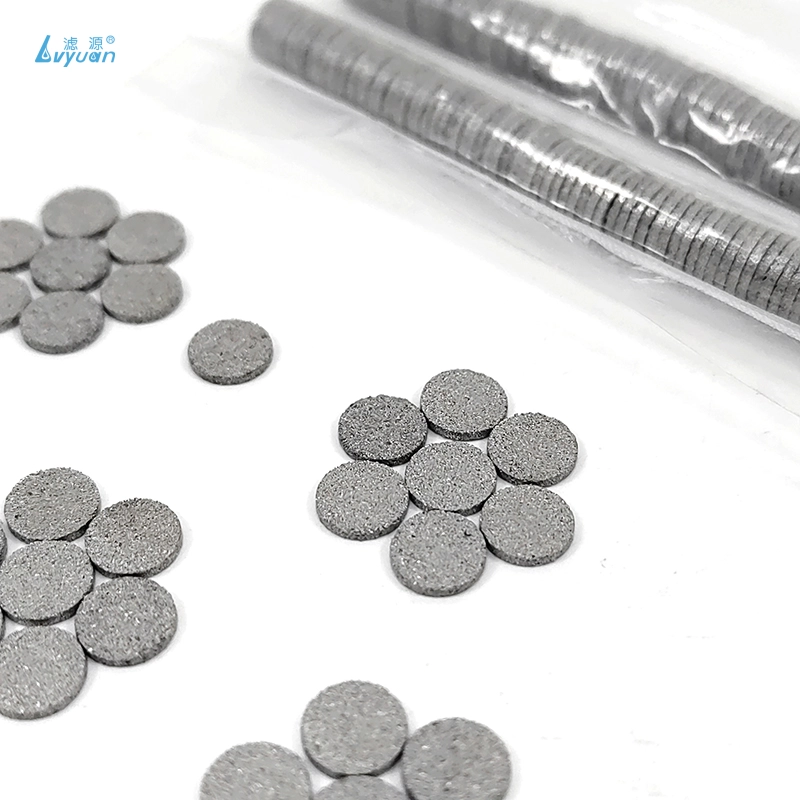
What is a Sintered Metal Filter Disc? A Comprehensive Guide
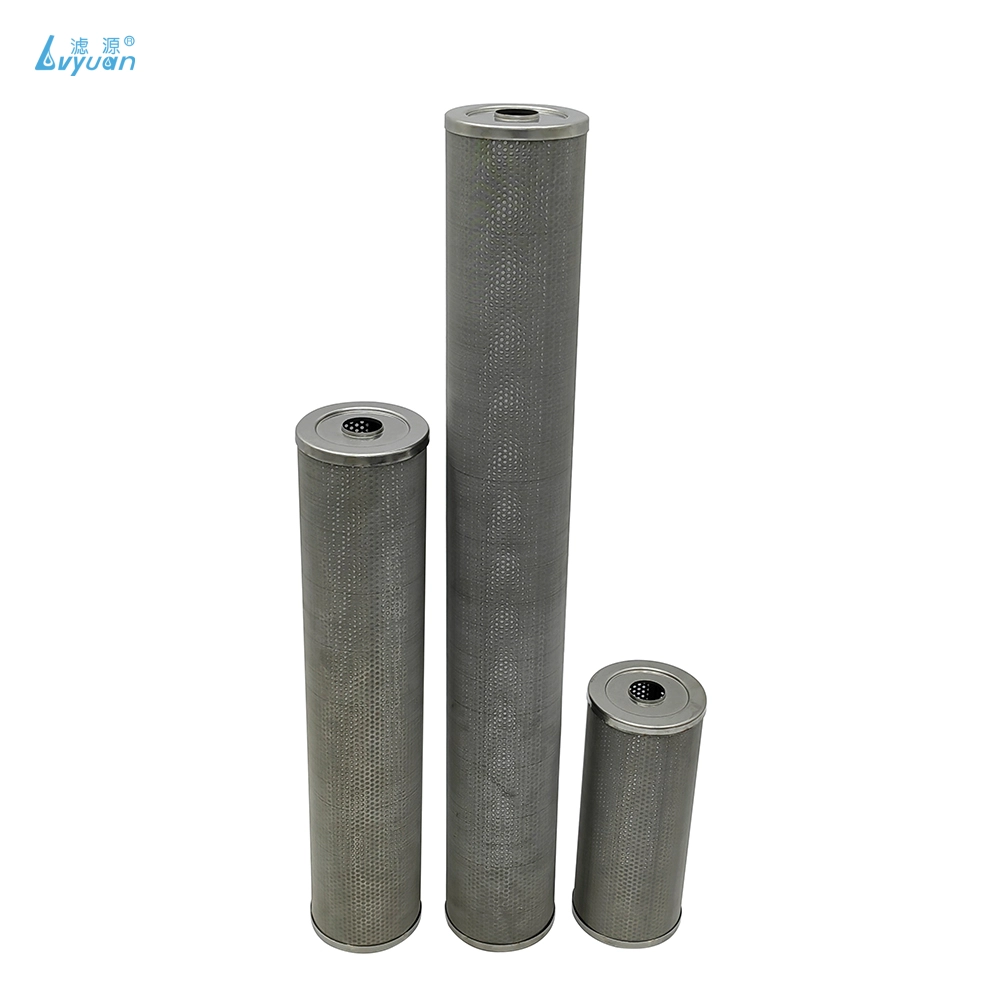
What Are Sintered Metal Filters and How Do They Work?
Stainless Steel Pleated Filter Cartridges
How often do these stainless steel pleated cartridges need maintenance?
Maintenance frequency depends on the specific application and operating conditions. However, these cartridges are designed for easy installation and maintenance, with cleaning procedures that contribute to their longevity.
Sintered Metal Filters
What is the filtration accuracy of sintered metal filters?
The filtration accuracy of sintered metal filters can vary. Common ranges include 1 to 200 microns, but customization allows for specific accuracy based on application needs.
For customization
How can we guarantee quality?
Always take a pre-production sample before mass production.
Our state-of-the-art testing equipment and rigorous adherence to quality control standards ensure that our filter housings and filter elements comply with ISO 9001.
How about your delivery time?
Generally, it will take 10 to 15 days after receiving your advance payment. The specific delivery time depends on the items and the quantity of your order, and if the item is nonstandard, we have to consider an extra 10-15 days for tooling.
Porous Plastic Filter
What are Porous Metal Filters?
Porous metal filters stand as specialized filtering tools employed in applications where conventional filtration equipment falls short. Typically, metals undergo a sintering process, transforming them into porous or powdered structures, ensuring a more effective filtration process.
Technically, sintering is a metallurgical method applied to solidify metals or alloys into a powdered form. This involves heating the metal or alloy below its melting point to create an intense solid structure with a specific number of pores.
Here are some main types of porous filters used across various industrial applications:
• Sintered Porous Metal Filter: These filters boast pores for effective filtration and are crafted to withstand high pressure and mechanical stress. Manufacturing involves sintering plastic and high molecular polymer powder at elevated temperatures.
• Porous Stainless Steel: Utilizing grade 316 steel, these high-performance filters offer excellent pressure and temperature resistance, ideal for harsh conditions.
• Porous Discs: Shaped as filter discs, these filters are designed with precise pore sizes and numbers for efficiency in specific applications.
• Sintered Metal Filter: Tailored for high industrial and commercial demands, these filters accommodate the effective filtration of gases, liquids, and semi-solids.
• Porous Bronze Filter: Manufactured with spherical bronze powder, these filters excel in noise reduction and turbulence-proofing, making them a reliable choice across various industries.
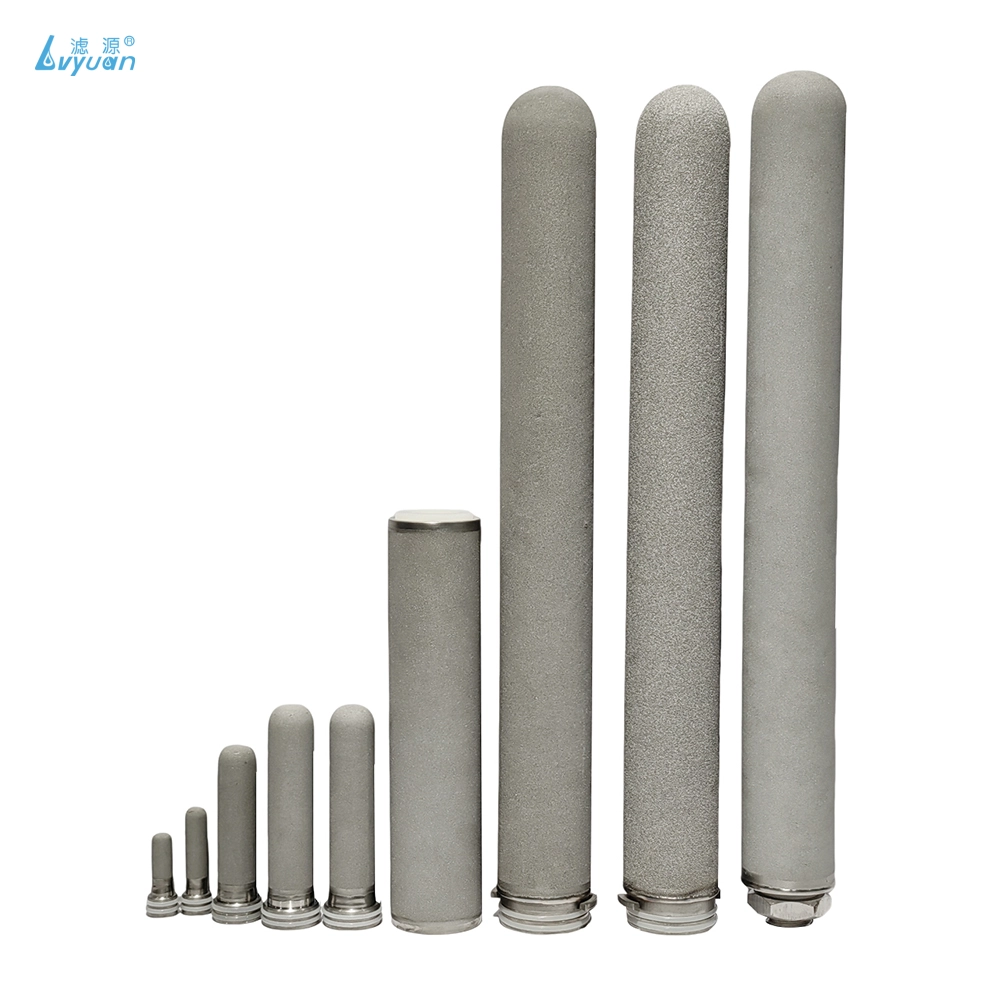
Sintered powder metal filters
Sintered powder metal filters are crafted from compressed and sintered metal powders, forming a porous structure. Porosity: 28%-50% Permeability: 0.02-20L/cm²minPa Pressure Resistance: 0.5Mpa Temperature Resistance: Less than 280℃
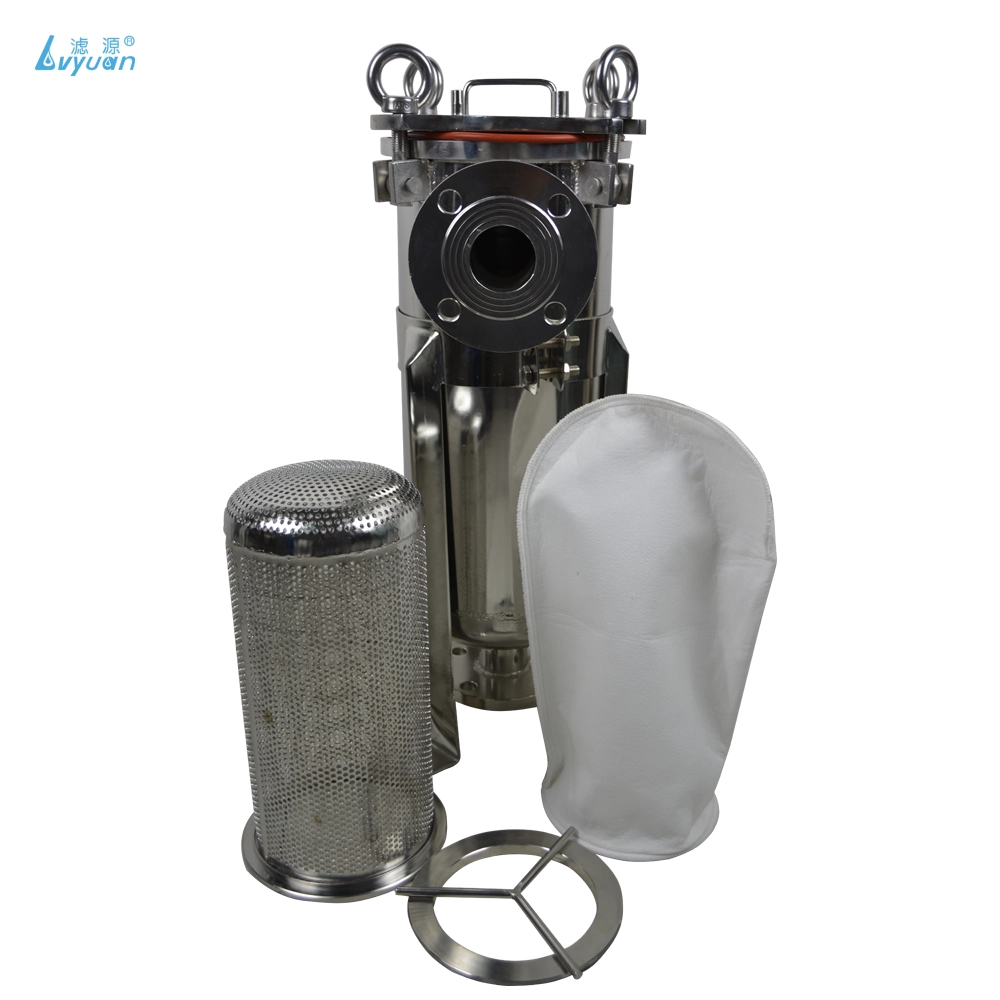
Bag filter housing
Bag filter housings are essential components in industrial filtration systems, designed to remove contaminants from liquids. To enhance the functionality and efficiency of bag filter housings, various features can be incorporated.
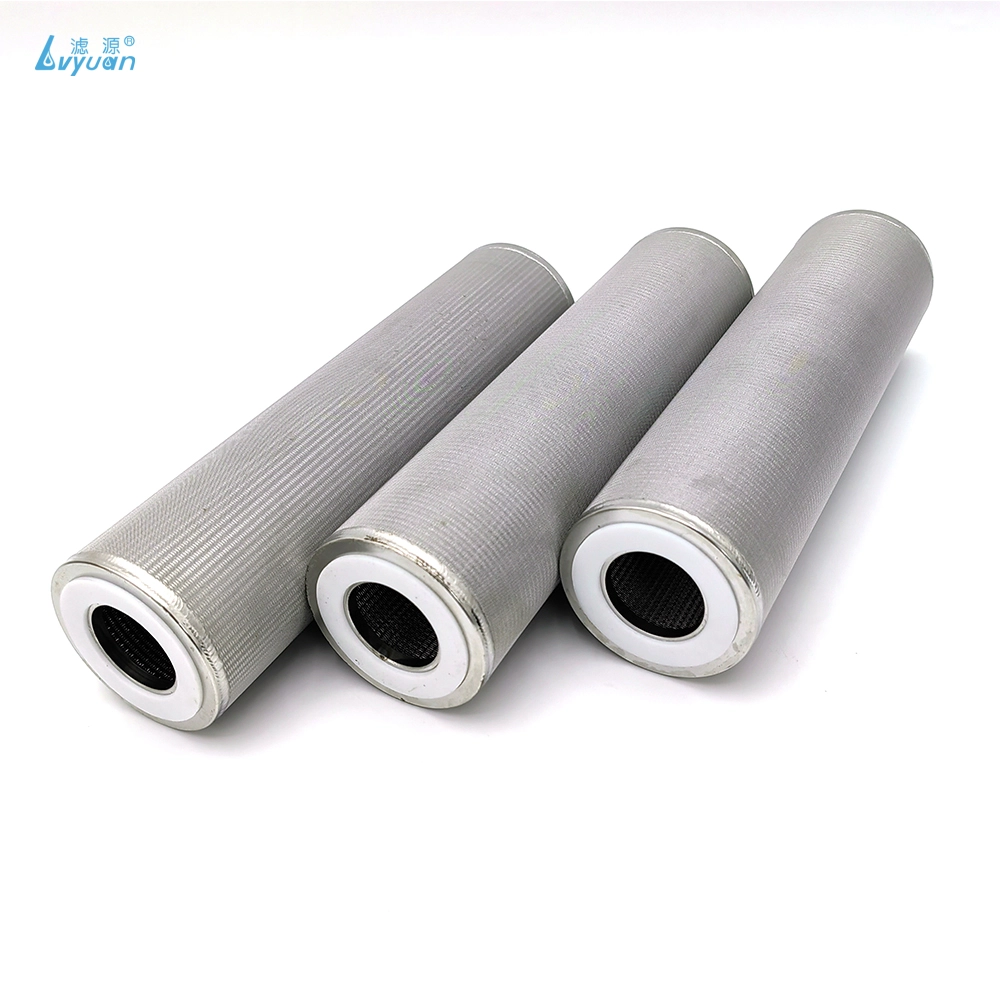
Sintered wire mesh filter
Benefit from outstanding high-pressure resistance and consistent filtration efficiency with Lvyuan's sintered metal mesh. Our sintered wire mesh finds versatile applications in diffuser screens, centrifuges, breather vents, fluidized beds, chromatography, polymer processing, petrochemical industries, hydraulic filters, and more.
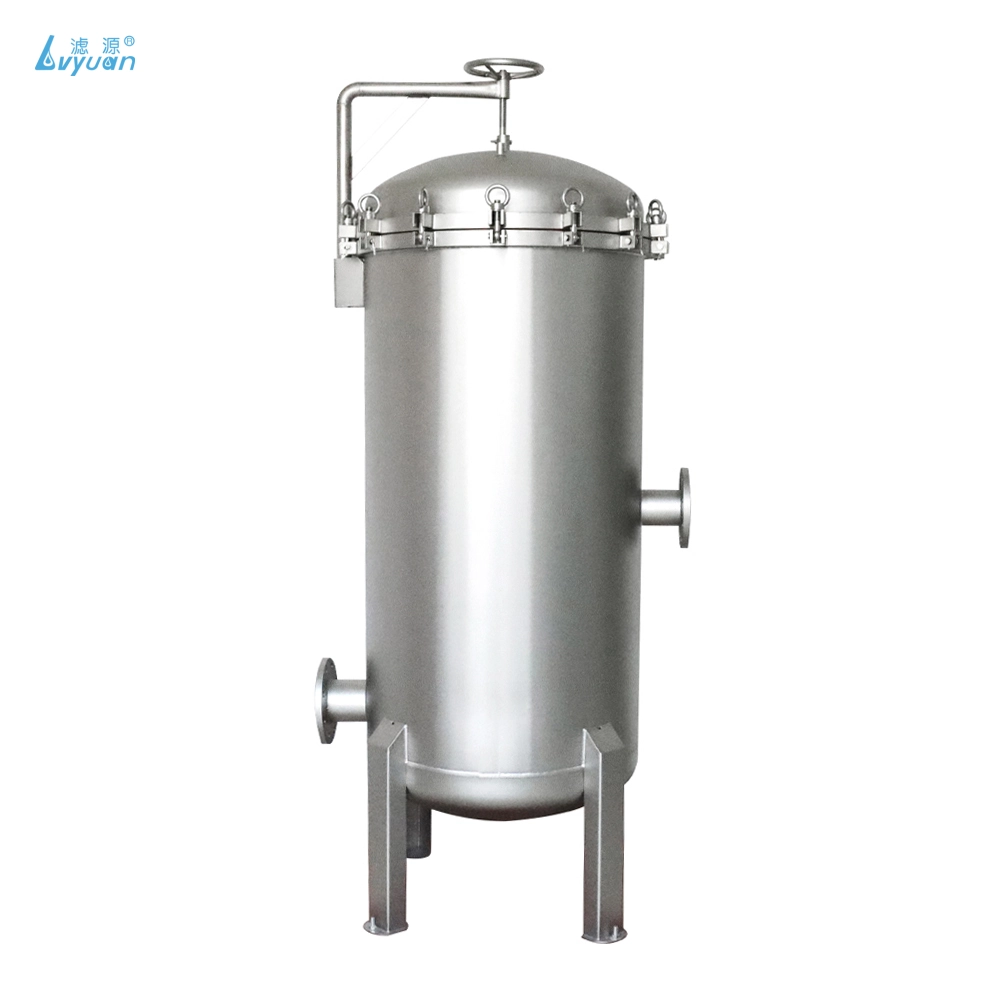
Stainless steel multi cartridge filter housing
Discover unparalleled filtration efficiency with our Stainless Steel Multi Cartridge Filter Housing – a testament to precision engineering and reliability.
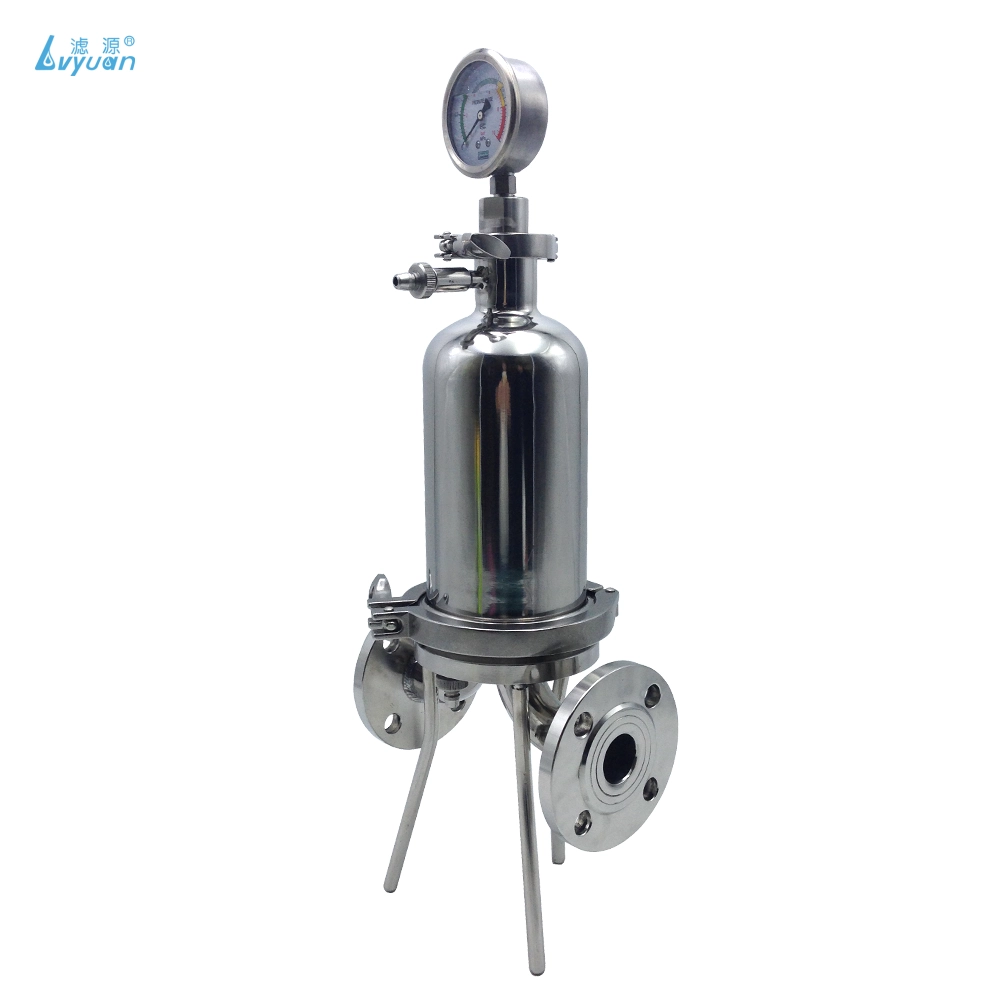
Sanitary filter housing
This filter housing will allow you to filter large volumes of nanoemulsion with ease. Sanitary vent and drain valves permit easy venting, draining, sampling, or integrity testing operations. The new cartridge locking design features additional cut-outs for traditional half-moon portions of the Code 7 bayonet locks, enhancing clean ability and drain ability.
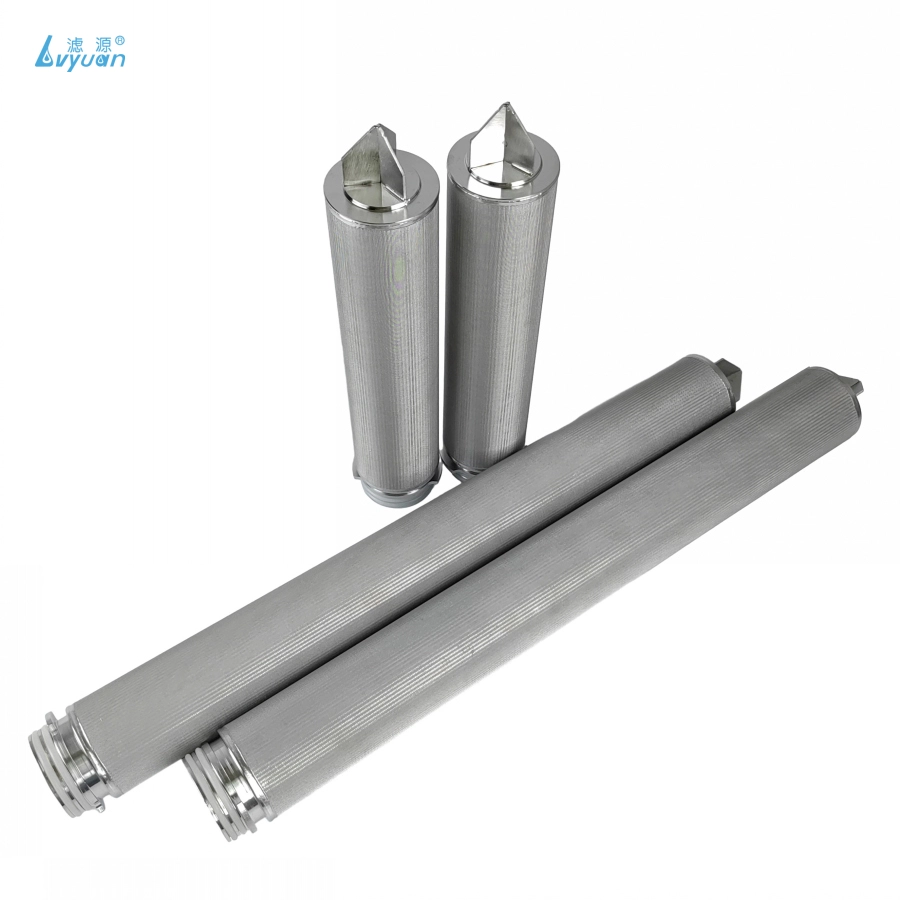
stainless steel filter water
Lvyuan’s sintered stainless steel filter stands as a pivotal filtration element crafted through a meticulous sintering process, with stainless steel serving as the core material.
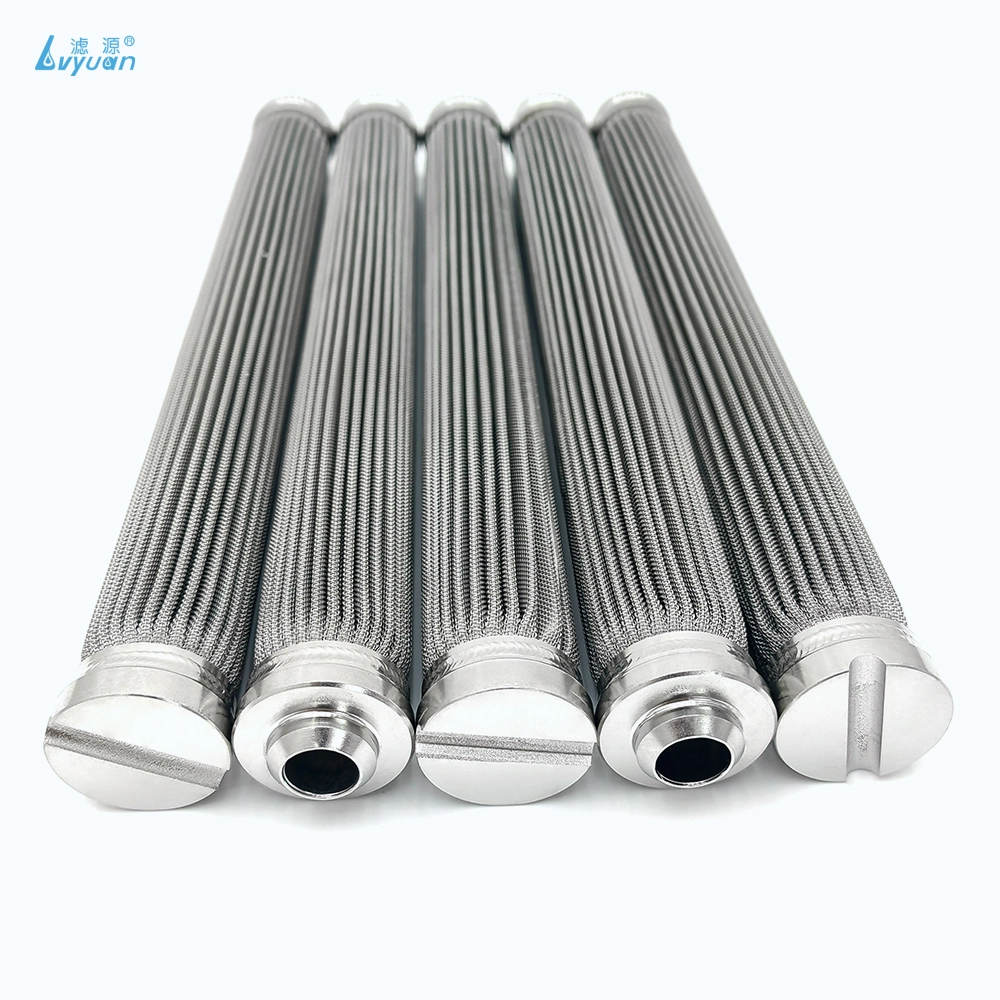
Stainless steel pleated filter cartridge
Lvyuan Stainless Steel Pleat Filter Cartridge constructed from high-quality SS 304 or SS 316L material, this filter exhibits exceptional resistance to high temperatures and rust.
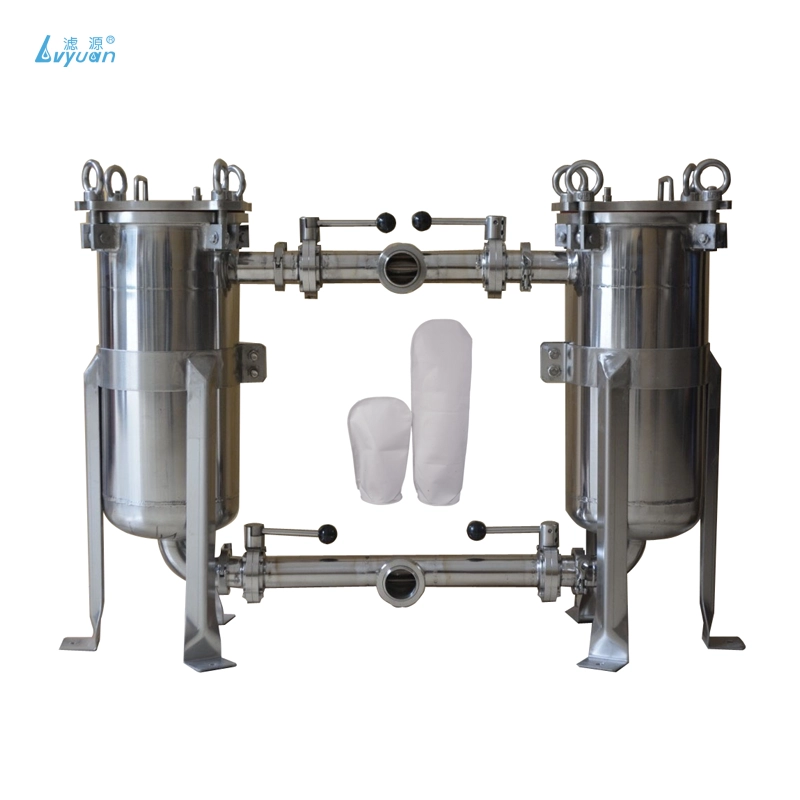
Stainless Steel Duplex filter housing
As the manufacturer, we offer a comprehensive range of Duplex Filter Housings designed to provide efficient and reliable filtration solutions for various industrial applications.
© 2024 Lvyuan All Rights Reserved. | Privacy policy • Terms and conditions


