
what does sintered metal mean | Lvyuan Guide
This article clarifies what sintered metal is, detailing its manufacturing process, properties, and diverse applications. We explain its unique advantages in filtration, highlighting porosity control and superior performance. Discover how sintered metal filters outperform other technologies and learn why Lvyuan is a leading provider.
What Does Sintered Metal Mean? - Lvyuan
This article addresses common questions regarding sintered metal, a crucial material in various industries. Understanding its properties is key for professionals making informed material selection choices.
What is Sintered Metal?
* Sintered metal is a porous material created by compacting metal powders and then heating them to a high temperature below the melting point. This process, called sintering, bonds the particles together, forming a solid structure with interconnected pores.
* The resulting material's properties, including porosity and permeability, are precisely controlled by manipulating factors such as powder type, particle size distribution, and sintering parameters. This allows for customization to meet specific application needs.
Manufacturing Process of Sintered Metal Filters
* Powder Preparation: Selection and blending of metal powders (e.g., stainless steel, bronze, nickel) based on desired characteristics.
* Compaction: Pressing the metal powder into the desired shape and density using high pressure. This creates a “green compact.”
* Sintering: Heating the compact to a high temperature in a controlled atmosphere. This facilitates the bonding of metal particles, resulting in a strong, porous structure.
* Finishing (Optional): Processes such as machining, cleaning, or surface treatments to further refine the filter's characteristics.
Properties and Advantages of Sintered Metal Filters
* High Porosity and Permeability: Allows for high flow rates and efficient filtration. Porosity can be precisely controlled to achieve specific filtration requirements.
* High Strength and Durability: Withstands high pressures and aggressive chemicals, making them suitable for demanding applications.
* Corrosion Resistance: Depending on the metal used, sintered metal filters exhibit excellent resistance to corrosion and oxidation.
* High Temperature Resistance: Capable of operating at high temperatures without significant degradation.
* Cleanability and Reusability: Easily cleaned and reused, reducing waste and cost.
Applications of Sintered Metal Filters
* Fluid Filtration: Widely used in hydraulic systems, lubrication systems, and chemical processing.
* Air Filtration: Removes particles from air streams in various industrial settings.
* Gas Filtration: Filters gases in diverse applications, including exhaust systems and chemical processing.
* Powder Metallurgy: Used as a component in the creation of other sintered metal parts.
Choosing the Right Sintered Metal Filter
The selection of a sintered metal filter hinges on various factors, including:
* The fluid or gas being filtered.
* The desired filtration rating.
* The operating pressure and temperature.
* The required flow rate.
* The filter's required lifespan and chemical resistance.
Selecting the optimal filter ensures system efficiency and longevity. Contact Lvyuan for expert guidance and high-quality sintered metal filter solutions.
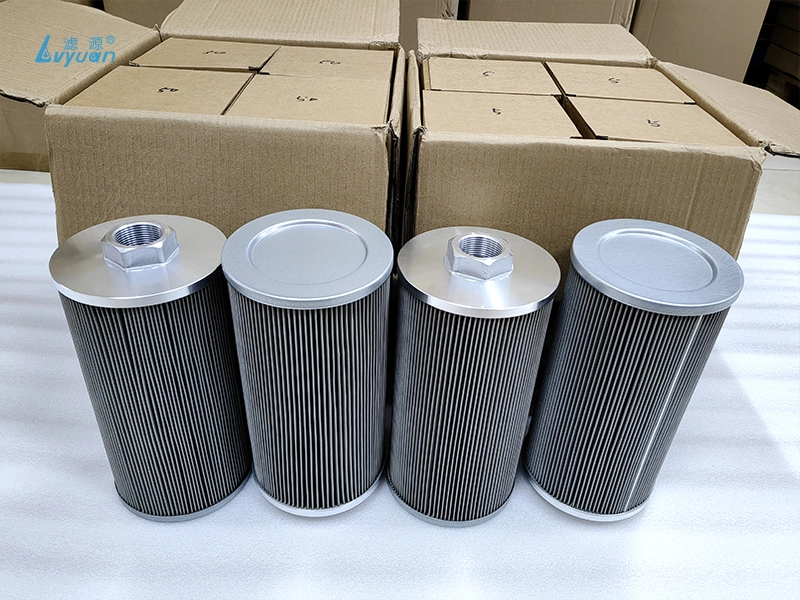
What is Sintered Metal Filter? Complete Guide by Lvyuan
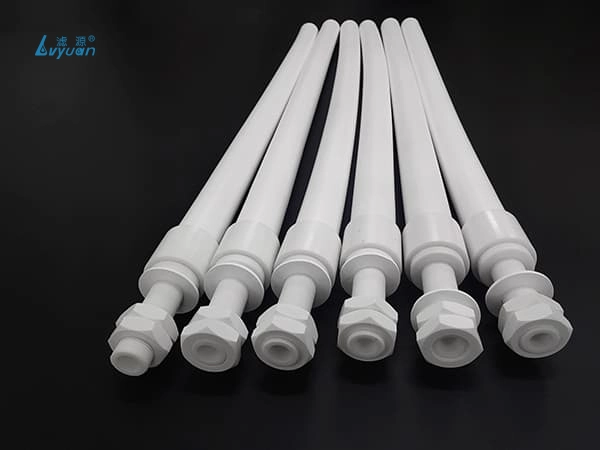
Sintered PTFE Filters: Advanced Filtration for Demanding Environments
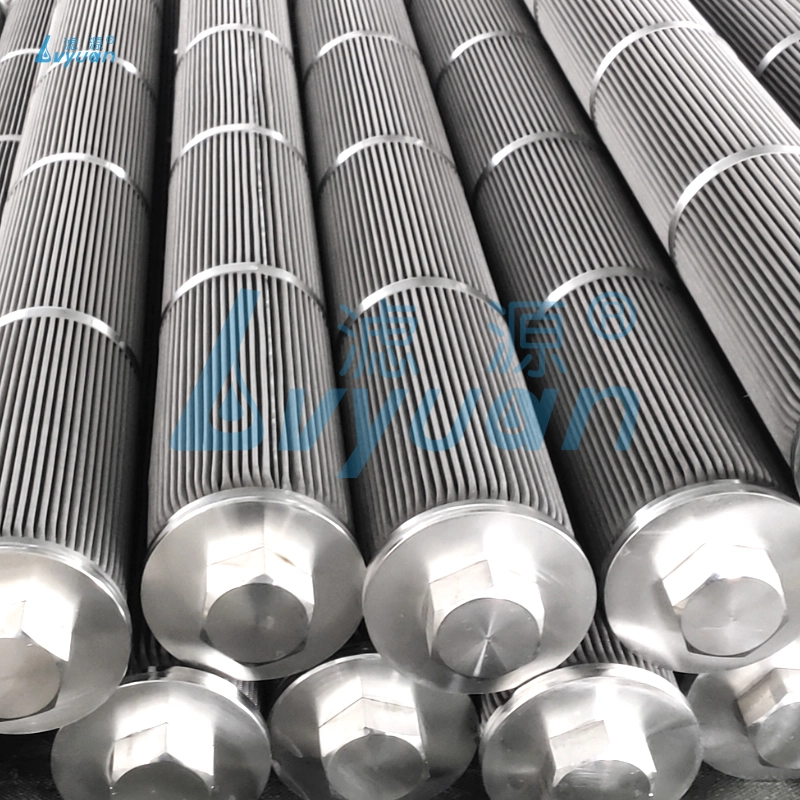
Metal Sintered Filters: Precision Filtering to Drive Industrial Upgrading
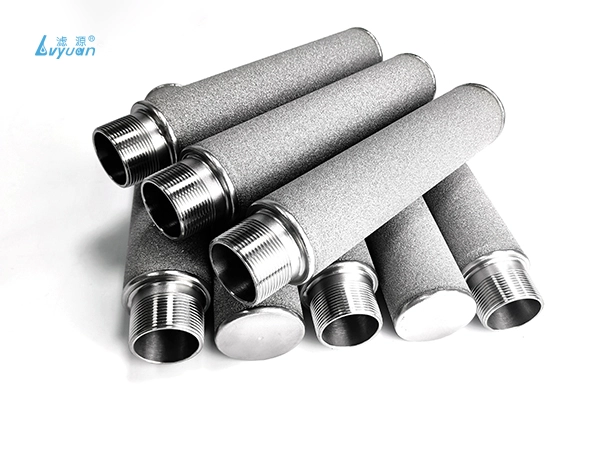
Choosing Sintered Filters: An Overview for Industrial Applications
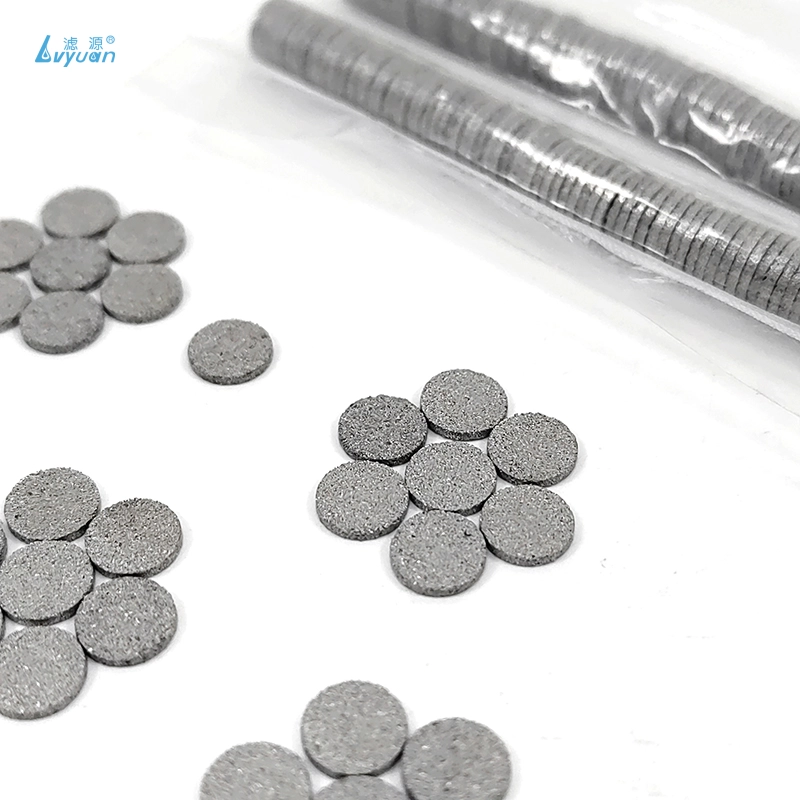
What is a Sintered Metal Filter Disc? A Comprehensive Guide
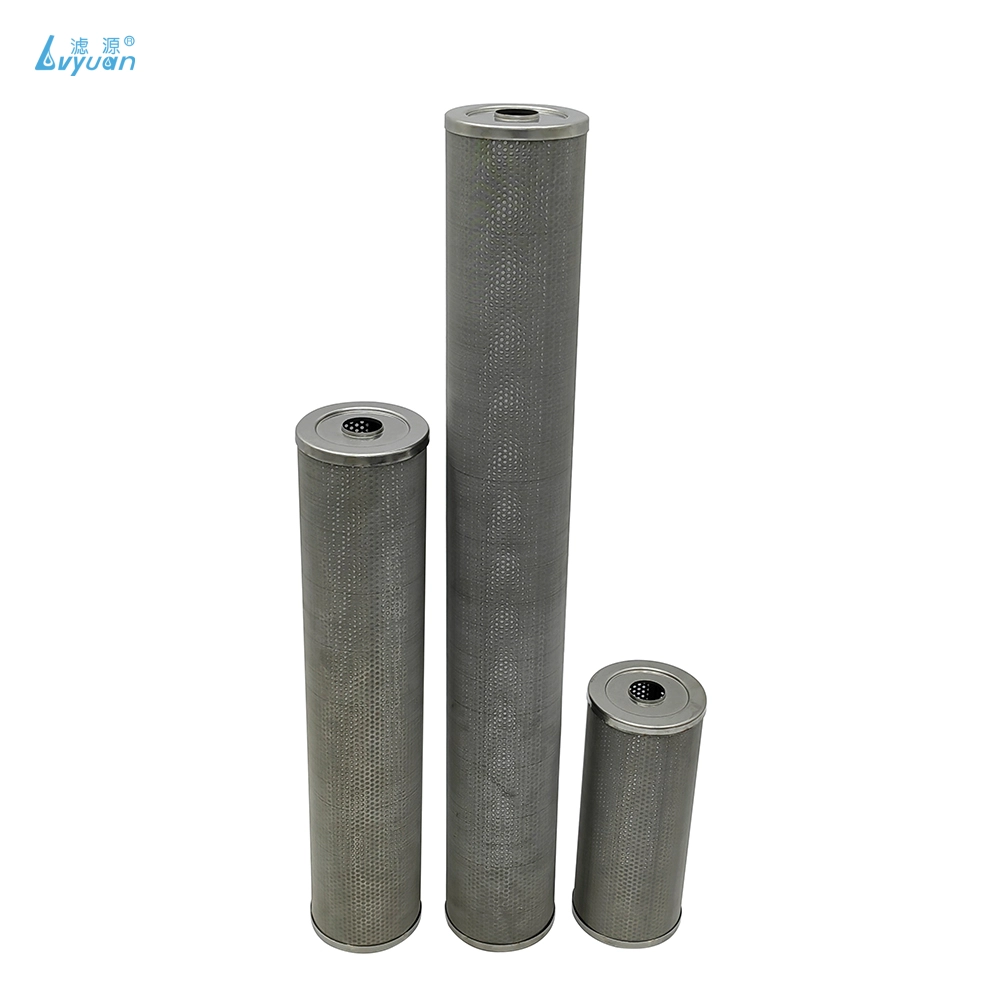
What Are Sintered Metal Filters and How Do They Work?
Porous Plastic Filter
How to Calculate Filter Porosity?
Filter porosity is classified into three major types: Primary Porosity, Secondary Porosity, and Effective Porosity. The calculation involves determining the ratio of the volume of gaps in the filter to the total volume, expressed as a percentage.
Porosity = (Volume of Empty Gaps/Total Volume of Filter) x 100
Other methods include:
• Direct Methods: Calculate the entire volume of the porous filter and the volume of a skeletal filter (without pores) to find the porosity.
• Computed Methods: Use modern computer technology to obtain a 3D image of a porous filter and employ defect analysis techniques.
• Water Evaporation Technique: Calculate porosity by determining the difference in weight between the saturated filter in water and the dried filter.
What is a sintered plastic porous filter?
A sintered plastic porous filter is a filtration device made from polymeric materials that are compressed and heated to form a porous structure with controlled pore sizes and distribution.
Sintered Metal Filters
Can sintered metal filters be cleaned and reused?
Yes, sintered metal filters are designed to be cleaned and reused. Their durability and resistance to fouling make them suitable for applications where filter cleaning is necessary.
What is the filtration accuracy of sintered metal filters?
The filtration accuracy of sintered metal filters can vary. Common ranges include 1 to 200 microns, but customization allows for specific accuracy based on application needs.
Stainless Steel Cartridge Filter Housing
What are the different configurations of stainless steel cartridge filter housings?
Stainless steel filter housings come in different configurations, such as single-cartridge, multi-cartridge, and multi-bag designs, as well as inline and side-entry styles, catering to different flow rates and filtration requirements.
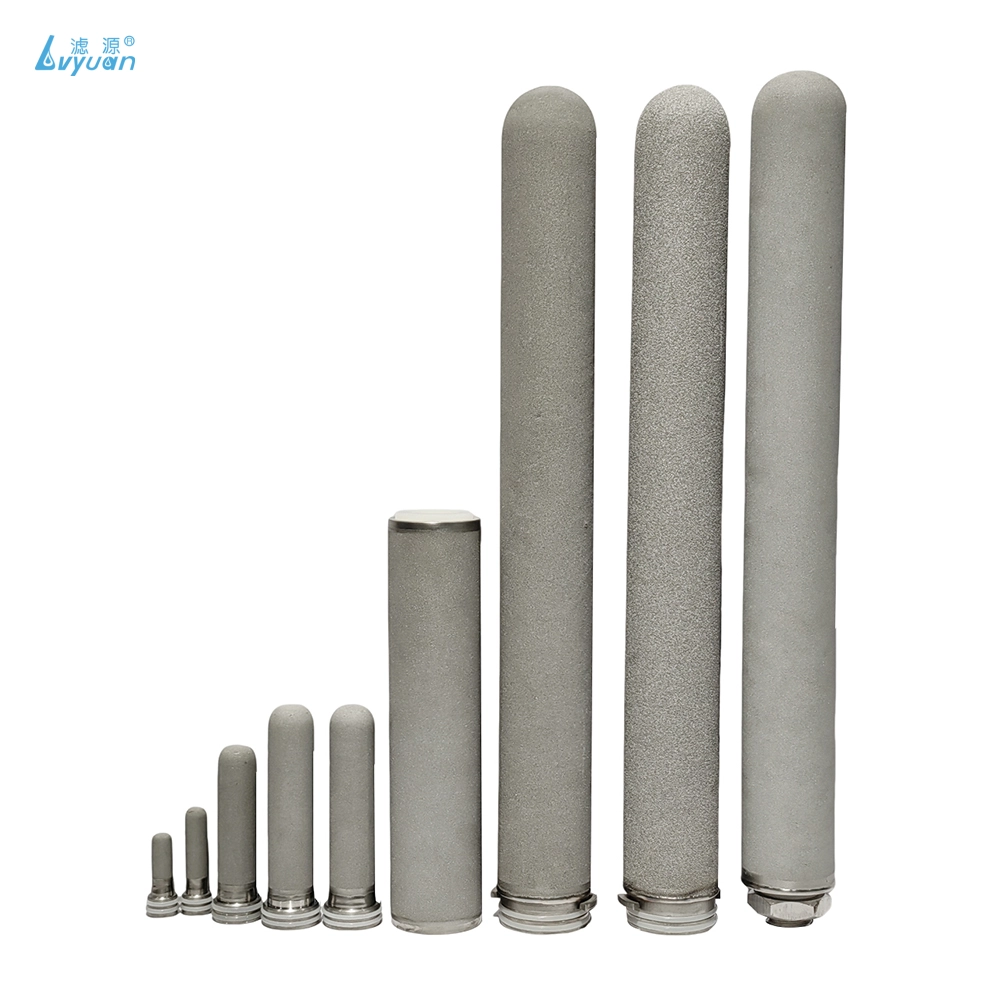
Sintered powder metal filters
Sintered powder metal filters are crafted from compressed and sintered metal powders, forming a porous structure. Porosity: 28%-50% Permeability: 0.02-20L/cm²minPa Pressure Resistance: 0.5Mpa Temperature Resistance: Less than 280℃
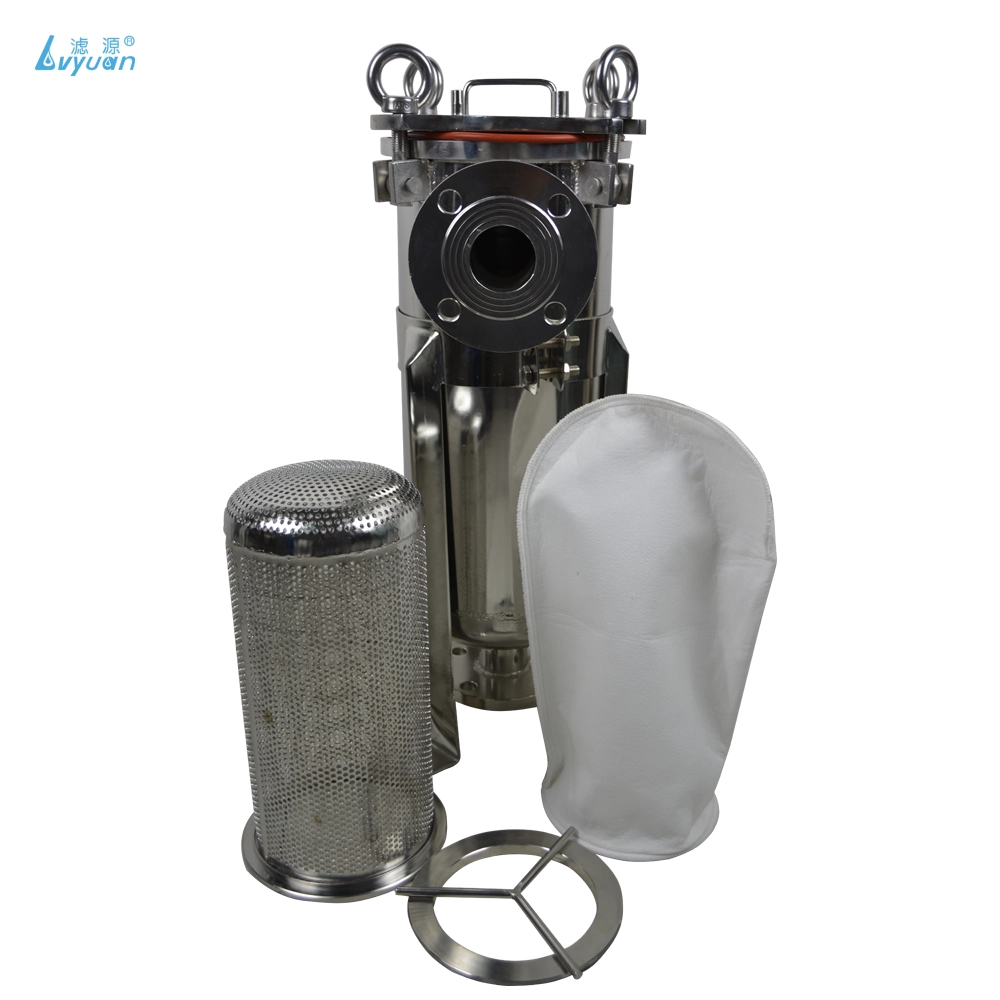
Bag filter housing
Bag filter housings are essential components in industrial filtration systems, designed to remove contaminants from liquids. To enhance the functionality and efficiency of bag filter housings, various features can be incorporated.
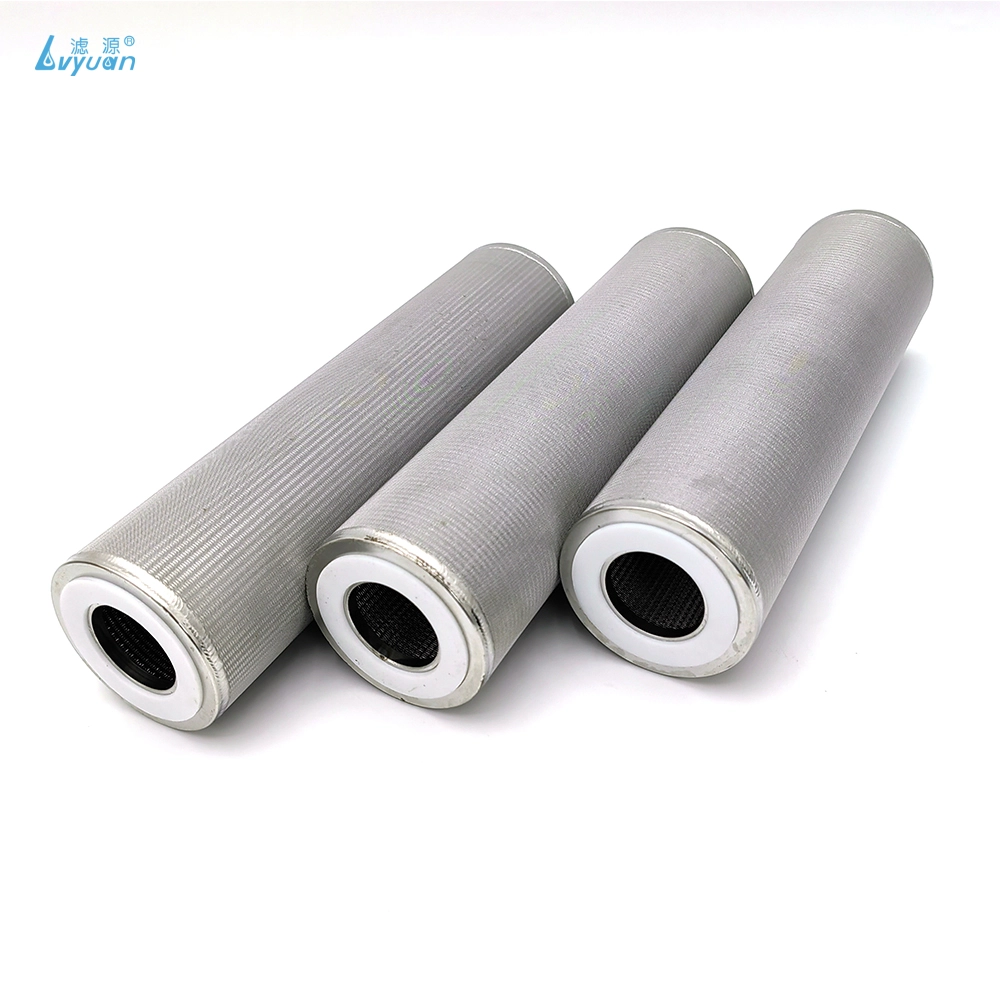
Sintered wire mesh filter
Benefit from outstanding high-pressure resistance and consistent filtration efficiency with Lvyuan's sintered metal mesh. Our sintered wire mesh finds versatile applications in diffuser screens, centrifuges, breather vents, fluidized beds, chromatography, polymer processing, petrochemical industries, hydraulic filters, and more.
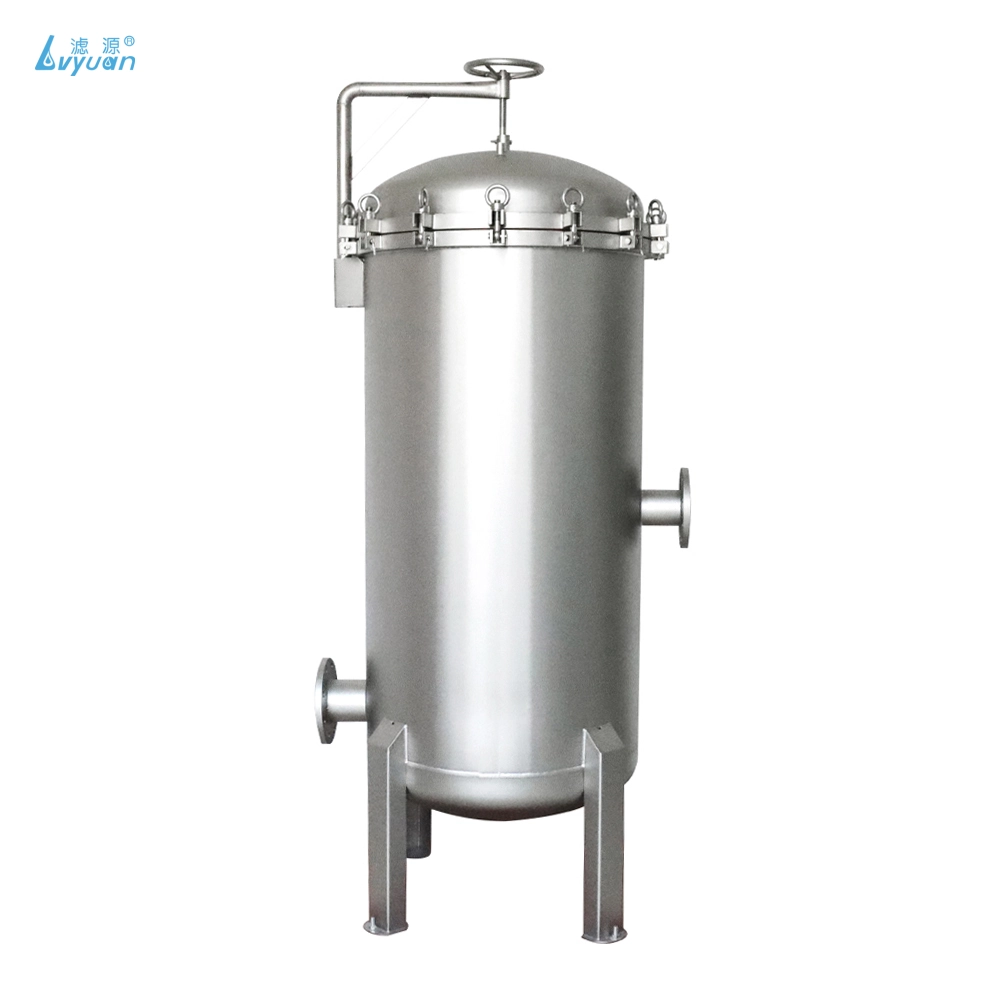
Stainless steel multi cartridge filter housing
Discover unparalleled filtration efficiency with our Stainless Steel Multi Cartridge Filter Housing – a testament to precision engineering and reliability.
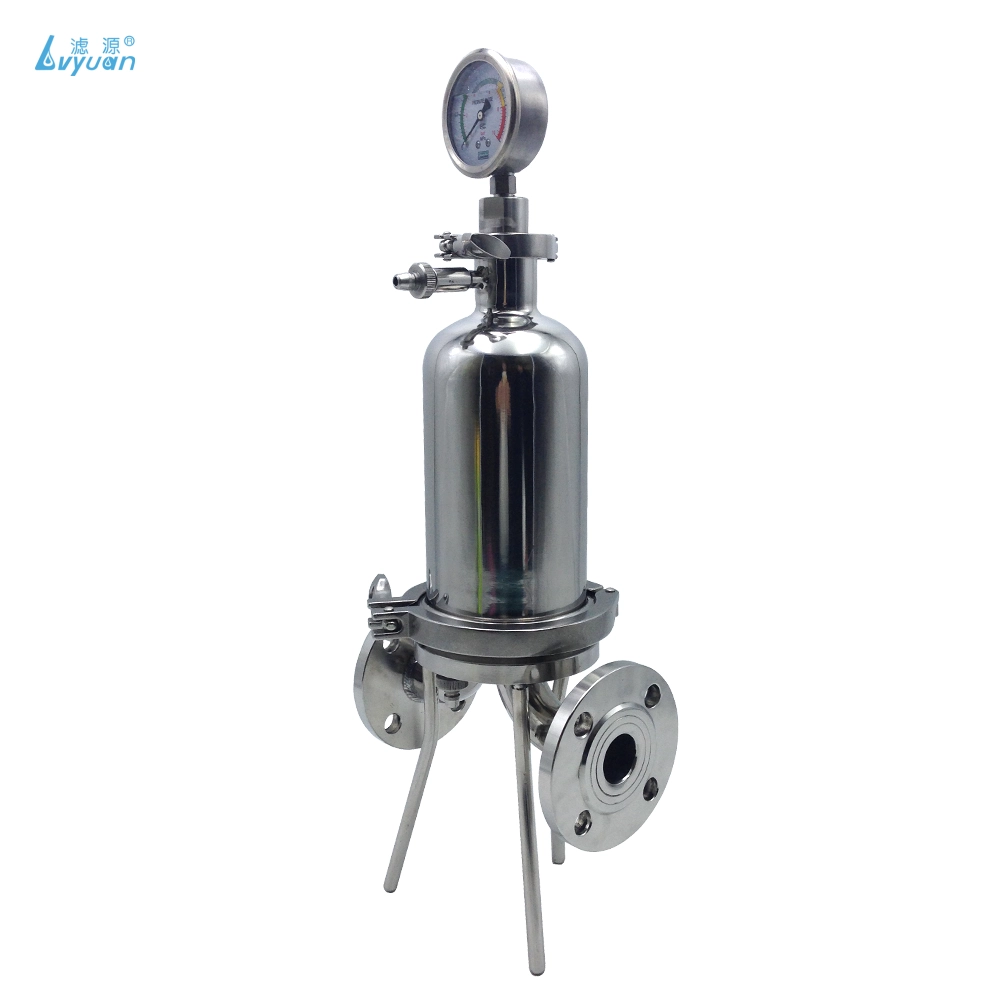
Sanitary filter housing
This filter housing will allow you to filter large volumes of nanoemulsion with ease. Sanitary vent and drain valves permit easy venting, draining, sampling, or integrity testing operations. The new cartridge locking design features additional cut-outs for traditional half-moon portions of the Code 7 bayonet locks, enhancing clean ability and drain ability.
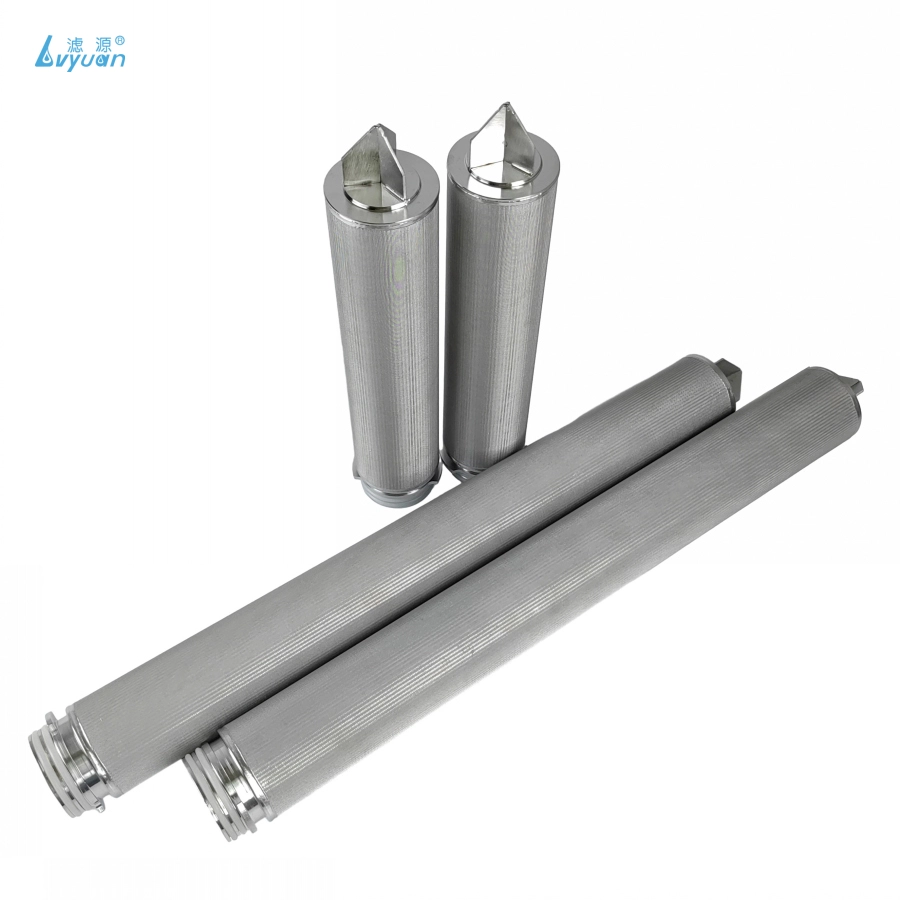
stainless steel filter water
Lvyuan’s sintered stainless steel filter stands as a pivotal filtration element crafted through a meticulous sintering process, with stainless steel serving as the core material.
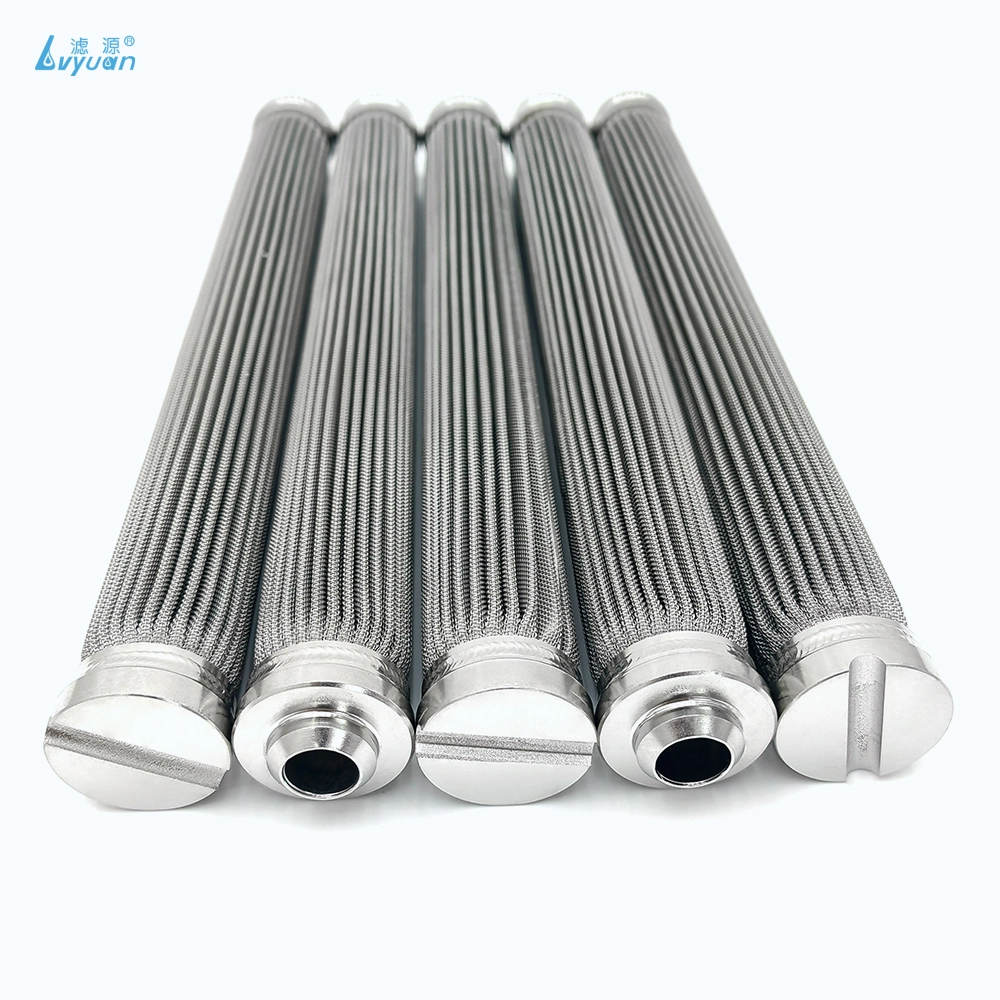
Stainless steel pleated filter cartridge
Lvyuan Stainless Steel Pleat Filter Cartridge constructed from high-quality SS 304 or SS 316L material, this filter exhibits exceptional resistance to high temperatures and rust.
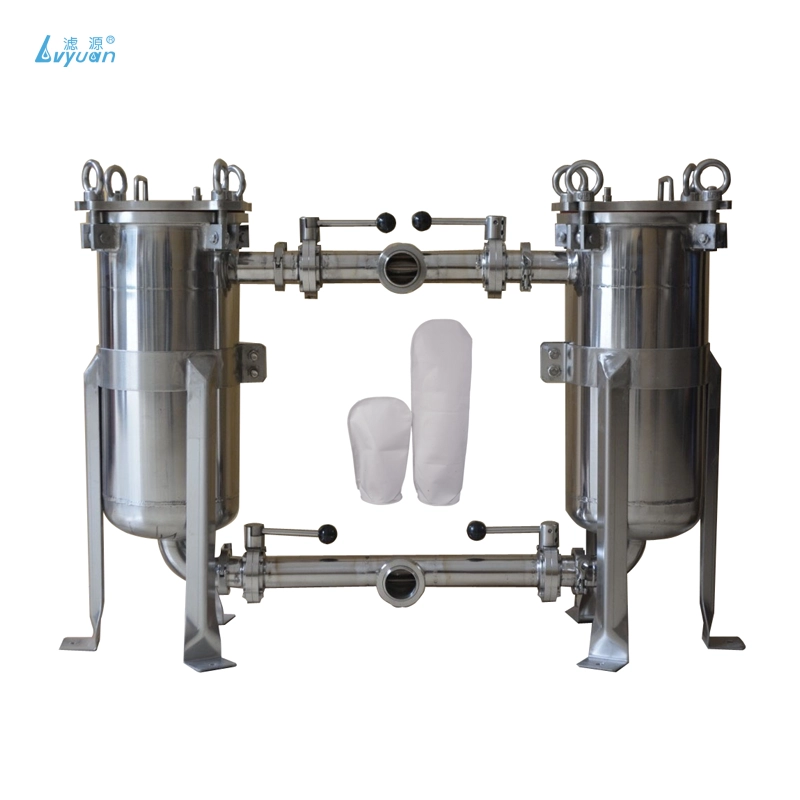
Stainless Steel Duplex filter housing
As the manufacturer, we offer a comprehensive range of Duplex Filter Housings designed to provide efficient and reliable filtration solutions for various industrial applications.
© 2024 Lvyuan All Rights Reserved. | Privacy policy • Terms and conditions


