
What is the efficiency of a sintered filter?
Understand sintered filter efficiency: capture rates, influencing factors, and industry standards. Learn how sintered metal filters optimize your filtration applications
- What is the Efficiency of a Sintered Filter? A Detailed Industry Overview
- What Defines Sintered Filter Efficiency?
- Sintered Metal Filter Efficiency: Key Metrics
- Factors Affecting Sintered Filter Efficiency
- Typical Applications and Efficiency Demands
- Industry Standards and Certifications
- Fast Facts: Sintered Filter Efficiency
- References
What is the Efficiency of a Sintered Filter? A Detailed Industry Overview
The efficiency of a sintered filter is a vital performance metric for filtration professionals. Understanding this efficiency helps optimize process safety, ensure compliance, and maximize equipment effectiveness. This article answers “What is the efficiency of a sintered filter?” by summarizing factors, measurement methods, and typical industry standards.
What Defines Sintered Filter Efficiency?
- Filtration Efficiency:
- The percentage of particles a sintered metal filter can remove from a fluid stream (gas or liquid).
- Expressed as a retention rate, such as 99.9%, specifying removal of particles at a defined micron size.
- Measurement Reference:
- Efficiency ratings are commonly assigned using methods such as the Beta Ratio (ISO 16889) and DOP test (ASHRAE Standard 52.2).
- Filtration efficiency is typically assessed at micron sizes relevant to the target application (e.g., 0.5, 1, 5, 10 µm).
Sintered Metal Filter Efficiency: Key Metrics
- High Particle Capture Rates:
Most sintered stainless steel filters achieve:
- 80–99.9% efficiency for particles at the designated micron rating ().
- High consistency due to uniform pore structure.
- Beta (β) Ratio:
- Measures filter performance as the ratio of particles upstream versus downstream.
- Example: β = 1000 at 5 µm means 99.9% of 5 µm particles are captured ().
- Absolute vs. Nominal Ratings:
- *Absolute rating:* Ensures nearly all particles above a certain size are retained (≥99.9%).
- *Nominal rating:* Indicates a moderate capture rate, often 80–90%.
Factors Affecting Sintered Filter Efficiency
- Pore Size Distribution:
- Precisely controlled during sintering; determines filtration fineness and consistency.
- Material Selection:
- Stainless steel, bronze, nickel—affect mechanical strength, corrosion resistance, and compatibility.
- Surface vs. Depth Filtration:
- Sintered filters typically combine both, yielding high dirt-holding capacity and stable efficiency ().
- Operating Conditions:
- Pressure, temperature, and flow rates can influence actual filtration performance.
Typical Applications and Efficiency Demands
- Gas Purification:
- Removes sub-micron particles in pharmaceuticals and semiconductors, often requiring ≥99.99% efficiency.
- Liquid Filtration:
- Used in chemicals, water treatment, and food industries at 95–99.9% efficiency for product integrity and compliance.
Industry Standards and Certifications
- ISO 16889, ASTM F795:
Standard test procedures for filter particle retention and performance.
- FDA & EC 1935/2004 Compliance:
Required for food and pharmaceutical filtration processes ().
Fast Facts: Sintered Filter Efficiency
- Consistent efficiency due to uniform, rigid structure.
- Can be backflushed and reused, maintaining original efficiency longer than many media filters.
- Efficiency can be customized for target process needs by adjusting sintering parameters.
References
- (https://www.parker.com)
- (https://www.iso.org)
- (https://www.gknpm.com)
For more technical consultation or custom sintered filter design, contact us—your trusted partner in industry-grade filtration solutions.
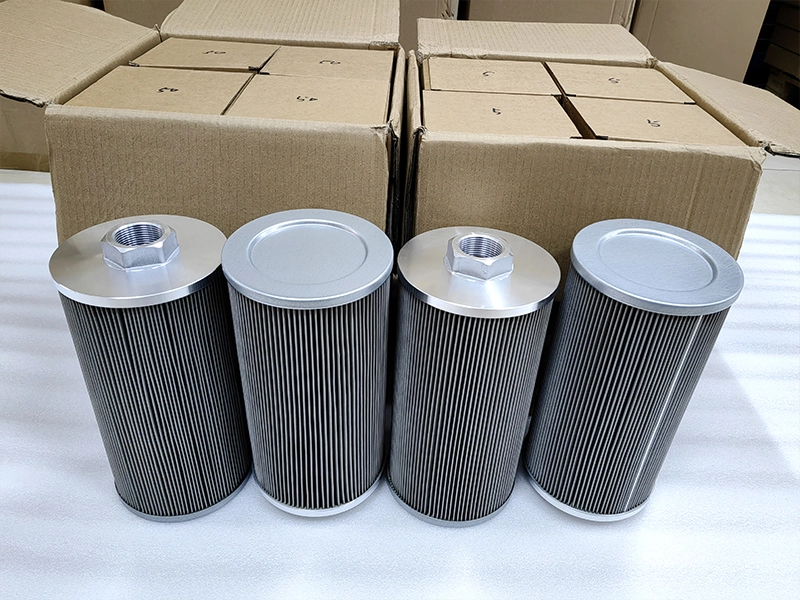
What is Sintered Metal Filter? Complete Guide
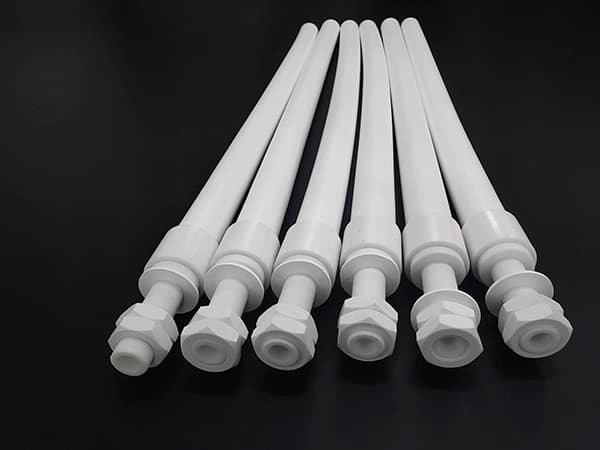
Sintered PTFE Filters: Advanced Filtration for Demanding Environments
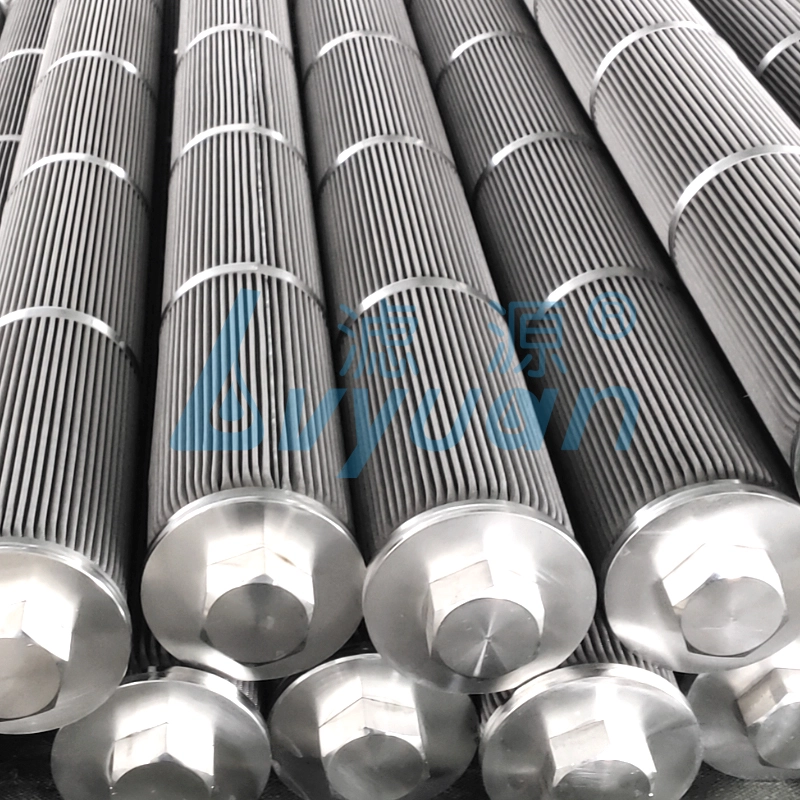
Metal Sintered Filters: Precision Filtering to Drive Industrial Upgrading
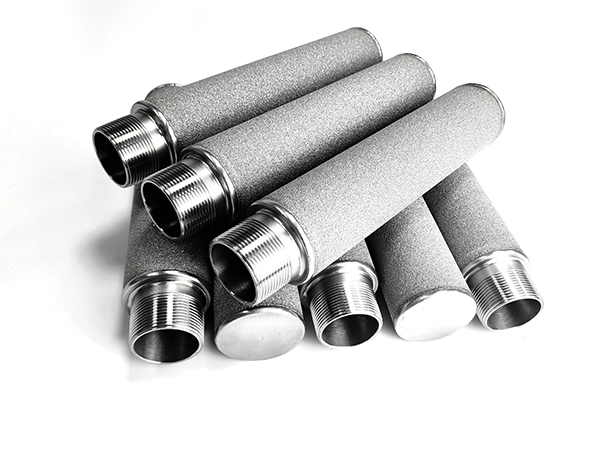
Choosing Sintered Filters: An Overview for Industrial Applications
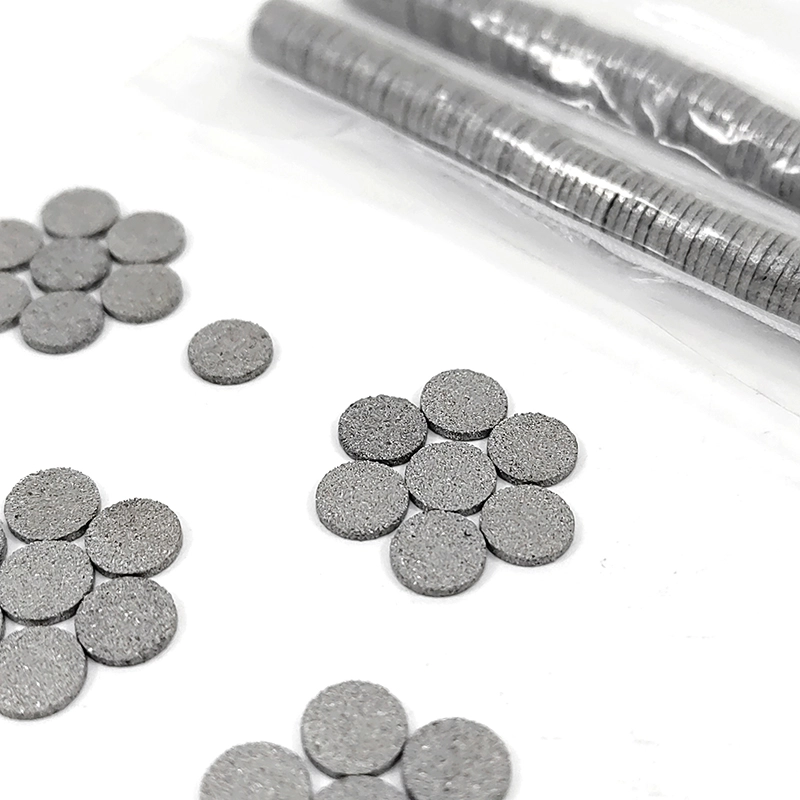
What is a Sintered Metal Filter Disc? A Comprehensive Guide
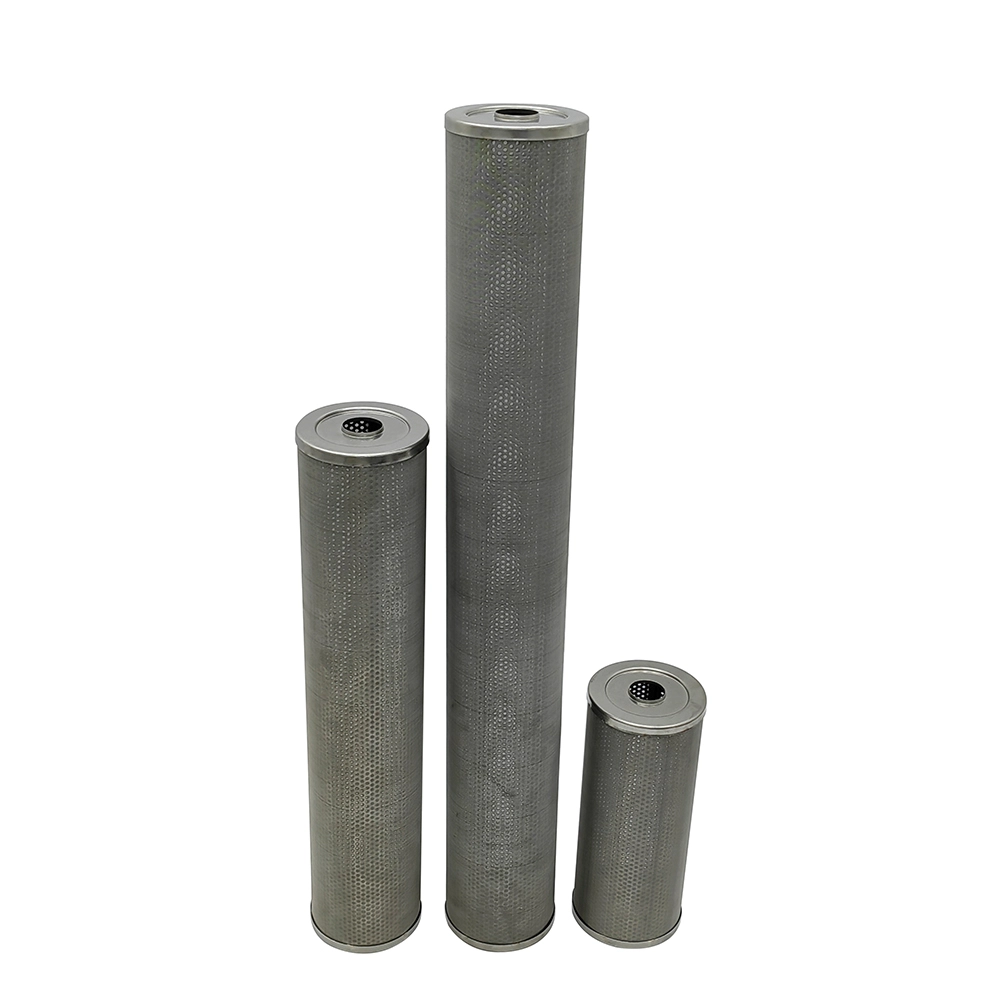
What Are Sintered Metal Filters and How Do They Work?
For customization
How can we guarantee quality?
Always take a pre-production sample before mass production.
Our state-of-the-art testing equipment and rigorous adherence to quality control standards ensure that our filter housings and filter elements comply with ISO 9001.
For products
What is the filtration efficiency of your sintered metal filters?
The filtration efficiency depends on the micron rating and the type of material chosen. We offer a range of micron ratings to accommodate different filtration needs, ensuring the efficient removal of particles and contaminants.
Porous Plastic Filter
How do I integrate sintered porous filter discs into my filtration system?
They are designed for easy integration into existing filtration systems. The compact design allows for straightforward installation and replacement.
Metal mesh filters
What types of contaminants can sintered wire mesh filter?
Sintered wire mesh can filter a wide range of contaminants, including particles, solids, and impurities from liquids and gases. The filtration efficiency depends on factors such as pore size and material selection.
Stainless Steel Cartridge Filter Housing
What maintenance is required for stainless steel cartridge filter housings?
Regular maintenance tasks for stainless steel filter housings may include replacing filter elements, cleaning or replacing gaskets and seals, inspecting for leaks or corrosion, and ensuring proper operation of valves and controls.
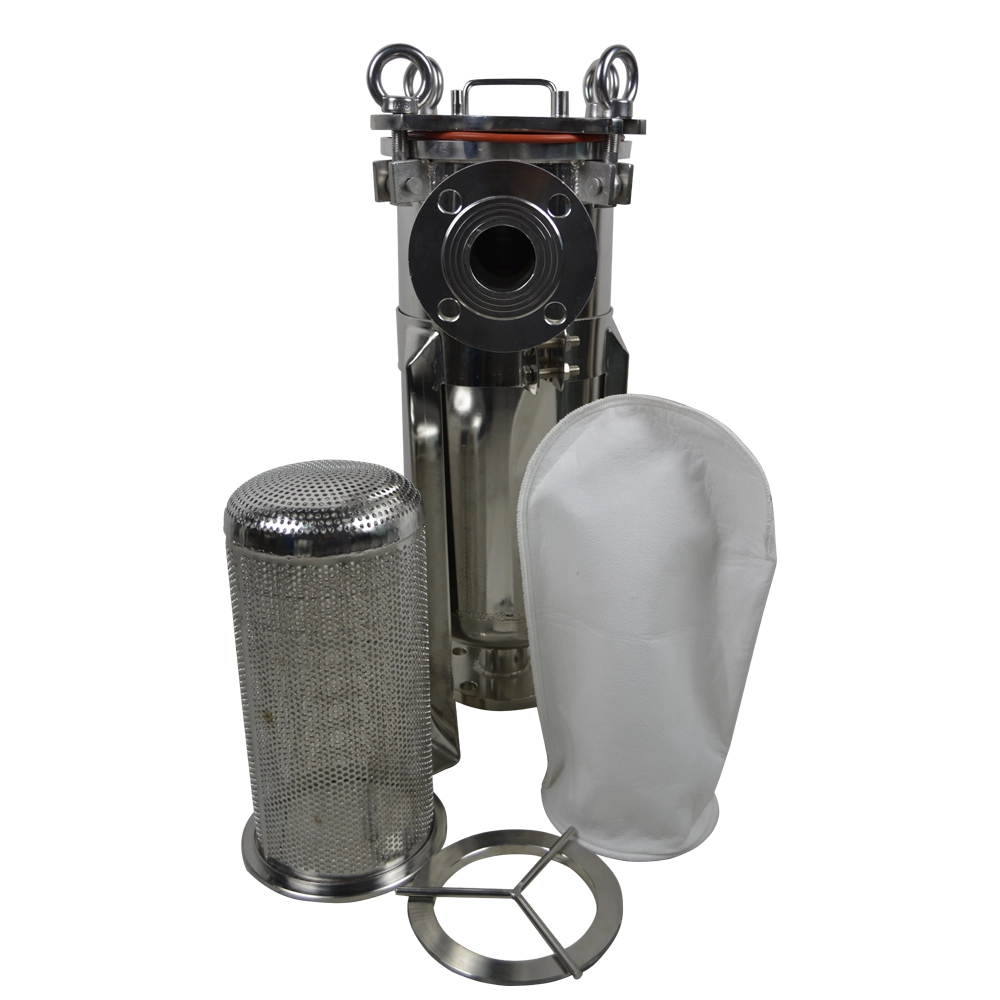
Bag filter housing
Bag filter housings are essential components in industrial filtration systems, designed to remove contaminants from liquids. To enhance the functionality and efficiency of bag filter housings, various features can be incorporated.
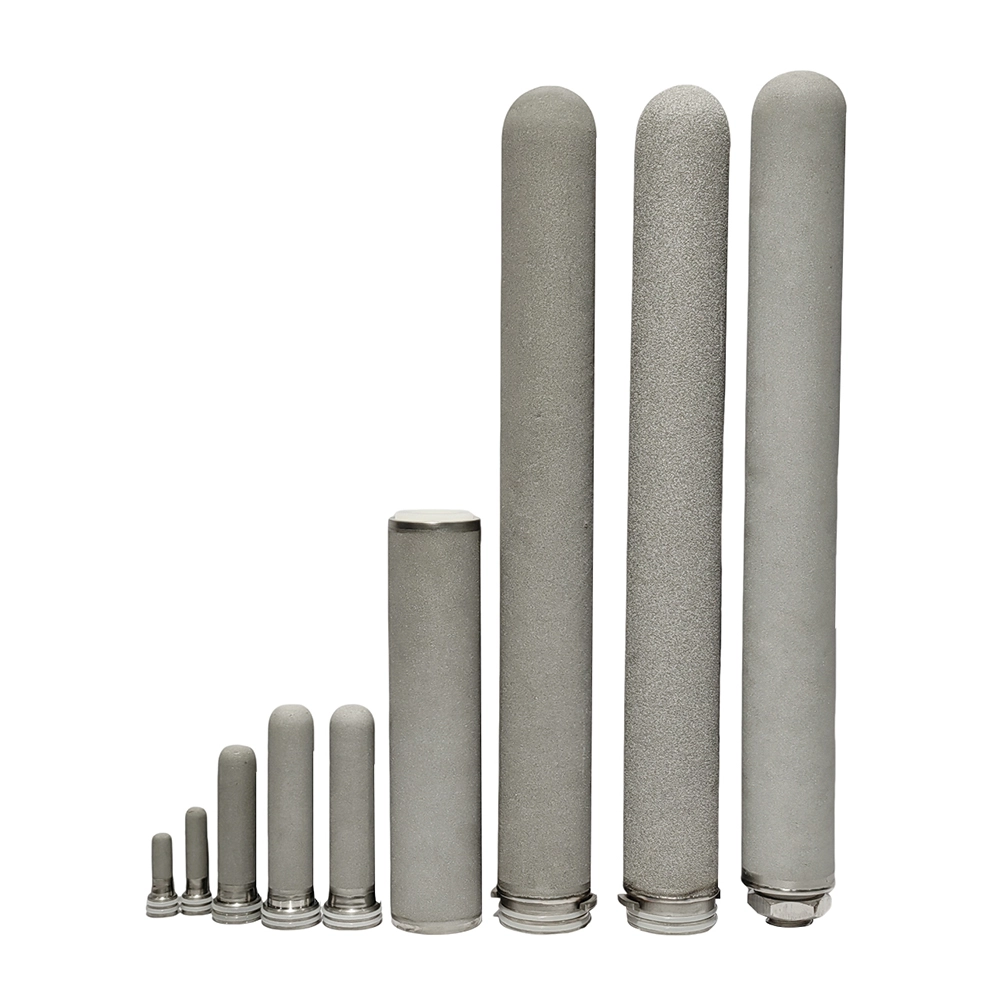
Sintered powder metal filters
Sintered powder metal filters are crafted from compressed and sintered metal powders, forming a porous structure. Porosity: 28%-50% Permeability: 0.02-20L/cm²minPa Pressure Resistance: 0.5Mpa Temperature Resistance: Less than 280℃
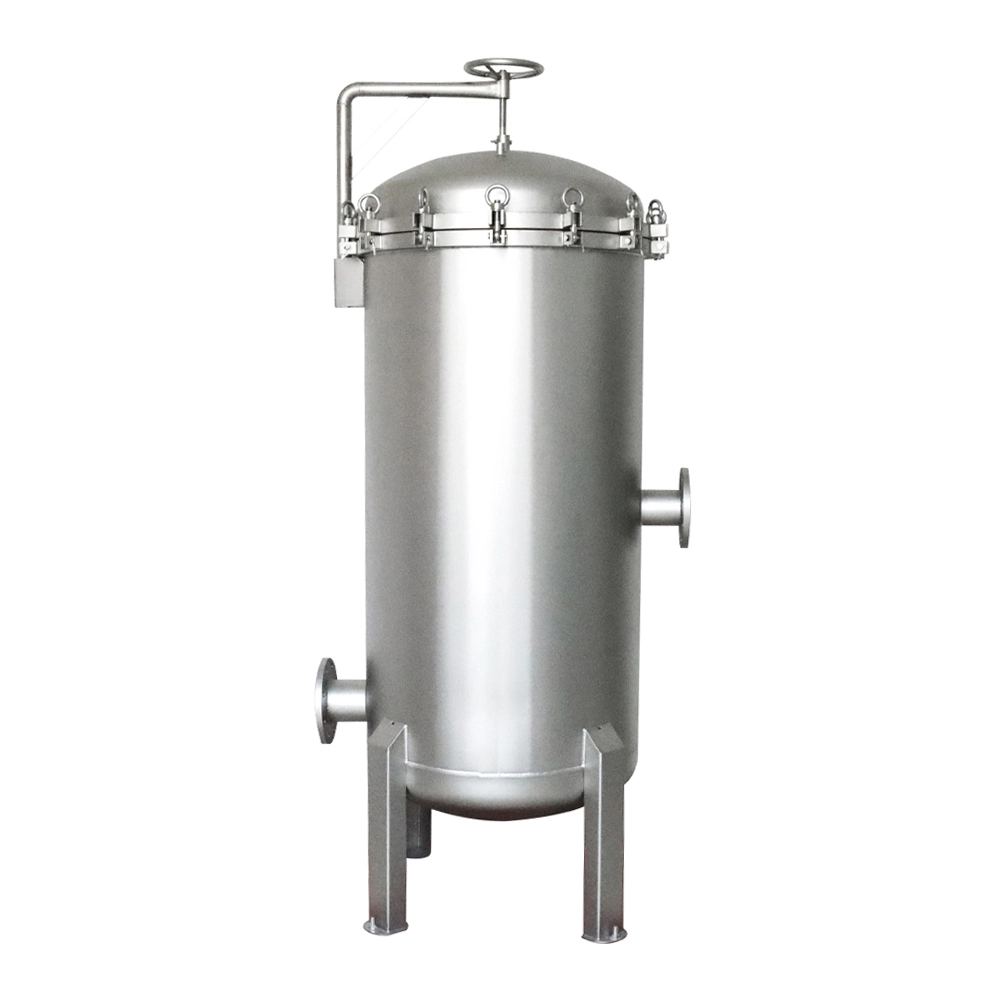
Stainless steel multi cartridge filter housing
Discover unparalleled filtration efficiency with our Stainless Steel Multi Cartridge Filter Housing – a testament to precision engineering and reliability.
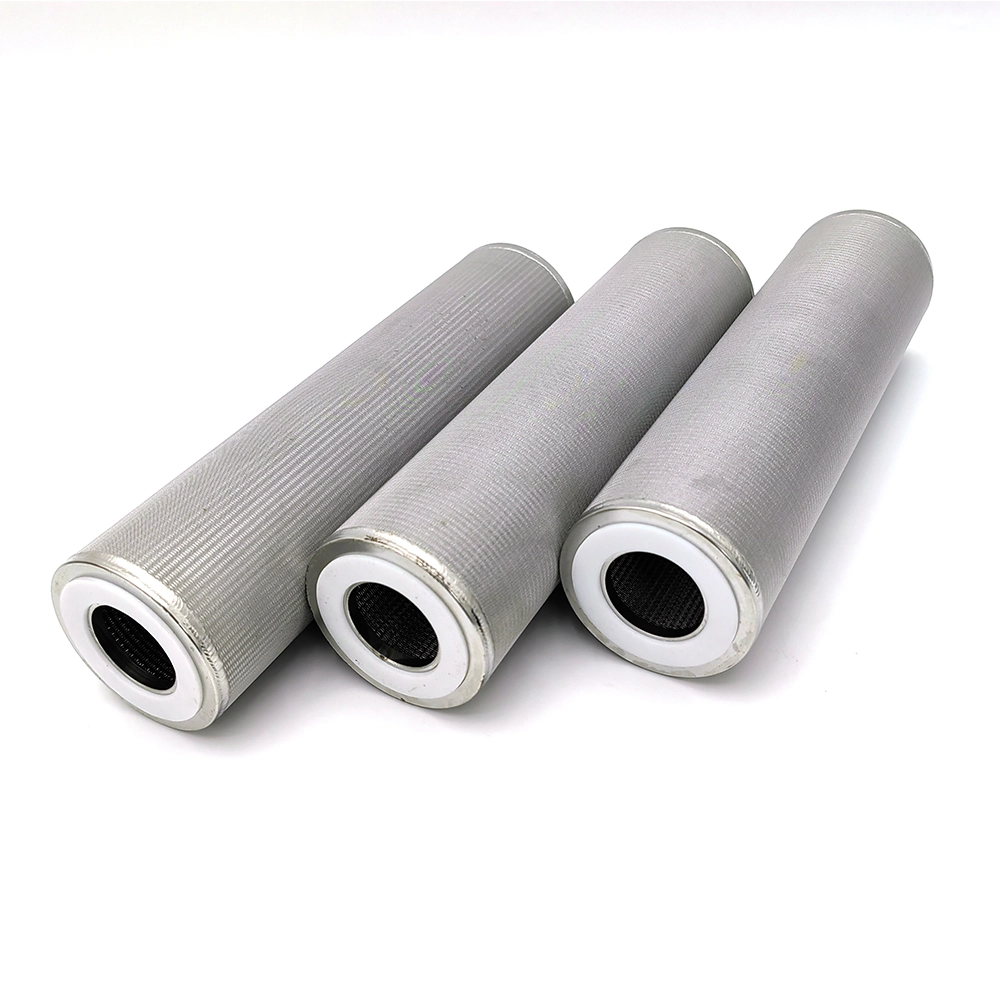
Sintered wire mesh filter
Benefit from outstanding high-pressure resistance and consistent filtration efficiency with our sintered metal mesh. Our sintered wire mesh finds versatile applications in diffuser screens, centrifuges, breather vents, fluidized beds, chromatography, polymer processing, petrochemical industries, hydraulic filters, and more.
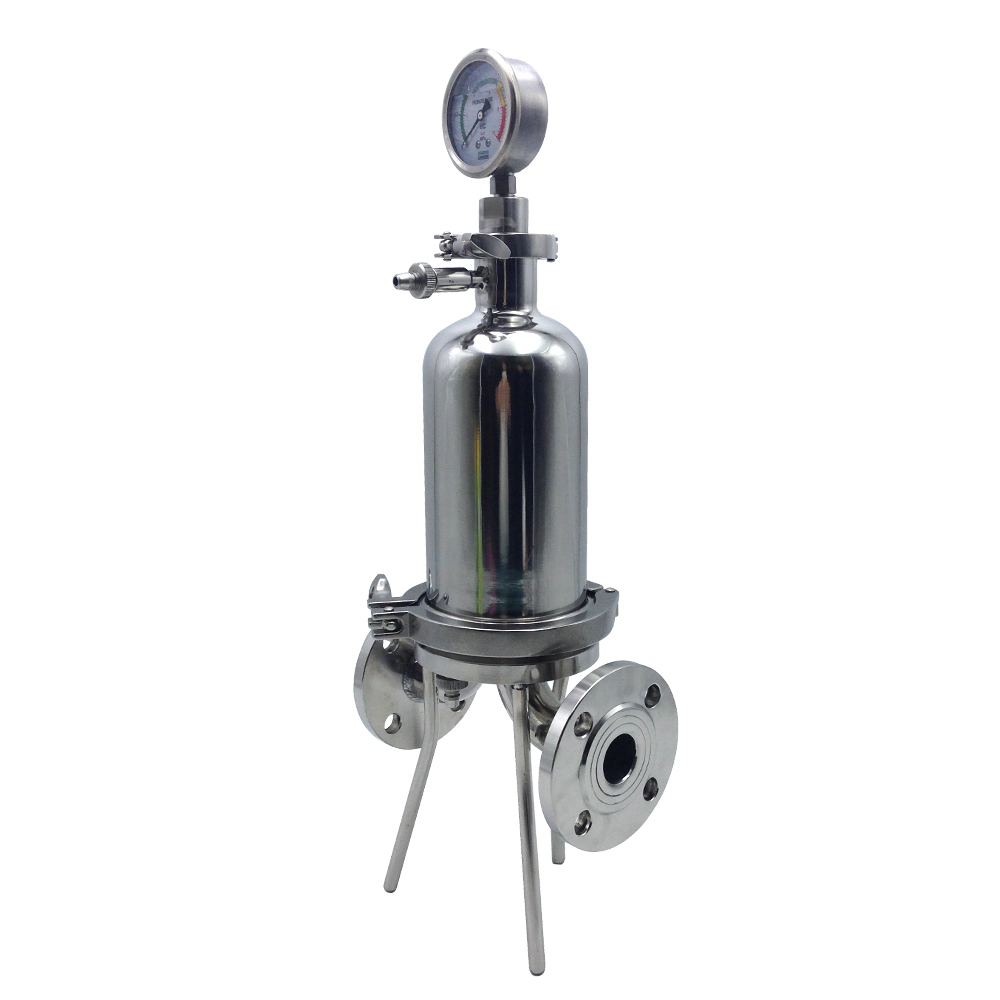
Sanitary filter housing
This filter housing will allow you to filter large volumes of nanoemulsion with ease. Sanitary vent and drain valves permit easy venting, draining, sampling, or integrity testing operations. The new cartridge locking design features additional cut-outs for traditional half-moon portions of the Code 7 bayonet locks, enhancing clean ability and drain ability.
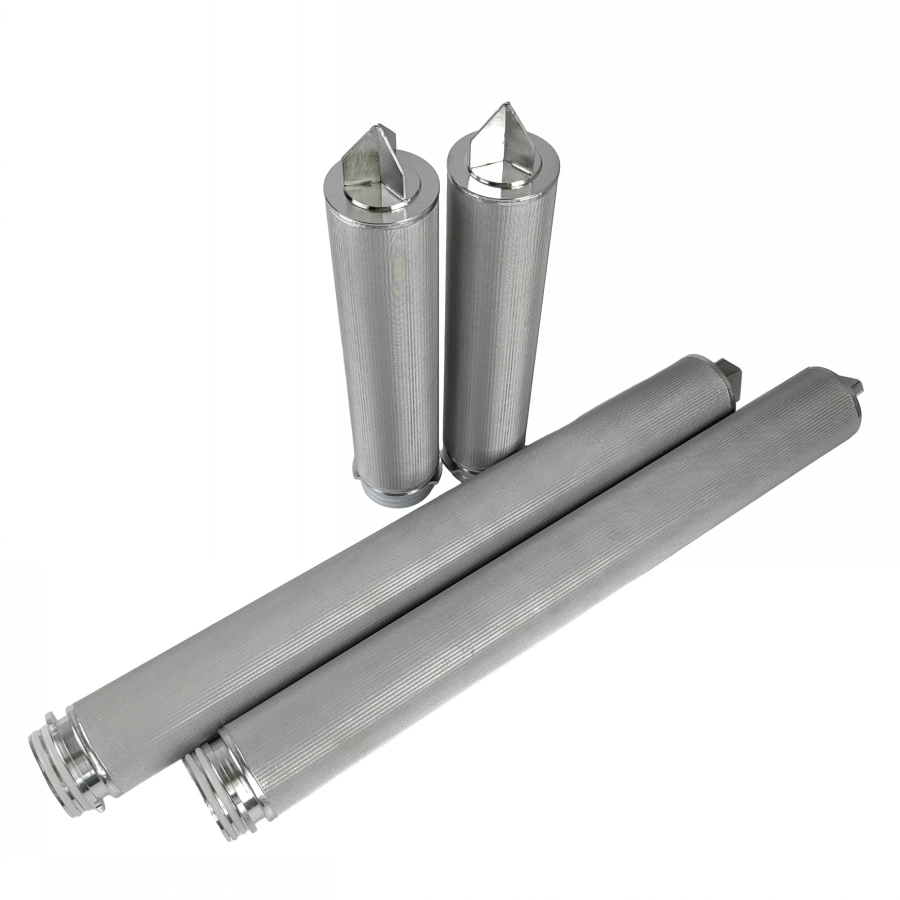
stainless steel filter water
Our sintered stainless steel filter stands as a pivotal filtration element crafted through a meticulous sintering process, with stainless steel serving as the core material.
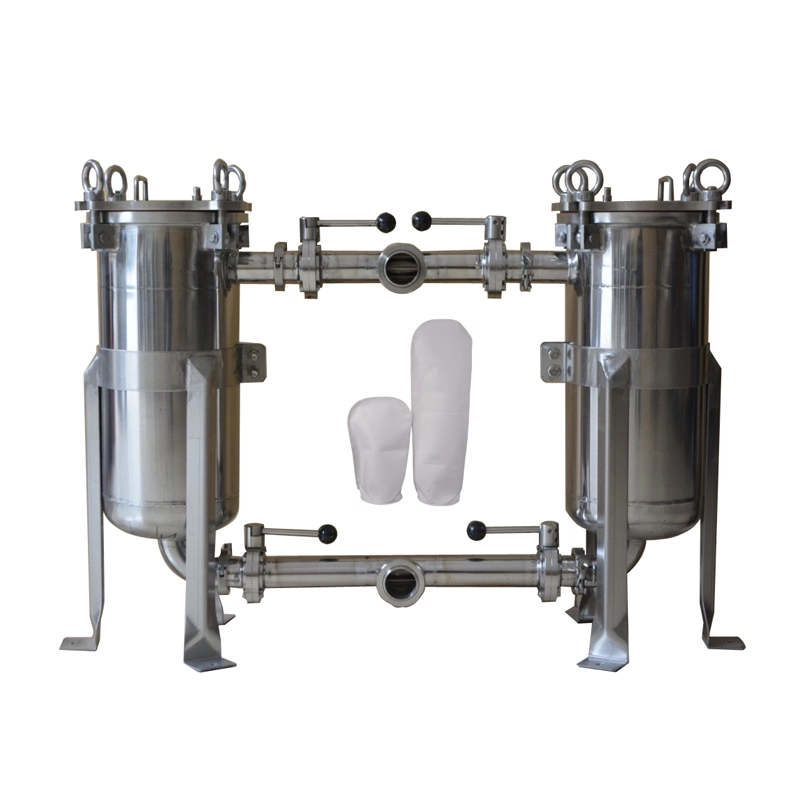
Stainless Steel Duplex filter housing
As the manufacturer, we offer a comprehensive range of Duplex Filter Housings designed to provide efficient and reliable filtration solutions for various industrial applications.
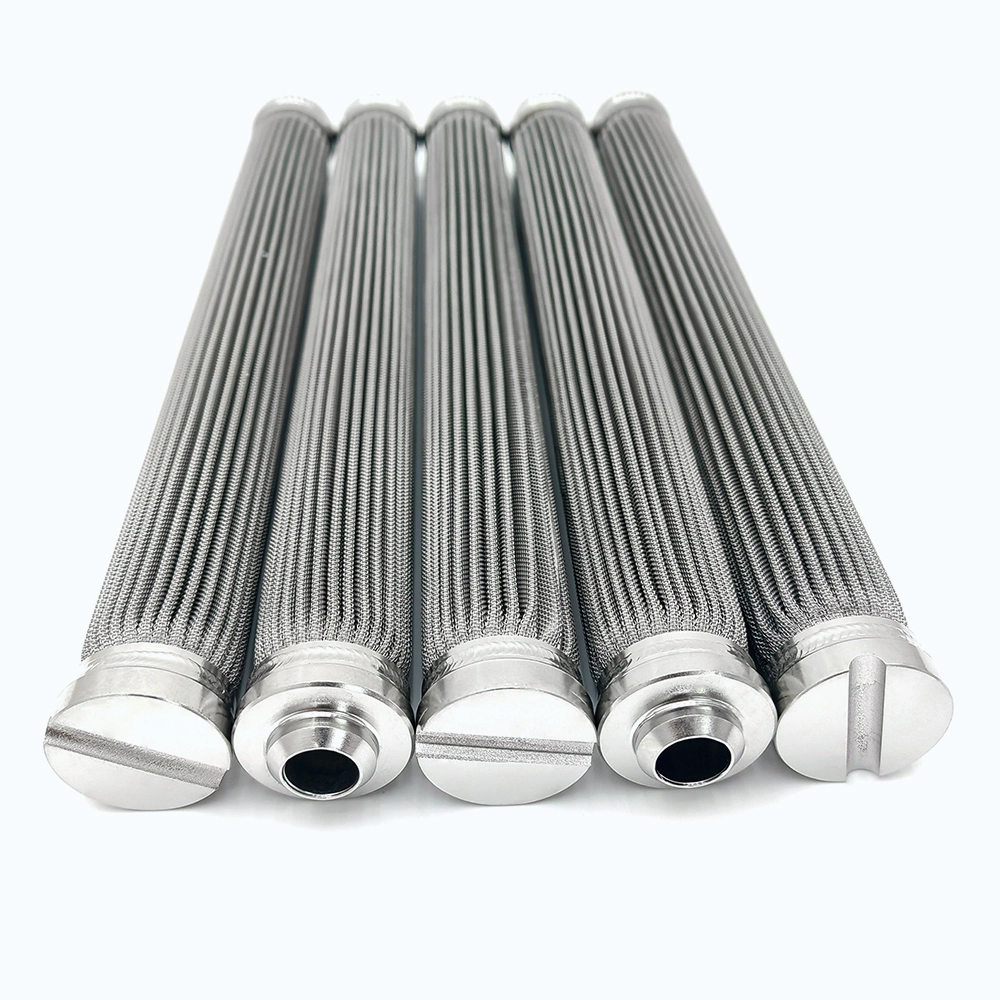
Stainless steel pleated filter cartridge
Our Stainless Steel Pleat Filter Cartridge constructed from high-quality SS 304 or SS 316L material, this filter exhibits exceptional resistance to high temperatures and rust.
© 2024 All Rights Reserved. | Privacy policy • Terms and conditions


