
Which filter is most efficient?
Explore which filter is most efficient for industrial use. Understand sintered metal filters, their benefits, and selection criteria with expert insights
- Which Filter Is Most Efficient? Insights for Sintered Metal Filter Professionals
- Understanding Filtration Efficiency
- Why Sintered Metal Filters Stand Out
- Comparing Filter Types: Sintered Metal vs. Others
- Key Efficiency Metrics for Sintered Metal Filters
- Expert Recommendations & Data
- Final Considerations
Which Filter Is Most Efficient? Insights for Sintered Metal Filter Professionals
This article explores the question, Which filter is most efficient? within industrial settings, focusing on sintered metal filters. Learn about key efficiency factors affecting filter selection, real-world applications, and authoritative reference points, helping professionals solve problems related to filtration performance, durability, and cost-effectiveness.
Understanding Filtration Efficiency
- Filtration efficiency indicates how well a filter removes contaminants while maintaining flow rates.
- Measured in terms of particle retention (e.g., 99.9% at a given micron rating).
- High-efficiency filters deliver superior performance in demanding industrial environments.
Why Sintered Metal Filters Stand Out
- Advanced Pore Structure:
Manufactured using a controlled sintering process, offering uniform, precise pore size down to sub-micron levels ((https://www.filtrationindustryanalyst.com/feature/sintered-filters-benefits/)).
- Exceptional Durability:
Withstand high temperature (up to 600°C), pressure, and corrosive fluids better than polymer or cloth filters.
- Consistent Filtration:
Minimal pore deformation ensures efficiency remains stable over repeated cycles.
- Cleanability:
Backwash or ultrasonic cleaning extends lifespan, boosting efficiency for years.
Comparing Filter Types: Sintered Metal vs. Others
- Sintered Metal Filters:
- Micron ratings: 0.1 to 100+
- Efficiency: >99.9% for target size
- Reusable, long lifecycle
- Ideal for: Pharma, chemical, food, and gas processing
- Polymer Membranes:
- Often lower max temperatures
- May deform under pressure
- Single-use; potential for frequent changes
- Non-Woven/Cartridge Filters:
- Economical
- Lower retention accuracy, short service life
- Possible fiber shedding, not suitable for all chemicals
Key Efficiency Metrics for Sintered Metal Filters
- Beta Ratio (β):
Reflects contaminant removal per ISO 16889; values >1000 mean extremely high efficiency.
- Pressure Drop:
Lower with large surface area and optimized pore size.
- Flow Rate Consistency:
Maintained even as the filter loads with particles.
- Certificate & Standards:
Ensure compliance with ISO 2942, FDA, or ASTM standards for critical industries.
Expert Recommendations & Data
- Choosing the Most Efficient Filter:
- Match pore size to contaminant size.
- Assess compatibility with fluids, pressure, and temperature.
- Prioritize filters with documented >99% efficiency ratings at required micron sizes ((https://www.parker.com/portal/site/PARKER/menuitem.ed7d27ea1b8d34e22677e521237ad1ca/?vgnextoid=cb46f3a9b45ee210VgnVCM10000048021dacRCRD&vgnextfmt=EN)).
- Consider total cost of ownership: sintered metal is high-value long-term.
Final Considerations
- Sintered metal filters are among the most efficient for critical filtration tasks, combining high particulate retention, operational endurance, and cleanability.
- Efficiency depends not just on the filter medium, but correct selection based on your specific process needs.
For more detailed technical support or custom filter solutions, contact our filtration experts.
*Which filter is most efficient?* For industrial professionals, sintered metal filters are a proven choice for demanding environments, delivering reliability, peak performance, and compliance assurance.
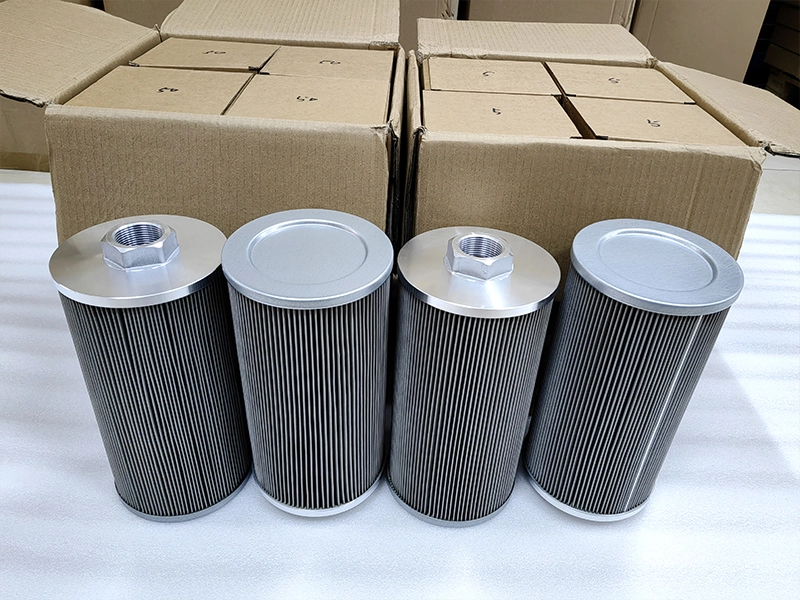
What is Sintered Metal Filter? Complete Guide
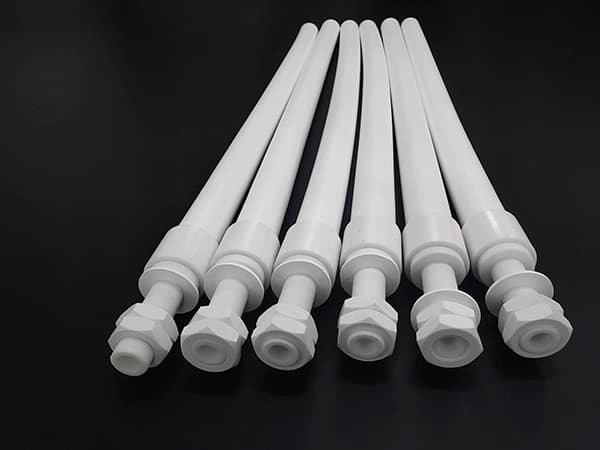
Sintered PTFE Filters: Advanced Filtration for Demanding Environments
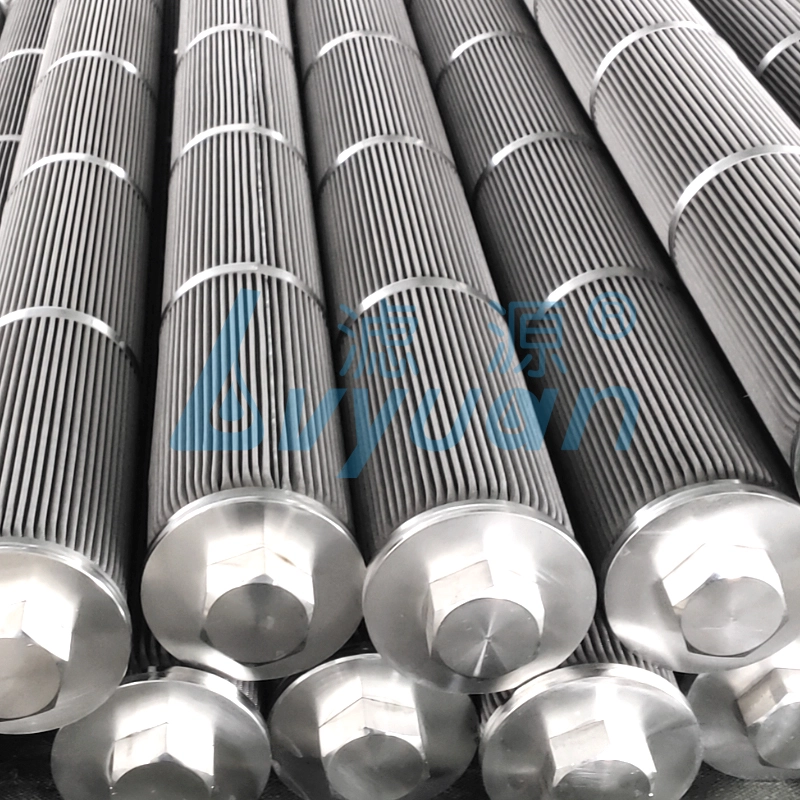
Metal Sintered Filters: Precision Filtering to Drive Industrial Upgrading
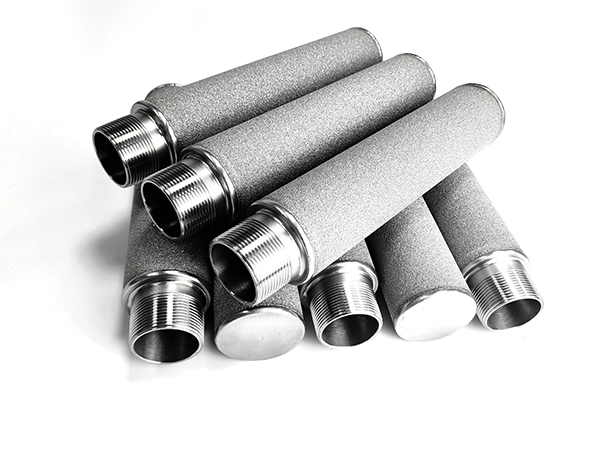
Choosing Sintered Filters: An Overview for Industrial Applications
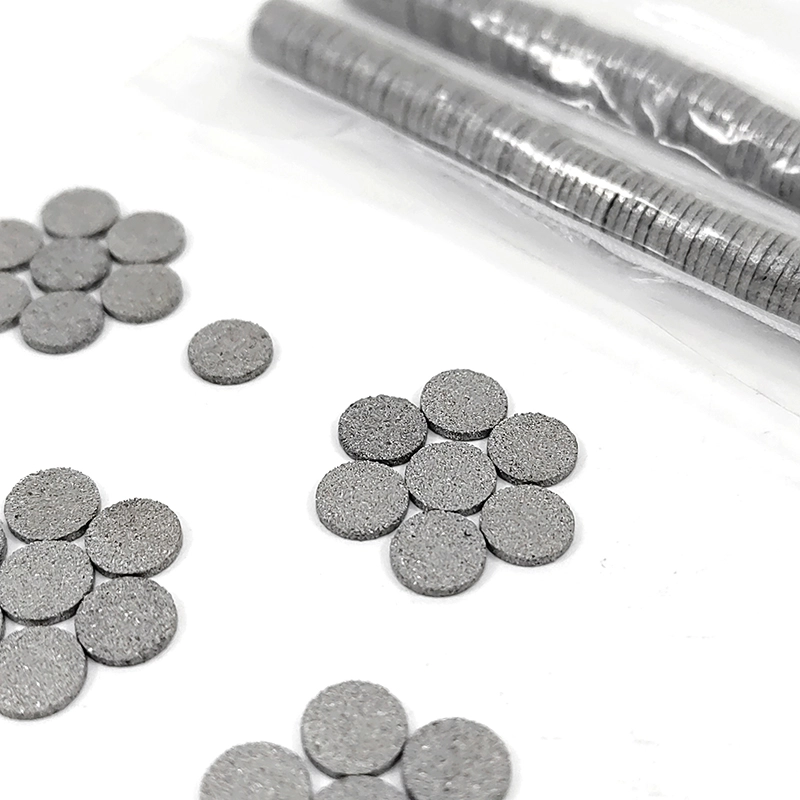
What is a Sintered Metal Filter Disc? A Comprehensive Guide
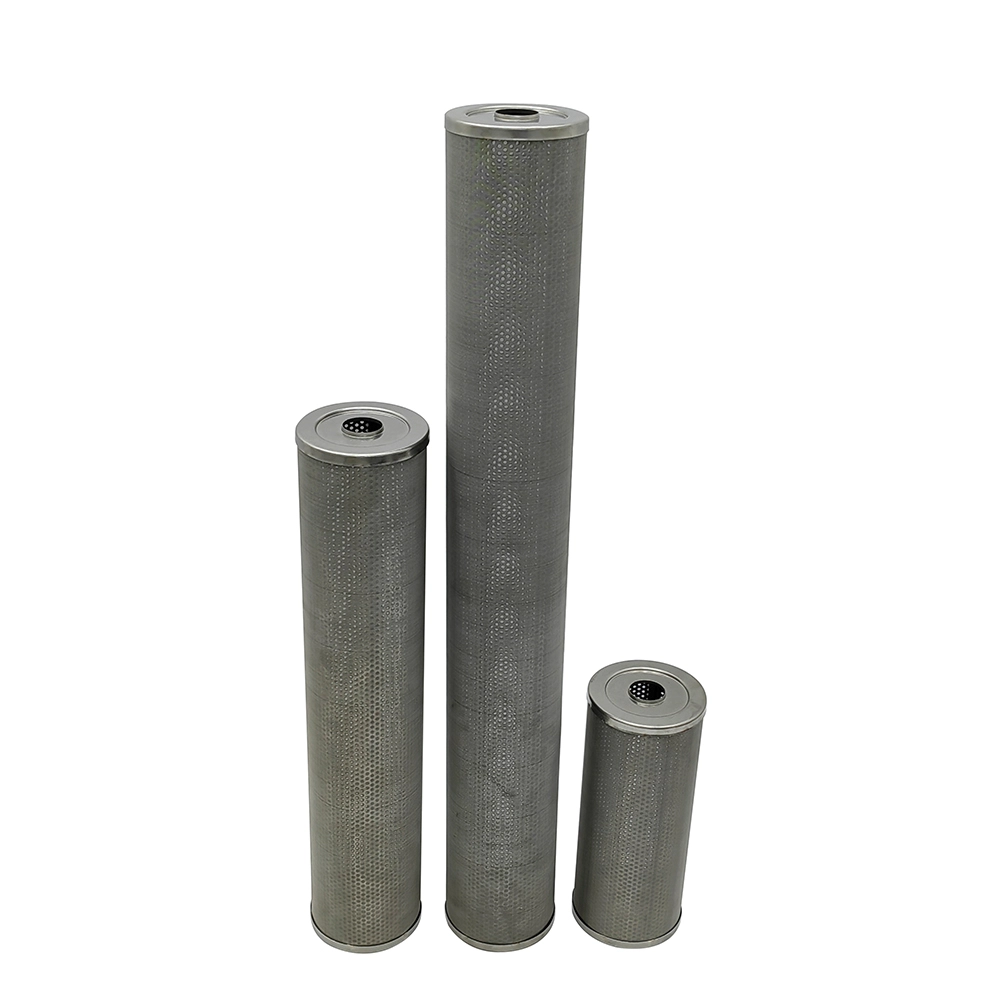
What Are Sintered Metal Filters and How Do They Work?
Sintered Titanium Filters
How Do Sintered Titanium Filters Work?
Sintered titanium filters function by allowing fluid or gas to pass through their porous structure, capturing particles and impurities, resulting in effective filtration.
What are Sintered Titanium Filters?
Sintered titanium filters are porous metal components created through a sintering process, designed to provide efficient filtration in various applications.
Sintered mesh filters
What advantages do sintered mesh filters offer over other filtration methods?
Sintered mesh filters provide advantages such as high filtration efficiency, strength, durability, and the ability to withstand challenging conditions. They offer a reliable and long-lasting solution for diverse filtration needs.
Sintered Powder Filters
Can sintered powder filters be customized for specific applications?
Yes, sintered powder filters can be customized based on factors such as material, shape, pore size, micron rating, and filtration requirements to suit the unique needs of different applications.
Porous Plastic Filter
How do I clean and maintain sintered plastic porous filters?
Sintered plastic porous filters can be cleaned using various methods, such as backwashing, ultrasonic cleaning, chemical cleaning, and steam sterilization, depending on the type of contaminants and the filter's compatibility with cleaning agents. Regular maintenance, such as inspection and replacement of filters, is essential to ensuring optimal performance.
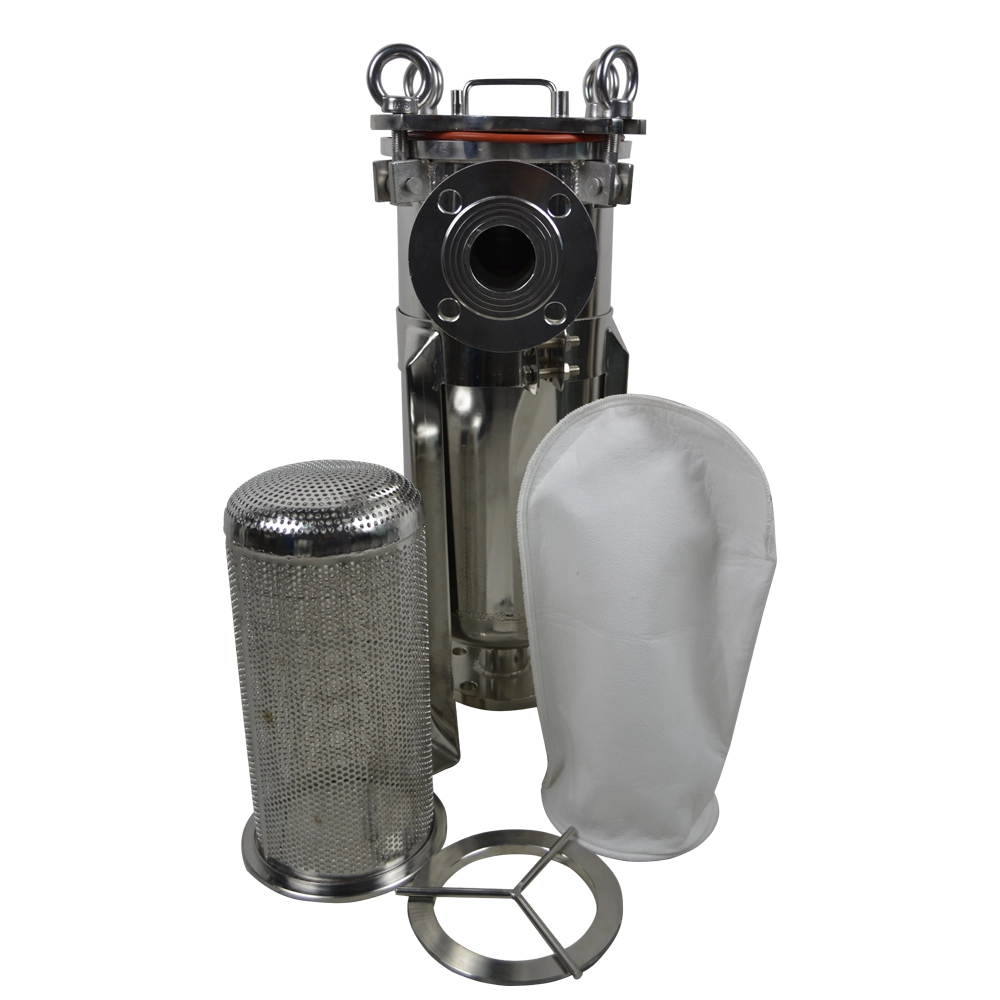
Bag filter housing
Bag filter housings are essential components in industrial filtration systems, designed to remove contaminants from liquids. To enhance the functionality and efficiency of bag filter housings, various features can be incorporated.
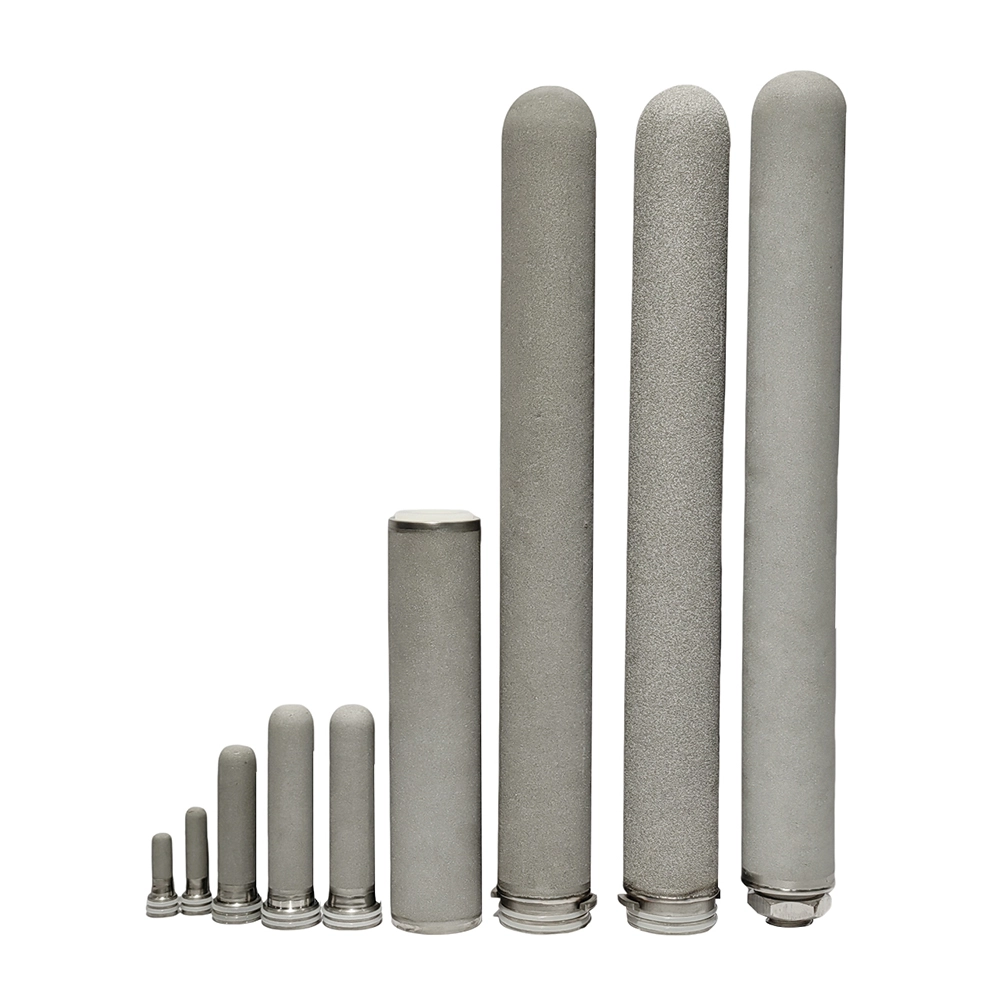
Sintered powder metal filters
Sintered powder metal filters are crafted from compressed and sintered metal powders, forming a porous structure. Porosity: 28%-50% Permeability: 0.02-20L/cm²minPa Pressure Resistance: 0.5Mpa Temperature Resistance: Less than 280℃
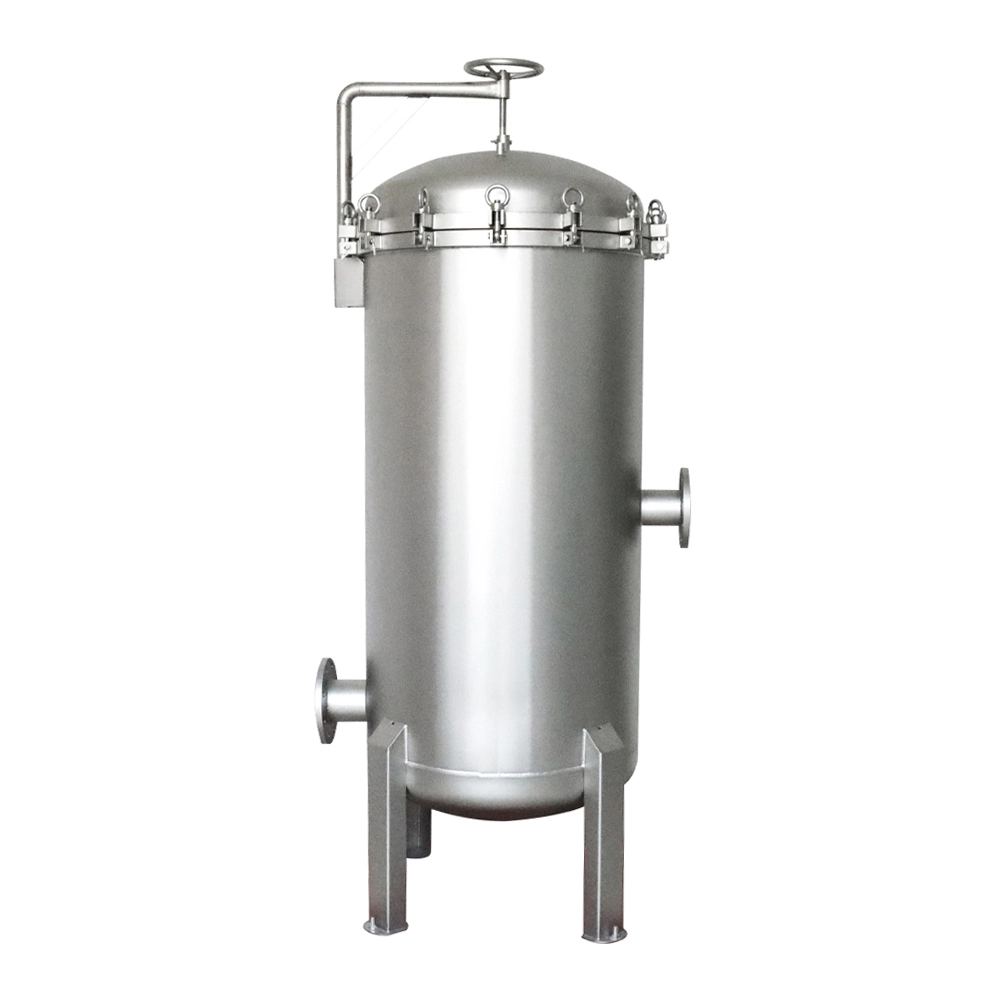
Stainless steel multi cartridge filter housing
Discover unparalleled filtration efficiency with our Stainless Steel Multi Cartridge Filter Housing – a testament to precision engineering and reliability.
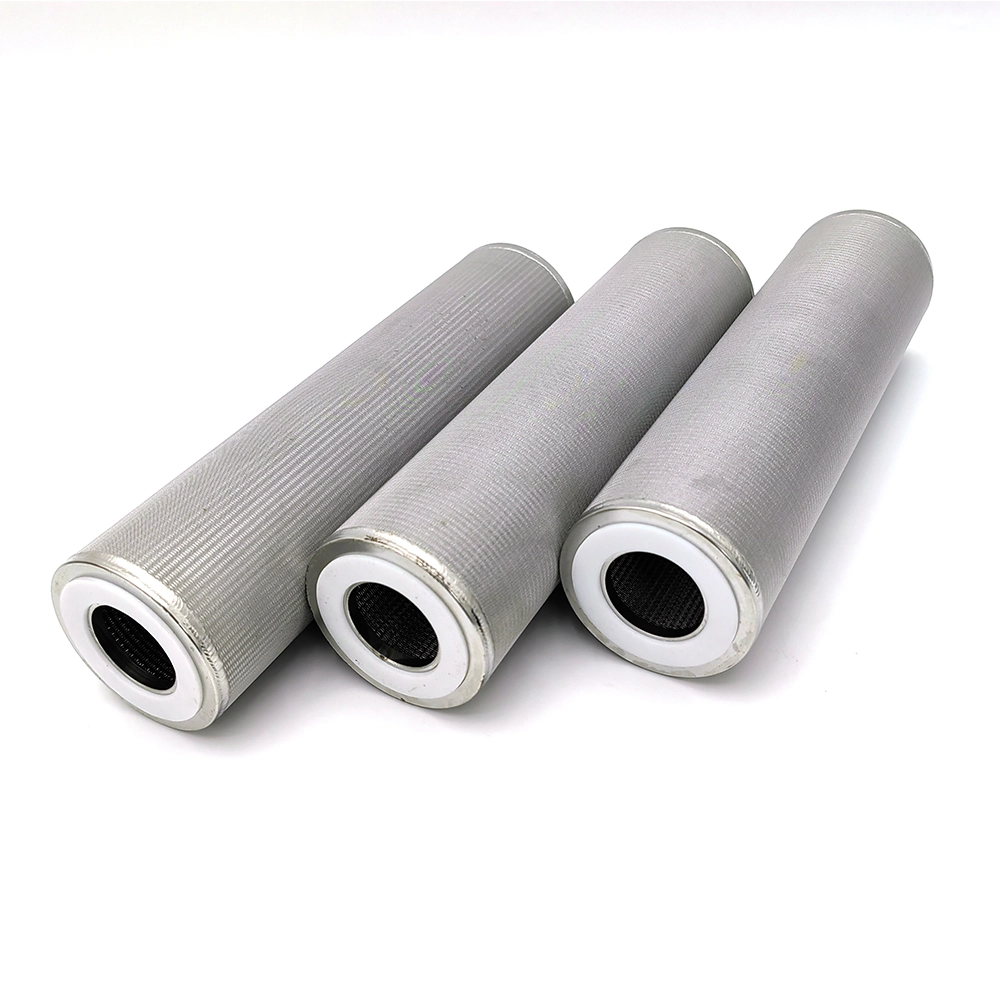
Sintered wire mesh filter
Benefit from outstanding high-pressure resistance and consistent filtration efficiency with our sintered metal mesh. Our sintered wire mesh finds versatile applications in diffuser screens, centrifuges, breather vents, fluidized beds, chromatography, polymer processing, petrochemical industries, hydraulic filters, and more.
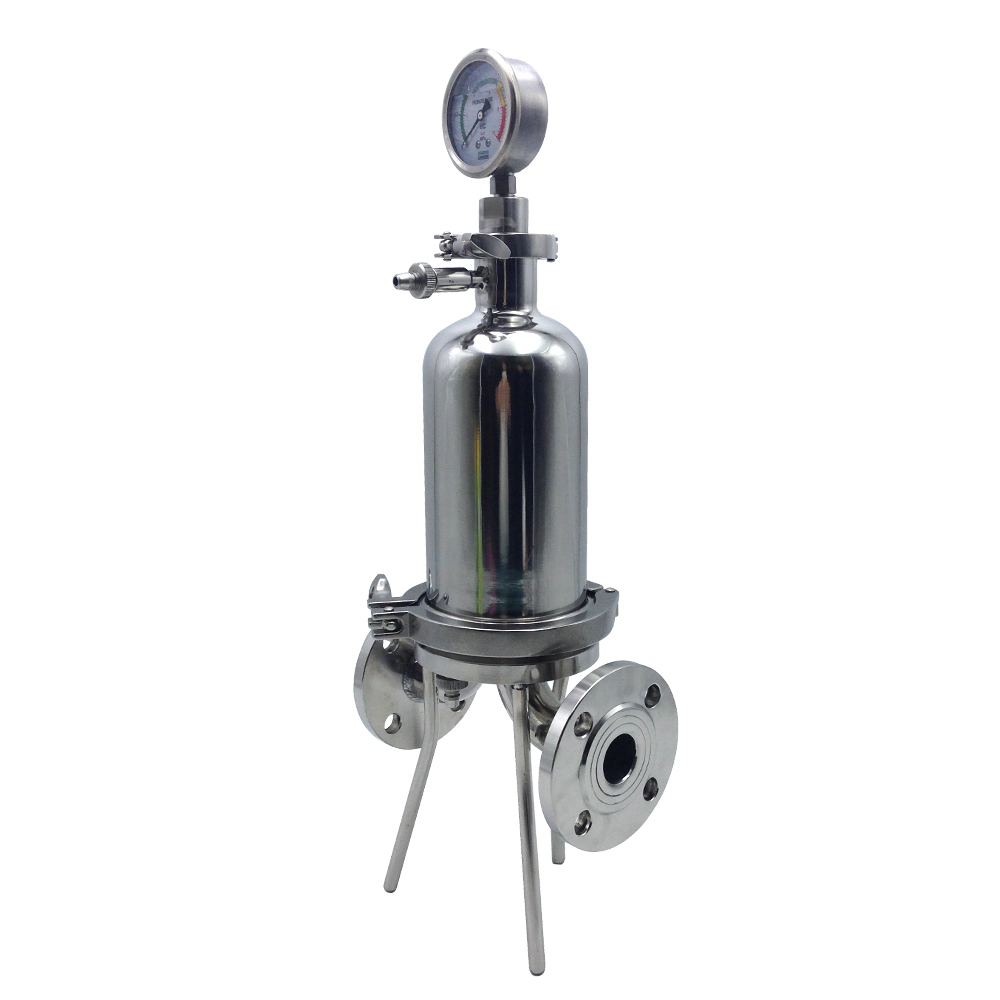
Sanitary filter housing
This filter housing will allow you to filter large volumes of nanoemulsion with ease. Sanitary vent and drain valves permit easy venting, draining, sampling, or integrity testing operations. The new cartridge locking design features additional cut-outs for traditional half-moon portions of the Code 7 bayonet locks, enhancing clean ability and drain ability.
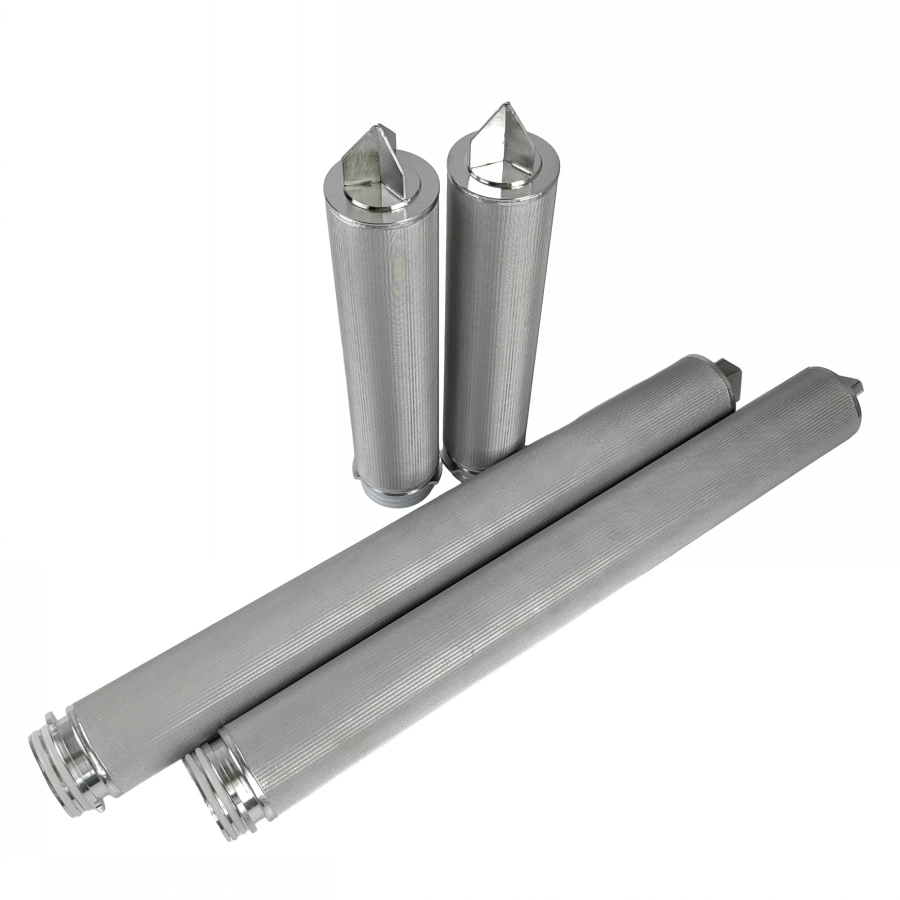
stainless steel filter water
Our sintered stainless steel filter stands as a pivotal filtration element crafted through a meticulous sintering process, with stainless steel serving as the core material.
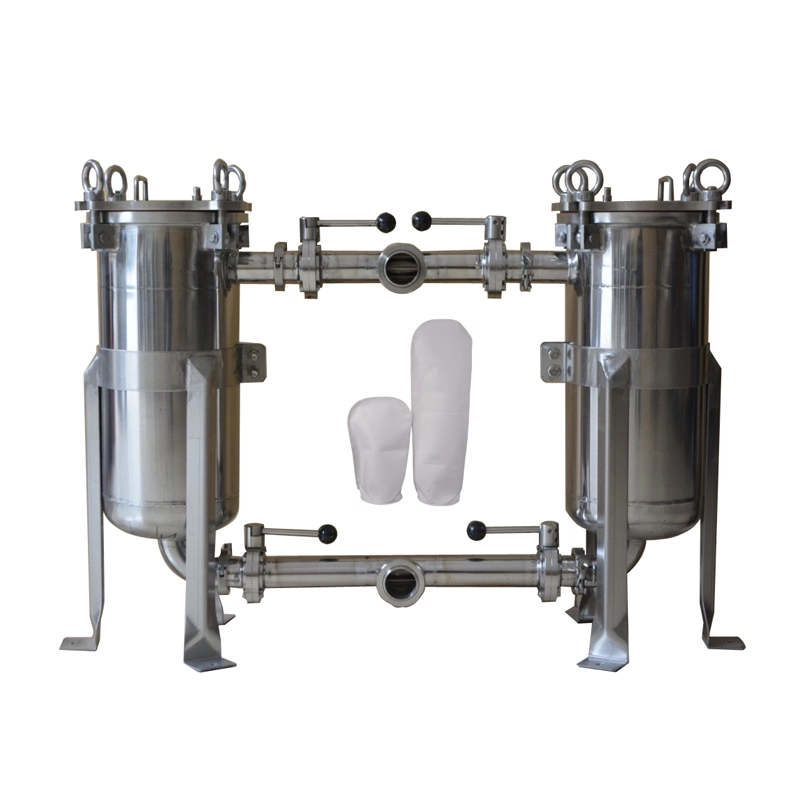
Stainless Steel Duplex filter housing
As the manufacturer, we offer a comprehensive range of Duplex Filter Housings designed to provide efficient and reliable filtration solutions for various industrial applications.
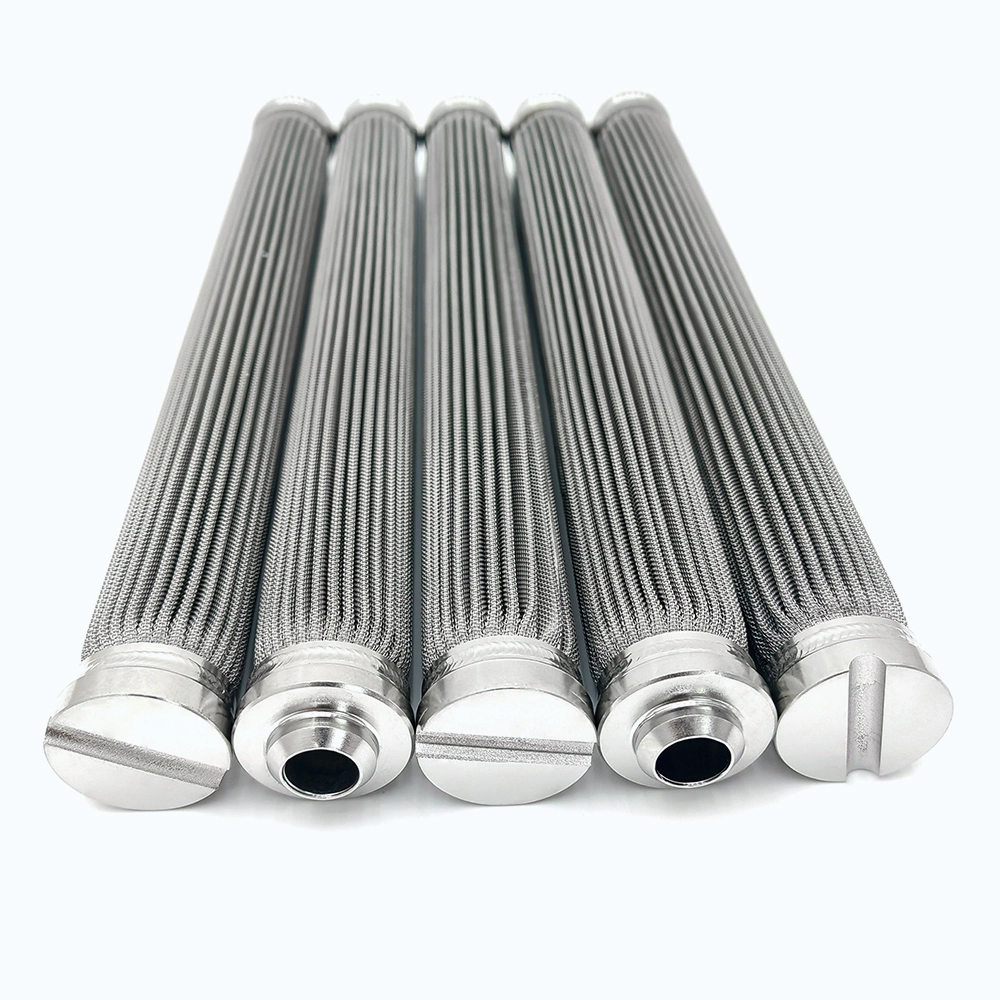
Stainless steel pleated filter cartridge
Our Stainless Steel Pleat Filter Cartridge constructed from high-quality SS 304 or SS 316L material, this filter exhibits exceptional resistance to high temperatures and rust.
© 2024 All Rights Reserved. | Privacy policy • Terms and conditions


